




The Transformation of Azov: From a ‘coalition of volunteers’ to the 1st Corps of the Ukrainian National Guard
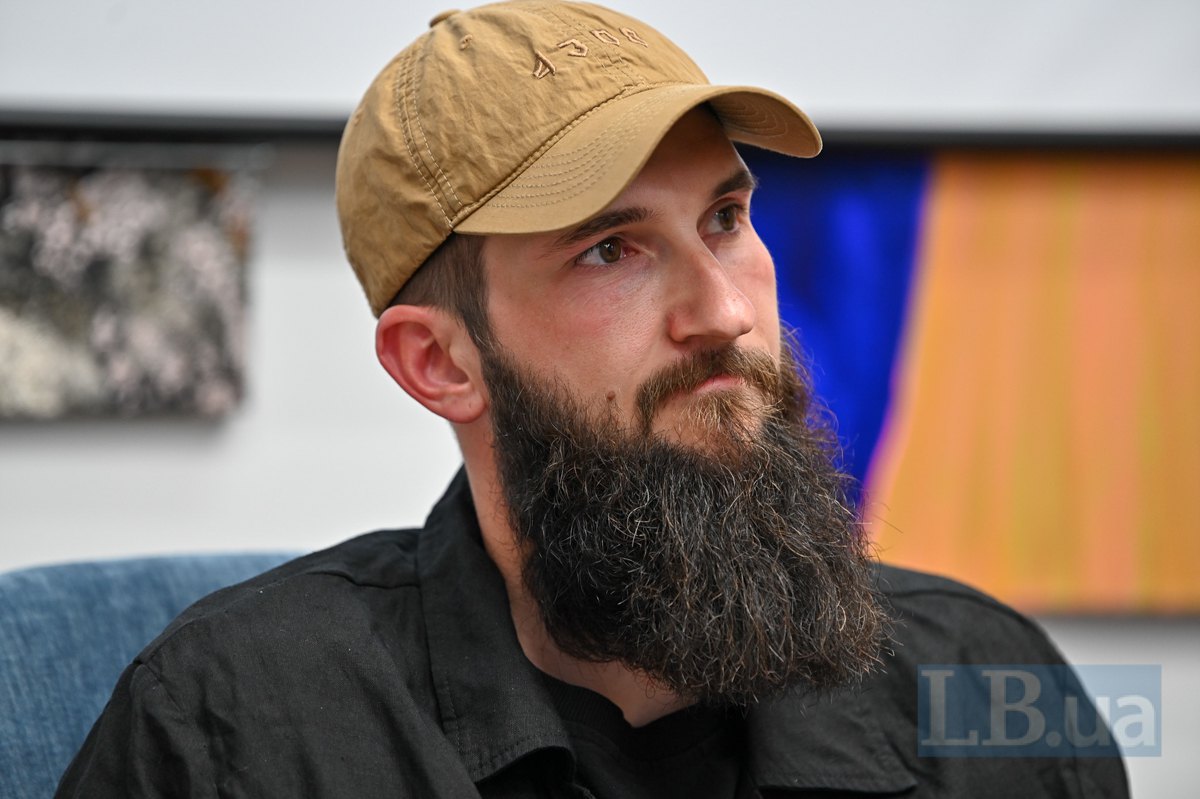
In 2014, the volunteer units consisted of a sort of ‘coalition of the willing’ known as the Azov, Dnipro-1 and Donbas battalions, recalls Master Sergeant of the 1st Azov Corps Kyrylo ‘Maslo’ Masalitin. These units knew a little more than nothing (because someone had actually taught them to shoot an assault rifle), he adds, and were guided largely by life experience and simple logic. But with the end of the active phase of the ATO in 2015–2016, Azov decided to become a professional military unit, Maslo explained.
“In 2015, the officers and some of the sergeants in our unit (by then the Azov Regiment) completed a two-month officer training course — it was a super-intensive programme, the first and only one of its kind in the volunteer units, conducted to NATO standards with the involvement of foreign instructors.
In 2016, we opened our own sergeant school – the Colonel Yevhen Konovalets Military Commanders’ School. Maktavish and I were the first graduates of this sergeant school. We worked there as instructors until 2019. We began to develop the sergeant and officer branches. To train soldiers who would eventually become good sergeants and officers.
We studied, trained, fought, and constantly honed our skills and management abilities, from small-unit commanders right up to regimental commanders. And by the time we entered full-scale war, I think we were at the peak and plateau of our capabilities, which were given to us before the full-scale conflict, because now those capabilities are much greater,” noted a sergeant from the 1st Azov Corps.
It was precisely this, he adds, that enabled the Azov fighters to hold the defence of Mariupol for 86 days.
“I’m not ruling out the other units that fought alongside us — they’re all fine lads, all brave souls — but overall, the defence of Mariupol was directly commanded by ‘Redis’ (commander of the 1st Corps of the National Guard of Ukraine Azov — Ed.), which is also telling. It’s a city of half a million people, a large one, and defending such a city with such a mixed crew is extremely, extremely difficult,” noted Kyrylo ‘Maslo’ Masalitin.
But after Mariupol, where the Azov base was located, the battalions had to be rebuilt from scratch.
“When some of our officers, sergeants and soldiers were evacuated from Azovstal by helicopter, their task was to start rebuilding Azov here, as we used to say, ‘on the mainland’. And after the exchange in 2023, it was difficult, of course, but we got back into formation quite quickly. We started forming the battalion sometime in early 2023 — January or February — and by early June we were already carrying out our first combat mission, which was a counter-offensive. And we’ve now reached the point where we’re a full-fledged corps. We have five brigades under our command, a sixth is being formed, and many units are being formed. And this is constant development,” says Maslo.
Azov’s current results on the front line, he adds, show that the path to becoming a professional army was the right one.
“The volunteer unit had a certain strong, powerful spirit, but you can’t rely on that alone — it’s a form of energy that loses its momentum over time. We’ve moved towards professionalism. Because you can only fight effectively if you have some knowledge and experience,” noted Maslo.
How the war and reality shaped one another
From a technological standpoint, the war changed for Azov in 2024 — until then, the unit’s fighters had no access to Western weaponry due to US restrictions (under the Leahy Law, which we have already mentioned. — Ed.), explained Master Sergeant of the 1st Azov Corps Kyrylo ‘Maslo’ Masalitin.
“Back then, the war changed significantly for us — new types of weaponry appeared. To be fair, we’d already started using them in Mariupol — those very NLAWs — but we learnt to fire them using a radio and a piece of paper with the instructions on it,” says Maslo.
But, according to Staff Sergeant Ihor ‘Maktavish’ Shelepyonka of the 12th Azov Special Forces Brigade, the understanding of what awaits a soldier and what he needs to be taught has also transformed significantly.
“Let me give you my own example. When I joined the unit with Maslo [in 2015] driven by some inner motivation, a desire to defend the state, we were trained for two weeks. And it wasn’t any kind of systematic training: whoever knew something, so to speak, just told us what they knew. And that was it — we were sent to the unit, where there was some work to do, minimal training, and then we were sent out on combat missions.
…I didn’t even understand what lay ahead of me. From what I’d seen in videos and heard from friends, on my first combat deployment I thought: ‘That’s it, they’re sending us off now; there’s a war on — planes, tanks.’ But in reality, we arrived at our position and spent a few days there in what were, in principle, safe conditions,” shared Maktavish.
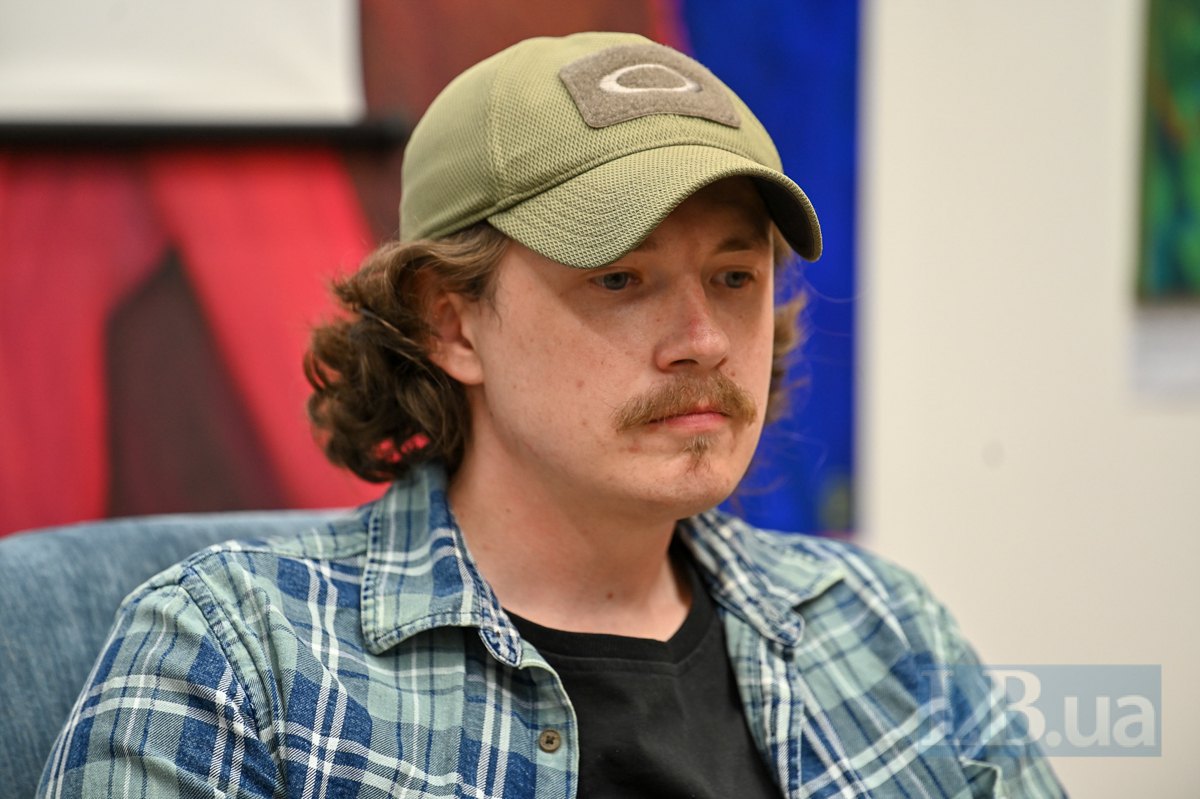
Now, he adds, the realities of war have become clear to everyone — through television and Telegram channels. Recruits are mentally better prepared for this, whereas those who end up in the army against their will often find it discouraging. Nevertheless, there is now a broader understanding of the realities of war.
“If a person joins a unit of their own accord, they are already prepared for this to some extent. If they encounter high-quality training and a clear approach from the instructors — and since 2016 we have set ourselves the goal of training every soldier and every recruit to a high standard. There was a general rule: there are no people who cannot be trained, only bad instructors who cannot teach. We used this approach to drive ourselves towards constant improvement. And this continues to this day.
What is more, we now receive feedback from the unit very quickly. The unit responsible for training personnel can immediately receive feedback from combat units on what needs to be changed in the training process. We incorporate our corps’ combat experience directly into the training, and changes are being made constantly. We are not training people for some past war or for the war of 2014–15. Anyone who comes to us immediately senses this soldier-centred approach, this focus on ensuring that a fighter is 100% ready within the time allotted to them,” emphasised Maktavish.
In his view, extending the training period from two weeks to nine, provided the training remains intensive, allows a person to become a fully fledged combat soldier who, under proper command and management, is already capable of carrying out combat tasks.
However, the realities of the full-scale war, Maktavish adds, have forced Azov to move away from the principle of selecting only the strongest and best candidates and instead place greater emphasis on motivating those who may not initially meet the required standard.
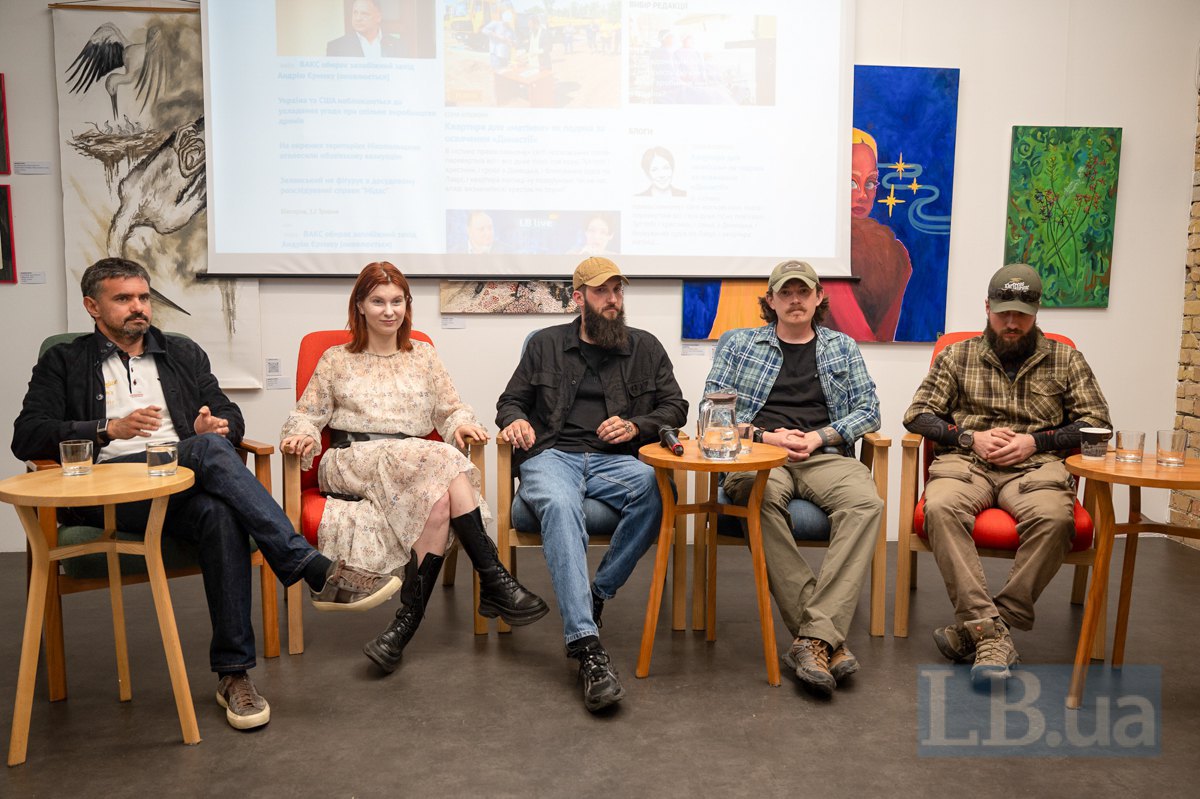
“Before the full-scale invasion, we had a ‘bell rule’: a new intake would arrive—say, 50 to 60 recruits wanting to join Azov. The weakest, who couldn’t cope with the demands, would go to the bell, ring it, pack their things and go home. After four months, they had the chance to try again. In this way, we kept the best — those who could handle the training, the pace, who were intellectually and physically fit, moved on.
Now, unfortunately, we don’t have the opportunity to select the 30 best from 100 people. And the very essence of the motivation for a serviceman joining the course has changed. Before, we’d say something like: ‘Mate, you’re weak, come back in four months and we’ll try again’. Now we say: ‘Mate, you’re weak, but you need this information, these skills to survive in combat.’ So there’s this reverse motivation here, which makes a person realise that, damn it, if I don’t learn now, if I don’t train, my chances of surviving in combat are slimmer. And it works. I wish it were different, but these are the realities we face,” says the chief sergeant of the 12th Special Forces Brigade Azov.
Today, a soldier who fights and who can survive is a ‘Swiss Army knife’ of a soldier, possessing an incredible amount of knowledge, notes Staff Sergeant ‘Vudi’ of the 2nd Battalion of the 12th Special Forces Brigade Azov. And this knowledge base is needed not only to survive, but also to be an effective fighter, a reliable comrade to one’s fellow soldiers, and to carry out assigned tasks.
“An infantryman sheds blood at the front line; an infantryman operates an Avata-type drone to reconnoitre forward positions, so he can then launch an assault or a mop-up operation; an infantryman specialising in electronic warfare; an infantryman hopping on a quad bike and riding off, grabbing whatever weapon he can find — firing it off or whatever. That’s the reality of today,” explains Vudi.
And what has changed most in the modern Ukrainian army, and what everyone is moving towards — some more slowly, some more quickly — he adds: that a soldier must be intelligent above all else.
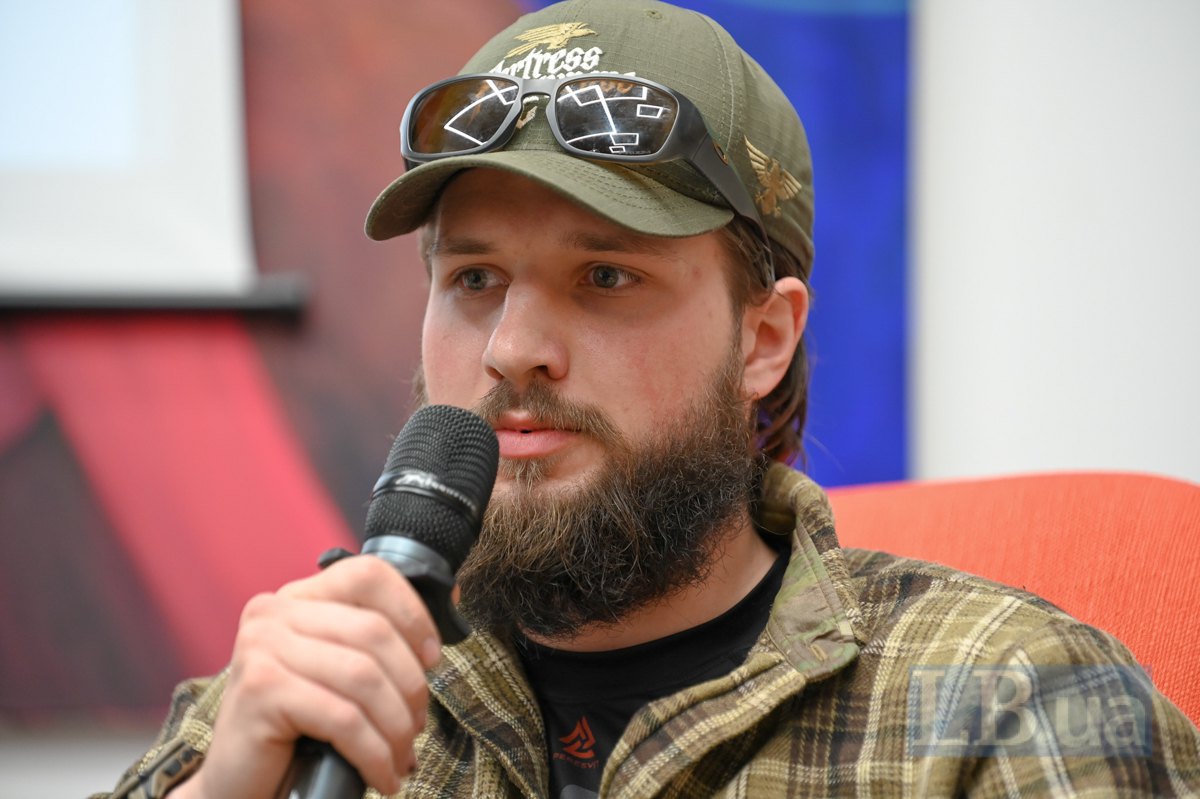
“When a soldier is simply sent off [to the front line] that’s not good enough. When he is intellectually well-equipped and fully trained, he becomes a proper combat unit that you can work with, one that is self-reliant in the necessary areas, and one that will continue to develop and carry on this work. Because teaching a person to think is difficult. And no one can say how to do it,” noted Vudi.
That is why he considers tactics to be the most difficult aspect of training fighters: the scope of work is incredibly vast, changing every second, and it is critically important for fighters to be able to think.
Tactics training in Azov, explains the chief sergeant of the 2nd Battalion of the 12th Special Forces Brigade, has been fundamental since the brigade’s inception. But it adapts to the realities on the ground.
“The sergeant, so to speak, runs sessions with examples of how it worked for him, compares how the enemy operates, and runs through various scenarios. When you don’t go out into the field in full gear to practise tactics, but sit down at a flipchart, draw an example, and try moving this way, that way, or another way. When this kind of logical thinking and creative thinking kicks in among the fighters — that’s when you’ve got a top-notch fighter,” says Vudi.
“This is what we need to work on, adapting it to our realities, which is what’s happening in our units and, I hope, in others. Firstly, there are the planning aspects. Those abbreviations that are so daunting to some: TLP (Tactical Level Planning — Ed.) and MDMP (Military Decision-Making Process — Ed.)
Let’s take basic TLP — when you have a specific list of aspects you need to consider during planning. A sort of checklist of what needs to be taken into account, what you need to know to plan a proper operation and to prepare the troops for that operation. Because planning without preparation won’t work. That’s the first aspect.
The wargaming stage is when you are planning an operation or analysing a past operation (conducting an after-action review); you have a specific scenario of actions — your plan, for example. You have a screen with Kropyva, Delta — it doesn’t really matter whether it’s the old-fashioned way — a flip chart or a sand table (a map, cars, helicopters, toy soldiers that you move around). There is a distribution of roles among the people taking part in this wargaming — commanders, specific sections, sergeants, and so on. And you run through a full-scale scenario of how this operation would unfold. Against this backdrop, you identify which issues you haven’t yet taken into account, what challenges you might face, what to focus on, or perhaps whether the plan needs to be completely reworked. And this helps immensely,” shared Vudi.
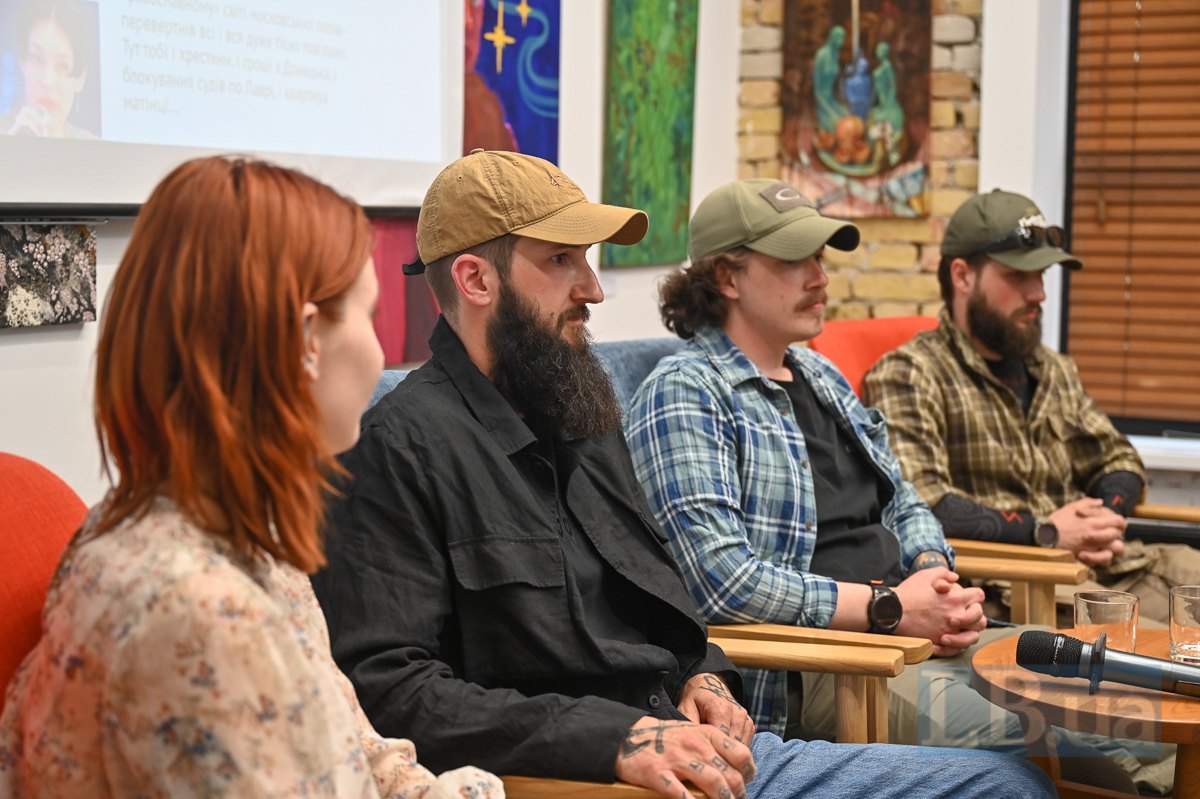
“The ‘we’ll sort it out on the spot’ rule doesn’t work,” adds Ihor ‘Maktavish’ Shelepyonok. “It’s the worst thing that can possibly happen in the army. When a commander uses this rule, it means he is unprofessional, incompetent and doesn’t value his men.
When there is some preliminary planning and preparation, the success rate of the mission increases. This wargaming gives the commander, the combat sections and the command sections an understanding of how effective the decision they made during planning will actually be. Because during wargaming, a specific side, specific units, practise against a simulated enemy, playing its role. And we reduce the percentage of losses in equipment and in human capital. This is necessary for the correct and successful execution of any task.”
Why drones will never be able to replace people on the front line
“That’s a huge misconception,” commented Master Sergeant of the 1st Azov Corps Kyrylo ‘Maslo’ Masalitin. And it is usually people themselves who fall for it.
“In any foreseeable future, drones will not be able to replace humans. That is a fact. We need to understand this. A drone is just another tool to help us fight. Until a soldier sets foot on the ground, until he enters that position, that settlement, the settlement will not be ours. And everyone needs to understand this. Even if 10 UAVs and 500 FPVs were to fly into Avdiyivka right now, it wouldn’t become ours. If fully-fledged robots — like humans — were to appear, perhaps we could consider that possibility. Just consider it. No one can replace a human on the battlefield,” asserts Maslo.
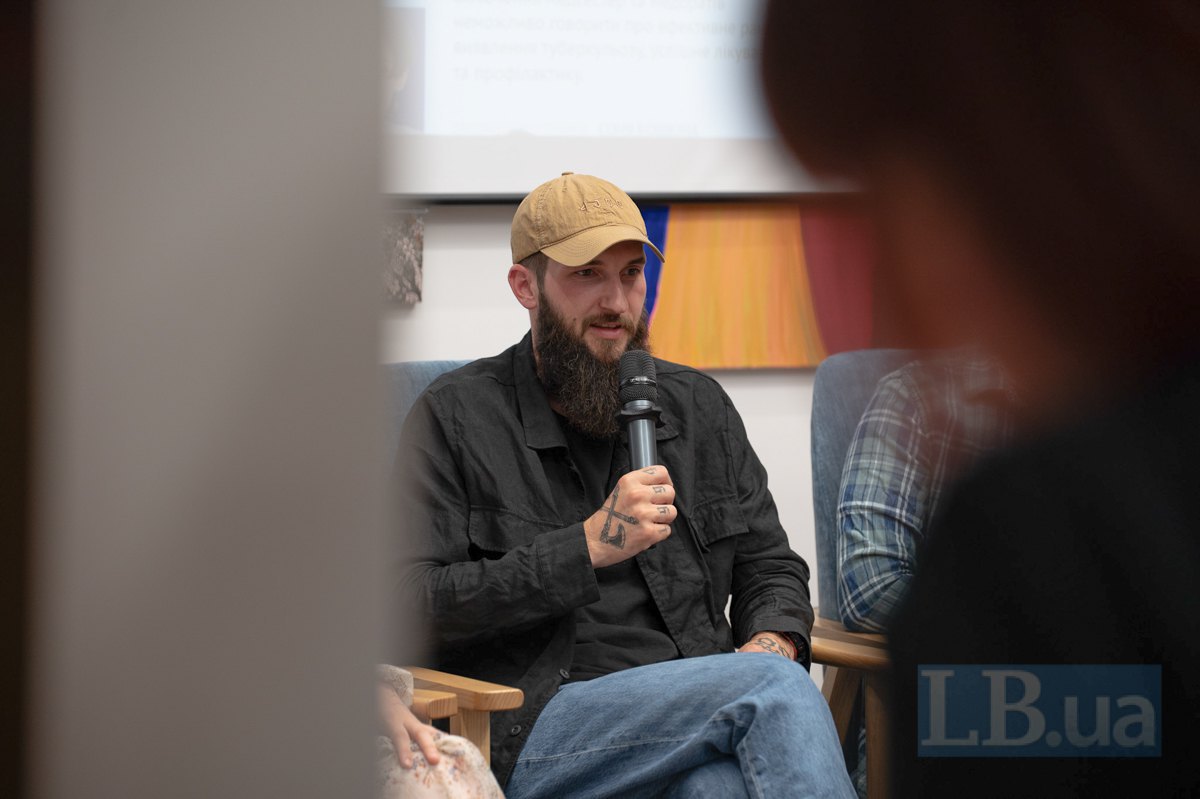
According to him, the number of people on the battlefield is already steadily declining, partly due to the rapid development of drones.
“Nowadays, the main combat unit is a “two-man” or “three-man” team, whereas previously we fought in squads, platoons and companies. Back in 2023–2024, we were advancing in the Serebryanskyy Forest in platoons; we could afford to send a platoon of infantrymen on an assault without suffering any losses. But by mid-2024, my infantrymen couldn’t reach their positions because the drone component had become extremely powerful in the blink of an eye.
…Tactical principles written before this war state, roughly speaking, that in defence a squad (up to 10 men) can hold a 100-metre-wide section of the front. That is no longer the case. Everyone understands this. Why 10 people for 100 metres? So they can observe, provide covering fire for one another, and so on. Yes, drones are now taking over this role for us. A drone can observe (further, more extensively), a drone can strike, and handle logistics. But who is it doing this for? For the soldier. And because we are fighting the Russians on equal terms, and they too have significantly ramped up this aspect, we are reducing the number of infantrymen we deploy on combat missions,” Maslo explained.
“The main thing isn’t who comes, but how you work with them”
Azov works with various categories of recruits, says Staff Sergeant Ihor ‘Maktavish’ Shelepyonka of the 12th Azov Special Forces Brigade: those who come to the recruitment centre; those transferring from other units; those returning from the front line; young people aged 18–24; and those mobilised from the Territorial Defence Forces and the Special Forces. But there is one common feature, the sergeant emphasises — people have become physically weaker.
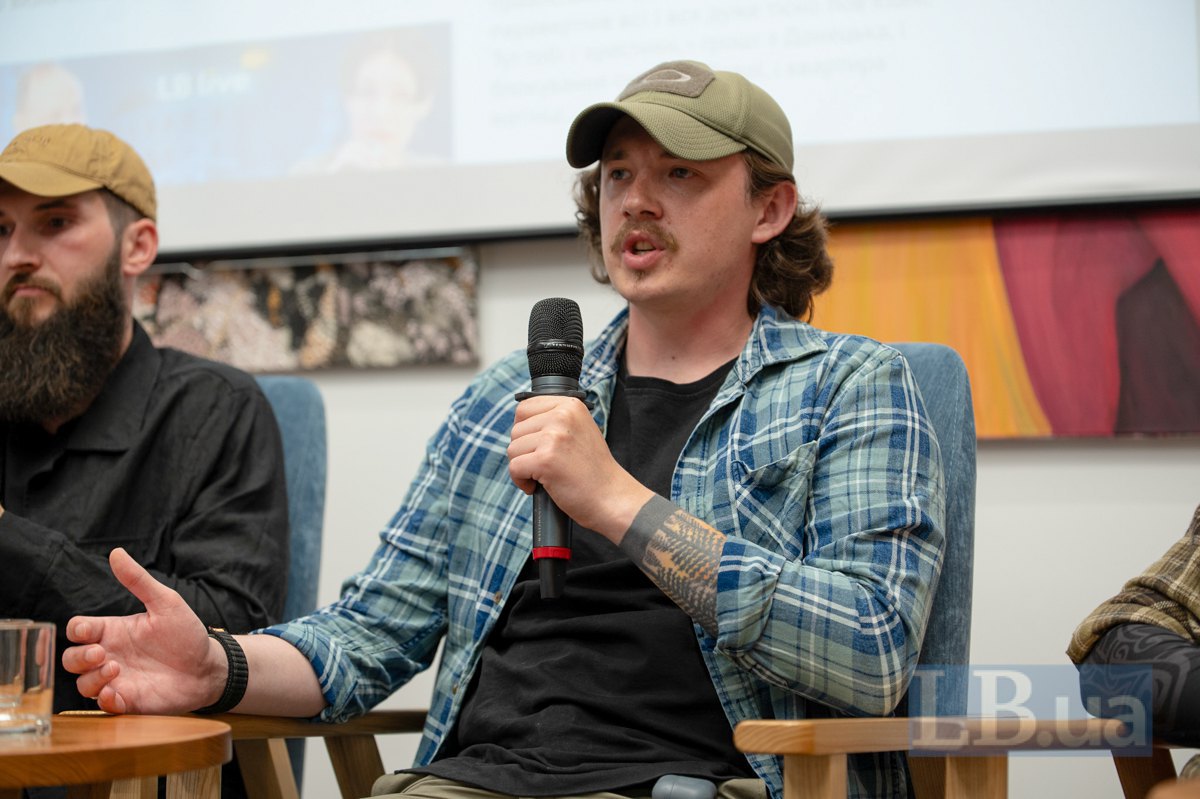
“If we were to assess a soldier against our previous standards, he wouldn’t even meet 60 per cent of them. Unfortunately, that’s a fact. The same goes for young people. Perhaps this is a problem with state policy on promoting sport, or some form of active leisure… But people are physically weak. I see this for myself when I work with new recruits,” added Maktavish.
Moreover, he said, with the conscripts, we need to work fundamentally on motivation, because elements of Russian propaganda—that people are being sent ‘to the slaughter’ and will die on the front line tomorrow—have a profound effect on them. At the same time, those who come to the recruitment centres are better prepared mentally.
“We need to work with the people who come through the TRC and show them what they’re capable of. Maslo and I had a good example of this when we worked simultaneously with three different companies. One was a company of fresh recruits heading to the 12th Special Forces Brigade, the Third Assault unit, and one of the Ukrainian Armed Forces brigades. Frankly, the groups of people were completely different. Of course, the Third Assault and Azov were made up of young people who’d come of their own accord, wanting to prove themselves in life and go and defend the country. And the company that came to us from the Armed Forces brigade was a company of reservists. Not the most motivated people, with an average age of 40+, but in the end, it turned out to be the best company. And the best fighter of all was from that very reserve company. In fact, they changed after about two weeks of training, when they saw for themselves what they were capable of.
When they arrived, they didn’t understand why they were there, why they were being pushed so hard, shouted at, subjected to discipline and daily training. But after two weeks they realised: I was a complete novice, but now I can keep up with the young lads, who are outdone by me in many respects. This inner drive for development meant that they breezed through the second half of the course and achieved excellent results. So the main factor is actually not the sort of people who come, but how you work with them,” noted Maktavish.
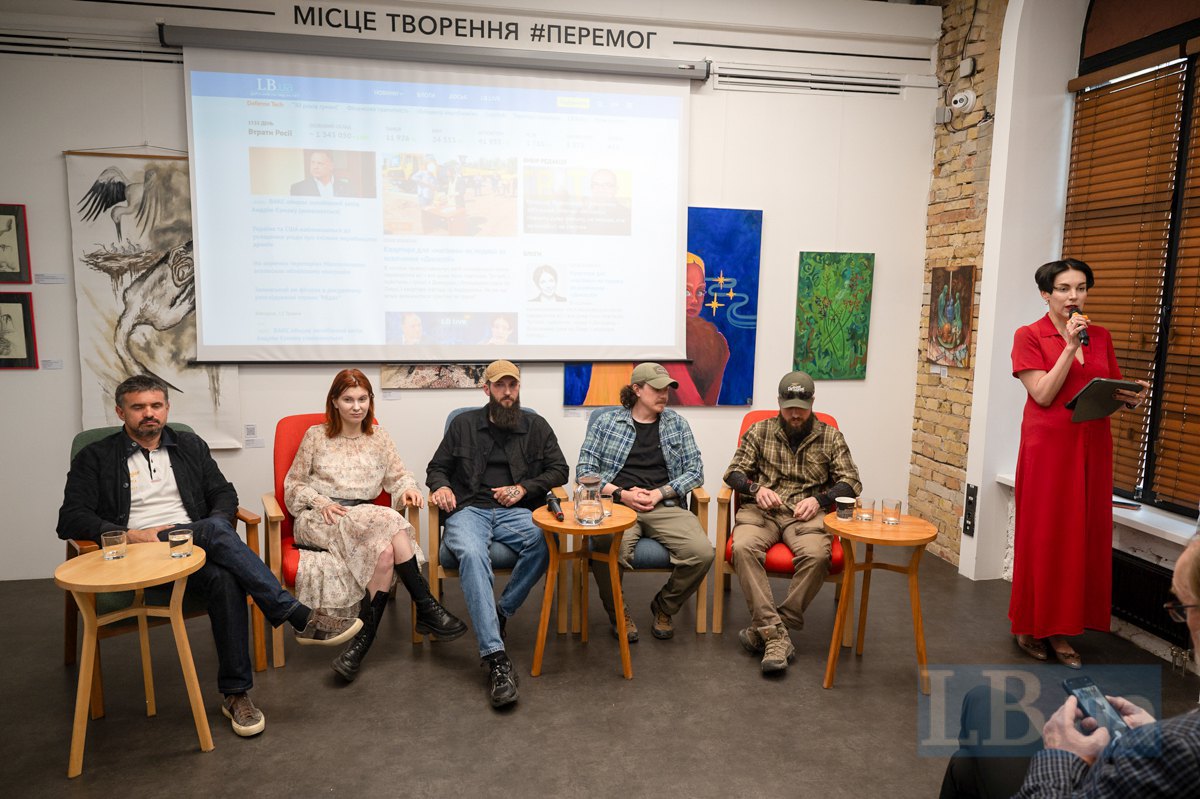
Staff Sergeant ‘Vudi’ of the 2nd Battalion of the 12th Special Forces Brigade Azov, also highlighted the fact that recruits can now effectively choose which role they wish to serve in — something that was unheard of in the Ukrainian army in the past.
“If you have a certain level of skill in a specific area, you’ll be considered for a role where you’ll be more competent and needed. This is a new element that didn’t exist before. And another point — people are drawn to the publicity; after all, the media presence of units has an incredibly big impact, which wasn’t the case before. Now, every unit is essentially a business concept. It has its own media, its own portals, its own resources and funding, because there are separate units dedicated to fundraising,” added Vudi.
Personnel management and delayed supplies — the main problems facing the Ukrainian army
If we were to briefly identify the main shortcoming, it is personnel management, note the Azov fighters, — from the moment of mobilisation right through to support.
“This applies to officers, sergeants, soldiers, everyone. Everything that can be encompassed by the term ‘personnel management’. And this problem needs to be solved,” insists Master Sergeant of the 1st Azov Corps Kyrylo ‘Maslo’ Masalitin. “We are solving it gradually within our own ranks. We used to be a small battalion; now we are a corps, so we are already covering more ground in terms of personnel management and will cover even more.”
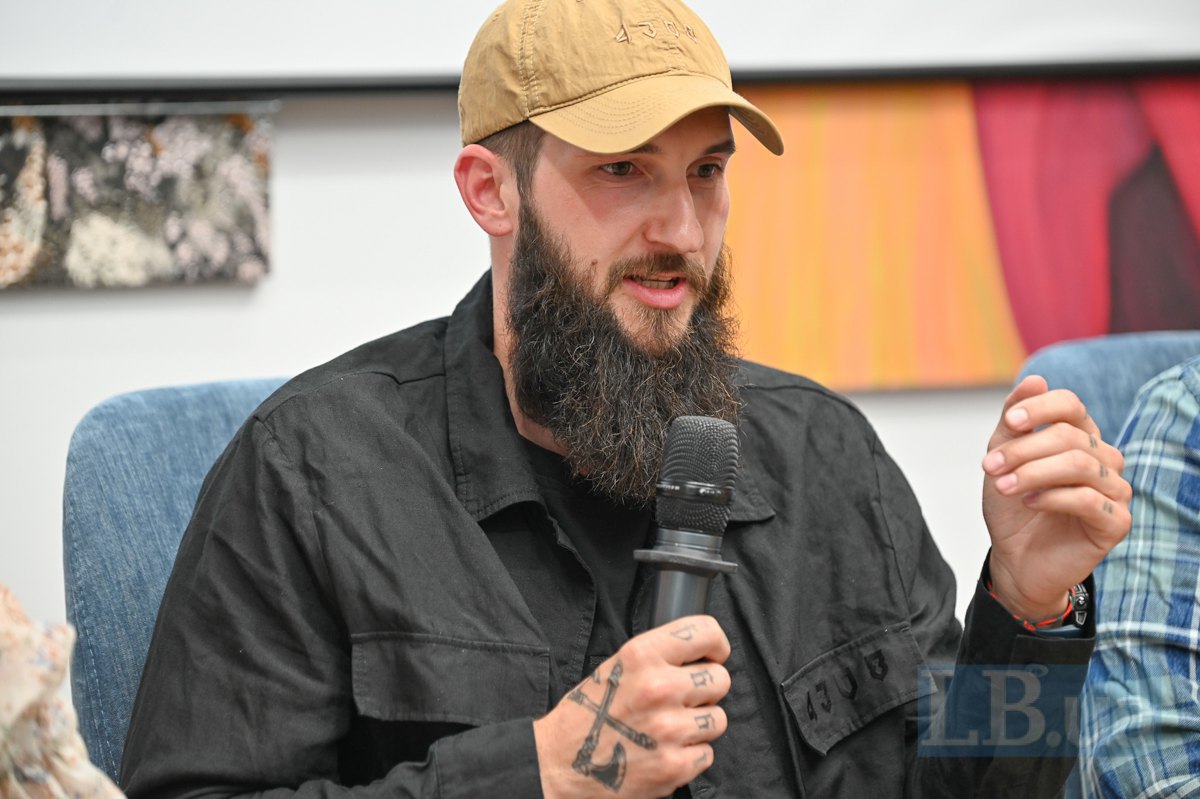
“I was outside the ‘Azov bubble’ because I served in other units of the Armed Forces as well. And fortunately, and unfortunately, because everything is relative,” adds Staff Sergeant Ihor ‘Maktavish’ Shelepyonka of the 12th Azov Special Forces Brigade. “The biggest problem is the fear of making a decision. From the lowest rank right up to the commanding officer. When you can’t make a decision in battle because you’re not prepared. When you’re a commander in charge of a company, a battalion or whatever, and you simply can’t make a decision. Because of the fear of punishment, perhaps the fear of incompetence, the ‘I’m the boss, you’re the fool’ mindset.
It’s a common scenario where a person is used to living by the book, and if things aren’t flexible, they lose the ability to make decisions. This is a huge problem, because in our reality, speed, flexibility, and putting the experience we gain every day into practice are our strength, our unique selling point, our chance of survival. Our advantage.”
Are there supply issues in the army? “Yes,” adds Vudi, but they are inevitable at this pace of war.
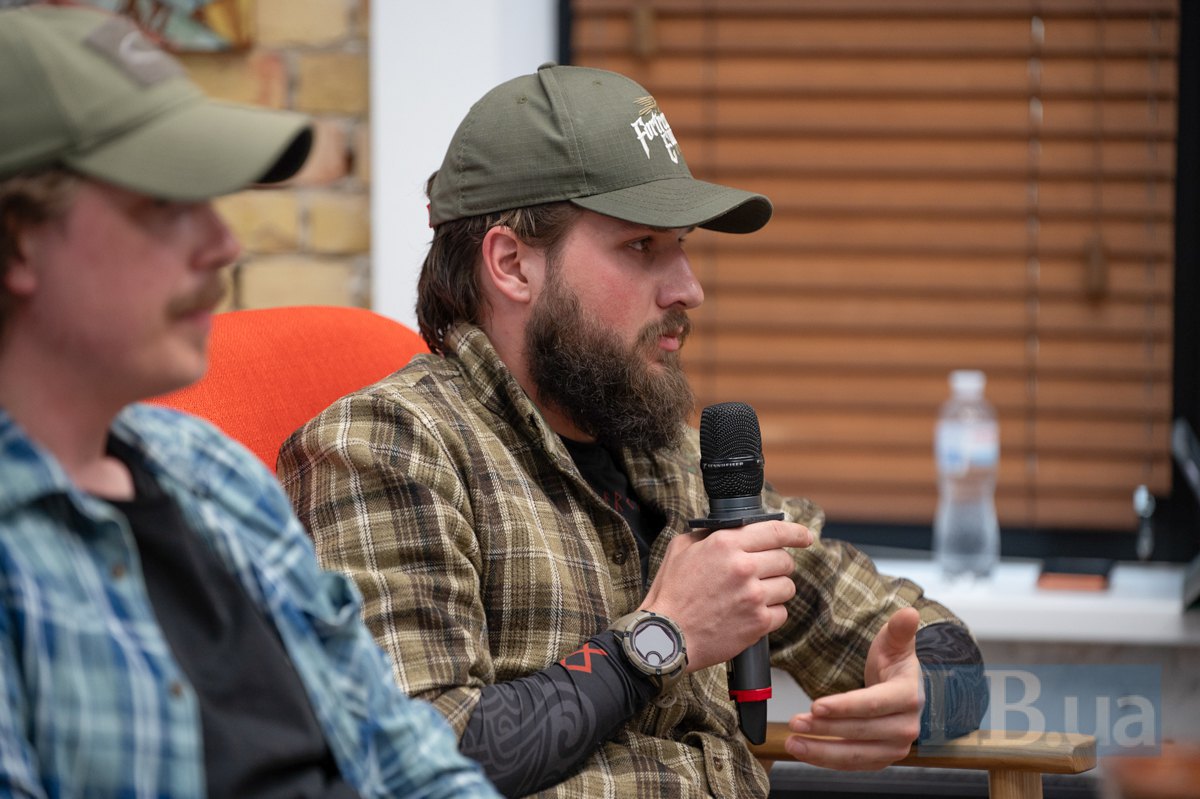
“It’s not that the provisions are rubbish everywhere, though they might be in some places. But given the current state of the war—the pace of operations, the cost of drones and consumables, and how much needs to be invested (in a positive sense) in training the troops, their medical care and their support—there will never be enough funding. The country wasn’t ready for this and probably still isn’t,” notes the sergeant.
Maktavish also commented on supplies, saying that the main issue isn’t even the quantity — the speed of delivery is more important.
“We may not always have enough UAV crews to handle the number of drones that arrive. But if they arrive a month, a month and a half or two months late, that is a bigger problem than if they were delivered to us consistently every day, exactly when we need them,” explains the chief sergeant of the 12th Special Forces Brigade Azov.
Daryna ‘Rina’ Smolnikova, Head of the Support Service and Head of Medical Support at the Medical Service, also spoke about the supply issues.
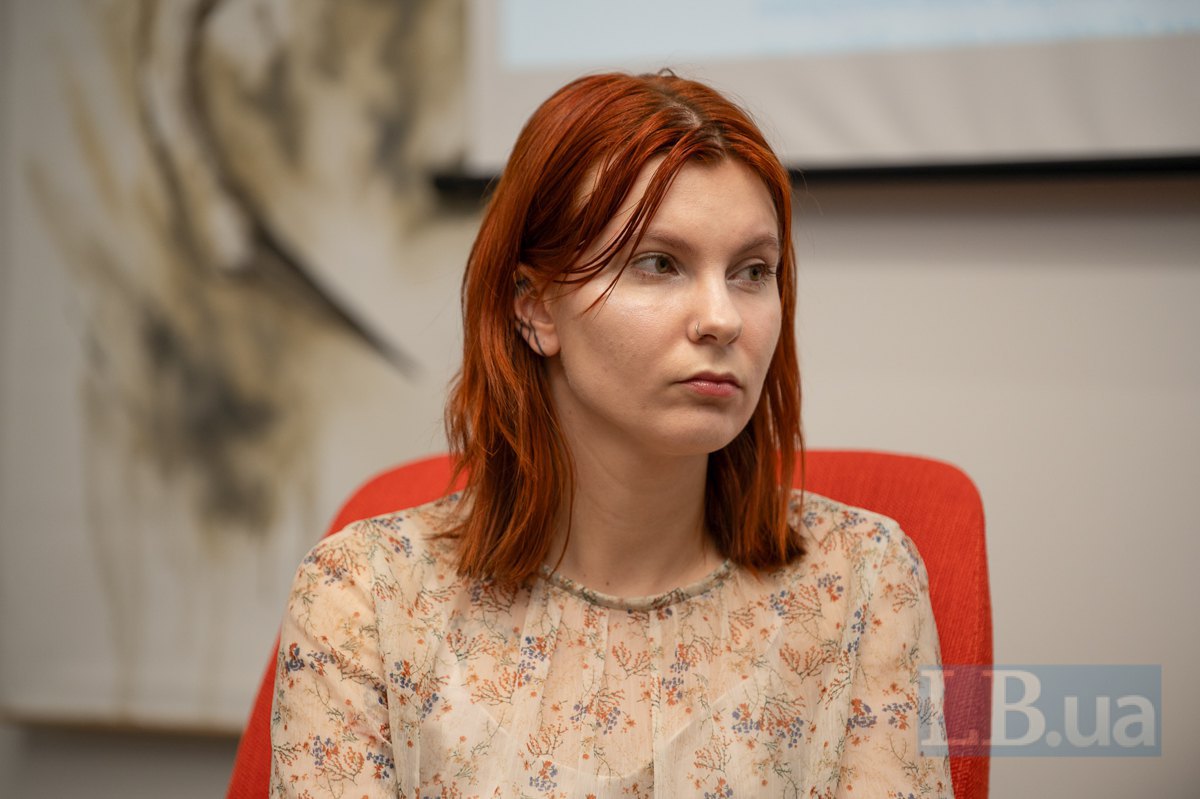
“We all know that security is expensive. Good security is very expensive, but a lack of security costs at least 15 million per person. This is something we, as a state, have still not grasped. We don’t work with figures; we count the money today, but we don’t count it in the long term—in 5 or 10 years’ time. And this is our biggest misconception at the national level: that we won’t have to pay for the debts we’re accumulating now, either in human resources or financially.
Right now, we’re racking up debts through inadequate medical supplies. Including in my field. If it weren’t for Tata Kepler (a volunteer in military medicine. — Ed.), Azov would physically have tourniquets for only 10% of its fighters. In my field of activity, state provision amounts to less than 50%. And yet, as far as I can tell, I’m not a very friendly person, but I do my best. I write to the National Guard and the Ministry of Defence every day, but quite simply there is no funding,” emphasises Rina.
She also notes that a large number of the costs involved in the Support Service’s activities are not covered by any state programmes.
“In other words, there is no mention anywhere in the regulatory framework that the state should pay for this, although objectively it should. My favourite example is dental treatment for the lads released from captivity. It might seem like a trifle, a minor issue. But — 7 million last year. That’s how much of a budgetary problem it is,” noted Rina.
How the Support Service works
Institutionally, military medicine in Ukraine remains unstable and operates in the shadows, according to Daryna ‘Rina’ Smolnikova, head of the Azov Brigade’s Support Service. There is no single body that takes responsibility in this area — it is divided between various structures — the Medical Forces Command, the Army, the Ministry of Health, and the Navy — but at the same time, the main and very heavy responsibility falls on the medics themselves, explains the military officer.
“On the one hand, this responsibility gives rise to brilliant and incredibly skilled professionals who are prepared to take risks and experiment, because if no one is really looking, then you can experiment. On the other hand, it leads to a great deal of negligence. The situation at most stabilisation points at the start of 2022 was dire. On a national scale, we were, by no means, meeting international standards for resuscitation and emergency surgery.
Despite the fact that our tactics are slightly different and our war differs greatly from the wars fought by other countries, the physiology of an American soldier and a Ukrainian soldier is more or less the same — two legs, two arms and a heart — so, in practice, they need to be treated in a similar way. In other words, we adjust certain tactical approaches, logistics, and training priorities, but overall, we train everyone in the same way.
Since 2022, we have come an incredibly long way as an institution. And the best thing that has happened within this institution is mutual accountability. This is one of the most important points, because medics have started communicating with one another, and doing strange or unsubstantiated things has become shameful and punishable, which has led to a certain level of accountability and continues to do so. Unfortunately, this doesn’t apply to everyone, but institutionally we have grown from angels in white coats into professionals. And more and more brigades are treating medics as professionals. However, we have not yet fully completed the journey towards understanding military medicine even at the brigade level, not just and not so much at the level of combat medics, sometimes plus a field hospital, but in all aspects of supporting the lives and health of service personnel,” Rina explains.
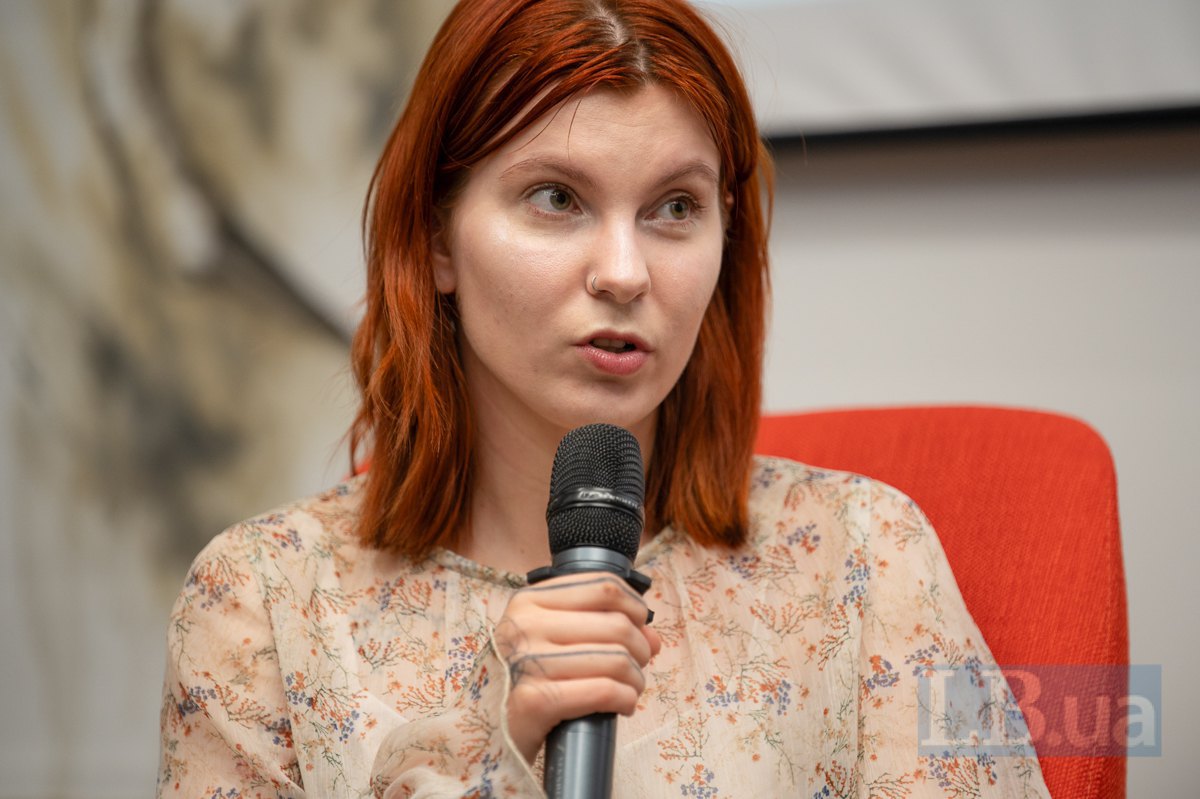
She notes that understanding of military medicine varies from brigade to brigade, but Azov has established its own system, which is logically complemented by the Support System — a concept that is still new to the Ukrainian armed forces, but absolutely essential.
“For us, medicine covers everything to do with life and health — it’s not just the wounded, it’s sick soldiers, soldiers with chronic somatic conditions, and it’s about supporting their lives and health during training. It’s an incredible analytical unit focused on how we’re transforming our approach to training personnel — both soldiers and combat medics. And the Support Service is our final component,” says Daryna Smolnikova. “We decided to close the loop on the fact that, if the main task of the military medical service (which differs from the civilian one) is to return soldiers to active duty as effectively and as quickly as possible, we need to cover the entire process.
From an institutional perspective, the brigade is not a direct provider or agent in the context of assisting a serviceman at the stage when he has left the field hospital and is being transferred somewhere — to one hospital or another. This journey is often very chaotic, and the Support Service acts as a coordinator, supporting existing state systems.
When we were established, it was important for us to become a mature institution — not a tribe that swoops in and tells everyone how to treat people properly — but an institution that supports soldiers in this process, one that allows the soldier to remain an active participant; that is precisely why we are the Support Service. There are many different names for such structures; we chose this one deliberately because it can be imbued with a great deal of meaning. A combatant does not need patronage, does not need guardianship; a combatant needs support, assistance and guidance — a form of case management. It is precisely on this that we built the Support Service,” says its current head.
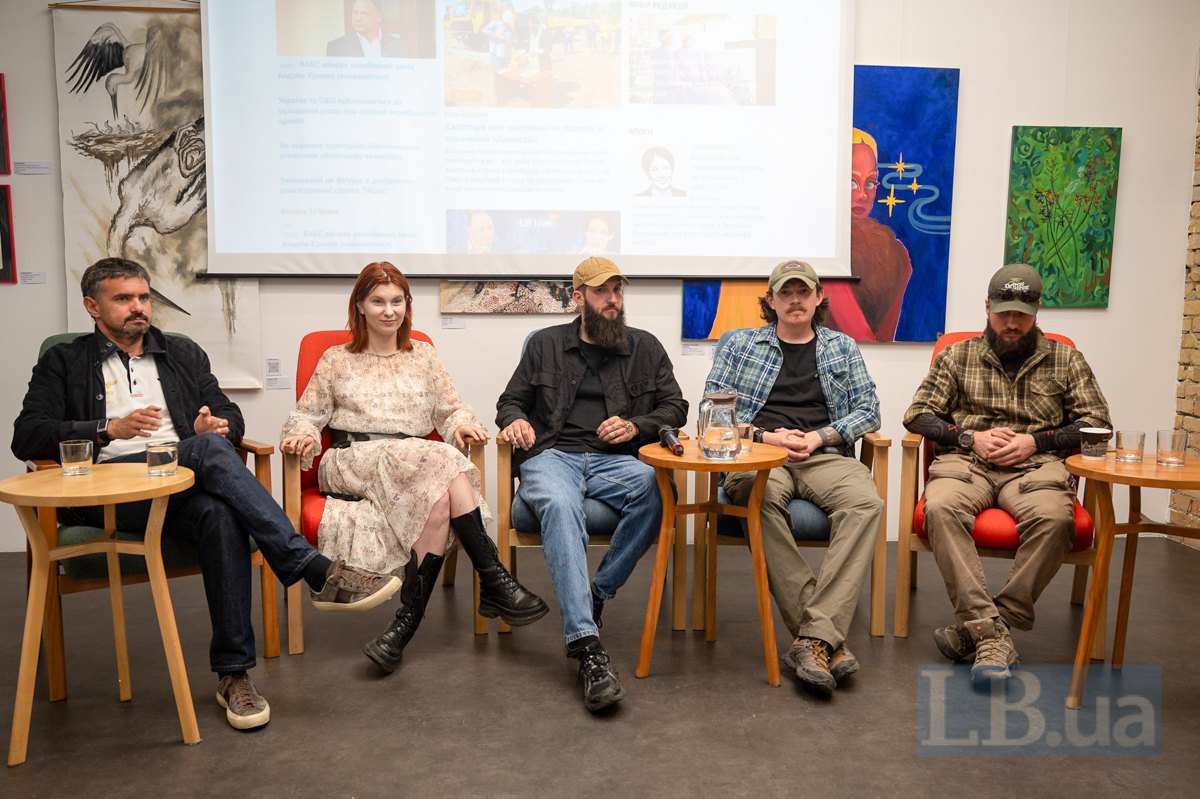
A more in-depth study of global veterans’ policies, Rina points out, was the next step following the opening of the medical department, as social work with service personnel has a significant impact on their subsequent return to active duty or to civilian life. And the experience of the US, Israel, Albania and Croatia has shown, she adds, that the history of veterans’ policy is, more often than not, a history of failures.
“We have opened a socialisation and rehabilitation department, which is growing day by day and taking on more and more tasks. It provides both psychological support for service personnel and leisure activities, so that their time in hospital is not just spent staring at the boring white walls of some central hospital. But it also deals with such wonderful and interesting aspects of life as training service personnel, reintegration into the ranks, and finding civilian or military posts. And so, as of our 26th year, we are a closed-cycle institution. “In other words, the medical service and the Support Service, as part of it, cover the entire process with a soldier from the moment they sign their contract until the moment they either return to active duty after an injury or are discharged and transition to civilian life,” noted Daryna Smolnikova.
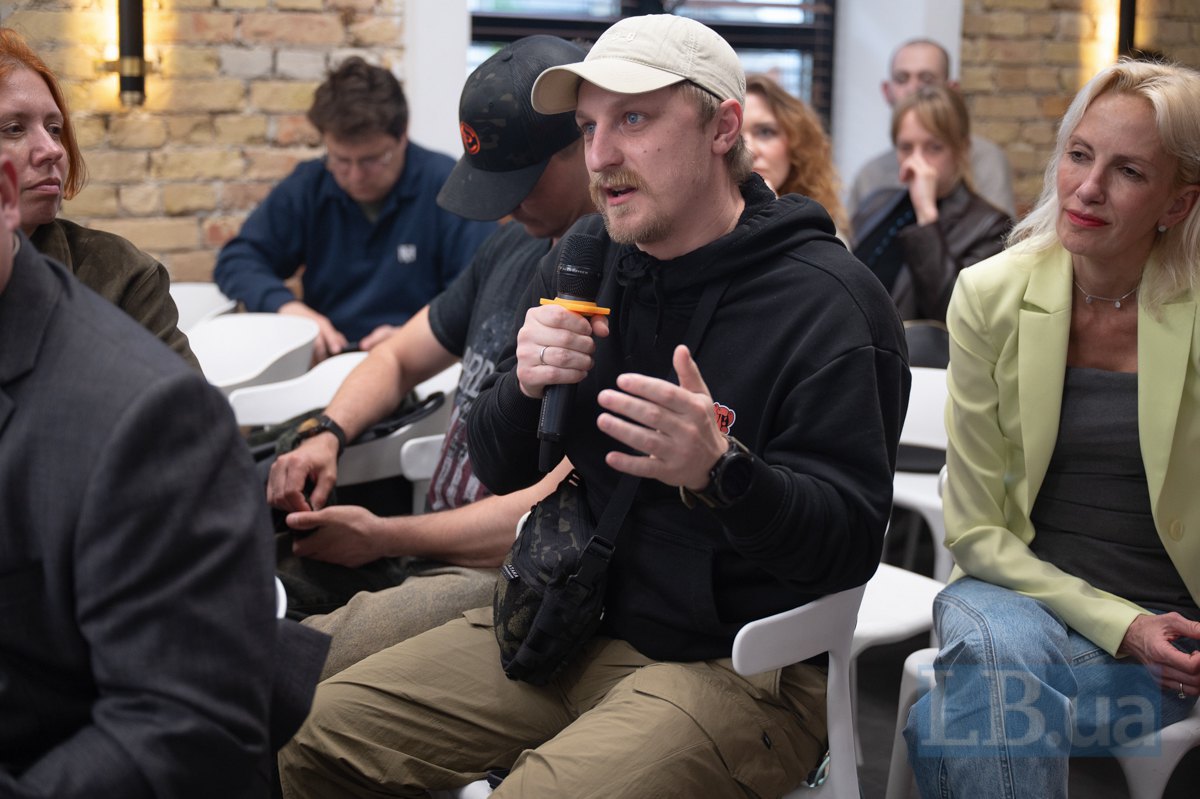
The future of Ukraine and the army after the war
“It’s interesting to think back to when I was 22 or 23 — back then, it didn’t feel like a full-scale war would be a long one,” shares Master Sergeant of the 1st Azov Corps Kyrylo ‘Maslo’ Masalitin. “But it’s not the war that’s frightening now; things are more or less clear with that. I’m genuinely afraid of the country’s post-war state. We’ve already faced the war, we’ve already been knocked down; in that groggy state (a momentary deterioration in condition following a powerful blow in boxing — Ed.), we wavered a little, held our ground, and are continuing the fight.
But the post-war phase is another knockdown, a blow to the gut, where we have to react quickly. But we’re simple lads; we need to ‘pull ourselves together’, as we say, and try to make something of it.”
Staff Sergeant Ihor ‘Maktavish’ Shelepyonka of the 12th Azov Special Forces Brigade considers the phrases ‘post-war’ or ‘post-victory’ to be incorrect. In his view, the world has entered an era of total war, and people will have to be more militarised and conscious.
“We must do away with this sense of inferiority about Ukrainians as such. You said: Europe has defined us as a shield, a defence. But why should Europe determine what we will be? We are defending ourselves against a major aggressor, our eastern neighbour, but we must reach the stage where we cease to be the object of politics and decision-making and become the subject of all these tasks, conditions and actions. And we must shape our society on the basis that Russia is not going anywhere. It is here, it has always been here, and it will remain here.
We must instil in people a historical memory that this struggle did not begin in 1922 or 1914. This struggle has been going on for centuries in various forms and interpretations. We must shape people’s consciousness from school through university into adulthood, so that Ukrainians are prepared for whatever circumstances their future may bring. And when people in the country are waiting for the war to end so they can return to how things were before 2022 or 2014, it seems to me that this is simply turning a blind eye to the broader issues of our current reality.
We will not return to how things were in 2022. We have already lost too much, too many people have died, too many cities have been destroyed. Our country has already changed. We view many things differently now. And we must apply this experience to the future, rather than returning to how things were in 2022. Why should we go back to that – to the corruption in the political sphere? We need to move forward with our current experience, with the qualities we want to see in Ukrainians, into the future and build such a state,” believes Maktavish.
But most importantly, the sergeant emphasises, once the active phase of the war is over, we must not let people forget what the Russians did, and we must not let children return to consuming Russian content and Russian propaganda.
“Because all of this [the war] will simply be pointless if, culturally speaking, we lose a Ukrainian who consumes Russian content and for whom Russian narratives feel closer; we will lose, as a state, a bearer of our cultural heritage. He may not die, but he is no longer one of us.
So we must simply not forget what the Russians have done; we must cultivate towards them—perhaps this sounds harsh—disgust, hatred; we must cultivate it through the deeds of those who died for Ukraine, and those still alive who are doing titanic work, so that the Ukrainian growing up understands that Russia is our age-old enemy. That it won’t disappear anywhere, but we must defend what is ours, we must rid ourselves of this sense of inferiority. And so that the future Ukrainian is ready for the struggle ahead, because it will definitely happen, it is continuing,” the serviceman noted.
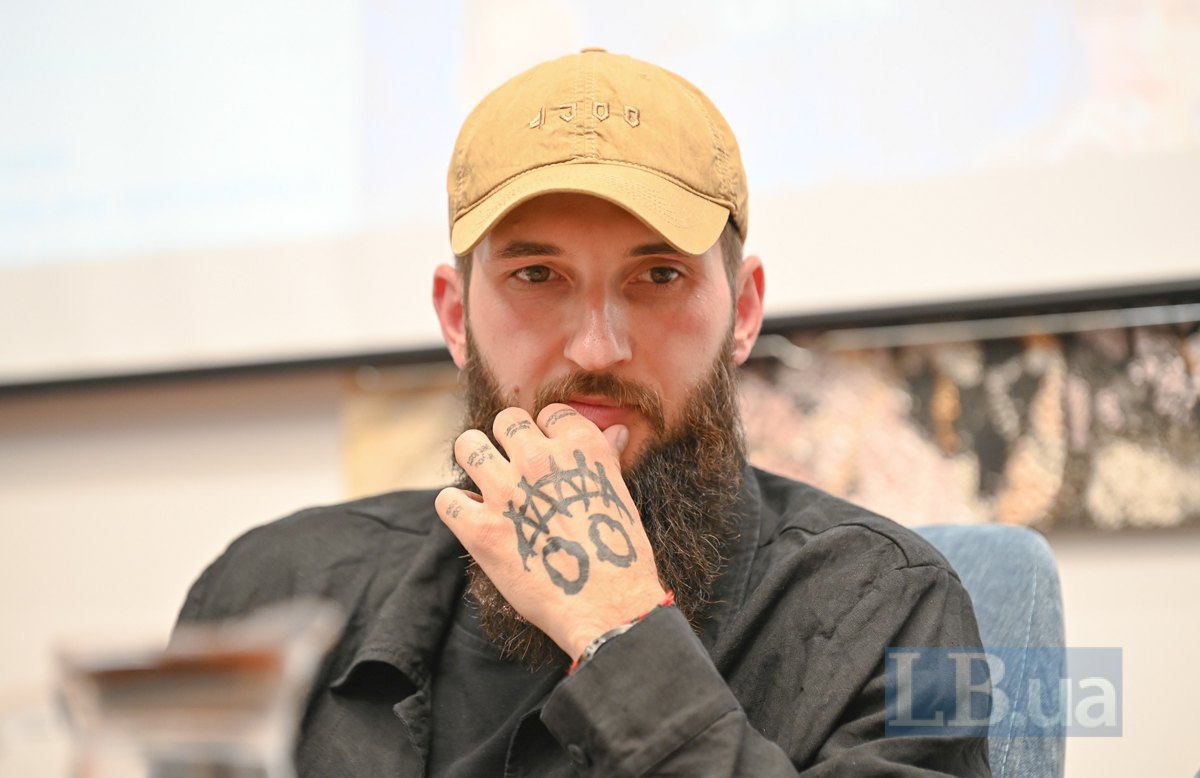
What sort of army should it be? “A professional one,” Maslo notes succinctly.
“A professional, contract-based army, with the right incentives, taking into account real-world experience and an understanding of why this army exists.
When we talk amongst ourselves, we say: ‘We need to kill the “khokhol” within ourselves. And that will be our biggest problem in the context of the future. 2014 — the start of the war; 2020 — the war isn’t stopping, but we, as special forces soldiers, have sometimes been messing about, to be honest. We’ve somehow lost that sense of direction that Rina was talking about: the war is raging, it’s not stopping, and yet we’re being made to check our ammunition.
The army must, first and foremost, be financially secure. First and foremost — because you read online just how difficult it is right now with pay for servicemen serving in the rear. It’s simply impossible. How do we expect to keep people? Right now, we simply can’t leave. I can — because I was a prisoner of war — but 99% of people can’t. And they have no choice.
So one of the first priorities is to meet a soldier’s basic needs, so that he doesn’t have to worry at all that his family will go hungry, or that he won’t be able to afford a car, because that’s not a luxury, but a means of transport. That he will be socially provided for, with some perks and benefits. People are joining the US Army now largely for the sake of these perks. And, accordingly, all our experience in this war must be taken into account, in terms of implementation, training and the organisation of the army as such. Well, and of course, we must always be ready for a new war,” added Maslo.
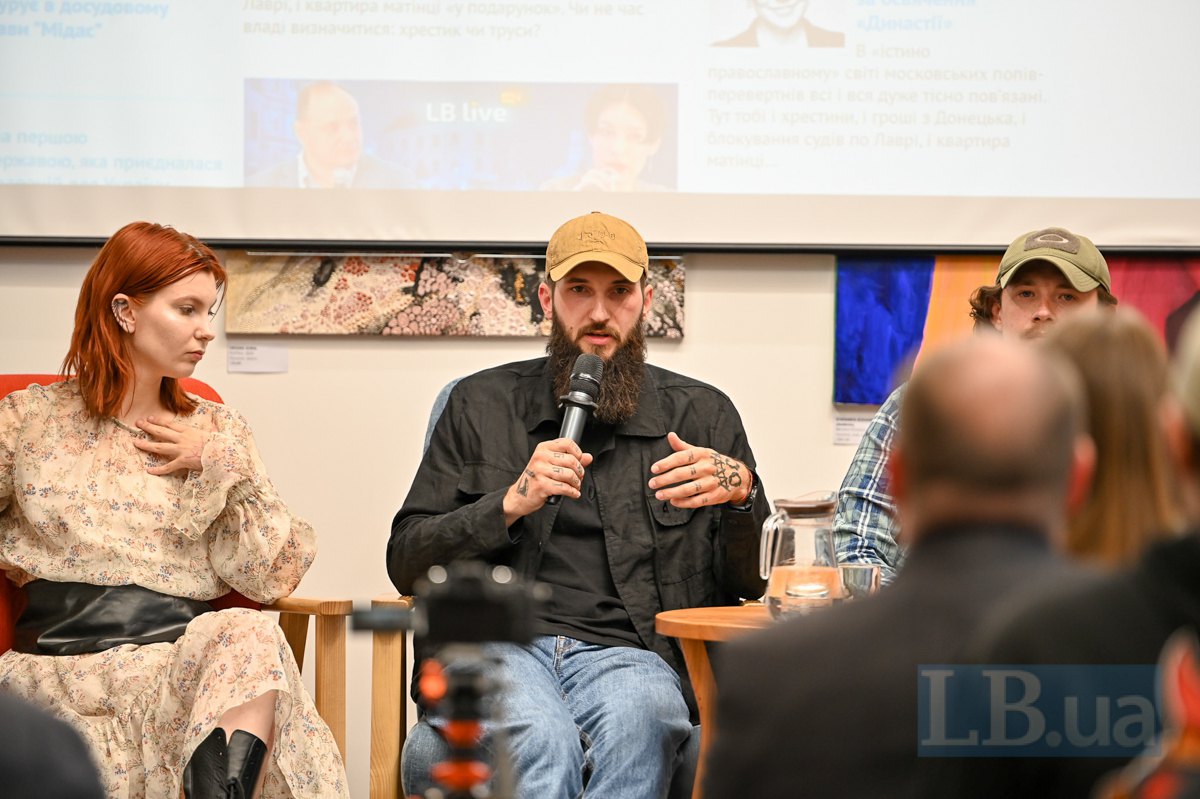
Daryna Smolnikova, head of the Azov Support Service, drew attention — within the context of her field of work — to veterans’ policy, “where both financial and human resources are currently being cut back, but which will have very serious consequences for Ukraine in the future”.
“A veteran who has not received proper treatment and has not adapted socially and psychologically will, in the future, represent an economic and social drain on the budget. We see this in the example of the United States of America, which has a huge problem with veterans who, unfortunately, have ended up on the streets, suffering from alcohol and drug addictions. But they, unlike us, can plug these gaps with huge amounts of money, and it still doesn’t work.
Fortunately, there is now a trend in Ukraine for big business to understand the importance of working with this human capital and investing money in various organisations involved in veteran policy and working with military personnel. So, the discourse has changed.
By mid-2022, we had been working to remove the stigma, explaining that not all veterans are mentally ill and that they should be hired. And now, a huge number of employers from large, reputable holding companies and firms are, on the contrary, interested in recruiting veterans and working with them. We no longer need to remove this stigma. Big business has realised that military personnel, especially those who held leadership positions, are excellent crisis managers and excellent performers; they need to be integrated into the workforce. The key is to spot them at the right moment.
I would very much like to see a veterans’ policy not after [the cessation of hostilities] but already in place right now, because in reality there are a huge number of opportunities in our country. Unfortunately, they are not always evenly distributed and are concentrated precisely where it is in our country’s interest. But, overall, there are a huge number of proposals in the context of mental support, support for families, support with employment and education. And military personnel are simply poorly guided in this regard. That is precisely why support services are being set up within the brigades — to fulfil this guidance function,” concluded Daryna ‘Rina’ Smolnikova.