




1.
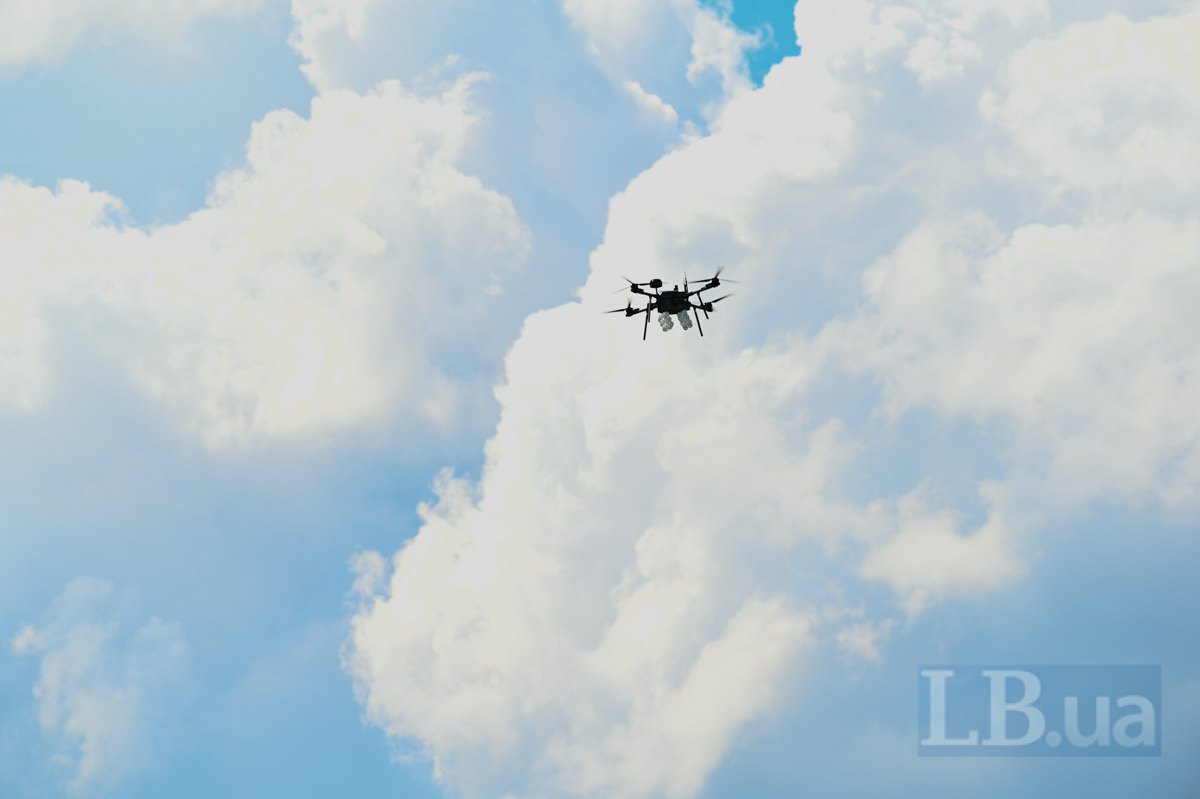
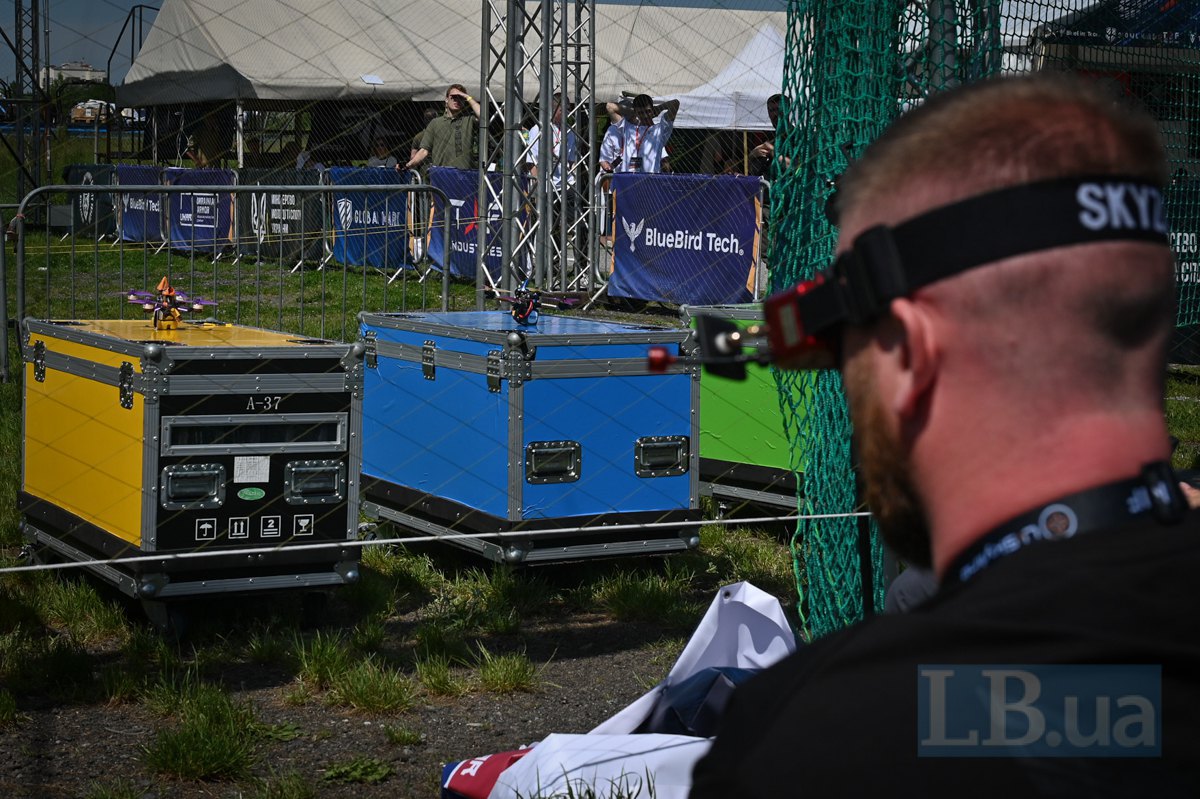
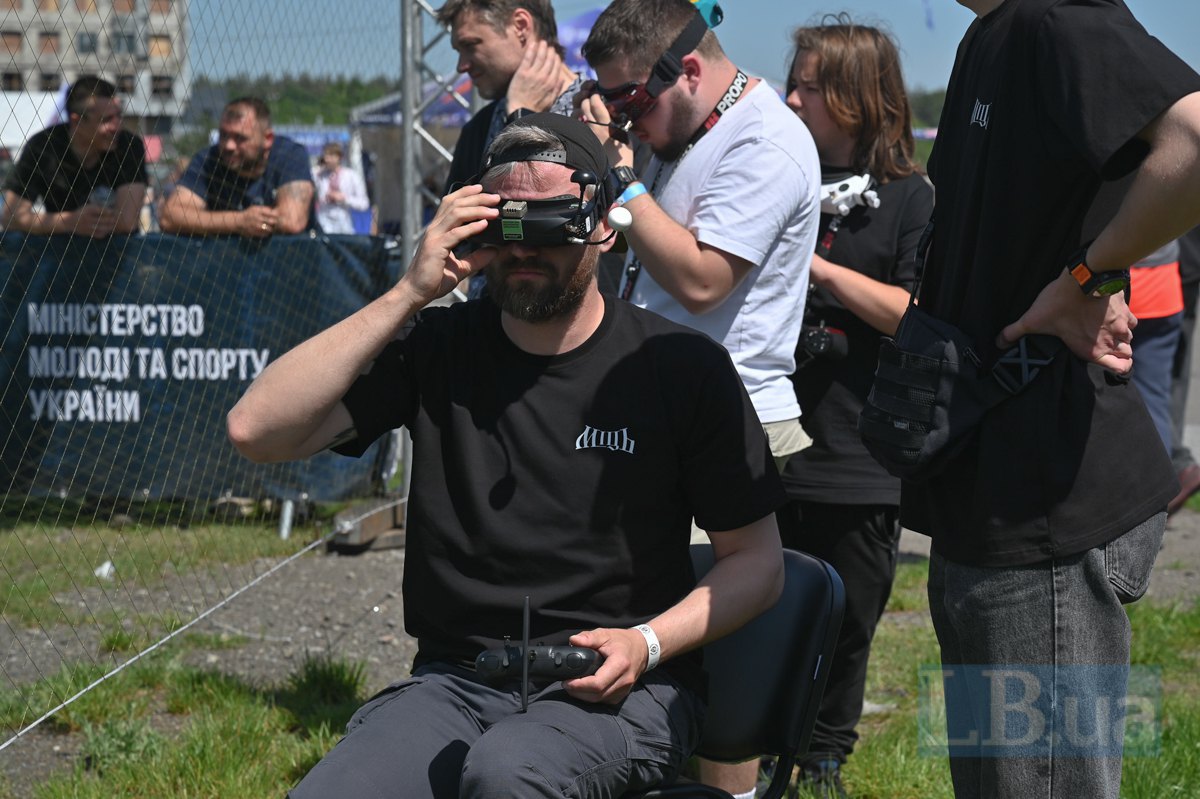
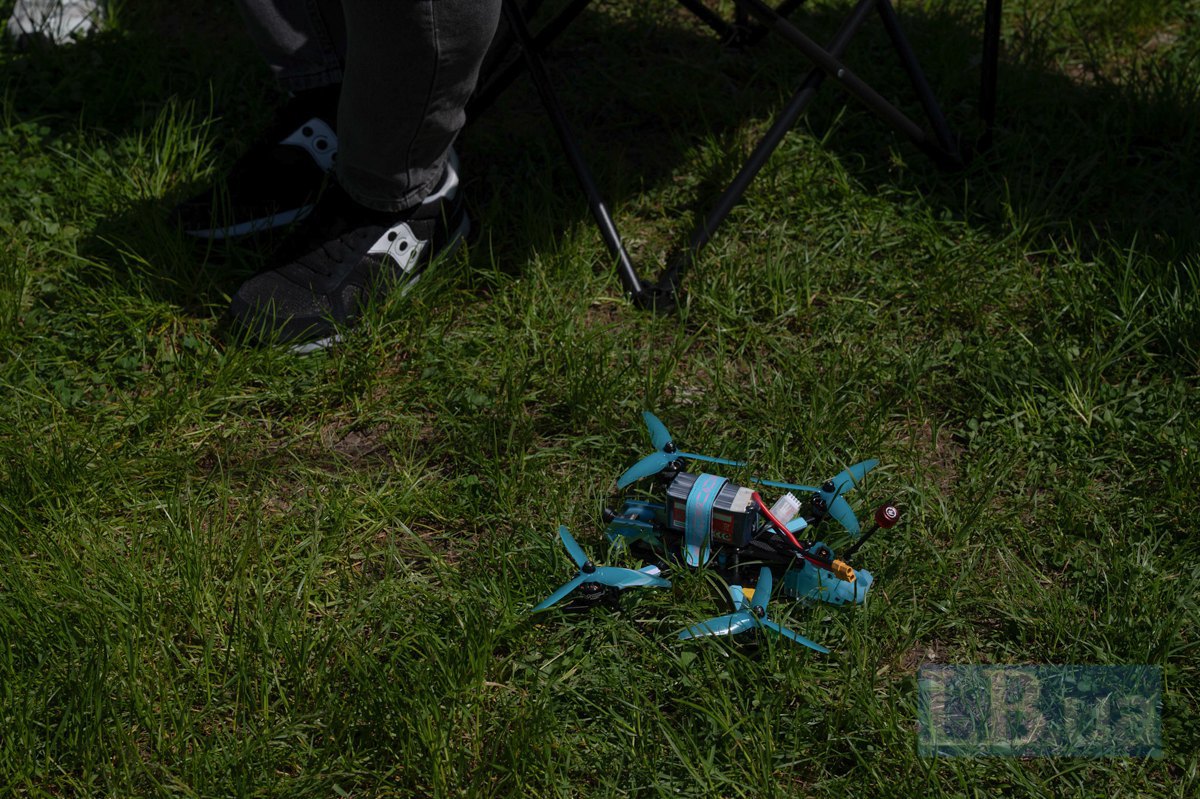
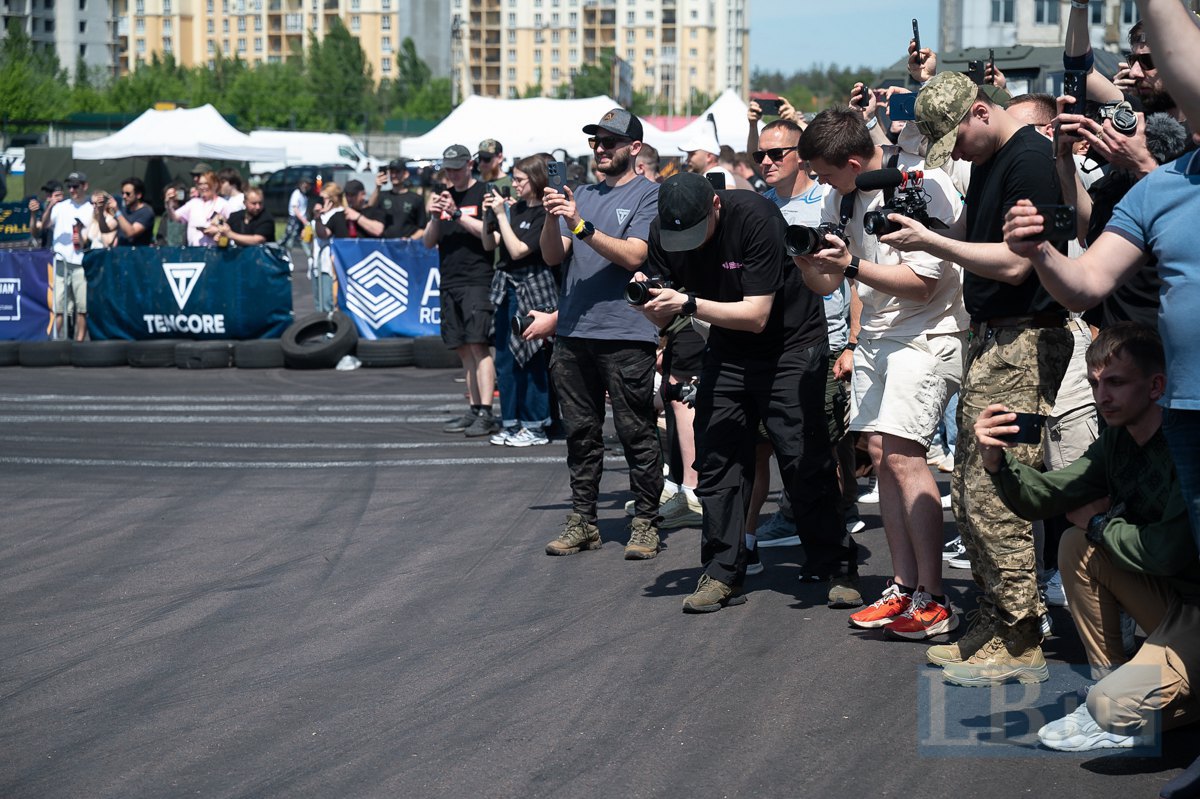
Against a backdrop of music and noise, the distinctive whirring of FPV drones can be heard. The competition between their pilots has already begun. Here, unlike in the UGV race, everything is measured not in minutes, but in seconds. The speed is so intense that it is difficult not only to capture the drones on camera, but even to follow them with the naked eye.
The presenter periodically makes announcements: “Listen carefully to the announcement to find out which channel we’re flying on.” Some competitors, due to inattention, fail to get off the mark at all.
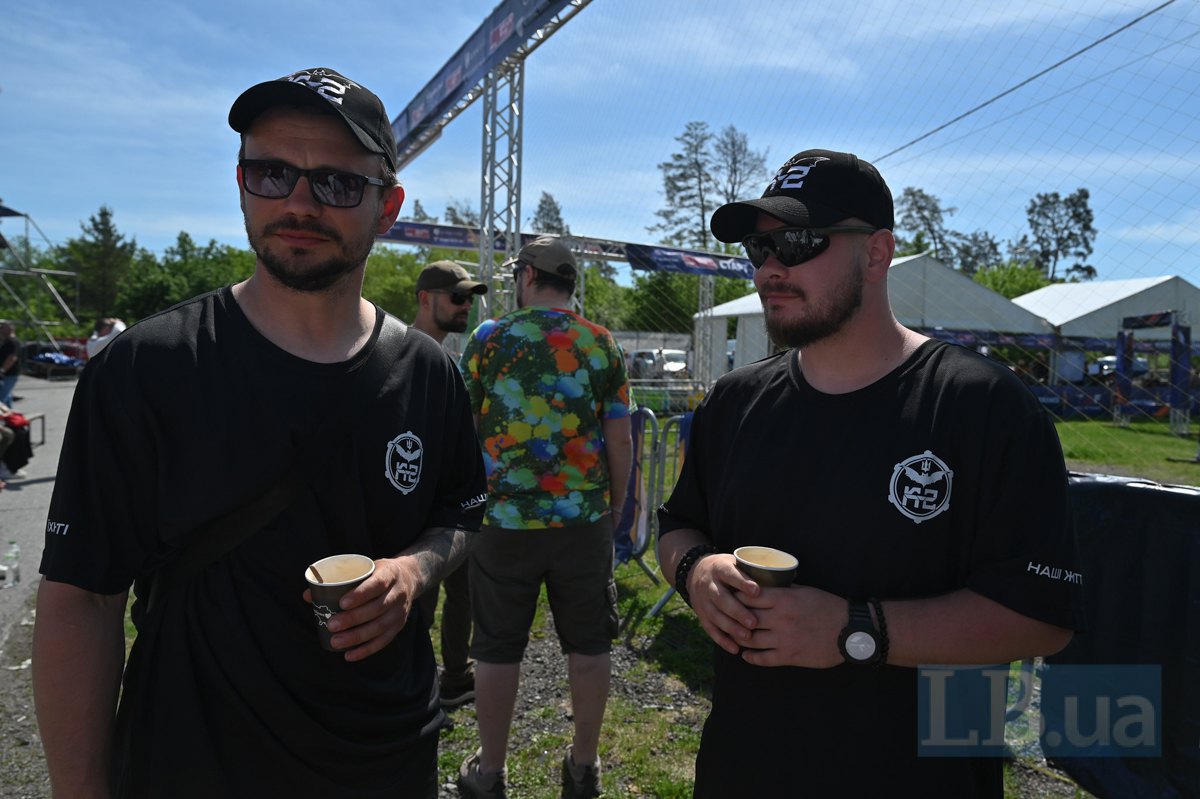
“Competitions like this are useful for cooperation between the military and manufacturers. Last time, they were more closed — just brigades and manufacturers. Here, I can already see lots of different participants,” says Kryuk, Cipolino’s comrade-in-arms and fellow member of the UGV team from K-2.
This time, alongside military participants, teams of young people are also competing in the FPV disciplines. For example, the winner of the FPV Drone Race with Payload discipline was 15-year-old Nazar Karmannikov, known by the callsign McQueen.
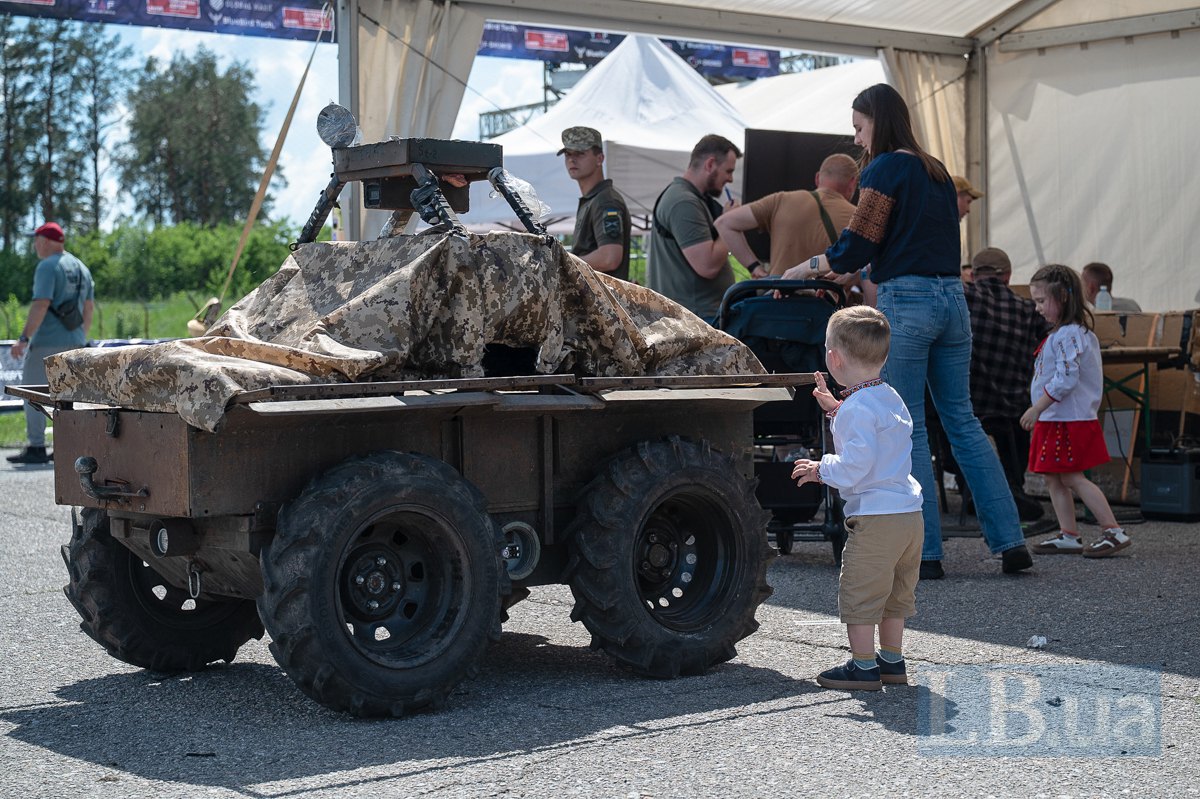
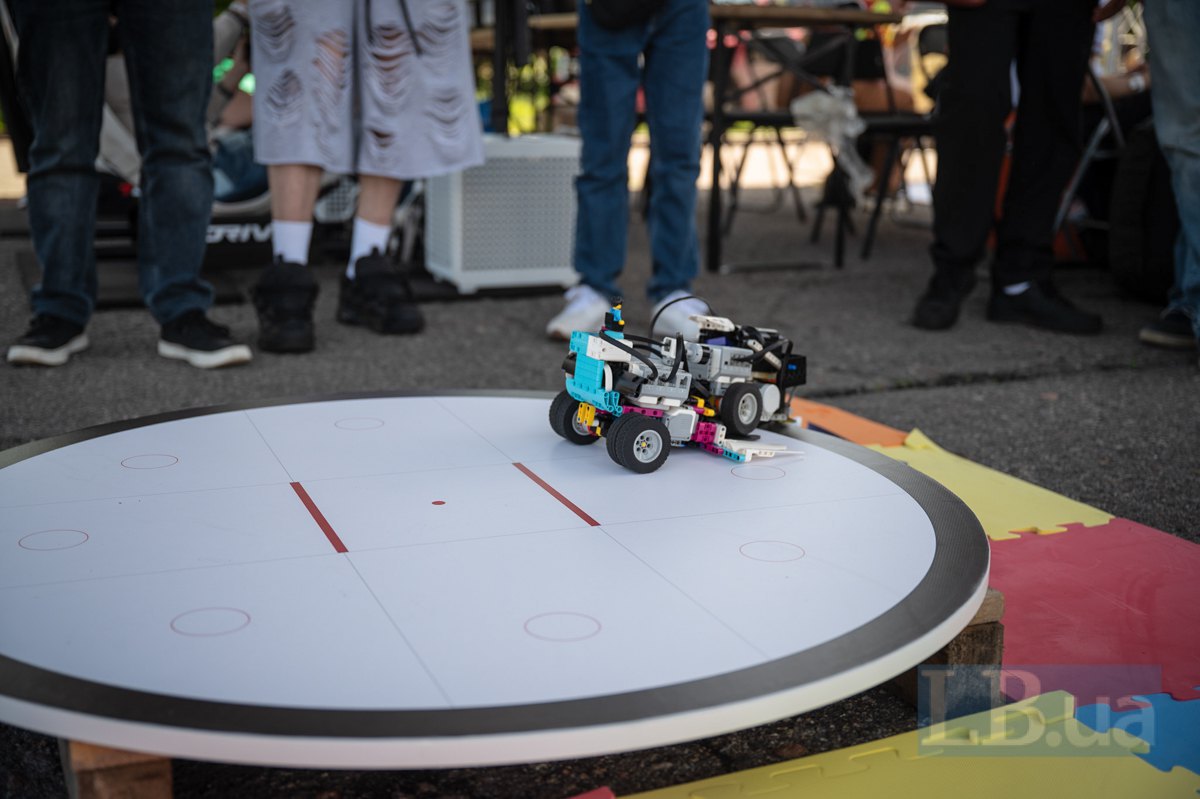
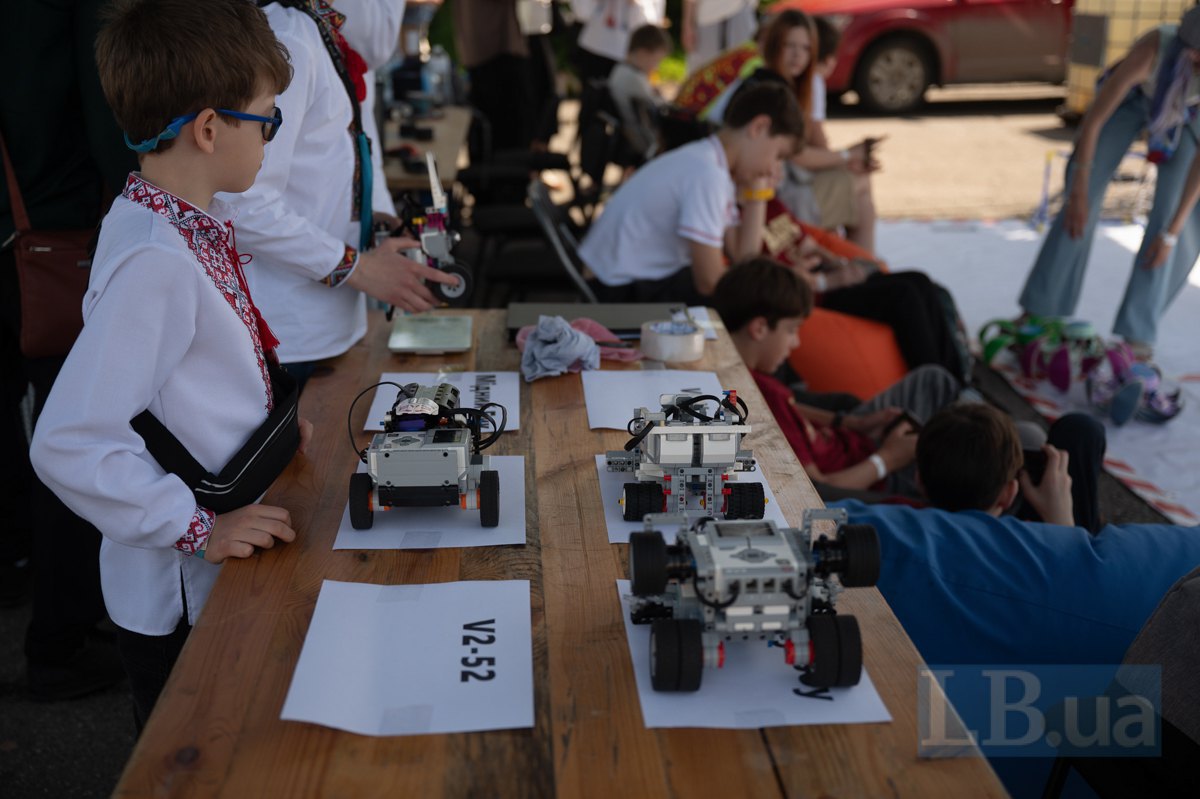
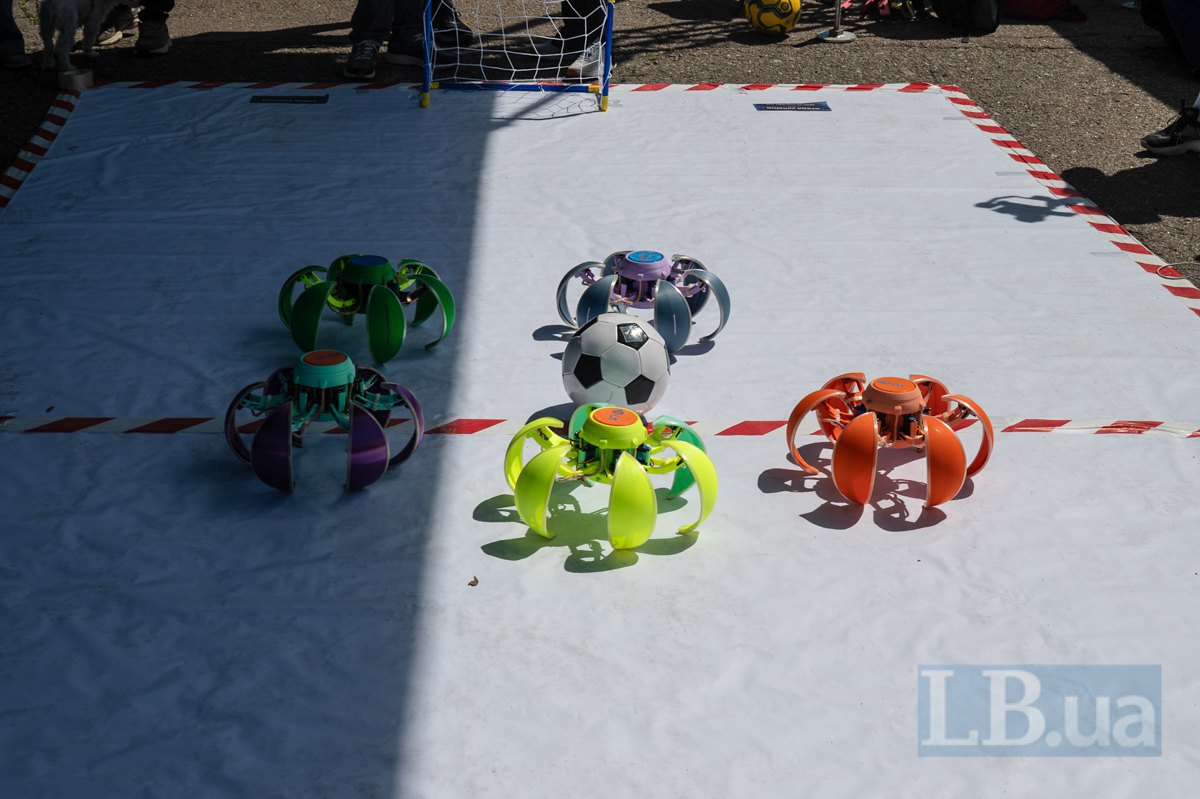
There are also competitions for younger participants, though not involving drones. Instead, they use programmed robots built from Lego Mindstorms kits, organised by a robotics club. On a small field, participants place their creations, which then compete against one another to push their opponents off the playing area.
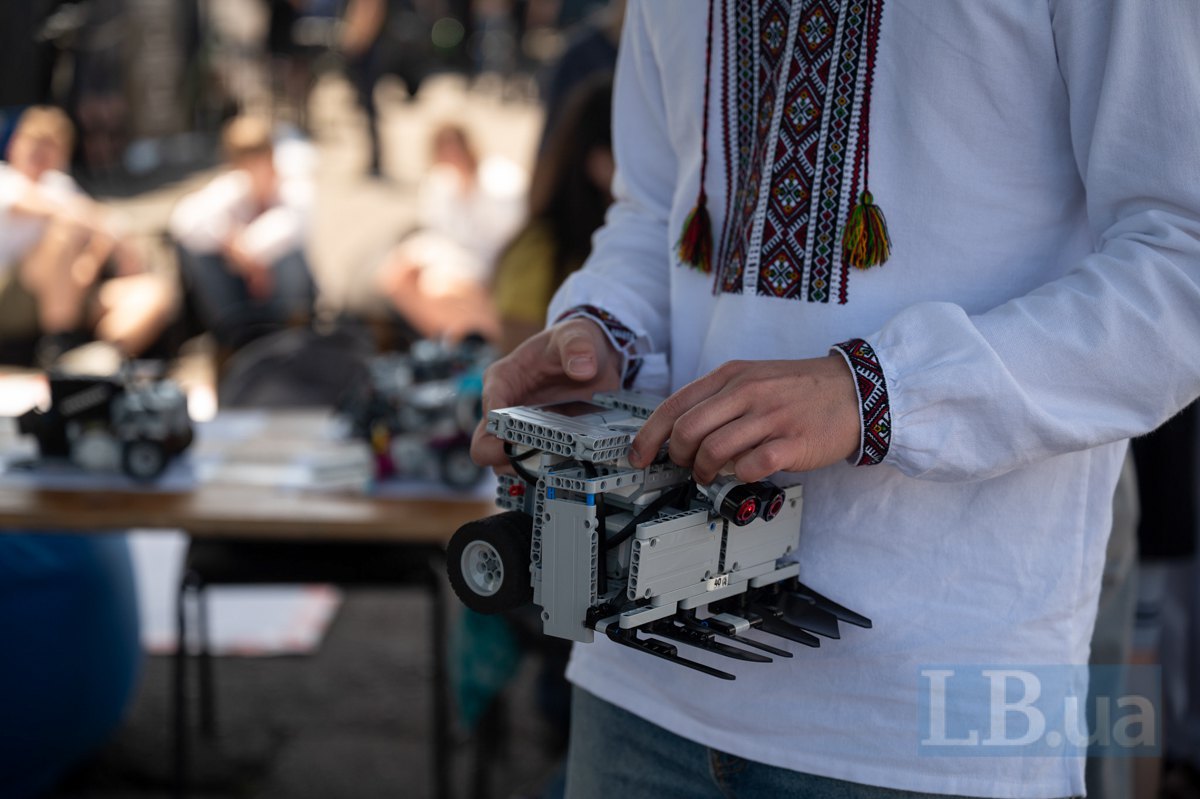
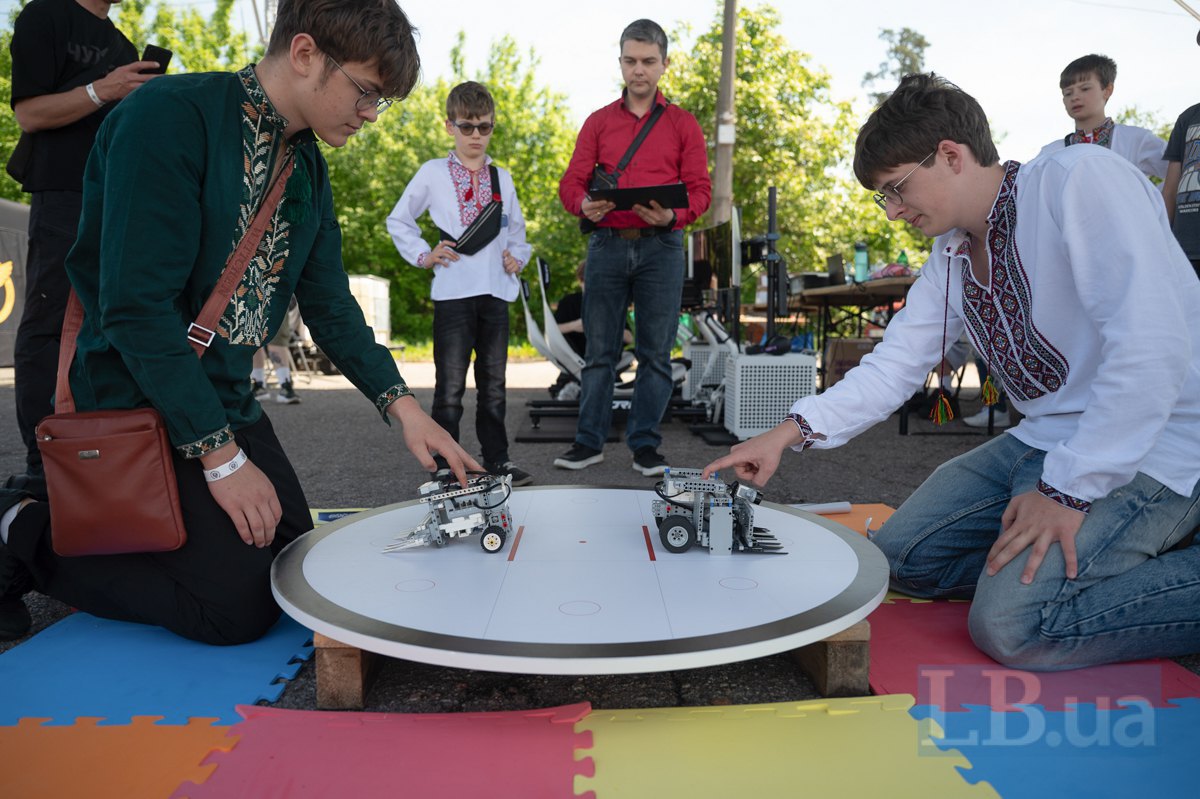
“It’s a school club. Both my sons attend it, although the younger one is in a group with simpler construction models; the level becomes more difficult as you progress,” says the father of one of the competition winners.
He explains that his sons joined the club because it suited their interests and free time. Both enjoy participating, with the younger one enthusiastically confirming this himself. However, the future of the older group is uncertain, as organisers may struggle to recruit enough participants — there are currently too few applicants, the father adds.

2.
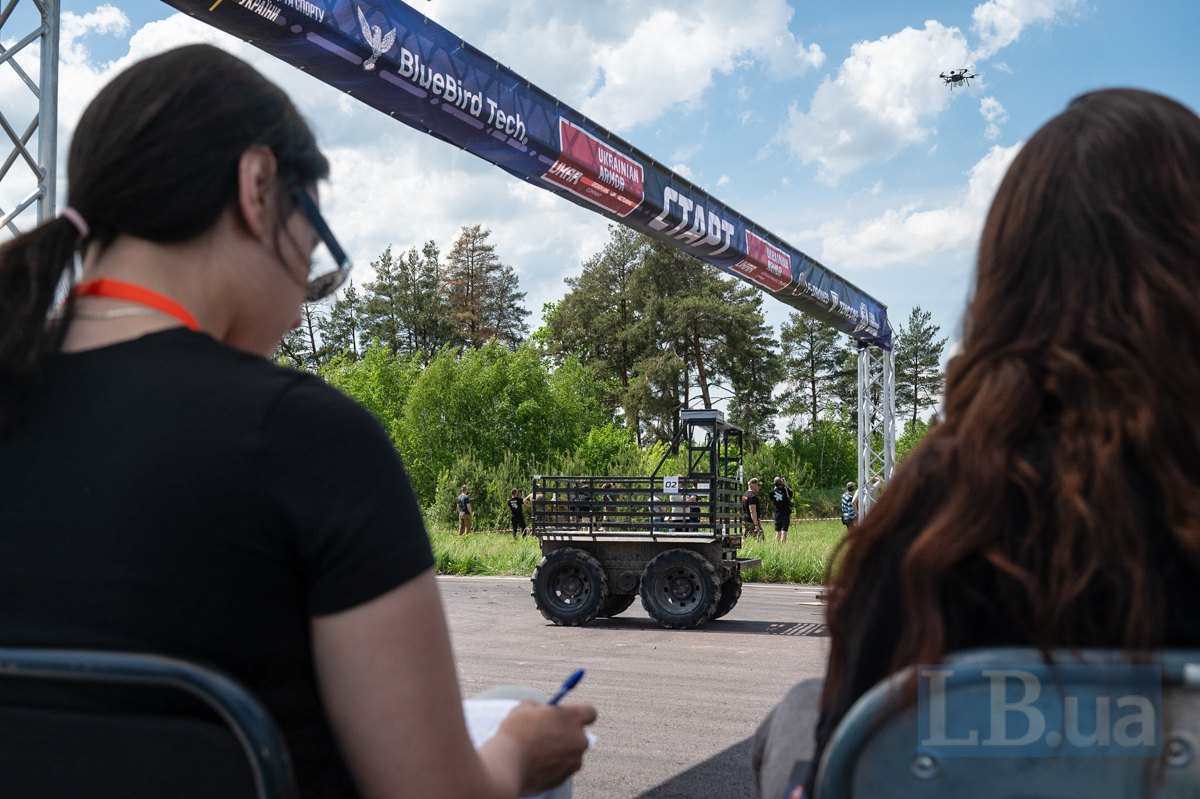
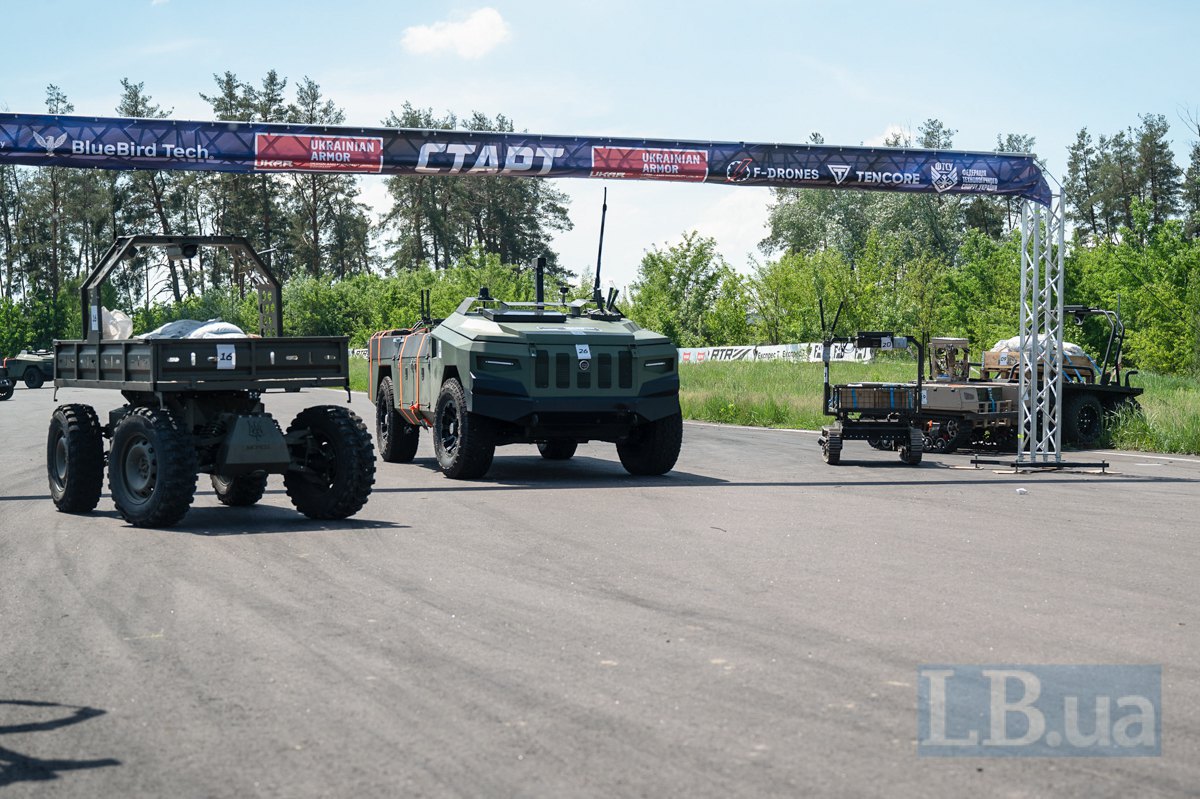
After the command “Start” is given, 40 UGVs set off. However, not everyone manages a successful start: three platforms overturn at the very first bend, just a few metres from the starting line. Their operators had misjudged the speed required for the manoeuvre.
“Big ambitions,” jokes Vitaliy, the team representative stationed in the pit-stop area where the vehicles pull in.
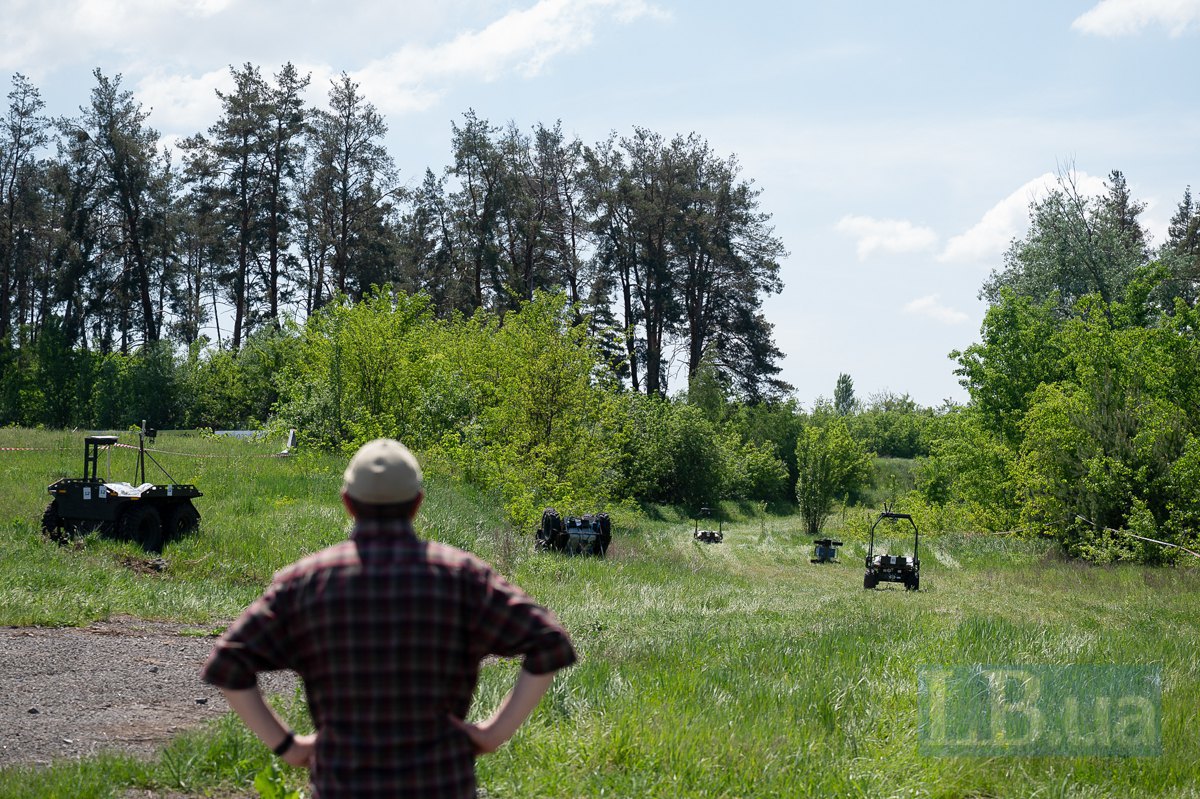
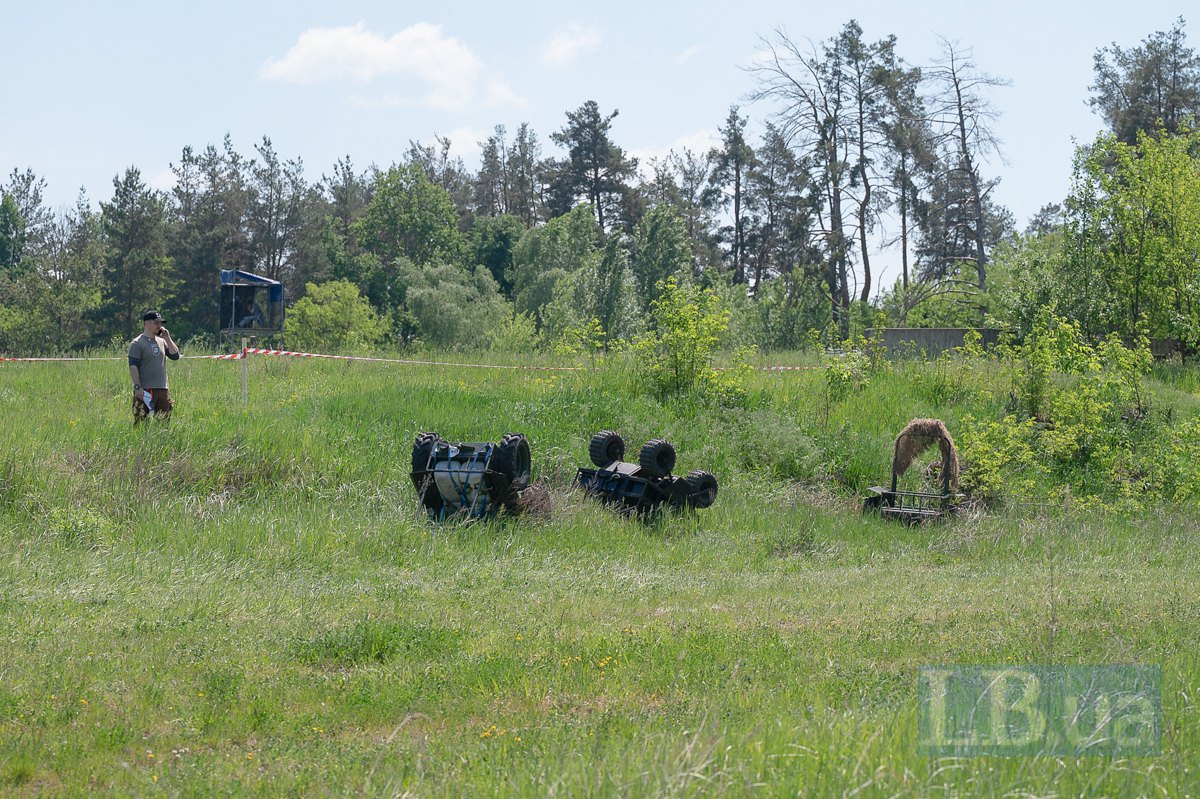
As a result, one competitor whose platform overturned was disqualified. He had breached one of the key rules — participants are not allowed to touch or manually move an UGV on the track.
“After the warning, he should have stepped aside and thought about what he could do. Even if he didn’t have another UGV, he could have asked for help. Volia-E and TarGun were here; they could have been called upon. The other competitors struggled for nearly an hour, but eventually managed to right their vehicles,” Vitaliy explains.
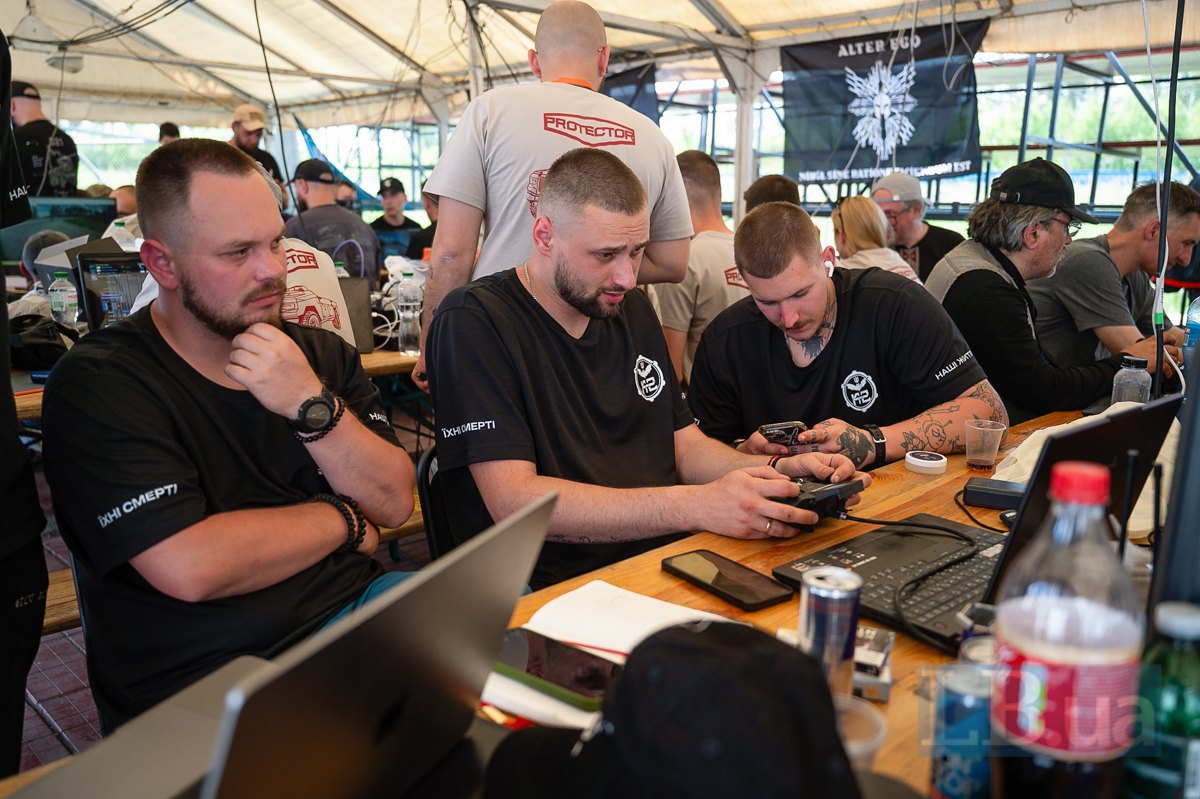
The operators’ tent is crowded. Some participants have water bottles of nearby, while others rely on cans of energy drinks. Everyone remains focused on their monitors, tracking the route, the performance of their UGVs, and the view seen by the pilot.
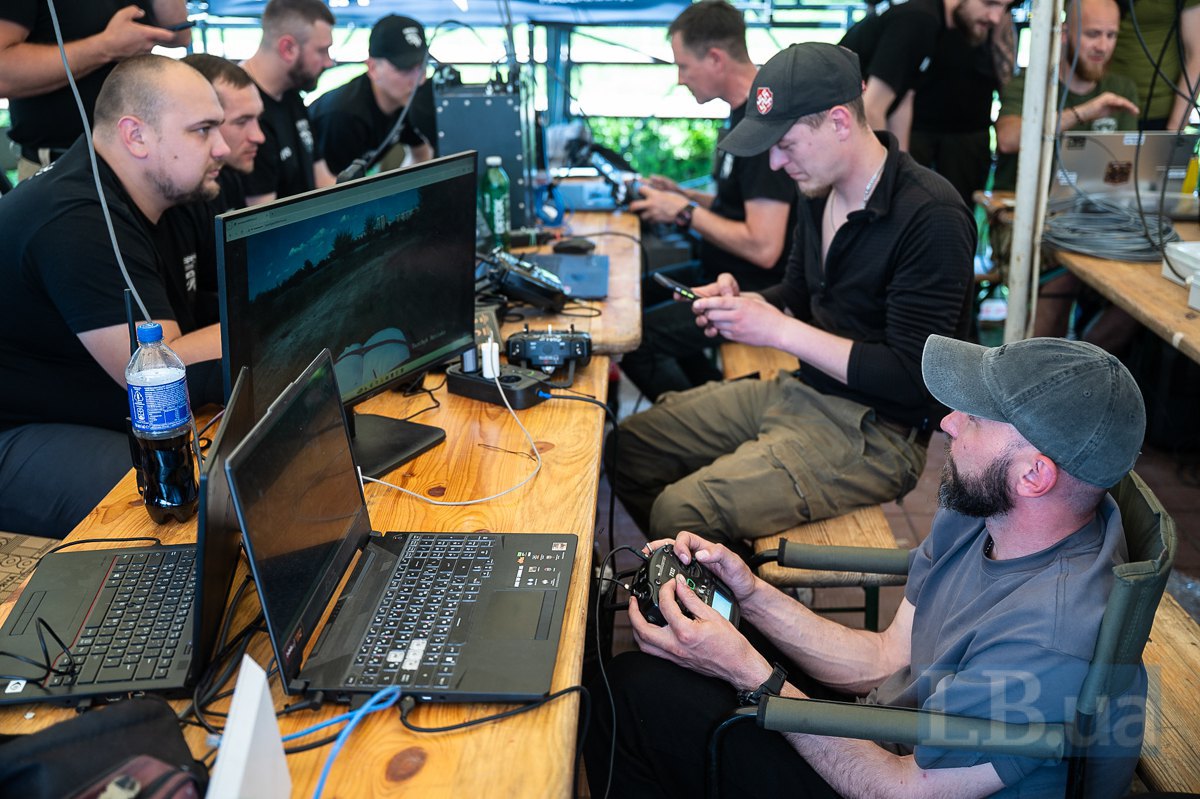
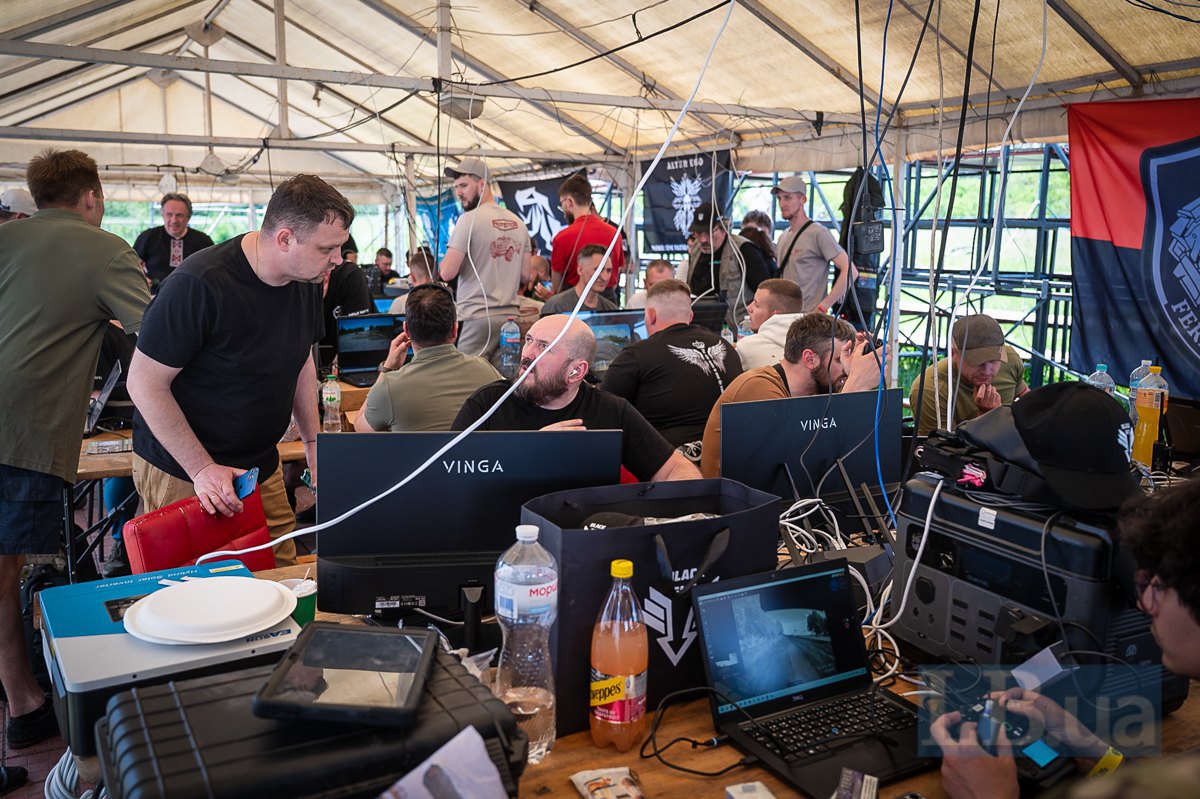
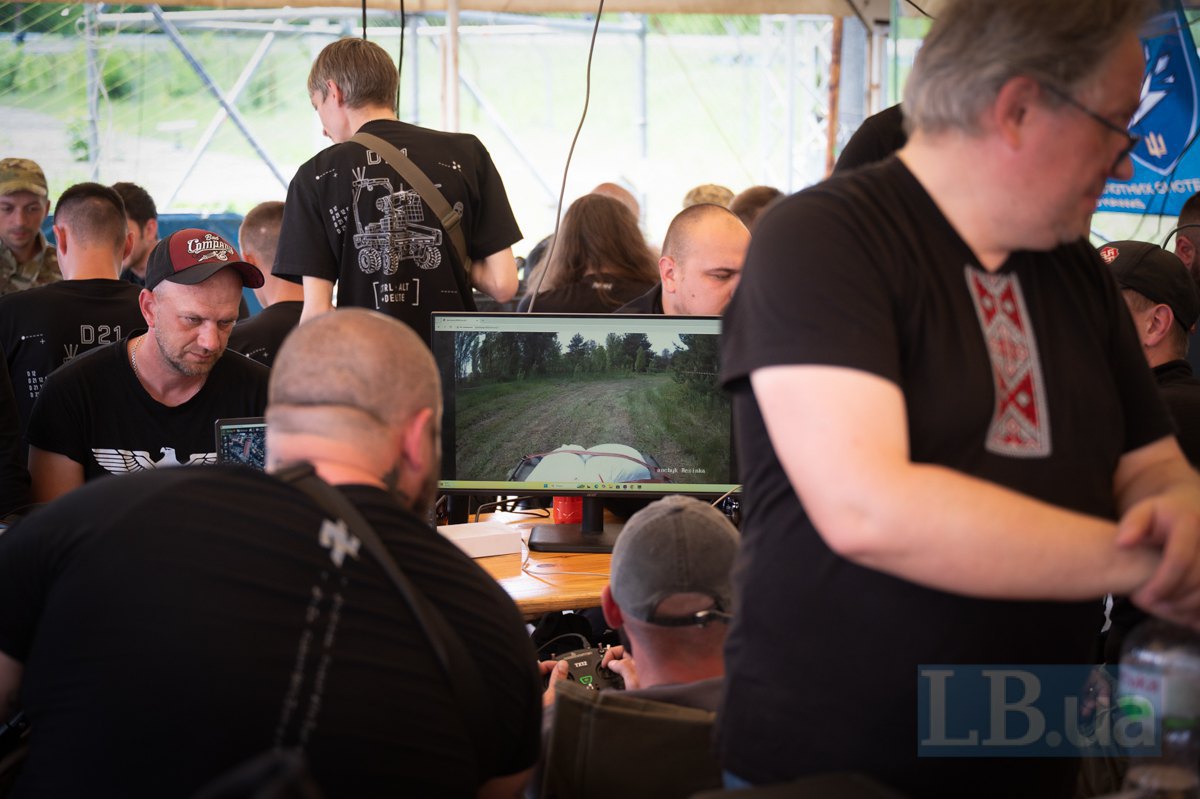
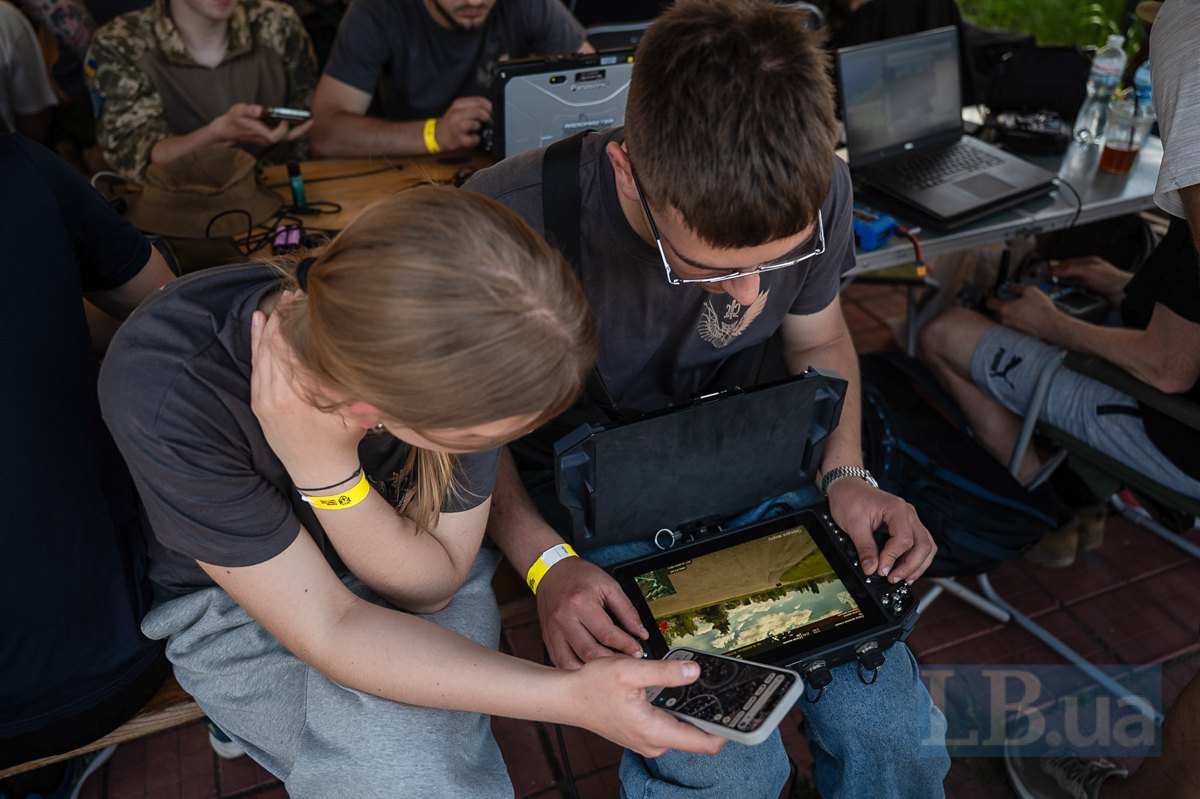
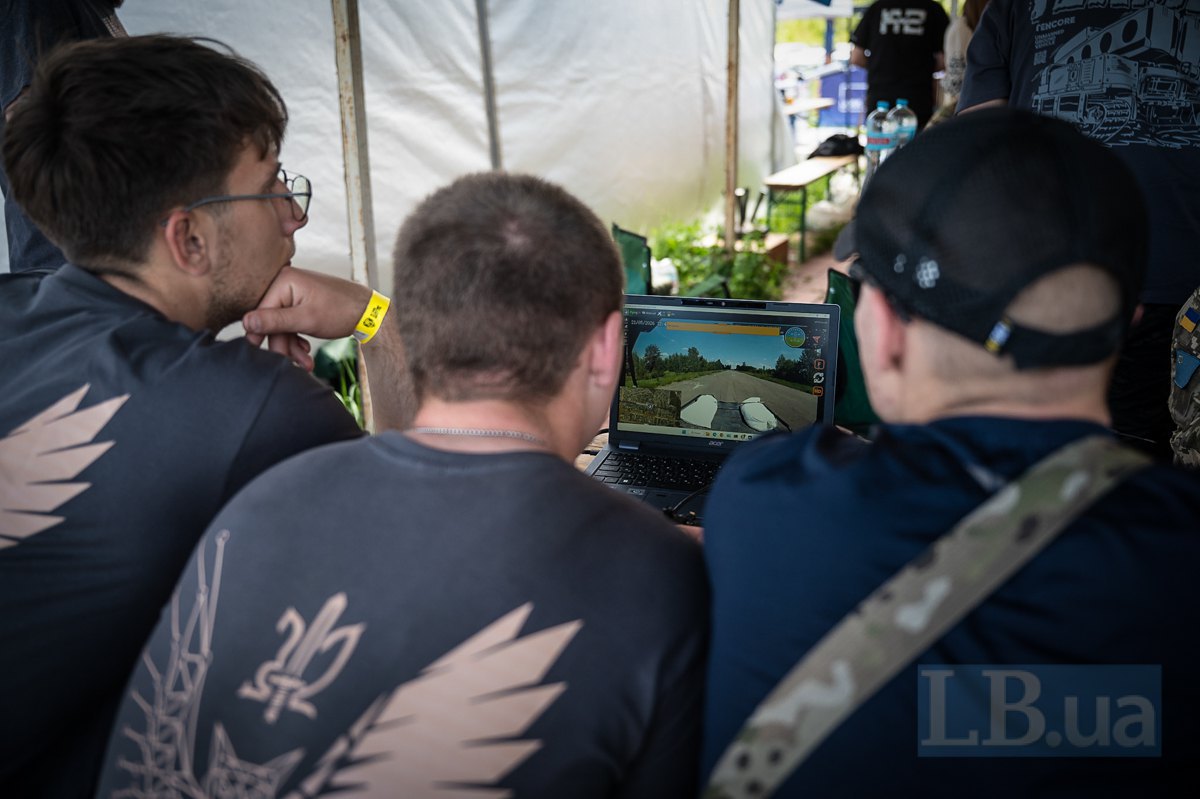
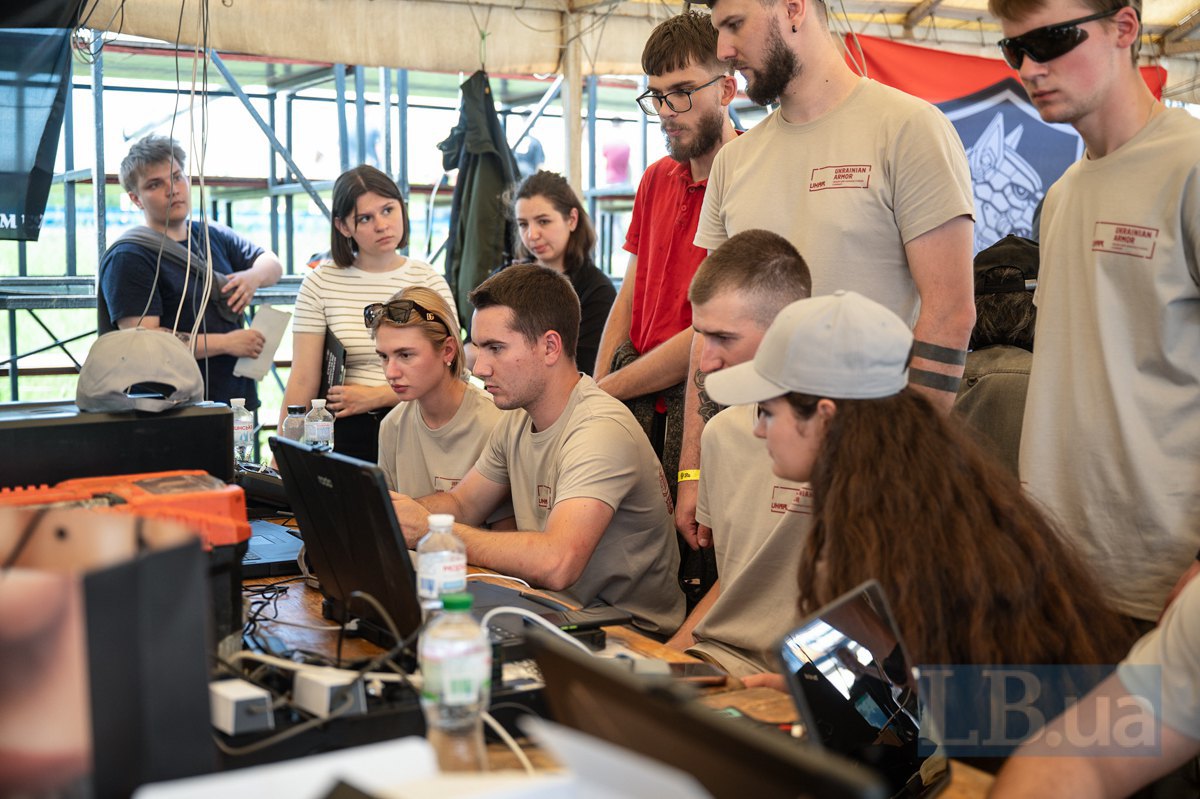
“The video feed is lagging a little. It’s probably because there are so many aircraft connected to Starlink in one location, so the signal quality is poor,” suggests a pilot from the Separate Presidential Brigade. Their team is competing with the Volya-E ground drone.
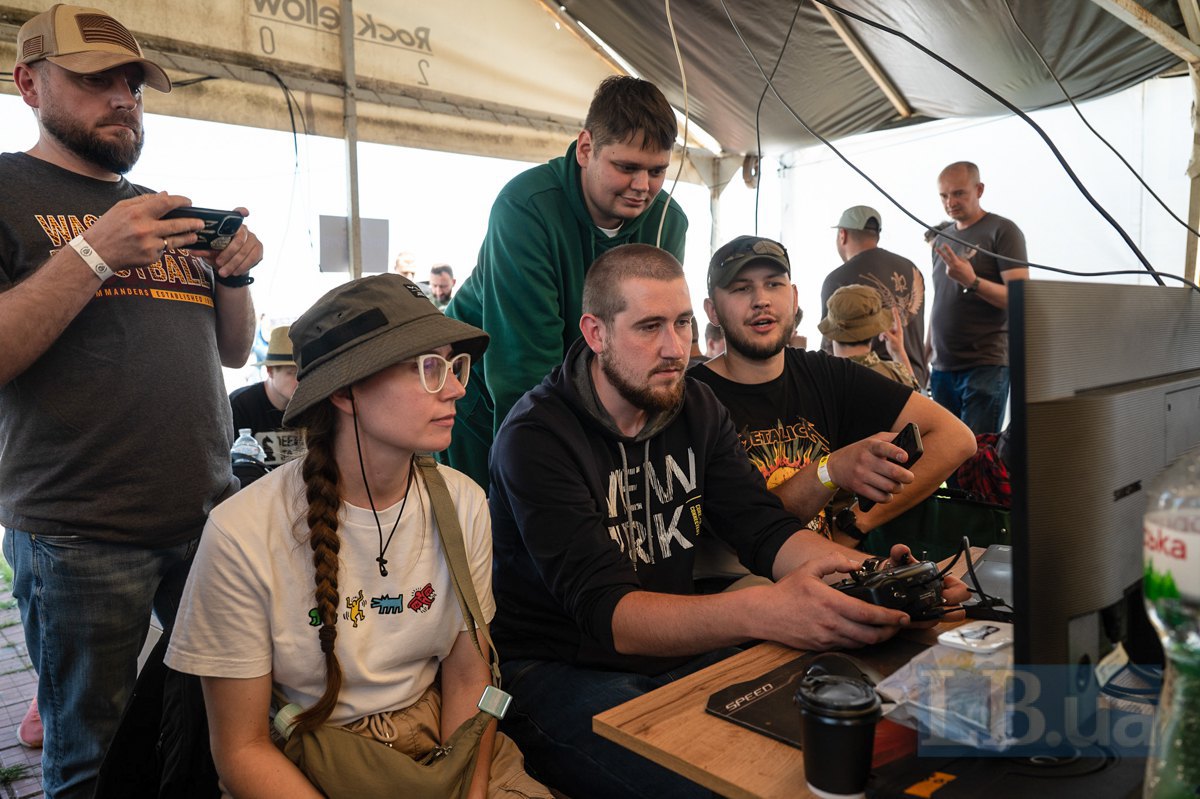
The Volya-E is a tracked vehicle which, according to its operator, makes it difficult to navigate the asphalt section of the route, which accounts for the majority of the track. The vehicle tends to drift sideways and struggles to gain speed.
“Wheeled vehicles perform better here because they accelerate more easily and therefore have an advantage,” the participant explains.
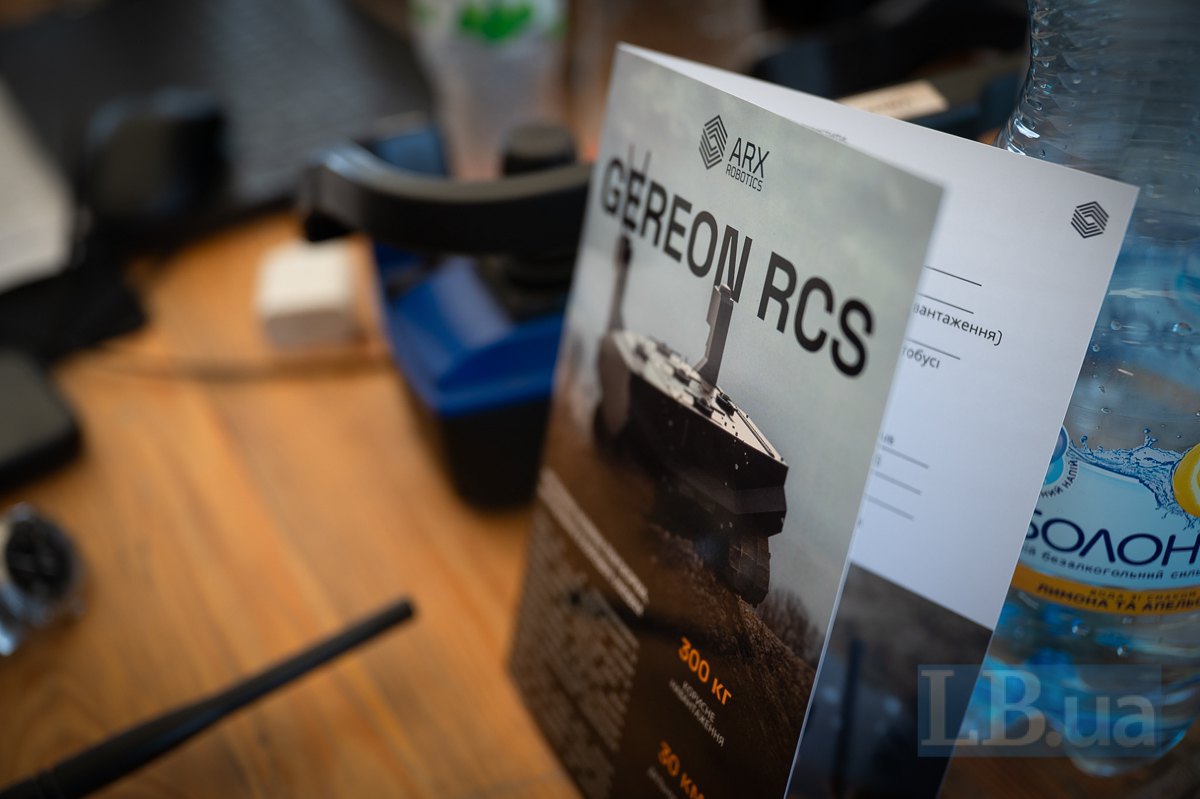
Tykhyy, an UGV instructor at the 190th Training Centre, shares this assessment. His team is represented at the competition by the German-made Gereon RCS.
“It’s expensive, but brilliant. Other communication systems can be integrated easily. At the moment, it is mainly used as a logistics vehicle. I’ve been working with it for a year and, in my opinion, it has the best off-road capability in its class. It performed well in severe frost and on extremely rough terrain,” says Tykhyy of the German UGV.
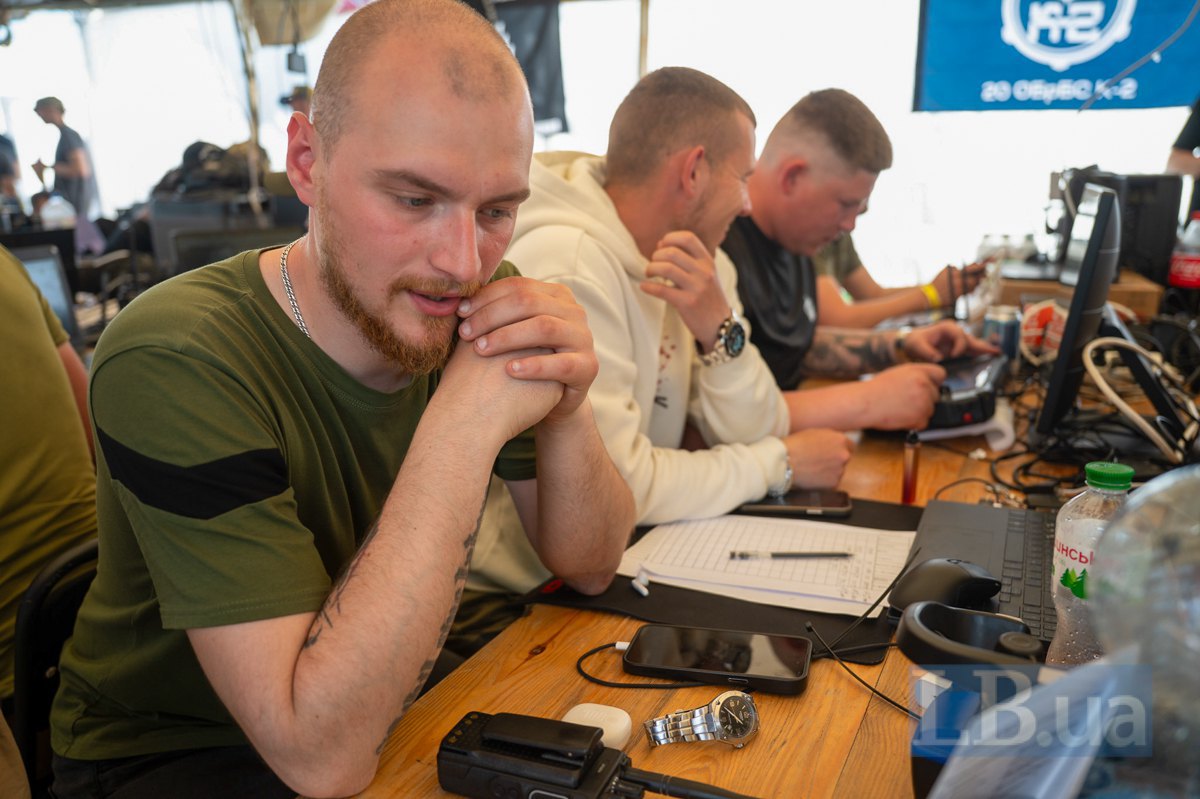
Naturally, the K-2 team’s wheeled vehicle has an advantage on this track. However, when it comes to speed, there are still certain limitations.
“We were initially told there would be an obstacle course, so we brought the TarGub because it handles those tasks well. Had we known the track would look like this, we would have chosen a different platform designed for speed,” says Kryuk.
“Our UGV is ready for anything except an explosion,” adds Cipolino.
“Yes, as long as the FPV pilots aren’t given a second task after the competition,” Kryuk jokes in response.
3.
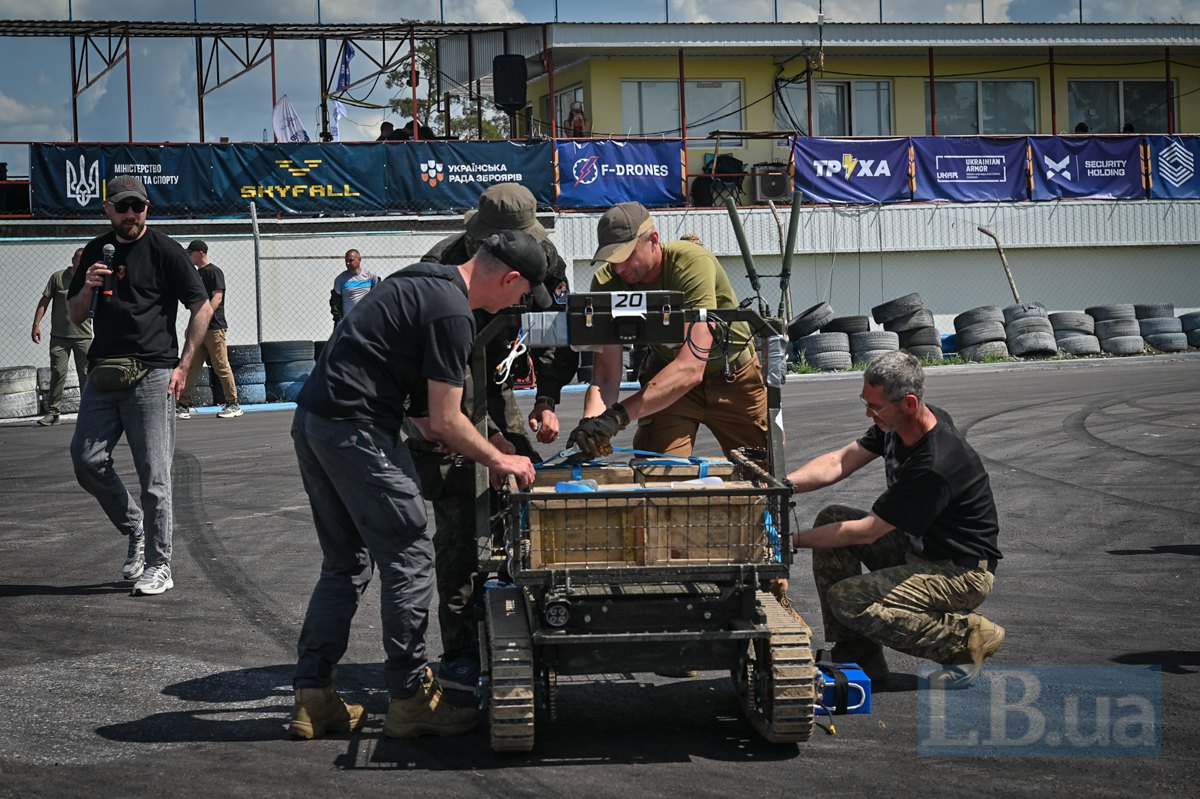
A couple of hours after the start, the vehicles begin arriving at the pit-stop area one by one. Some teams stop to replace batteries, while others inspect the chassis, wheels or tracks.
Against the backdrop of smaller UGVs, the Protector pulls in with an air of authority, followed by a trailer carrying a second Protector.
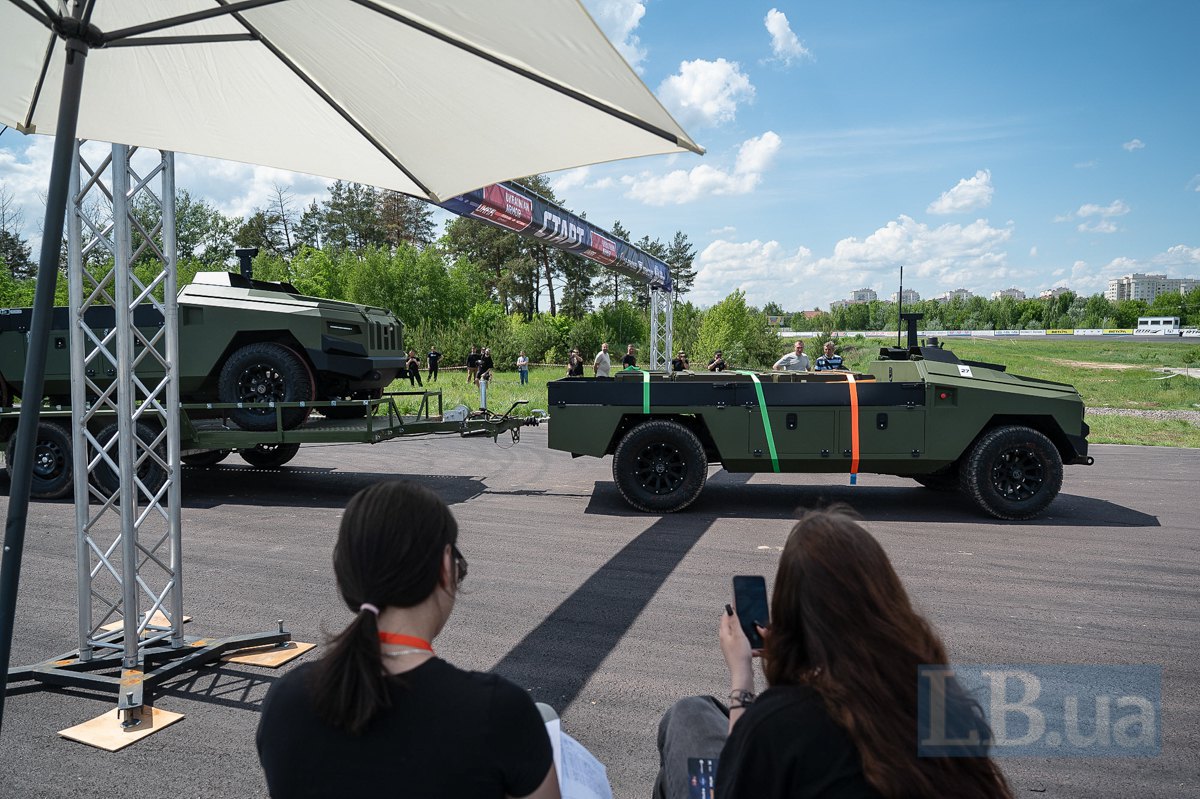
“They’re demonstrating the vehicle’s capabilities,” explains Stark, the founder of the Third Army Corps’ UGV School.
Continuing on the subject of the Protector, he adds: “It could become an effective means of transporting cargo or other UGVs to unloading points — though not directly to the front line, as it presents a large target for drones. It could replace the pick-up trucks currently in use, which increasingly need to be withdrawn because logistics operations involving them have become too dangerous due to enemy drones.”
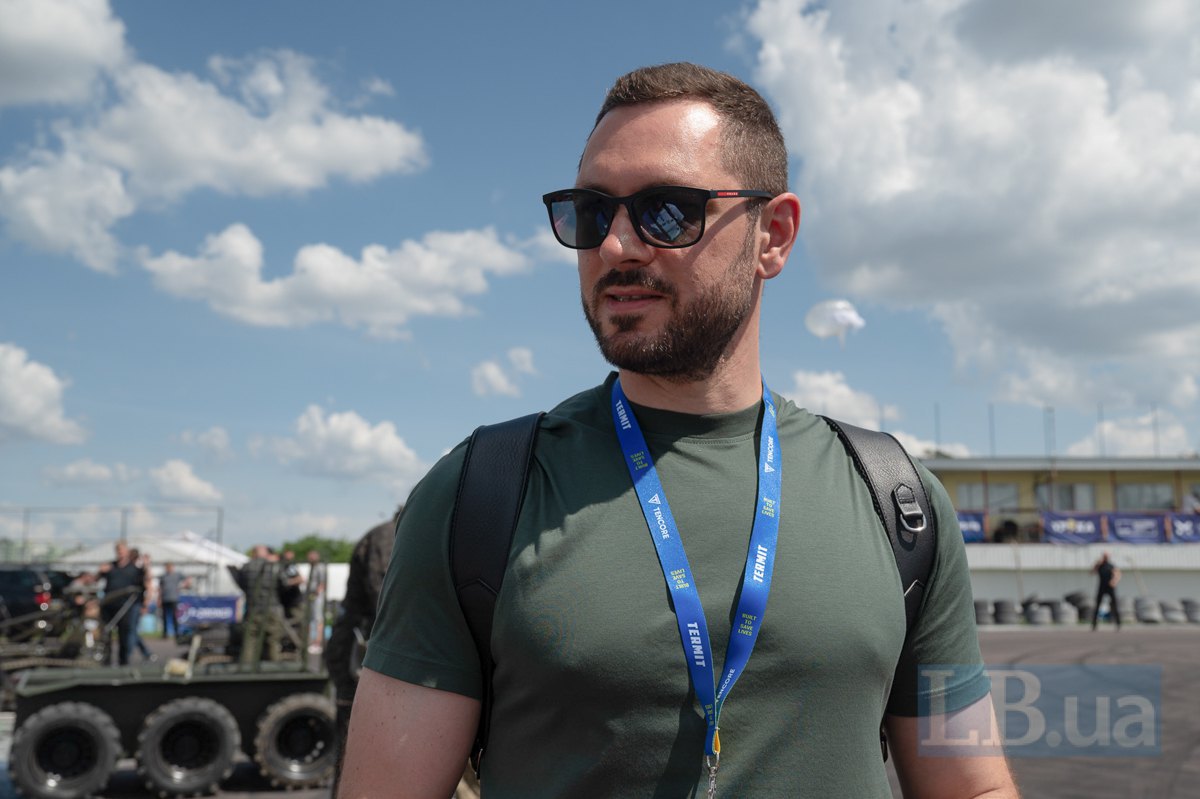
The Third Corps’ UGV School team is also taking part in the competition, competing with a TarGun after joining at the last minute, Stark says.
“The manufacturer contacted us and asked us to participate. In general, teams join the competition in different ways: some units participate independently, while training centres bring along instructors, several vehicles, and head straight into the race,” he explains.
Feedback from participants, according to Stark, has been mixed. Some questioned the practical purpose of the eight-hour race, while others embraced the challenge with enthusiasm.
“It’s a good event. Credit to all the teams. Establishing a pit-stop zone was an excellent decision,” he adds.
At the same time, he believes that vehicles should still be divided into categories, as drones of different weight classes and technical specifications competed against one another.
“Military experts from National Guard units should also be involved in developing the format and rules of the competition, so that it reflects combat conditions more closely, rather than focusing solely on speed. For example, one robot may move more slowly but deliver twice as much cargo to the front line as another, faster vehicle,” Stark explains, outlining his vision.
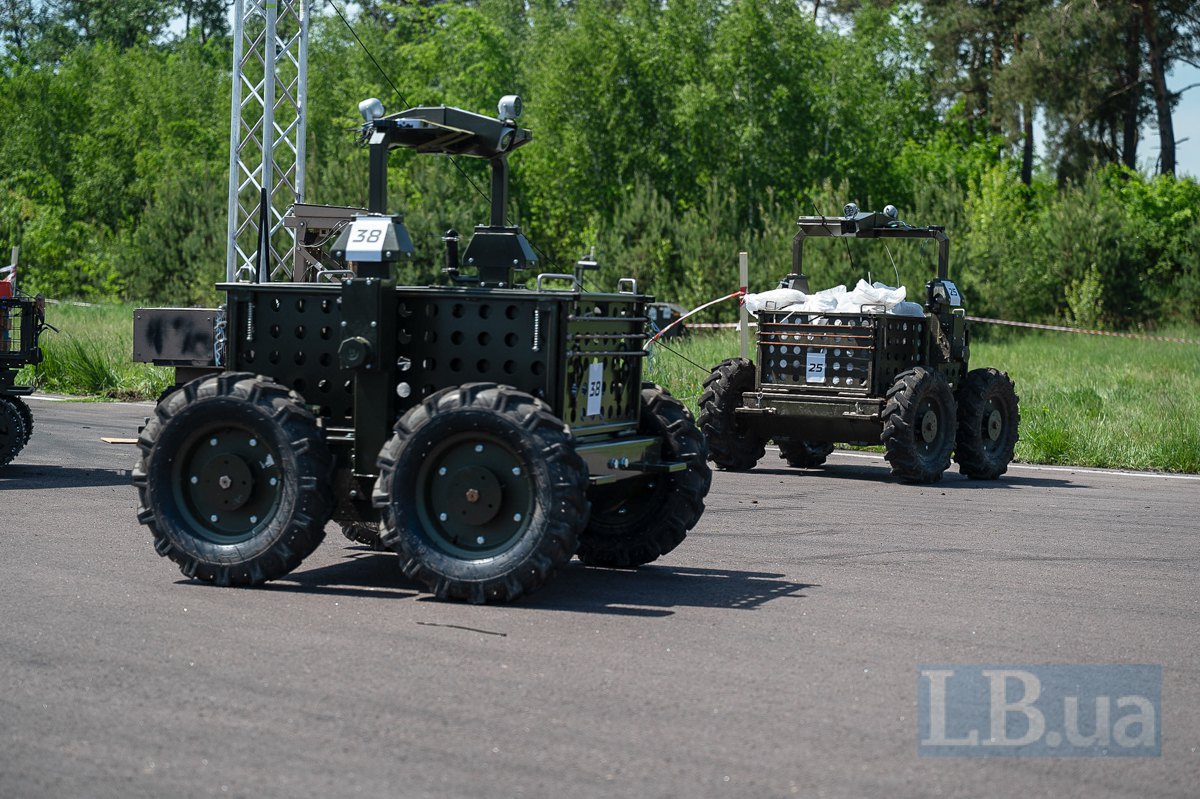
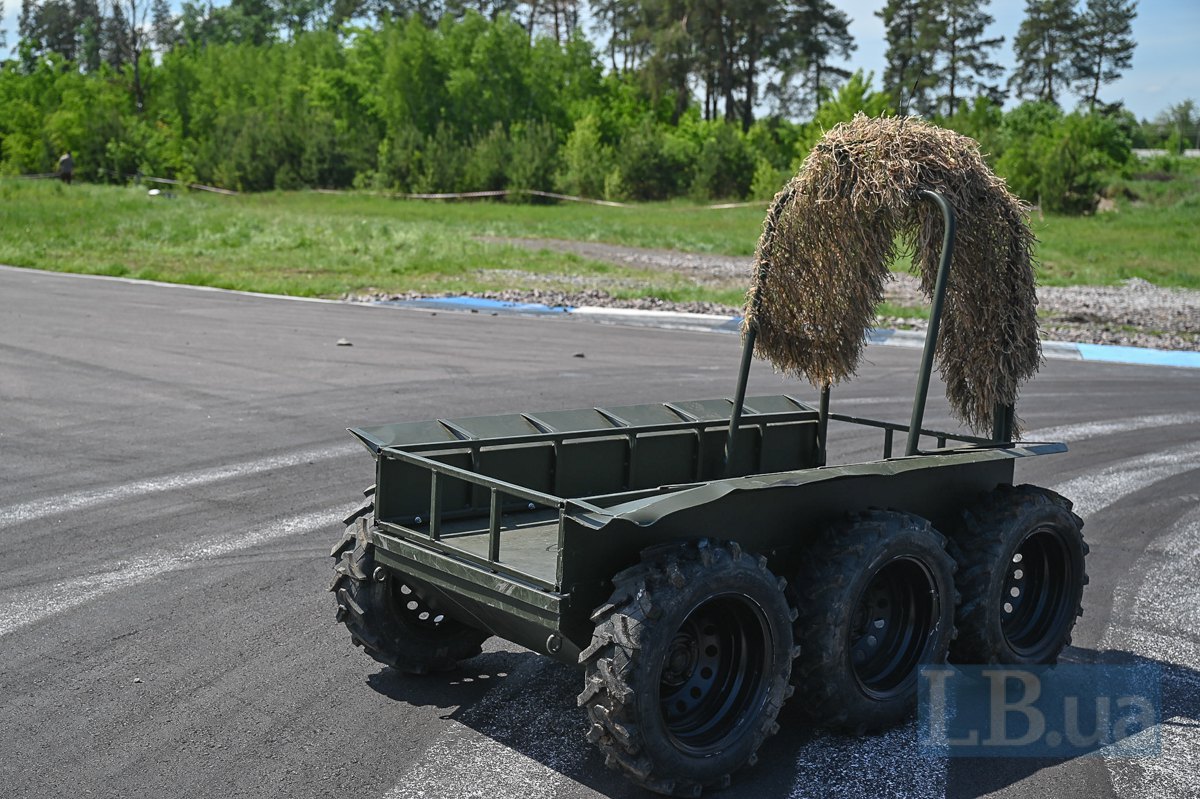
He also believes that servicemen from combat UGV units should take part in judging and calculating the final results.
More broadly, all interviewees agree that the field of ground-based drones is currently developing at a rapid pace: technologies are being refined, while new variants and modules continue to emerge.
“This is still a relatively new technology, and its peak development is yet to come. There is still considerable room for improvement — battery life, connectivity, payload capacity, and so on,” explains Cipolino from K-2.

Kryuk also highlights advances in modular systems. His team was among the first to test an AI-powered turret designed to destroy Russian drones under combat conditions. According to him, the system is already operational rather than merely experimental.
Tykhyy, from the 190th Training Centre, notes that progress has accelerated significantly compared to last year.
“For example, whereas a year ago the operational range was around 10–20 kilometres, some UAVs can now cover 40–50 kilometres using standard batteries. The progress has therefore been enormous,” he explains.
Read alsoUGVs under the spotlight: What these robots can do — and why their delivery in 2026 is now in doubt
***
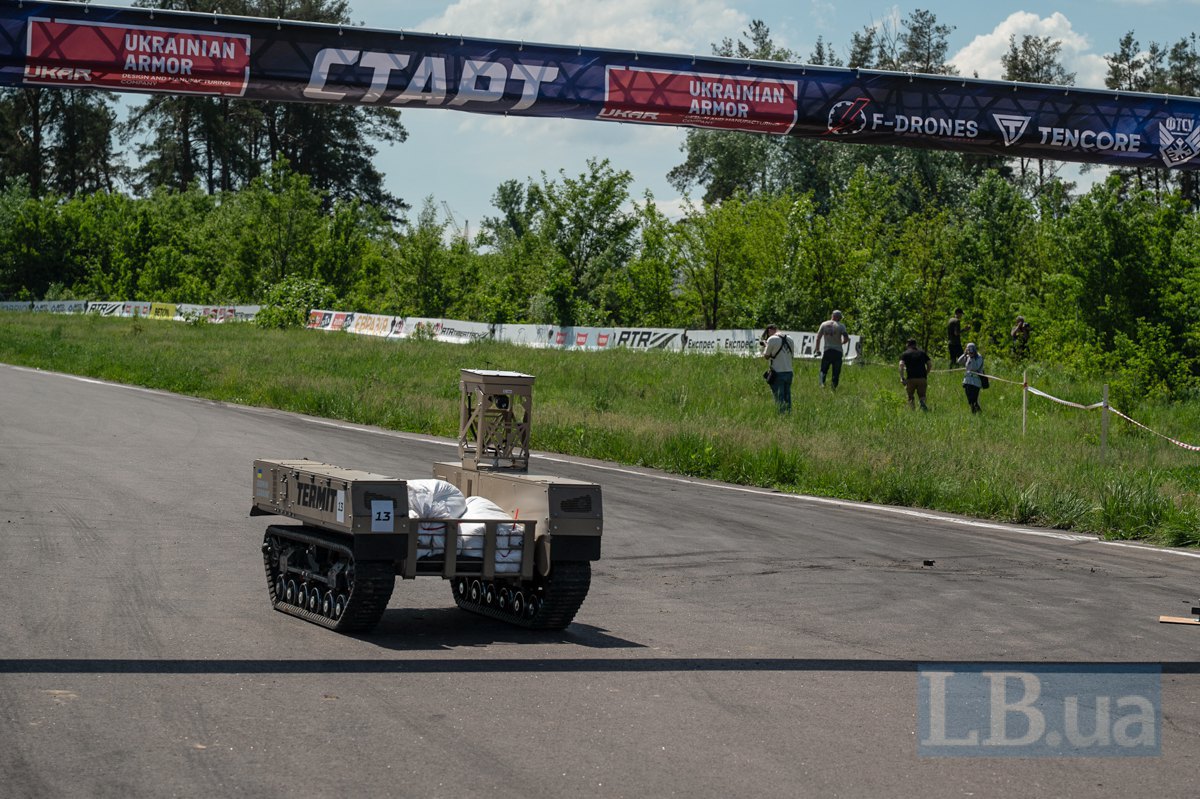
The winners of the race were announced in the evening. First place went to pilot Yuvelir from the 153rd Sniper Training Centre (Varkhan vehicle), second place to Buddha from the VARAN 4 team (Ratel-X), third place to Serge from the Steel Blood team (TerMIT 2.0), and fourth place to KAB from the VARAN 1 team (TANCHIK GEN 2).
According to Tykhyy, speed ultimately proved decisive.
Several teams had dropped out of the competition earlier for various reasons: communication failures, overturned vehicles, or detached tracks.
“Some teams, including mine, lost valuable time during pit stops, and the duration of those stops was also included in the overall results,” explains Tykhyy.
His team’s vehicle completed 17 laps, covering approximately 60 kilometres. The winning teams completed 20 laps during the eight-hour competition.