






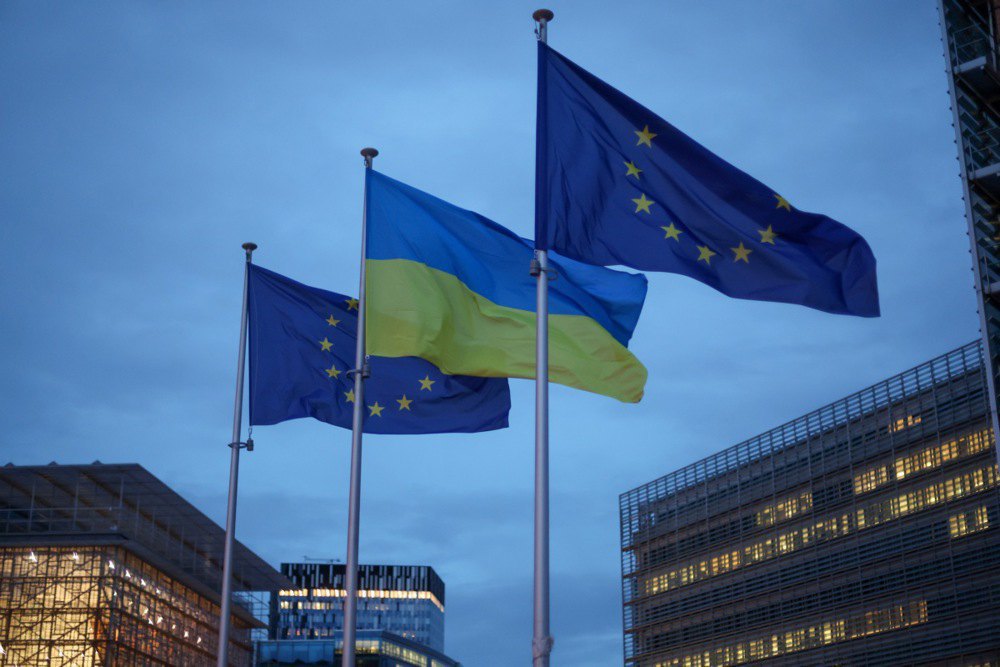
Key points of the loan agreement
The €60 billion allocated for defence is divided over two years: €28 billion for 2026 and €32 billion for 2027.
For the €30 billion designated for budgetary support, there is an important condition — the funds are tied to reforms. No such conditions have been specified for the €60 billion in defence funding. The only requirement is that Ukraine adheres to the fundamental European principles of the rule of law.
The use of defence funds will be monitored. According to media reports, Ukraine is expected to open a separate account with a German bank through which all payments will be processed.
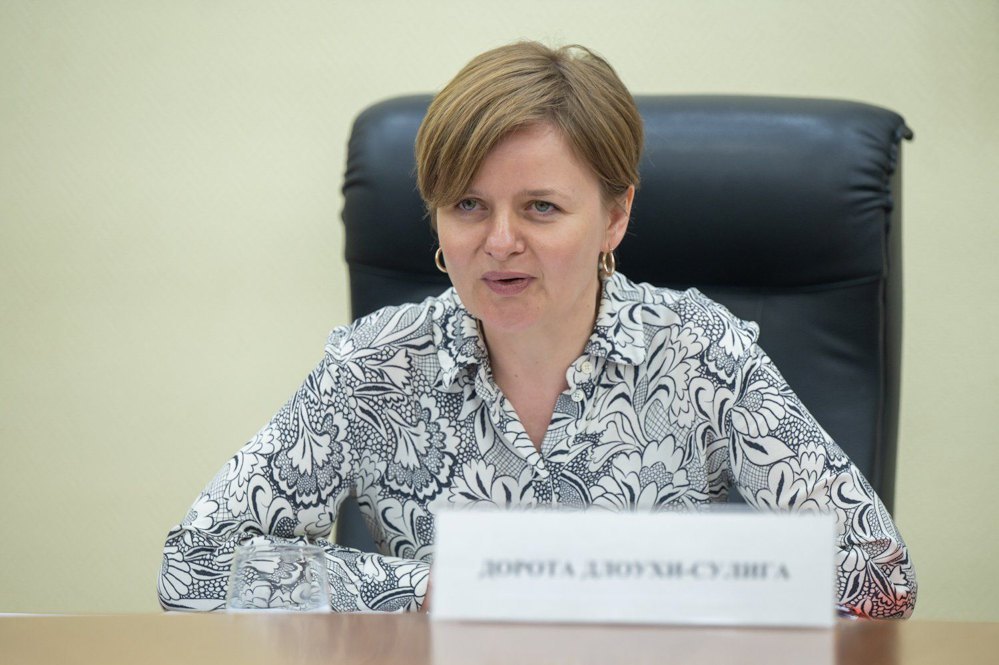
Dorota Dlouchy-Suliga, a representative of the European External Action Service, noted that the mechanism has not yet been fully finalised. Whether the funds will physically be transferred to an account in Ukraine remains an open question. Two options are currently under discussion: an account abroad or one based in Ukraine.
Any equipment, weapons or ammunition purchased under this loan will not be subject to restrictions on their use, emphasised Maksym Samoylyuk, an analyst at the Centre for Economic Strategy. This contrasts with previous restrictions applied to systems such as HIMARS, which could not be used to strike targets inside Russia.
The loan agreement states that “Ukraine must gain a qualitative military advantage over Russia”.
There are three proposed ways to achieve this:
- scaling up Ukrainian defence production;
- accelerating supplies to the Ukrainian armed forces;
- integrating the Ukrainian defence industry with the European defence sector.
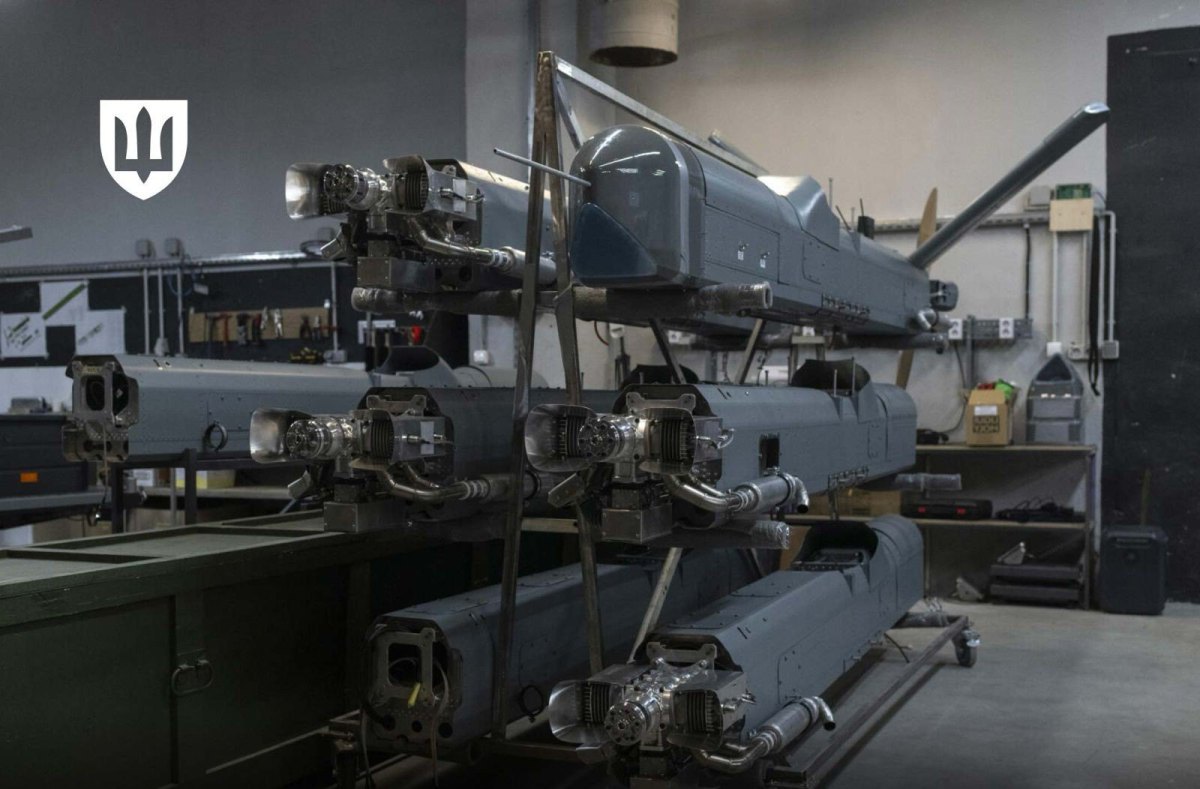
“In general, this is an interesting aspect of this loan — the funds are intended not only to meet the immediate needs of the Ukrainian army, but also to deepen cooperation between Ukrainian defence companies and their European counterparts,” noted Samoylyuk.
Funds from the 60 billion loan can only be used for defence procurement — not for military salaries.
“However, the fiscal space in the Ukrainian budget that will arise thanks to the loan will allow funds to be freed up from the Ukrainian budget to increase military salaries,” the analyst noted.
Procurements under the defence loan are divided into two categories:
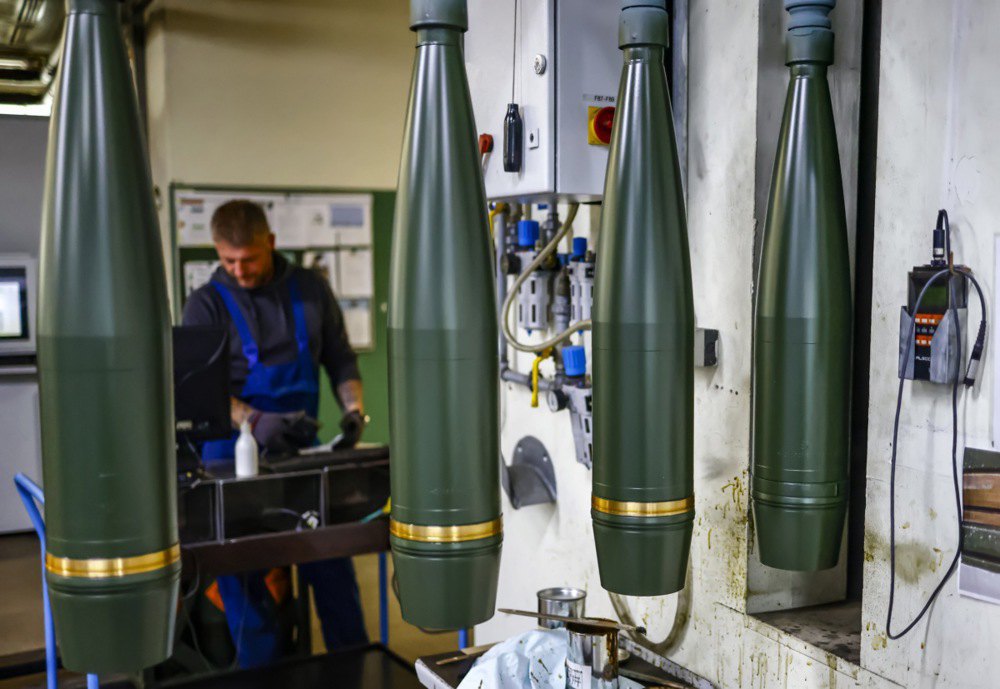
- so-called simpler equipment (missiles, ammunition, artillery systems, small drones, with a wide range of suppliers);
- more complex weaponry (air defence or missile defence systems, naval vessels or underwater equipment, drones, including long-range ones, and defence systems against such drones).
- Regarding the second category, it is clearly stipulated that if weapons are purchased using a defence loan, no component manufacturer may prohibit their use or supply to Ukraine. This is a safeguard against situations where a single critical component — for example, one manufactured in the US — blocks the use of the entire system.
The loan provides for five ways of using the funds – ranging from direct purchases of weapons and ammunition for the army to long-term bilateral agreements with EU countries aimed at integrating the Ukrainian defence industry into the European one.
“Formally, Ukraine and Ukraine alone decides what to buy. The documents do not stipulate that, for example, 80% must be spent on long-term projects and only 20% on direct purchases. In other words, Ukraine will be able to decide at any given time which need is the most pressing and exactly what needs to be funded with European money,” said the analyst.
At the same time, the European Commission has a number of safeguards in place regarding whether or not to approve these procurements for Ukraine. For the most part, these are designed to prevent corruption.
“It is highly unlikely that even a hypothetical scenario, in which all 60 billion euros were to be spent exclusively on procurement within Ukraine, would be approved by the European Commission. That is why cooperation with EU member states and the search for mutually beneficial cooperation between Ukraine and member states are so important,” added Samoylyuk.
This balance, he said, may well be one of the key factors in utilising the defence loan, “because we need to defend our interests as much as possible, understand what is needed first and foremost, and understand how we can justify this to the Europeans.”
Europe’s position
€60 billion is not just military aid; this loan is structured as an industrial cooperation programme, emphasises Dorota Dlouchy-Suliga, a representative of the European External Action Service.
She confirmed three official objectives:
- to supply what is needed for the current conflict (2026–2027);
- to develop Ukraine’s industrial base;
- to integrate it into the European defence industry.
It remains to be seen whether the funds can be utilised within these 18 months. After all, according to the agency representative, total aid from the EU and its member states over four years of full-scale war amounted to €75.2 billion.
The process, she says, is led by Ukraine: it identifies needs, prepares procurement schedules and oversees purchases.
The first procurement schedule, which Ukraine has already submitted, concerns Ukrainian-made drones. In other words, the first disbursements will be used exclusively for purchases within Ukraine.
These are expected in late June or early July. After all, the loan is not yet active; the agreement between Ukraine and ASOM is still being signed, followed by ratification by the Council of Europe.
Most of the purchased supplies are planned to be delivered in 2026 or in the first or second quarter of 2027. For purchases made in 2027, delivery is scheduled for the first or second quarter of 2028. However, there will be exceptions — for example, for strategic long-term needs such as aircraft, where delivery will be later.
The regulation allows for reimbursement of payments from December, so Ukraine is already purchasing drones that will be reimbursed.
The priority is Ukrainian production, followed by the EU, and then external markets (if the product is not available in time and in the required quantities).
A particular challenge is Chinese components. If their share in the product exceeds 25% of the final product’s value, separate approval by a qualified majority of Member States is required.
The aim of the loan is also to ramp up component production in both Europe and Ukraine, and to establish mutual supply at the component level, rather than just for final products.
The regulation allows Ukrainian orders to be prioritised with European companies, but in some cases it will be difficult to find actual production capacity.
Corruption is a direct risk with such sums involved. The European Commission’s Directorate-General for Defence Industry and Space (DG DEFIS) is developing a control strategy.
When asked whether the defence loan would cover the protection of energy infrastructure, Dorota Dlouchy-Suliga commented briefly: “The issue of energy infrastructure — perhaps, but [this defence loan] is for the needs of the Ministry of Defence. As for civilian infrastructure — it depends on the type and context. I will not comment further.”
Ukraine’s priorities
“It seems to me that the Ministry of Defence has drawn up a list of priorities quite well. First and foremost, this includes everything necessary to defend the skies: air defence missiles, large tactical-range radars, anti-drone systems, ammunition and so on,” says Lyubov Shypovych, co-founder of the Dignitas charity.
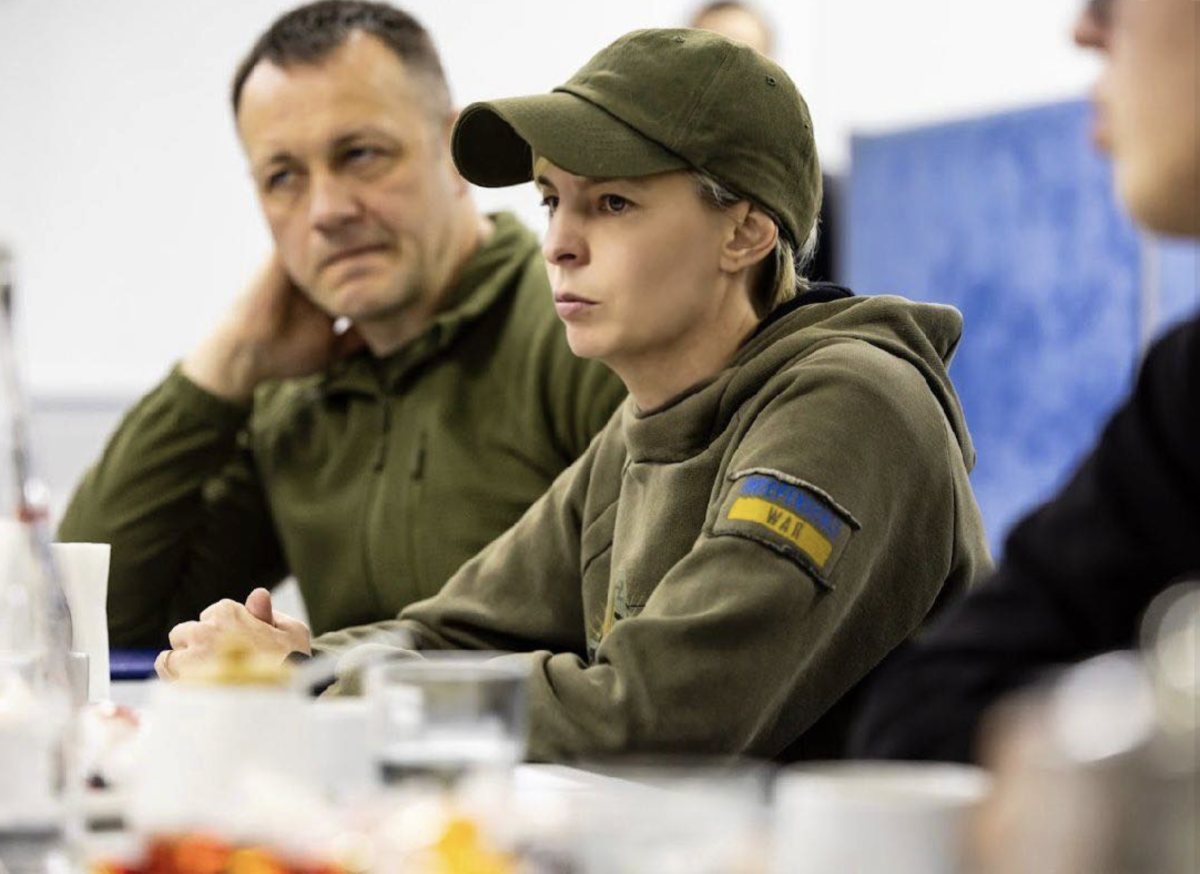
In her opinion, it is also important to develop the infrastructure needed to utilise these assets: anti-drone defences, protection against Shahed drones, short-range radar systems, and, quite simply, transport to get these crews to their positions, as well as generators, charging stations, satellite links and so on.
Anti-ballistic capabilities and the development of our own anti-ballistic systems are also important.
At the same time, cooperation with the EU has two aspects, namely: Ukrainian companies are not ready to meet European production requirements and standards.
“On the other hand, is Europe prepared to lower these standards in view of the war, the pace of innovation and so on? Here, it seems to me, we need to meet each other halfway: to push Ukrainian manufacturers to take standards more seriously, and on the other hand, to tell our European partners that standards need to be more adaptable,” believes Shypovych.