





Anatomy of Russian offensive tactics: iron bombs and fibre optics
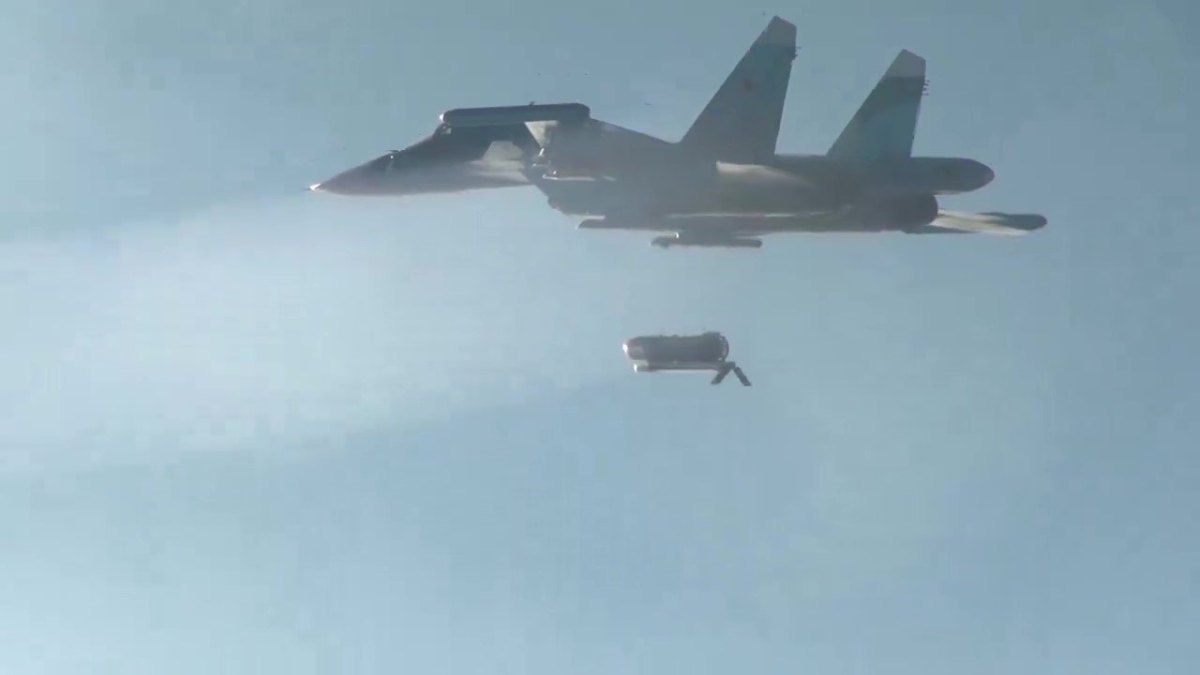
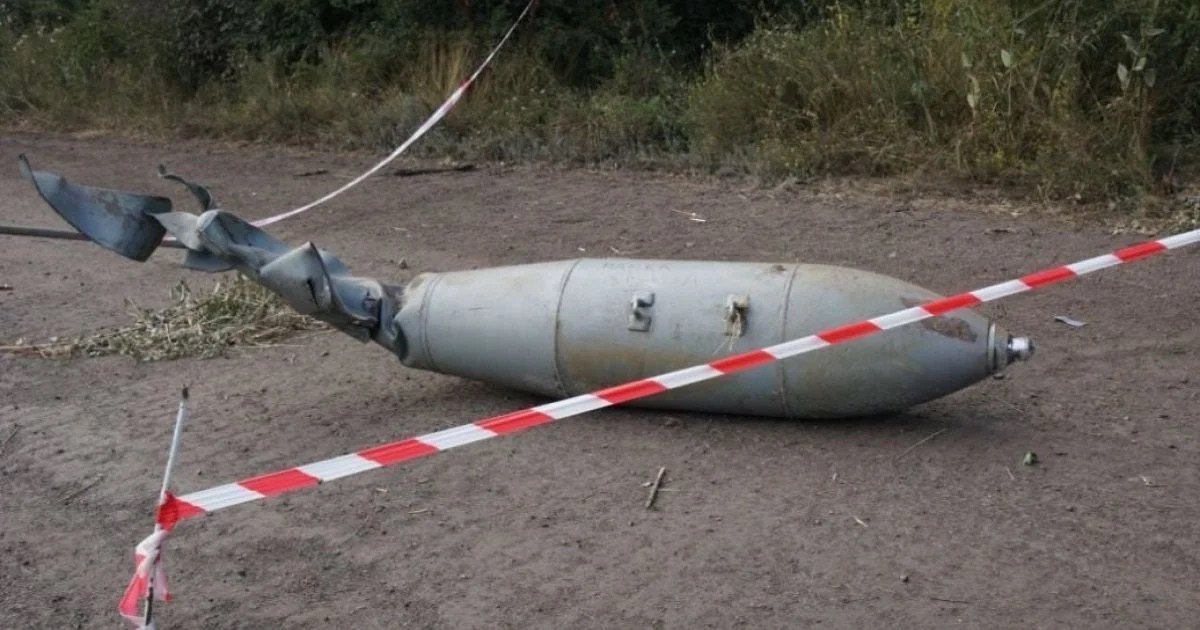
Russian tactics are clear — and, unfortunately, effective. Several glide bombs strike exposed positions of our UAV operators with precision, shredding antennas, destroying relay systems, and disabling ammunition and battery storage sites, forcing crews to constantly relocate. Heavy unguided bombs methodically level every large structure with basements in a given sector — industrial zones, schools, mine ventilation shafts — depriving our operators of shelter.
Under this bombardment, Russian drone pilots move closer. They use fibre-optic FPV drones that are unaffected by our electronic warfare systems, operate through “mother drones” and airborne relays, pushing our strike UAV units further into the rear. The chain reaction follows: we are forced to fly from greater distances, respond with delays, and then Russian bombs strike our new positions again. Even if some bombs miss because our EW systems interfere with UMPK guidance kits, five may miss while the sixth collapses the building.
Around observation posts begins a constant game of infiltration: small infantry groups on motocross bikes and quad bikes. Our last-mile logistics to the frontline are strangled by their FPV drones. Then come assaults by heavily improvised armoured vehicles with a single task — reaching staging points. The result: we either withdraw garrisons to avoid encirclement or lose them, while the enemy advances.
And this cycle will continue until Russia exhausts the airframe resources of its Sukhoi Su-34 fleet, or until Ukraine receives full squadrons of modernised Dassault Mirage 2000 and Saab JAS 39 Gripen fighters capable of pushing Russian aviation beyond glide bomb release range using long-range MBDA Meteor missiles. But that is not a matter of months.
More accurate Western bombs are excellent for striking headquarters, communications hubs and air defence systems, but they will not solve the systemic problem posed by Russian heavy bombing and infantry infiltration.
Our asymmetric response: the era of mid-strikes
What have we managed to counter this with? Mid-strikes — operational-tactical strike drone systems.
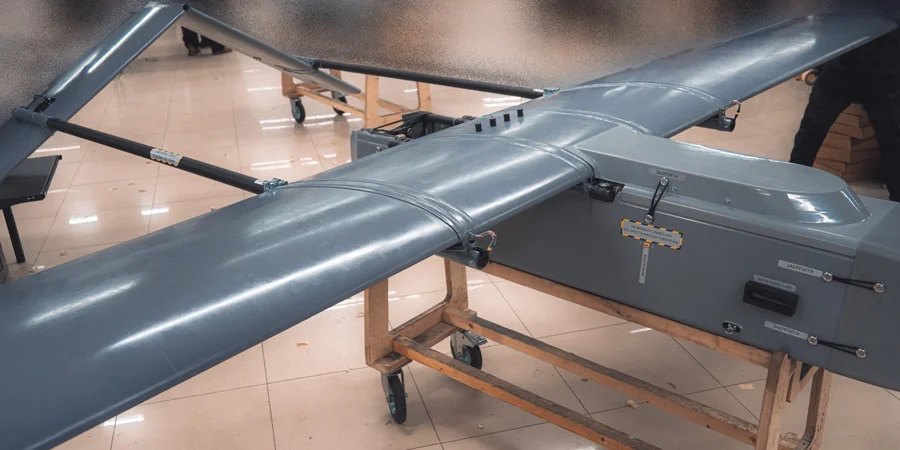
We are talking about warheads weighing 65–105 kg with a range of more than 250 kilometres. That is already extremely serious. Such payloads reliably penetrate fortified positions, destroy hardened targets and instantly neutralise any air defence system. Heavy kamikaze drones such as the FP-2 are capable of hitting FSB headquarters in reinforced buildings, destroying pilot training schools together with instructors, and reaching ships in ports.
There are also smaller but mass-produced systems — the same “Bulava” and “Hornet” drones that are reaching ever deeper into the operational rear. So what if they carry only a five-kilogram warhead? If those five kilograms hit the transformer of a mainline electric locomotive or a tanker filled with aviation fuel, that is more than enough to send equipment for major repairs or create a spectacular fireball.
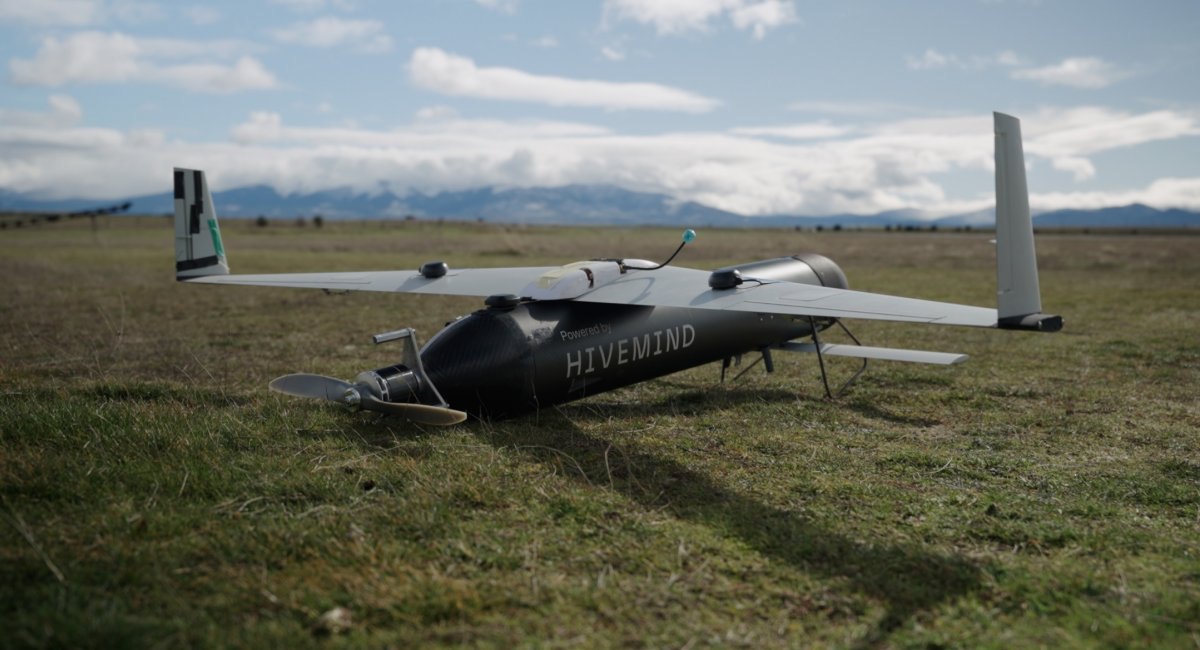
Read alsoEvolution of mid-strike: How German-Ukrainian Anubis drones are breaking Russia’s air defence system
About half a year ago, we began a systematic campaign against Russian air defence systems. We methodically destroyed the eyes and fangs of their short-range layer: Tor missile system systems, Pantsir-S1 systems, target illumination radars and surveillance radar stations. This triggered a cascading collapse of their continuous radar coverage and allowed our heavy multicopters and fixed-wing drones to fly farther and more safely. It also made it easier to eliminate systems such as the 9K35 Strela-10, 9K33 Osa and other tactical-level air defence assets.
Logistical strangulation and the air defence dilemma
After opening safer flight corridors, we shifted to the main target — logistics. Fuel depots, truck parking sites, railway junctions, the “Novorossiya” highway, trucks, diesel and electric locomotives, cargo vessels and gantry cranes in Berdiansk.
What does this achieve? Russian generals can fragment last-mile logistics as much as they want, sending suicide riders on motorcycles and crippled infantry units carrying backpacks full of canned food. But divisional and army-level logistics still remain. Collection points for damaged vehicles, repair bases and ammunition depots all require thousands of tonnes of fuel, lubricants and spare parts every day. Move warehouses a hundred kilometres farther from the front — and you burn through the service life of transport trucks.
Read also“No occupier can feel safe within a 160 km radius”: how Azov is disrupting Russian logistics with drone strikes
Meanwhile, KamAZ is laying off workers and switching to a four-day workweek — import substitution under sanctions has not exactly worked out. If you cannot sustain frontline logistics, you cannot conduct large-scale combined-arms operations. If you cannot supply major checkpoints and strongpoints, you are forced to leave behind smaller positions that we can later pick apart through counterattacks, as happened in Stepnohirsk. It becomes a snowball effect that is extremely difficult for Russia to counter with glide bombs, because our mid-strike systems are launched from depths unreachable for their heavy aerial bombs.
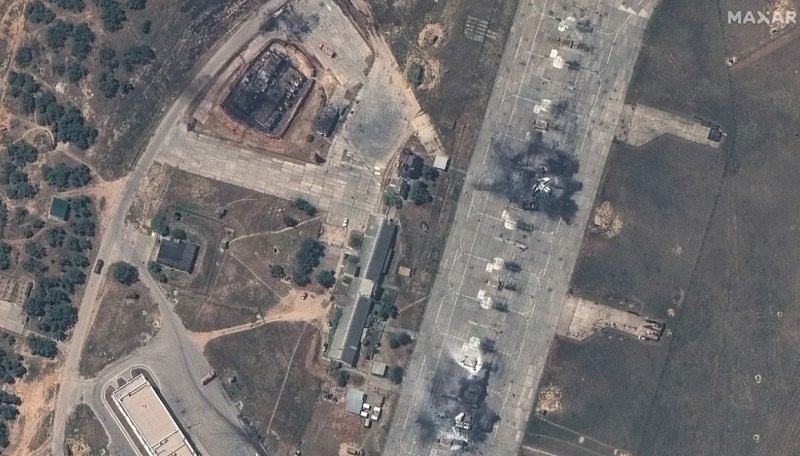
In the end, Russian air defence has found itself in an impossible split. Crimea is constantly burning: one day it is a fuel depot in Feodosiya, the next an airfield in Kacha Air Base, then a seaplane parking area, or yet another Sukhoi jet at Belbek Air Base. Donbas is also under constant pressure: in Donetsk, entire floors housing FSB personnel are being destroyed in broad daylight, while missile strikes hit warehouses at Tochmash.
The deep rear requires protection because Russia cannot simply pull air defence systems out of operational rear areas and move them to the front while the main sources of budget revenue — oil refineries — and technology parks around Moscow burn like matches. But the front cannot be left exposed either, because the “red zone” is immediately swarmed by our heavy night-time Vampire drones, FPVs operating through relay mother drones, and strike-wing UAVs, while reconnaissance directs Western artillery with devastating effect. And on top of that come regular strikes on strategic airbases hosting fifth-generation aircraft in Astrakhan Region. Russia now has to do more than simply relocate aircraft — it must constantly shuffle them between reserve runways, burning engine life on endless redeployments.
Koschei’s needle
It appears we have found a pressure point. That is why production of mid-strike systems is now being rapidly scaled up in cooperation with Norway, Germany and France. This is what works here and now.
We still have a window of time before Russia shifts to upgraded small-calibre anti-aircraft artillery with radar targeting systems and interceptor drones. To begin deploying such systems, Russia would need to find additional billions in its budget and at least six to eight months.
If we receive even more mid-strike systems, the targets are obvious. Smaller warheads will be used to destroy locomotive engines, transformers and trucks carrying ammunition and fuel. Larger ones will devastate energy infrastructure, fuel terminals and command nodes.
Let them bleed out through logistics. There will be more destroyed headquarters, like the recent strike on the FSB base on the Arabat Spit. There will be more destroyed UAV operator schools (as in Tetkino or at the bases of the Sudoplatov Battalion) and artillery training schools where they are now trying to introduce artificial intelligence. More burned-out positions in vocational schools, like in Starobilsk. The goal is to lock them into agglomerations around a belt of fortresses.
The first sign of our success is already here: in Crimea, fuel limits have been reintroduced — 20 litres per person. Let’s just note this systemic bug of the empire: Russia is losing $15–20 billion in foreign currency revenue due to fuel export restrictions, while its logistics are so fragmented that it physically cannot move this “surplus” into its own bottlenecks. And this is the supposedly “unsinkable aircraft carrier” from which it planned to threaten NATO.