





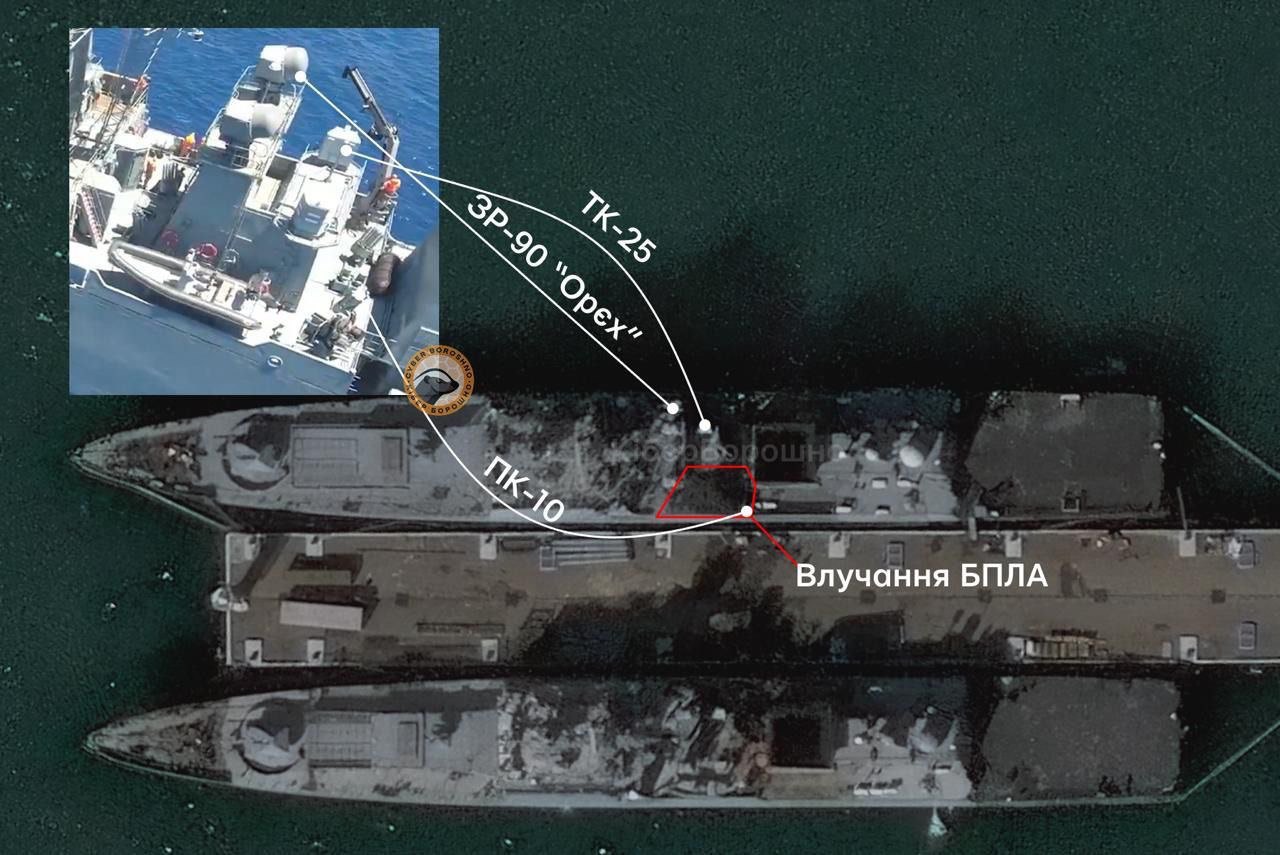
The SBU drone raid on 2 March proved highly painful for Russia. The General Staff officially confirmed strikes on two modern Project 11356R frigates — Admiral Essen and Admiral Makarov. Each carries eight Kalibr cruise missile. The strike hit the central superstructure, where the main command post and integrated control system are located.
As these ships lack heavy armour, explosions from the drone warheads and resulting fires tore through their interiors. The TK-25 electronic warfare system and the MR-90 Orekh radar — responsible for guiding anti-aircraft missiles — were damaged. As a result, the ships can neither fire nor detect targets, and repairs in Novorossiysk are expected to take months.
It is important to understand the synergy of these strikes: for the second time in a short period, Ukraine penetrated Novorossiysk’s air defence system, striking the fleet directly at the quays and targeting port infrastructure. Logically, once drones appear in the air, the fleet should head out to sea to gain room to manoeuvre. But there, they face panic over Ukrainian uncrewed surface vessels and underwater drones waiting offshore. The ships are effectively cornered and forced to absorb strikes from the air right in the harbour.
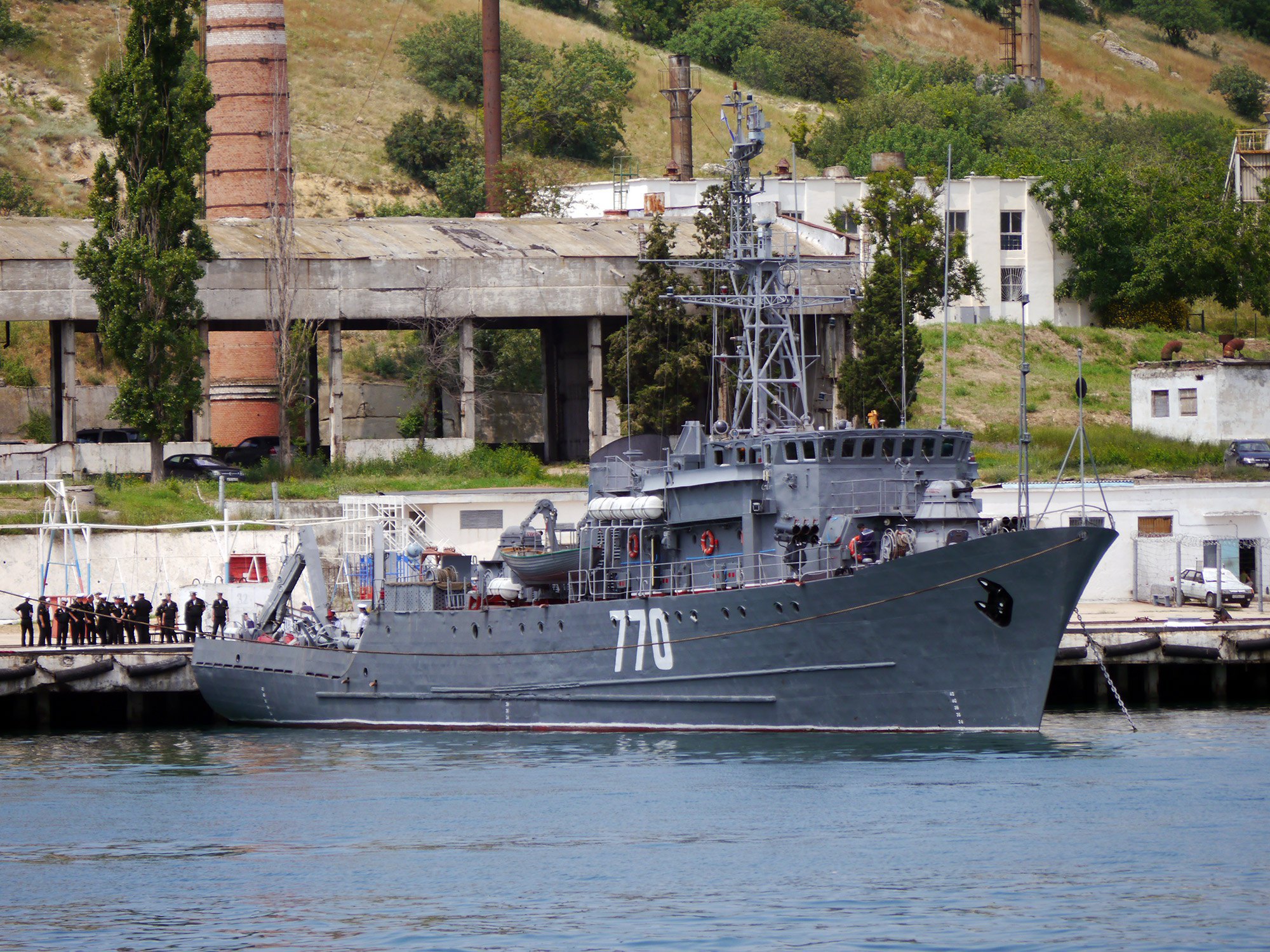
Besides the frigates, the General Staff also confirmed strikes on the minesweeper Valentin Pikul and damage to two small anti-submarine ships — Yeysk and Kasimov. They may be repairable, but this will take considerable time, taking them out of action for the foreseeable future and placing additional strain on repair docks.
Pushing the front and the role of USFs: a financial meat grinder
Unmanned Systems Forces (USF) are now systematically dismantling Russia’s air defences deep in the operational-tactical rear. Picking off piece by piece: frontline air defence on the Zaporizhzhya and Kherson directions has been firmly penetrated. Recently, a Buk SAM, a Tor system, and two Pantsir-S1 systems were neutralised directly on the contact line.
Notably, the Main Intelligence Directorate destroyed a rare S-500 radar, long considered invulnerable to air strikes, deep in Crimea’s rear, again raising questions about the effectiveness of Russia’s air defence.
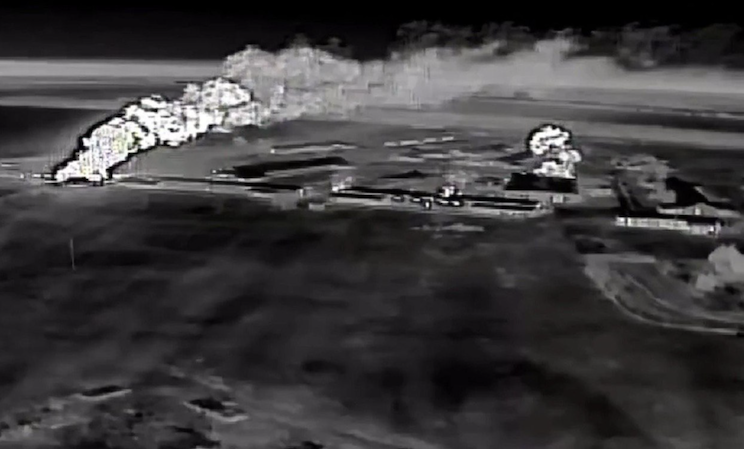
Another Pantsir-S1 system was eliminated in Mariupol, and a key strike destroyed a Pantsir-S1 system in Novorossiysk during the 2 March raid. There, the 30N6E2 S-300PMU-2 Favorit radar was also destroyed — what was supposed to protect the strategic grouping and fleet base became the target itself.
The damage from this campaign is enormous. In dollar terms: destroyed air defence amounts to hundreds of millions. Add two frigates (almost a billion), a minesweeper, fast attack craft Tunets, three helicopters, and a strike on an oil depot. The total cost for this short period easily surpasses one billion dollars.
Trap on the tower and helicopter losses in Crimea
Due to our ongoing raids on Novorossiysk, Russians are very unsettled. They try to climb towers like Syvash tower to set up “eyes” in the form of radars and electronic warfare stations — an attempt to create a safety perimeter and preemptively intercept our maritime drones Magura and Sea Baby.
Once they threatened a blockade of the grain corridor, and today we’ve effectively put them under a naval blockade ourselves. I like this kind of “planned special operation.”
A Russian group on one such tower was attacked by our maritime drones. The supports were blown up, and members of the landing party were killed and wounded. A Ka-27 helicopter came for evacuation, but our loitering munition hit it directly in the cockpit. Now the occupiers are stuck on the tower without medical help — a small thing, but satisfying.
The Main Intelligence Directorate also destroyed another Ka-27 in Crimea at an airfield during maintenance. In addition, a Mi-8 near Belgorod came under fire from its own air defence systems, which panicked while targeting our drones. Not only the pilots but both onboard gunners were killed. Three helicopters destroyed at once — a significant result.
Sheskharis and the paralysis of oil exports
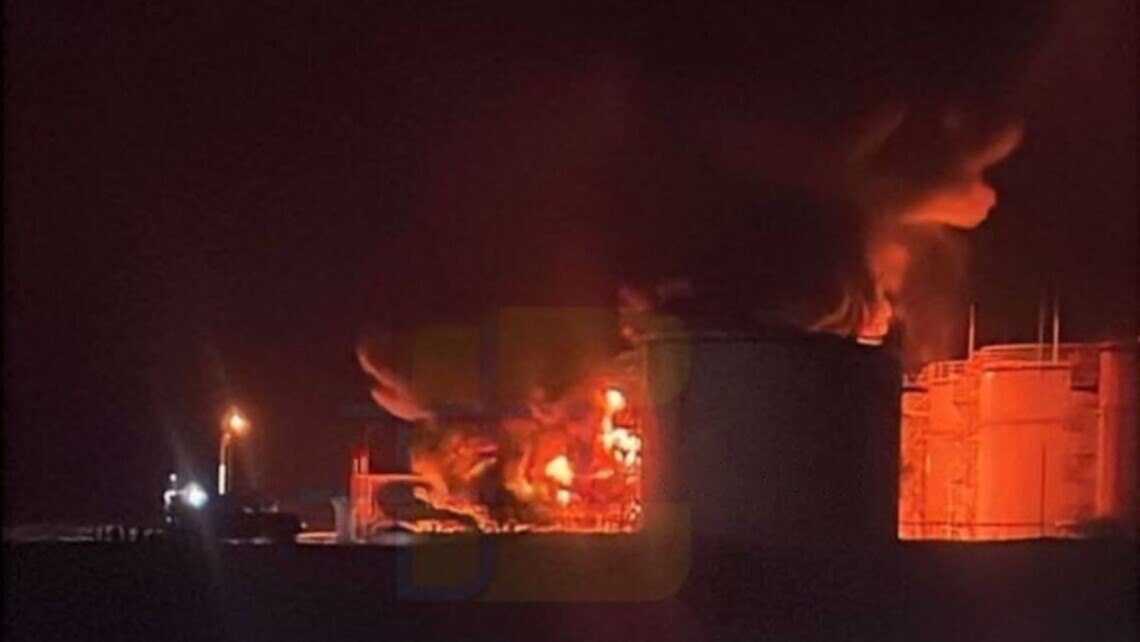
The strike on the Sheskharis terminal on 2 March was a shot to the heart of Russia’s exports. Six out of seven oil-loading arms — the special pipelines that transfer crude to tankers — were hit. This is Russia’s largest terminal, handling up to a third of its maritime oil exports. Damage to the splitters (fractionating columns for refining) and pumping infrastructure means export revenue will be halted for months. Without Western components, quickly restoring such a facility is nearly impossible.
How was this even possible? Their attacks on our energy infrastructure cost billions in missiles, aiming for a quick blackout. But terror and morale-targeting failed. Instead, it gave us valuable time to refine our delivery methods and tactical approaches.
Today, much of their air defence is not fully operational: some systems are under maintenance, others worn out or exhausted. We have precise schedules of their radar operations and detailed satellite imagery of each site. In strategic strikes, the attacker always holds the advantage, choosing the time and place of the strike.
Hitting the main fleet base and Sheskharis is classic next-generation strategic bombing, executed with drones.
The key takeaway: Russia has effectively ceded the initiative in the Black Sea. They no longer control the situation, even in their own ports. We expect the number of burnt tankers and LNG carriers with massive holes in their hulls to keep growing. Let’s see how long they can afford to fight like this — 20 years, as Peter I once dreamed. Today, such a war is far too costly, even for a major empire.