






"100 Hours" of Operation Epic Fury. pic.twitter.com/XW5ZnRAJJL
— U.S. Central Command (@CENTCOM) March 4, 2026
The strikes have focused on key elements of the Iranian regime, as well as military and nuclear infrastructure. In total, the United States and Israel have hit more than 2,000 targets across the country, with a particular focus on western Iran and Tehran. Among the targets struck was the Pasteur Complex in Tehran — the residence and office of Ali Khamenei — where the supreme leader was reportedly killed along with members of his family and senior officials. Other targets included the headquarters of the Ministry of Intelligence of Iran, the Ministry of Defence of Iran, the Judiciary of Iran and the Supreme National Security Council of Iran, as well as other government districts in Tehran. Residences and offices of senior officials were also struck, including those linked to security adviser Ali Shamkhani and commanders of the Islamic Revolutionary Guard Corps. In addition, the attacks targeted IRGC headquarters and bases, command posts, missile launchers, airfields, drone bases and naval assets — including the frigate Jamaran (Iranian frigate) and the Imam Ali naval base. Air defence sites and facilities linked to missile and drone production in western Iran were also hit, including locations in Kermanshah, Tabriz, Ilam, Khorramabad and Bushehr. Military complexes in Isfahan, Qom, Karaj, Shiraz, Zahedan and Khoy were also targeted. Strikes were carried out on uranium enrichment centres in Natanz Nuclear Facility, Fordow Fuel Enrichment Plant, Isfahan Nuclear Technology Center, Parchin Military Complex and facilities near Qom. Damage is reported to be significant, although the International Atomic Energy Agency has not confirmed strikes on all nuclear installations. Police stations, detention centres, intelligence offices, ports and some cultural sites were also reportedly hit.
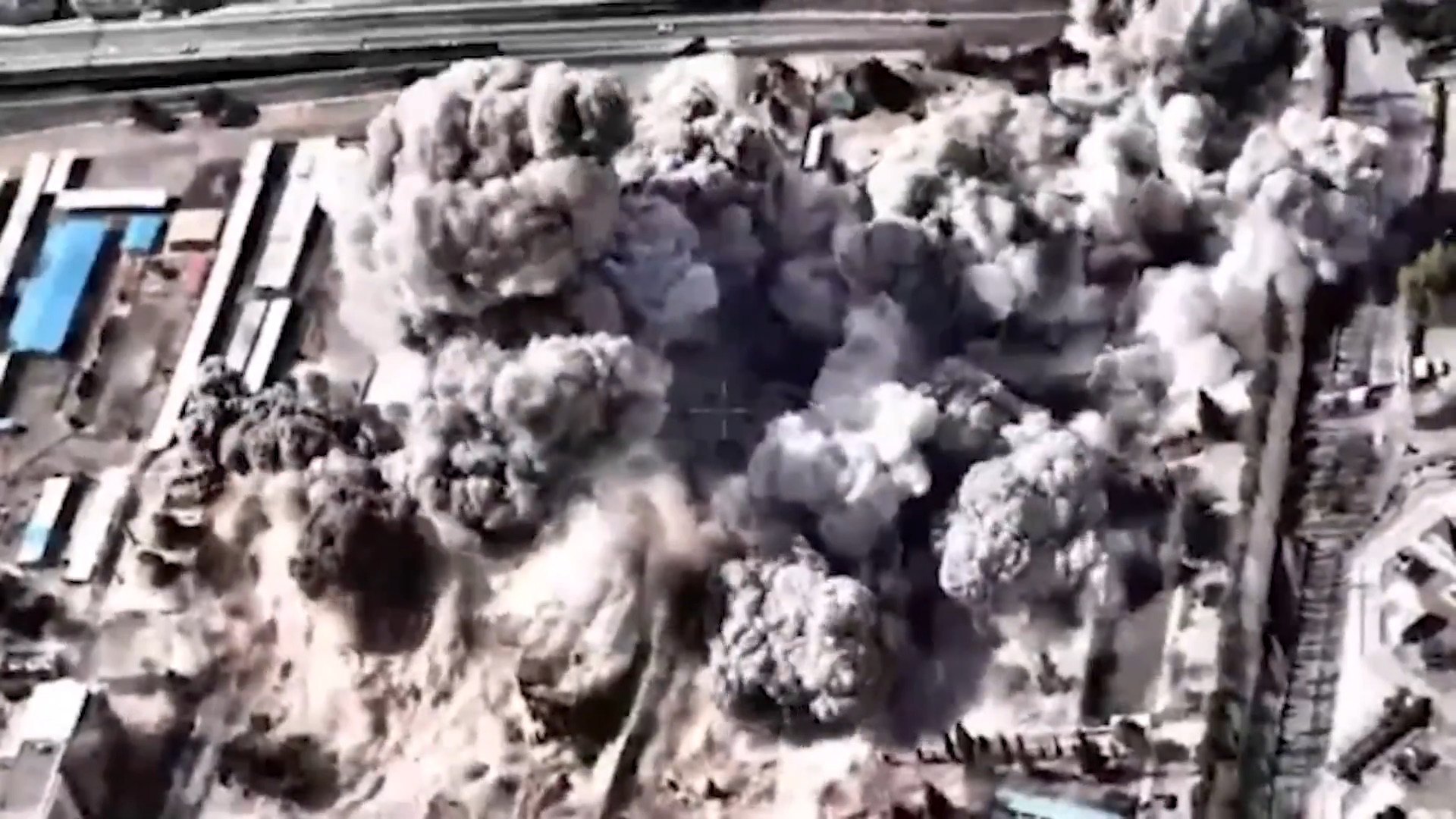
Casualties are estimated at more than 787 killed (including civilians) and over 1,000 wounded, according to the Iranian Red Crescent Society of the Islamic Republic of Iran.
Since 28 February, Iran has been responding with massive missile and drone strikes against US assets across the Persian Gulf and the Middle East.
So far, some of the world’s wealthier states have had the means to defend themselves — and have generally performed well.
Qatar: Air defence intercepted up to 97% of incoming threats (more than 65 missiles and drones). However, Iranian strikes destroyed an AN/FPS-132 radar at Al Udeid Air Base — a system with a detection range of about 5,000 km and an estimated cost of around $1 billion — as well as a long-range 3D early-warning radar. Aircraft hangars and infrastructure were also damaged, leaving the base significantly affected.
Kuwait: Air defence systems reportedly intercepted almost all incoming threats (97 missiles and 283 drones). In an apparent case of friendly fire, Kuwaiti air defences shot down three F‑15E Strike Eagle fighter jets from the United States Air Force. All six pilots survived.
At Ali Al Salem Air Base and Camp Arifjan, three radar systems, eight buildings of a satellite communications centre, and several other facilities were damaged. The Embassy of the United States in Kuwait was also hit; a fire forced the diplomatic mission to close temporarily, with parts of the compound — including a Central Intelligence Agency office — sustaining damage. Six service members were killed at Camp Arifjan.
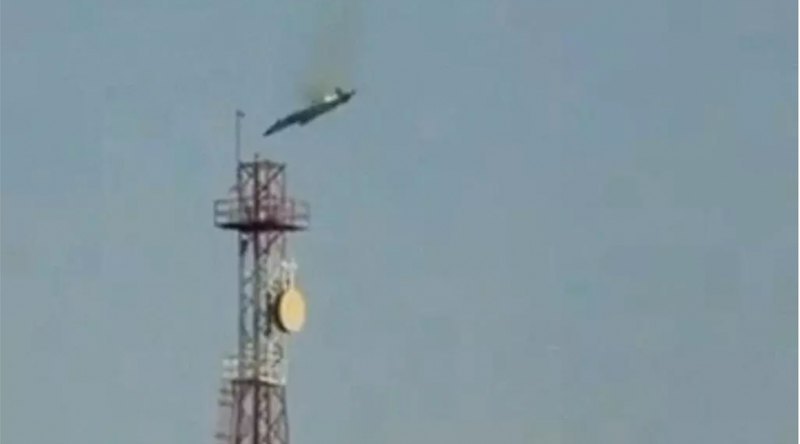
Bahrain: air defences intercepted 45 missiles and more than 145 drones. Two AN/GSC-52B radar systems, a radar dome and two SATCOM satellite communication terminals were destroyed. Shahed drone strikes hit headquarters of United States Fifth Fleet. Several large buildings, missile storage facilities and hangars sustained significant damage. The base serves as a key hub coordinating US naval operations in the region.
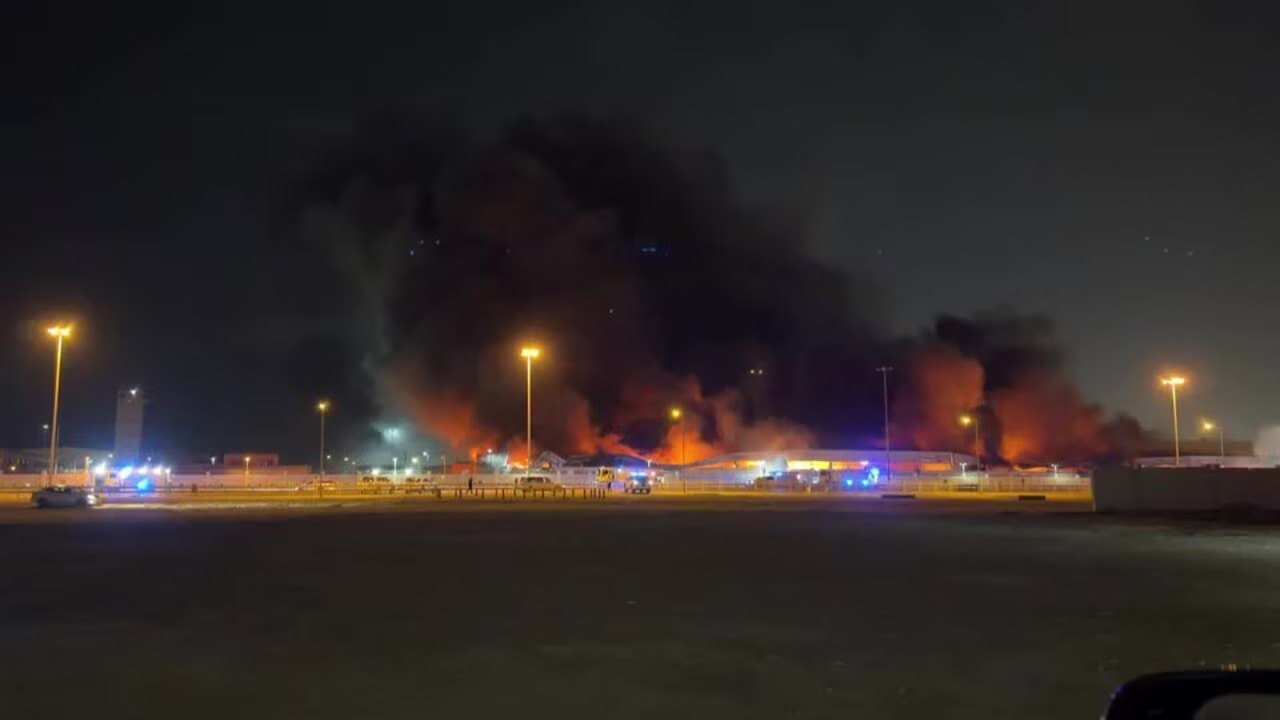
UAE: Iran delivered its most powerful strike against the United Arab Emirates, though air defences intercepted 92–96% of threats (more than 165 missiles and 541 drones). An AN/TPY-2 radar of a US THAAD missile defence system battery and a missile defence radar in Al Ruwayyah were destroyed (worth about $500 million). A Shahed drone struck the US consulate in Dubai, causing a fire but no casualties. Communication infrastructure, including SATCOM terminals and radars at military facilities, was damaged. Civilian infrastructure was also hit, including Port of Dubai, with civilian casualties reported.
Jordan: more than 90% of incoming threats were intercepted (13 missiles and 36 drones) by air defences of Jordan.
Saudi Arabia: air defences operated effectively and attacks near Riyadh were largely repelled, though a facility near an AN/TPY-2 radar at Prince Sultan Air Base sustained damage. Two Shahed drone strikes hit the US embassy compound in Riyadh, including an office used by Central Intelligence Agency. Communication infrastructure and radar systems at military bases were also damaged.
Oman: localised attacks, UAV overflights near country’s airspace, but no losses so far.
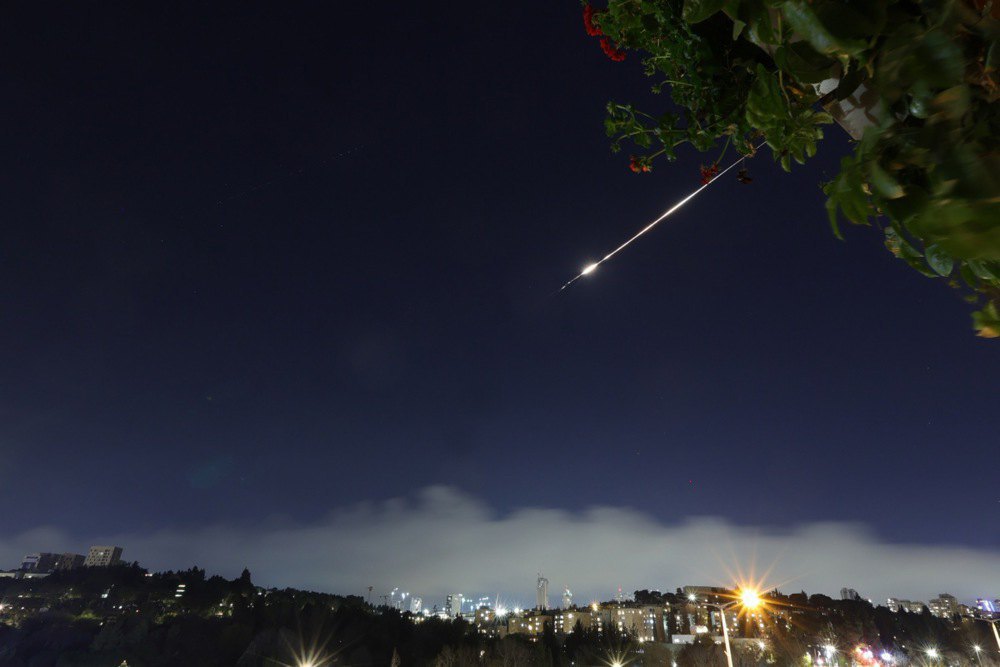
Israel: four-layer air defence system (Iron Dome, David’s Sling, Arrow-2/3) repelled several strikes (more than 1,500 missiles and drones since 28 February) with interception effectiveness of 85–92%. Missiles that penetrated defences struck city of Beit Shemesh: nine people killed, around 75 injured. For comparison, in 2025 air defence operated with efficiency of about 85%, but US Navy destroyers equipped with Aegis system also assisted. Iran attacks Israel up to 62 times per day, putting pressure on air defence and exhausting missile stocks, but system still holds. On 4 March, for first time in 40 years, Israeli Air Force F-35 fighter engaged in air combat over Tehran with Iranian Air Force Yak-131 fighter and, of course, won.
Read alsoCombat aviation: Iranian lesson and EU air fist against Russia
US Navy task force: strikes are intercepted by integrated Aegis system on Arleigh Burke-class destroyers (SM-6, SM-3 surface-to-air missiles), supplemented by ODIN/HELIOS lasers for targeting drones/missiles (on USS Spruance, USS Dewey, etc.). From land, THAAD missile batteries and our trusty Patriot SAMs are in action. Effectiveness is high — 90–97% interception rate. Overall, the Gulf countries together repelled the strike, which was far smaller than those Ukraine regularly fends off overnight.
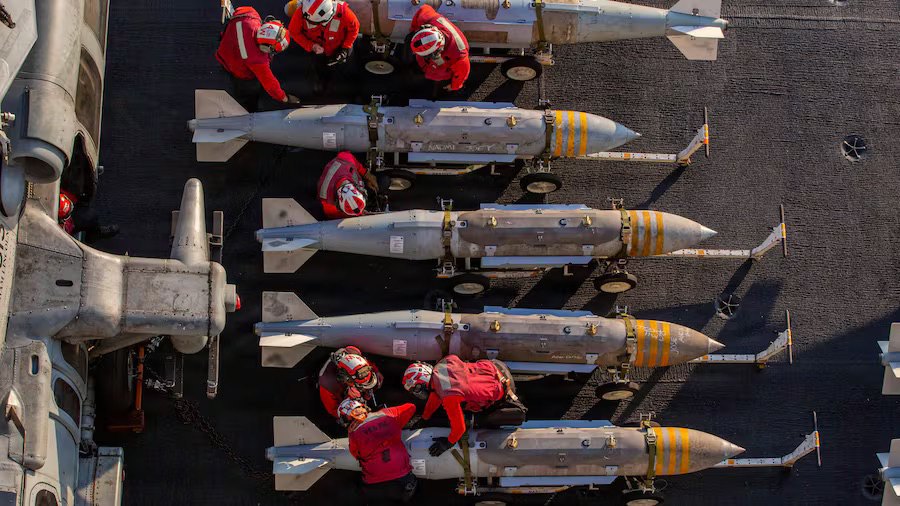
Overall, Iran launched around 3,000 missiles and drones, setting an unprecedented record in the region’s history. The ayatollah regime is using UAVs and missiles to exhaust interceptor stocks and gather intel on radar positions for future strikes. At least 11 US sites were hit, with a focus on degrading air defence and communication systems. The situation remains fluid.
What does this mean for Ukraine? Vitaliy Portnikov summed it up best:
— A swift defeat of the Iranian regime and a demonstration that Russia cannot aid yet another ally — following the collapse of Bashar Assad and Nicolas Maduro — is directly in Ukraine’s interest.
— Rising oil prices: for Americans, higher fuel costs reduce purchasing power; for Putin, it’s another chance to patch the Russian state budget. This makes the Russian president keen for the conflict to drag on.
— If the Iranian regime survives, even weakened, there will still be plenty of targets for air defence and anti-missile systems — exactly at a time when Russia continues its attacks on Ukraine.
— In a total confrontation of “two worlds,” when one front hits a stalemate, there’s pressure to shift the balance elsewhere. This cycle could escalate toward a global war — or at least toward multiple local conflicts with intensity and consequences approaching a world war.
— We can’t control how long a war with Iran lasts. But we can and must ensure that Russia’s war against Ukraine doesn’t slip off the political radar. We need to keep reminding the world of this war and its connection to the Middle East conflict.