






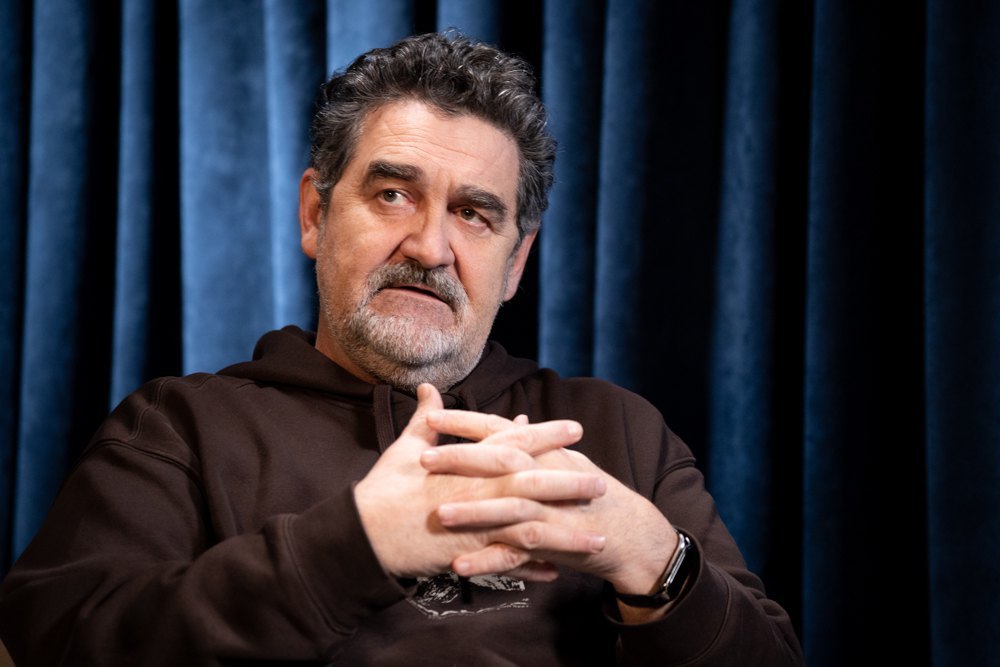
Real power in Iran belongs not to the Council of Leaders, but to the security forces of the Islamic Revolutionary Guard Corps
After the death of Ayatollah Ali Khamenei, a three-member Council of Leaders was established. However, are its members now making the key decisions regarding the war and the domestic situation, or do the security forces of the Islamic Revolutionary Guard Corps continue to play the decisive role?
The latter appears more likely: formally, the Council adopts decisions, but real influence rests with the security forces. Ayatollah Arafi has been appearing in public more frequently, and his speeches are officially broadcast. One might assume that he is a central figure, yet he merely represents the Council.
The procedure itself requires a significant number of authorised individuals to convene in order to elect the Supreme Leader. According to Iranian officials, they intend to complete this process as swiftly as possible. However, when and where the new leader will be elected remains unknown.
In this context, the role of the Islamic Revolutionary Guard Corps has increased substantially. It is effectively leading the resistance. This approach was adopted even before the war began: each unit is required to operate autonomously.
Given the threat posed by the United States and Israel, such autonomy works in favour of the Corps, whereas the regular army is unable to function in the same manner. If the situation on the front line remains unchanged and the Corps continues its active operations, this will significantly influence the election of the new leader.
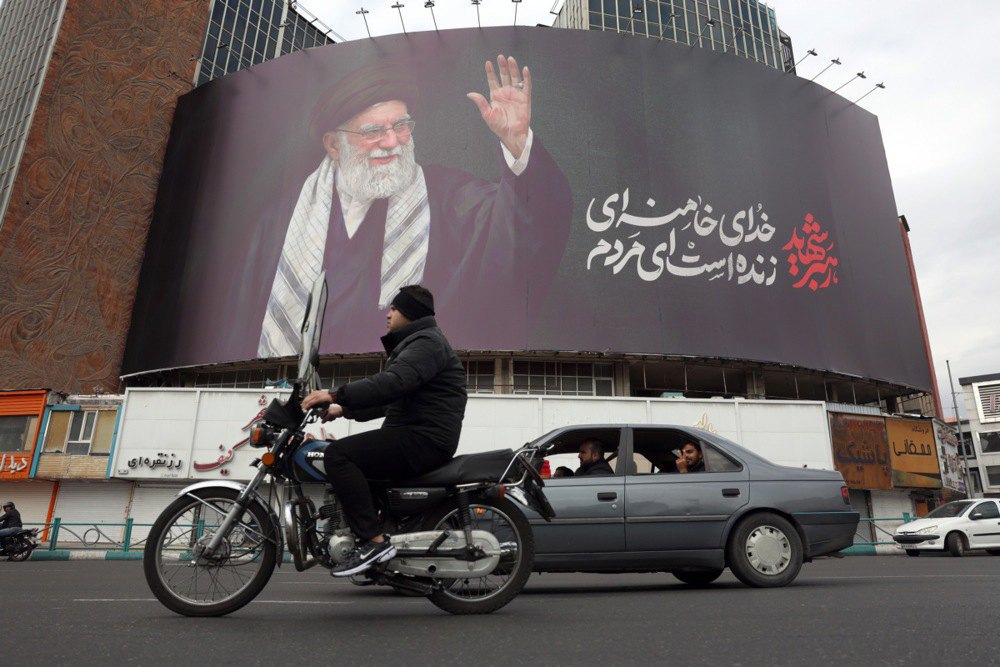
A military coup is possible in Iran
Can it be assumed that, under the most likely scenario, the regime will not collapse and may even become more radical?
Such an outcome cannot be ruled out. One possibility is that the new leader may prove more radical than Khamenei. There are rumours concerning his son, Mojtaba Khamenei, although the hereditary transfer of power is unlikely in Iran. Nevertheless, under these critical circumstances, voices may emerge seeking to strengthen Mojtaba’s position and advocating the election of a decisive leader.
Another scenario envisages the old guard and moderate clerics putting forward their own candidates, leading to a clash of extreme positions. This could even result in a military coup, with the Corps attempting to impose its preferred decision by force or the threat of force.
Under such conditions, they may retain power. However, the situation must be assessed objectively. Power in which country? One that has been bombed and severely damaged? Such realities undermine radical rhetoric and reinforce the position of moderates seeking a way out of the crisis. At present, a way out would effectively amount to surrender, albeit in a different form.
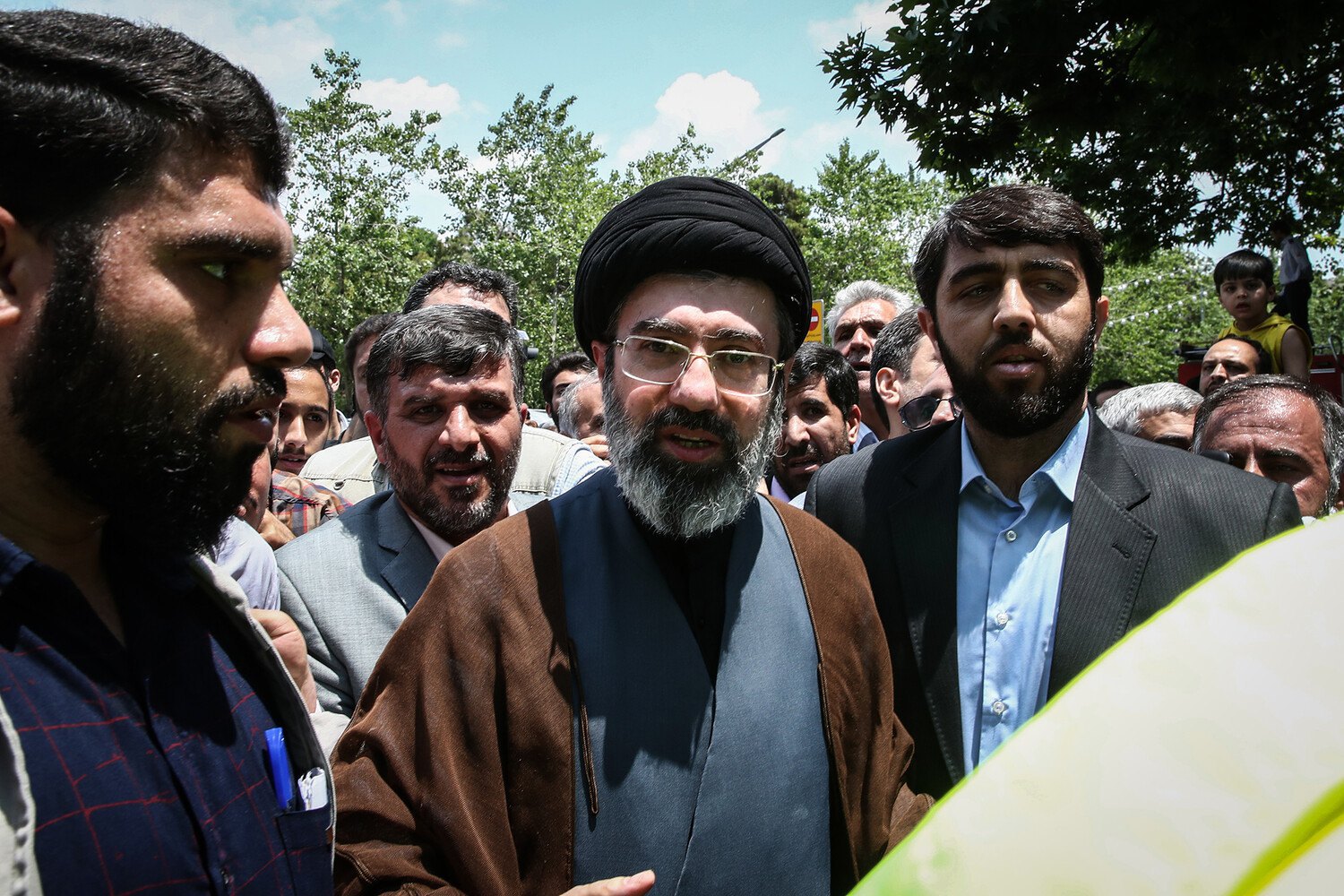
The chances of a democratic revolution in Iran remain quite high
What are the protesters' chances? People believed that the US would support them. But we saw mass repression, and the United States did not intervene immediately.
It was not Trump who used violence against the protesters, but the Corps, acting on orders from the top leadership. Therefore, no significant changes have taken place in this regard. For Iranians who took to the streets, the potential for protest remains very high. And the authorities understand this perfectly well.
Therefore, it will try to unite society "around the flag," using any high-profile events as a tool for mobilisation. It will do everything to rally the population and shift the focus from internal problems to external threats.
What can the opposition offer instead? It exists in two dimensions: the first is citizens within the country who are opposed to the regime; the second is political and cultural circles abroad.
First of all, they need to form a common vision of the future. Certain steps in this direction have already been taken: clearer statements have been made recently. The second step is to establish coordination with people inside Iran.
And when the time comes to take to the streets, when there are no Basij or Corps there, it will be possible to take control of the cities. And then, like a domino effect, everything will fall into place until the end.
Then a lot of people will join the winners. Right now, there isn't that many people, and it might seem like there won't be. But these processes work differently: as soon as people see a chance for change, they'll quickly join in. So the chances for a democratic revolution are still pretty high. A lot will depend on how the war goes.
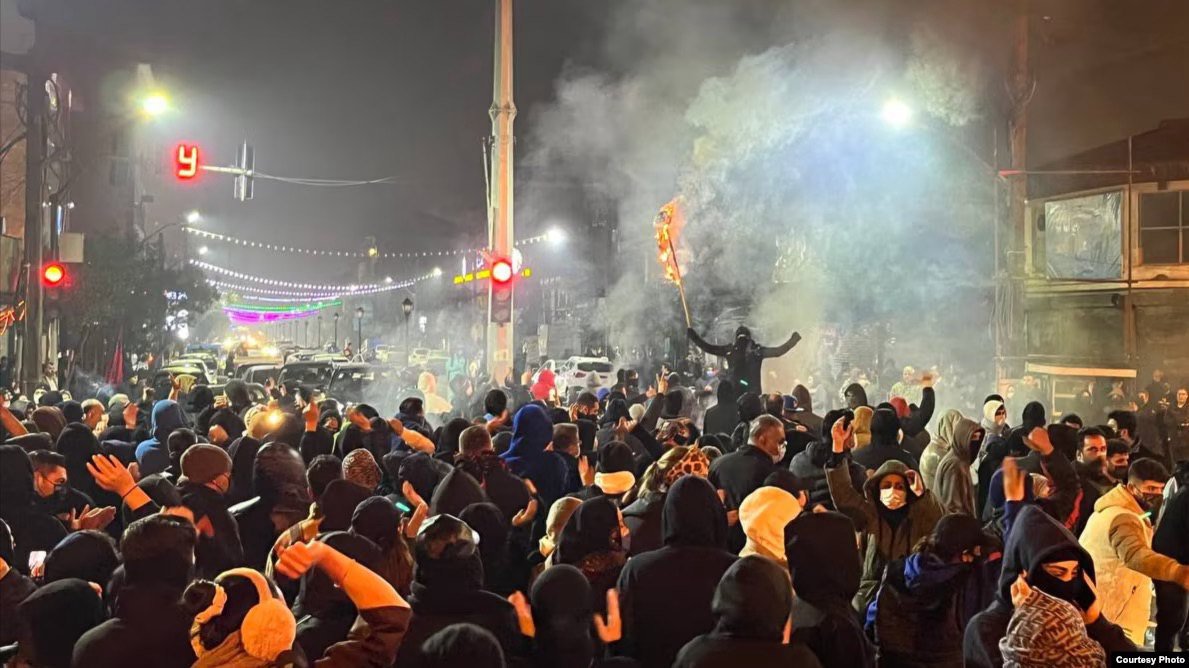
In your opinion, what is Donald Trump betting on? That people will take to the streets? He can see that the elimination of Khamenei did not automatically lead to the fall of the regime. A US ground operation is also unlikely.
The Iranians knew perfectly well that there would be no ground operation. No one seriously expected the system to collapse instantly after the leader's death. But what is important here is that the role of the individual in such regimes is enormous.
An example is Qasem Soleimani, who was eliminated in 2020. He headed the Al-Quds Force within the Islamic Revolutionary Guard Corps and was a key figure in Iran's operations abroad. After his death, the effectiveness of this network declined significantly. The failures in Syria, Lebanon and, to some extent, Iraq are linked to the absence of such an influential and charismatic figure.
The Iranians knew no other leader but Khamenei. Now he is gone. Any new ruler will not have the authority and fear that his predecessor created. The system has already been weakened, regardless of who replaces him. And if the new leader refuses to negotiate, he will be the next target.
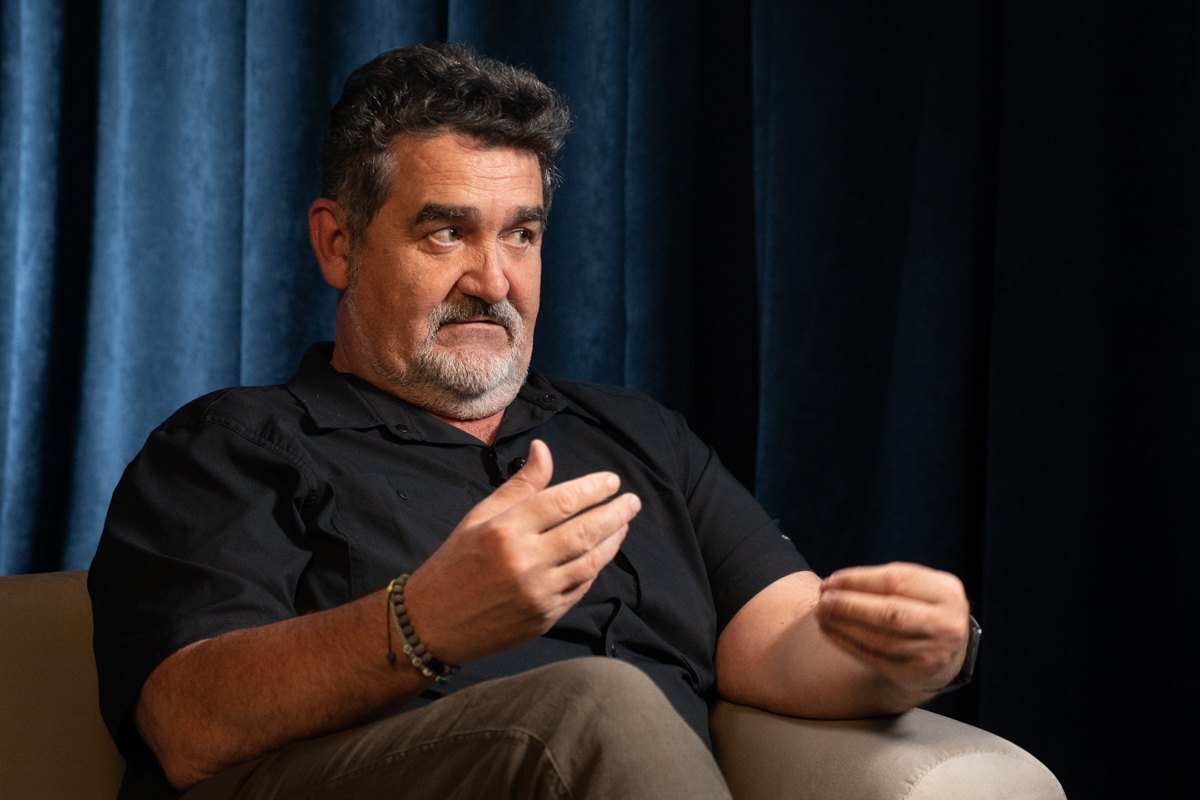
Iran will expand its strikes, but its resources for sustained intensive action are not infinite
Are they not ready to negotiate at this time? Because Trump recently stated that they were ready, and yesterday there was a statement from the Iranian authorities that they were not.
This is also very interesting. We see differences between the hard line taken by the security forces and the more pragmatic circles. This indicates an imbalance in the leadership. Some of the elite are moving towards a final battle, while others understand the risks.
How far could Iran's strikes spread geographically? They have already started striking the UAE, Kuwait, Jordan, Saudi Arabia, Cyprus...
Yes, they have started striking all around the perimeter. This is also predictable. The Arab countries tried to distance themselves from the conflict, stating that they would not allow their airspace to be used for attacks. But this did not make them safe. Officially, they claim the right to respond. But most likely, they will focus on missile defence rather than direct escalation.
Therefore, Iran will escalate the whole situation. But how long will its strength and capabilities last? A few days after the initial shock strikes, a phase of adaptation begins. The situation ceases to be perceived as extraordinary and becomes the new normal. This is how habituation occurs: both society and the military begin to act without the initial shock.
But how many resources does Iran have? How long can it maintain the current intensity of missile strikes? This is a big question. There is no exact answer, but it is clear that this resource is not infinite.
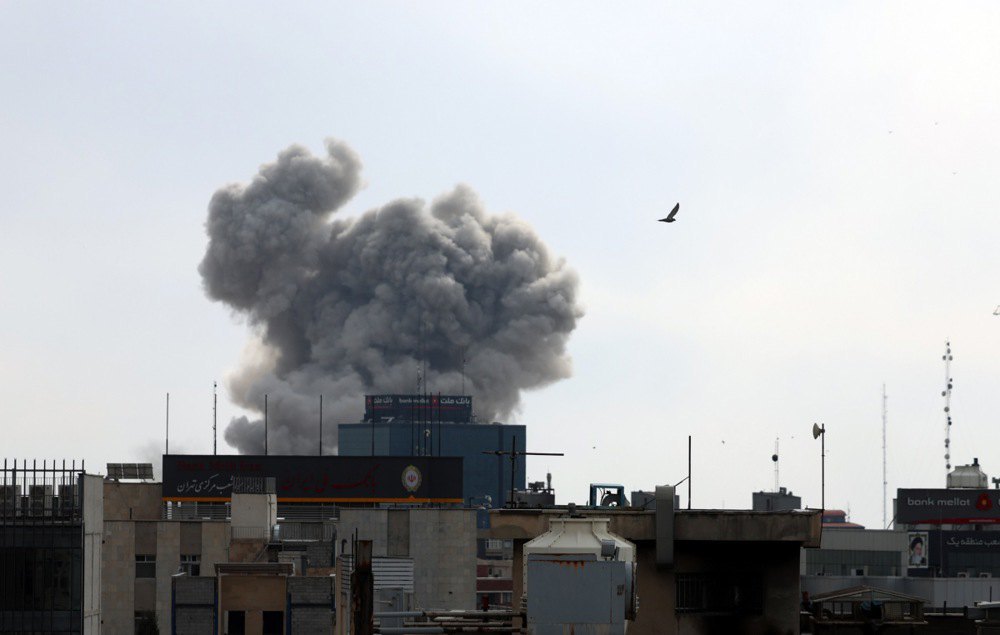
The United States, Saudi Arabia and other producers can compensate for the oil shortage, so no long-term crisis is expected
Now, regarding the role of the Russian Federation. Formally, they are allies of Iran, but, as with the Assad regime, no real help is visible. At the same time, what is happening is beneficial for Russia, as oil prices have jumped.
Yes, prices have jumped, but not catastrophically. The question here is different: how long will this last? If the conflict drags on for a month or two, the effect on the Russian budget will be significant. If it ends in a few weeks, there will be no long-term impact.
Next, they will monitor how successful the resolution of the situation with the Strait of Hormuz will be. A significant portion of oil exports from the region pass through it. If large companies find alternative routes — for example, through oil pipelines in the UAE or Saudi Arabia — the impact will be less significant.
It is also important whether the US, Saudi Arabia or other producers will be able to increase production and compensate for the shortfall. Since the global economy is not currently at its peak growth phase and there is no demand for oil, the situation is not critical.
The situation is more complicated for China, as a significant part of its supplies pass through the Strait of Hormuz. If passage is restricted, Beijing will have to negotiate with Washington or look for other logistical solutions. According to available information, China has already tried to influence the unblocking of the route. But after one tanker was damaged, some companies refused to pass through the strait and began to consider routes around Africa.
This shows how fragile the situation is. Stock markets and economic stability depend on oil prices. Therefore, I think the US is closely monitoring developments.
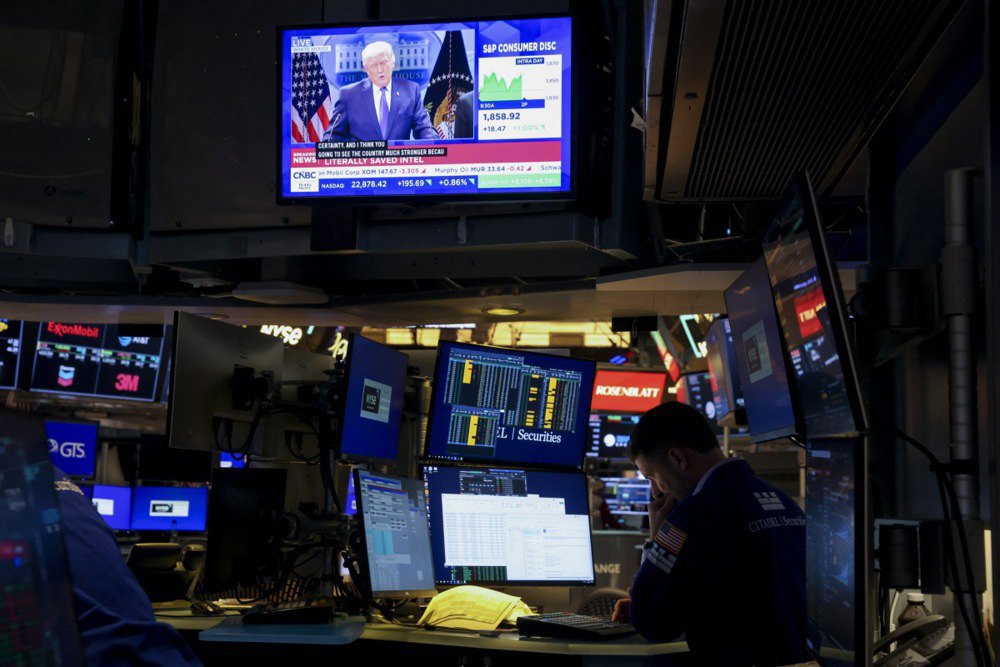
Regarding the impact of events in the Middle East on Ukraine. If the US provides its partners and allies with air defence systems to repel missiles and Shaheds, will support for Ukraine diminish? Could the focus shift away from Ukraine?
Personally, I don't know. Any talk on this subject right now is pure speculation. Unfortunately, people are often frightened. Or false information is spread. When I don't know how the system works, how many missiles we have, how they are supplied, I say directly: I don't know.
Besides, it all depends on how long this situation will last. Of course, there will be exhaustion, that's understandable — missiles are being used actively, there are no savings here. But that's a secondary issue. Two key things are important to us: a short war and the fall of the regime. That's the ideal scenario. Everything else is nuance.
One last question. Donald Trump showed with Khamenei and Iran that if he has the political will, he can eliminate a dictator and try to overthrow a regime using violent methods. But when it comes to Russian dictator Putin, it's always about negotiations and communication. Is this a double standard?
The answer is actually simple: one has nuclear weapons, the other does not. Trump can act this way with Khamenei. But he cannot with Putin. That's it.