




Watermelons for the Tortoise
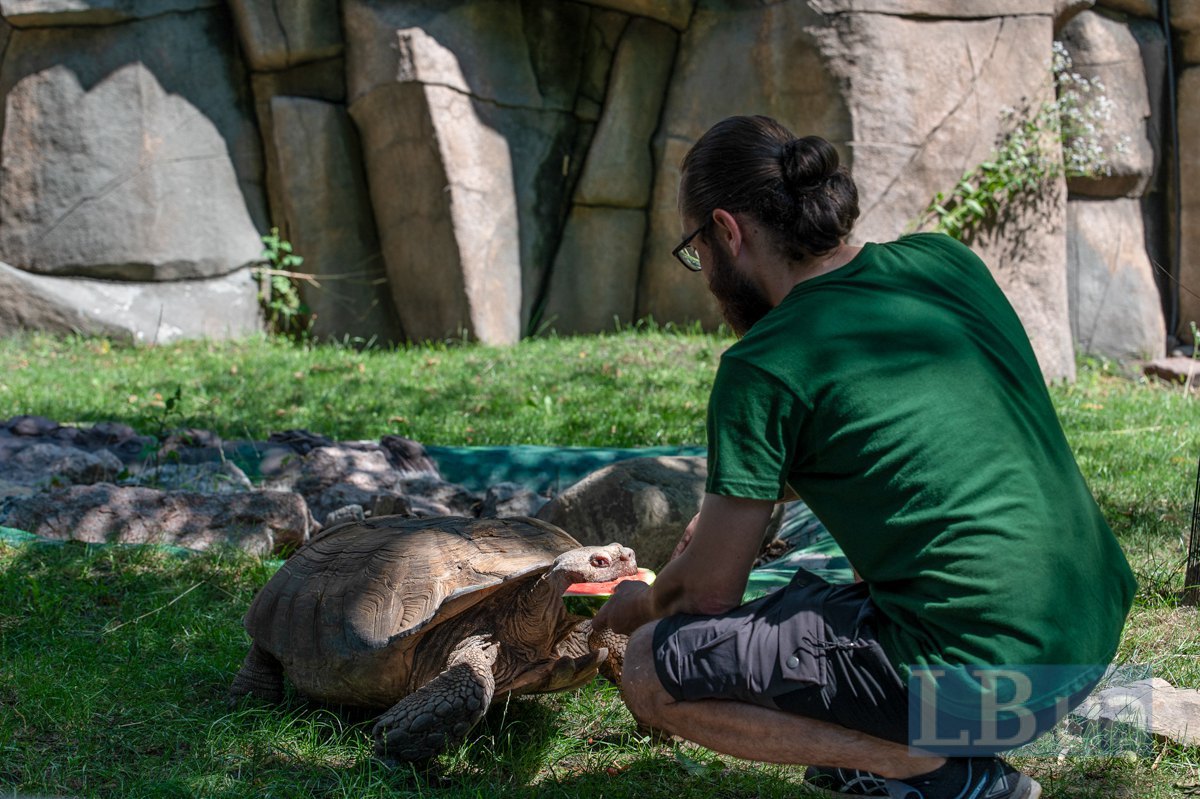
‘Don’t call him Cheburek. He’s not a dog, after all,’ a young man says to a woman calling out to a male spur-thighed tortoise.
It is feeding time. The young man holds out a watermelon to the tortoise. The animal sinks its beak-like mouth into the treat, biting off chunk after chunk and sending splashes flying in all directions. A young visitor watching the spectacle remarks dreamily, ‘I want some Kherson watermelons.’ Everyone nearby understands him. The sun is already baking the ground, and the air is filled with the fresh scent of watermelon, inspiring a single, irresistible desire to be in Cheburek’s place.
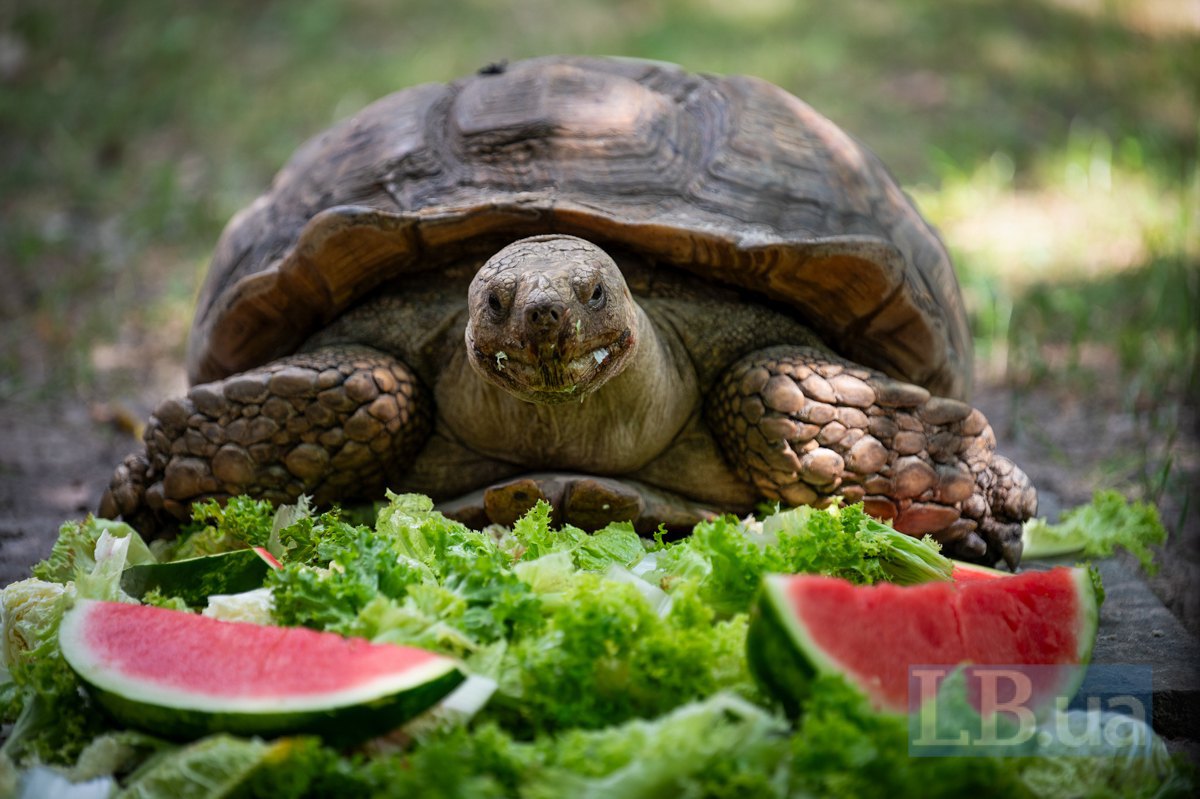
‘Matilda, come here, come quickly!’ the keeper calls to the tortoise in the neighbouring enclosure.
Unhurriedly — though, by tortoise standards, perhaps at some speed — she waddles towards the carefully prepared spread of lettuce leaves and slices of watermelon. She is most interested in the leaves, which she begins to munch methodically.
‘Matilda’s got it better than me!’ sighs a boy wearing a Panama hat.
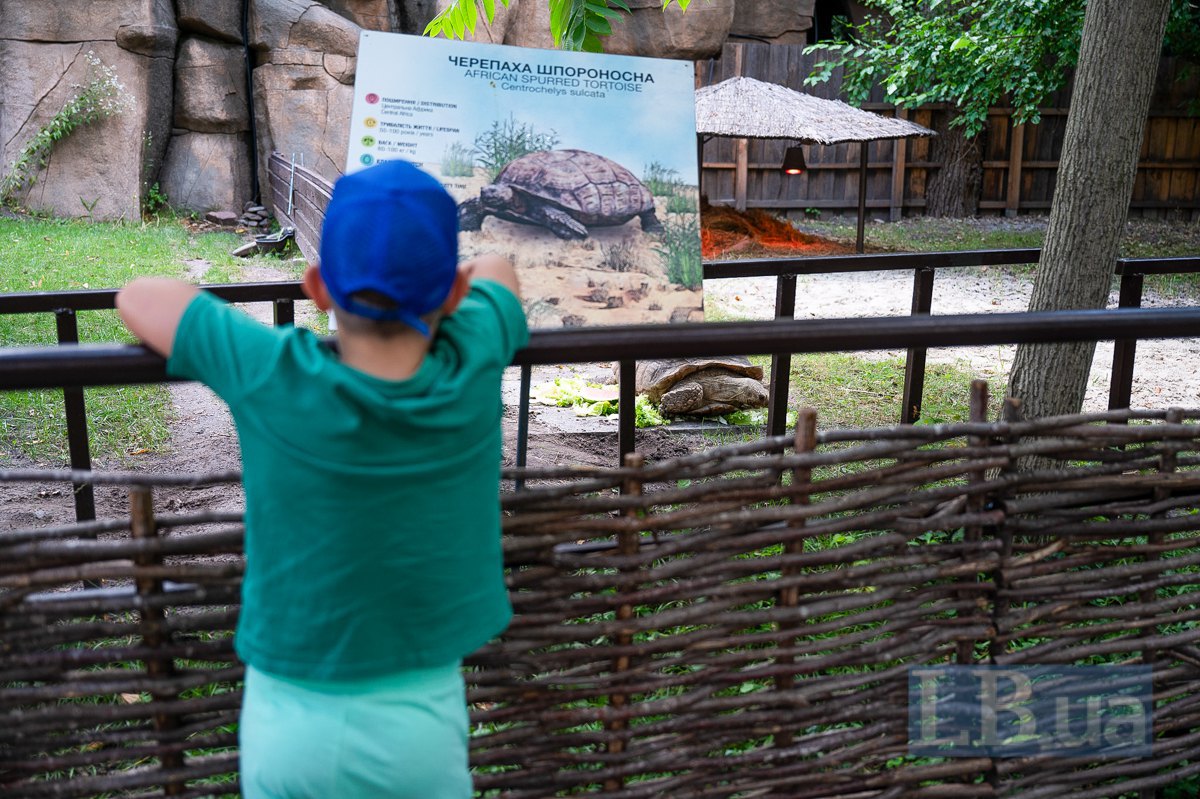
‘She gets whatever she wants, but I have to make do with what you give me,’ he tells his mother with a perfectly serious expression, bringing tears to her eyes as she struggles to suppress her laughter.
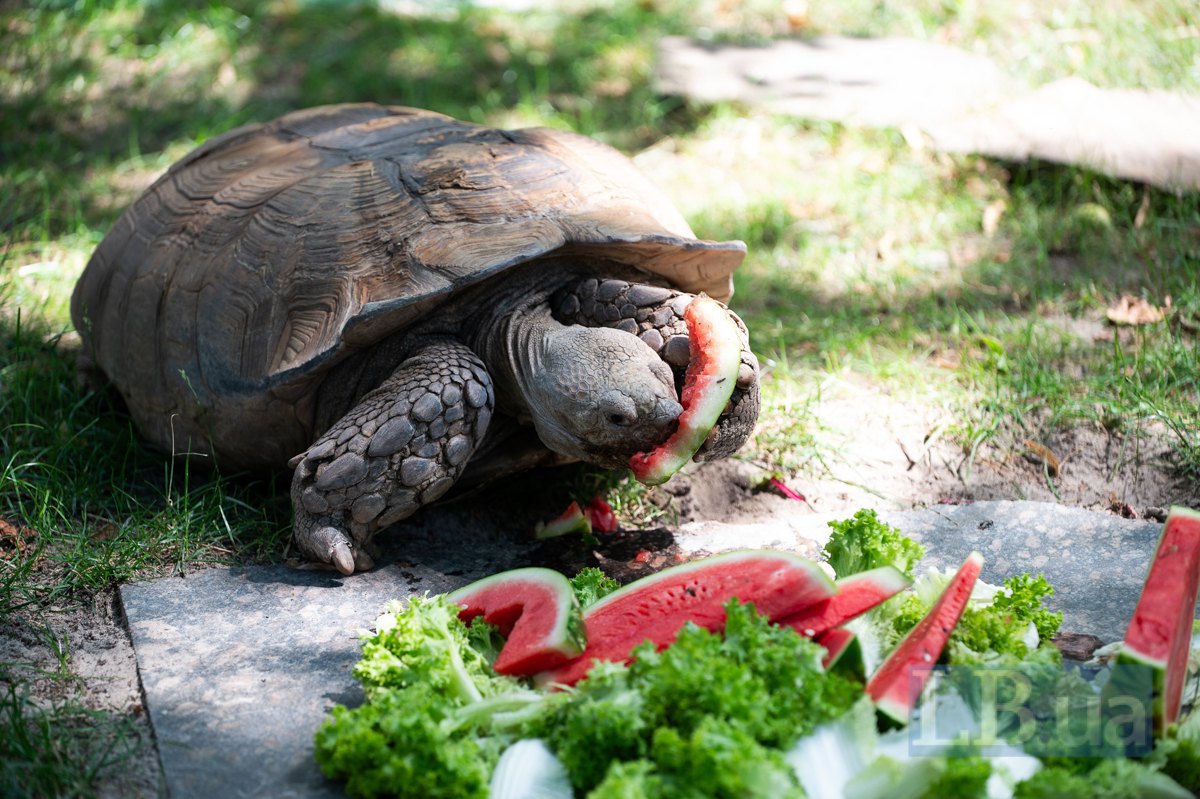
Matilda shares the enclosure with Uncle Sasha. He stands motionless, keeping his distance from the commotion and occasionally glancing at the visitors. Someone jokes that he must have got out of bed on the wrong side this morning. Eventually, he too receives a slice of watermelon. However, the younger male takes his time, lingering a little longer and pretending not to care. Only then does he cautiously make his way towards the fruit.
‘Uncle Sasha has quite a character. He has, shall we say, a strong instinct for self-preservation,’ the keeper explains.
Not a bad quality, under the circumstances.
There were explosions in Kyiv even last night. And recently, the zoo suffered the most devastating shelling to date.
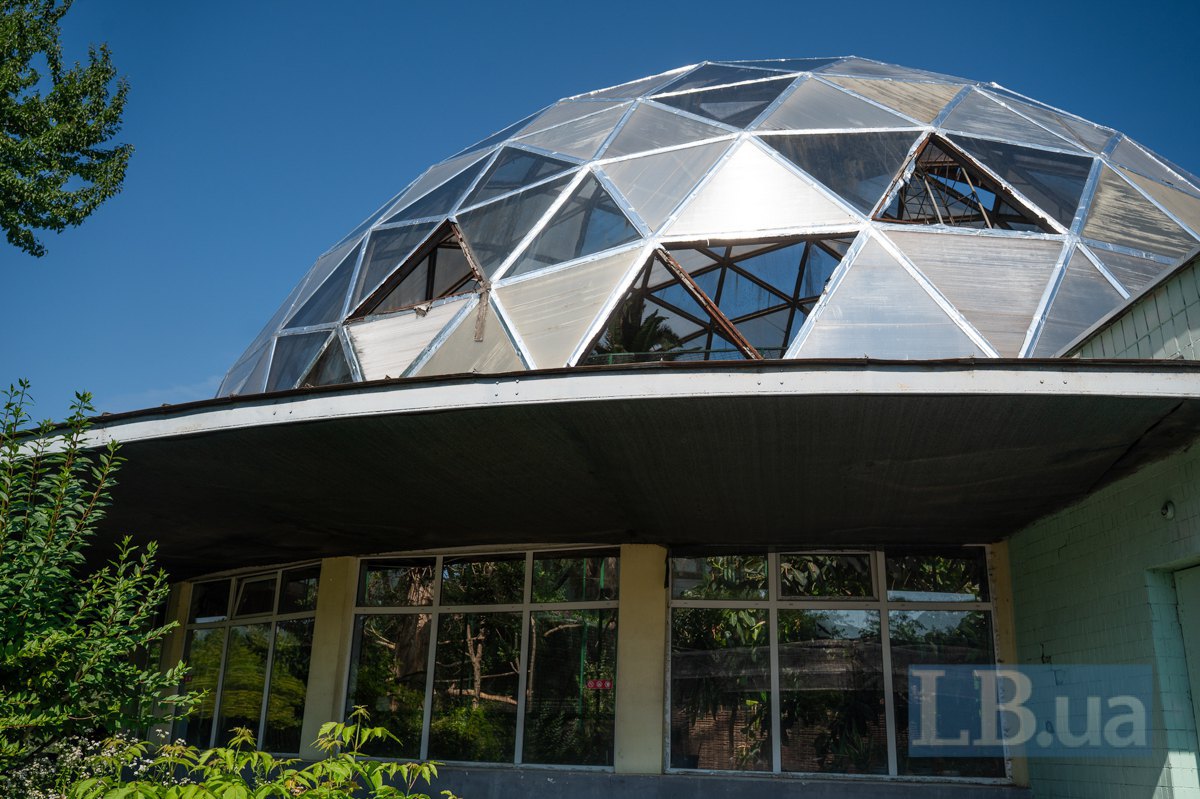
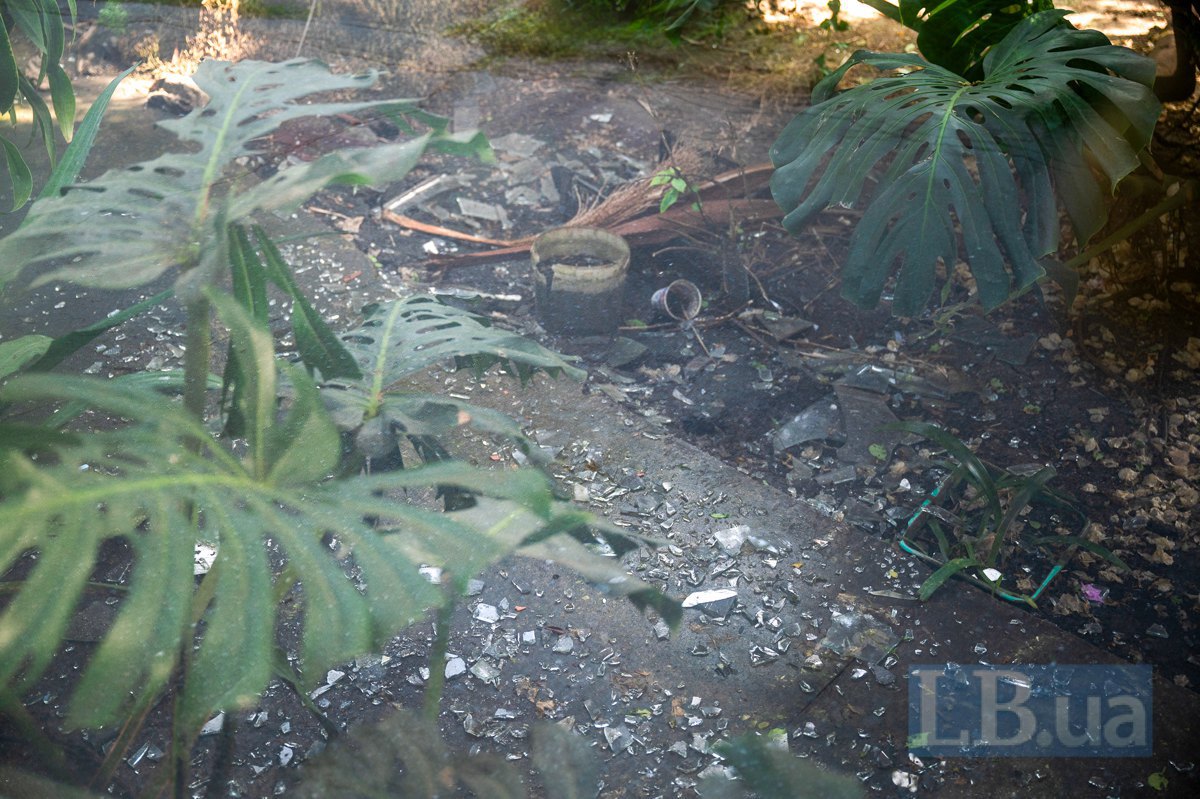
On the night of 2 July, when Russian troops attacked the city with strike drones, cruise missiles and ballistic missiles, the aquarium at the zoo was damaged: several glass panels in the winter garden dome were destroyed, and the glass in the pool was shattered. The windows of the aviary dome and the primate enclosure were shattered. Debris and the blast wave damaged the car park, lifts, fire-extinguishing and fire-alarm systems, and solar panels. The CCTV system was partially damaged. In the hay store, the façade panels and windows were smashed, and the roof was torn open in places.
But life goes on — and the zoo opened, as usual, on the very same day.
The Animals’ Island
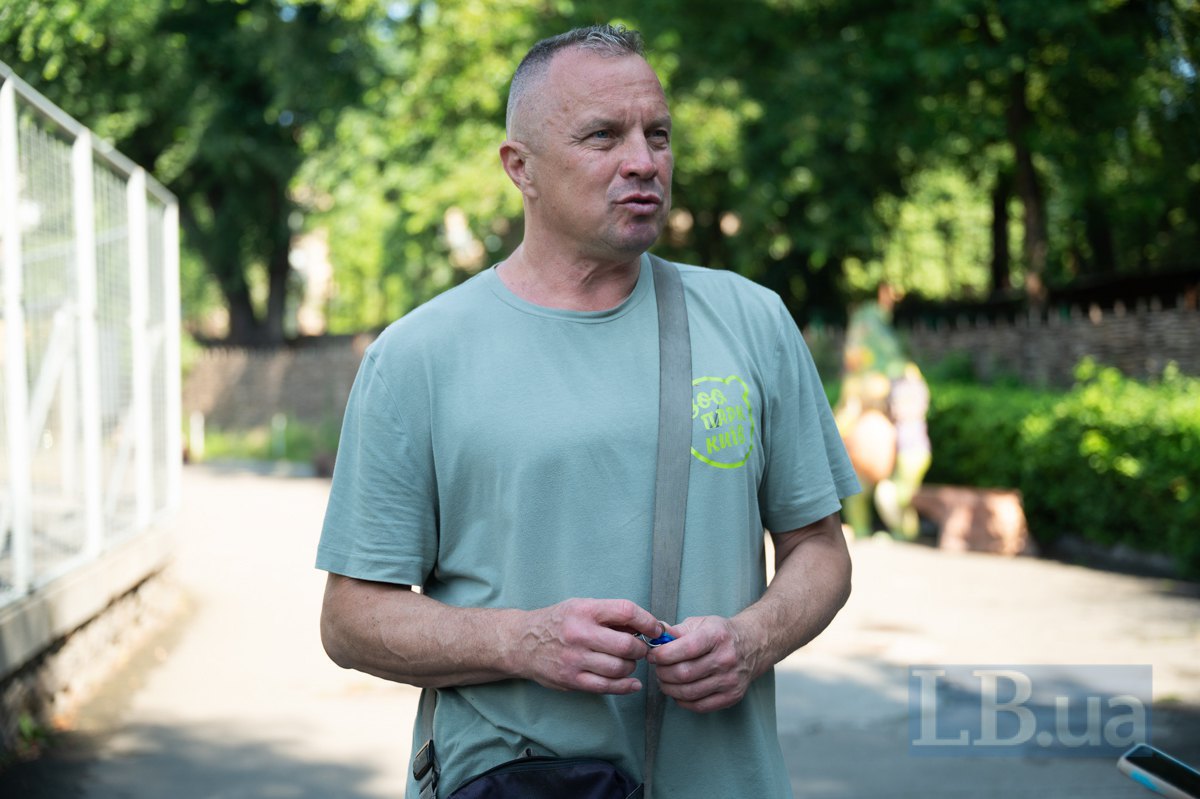
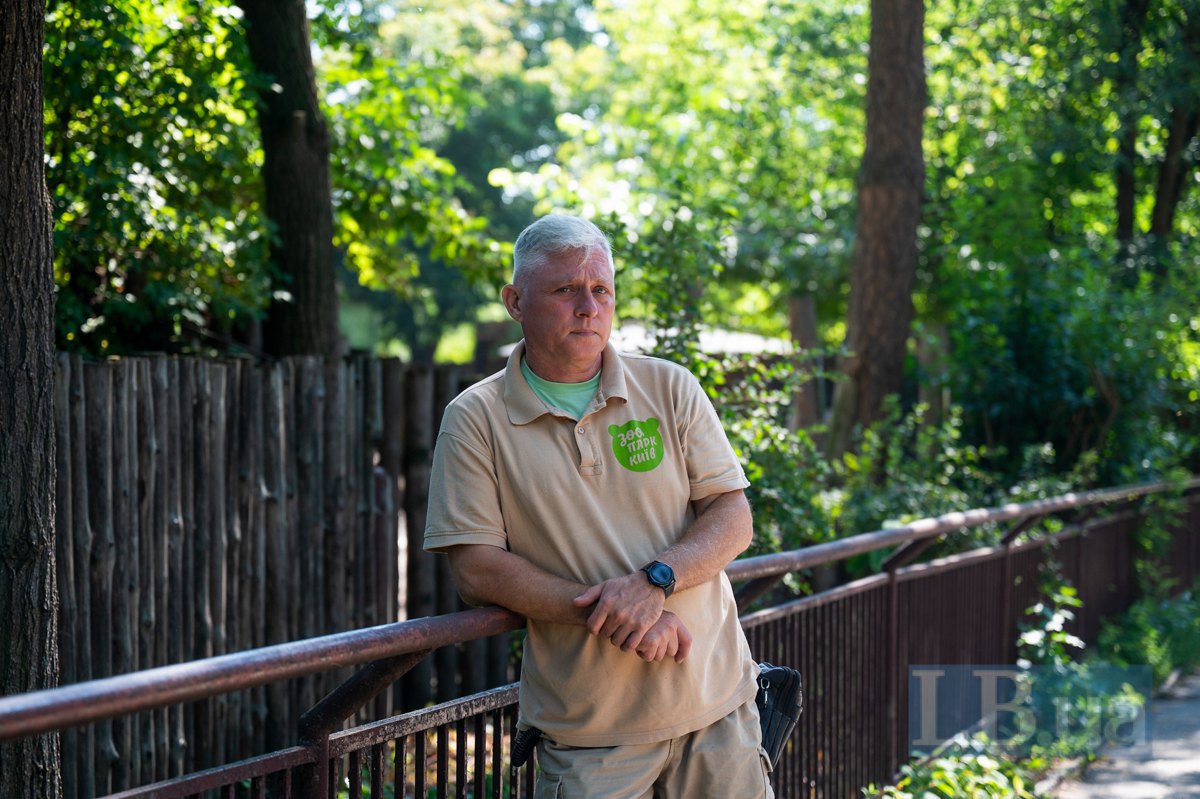
‘It’s also a place for psychological rehabilitation. A family comes along, sees that the zoo is open and that the animals are being looked after — it’s inspiring,’ says Kyrylo Trantin, Director-General of Kyiv Zoo, as we stand by the Animals’ Island building, which still bears traces of the attack. Overall, he describes the situation as difficult but under control.
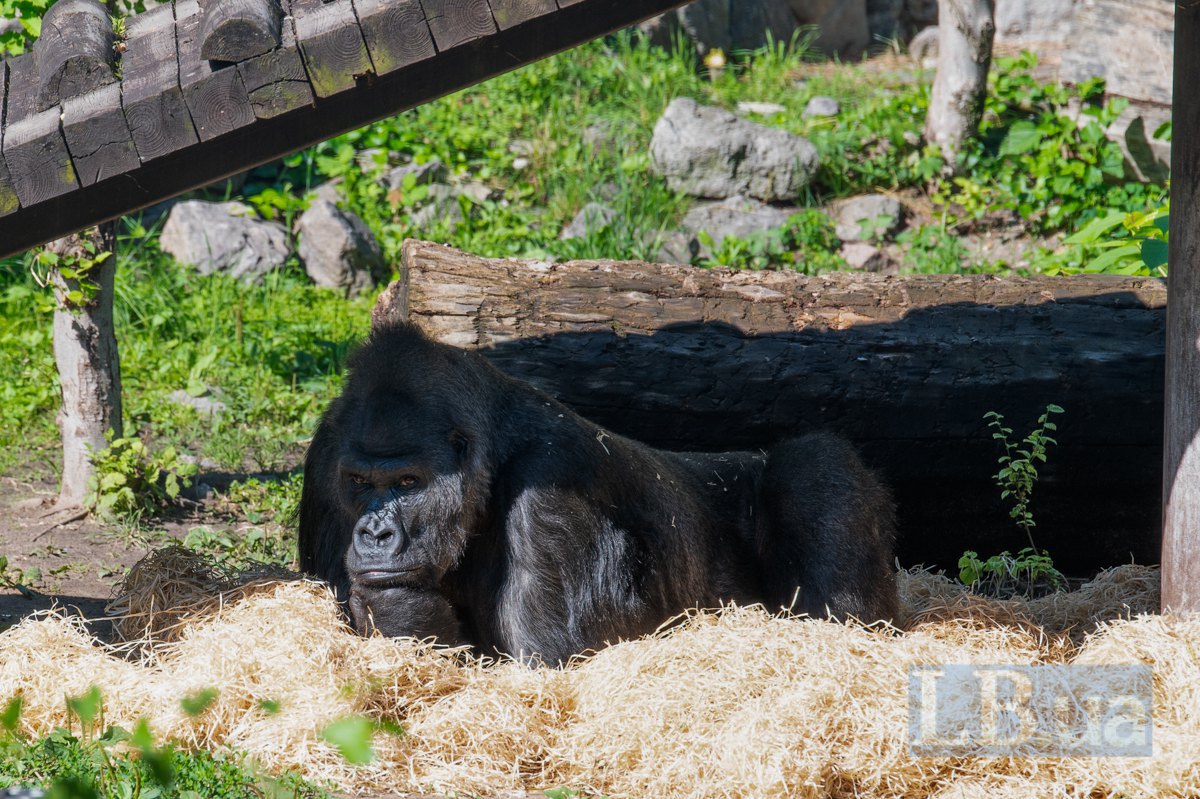
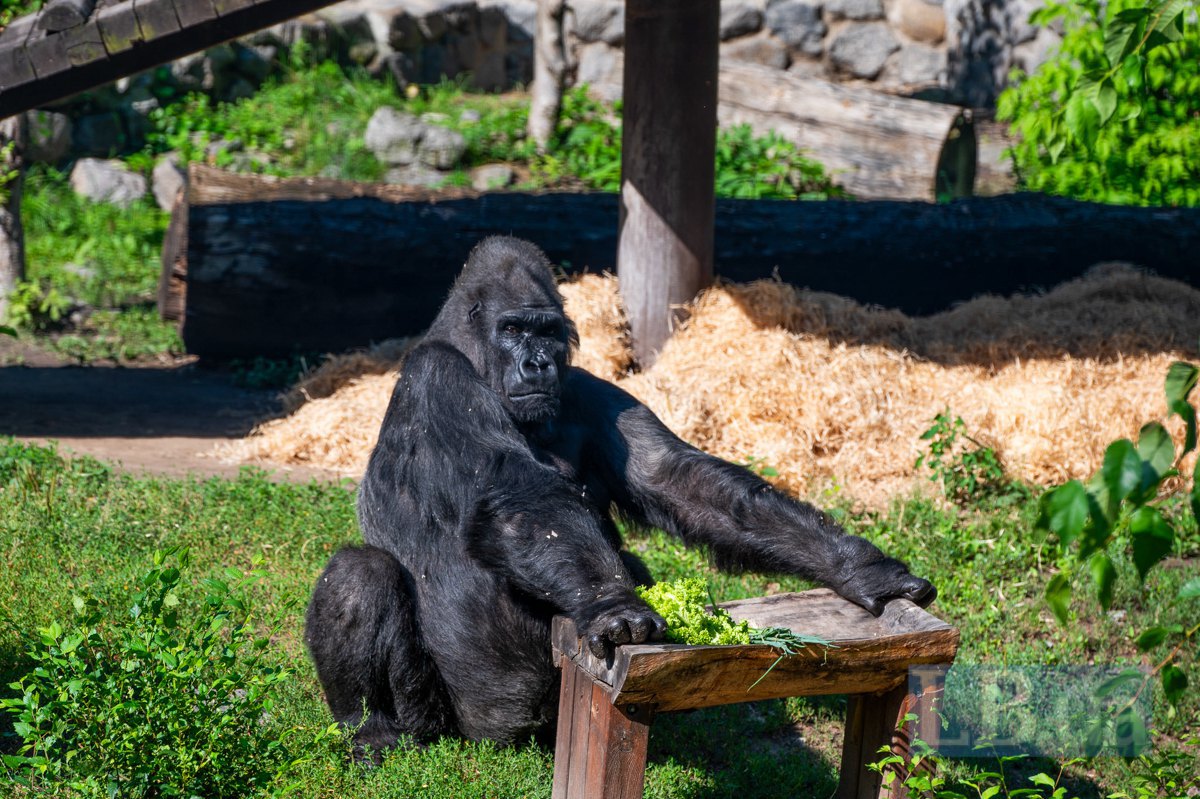
Tony the gorilla, a resident of Animal Island, has just left his indoor quarters and stepped out into the fresh air, where breakfast awaits him. You could say he was an eyewitness to the disaster.
‘What are the dangers to the animals? Firstly, being hit; secondly, shrapnel; and thirdly, the shockwave — which causes the glass in the enclosures to shatter,’ explains Kyrylo Trantin. ‘After five years of war, we now know exactly what flies through the air and how, and what gets destroyed and how. If there’s an explosion nearby, as we had this winter, literally just beyond the zoo’s fence, the glass on Animal Island shattered. The walls there are thick, which is good for Tony, but the building itself shakes from the blast wave, putting pressure on the glass, causing it to shatter. And this poses risks to the crocodiles, turtles and fish. But where the monkey enclosures are, we’ve already covered everything with polycarbonate or something like vinyl.
The glass shattered again this time too. In particular, it fell onto the crocodiles and turtles.
The building is in its usual semi-darkness. One aquarium has a shattered front panel, cordoned off with tape bearing a notice stating that this was the result of shelling. The debris has not yet been cleared away, as the investigation is ongoing.
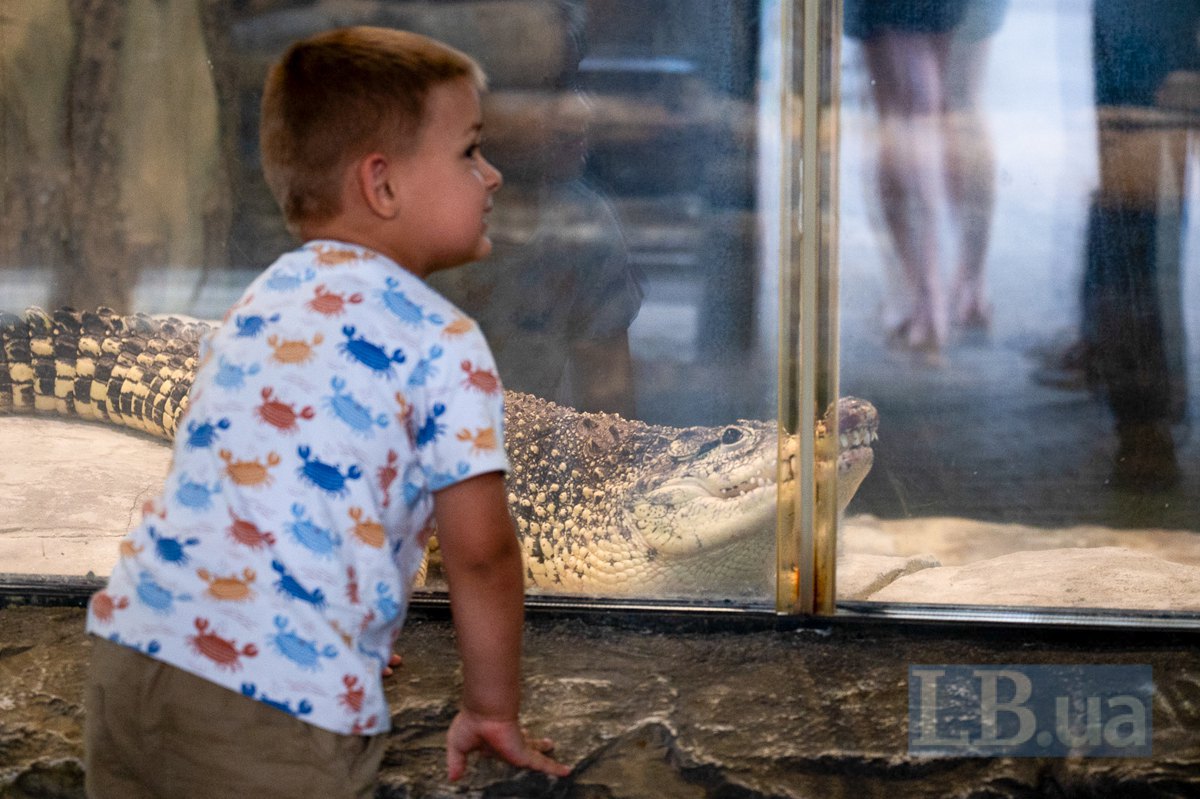
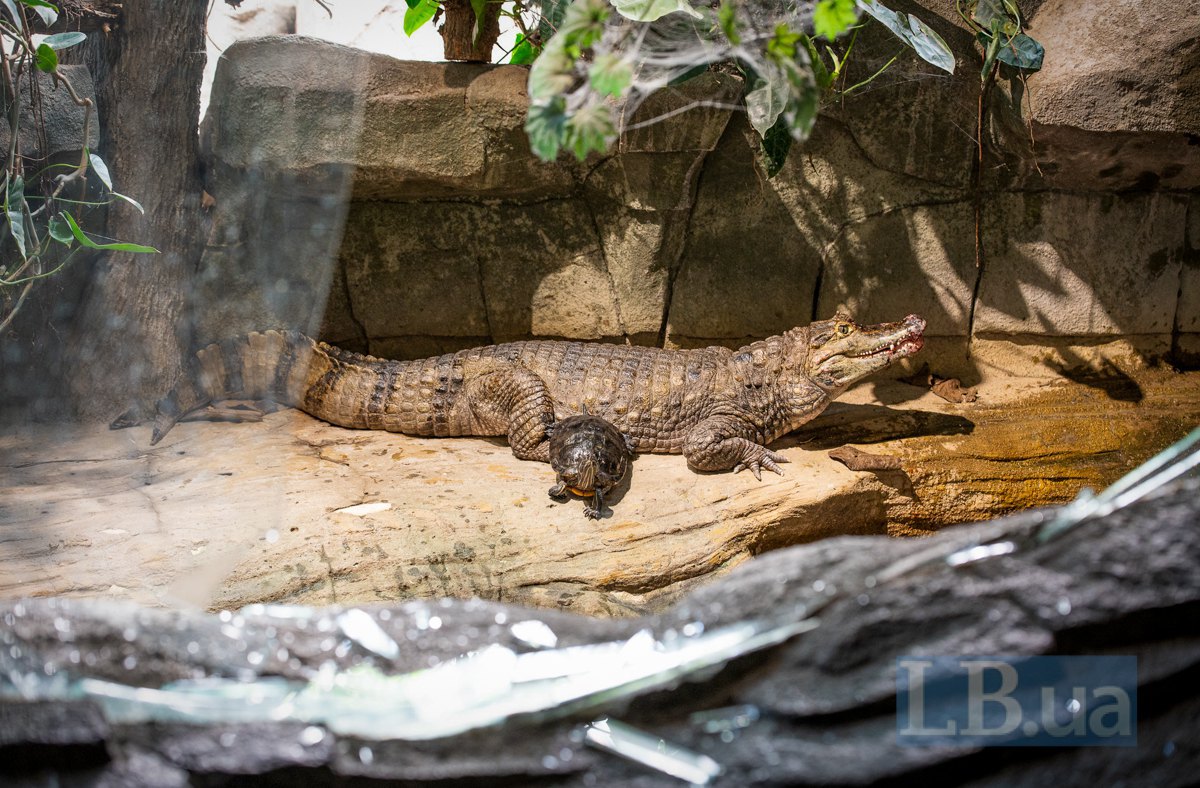
The caiman, which was injured by shrapnel, is back in its usual spot. It was returned to the exhibition hall after several days of behavioural observation. So now, through the hole in the crocodile’s glass display case, it can be clearly seen. In the pool, it is kept company by red-eared sliders. Two of them, which also sustained cuts, are undergoing inpatient treatment. They will return to the enclosure in about a month, once their wounds have fully healed.
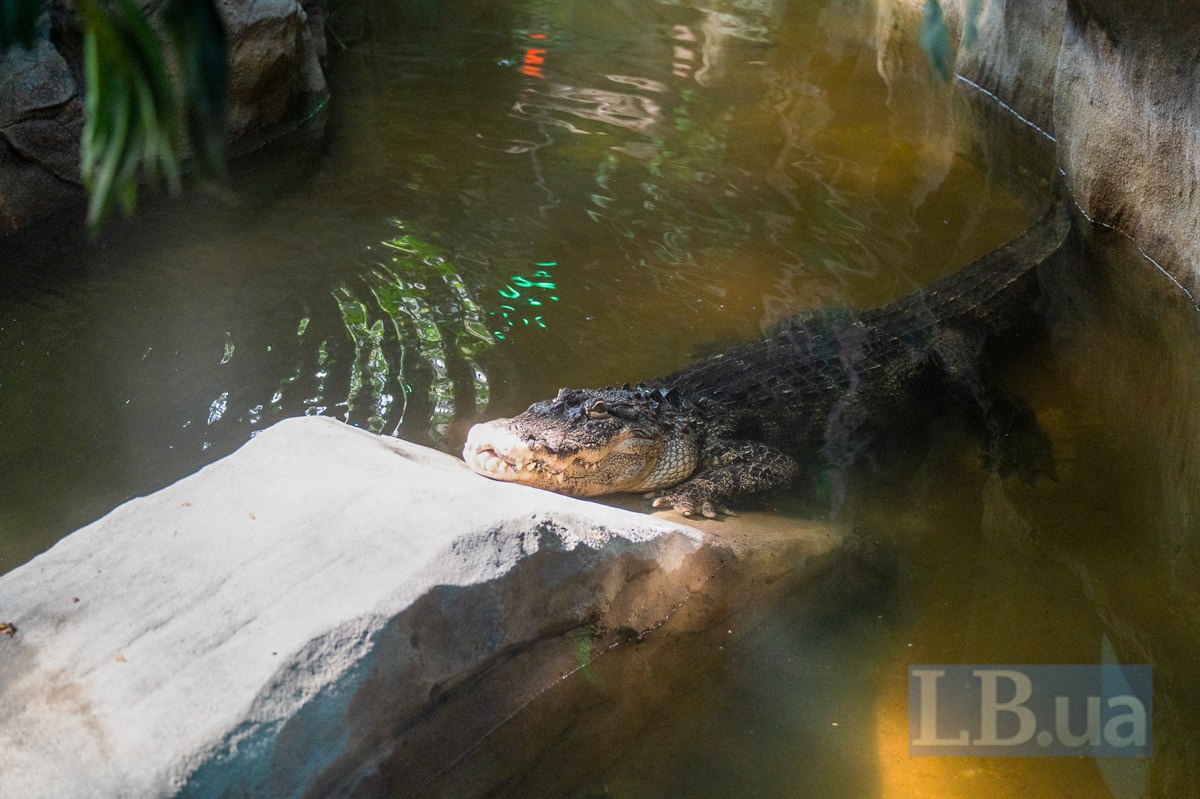
When you simply look at the emotionless crocodile, frozen in place, it’s hard to tell how it’s feeling after what it’s been through. However, as the zoo explains, since it isn’t refusing food and is eating as usual, everything is fine.
‘They’re fed twice a week, and that’s how we can tell if the animal is under stress,’ says Ihor Oliynyk, who is acting as a tour guide today.
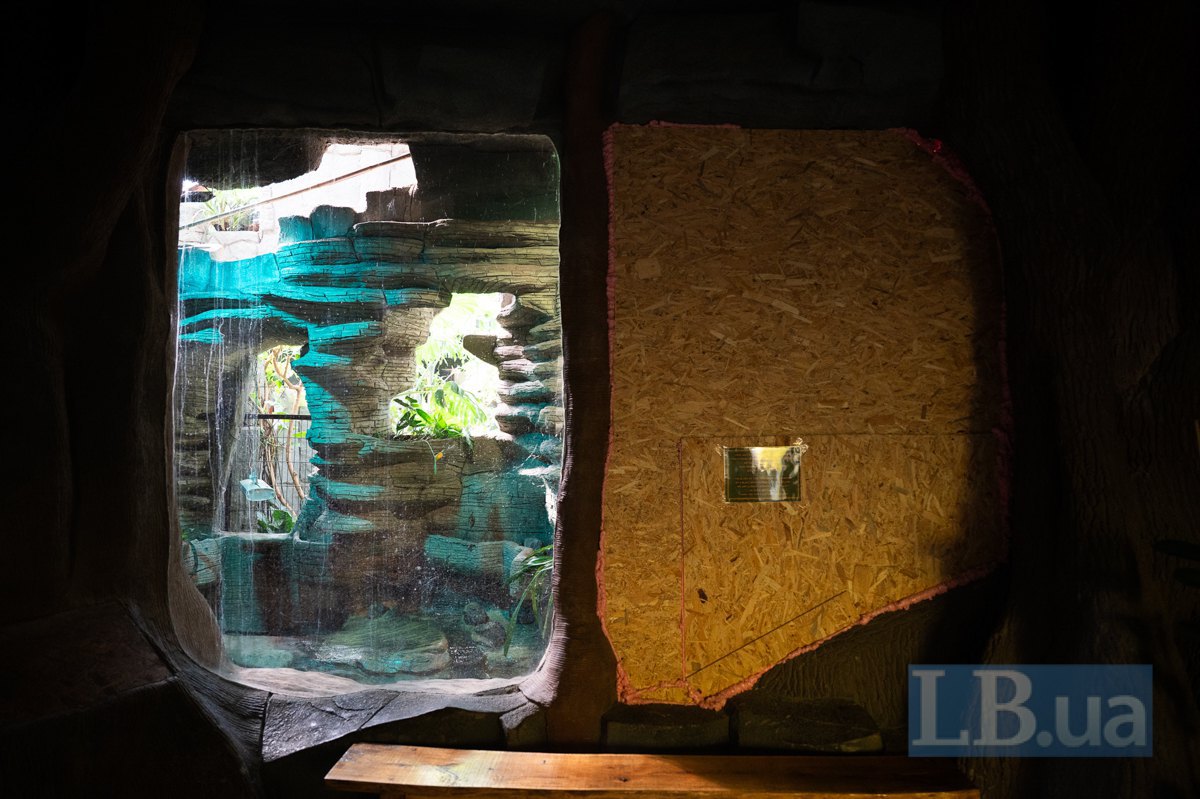
This isn’t the first time the Animal’s Island has been hit by a blast wave. And the alligator, whose enclosure’s glass shattered when a Shahed crashed near the zoo last winter, took two weeks to recover — it stopped eating due to the stress. The window next to its pool is now boarded up with plywood. The same will be done in the caiman enclosure.
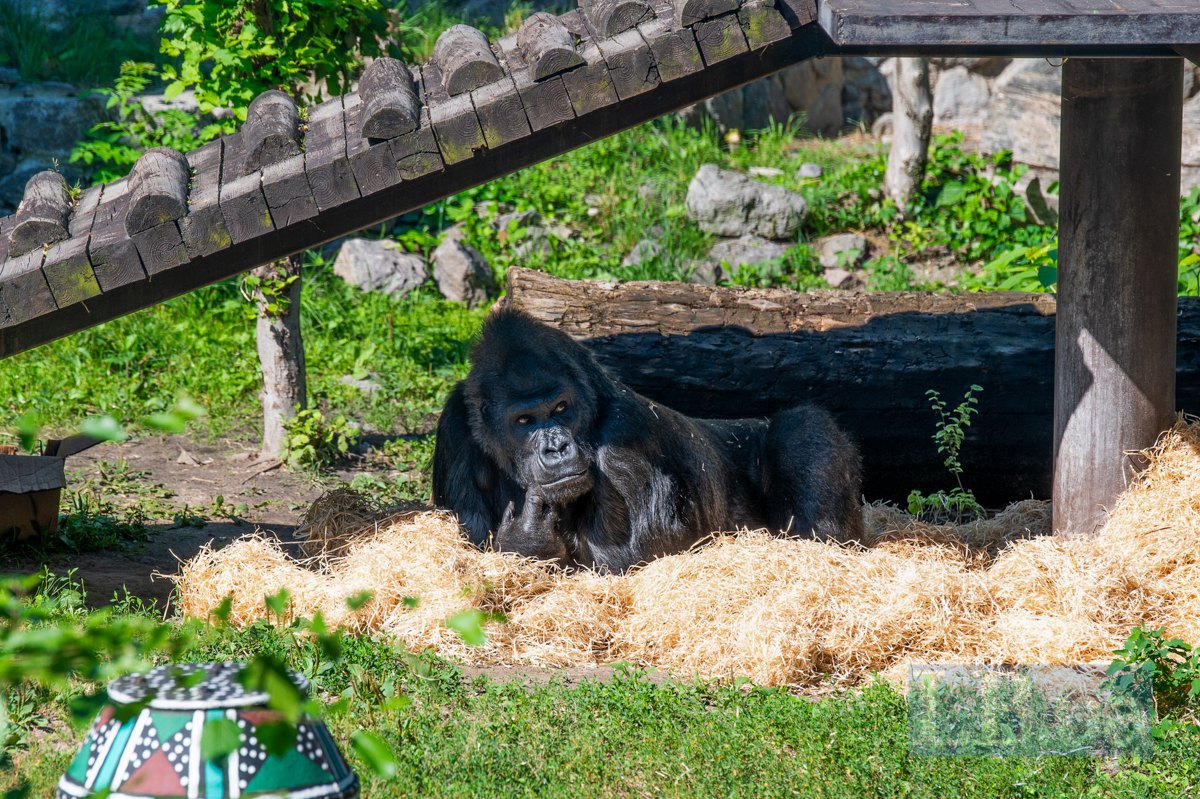
Meanwhile, Tony is slowly making his way through his green pastures. He rustles through the straw in the shade, hoping to find something hidden. Finding nothing, he loses interest and simply lies down. The gorilla, like the other primates at Kyiv Zoo, will once again spend the night indoors.
‘When Shaheds fly past during the day, we open the flap and invite him in. He’s such a stubborn chap; he might refuse. Then one of the staff stands here, by the enclosure, and keeps an eye on him. Generally speaking, Tony doesn’t react to the shelling. I think, despite everything, he’s ageing well and is enjoying his retirement,’ says Valentyna Dykaryova, head of the primate department.
Tony, propped up on his elbow, lazily scans the area around him, looking every bit the sort of person who still has his whole holiday ahead of him.
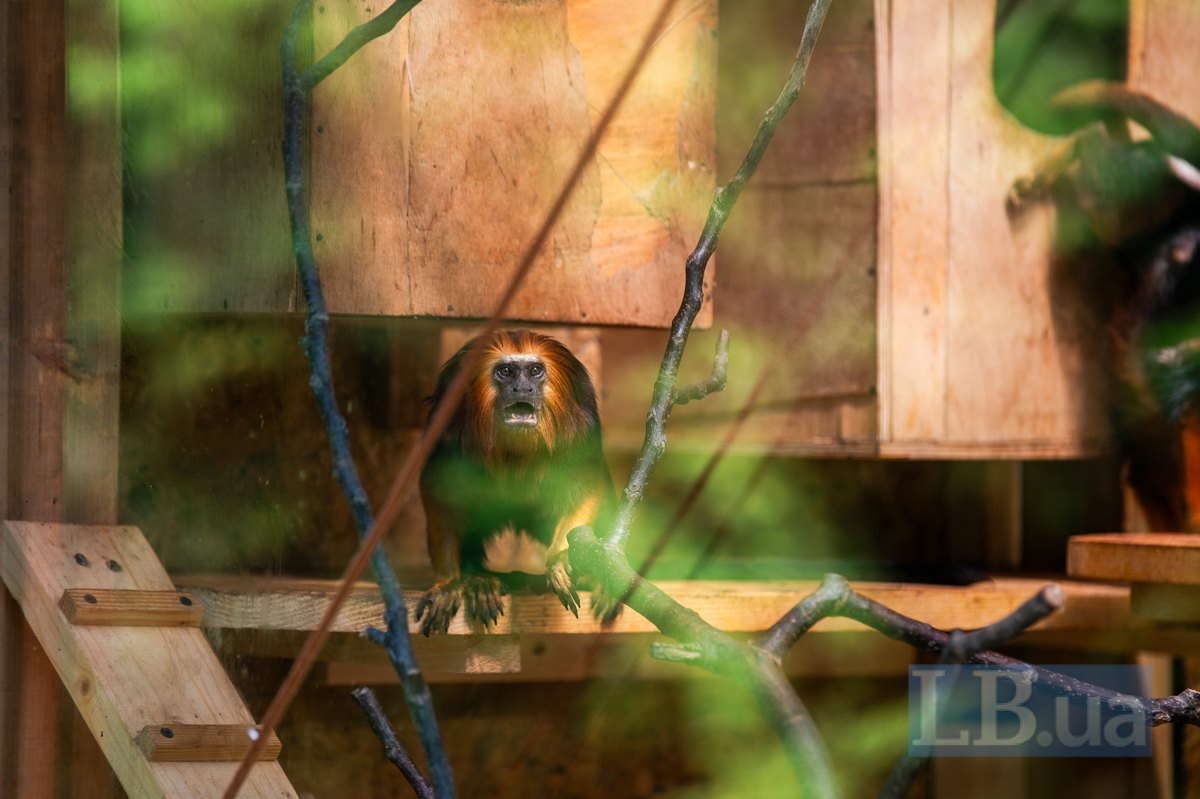
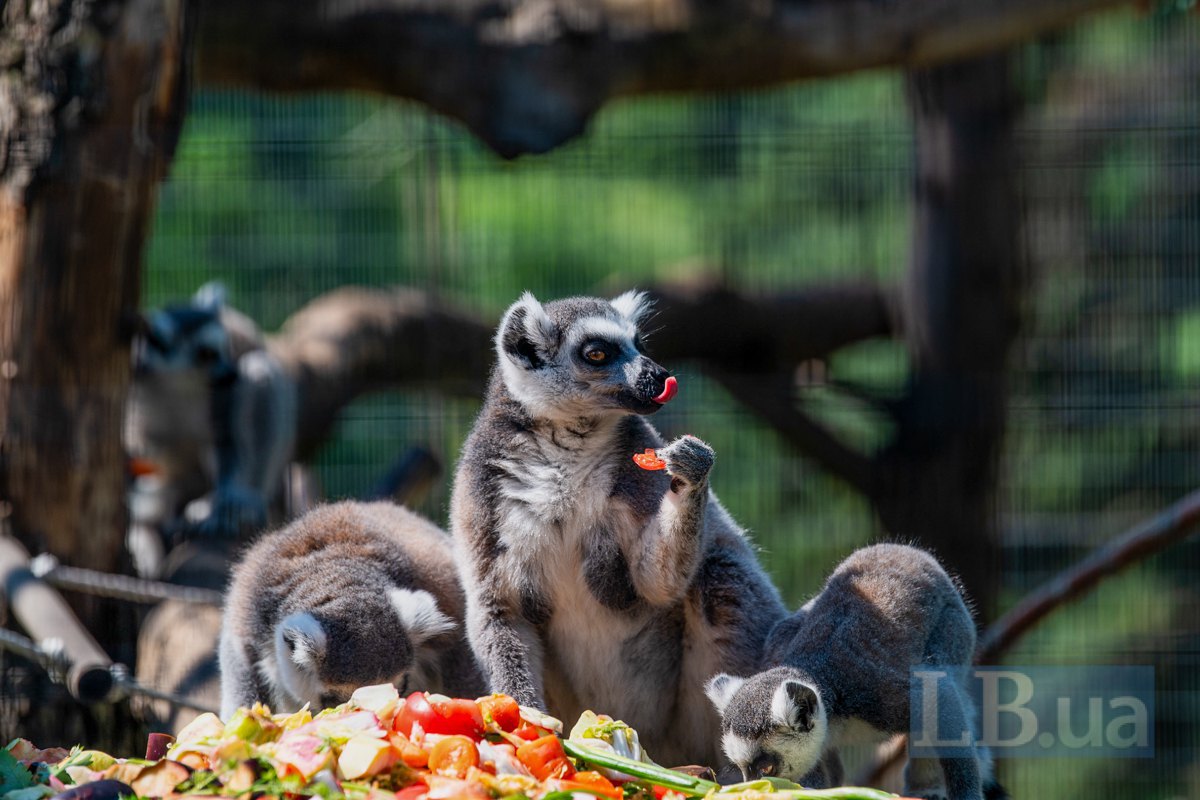
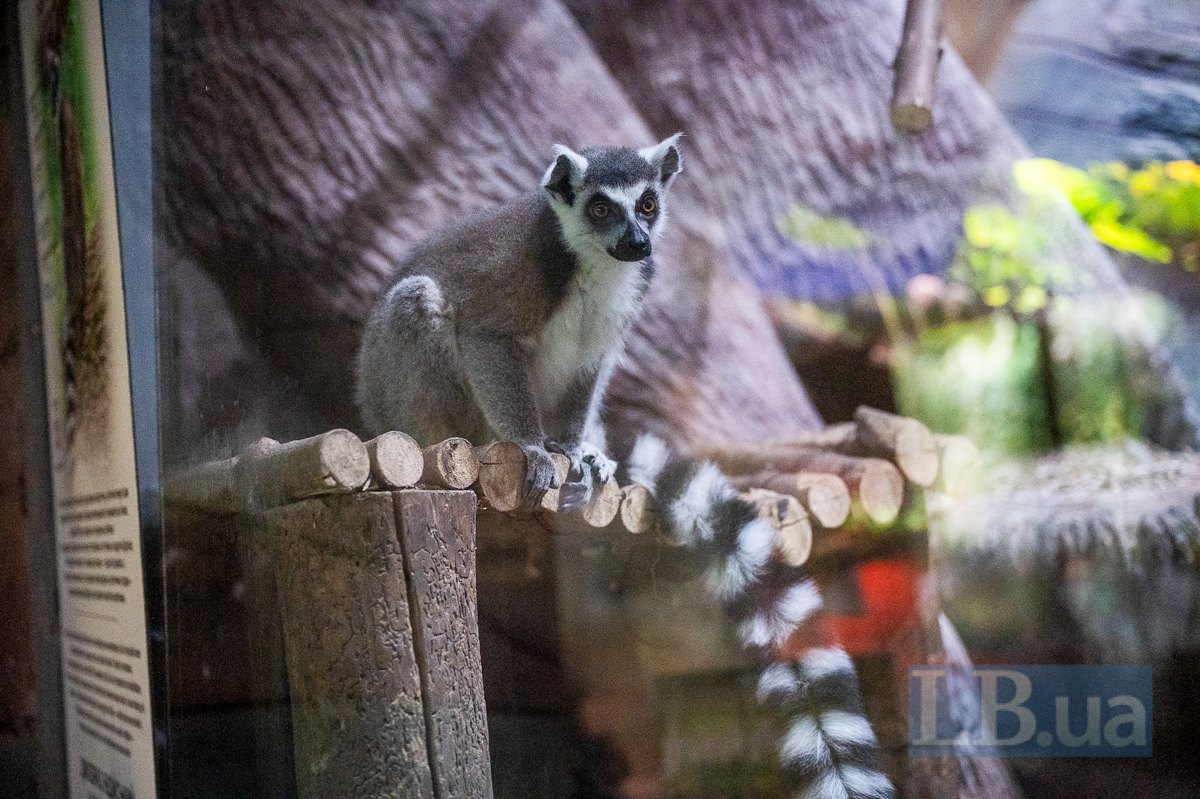
Of all the primates, only the cat lemurs that live on the island remain out in the open at night.
‘Most likely, they’re hiding either in the treetops or in their little huts. And our job, after the shelling early in the morning, is to come here, count them and make sure everyone’s accounted for and everything’s fine. I don’t see any signs of stress in them either. They’re jumping just as they always have, and eating just as they always have,’ she continues.
Valentyna lives close to her workplace, so she can get to the animals quickly if necessary. Someone from the department is on duty at the zoo every night. In total, there are twenty staff members on duty there.
‘If anything happens, they call me. And I then pass it on to the director or their deputies, or the veterinary clinic, if, God forbid, something happens to the animals. Then we work out what needs to be done.
For example, about a month ago, during a night-time shelling, shrapnel damaged the netting in the outdoor enclosure for the siamangs. We discovered this during the morning rounds, immediately called out a team to patch up the holes, and released the primates back into the enclosure.’
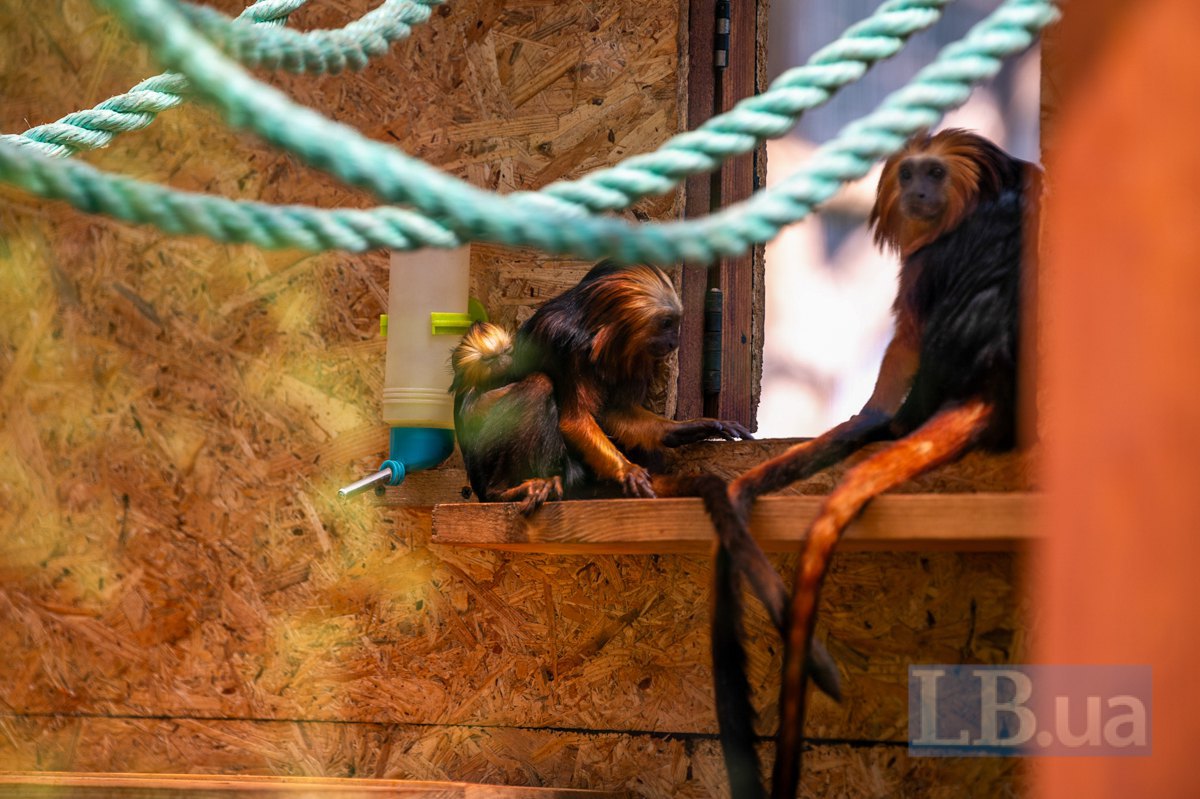
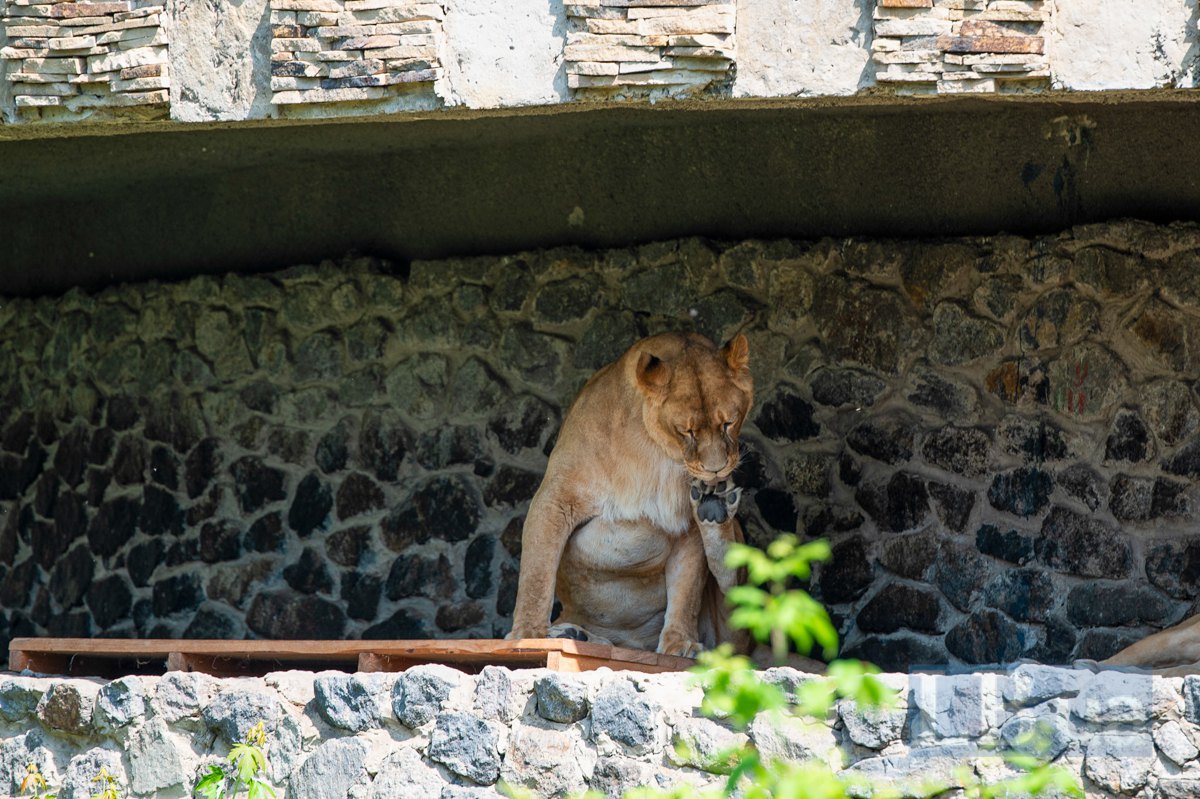
Between the outdoor green enclosures of the Animal’s Island and the indoor facilities there is a so-called gallery, where lions, tigers and hyenas are taken for safety reasons.
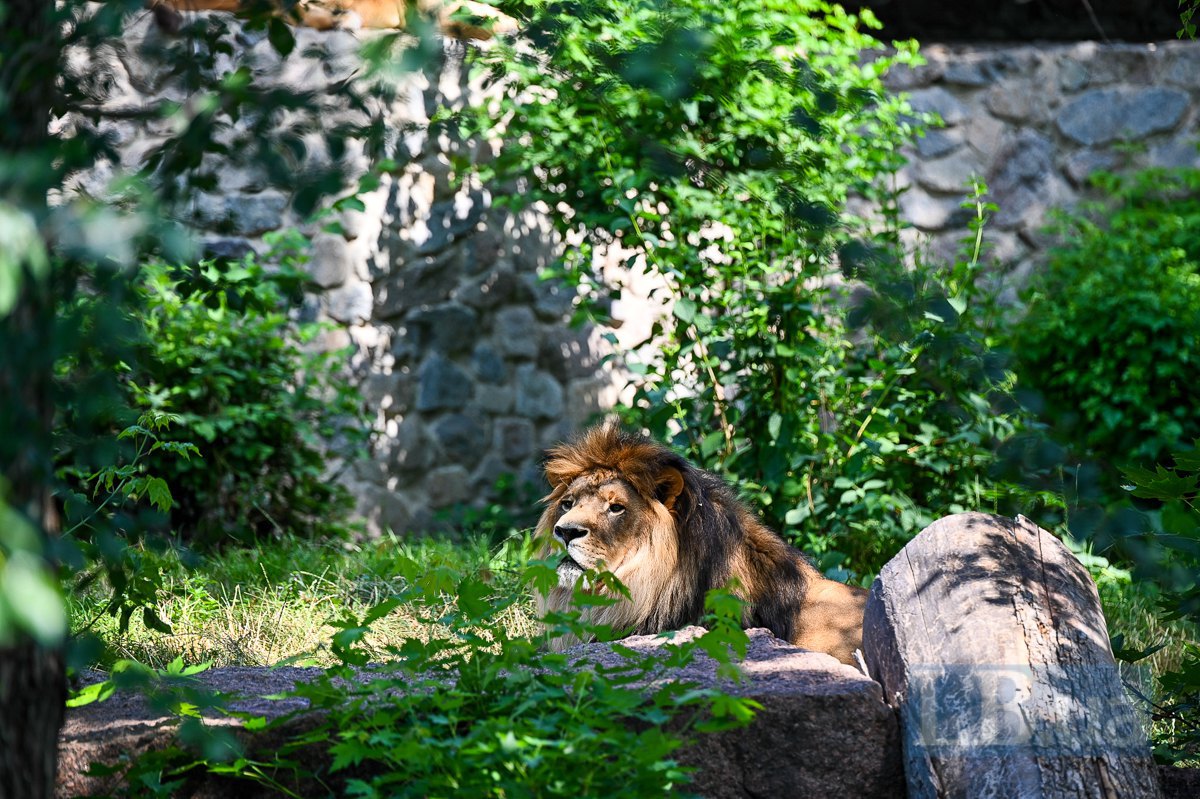
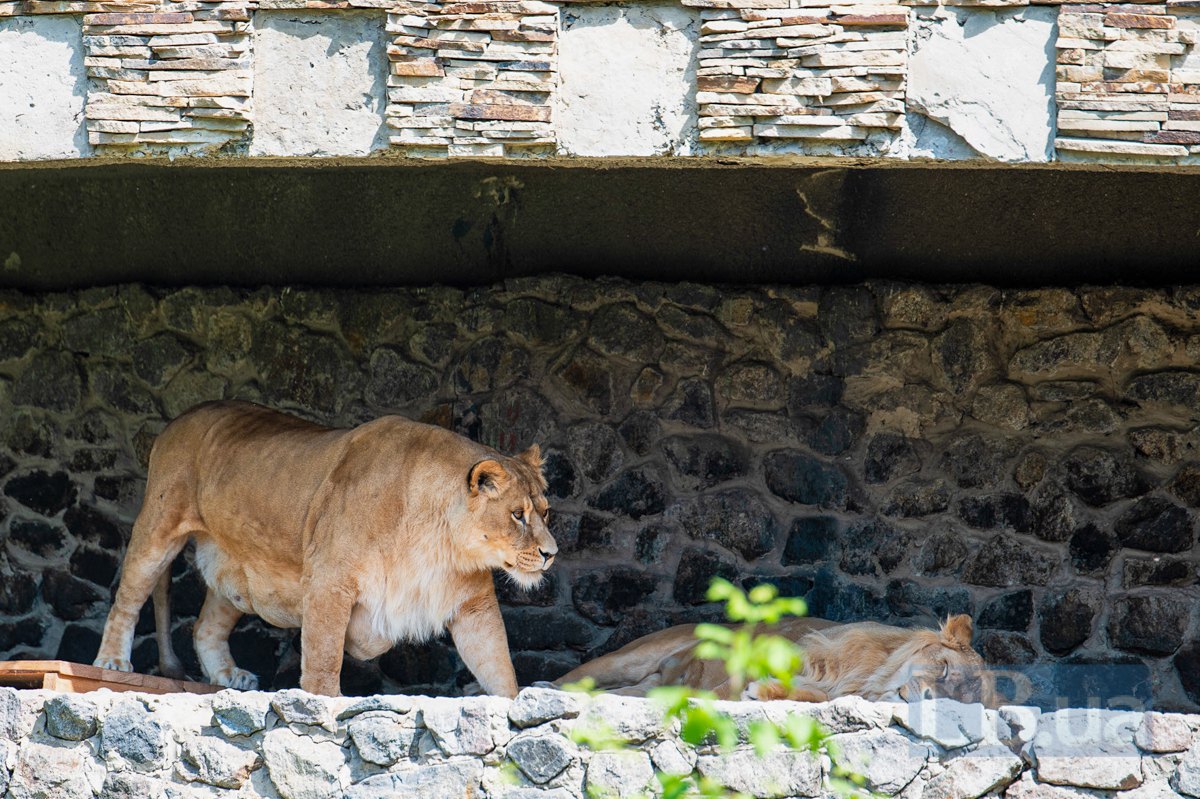
‘If something happens, there needs to be some sort of barrier. The animal is under stress, and nobody knows what might happen. And these are predators,’ explains Kyrylo Trantin.
However, it’s not possible to hide them all. With some, you have to come to an agreement, whilst others are simply very stubborn.
Give them space or a hiding place
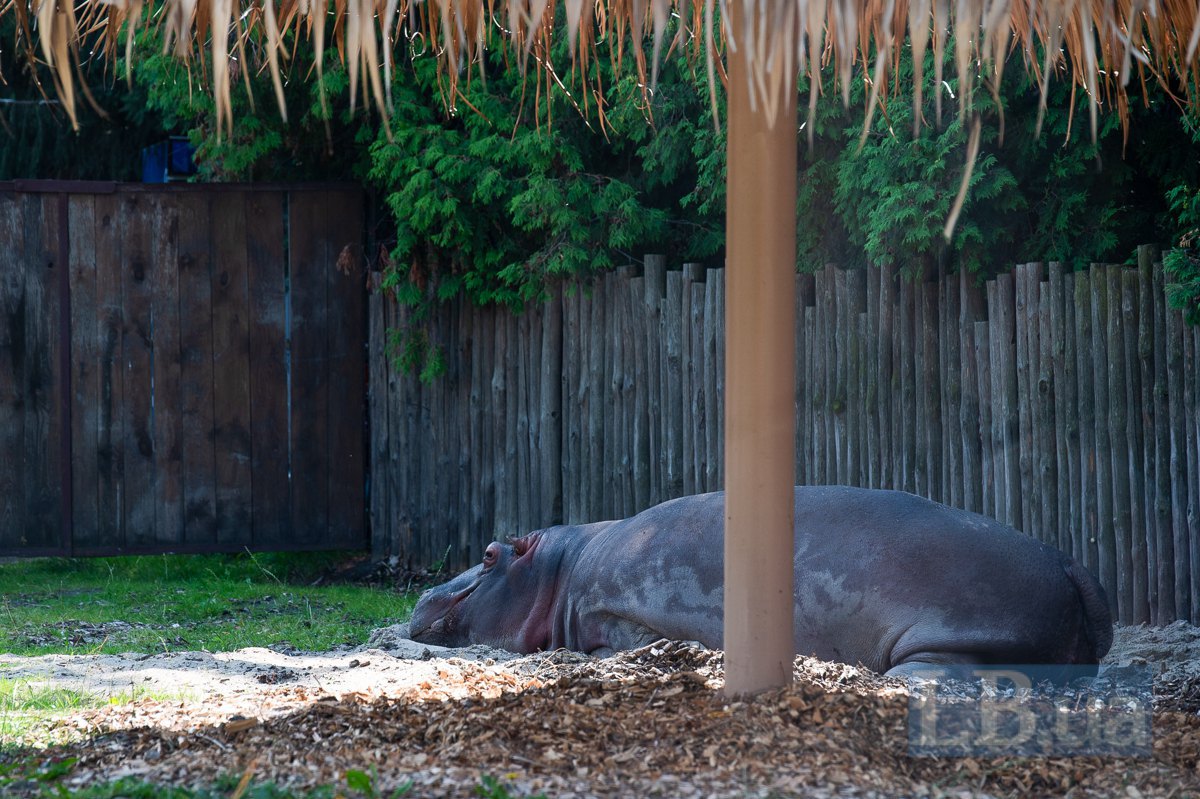
Take Lily the female hippopotamus, for example.
‘She still tells us: “Bye-bye, go and hide yourselves.” But mostly in the pool. So we’re more or less not too worried about her,’ says Viktoriya Sluzhenko, who heads the ungulate department.
Or Horace the elephant, whom we found peacefully munching on hay, occasionally picking it up with his trunk and flinging it over his head to give himself a dry shower.
When the air-raid siren sounds and something serious is looming, he is allowed into the building. However, at first there were problems persuading him to go inside.
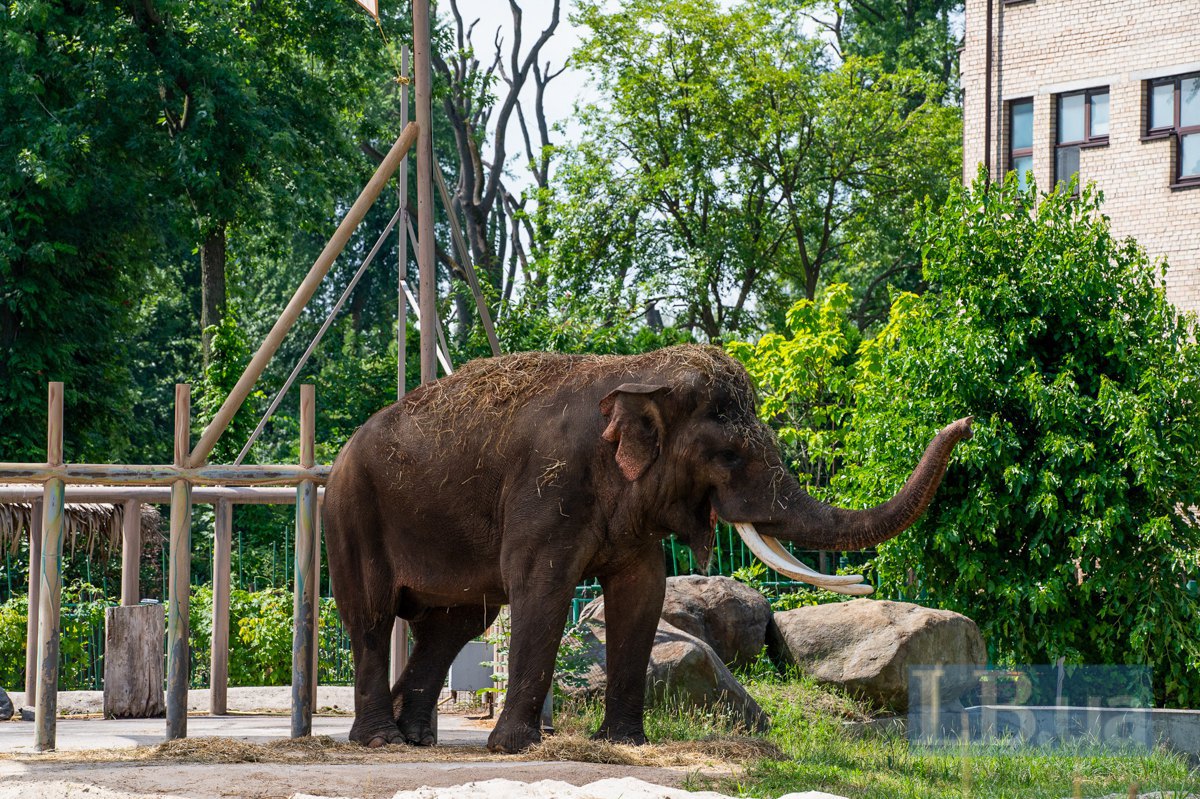
‘Because he has his own routine that he’s used to,’ says Viktoriya. ‘Horace knows that he goes out at 10 o’clock and returns to his enclosure at 5 o’clock. Everything’s already planned out for him. The keeper arrives at 11, training is at 12, and he’s bathed at 2.’ Elephants are, you know, sticklers for routine. Everything has to be precise. If something suddenly throws the schedule off, for him it’s a nuisance, a misunderstanding. For example, we’ve brought him his food, he’s just eating, and then the alarm goes off. And we have to get him to come into the building. If you just turn up and give him the command ‘Come in!’, he’ll say, ‘Wait a moment, I’m eating.’ But when you start running about, flustered: ‘Horace, Horace, hurry up!’, then he senses that something’s going on and goes inside. We all realise it’s not a bomb shelter, but the building has 60-centimetre-thick walls, so at least he’s protected from debris. Recent events prove this. This time, a large number of those same ungulates were gathered in the enclosures. It’s a miracle that nobody was hurt.
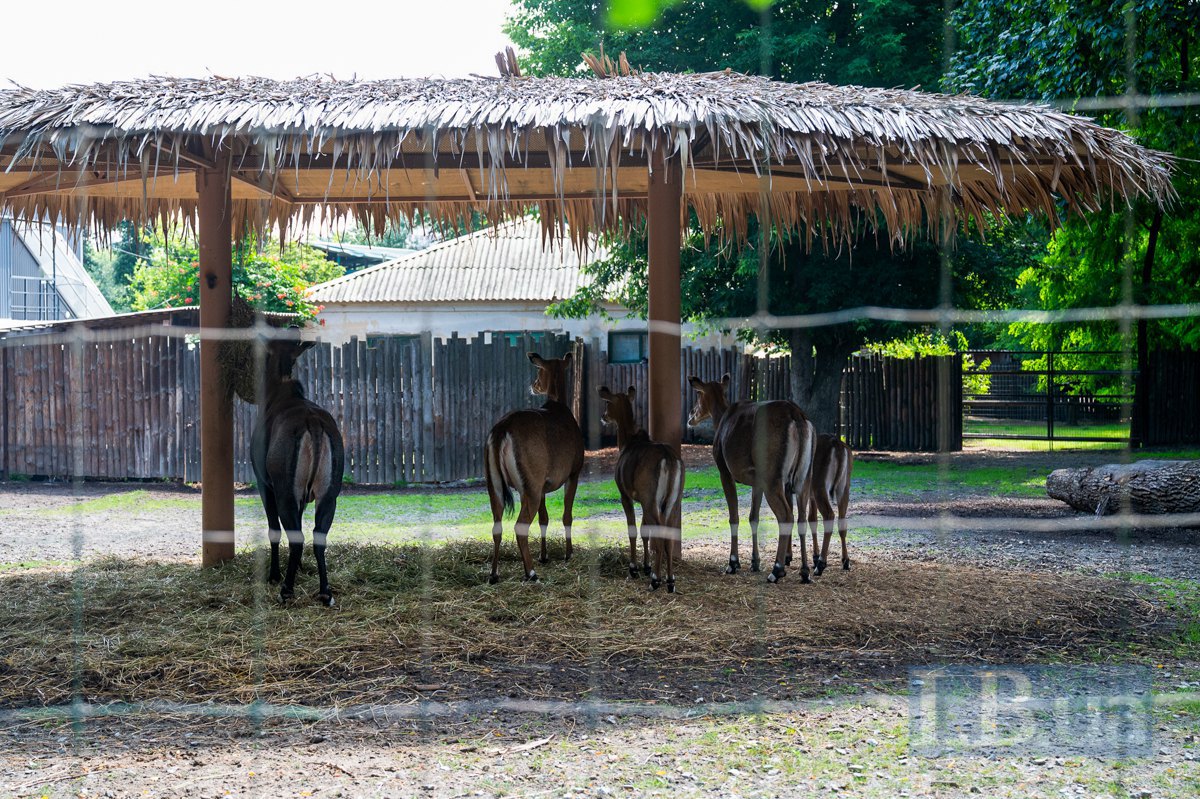
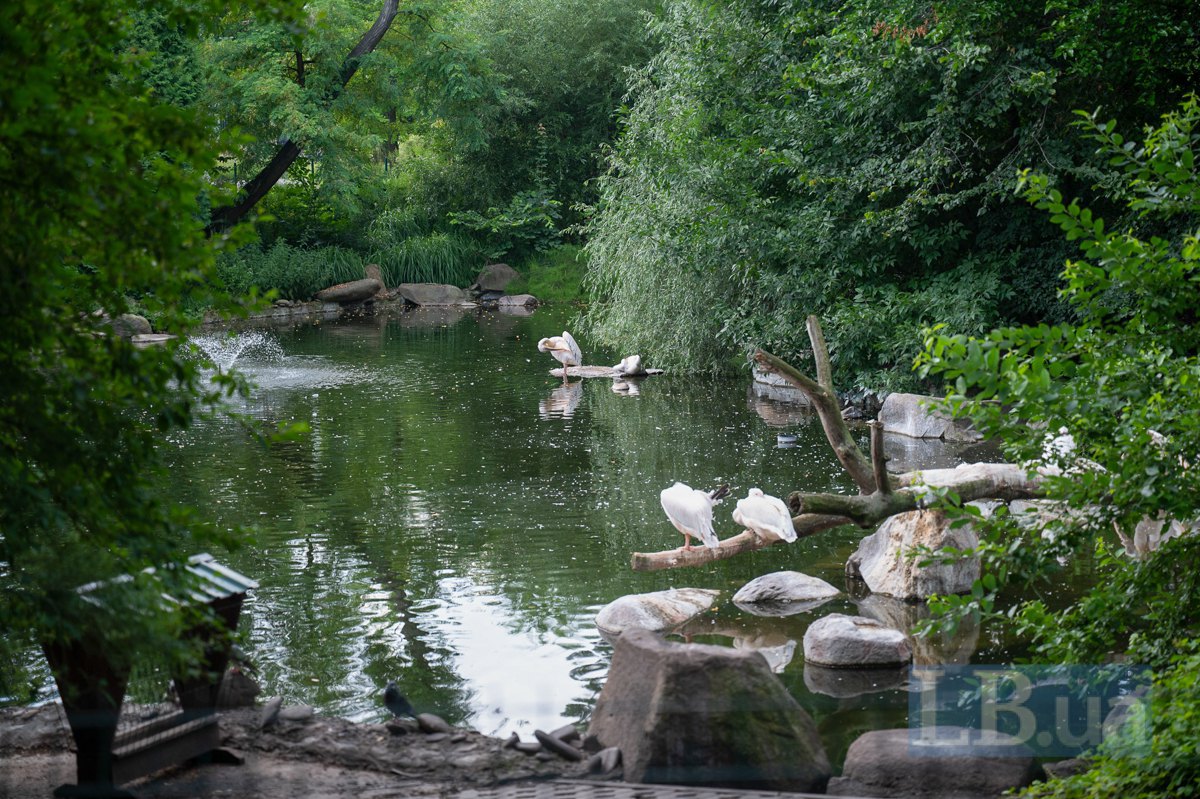
Although there had been a precedent. Following the shelling in November 2025, a male muntjac — also known as the world’s smallest deer — was injured. Now Mo has settled comfortably by a small lake, so the scene has come to resemble an old tapestry in a grandmother’s cottage. Back then, he was startled by the explosion and injured his lower jaw.
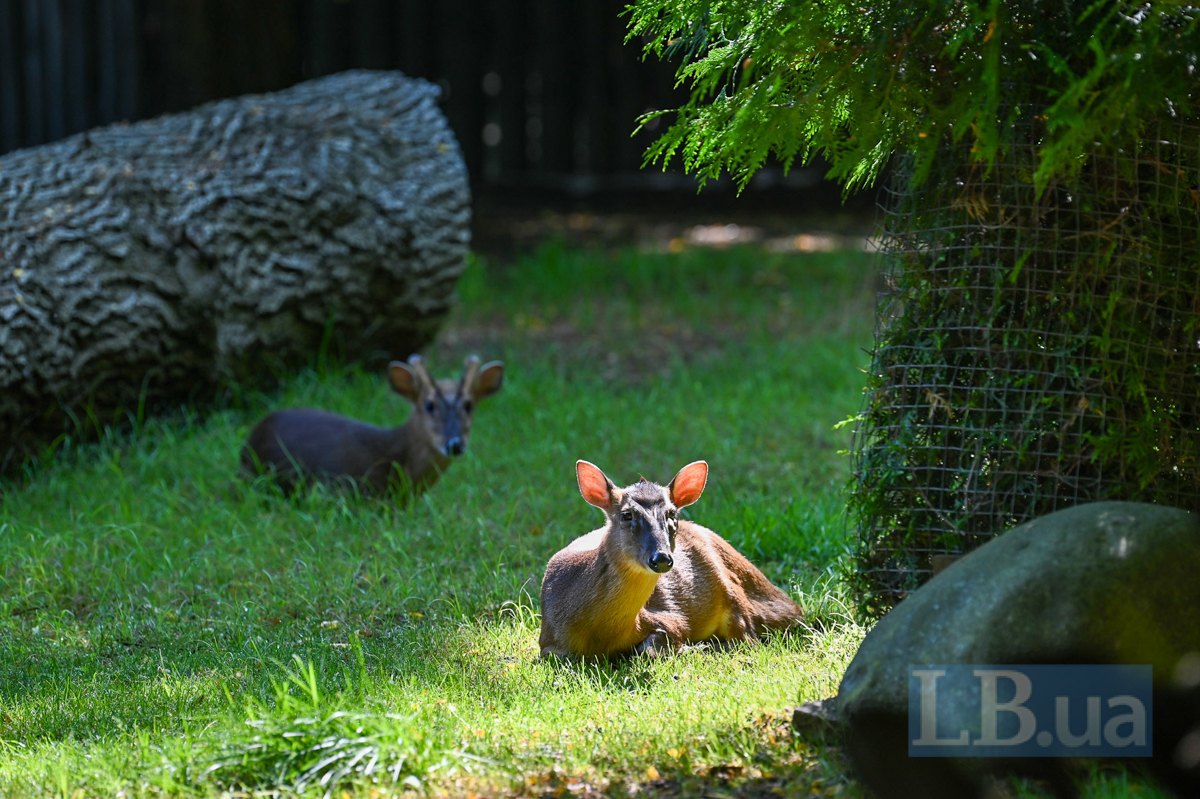
‘It sometimes happens with deer that, when startled by something, they move suddenly and might bump into or catch on something. So, in principle, when they’re in open terrain, it’s safer for them. There are animals, on the other hand, that prefer some sort of shelter. In other words, they need somewhere to hide,’ explains Valentyna. ‘We work out what each animal needs. And if we receive a warning about any trouble, we make preparations the evening before: we give some animals more space so they can move about without getting injured; we shelter others.
The muntjac is naturally one of those that hides. It’s an animal that lives in scrubland; it likes it when there’s plenty of undergrowth where it can find a secluded spot for itself. In the muntjac enclosure, there’s a little hut to which they have constant access, so they can take shelter there if necessary.
‘But, unfortunately, it turned out that even in this sheltered space, he was injured. It’s just, you know, such an unfortunate incident. We had to resort to emergency measures: we anaesthetised him and sutured his jaw.’
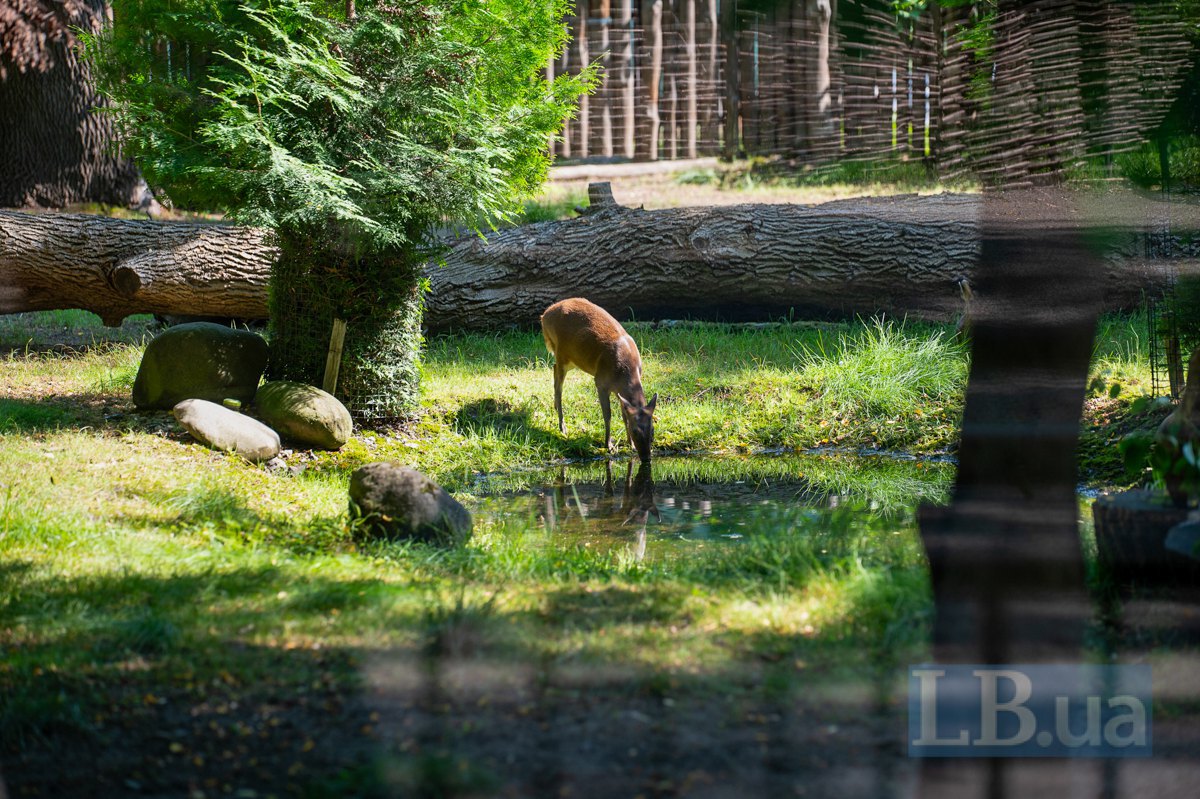
He’s still walking around with the stitches in, because the anatomical structure of his jaw means they can’t be removed.
He was treated at the zoo. The vets operated on him, sutured the wound and bandaged it up. After that, it was down to the keepers to nurse him back to health.
But rehabilitation is a very delicate process. It lasted a year, and no one could guarantee that the animal would survive. It might seem that the injury wasn’t critical, but it certainly was for a ruminant. He needs to chew, and Mo could only manage to chew half-heartedly. So they had to put him on a special diet, which proved to be a challenge in itself.
‘The whole difficulty lay in the fact that a ruminant first consumes its food, then regurgitates it and chews it again. If you give it liquid food straight away, it won’t be digested properly, which will ultimately lead to bloating and the animal’s death,’ explains Viktoriya. ‘So we resorted to a little trick and added special enzymes to the food, the kind produced during rumination. And we just hoped for the best.’
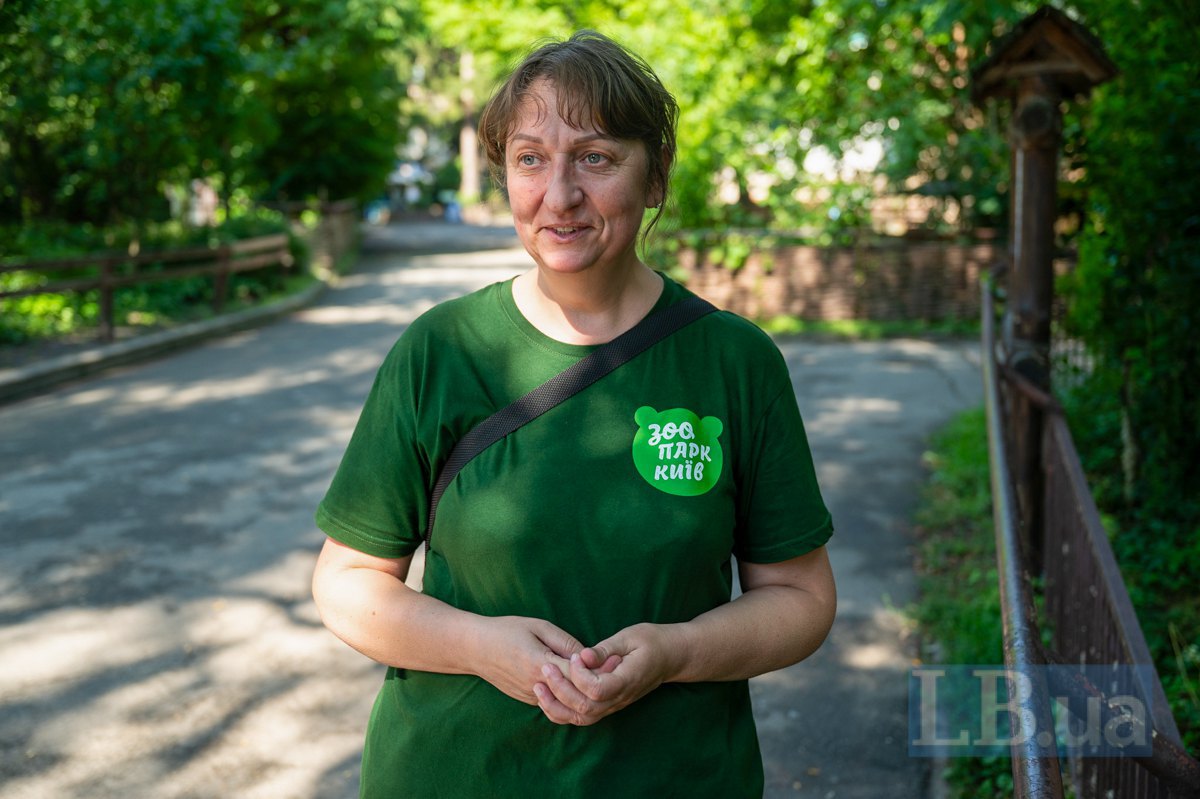
This spring, a baby was born to a pair of muntjacs. But this, too, is more likely a result of stress.
‘Mating in extreme conditions is, for wild animals, a natural instinct to carry on their lineage — come what may. That’s why Mo became a father, even with a bandage on his jaw.’
Now, according to Viktoriya, he’s much calmer about the explosions.
‘What signs do you look for to tell if an animal is stressed?’ I ask her.
‘Even the fact that it has defecated in the wrong place, although it might look perfectly normal and be eating. Or the animal might be eating restlessly. This applies to ungulates. In the wild, they’re constantly on the alert, whereas in the zoo they’re calmer. But here you see the animal approaching the feeding trough, then walking away, then returning again, grabbing something and going off to investigate something else. This is already a sign that there are changes in behaviour. We note this down and look for the cause. After all, it may not be related to what happened during the night. Perhaps something is troubling it and it needs, for example, veterinary care.’
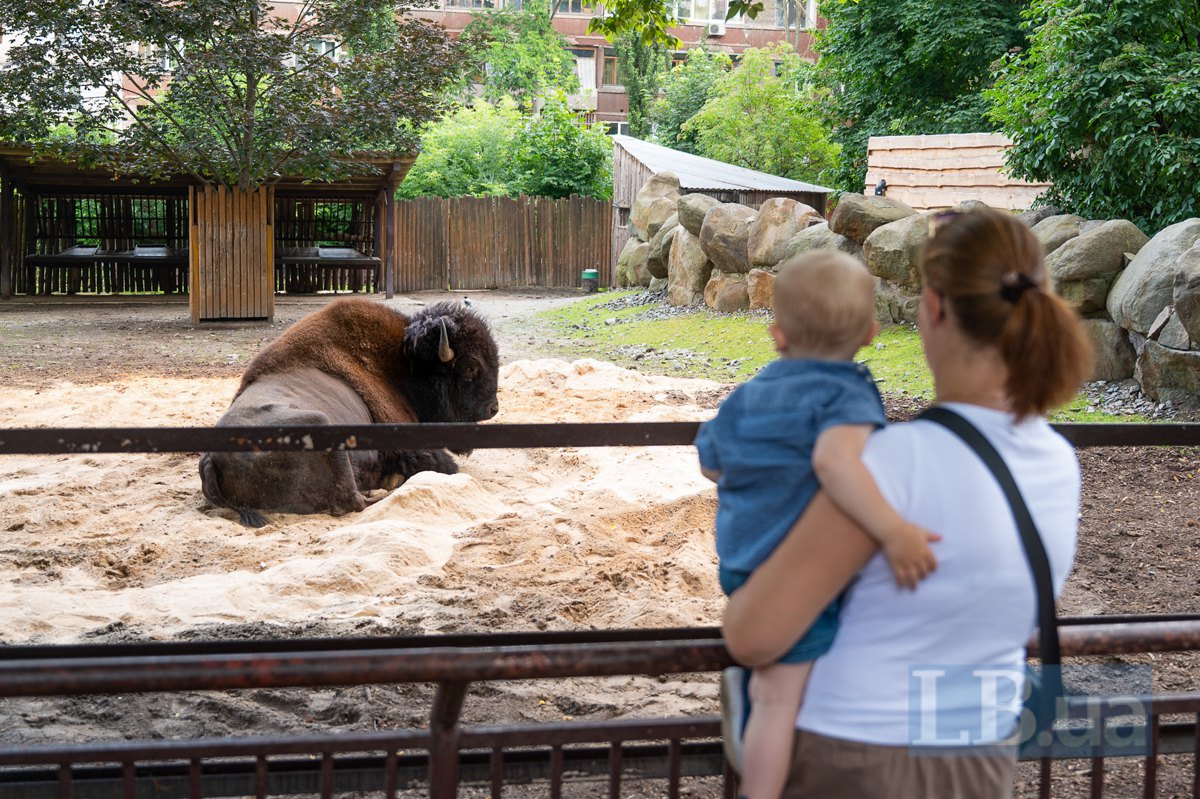
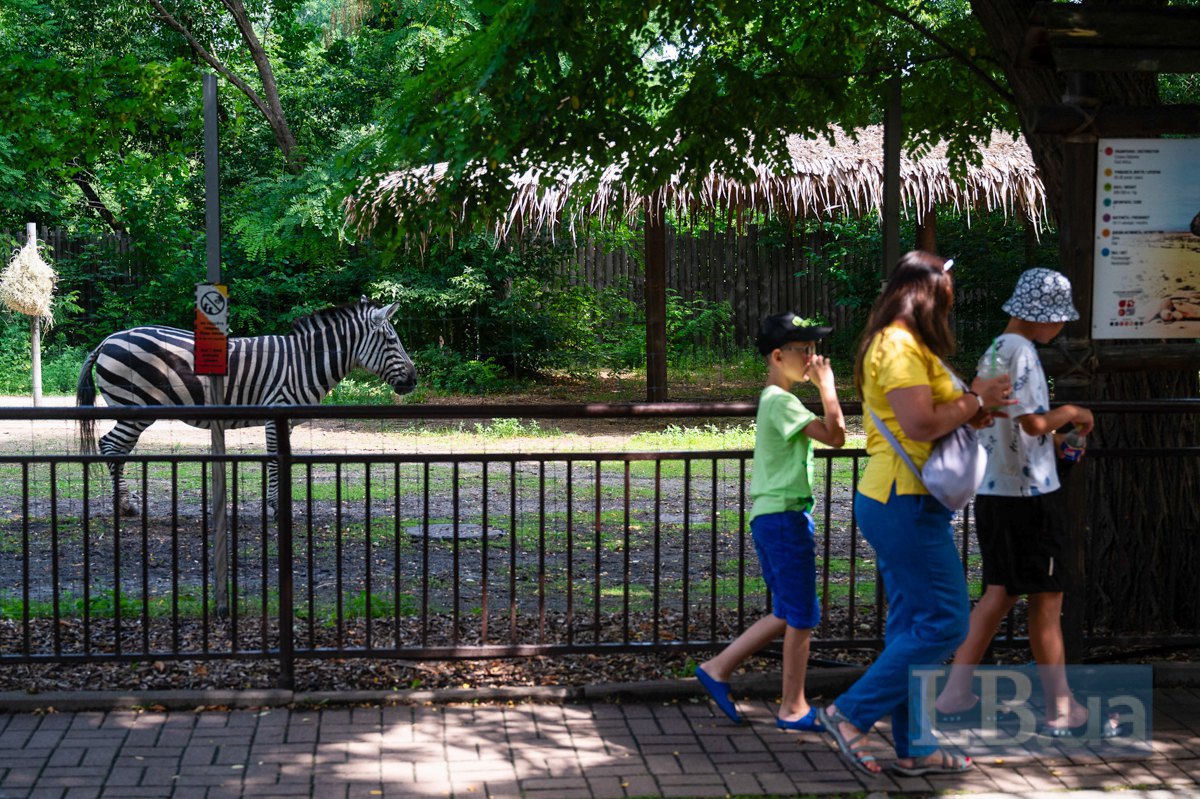
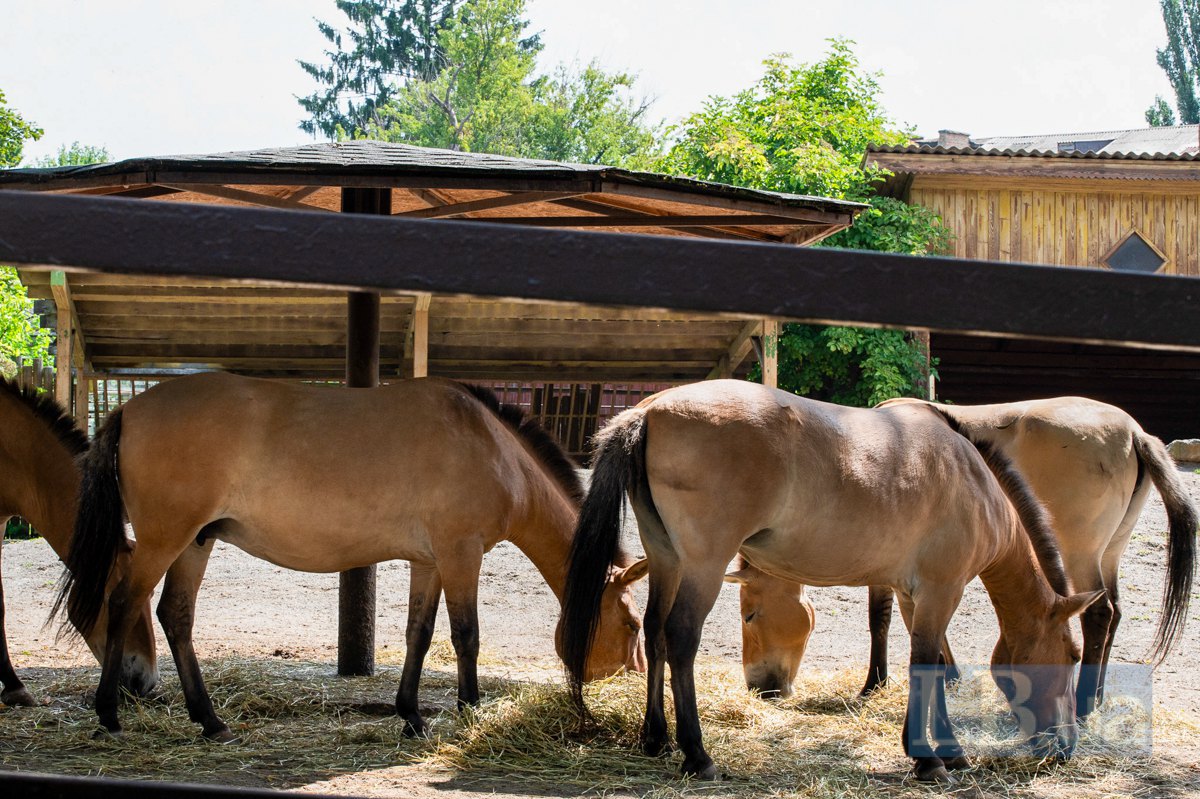
During this time, Viktoriya observed the animals’ various reactions to what was happening. For example, on one occasion, the bison, hearing the drone buzzing over the zoo, huddled together, protecting their young in the centre of the circle. On another occasion, when the drone crashed not far from the zoo, she witnessed Przewalski’s horses gathering on a hillock and looking up at the rain.
‘Savannah animals: zebras, bison, those that inhabit open spaces — they probably perceive all these flashes and rumblings as some sort of natural phenomenon. And, essentially, that’s what they rely on. I’m from Vyshneve myself; you know what a disaster we went through. At the time, I observed the behaviour of the swifts, who mistook the black cloud of smoke and the explosions for an approaching storm. It was so strange to see that they didn’t fly away, but rose up into the air and waited for the rain to fall. If it is indeed a shockwave, then animals do experience a degree of stress, but they recover quickly because, unlike humans, they do not know its source. For them, it’s simply some sudden phenomenon. Once it’s gone, they forget all about it.’
The carers are trying to speed up this process by creating a comfortable environment for the animals. This might include, for example, some treats — food they don’t get every day.
‘It’s probably like a person going to the supermarket for a cake after a shelling,’ I laugh.
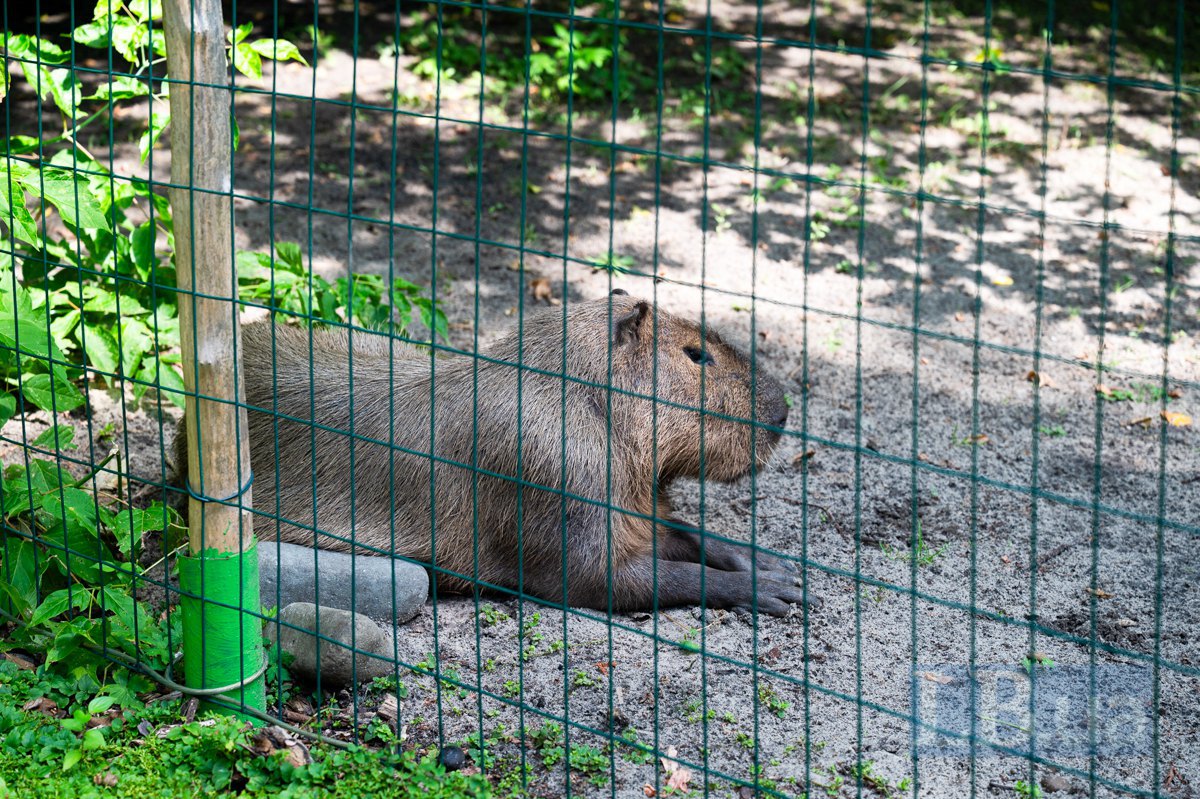
‘Yes, after everything that happened in Vyshneve, I went and bought myself a new spice rack. I’d wanted to buy something like that for ages, but there hadn’t been an opportunity, and I thought, well, it’s not that important. But then… And it’s the same with the animals. They’ve been through a lot, so we do something nice for them. For example, they brought in a lorryload of branches, and they’re rummaging through them. You’ve probably heard of environmental enrichment (which stimulates the animals’ natural behaviour — encouraging them to forage for food, engage in physical activity and perform intellectual tasks. — LB.ua). Take the bison, for instance: they were given a huge pile of straw. They used it as a bed, lay down in this little nest — and for them, it’s a positive experience. So they’re quicker to forget all that madness that went on during the night. And, on the one hand, it’s very sad that the animals have adapted to all these explosions. On the other hand, when there’s a real danger, as there was recently, that’s a completely different story. Unfortunately, even people often have no way of taking shelter.’
You can’t take them away, you can’t leave them behind
‘We must work to ensure that, for the zoo’s animals, the war remains out there, beyond the fence. Yes, it’s true, you can’t divert a missile or a Shahed away from the zoo. There are no bomb shelters for the animals. It’s true, there’s a problem. But, excuse me, we don’t have bomb shelters for people either,’ says Kyrylo Trantin. ‘Back in the early months, we lined the walls with hay for the animals that get frightened. We built enclosures with netting. Where the glass is shattered, we fit polycarbonate. And in five years of war, we’ve had only one incident where, the morning after shelling — when two Iskanders flew over the zoo — we found a dead swan. It was clearly frightened and had injured itself.’
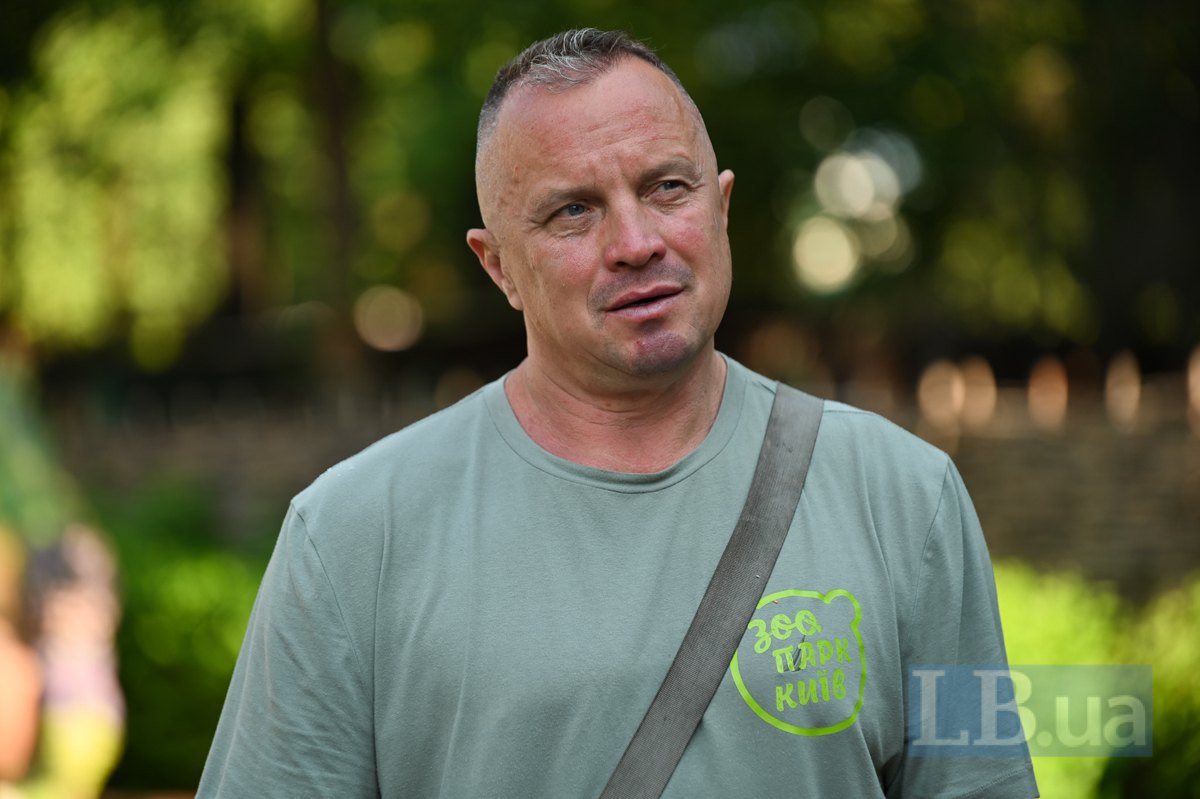
One way or another, the issue of evacuating animals regularly comes up amongst city residents. In June, a petition was even launched proposing that certain species of animals be temporarily relocated to nature conservation organisations abroad.
‘Just yesterday, I received an enquiry from a Kyiv resident about evacuation. I replied that I’d be happy to hear suggestions as to where and how. Very often, people simply don’t understand what evacuation entails. That we need to find those who will take them in and provide care,’ he explains. ‘But the whole of Europe is already full of animals from Ukraine. They’ve taken in quite a few tigers, lions and bears from private zoos. Although it’s more accurate to call them ‘animal centres’, because zoos are meant to carry out educational work, reintroduction, rehabilitation and research. And what about transport? It’s not like taking a cat or a dog, shoving it into some plastic carrier and driving it off somewhere. And then—bang—what do you do with it? Take Tony, for example. It’s stressful for him, and there’s a high chance he simply won’t survive the journey. Or an elephant. To evacuate an elephant, you need to prepare for about half a year. You have to, for instance, train him to enter the transport cage.’
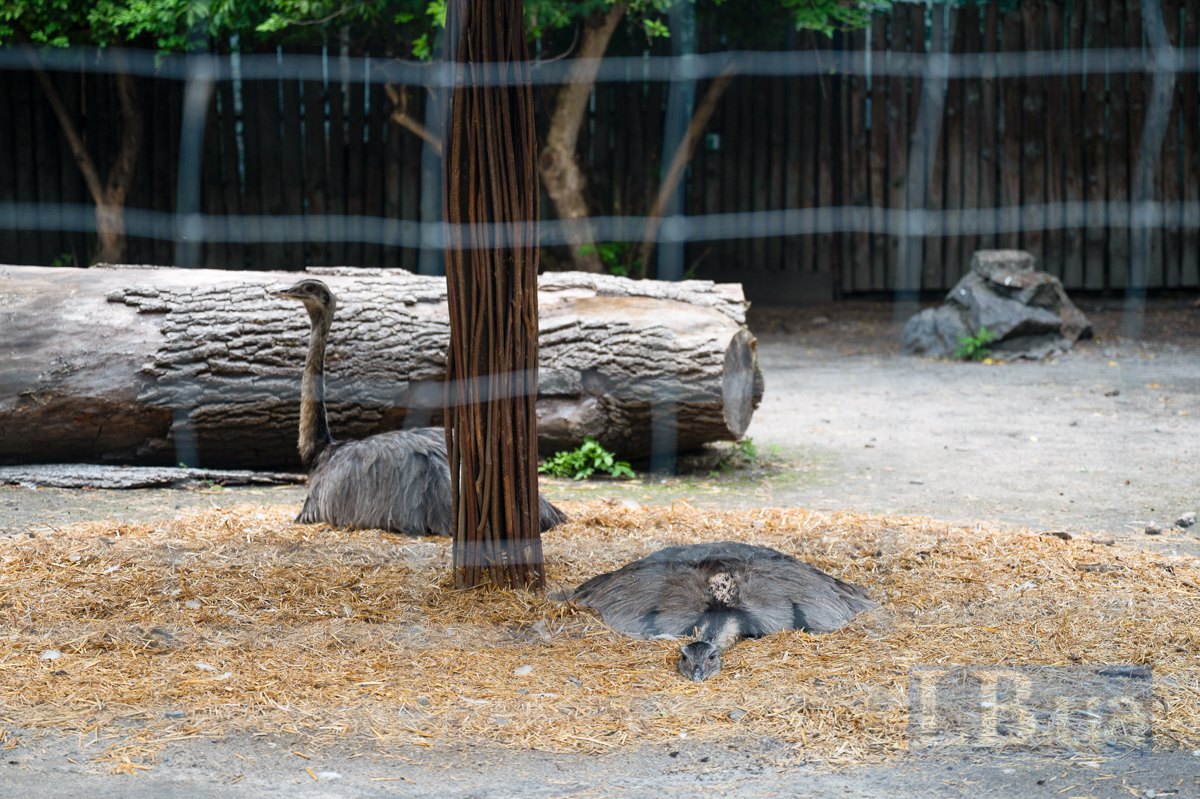
To get a sense of the scale of the operation, consider the emergency evacuation of the French zoo in the Arcachon Basin, which had to be organised due to the severe fires of 2022. The rescue operation, coordinated by the French Association of Zoological Parks, involved around a hundred keepers from twenty institutions across the country and fifteen vets, as well as specialists from companies specialising in transporting animals between zoos. At that time, nearly four hundred of the 850 animals (by way of comparison, the Kyiv Zoo has three thousand) were evacuated. Priority was given to the most vulnerable species, so predators, primates (in particular apes and small monkeys), anteaters, sloths and birds were transported. For some animals, transport was simply impossible — for example, rhinos and elephants. Furthermore, one must always consider whether the animals will be able to cope with the stress associated with being kept in cages and being moved. Despite all efforts, 14 animals died during the evacuation. It is, therefore, an extremely complex situation overall.
And for the time being, state-run zoos are sticking to a more or less consistent policy of not organising large-scale evacuations. This does not apply only to Kyiv Zoo, which, since February 2022, has in fact taken in half a thousand animals abandoned by their owners.
‘I don’t like this, because a zoo isn’t a shelter. But it’s war. We had to,’ says Kyrylo Trantin. ‘Because if exotic animals don’t receive proper care, they die. For instance, servals were brought to us from Kurakhove. It shouldn’t be like this. Do you want a small private zoo? No problem. Farm animals, please. And I’d like to draw attention to this issue.’
Incidentally, the caiman and the red-eared sliders that were injured by shelling are among those the zoo has taken in.