





Electricity and gas tariffs for households will remain unchanged this heating season. That is 4.32 for electricity and 7.96 hryvnyas for gas, First Deputy Prime Minister and Energy Minister Denys Shmyhal said during the government question time.
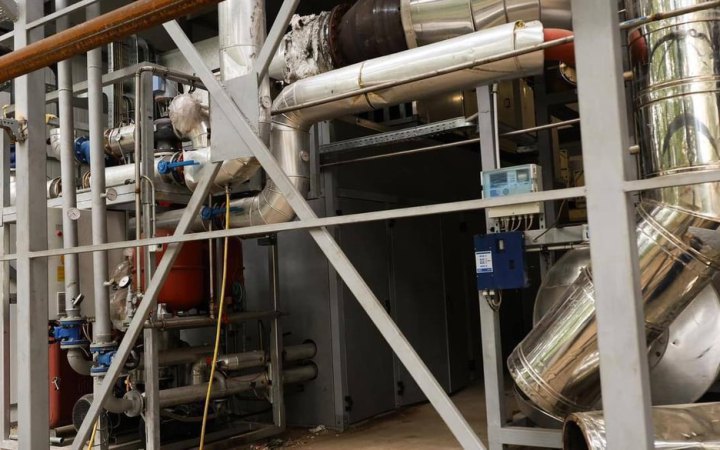
Commenting on readiness for winter, he said Kyiv is among the leaders in deploying distributed cogeneration. Denys Shmyhal recalled that the state has allocated 16 billion hryvnyas to implement the city’s resilience plan, and Kyiv itself must find the same amount.
During the previous heating season, coordination meetings were held daily with the capital and the region.
“This heating season as well, I am convinced, we will get through it in a very coordinated manner,” he said.
Commenting on whether there is an evacuation plan for the capital’s residents with limited mobility, Shmyhal said it was developed by the State Emergency Service even before the start of the full-scale war.
“During the war it is being adjusted. That is, all these plans for emergencies, of course, exist and have been developed,” he said.
- At the same time, Denys Shmyhal said today that there are risks in the capital and Poltava Region regarding the deployment of distributed cogeneration. Russia is already trying to destroy generation facilities, preventing them from being installed. Yesterday there was a strike on one of the energy facilities, which set the plan’s implementation back.
- Cogeneration units alone cannot supply the entire city, Kyiv City State Administration Deputy Head Petro Panteleyev explained in an LB interview. Among the advantages of cogeneration units, he cited rapid start-up and economic efficiency, since they generate both heat and electricity at the same time. By the end of the year, the city plans to bring 200 MW of cogeneration capacity online. Of that, 60 has already been launched. Asked why the cogeneration units purchased in 2024 were still not installed before last winter, the official said: “Some things were not installed, and in some places shelters were still being built for them. These facilities were placed in second-level shelters; it was an entirely new approach to design and to organizing work in a shelter, as well as connecting to the networks. We encountered the fact that this experience is the first in the world; nothing like this has existed before.”