





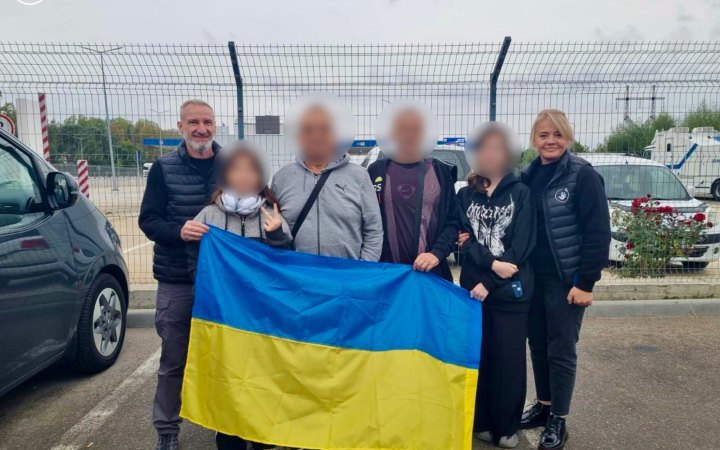
Ukraine has managed to bring back 17 citizens from the temporarily occupied territories. Another four Ukrainians were evacuated from the TOT via Georgia and Moldova.
This was reported by the Verkhovna Rada Commissioner for Human Rights, Dmytro Lubinets.
Among those returned were three families from Kherson region. Before the occupation began, they were neighbours, and over the years of living under occupation they effectively became one large family. They endured shelling and prolonged power cuts together, shared food and supported one another.
At the same time, not all family members were able to leave. Due to a sudden deterioration in their health, two of their relatives remained in the temporarily occupied territory.
After returning, the families also wanted to stay together. Among those evacuated were people with disabilities who could not resolve housing issues on their own. Through cooperation between the Ombudsman’s Office and the charity organisation "CF "Rokada", they were provided with shared accommodation.
Another four people evacuated from the TOT via Georgia and Moldova were members of one family: a Ukrainian citizen, his father and two young girls.
According to Lubinets, the family faced persecution after the children’s mother was detained for her pro-Ukrainian stance and sentenced to a lengthy prison term.
The Ombudsman stressed that each return involves complex work — restoring documents, finding a safe route, coordinating state bodies and partners, medical support, providing accommodation and assistance after arrival.
The evacuation effort also involved, among others, the international company with Ukrainian roots MHP and its founder and CEO Yuriy Kosiuk.
Lubinets also thanked the International Committee of the Red Cross, "Caritas Ukraine", the charity organisation "CF "Rokada", representatives of state bodies, humanitarian organisations, medics and social workers who help facilitate the return of Ukrainians.
The Ombudsman separately drew attention to the situation in Oleshky and other settlements in Kherson region under Russian occupation. According to him, local residents remain in danger and face problems accessing medicines, food and other basic necessities, while opportunities for safe departure remain severely limited.