





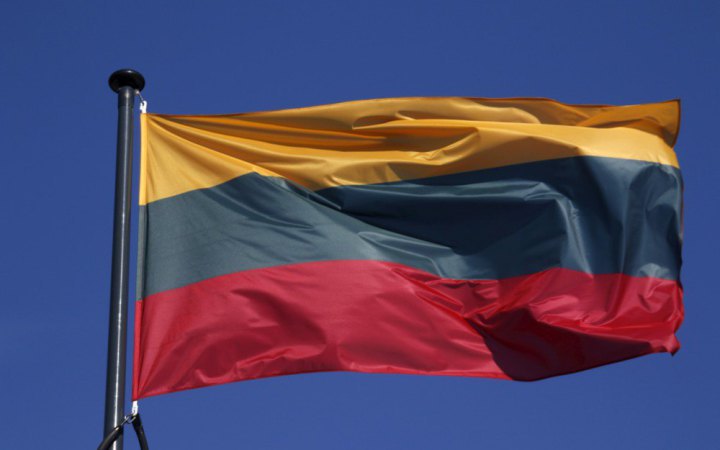
On 25 September, Lithuania began its largest annual national mobilisation drills, “Vytis’ Dome 2026”. They will run until 3 October and are intended to test the country’s readiness to act amid a deteriorating security situation and a transition to mobilisation mode.
This is reported by LRT.
About 3,000 civil servants, representatives of municipalities, businesses, institutions and public organisations, as well as around 1,000 volunteers, will take part in the drills.
The exercise scenario includes a range of crisis situations: disruptions to energy and communications systems, the reception of allied troops, ensuring the operation of critical services, and supporting government activity under emergency conditions.
Two of the key days of the drills will be 29 September and 3 October. On 29 September, the authorities will test the public warning system, emergency alerts and the LT72 emergency preparedness app.
Evacuation training is also planned with the participation of residents of Vilnius and municipalities near the border with Belarus. It will be conducted under a scenario involving a possible military incursion from Belarusian territory.
In the Lazdijai district, the “Tvirtas Dzūkas 2026” exercise organised by the Lithuanian Riflemen’s Union will take place in parallel. Participants will practise protecting critical infrastructure, supporting the authorities and public order, surveillance, reconnaissance, target identification and the evacuation of casualties.
For the first time during such drills in Lithuania, the state reserve will be used. In particular, food supplies will be delivered to designated locations, where meals will be prepared for exercise participants.
Hospitals will also join the drills. Medical facilities will test protocols for mass-casualty incidents, including simulating hospital evacuations and preparations to receive large numbers of injured people.
Representatives from Poland will observe the drills. International co-operation includes assessing procedures, logistics and infrastructure capacity.
Vilmantas Vitkauskas, head of Lithuania’s National Crisis Management Centre, said the drills would make it possible to test the continuity of public administration, as well as how authorities make decisions and set priorities under stress.
He said Lithuania’s reserve of civilian mobilisation personnel is expected to number around 100,000 people. It includes civil servants, municipal employees, doctors, engineers, IT specialists, energy workers, logistics staff, police officers and representatives of other professions.