





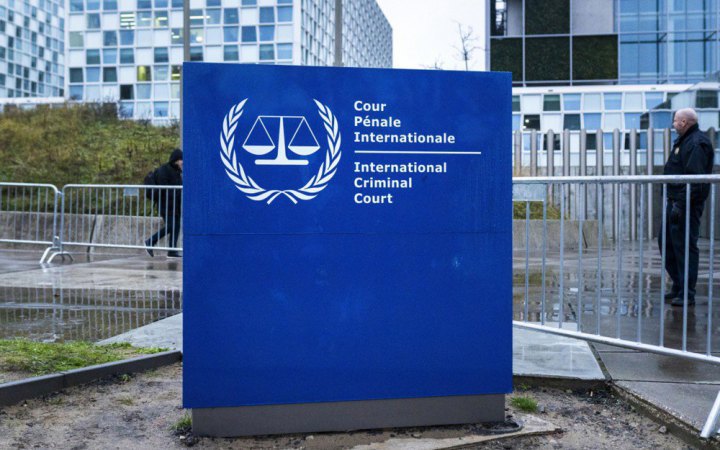
The International Criminal Court has taken steps to protect itself from potential sanctions by the United States.
As the ICC’s Deputy Prosecutor, Nazhat Shameem Khan, said, the court has carried out substantial work to preserve its autonomy and minimise the impact of any future restrictions, European Pravda reports, citing the FT.
Khan noted that the ICC is aware of rumours about new sanctions, but has not yet received any official notifications from the American side. Over the past year, the court has been reorganising its working systems and, in particular, has switched from Microsoft office software to the German openDesk platform.
The ICC has also found alternative solutions for carrying out banking transactions and for medical insurance. The institution is not disclosing details of these mechanisms in order to preserve their effectiveness. In addition, the court is paying staff salaries several months in advance to avoid possible delays in the event of blockages.
- The court’s preparatory actions intensified after Donald Trump’s speech at the UN General Assembly. The US president spoke critically about the ICC’s activities and urged countries to withdraw from its jurisdiction.
- In recent days, Reuters reported that the Trump administration has prepared sanctions against the International Criminal Court and plans to announce them in the near future.
- US officials want the court to revoke arrest warrants for Israeli leaders, as well as a previous investigation into US forces in Afghanistan.
- In July, US Secretary of State Marco Rubio announced a campaign to isolate the court, urging other countries to leave the tribunal.
- Washington has previously imposed sanctions on a number of ICC judges and prosecutors.
- Any sanctions imposed by the US Treasury Department on the organisation as a whole would prohibit US citizens and companies from providing the court with funds, goods or services without a licence from the US Treasury Department’s Office of Foreign Assets Control. Banks often over-comply with such US sanctions because they depend on access to the American financial system. Among the court’s operations that could be affected by sanctions against the organisation as a whole are the procurement of IT services and insurance, the hiring of investigators, and the conduct of day-to-day financial transactions.