





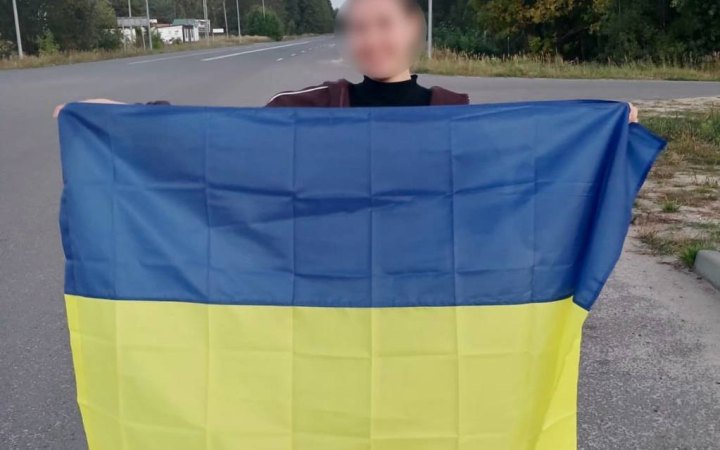
In August and September, 41 Ukrainians returned from temporarily occupied territories via Volyn. Among them were four children and five teenagers.
This was reported by the Ukrainian Parliament Commissioner for Human Rights, Dmytro Lubinets.
The return of Ukrainians was made possible with the support of the Ombudsman’s Office and partner organisations. People crossed the border through the “Mokrany – Domanove” checkpoint.
According to Lubinets, those who returned included a family who were able to leave after the father was released from captivity. Their eldest son has remained in captivity since 17 April 2022. The woman and her younger son said they were under the control of the occupation medical and law-enforcement services, and were also forcibly detained and subjected to forced treatment.
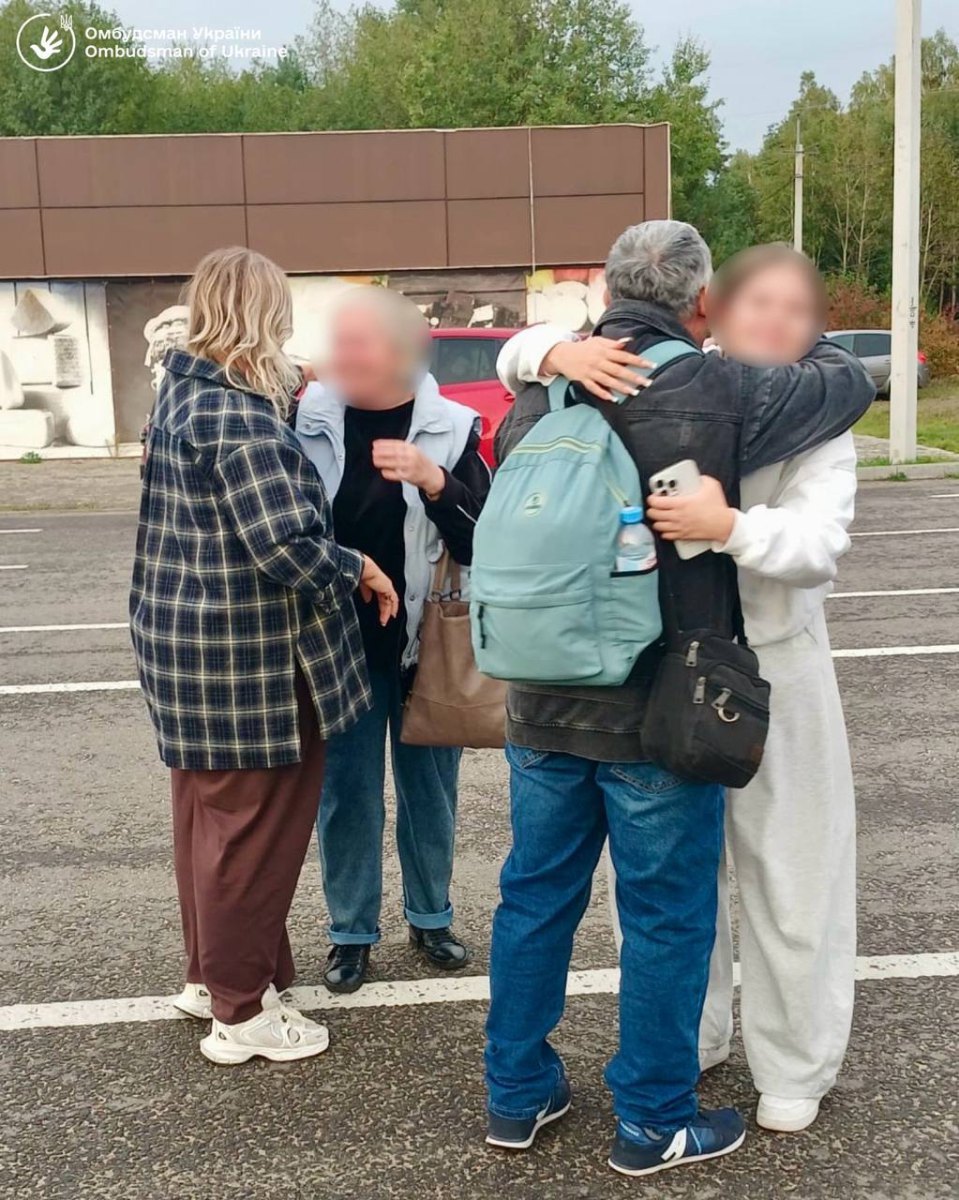
Among those who returned was also a young medic who was taken away on the eve of an effective mobilisation into Russia’s armed formations.
Another man who returned to Ukraine was detained several times and held in basements in the temporarily occupied territory. The occupiers confiscated his Ukrainian passport.
After returning, Ukrainians are being helped to restore their documents, receive financial support, temporary accommodation, psychological and social support, and tickets and onward travel are also arranged.
Assistance is provided jointly with the International Charitable Foundation “Caritas Ukraine” as part of the project “Emergency Humanitarian Support for Forcibly Displaced Ukrainians and Those Affected by Military Aggression”.
Overall, in August and September, 1,140 people received assistance under this project, including citizens who were evacuated jointly.
At the same time, some Ukrainians still remain in the occupied territories and are waiting for an opportunity to leave. Particularly difficult, according to the Ombudsman, is the situation in Oleshky and surrounding settlements in Kherson Region. Elderly people, people with disabilities, the sick, and families remain there with limited access to food, water, medicines, medical care and communications.
The Ombudsman’s Office says it continues to process requests from people who want to leave the occupation and is seeking opportunities for their evacuation with the involvement of state and international partners.