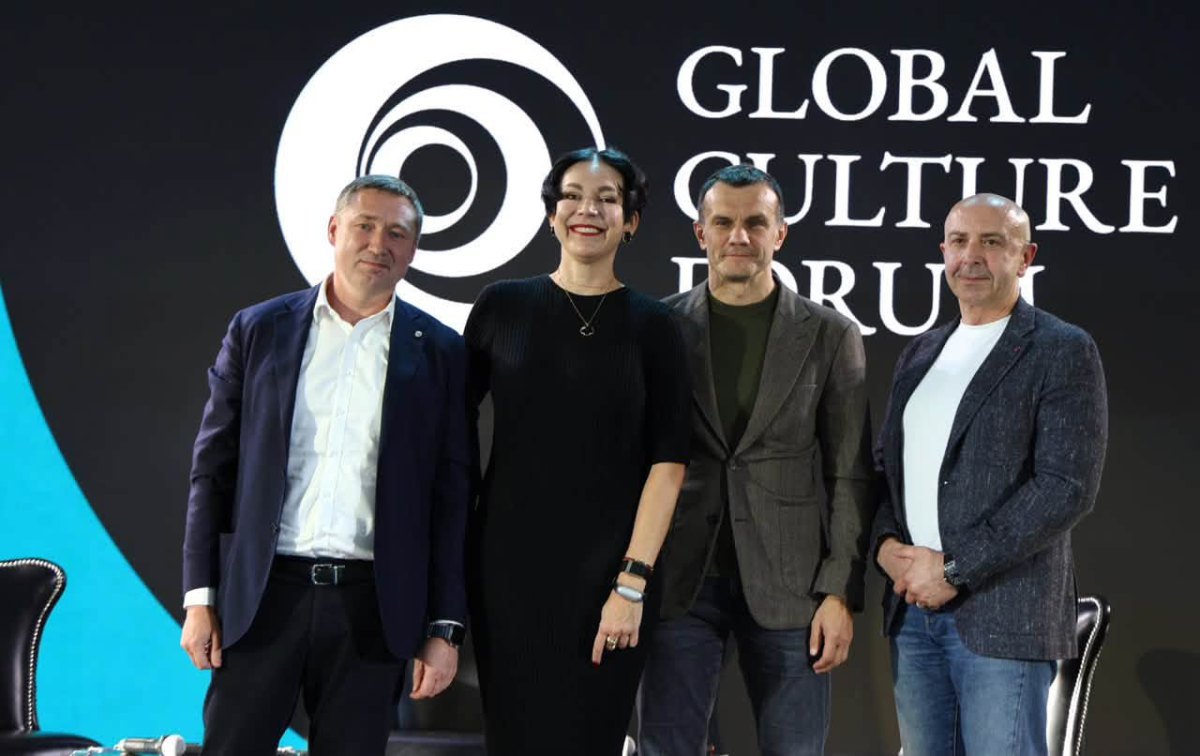
On Regional Promotion of Ukrainian Culture Abroad and Engaging International Partners in Cultural Cooperation
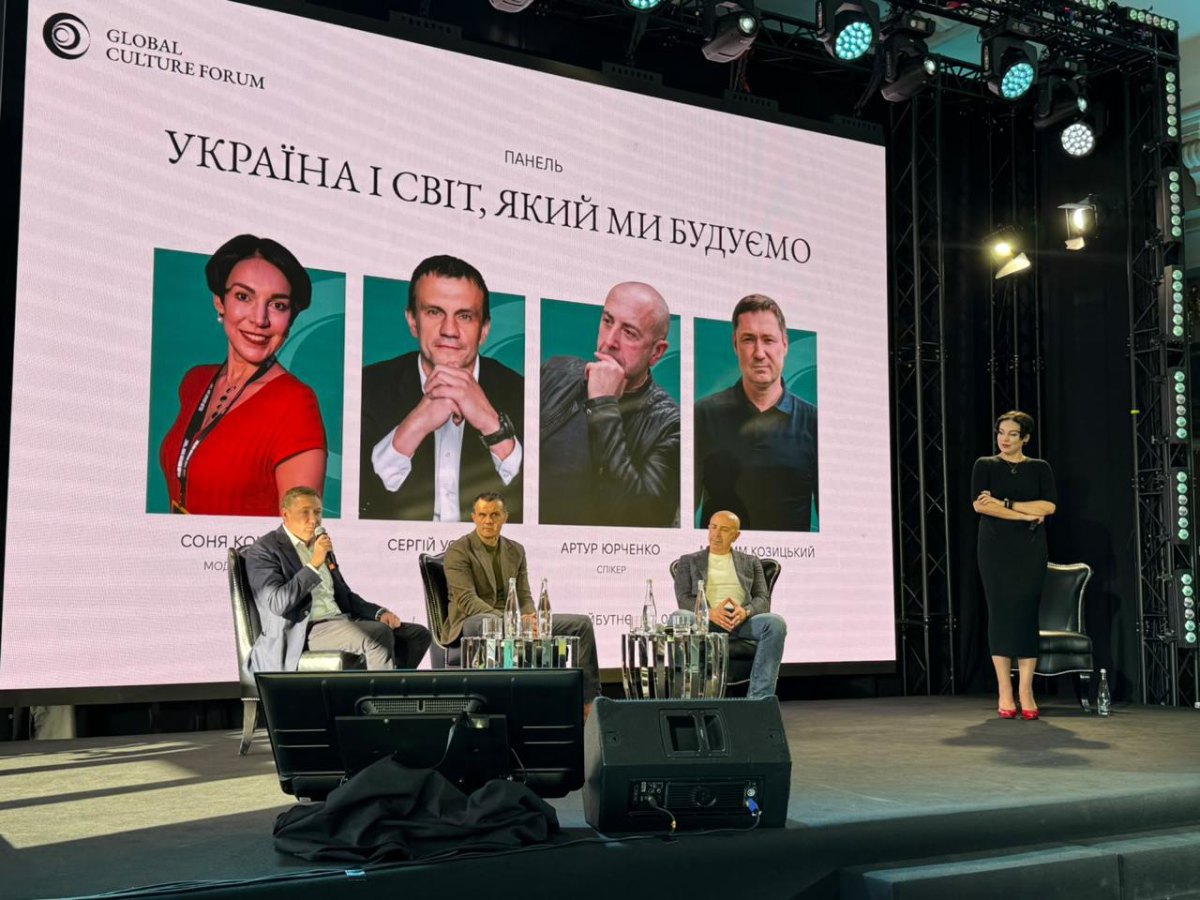
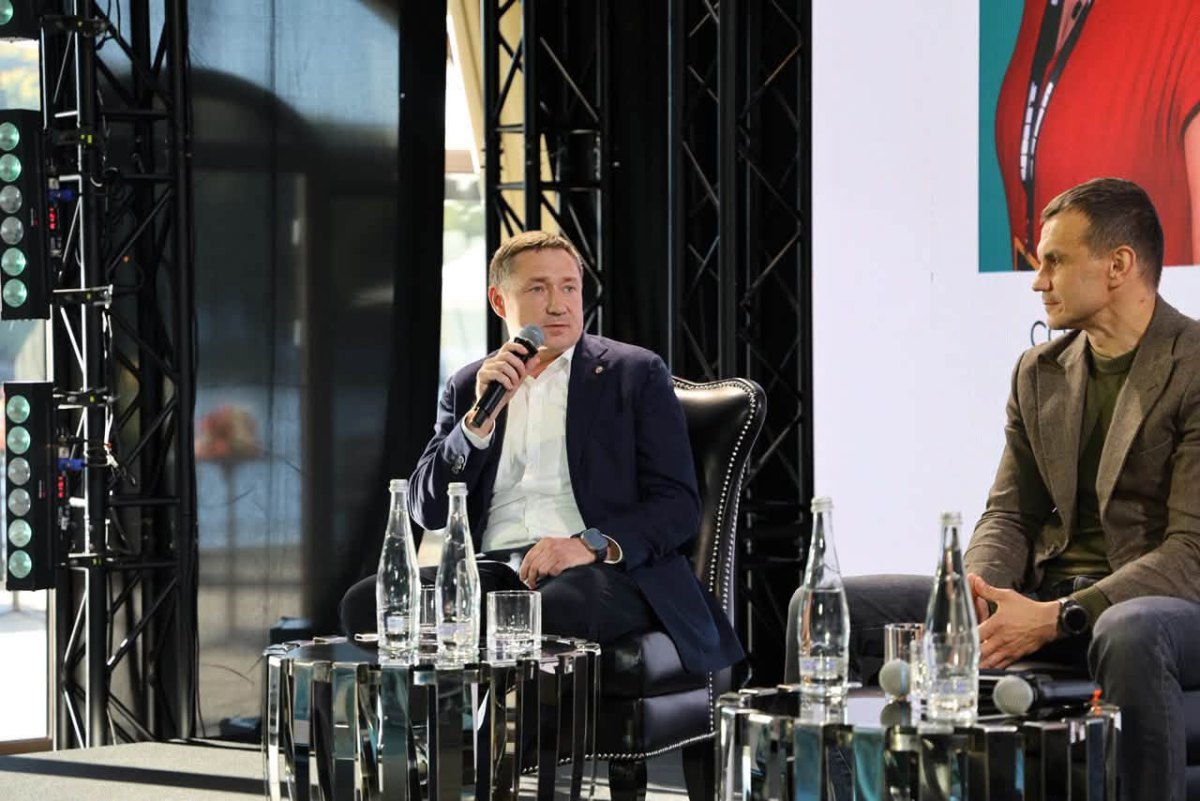
Maksym Kozytskyy, Head of the Lviv Regional Military Administration:
“The world today is completely open. The question of promotion is how well we know how to present ourselves. When we want to present Ukraine, we need to show it not only from the times of Trypillia through to the 20th century. The task is to show contemporary Ukraine as well: contemporary art rooted in tradition. But the world is interested in novelty. And how open we are to the world determines how interesting we are to it. That is why it is important to think in a modern way.
As far as the Lviv Region is concerned, we had an excellently delivered project with Mr Odrekhivskyy, ‘Ivan Franko in Croatia’ (this refers to the sculptural composition “The Poet and the Bird”, created by Ukrainian sculptors Vasyl and Volodymyr Odrekhivskyy and unveiled in honour of Ivan Franko in the town of Lovran in 2022. – Ed.). Now we are talking about a monument to Kotsyubynskyy on Capri. We are talking about the fact that, to be present on the contemporary cultural map of the world, you need to have your own pavilion in Venice — and the Lviv Region is ready to get involved. We are discussing with the Minister of Culture that, if we manage to do this, the Lviv region is ready to contribute to the design work and find the funding for it.
I do not see anyone blocking our paths. First and foremost, you need courage. The courage to be yourself.”
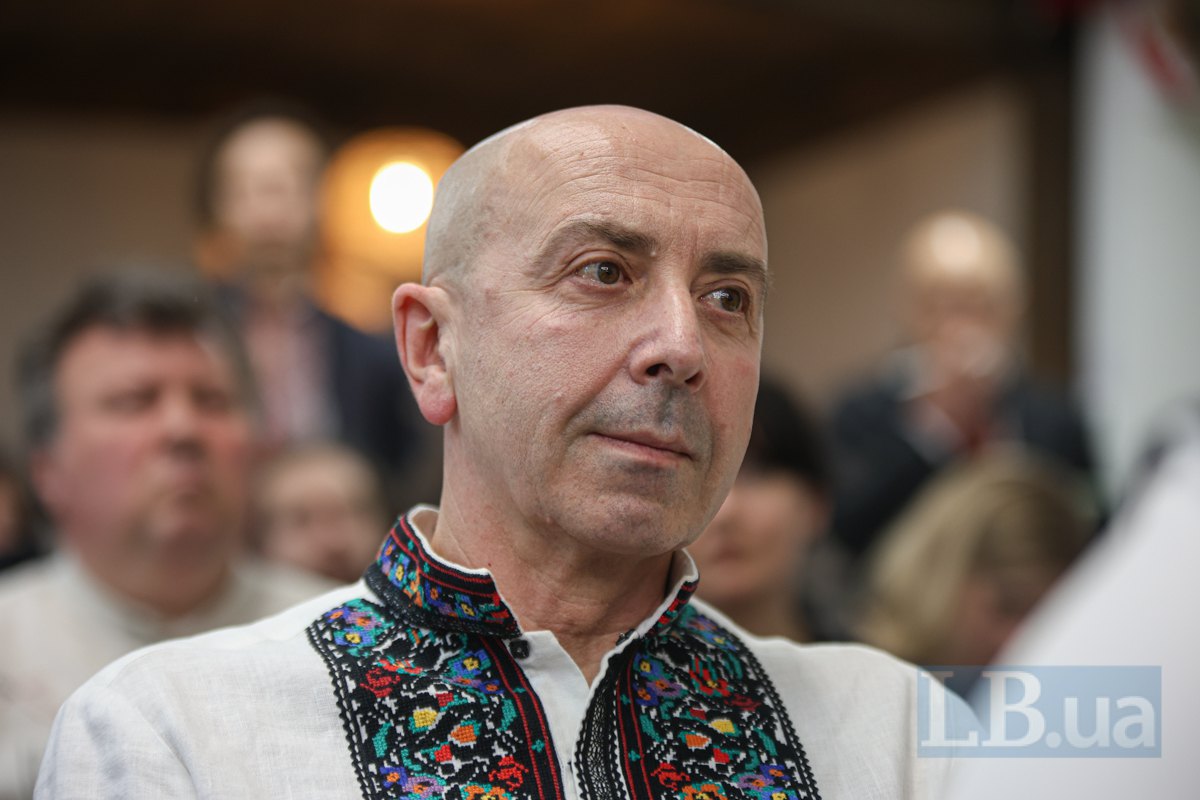
Artur Yurchenko, Member of the Supervisory Board of the Marazli Odesa National Fine Arts Museum Club:
“We work with foreign foundations and foreign institutions that actively support the museum.
It all started with those strikes in 2022, when all the windows were blown out (this refers to damage to the museum as a result of a Russian missile attack on 23 July 2022. – Ed.). And that ill-fated strike on 5 November 2023 — when a Russian missile destroyed almost half of the museum’s halls. The façade was destroyed, the roof was damaged. A great deal of damage was done.
Then French organisations and quite a few other European ones got involved, helping not only with money. They ran projects, channelled funds, and took museum specialists for training. There was quite a lot of that activity.
But it is not only about money; it is also about development, research and digitising collections. The museum gained a great deal of experience by working with those organisations. I can say there were no obstacles.”
On a Cultural Project as a Business Venture
Serhiy Ustenko, Head of the Carpathian Spring company, partner of the CultHub project:
“I believe it is necessary to support projects that can be self-sustaining. That is, a cultural project must, from the very beginning, see how it will sustain itself. Of course, at the initial stage — three months, six, nine months, up to a year — it may need seed investment, like any project.
But the founders, the people who inspire it, must be able to see whether it will be popular, what audience it is aimed at — first and foremost, we are talking about projects abroad — how it will sustain itself, how it will pay for itself. Because, in my view, if the people who come with this project believe it will be supported all the time, it is a stillborn project.”
On the Role of the State in Cultural Initiatives
Serhiy Ustenko:
“Even before the war, I did not place much hope in the state. It is simpler that way, because there is less disappointment. And now, given the budget situation, it does not look like things will be significantly better next year. For me, that is more fantasy.
From my own experience, I can see that we need to look for people capable of creating projects that are in demand abroad.
Often our problem is that we produce some cultural heritage object that is interesting for domestic consumption, but not interesting at all for external audiences. We need to understand what is interesting to external audiences — in each specific country. To do that, we need to study those countries and their cultures. To understand more deeply and see certain interweavings with Ukraine in the past, in order to build those parallels. What might there be demand for? It seems to me we are massively underperforming in this.
But that does not mean the state cannot take an active part. What can the state do? First of all, invest time and money in studying the needs of our main partners: what products Ukraine can offer them.
Second, given the lack of funds, human resources and managers, the state can focus rather than trying to do everything.
Third, to build collaborations with partners. I am sure we have a great deal of room for cooperation here. Country by country. But to build these collaborations with an understanding of those countries’ needs and the parallels with Ukraine.
And fourth, to identify projects that have begun to grow on their own. In every country, many Ukrainians are now living abroad. I know many examples of cultural projects that started with no money at all. And often they need not so much money as the state’s attention at the local level.”
Maksym Kozytskyy:
“When we talk about whether the state helps, or does not help enough, I can tell you about the regional budget.
As for the 2026 regional budget, around UAH 900 million is allocated to the cultural sector. Just imagine — that is a lot. But the network is very large. So that money gets spread thin — and it is often inefficient.
Because when it comes to heads of institutions, unfortunately not all of them understand what it means to run a modern institution. Often they lack management education, because they are used to working in a different system. We need to focus on education so that directors who hold these posts shift their mindset a little.
The same ‘Thousand Springs’, a project of the President of Ukraine, really appeals to me. Because it is an opportunity for heads of institutions to learn project-based thinking: to write projects, attract funding, think about how much money can be earned from a project. Yes, it is a first step. But for them it is an important educational element. How well they manage it — we shall see.
So money is going into the sector. But the effectiveness of how it is used is, in my view, still unfortunately low.”
Artur Yurchenko:
“I think we need to be on good terms with the state. Because it has those capacities — financial, intellectual and human — that we, as individual people, do not have. For development, we need the state’s support. As for the Odesa National Fine Arts Museum, we feel that support. Yes, not to the full extent, but it is there.
The ‘Marazli’ Club accounts for up to 20% of the Odesa Fine Arts Museum’s financial fund. The rest is provided by the state or foreign partners. So I am in favour of working with the state.”