





EU foreign ministers will hold detailed discussions in January on new measures against Georgia to halt further democratic backsliding in the country.
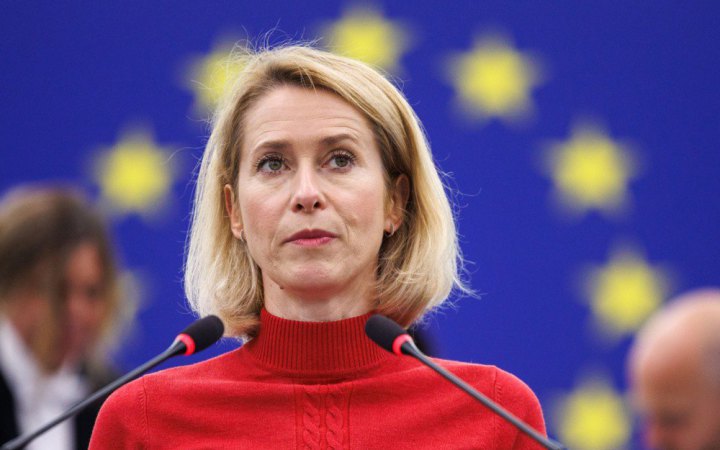
This was stated by EU foreign policy chief Kaja Kallas, Euronews reports.
The statement comes amid the publication of the European Commission’s annual report on candidate countries for accession. The document notes a deterioration in democratic standards in Georgia, including new restrictions on civil society and violations of fundamental rights.
Kallas stressed that Georgia’s current government is in direct conflict with the European Union because of its retreat from democracy.
Responding to a question about possible new sanctions against the Georgian government, the EU’s top diplomat said it is still too early to talk about specific decisions. She said the main task is to send a clear signal of support to the Georgian people and their European integration aspirations, while also demonstrating to the government disagreement with its policies. All possible options for action are currently being considered.
- In 2024, the EU’s diplomatic service had already proposed imposing sanctions on officials involved in the violent dispersal of peaceful protests in Georgia, but the decision was blocked at the time by Hungary and Slovakia. Hungary later changed its government and its position on sanctions.
- At the same time, Brussels suspended visa-free travel for holders of Georgian diplomatic passports. This restriction came into force in March this year for a period of one year, with the possibility of further extension.
- In November 2024, Georgia’s authorities announced they would refuse to hold EU accession talks until the end of 2028 following a critical European Commission report.