






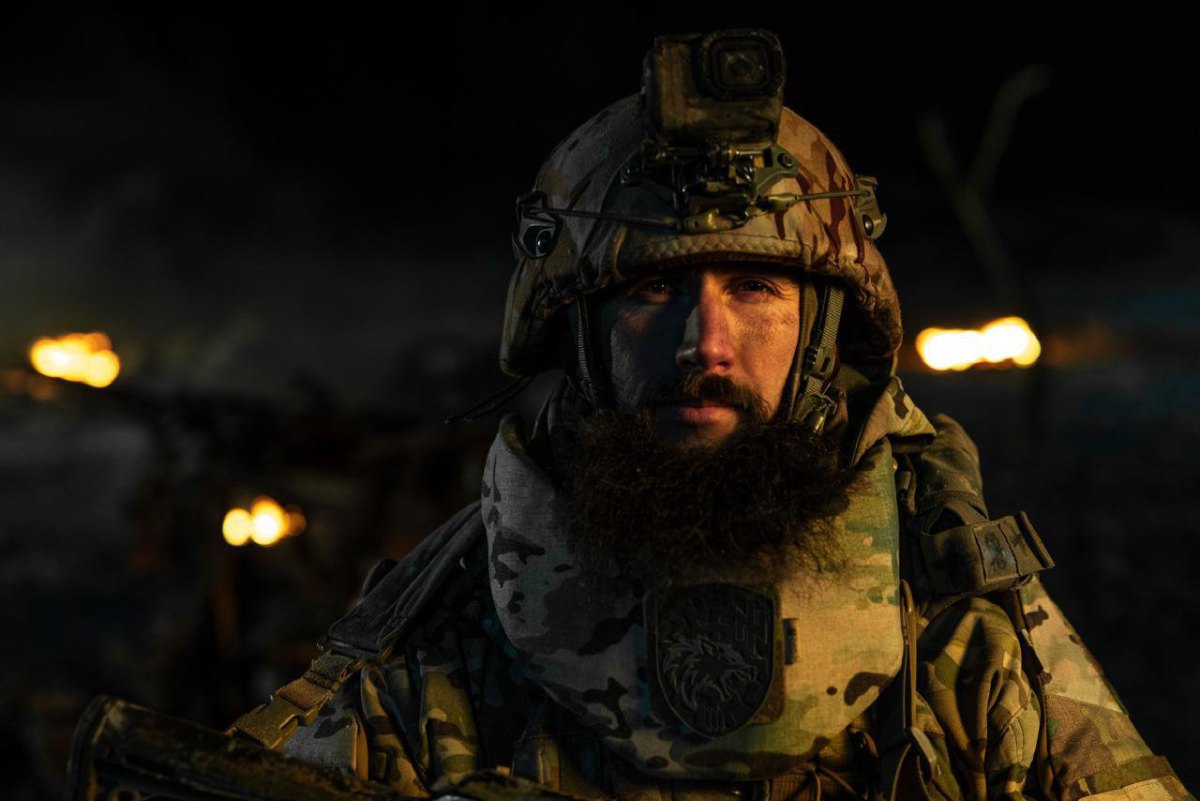
Druh Percent, deputy commander of the 125th Brigade of the Third Army Corps
How common is a situation like the one that happened in the 14th brigade, when troops on remote positions remain without supplies for a long time?
It is quite common. All units are currently operating under the same conditions — Russia is actively using drones, disrupting logistics and cutting supply routes.
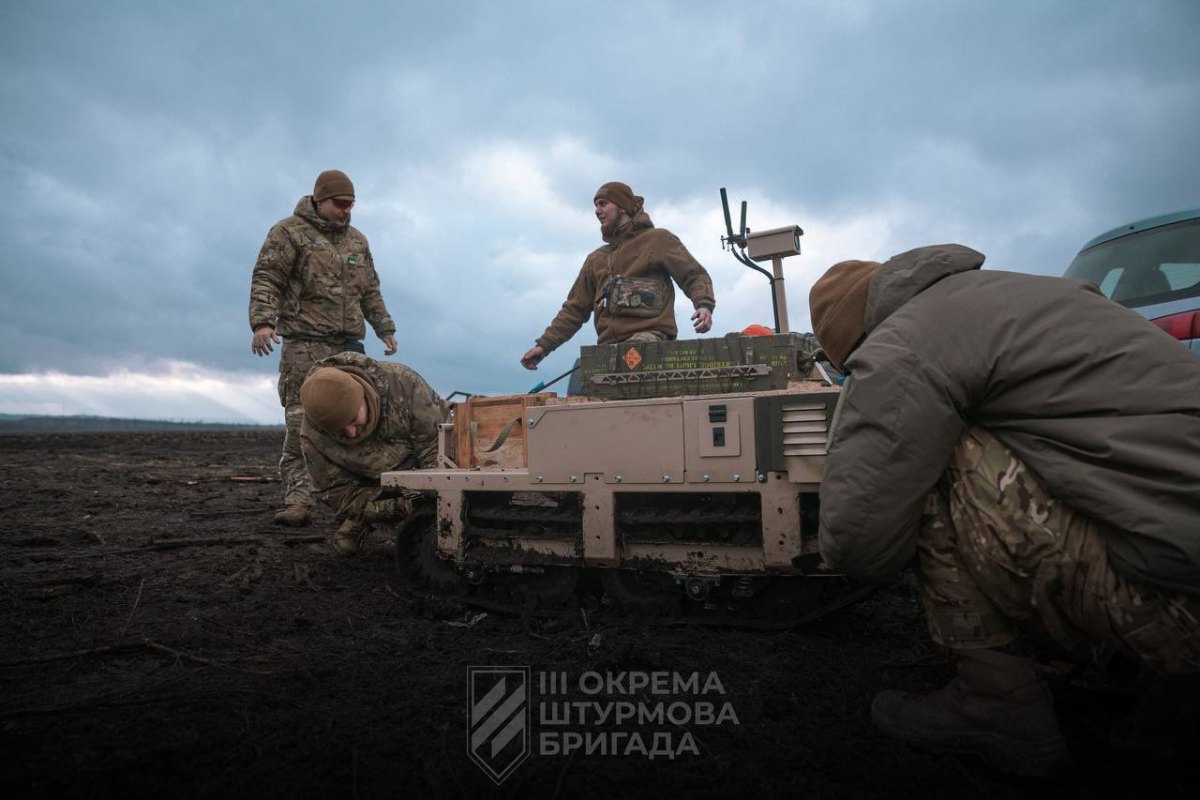
The key is to adapt to the adversary, using all possible methods to restore logistics and deliver food and ammunition, choosing “windows of opportunity” and taking into account weather conditions, the nature of enemy activity, intelligence data, and the technical and tactical characteristics of their equipment.
It is also necessary to plan for scenarios where logistics may be cut off or other unforeseen circumstances occur — such as weather conditions, electronic warfare suppression, or the inability to use drones and unmanned ground systems. In such cases, positions must have a certain emergency reserve so that soldiers can operate autonomously until supply lines are restored.
Are these supply problems caused only by shelling, or also by coordination issues — when units simply fail to report the seriousness of the situation in time and instead send up reports that everything is fine?
Yes, there is such a factor where misinformation about the real situation happens. And this does not help solve the problem — it only makes it worse. The key thing is to be honest with senior command and, accordingly, honest with the personnel directly on the frontline.
Because in many cases it depends on the commander: how they ensured the soldiers were supplied, how they planned logistics before deploying them to positions.
If a commander understands that they cannot properly supply a certain number of personnel, then it is not appropriate to send that number of troops there in the first place. Available resources have to be used realistically.
Using the example of the 125th Brigade of the Third Army Corps — before it became part of the Third Army Corps, soldiers were sent out in winter wearing summer uniforms and summer boots, without enough rations and ammunition. When the corps command appointed a new brigade commander, Druh Foku, the issues were resolved within just a few days. It simply came down to someone who knew how to do it and had the will to make it happen.
There is an important factor here: when commanders themselves come from combat units, from the infantry, they understand what it means to be on position without proper supplies. They know how long a soldier can hold out without food or water because they have experienced it themselves. And they understand what condition that serviceman will be in, how combat-ready they will remain, how high their morale will be, or whether they will even be able to continue combat operations.
Was the problem that the previous leadership didn’t know more effective approaches, or was it simply indifference?
In most cases, it is negligence and a reluctance to carry out the tasks assigned to them. It happens when a person is more concerned about their position, insignia, and rank than about the condition of the personnel.
When exactly did this logistical strain begin in our forces? Do Russia’s forces have the same supply issues?
In 2023, with the development of UAVs on both our side and the adversary’s, logistics problems gradually began to emerge. The advantage has shifted back and forth — at times Russia, at times we have had the upper hand. The strike UAV component has been developing rapidly, including systems built on both civilian and military drone platforms.
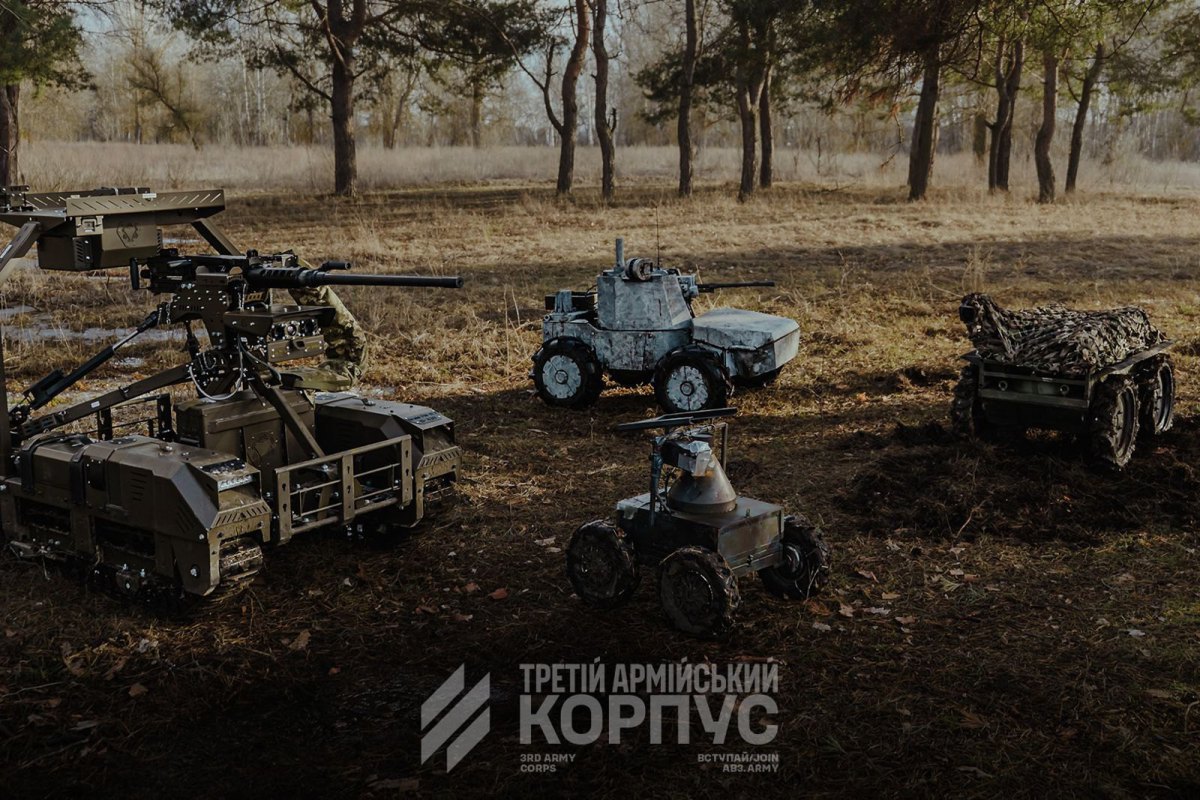
Since early 2025 and up to now, we have gradually gained superiority in the air and on the ground in the UAV domain. We are actively developing unmanned ground systems, and we currently have an advantage on the battlefield in evacuation platforms, logistics systems, engineering platforms, and strike UGVs. We are continuously expanding our strike capabilities, including FPV drones, heavy bombers, fixed-wing drones, and interceptor drones.
Despite all difficulties, Russia is also developing its UAV capabilities, putting them on an industrial scale; they compensate for a lack of quality with sheer quantity of drones produced.
With the development of the drone warfare component, the distance from the line of contact to rear positions where enemy manpower and equipment can be targeted is increasing every year.
How are wounded soldiers evacuated today, and how long do they sometimes have to wait? We know of cases where soldiers waited for many days — how common is this situation?
It depends on the operational situation in a given sector. In some areas, evacuation is extremely difficult due to complex terrain, open ground, and the possibility of deploying unmanned ground systems. As a result, the situation varies significantly along different parts of the frontline.
There are cases where Russia actively targets all possible evacuation means, uses electronic warfare systems, makes it impossible to deliver medical supplies, and deploys strike drones to destroy unmanned ground systems.
That’s why this must be approached in a comprehensive way. In some cases, infantry themselves help their wounded comrades, while in others there is an opportunity to use unmanned ground systems to the maximum extent to evacuate the wounded. Our approach is that no vehicle or unmanned system is worth as much as a human life. If several machines must be lost to evacuate a wounded soldier, then we will lose the machines, regardless of their cost — because a serviceman’s life is priceless.
We had cases where a soldier was wounded and could not be evacuated for a couple of days because there was an open stretch of terrain about a hundred meters long that was heavily under fire. Russia was also actively operating drones and destroying our unmanned ground systems. So we developed a full plan. Since the enemy was focused on destroying our UGVs, we carried out a diversion, sacrificing one machine to draw attention. Another vehicle then moved in as close as possible. Infantry also performed at a high level — they were shooting down FPV drones attempting to strike our UGV. The wounded soldier was loaded, covered with a ballistic blanket, and then the skill of the operator allowed the UGV to cross several mined checkpoints, perform complex maneuvers, and avoid fire. The soldier was evacuated three kilometers to a safe zone. He survived — and we met him with applause, because he made it.
Situations can be extremely difficult, but proper planning and consideration of all factors makes it possible to minimize losses and evacuate the wounded.
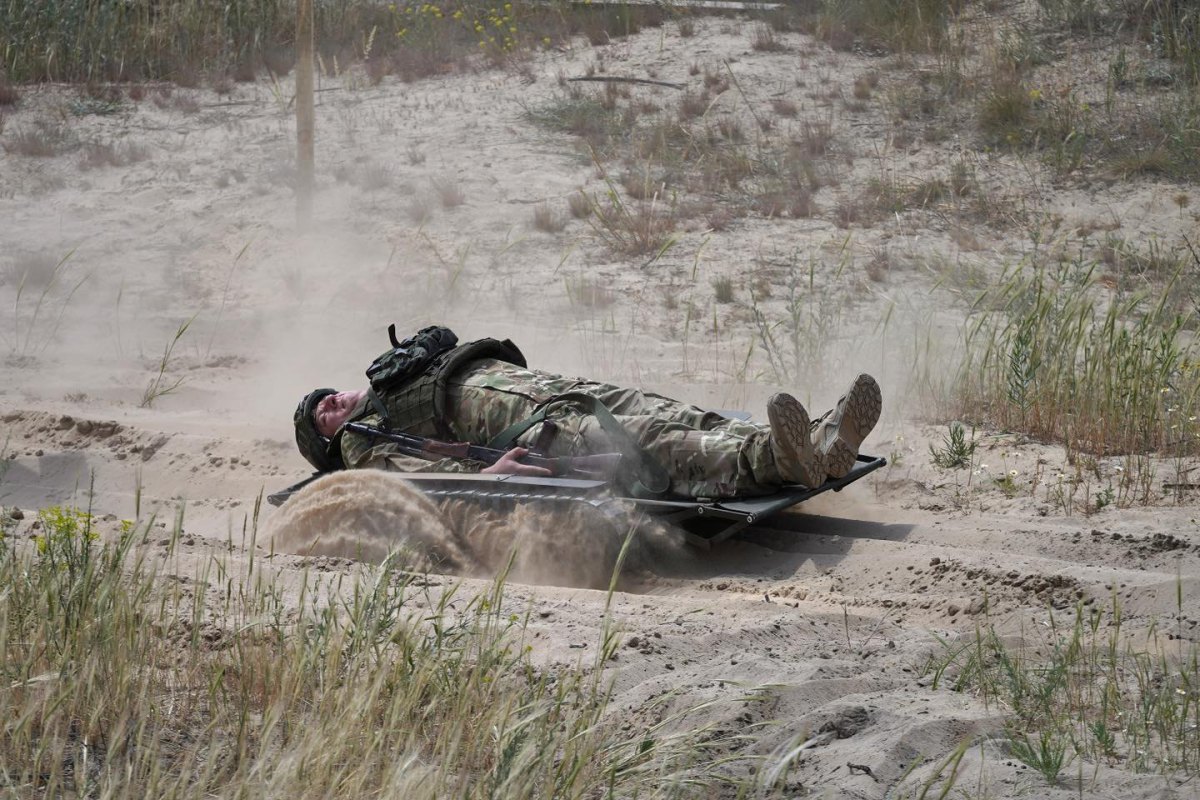
To reduce the burden on infantry and shorten time spent in positions, Andriy Biletskyy, commander of the Third Army Corps, set a task to replace one third of frontline infantry with unmanned ground systems (UGVs) by the end of the year. This is a feasible goal for us, provided there is state support and timely provision of everything necessary to implement it.
Read alsoUGVs under the spotlight: What these robots can do — and why their delivery in 2026 is now in doubt
How, in your view, should unmanned ground systems (UGVs) be developed, and what should be improved technologically?
Of course, we will never be able to fully replace infantry. Wherever a soldier is positioned, that is where the frontline is drawn. But this direction must be expanded — it is highly promising. UGVs are developing rapidly: something new appears every month, not just every year.
All of this needs to be developed further, mistakes and shortcomings must be taken into account, and there must be constant communication with manufacturers so these systems can be continuously improved to become more effective and reliable. Scaling production will also likely reduce costs, because what is produced on an assembly line is cheaper than one-off prototypes.
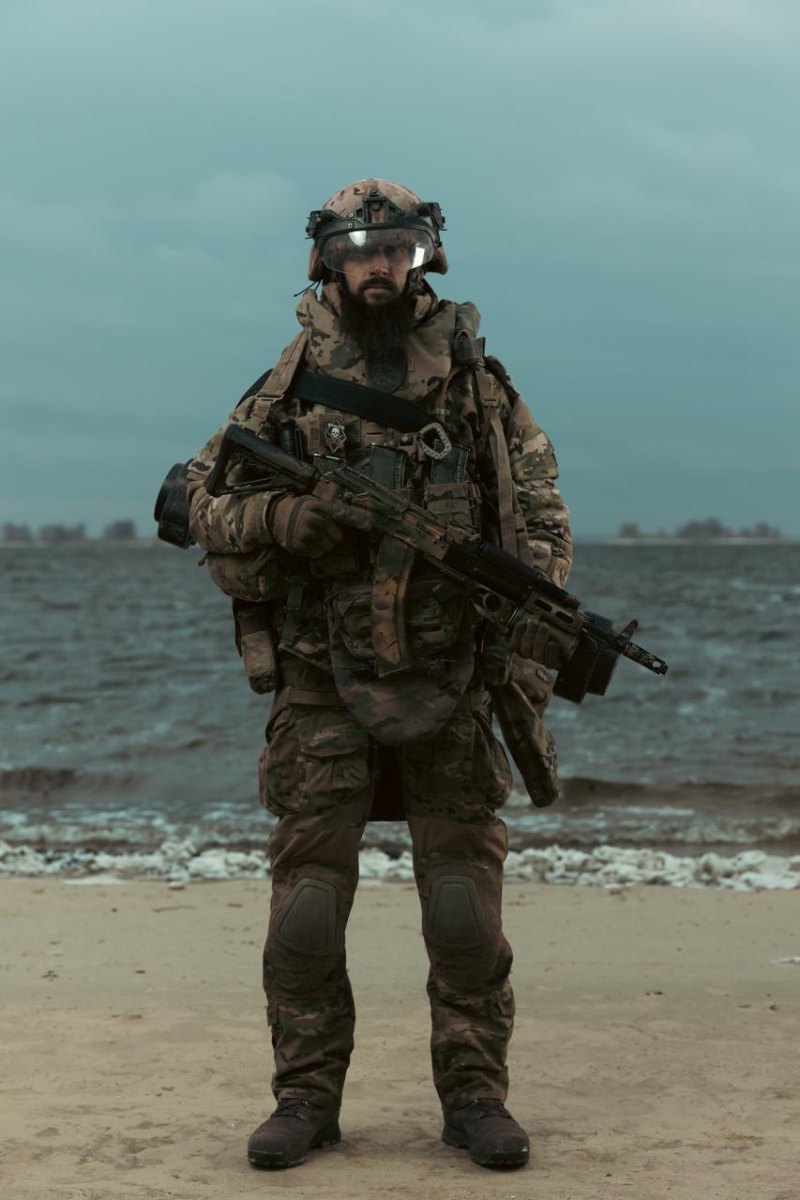
What limitations do you see in the use of unmanned ground systems (UGVs)?
First of all, a UGV is still a ground robotic system, so weather conditions play a major role. Not every model can overcome certain obstacles — such as swampy terrain or steep inclines and descents.
Load weight is also a key factor. The heavier the payload, the larger the required battery capacity, and the shorter the distance the system can travel with that load. That’s why there is a clear division: systems with longer range and shorter range, more agile ones and larger ones capable of carrying heavier payloads.
We also have to account for the battlefield itself, where minefields exist. UGVs can be damaged or destroyed by mines, as well as by non-explosive engineering obstacles that can slow down, restrict, or completely stop their movement.
Finally, time of day matters — night or day. Depending on the mission, different conditions are preferred. If an operation is conducted at night, working time is affected by reduced visibility; during the day, other factors may come into play depending on exposure and operational risk.
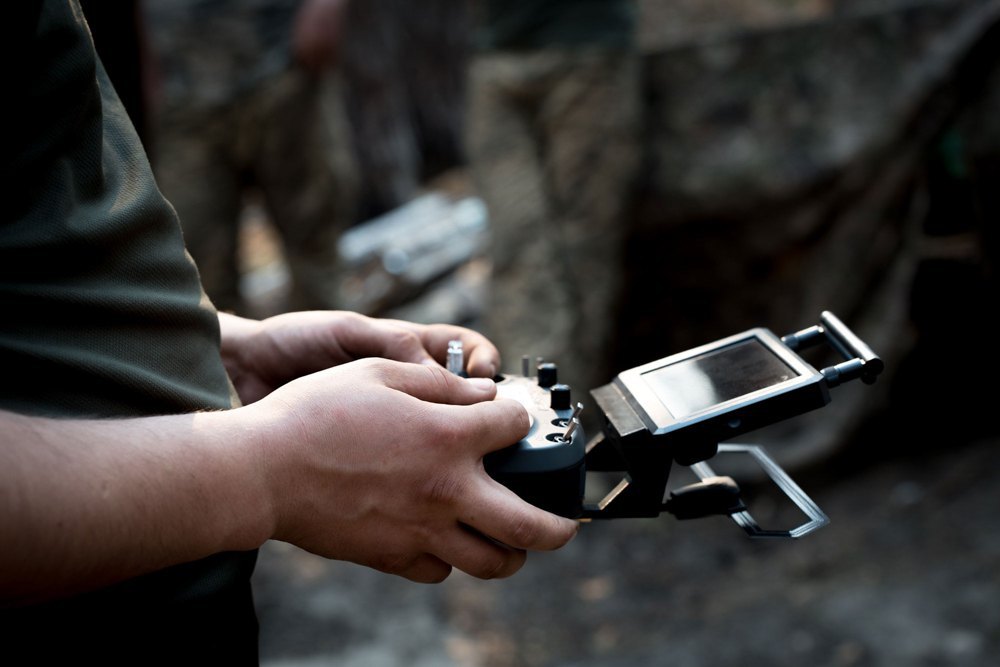
How does prolonged isolation on the frontline affect a soldier psychologically, and what would you advise others in such situations — how do you survive it?
What can you advise infantry who find themselves cut off? First of all, you have to be prepared for it. From my own experience: I always took into account that if communication or resupply is lost, there must be a certain stock of everything needed for autonomous operation on position — water, food, ammunition, and medical supplies. I would strongly advise treating this very responsibly. If there is an opportunity at a certain moment to increase supplies on positions, it should be done while there is time and a favourable operational situation. A reserve of at least 5–7 days is necessary.
For us, infantry is the most valuable asset. Therefore, all other elements — services, officers, commanders — are essentially support personnel for our infantry. This is one of the core principles introduced by the corps command. Accordingly, we place strong emphasis on thorough analysis of operations to understand what problems occurred during deployment, what was planned, what was executed or not executed, and how to further simplify and improve the unit’s functioning on position.
And beyond stocking up on supplies — how do you mentally endure it if you don’t know when help will arrive?
First of all, you need to prepare yourself for the possibility of an emergency situation. For example, if you know you are going to a position for two weeks, then after ten days you shouldn’t start thinking “I only have four days left until rotation.” You must always be ready for the fact that things may not go as planned.
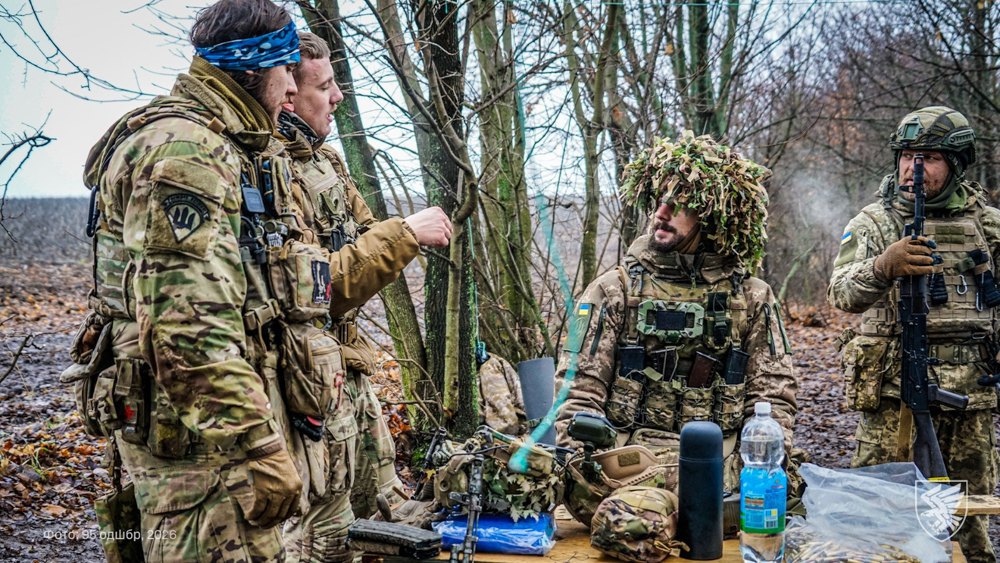
If some event has already occurred, there is always communication in place to submit a request to higher command and receive information about why it happened and what can be expected. This then allows planning for what is needed to ensure the most effective conditions for oneself and one’s comrades on position.
It is about mutual support. The more cohesive the team is — where everyone helps each other — the easier it becomes to endure the situation. In any circumstance, when you are with friends and comrades, you can get through even hell. And for that support to be possible, you must first clearly report what is happening, why you ended up in a given situation, and provide a detailed operational picture of the area so that higher command understands what assistance can be provided: evacuation, resupply of ammunition, or strikes to slow down the adversary.
And when a commander is expecting troops to return from positions, they should meet them and conduct a debriefing, where all questions are addressed: why things happened this way, why there were delays, and how to deal with such situations in the future.
Most problems come from miscommunication. If people communicate, if there is no gap between commander and personnel, between officers and sergeants — if there is full communication, cooperation, and support — then this large organism, the unit, will function effectively. And even if problems arise, they will be isolated cases.
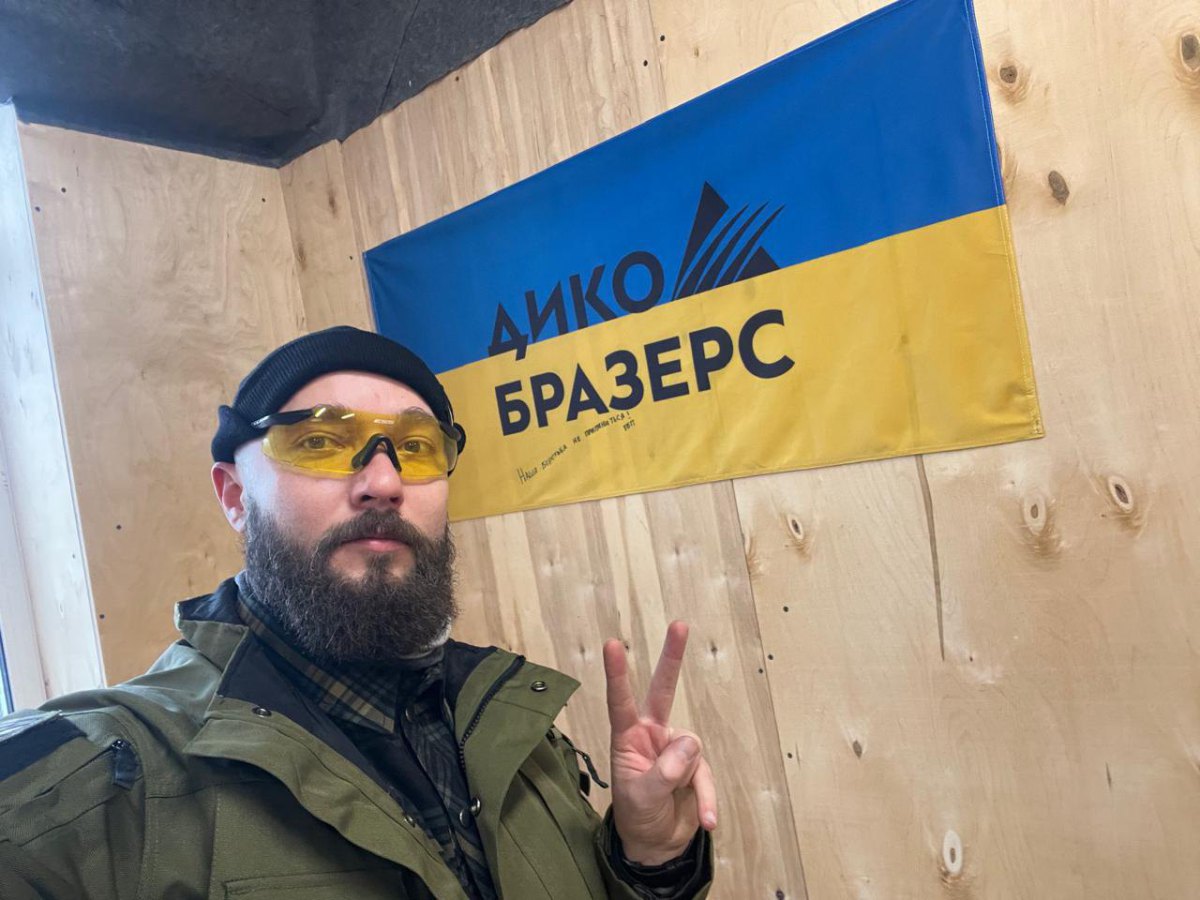
Druh Panda, instructor of unmanned ground systems (UGVs) in the Third Army Corps
How can logistics and evacuation using ground platforms be further developed and improved?
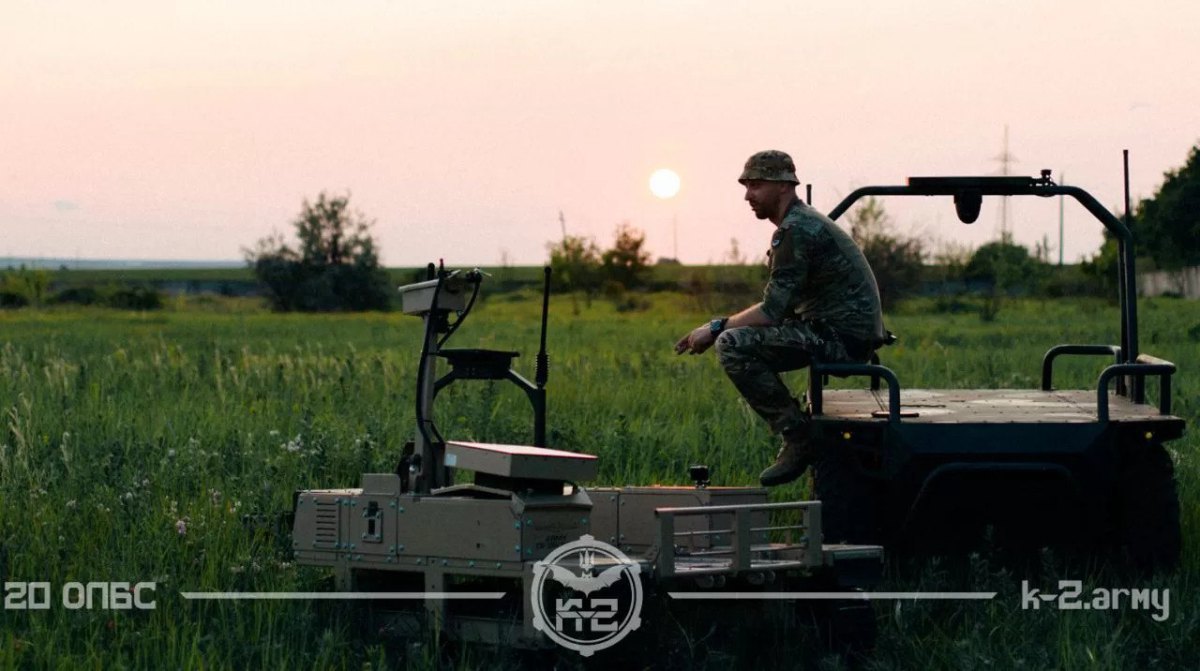
Currently, only part of the Armed Forces effectively uses UGVs in logistics. The vision of our corps command is to replace one third of infantry tasks with UGVs in all possible missions. This is primarily logistics, but also includes fire missions and mining operations. I see the future in making everything that can be done by robots done by robots. We just need to expand the base and train more people to operate these systems.
What limitations do you see in UGV operations, and how should they be addressed?
The biggest challenge is the enemy’s dense use of strike and reconnaissance assets. To increase the chances of successful missions, we need to neutralize their advantages in these areas — for example by reducing their aerial capabilities or conducting diversionary operations.
Among those who come to train with you, who performs best? Are there specific traits or civilian skills that help?
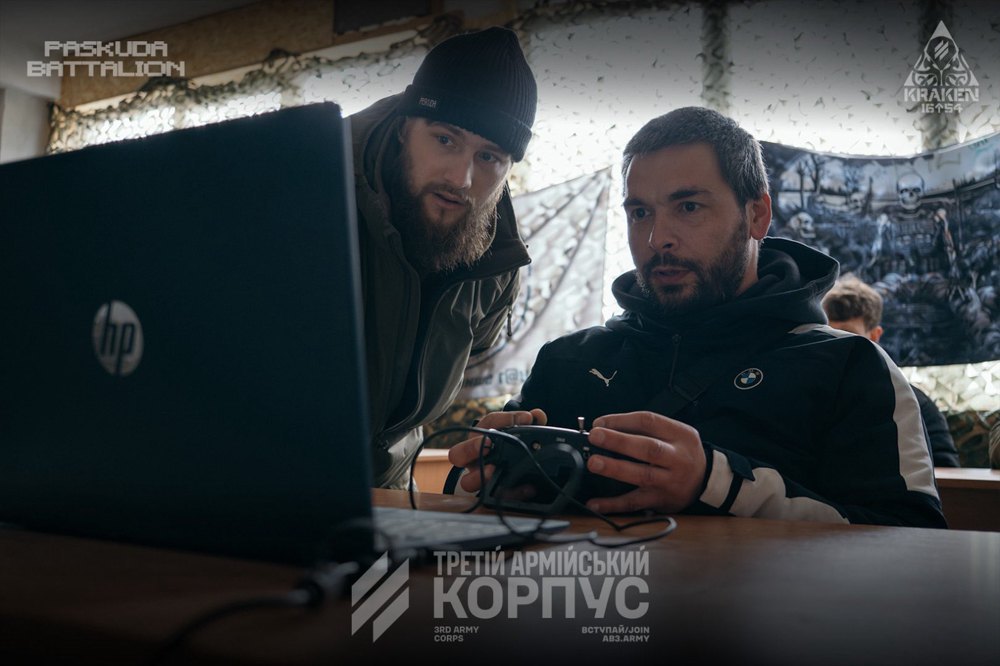
Youth and a proactive mindset help the most. On the battlefield, the first to be lost is the soldier who is passive and constantly distracted. Young crews — 20, 21, 22 years old — often perform very well. Those who invest time in learning and understanding the systems, especially gamers, tend to show the best results when working with UGVs.
What would you like to improve in the training process — maybe in material resources or approaches?
For instructors, I would definitely increase the level of financial support, because the work is very demanding and the pay does not match the workload.
Other than that, nothing is ever “enough.” I would also increase communication with unmanned ground system (UGV) manufacturers and introduce unification of systems so they are standardized, more accessible to use, purchase, and so on.
Do you test samples during training or only in combat conditions at the frontline?
If equipment fails in combat conditions, that is a very bad outcome. That’s why we try to test all systems before they are used in combat operations. The success of the mission directly affects the lives and health of personnel — we cannot afford mistakes.
Anything that does not work in controlled conditions will not work on the battlefield. That is why we focus heavily on preparing systems for real combat environments. We also maintain communication with drone manufacturers — they come to us for feedback, and we try to share as much expertise and experience as possible with all of them.
Do we benefit right now from Russia jamming Starlink? How are they trying to counter it, and how successful are they?
They do have technologies that help them replace Starlink. Not at the same quality, of course. But they have a lot of fiber optics, and they use long-range radio communication systems. Right now, they are laying fiber optic cables to all their control points, and from there they distribute radio, internet, and other communications along their frontline network. They are partially adapting, though it is difficult to assess how effective this is.
Do you see any foreign “know-how” in this area that is worth adopting, or are others already learning from you instead?
After drones were used in Qatar and the UAE, we had many delegations visiting us — everyone wanted our drones because they saw that these technologies actually work. Right now, we are the leaders in this field, and others are trying to copy us, but in my view they do it at much higher cost and with worse results.
However, this is an existential war for us. We are fighting for real survival — not just of a people, but of a nation. I see only one path: either we perish or we become a united, strong, militarily independent nation.