






Ukraine Season in France
The discussion An Ongoing Journey: How the Season of Culture is Changing Perceptions of Ukraine in France began with a review of the Ukraine Season in France, which ran from December 2025 to March 2026. Maryana Betsa, Deputy Minister of Foreign Affairs of Ukraine, emphasised that the Season did not end with its final events:
“It continues through new partnerships, new associations and — most importantly — new joint projects that are changing perceptions of Ukraine.”
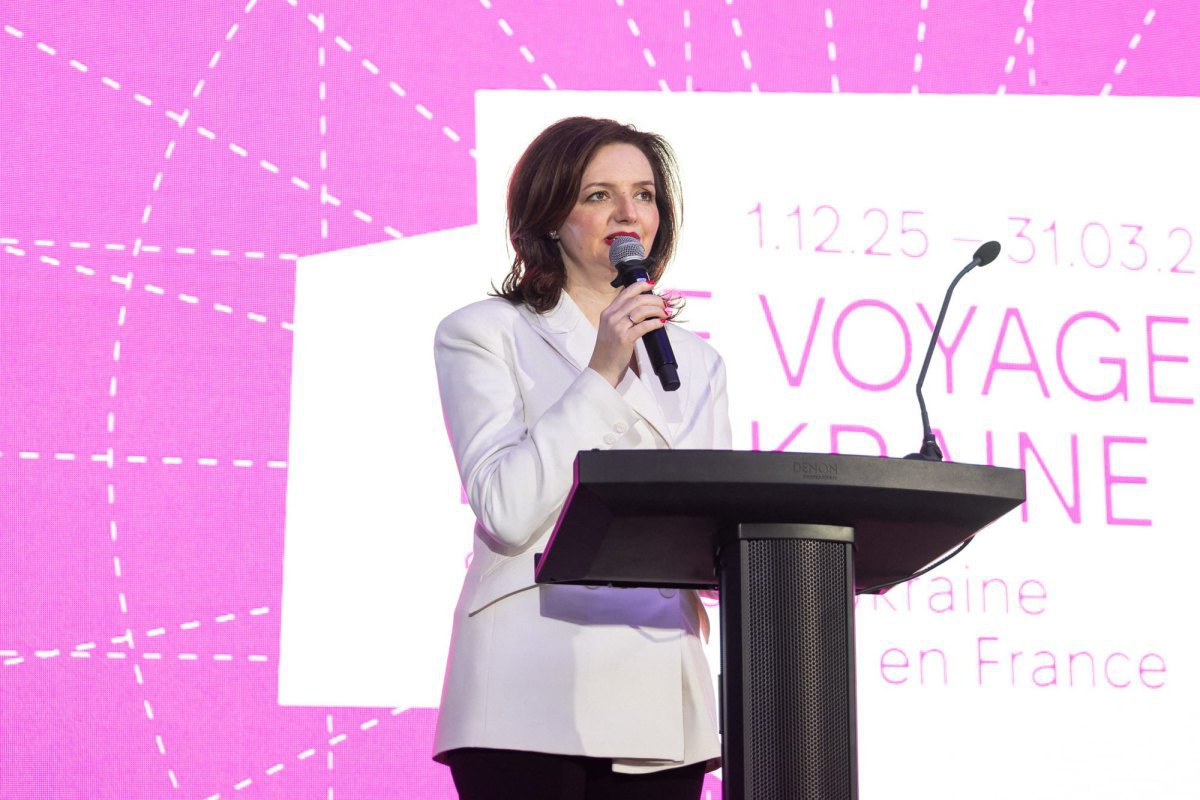
The Season covered almost the entire territory of France: 190 events took place across 43 cities. French audiences were introduced to a modern Ukraine — diverse, European, and committed to defending security and freedom. They also encountered a country with deep cultural traditions that speaks a contemporary language through the music of DakhaBrakha and Dakh Daughters, the books of Sofia Andrukhovych, as well as theatre, cinema, digital technologies and the creative industries.
First Lady Olena Zelenska also took part in the discussion. She reminded the audience that, for decades, parts of Ukraine’s cultural heritage were regarded as Russian, and that correcting this misconception remains an important objective of Ukrainian cultural diplomacy.
“Ukrainian studies are not only and not exclusively about Ukraine, because they provide a broad understanding of common European processes, reveal the shared history of our continent and help us understand what is happening and what has happened, and, I am sure, will help build a safer and fairer future for all of us,” she added.
According to Volodymyr Sheyko, Director of the Ukrainian Institute, the full impact of the Season will become evident in the years ahead. New translations, academic projects, and partnerships between museums, theatres and universities are expected to emerge. The Ukraine Season in France is not a completed project but the beginning of long-term cooperation.
Following the Season, as well as the visit of the French delegation to Book Arsenal, representatives of Ukrainian and French institutions signed a Manifesto on Cooperation. Around 25 institutions from cities in both countries joined the initiative and are already preparing joint programmes and events at least one to two years in advance.
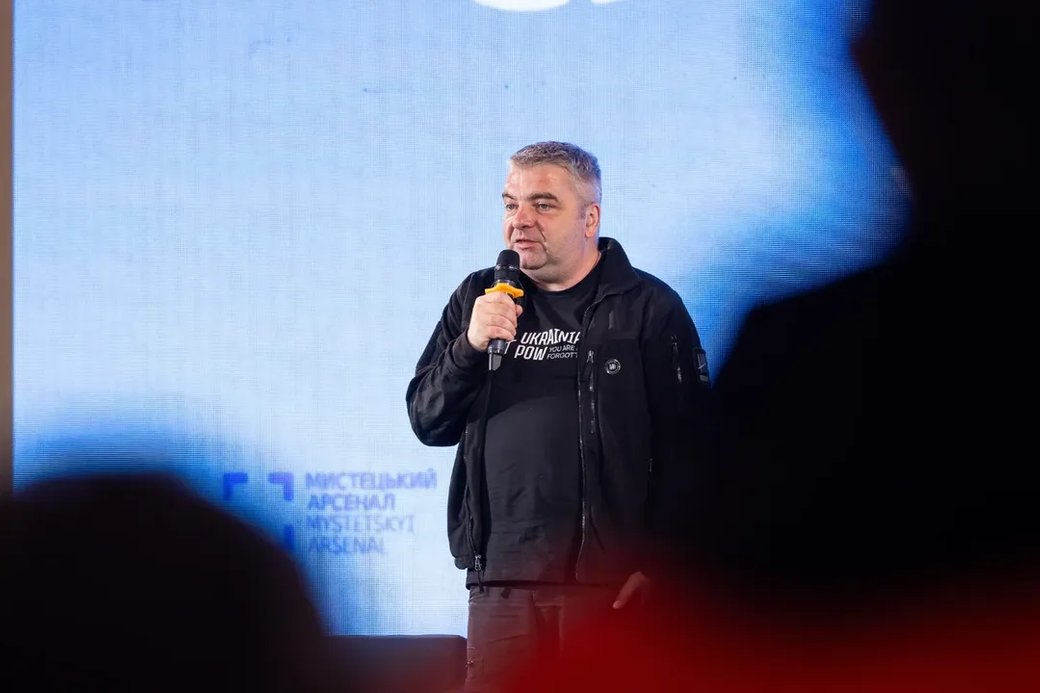
Perceptions of Ukrainian culture and the struggle for shared values
Human rights activist and journalist Maksym Butkevych summed up his participation in the Season as follows:
“For us, the value of freedom is what we are currently defending. We have been fighting a full-scale war for more than five years and resisting aggression directed against us for much longer. The Ukraine Season in France was also about freedom. We observed the reactions of those attending our events and listened to the questions asked before and after them. People approached us and said they understood. Ukraine is fighting for values shared by Ukraine, France and many other countries and peoples, not only in Europe but around the world. There was some apprehension before the Season began that certain issues might prove too specific or difficult for audiences to relate to. However, the overall impression was that we speak the same language — not literally, but the language of shared values.”
Publishing Ukrainian literature
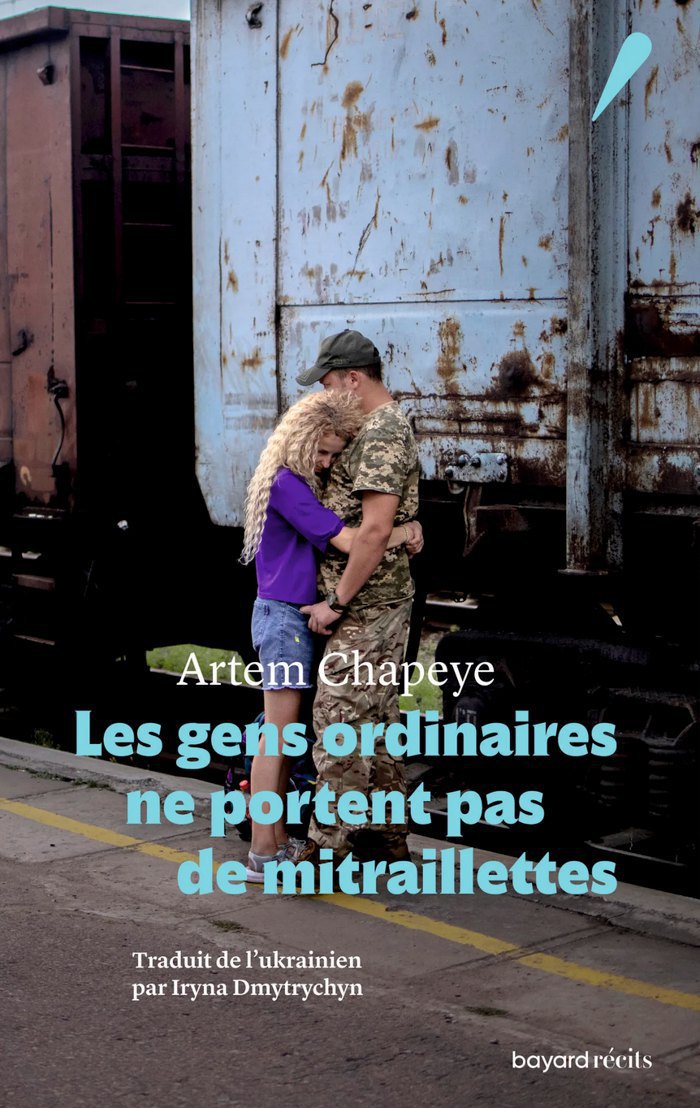
Participants in the discussion noted that writer Artem Chapeye’s book Not Born for War was published in French translation at the initiative of a French publishing house. This demonstrates that international publishers are not only translating the works of Ukrainian authors but are also creating new opportunities for them.
Emma Shercliff, a participant in the discussion What Stands Between Ukrainian Books and the Anglophone Market, which examined the obstacles facing Ukrainian books in English-speaking countries, emphasised that success depends not only on the quality of a text or its translation, but also on the strength of the publishing infrastructure.
“In the English-speaking market, the promotion of literature involves publishers, literary agents, editors, critics and reviewers. Ukrainian authors do not always understand this, and it can hinder the promotion of their work. At the same time, there is a perception that the market is already saturated with Ukrainian literature, which discourages some writers. This argument is flawed — interest in Ukraine remains high.”
She advised authors to read contracts carefully, take advantage of opportunities offered by the Ukrainian Book Institute and British PEN, learn from colleagues who have already entered international markets, and cultivate a strong professional network.
“It is easier to enter the British market than the relatively closed American one,” writer Andriy Kurkov said. “At the same time, entering the market is only the first step, and not the most important one. The key is to establish a lasting presence there.”
The role of editors in English-language publishing was discussed separately. Unlike in Ukraine, editors are often regarded as full creative partners in the publishing process. They understand the expectations of readers and help shape narrative development. As a result, the publication of a Ukrainian book should not end with translation alone — professional editorial work is just as essential to its success.
Advice was also offered on how to choose a publisher. The main red flags are:
- An English-language publisher that is not based in the UK, Australia or the United States;
- A lack of transparent distribution channels;
- A requirement to sell global rights.
Translation and the German-speaking audience
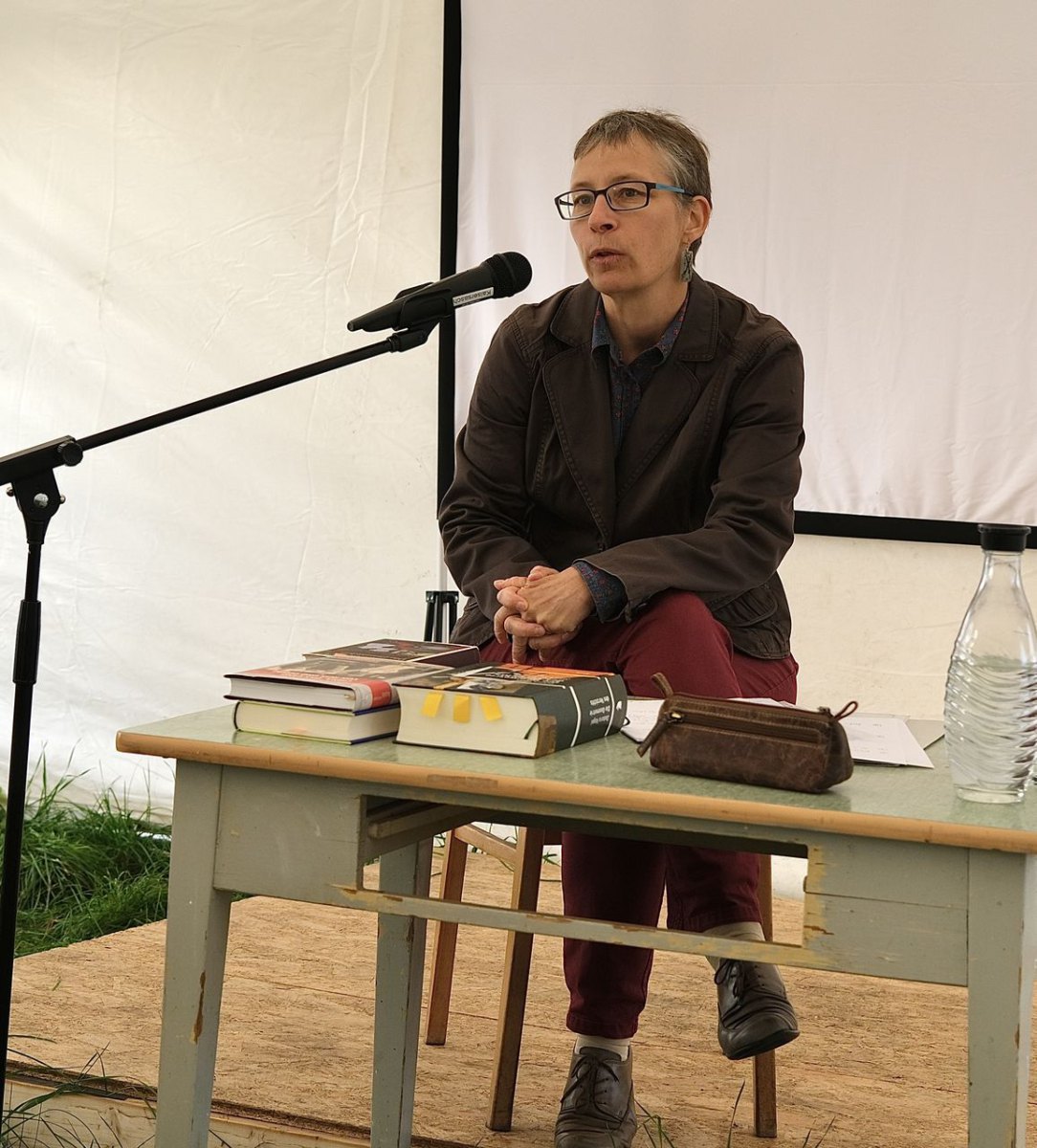
A separate discussion, entitled From Kyiv to Berlin: Ukrainian Literature on the German-Speaking Market Between Visibility and Barriers, focused on the position of Ukrainian literature in German-speaking countries. Claudia Dathe, who has been translating Ukrainian books for more than 20 years, reflected on the changes she has witnessed in the industry:
“In my opinion, we have already come a long way. When I started out, there were only four of us translating from Ukrainian into German — and if there are no translators, there are no ambassadors for literature.”
The situation began to change in the early 2000s. The publishing house Suhrkamp discovered Yuriy Andrukhovych and later Serhiy Zhadan, successfully introducing them to German readers as major literary voices. However, promoting younger authors proved far more challenging. There were attempts to publish writers such as Lyubko Deresh and Mykola Ryabchuk, but the momentum generated by the Orange Revolution was insufficient to ensure the sustained development of Ukrainian literature on the German market.
The situation improved after 2014, and the changes became even more pronounced after 2022. Nevertheless, literary translation remains poorly paid.
“When I started out, a translator earned around €20 per page. Today it is about €25. It is impossible to make a living solely from literary translation at these rates, so translators are forced to combine it with other work.”
Dathe also stressed that promoting literature extends beyond books alone and includes formats such as videos, podcasts and other media.
“Four years ago, most Germans knew almost nothing about Ukraine,” said Andriy Shtor, who runs a small publishing house specialising in Eastern European literature, primarily Ukrainian works. “Today the situation is different. Many people want to learn more about Ukraine; they read books about the war, the country’s history and its present-day realities. Non-fiction has become particularly popular, creating new opportunities for fiction as well.
We started with books about the Russian-Ukrainian war, but now we want to publish other genres too. For example, Andriy Semyankiv’s novel Dancing with Bones is being published in Germany today. It is important to show that Ukrainian literature is not only about the war; it encompasses a broad spectrum of contemporary prose. German readers enjoy romance novels, crime fiction, thrillers and family sagas. Why not offer them Ukrainian books in these genres?”