




How negotiations with Russia take place
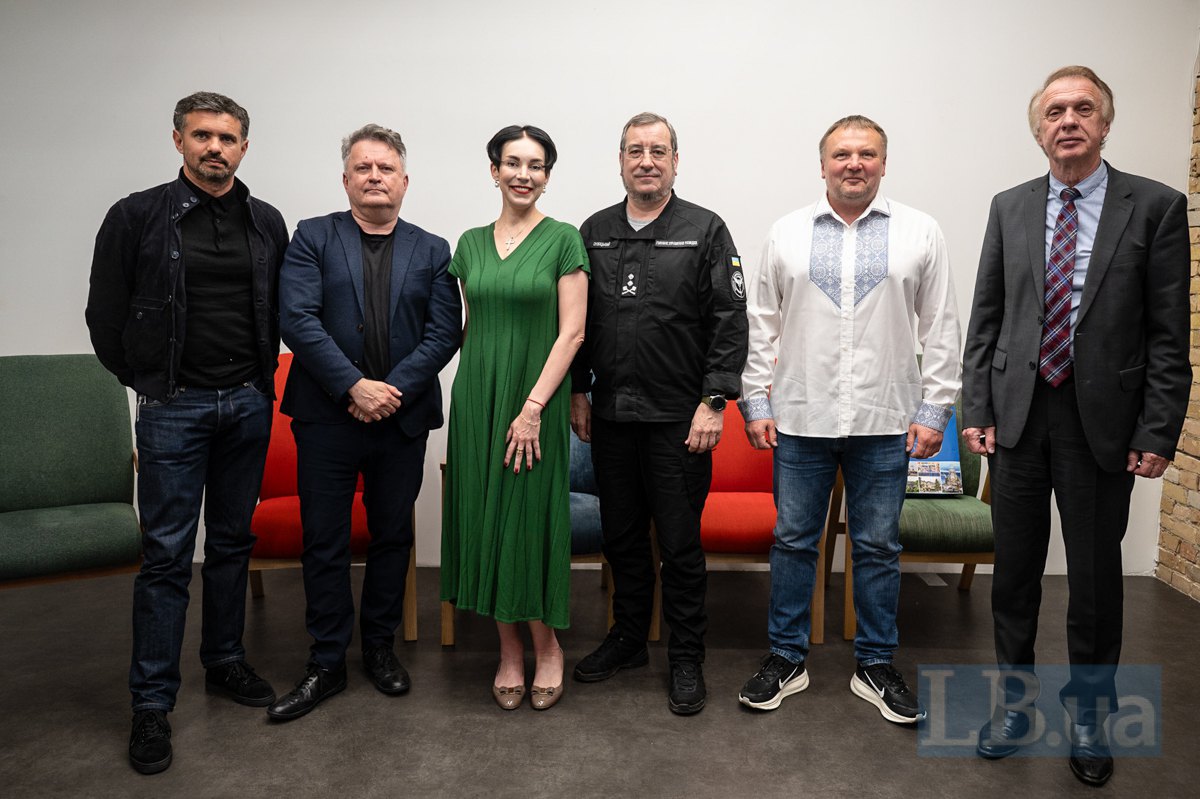
Negotiations with Russia are never improvised, says Serhiy Kyslytsya, Deputy Head of the Office of the President and a member of Ukraine’s negotiating team. While Moscow’s representatives may be criticised for their political culture, underestimating their professionalism would be a mistake, he notes.
“The Russian Federation sends people who have very clear, sometimes rigid, instructions that they are obliged to follow. You may have noticed that the negotiations in Abu Dhabi and Geneva were conducted over two days. There is a reason for that — the Russian side needs an opportunity to say everything it has been instructed to say, fulfil its mandate, and then report back to Moscow in the evening or at night that those instructions have been carried out.
The next day, still operating within their mandate, they are more relaxed and ready to listen. They may even be willing to discuss matters beyond their formal instructions because they have already reported that the original tasks were completed,” Kyslytsya explained.
Throughout the lengthy negotiation process, Russia has not changed its demands, adds Vadym Skibitskyy, Deputy Head of the Defence Intelligence Directorate of the Ministry of Defence of Ukraine. Moscow continues to insist on the withdrawal of Ukrainian troops from Donetsk Region in order to complete its occupation of the area, while Ukraine maintains that a ceasefire must come first, with other issues to be discussed afterwards.
Following the talks in Istanbul, said Skibitskyy, who is also a member of the negotiating team, the parties managed to agree on prisoner exchanges. According to him, this marks the first time in modern history that such exchanges have taken place during an ongoing war rather than after its conclusion.
The negotiations proved most productive when military and political representatives were divided into separate groups, Kyslytsya added.
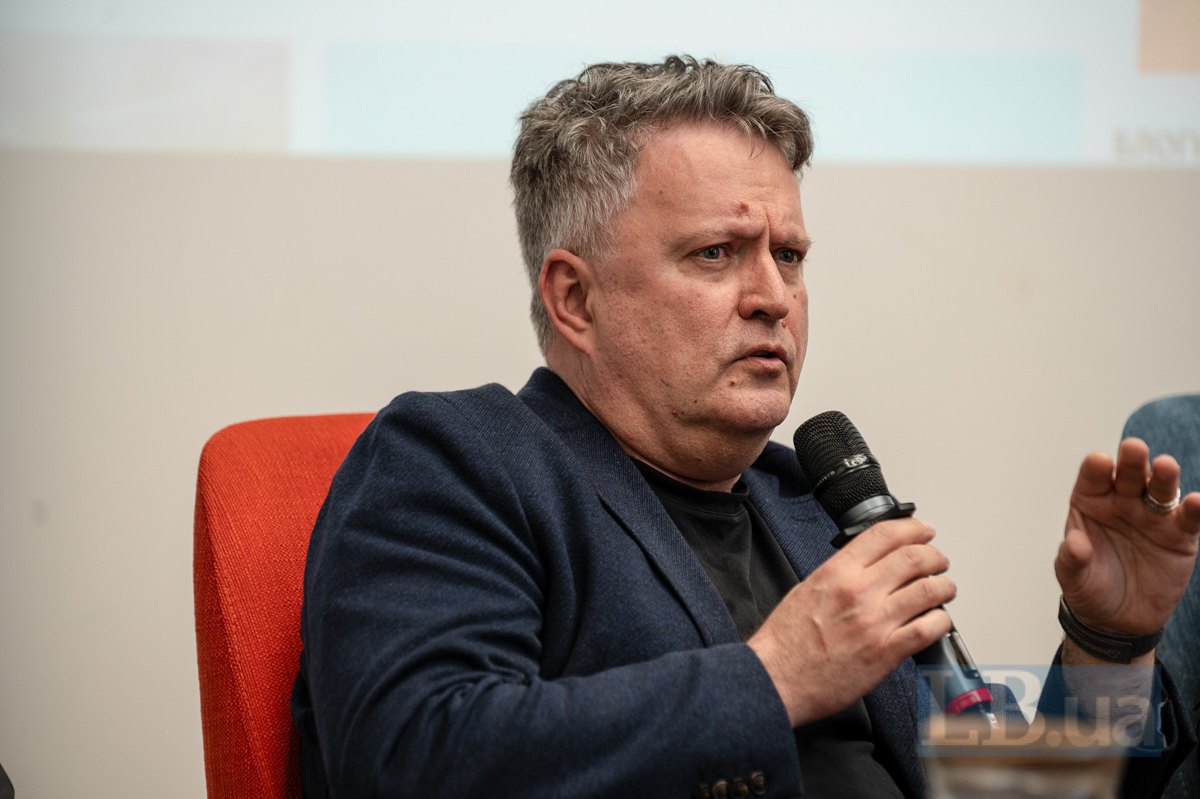
“Russian military representatives from the Ministry of Defence and the DIU proved more capable of conducting negotiations than Russian diplomats and politicians. The military were able to reach agreements on issues without which any political settlement — including on the most fundamental questions — simply would not work. Given the unprecedented concentration of troops since the Second World War and the length of the frontline, it is impossible to imagine politicians reaching an agreement and the military simply stopping the war.
The military working group focused on practical matters: how verification would be conducted, who would be responsible for it, who would provide the necessary resources — and just imagine how many resources would be required,” said the Deputy Head of the President’s Office.
“I asked the Russian generals whether they remembered 2014–2015 — the disengagement process and the Minsk agreements. It turned out they had participated in developing all the arrangements concerning troop disengagement, ceasefire monitoring and related issues. It was clear that these were people with experience and that common ground could be found with them. So we started with definitions,” added Vadym Skibitskyy, “to establish, at least theoretically, what constitutes a line of contact, what disengagement means, what ceasefire monitoring entails, and what a demilitarised zone is.”
According to Serhiy Kyslytsya, the format and effectiveness of the negotiations were also significantly enhanced by the mediating role of the United States.
“The American side took a direct part in all three key meetings — two in Abu Dhabi and one in Geneva. They listened carefully and asked questions whenever clarification was needed. They even helped when the Russian and Ukrainian sides could not reach an agreement. At that point they would say: ‘All right, let us take your two positions, combine them and present our own version.’ That was the value of the process,” Kyslytsya explained.
The fundamental problem with negotiations with the Russian side, the speakers noted, is that Russia’s negotiators do not have direct access to Putin.
“And if you do not have access to Putin, your value is minimal. In that case, reports on the state of negotiations pass through many layers of filtering. What eventually reaches Putin may have a completely different context from what actually happened at the negotiating table,” explained Serhiy Kyslytsya. “From the outset, it was clear that this negotiating group, which has already gone through three rounds of talks, would not be able to resolve the key issues. That is why the President of Ukraine instructed us that, sooner or later, a summit of presidents must take place to address the fundamental questions. Afterwards, in the Russian system, instructions would flow down the chain of command, and lower-level officials would implement whatever agreements the presidents reached.”
At present, he noted, there are no formal negotiations underway, although contacts at various levels continue on a regular basis.
What influences the negotiation process?
The course of negotiations is heavily influenced by developments on the battlefield. According to Vadym Skibitskyy, the more success Russia achieves at the front, the more demands it puts forward during talks.
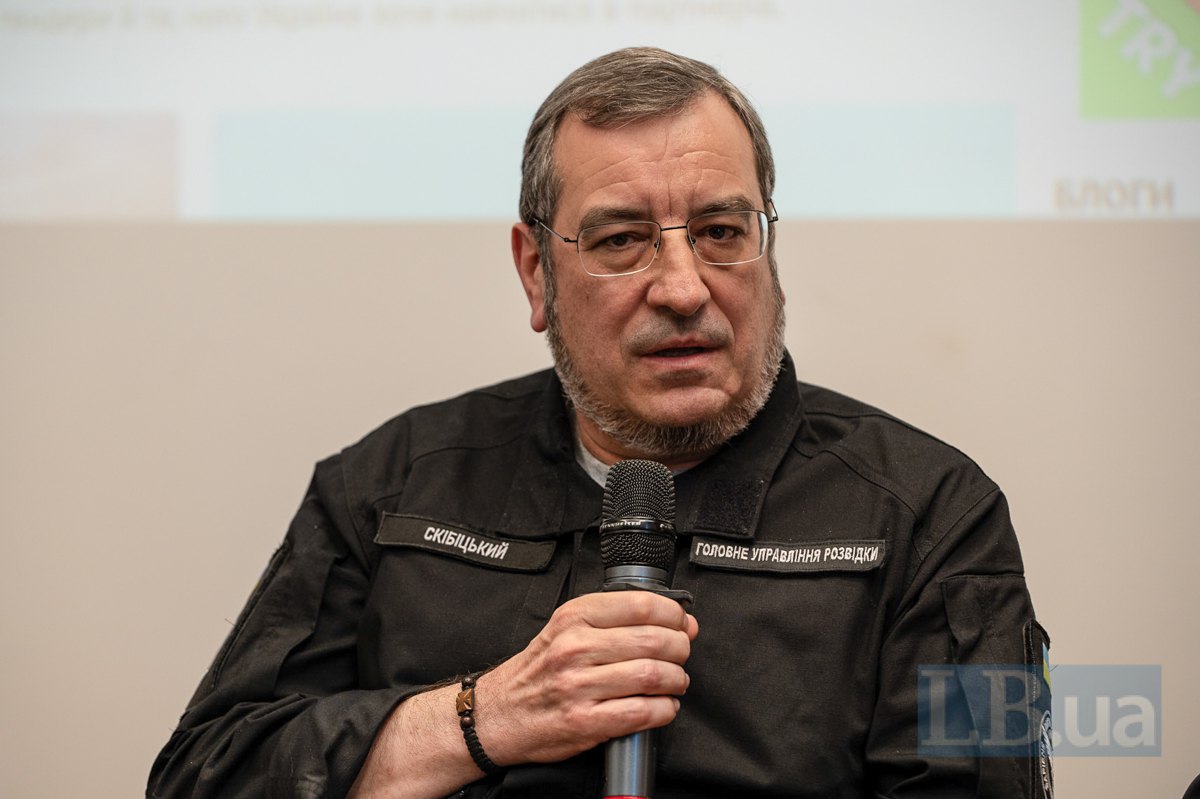
“The Russian Federation’s demand has remained unchanged since the very beginning of the negotiation process — the completion of the occupation of Donetsk Region. Initially, the timeline was set for April 1, now it has been shifted to autumn,” said Vadym Skibitskyy. These plans are being successfully adjusted by the Armed Forces of Ukraine, as is the price Russia must pay for them.
“Our statistics show that our deep strikes are effective. The impact on the Russian economy was 15%, then 18%, and now 24%. After targeting oil-refining facilities, the next step is to disrupt the entire logistics system supporting Russian military groupings. This will also influence the stabilisation of the front line,” Skibitskyy emphasised.
He also noted that Ukraine’s position in the negotiation team was strengthened by the inclusion of Member of Parliament and faction leader of ‘Servant of the People’ David Arakhamia, representing the Verkhovna Rada. This satisfied a request from the United States, which lacked a parliamentary voice in informal discussions.
The role of American mediators, while significant, could have been stronger.
“The problem — among many others — is that after seven visits to Moscow, representatives of the United States have still not been to Ukraine. No matter how good the briefings are from intelligence, from the State Department (if they even read them), or from the National Security Council, you cannot fully understand what is happening without seeing it with your own eyes — how Kyiv lives, or by visiting the east or the south. They have promised to come. But that promise was made more than two months ago,” Kyslytsya said.
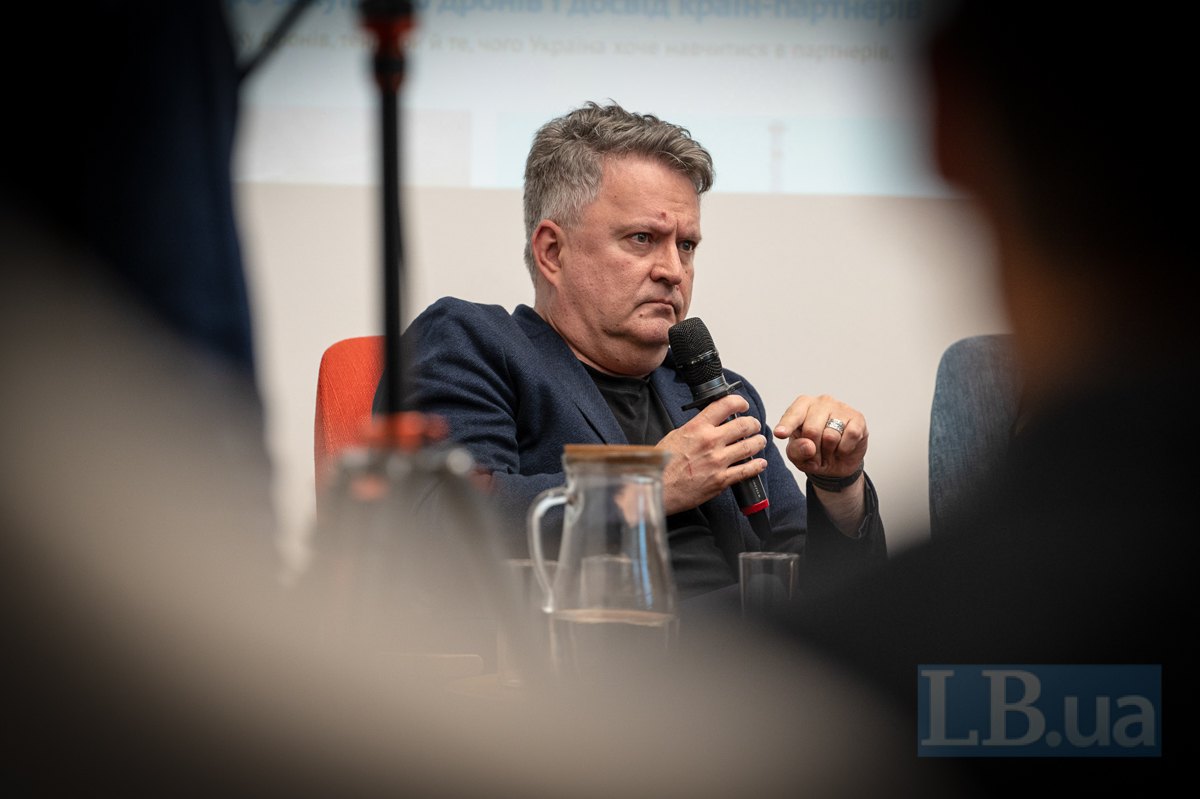
In addition, the Ukraine–Russia negotiations were handled by the same team that also works on Iran. And because they are directly involved in the war, they are unable to fully focus on the Ukrainian track, added the Deputy Head of the Office of the President.
“When we were last in Miami — during a bilateral Ukraine–United States meeting — Steve Witkoff’s day started at 4:00 a.m. with a multinational Zoom call on Iran. So when he came to meet us at 10:00 a.m., he had already been working for six hours,” Serhiy Kyslytsya noted.
And although public sympathy for Ukraine in the United States is high, and there is broad understanding of the need to support it, the Ukrainian issue — like any foreign policy matter — does not carry decisive weight during elections.
Where we get information about Russia
Ukraine still lacks a major analytical centre dedicated to studying its adversary. Once there was an Institute for Russia Studies, recalls Volodymyr Ohryzko, head of the Centre for Russian Studies and Ukraine’s foreign minister in 2007–2009. However, because Russia was considered a strategic partner at the time, the centre was transformed into the Institute for Strategic Studies.
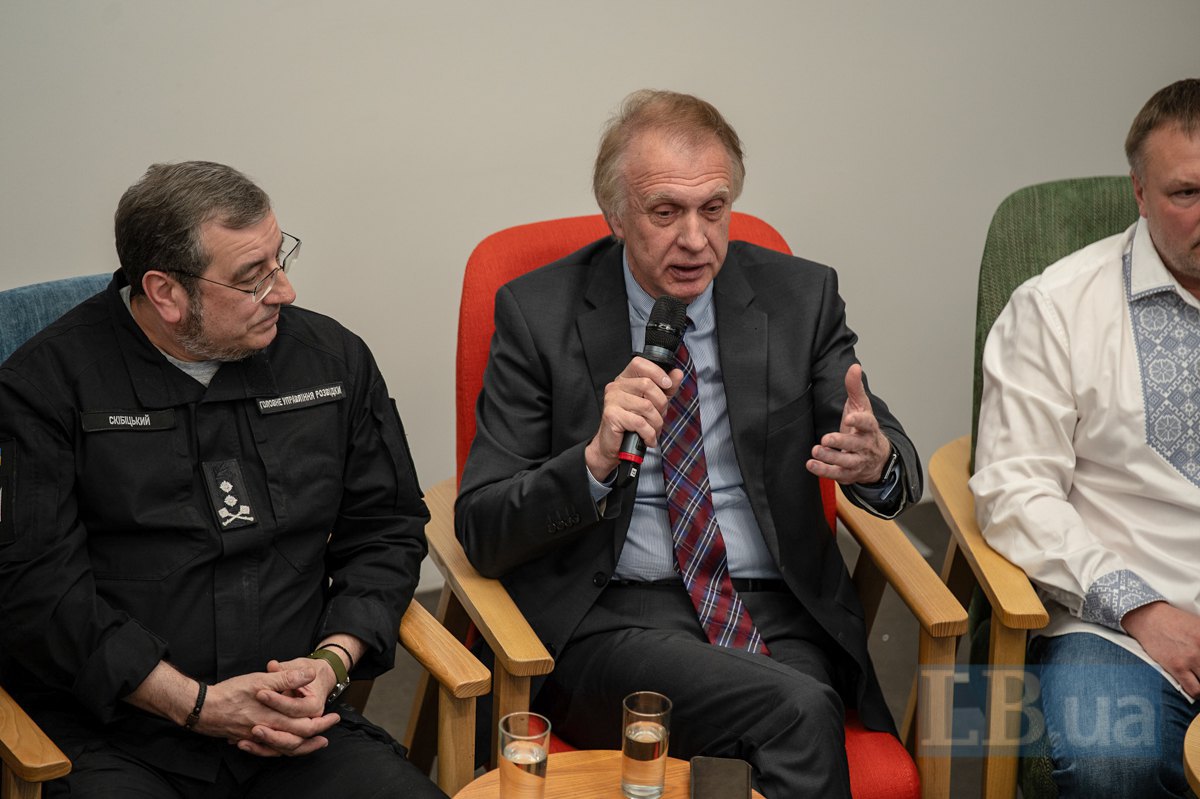
“If we do not have an analytical centre that studies Russia in depth, systematically and consistently, then in reality we do not know what we want from it. When there is a strategic goal, you understand what is needed to achieve it. But if there is no clearly defined goal, then what exactly are we negotiating about? A demarcation line? That is one option. A 2022 line — another. A 1991 line — a third. The destruction of Russia — a fourth,” said Volodymyr Ohryzko.
The lack of state-level research on Russia is described as catastrophic by political analyst and author of How to Destroy the Russian World and Post-Putin: Russia We Will Have to Live With for the Next 50 Years, Vadym Denysenko.
“Serious research on Russia is conducted only by the military or those close to the military. And there is a catastrophic, deep gap between what education and the humanities actually do — from NGOs to universities. At the moment, they practically do nothing, with the exception of the Kyiv-Mohyla Academy. It is the only institution in the country that managed to open a programme on studying Russia last year.
We have Donetsk University, which moved to Vinnytsya. Does it have even one dissertation on the so-called ‘DPR’ or a research centre studying it? No. We have Luhansk University. Does it have a centre studying the ‘LPR’? Do we have a centre at Tavriya University studying occupied Crimea? No. I am not even talking about deeper issues. Could the state decide, for example, that Lviv University studies the Russian economy, Kyiv University studies its social conditions, Chernihiv or Chernivtsi handles something else? But nothing like that even comes to mind,” Denysenko said sharply.
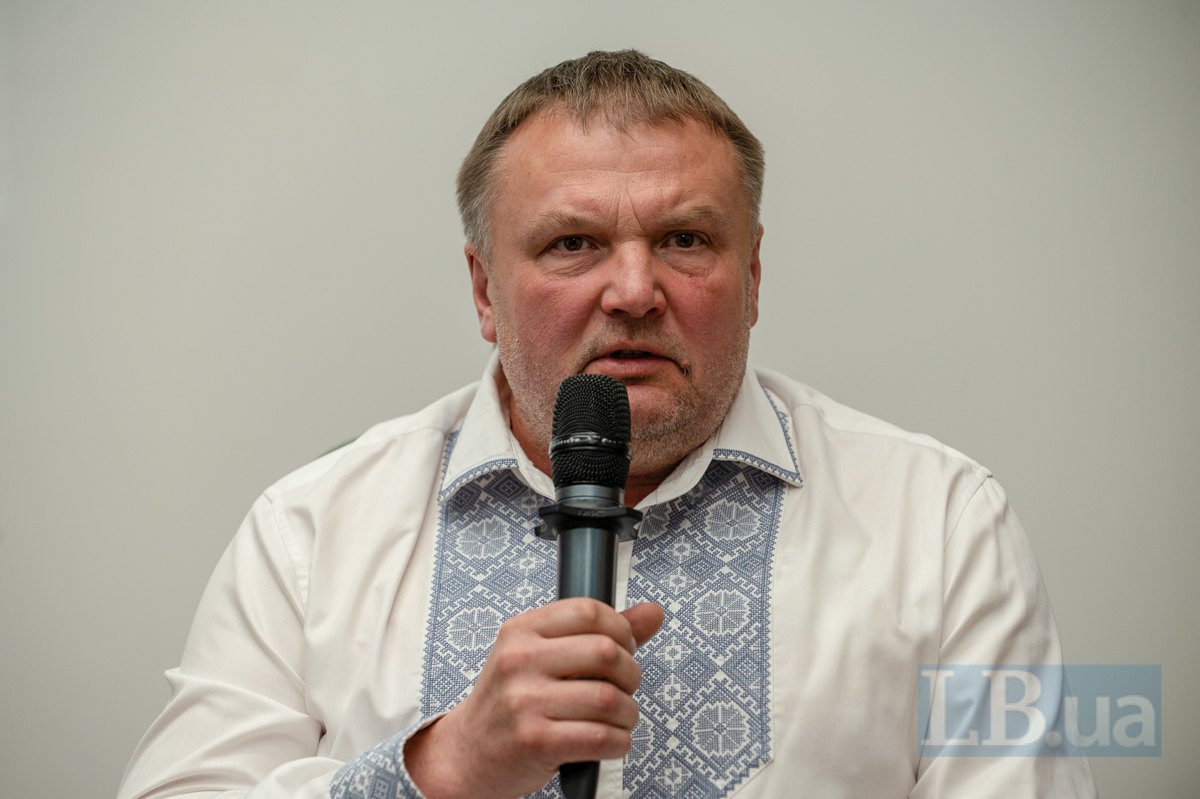
According to him, even if Russia remains highly closed off, large volumes of data can still be obtained and analysed without relying solely on OSINT. He is convinced that this would be sufficient to make accurate conclusions and forecasts at least for the medium-term future, says Vadym Denysenko.
Without studying Russia, adds Volodymyr Ohryzko, Ukraine will also be unable to properly explain it to international partners. Neither Americans nor Europeans have independently studied Russia since the collapse of the Soviet Union — and they still do not do so.
“They rely on headlines, on what appears on the front page of newspapers. And Western partners need to clearly understand what is being discussed when they speak with Russians. Because they do not know Russian history, Russian mentality, or the nature of Ukrainian–Russian relations,” said the head of the Centre for Russian Studies.
At the same time, he stressed that so-called “good Russians” play a major role in Russia’s information war against Ukraine and Europe, acting as messengers for ideas that serve the Kremlin.
“In 2022–23, many of the ‘good Russians’ genuinely believed they could ride on the back of Ukraine’s Armed Forces into the Kremlin — that Putin would soon fall and Western sanctions would do the job. That did not happen, and 2023 became the beginning of their deep disappointment with Ukraine and their quite sincere return to the ideology of the ‘Russian world’,” said Vadym Denysenko.
“Whether one likes it or not, 99% of Russians live within the ideology of the ‘Russian world’. And this is the greatest threat for us. There is no alternative ideology to it,” he added.
The Ukrainian state, he continued, in the fifth year of the war, still has not created a single influential centre that Western media or politicians would rely on when discussing the Russian Federation.
“Moreover, all these democratic, academic or ‘semi-academic’ centres that serve as key sources for Western media on what is happening in Russia do not include Ukrainians. Take the strongest and most influential one — the Carnegie Center. There is not a single Ukrainian there. There are representatives of Uzbekistan, Central Asia, other post-Soviet nations. But no Ukrainians, and no Ukrainian will be admitted there.
And this, in my view, is one of the major challenges for our state. I regret that the state does not invest even minimal resources into developing its expert environment on Russia in particular,” said Vadym Denysenko.
An example of how Russian propaganda affects American partners involved in negotiations with Russia was given by Serhiy Kyslytsya.
“Americans genuinely, believe me, did not understand why we could not organise elections in three days. We spent many hours explaining it. Because someone sits there and says: ‘But Putin said you can do it in three days.’ And our Constitution does not concern them…
So you sit and explain that in the last elections there were at least 20,000 polling stations. To organise 20,000 polling stations, you need to hire a certain number of people. In the United States, for example, taking into account all displaced voters, 200,000 people may vote. And we have five consulates. Five consulates — that’s about 40,000 voters per consulate. How many days, not hours, would it take for 40,000 people to vote? And what budget is needed?
To inform 200,000 voters in the United States about elections, you need to spend around a million dollars on envelopes, stamps, and mailings. When you explain it like this, you realise how unfamiliar foreign negotiators are with the realities,” Kyslytsya said.
And this applies not only to Americans — Europeans as well. For example, only 1% of Irish citizens are concerned about Ukraine, compared to 5% for Gaza, he added.
What we know about the factors influencing Russia’s position
The Deputy Head of the Office of the President, Serhiy Kyslytsya, argues that there is actually enough information and intelligence available about developments inside Russia. It comes from multiple sources — Ukrainian intelligence services, embassies, and foreign intelligence agencies (military, political, and economic). The problem, he says, lies elsewhere: Ukraine lacks specialists who understand how to interpret and effectively use this information.
“I am not interested in an employee who can simply repeat the latest briefing about the Russian Federation. I am interested in someone who knows where to find information, how to analyse it, and how to apply it. That is the problem. The problem of our education system.
How do American diplomats train? You go into a course and are told: ‘Today you are the US embassy in Egypt. You are the ambassador, the military attaché, the economic adviser, the consul, and so on. There is a coup — what do you do?’ And I don’t need to know whether my consul remembers all the pharaohs of Egypt. Do you understand? That is our problem,” Kyslytsya emphasised. “Our problem is not that we lack stacks of fascinating theories about what is happening in Russia, even academically grounded ones. Our problem is that we need to know how to apply that data.”
According to Serhiy Kyslytsya, the most important factors currently shaping Russia’s position in the war against Ukraine are:
- how close Russia is to full-scale mobilisation
- the state of its economy
He argues that the Russian political and military leadership delays general mobilisation due to fears of internal destabilisation. According to him, authorities are closely monitoring public sentiment in major cities where potential protest energy is concentrated — Moscow, Kazan, and Saint Petersburg.
In addition to possible internal protests, the Kremlin elite is also concerned about regime destabilisation and even the potential collapse of the Russian Federation, added Vadym Skibitskyy.
As for broader public sentiment, political analyst Vadym Denysenko describes what he calls a recent “kitchen revolution” in Russia. This, he says, is linked to a sharp decline in living standards. He also notes that Russians who had placed hopes in Donald Trump to help end the war have come to realise that it will continue as long as Vladimir Putin remains in power.
“And this is actually a major trigger for them, because they do not see a future and do not understand how they are supposed to live further. And finally, the third factor that became a kind of tipping point — the shutdown of the internet, which led to the acceleration of everything,” said Vadym Denysenko.
The internet shutdown in Moscow, which lasted 19 days, was eventually lifted, but according to him, after the State Duma elections scheduled for September 2026, both internet restrictions and mobilisation in some form are likely to be implemented.
He also stressed that for nearly 20% of Russians, the war against Ukraine represents the most financially profitable period of their lives.
“Never before and never after will they or their families earn such money as they are earning now. And this will become the backbone of a pro-Putin party, at least during the first and second electoral cycles,” Denysenko said.
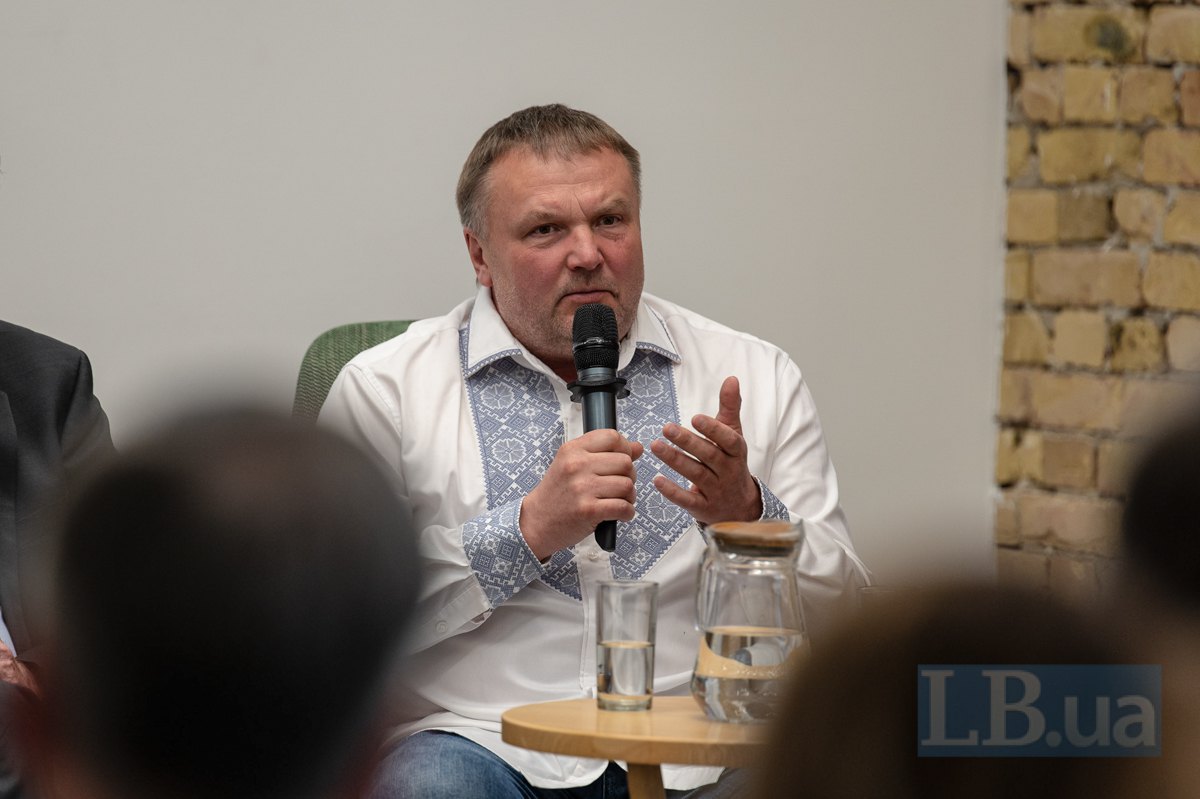
“Let me give an example. 26% of households in Russia did not and still do not have running water,” added Serhiy Kyslytsya.
“When I was in New York (while serving as Ukraine’s representative to the UN — Ed.), I had a map of Russian regions showing the age at which a person reaches a point where, no matter how long they work for the rest of their life, they will never earn as much as their family would receive if they were killed at the front.
Only in St. Petersburg, Moscow and Novgorod is that threshold above 40. There are regions in Russia where it is as low as 23–27 years. The amount a family receives because you were killed at the front is staggering money. Imagine a deep Russian province: he is unemployed, drinks, brings no income home, beats his wife. So what does it mean for her to receive that money?” he said.
What is happening with the Russian economy
Ukrainian drone strikes on oil refineries and other industrial facilities have significantly affected economic activity in Russia. According to Vadym Skibitskyy, a substantial portion of the targeted oil-refining capacity taken out by “deep” and “middle-range” strikes is disabled for at least three months.
“The oil refining system in the Russian Federation and other parts of its fuel and energy complex is very complex, large and cumbersome. But during targeting, we identify the most critical facilities and components. And as you can see, we work consistently and continuously.
Let us remember that this is an enormous territory, requiring vast resources to be engaged in destroying the potential that allows the Russian Federation to generate money for the war,” the intelligence official noted.
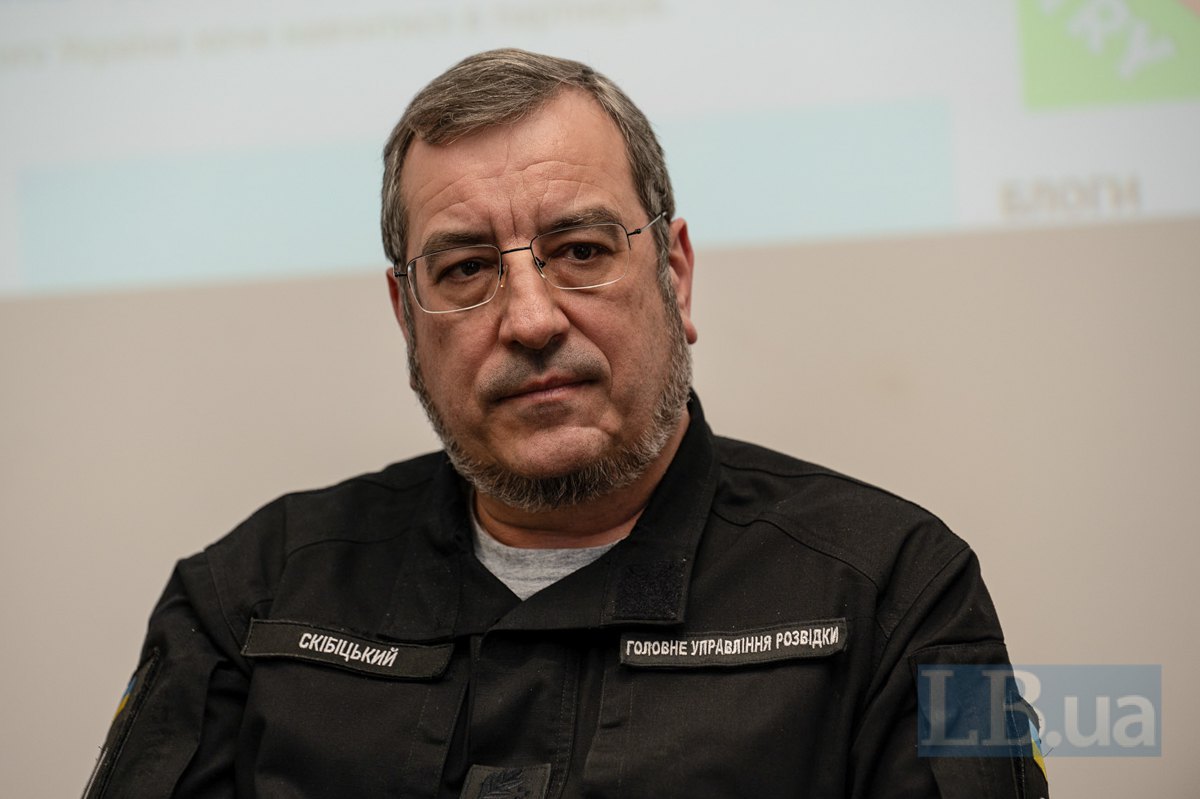
According to Volodymyr Ohryzko, oil production in Russia has decreased by 50 million tons.
“Normally, Russia produces about 500 million tons of oil per year. Around 300 million tons are needed for domestic consumption, and roughly 200 million were always exported. Today it is about 150 — in the best-case scenario, if it actually reaches Ust-Luga, Primorsk, Novorossiysk, Tuapse, and so on. And if it doesn’t arrive, it is immediately felt.
Today in Moscow they are already rationing fuel at 60 litres of petrol per car, and in Crimea — 20 litres. What does this indicate? It reflects the mood of the ‘population’, which in one way or another will indirectly influence decision-making,” Ohryzko said.
Serhiy Kyslytsya is more sceptical on this issue.
“Until recently, India was buying about 2 million tons of oil per day from the Russian Federation. So even in the context of economic relations between Russia and India, 50 million tons is less than a month.
There are countries — I will not name them — which are Ukraine’s most sincere partners. They provide significant financial support, but they also spend even more on purchasing petroleum products made in third countries from Russian oil. So the situation is not linear. There are Western European countries among the top five donors to our security, and they are also among the top buyers of petroleum products from third countries — including India.
If you look at The Guardian in 2024, they will tell you that in 2023 the UK spent more on purchasing certain Russian-linked goods than it provided in aid. And Britain is second only to Norway, the Netherlands, and Germany in terms of strength of support. There is no doubt that if you look at the 2,000% growth in trade with Kyrgyzstan, Turkmenistan, and others, the picture becomes even clearer,” the Deputy Head of the Office of the President said.
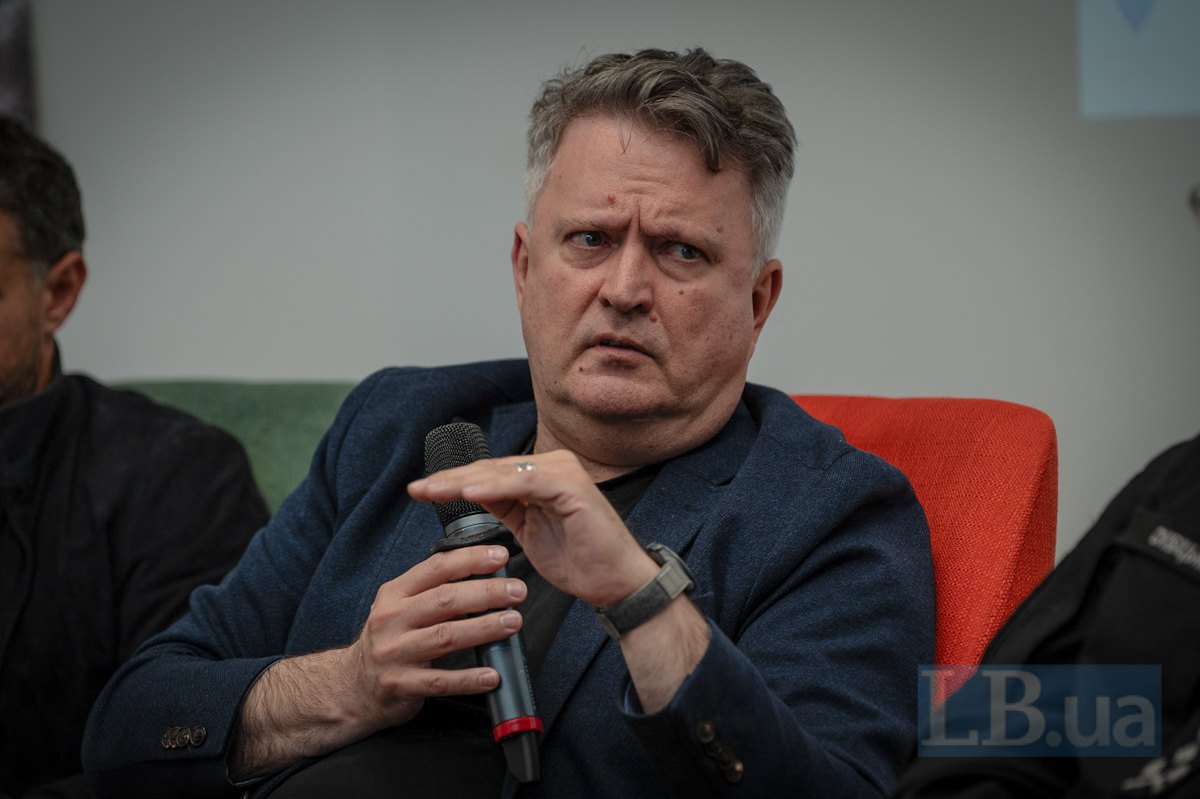
Serhiy Kyslytsya emphasized that Russia still has sufficient financial resources to continue the war.
Businessman and Chairman of the Supervisory Board of EFI Group Ihor Liski recalled that a “black swan” event for the war was the blockage of the Strait of Hormuz, which temporarily gave Russia’s economy an advantage.
He noted that if the strait were reopened, oil prices could, within three months, fall to around 45–50 dollars per barrel — a level he described as potentially devastating for the Russian military budget.
At the same time, Ukraine’s “deep strikes,” primarily targeting Russian oil storage facilities, tankers, and logistics chains, combined with European enforcement measures and physical disruption of infrastructure, are slowing down the Russian economy, Liski added.
“The unlocking of the EU credit worth 90 billion dollars has equalised the military budget capabilities of Ukraine and Russia. In other words, the cards Donald Trump referred to — which Russia previously held more strongly — are becoming fewer. Once the front stabilises and the Russian offensive loses momentum, what remains is the Russian economy. And this puzzle still needs to come together,” he said.
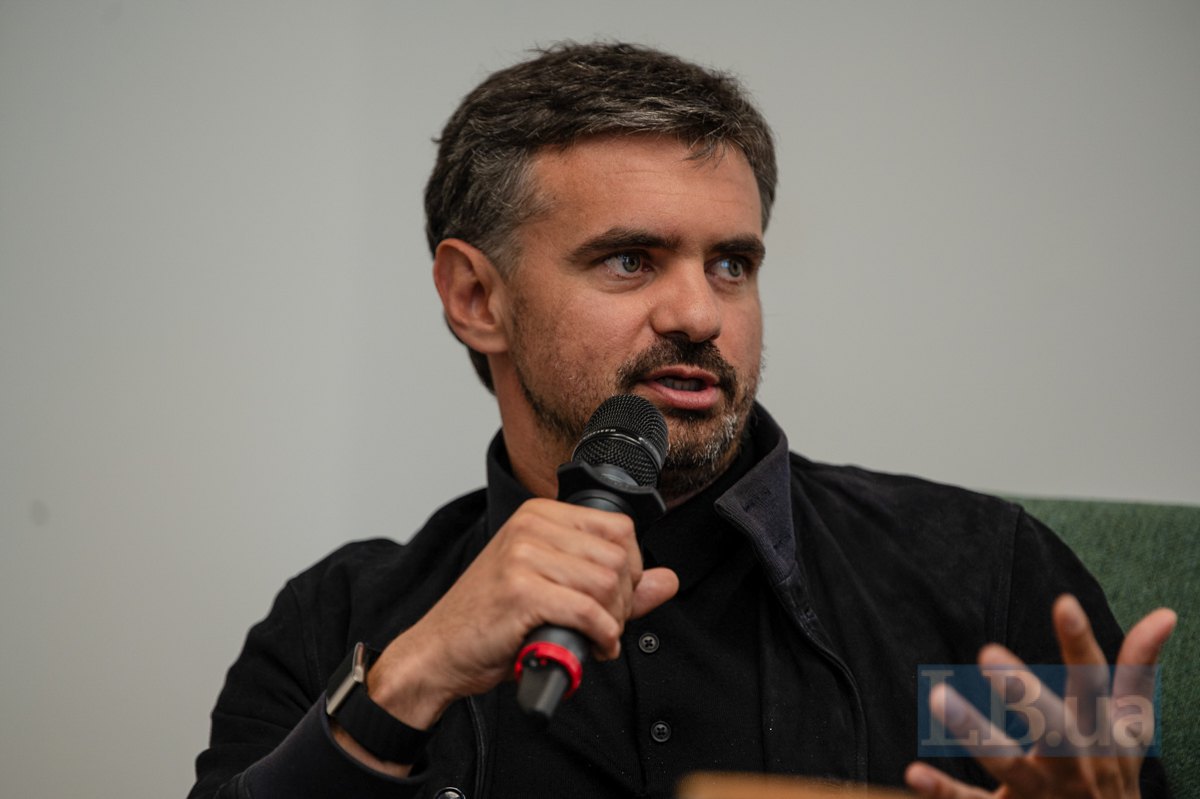
Vadym Skibitskyy cautioned against underestimating the enemy, even in a difficult economic situation, stressing that this is only one of several factors influencing political decision-making in Russia regarding Ukraine.
What to do with Russia after the war?
According to Serhiy Kyslytsya, the “denazification” of Russia along the German model is impossible. Germany, he noted, was fully occupied and underwent deep structural transformation at all levels — from government and the military to religious institutions.
“Russia will not be occupied. That is hopeless. There is no plan and no strategy for occupying the Russian Federation in order to carry out ‘de-Putinisation’. Without de-Putinisation, there will be no new Russia that could be safe to live next to. Even if democratisation in Russia begins tomorrow, it will take at least 20 years. In the meantime, it will remain an imminent threat hanging over everyone,” he said.
He also argued that democratisation in Russia is unlikely.
“Unlike the Baltics or those who lived in Western Ukraine before 1939, Russia has no full generation that has lived under democracy. The abortion of the embryo of Russian democracy happened during the Second Chechen War. That was the end of it.
In the memory of Russians, there are no reference points that would make democratic society seem more attractive than alternatives. Russians will continue to love Europe like leeches, extracting everything they can from it, but they will never become Europeans. Just remember how many prominent Russians lived in Paris, London, and Berlin in imperial times, and how deeply imperial they remained,” Kyslytsya said.
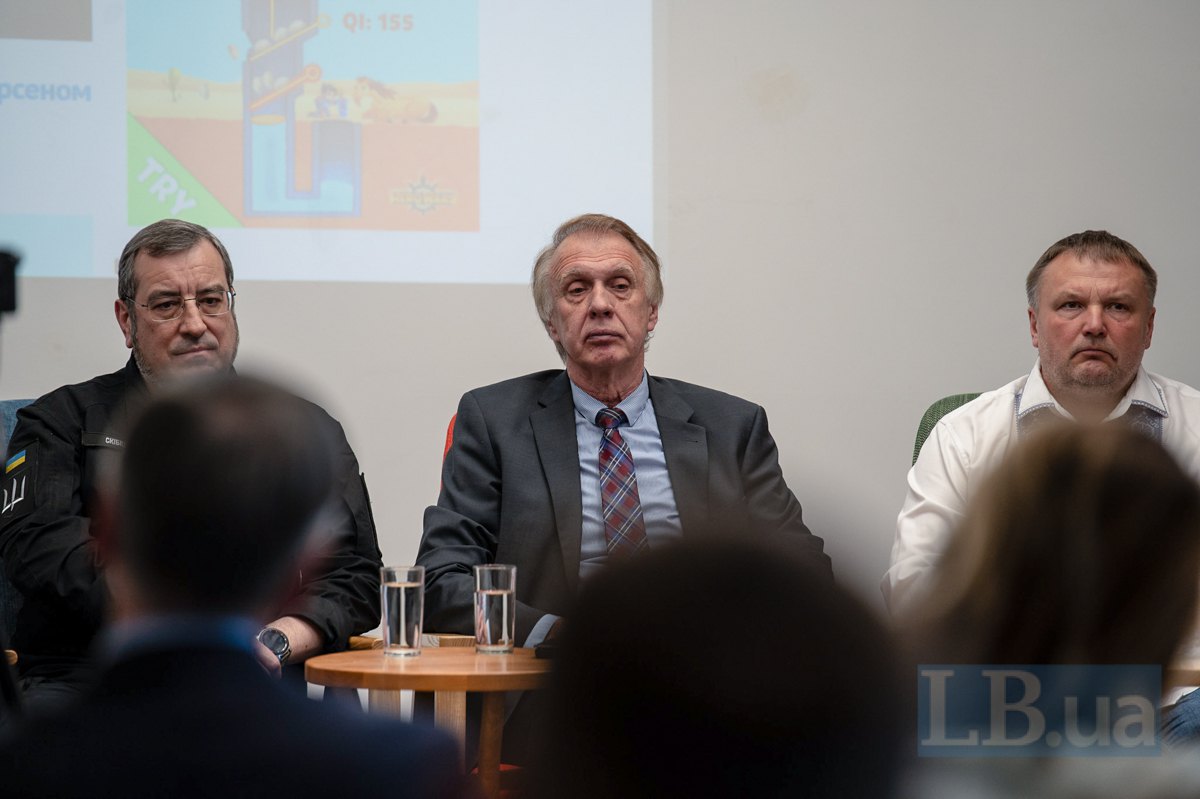
Vadym Denysenko said he does not believe in the near-term collapse of the Russian Federation.
“In the short term, we will not see the disintegration of the Russian Federation. In the medium term, it will remain within its current borders. I also do not believe in a revolution or an elite coup. But it is an absolute fact that the vast majority of Russians are beginning to understand that their problem is Putin. And this will only mean that the regime will continue to weaken.
Russian elites are starting to operate within a logic of a power transition — which will not actually happen. But this logic will lead to an increasing number of internal conflicts — small, large, complex, and simple — within the elite, which will gradually erode it. And as a result, Russia will become weaker,” he said.
He added that the factor Ukraine can truly influence is the building of a strong state.
“And if we build a strong state, in many ways it will not matter to us what the Russian Federation looks like. I would focus primarily on that, rather than on how many pieces Russia might break into over the coming uncertain years,” Denysenko concluded.
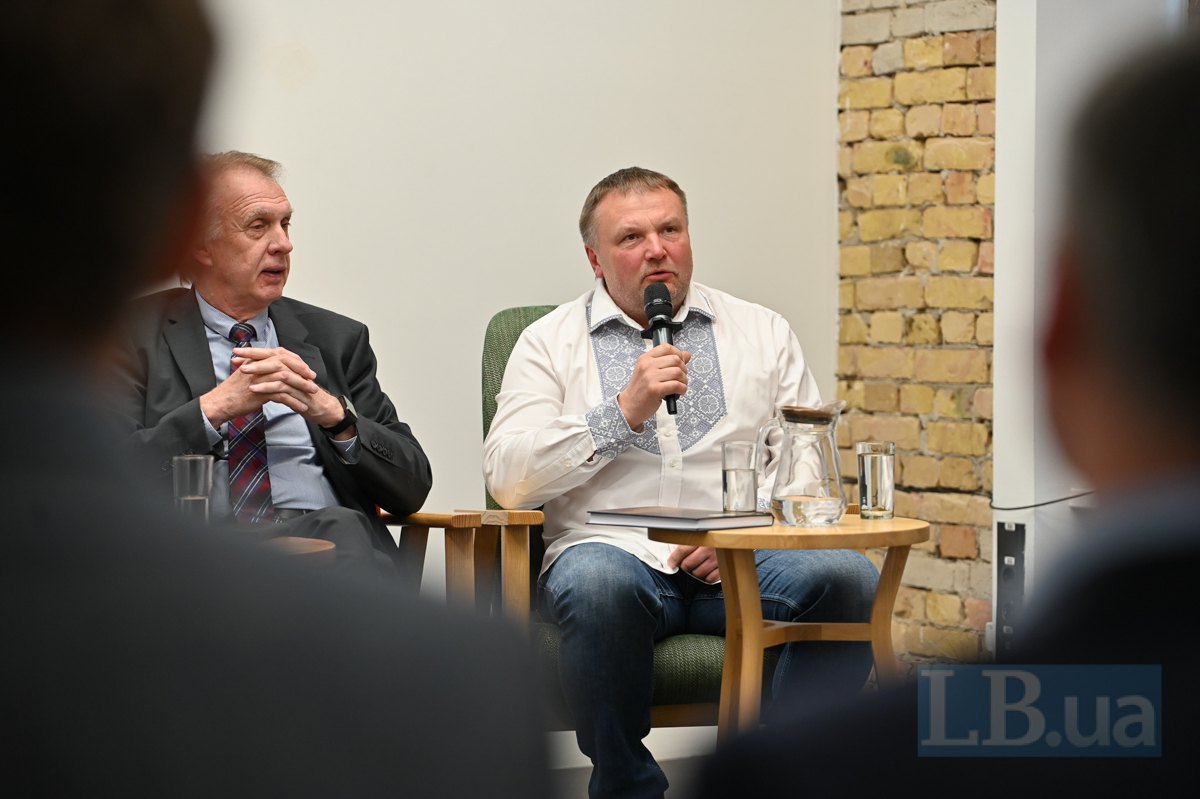
Serhiy Kyslytsya shares a similar position.
“For me, the most important thing is whether Ukraine and the Ukrainian nation will be strong.
The formation of a political nation is still ongoing. There is still a lot of mythology about who Ukrainians are and whether we have truly become a nation. And after the war, there will be a period that is even more dangerous than the war itself. This is typical for post-war societies.
Look at Europe: Churchill had 80% support in May, and by July 1945 he lost 143 seats in parliament. That is why a wave of populism — left-wing and right-wing — after the war poses a greater threat than ‘Oreshnik’. And if we miss this chance, there may not be another,” he stressed.
In this context, he also highlighted the importance of holding Russia’s top political leadership accountable, saying that the death of Vladimir Putin would not be the best outcome for Ukraine.
“If Putin dies, it would be collateral damage. Then there will never be a tribunal against him. And that would be bad. If there is no tribunal for the main perpetrator of this crime, this cycle will not be broken. Accountability is one of the key issues.
If we, together with the Western civilised world, fail to bring at least someone from this top trio — the president, prime minister, and foreign minister — to the dock of a tribunal, then we will have lost an important element of our future victory,” Serhiy Kyslytsya said.
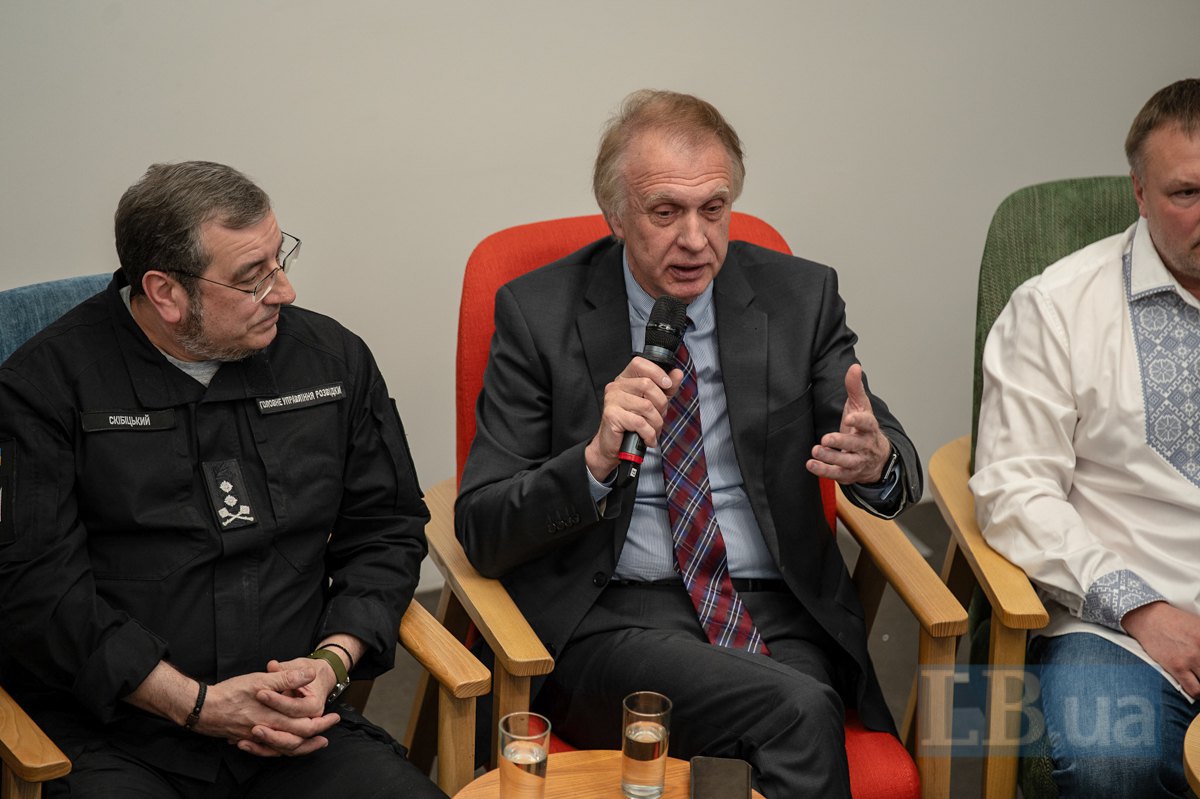
Volodymyr Ohryzko argues that even if Russia remains within its current borders, it will continue to be aggressive, imperial, and expansionist.
“What could lead to a breach of Russia’s borders? In my view — an economic collapse. I recall the times of the USSR, when everyone said: ‘My God, what are you talking about? The USSR is a powerful state, a superpower, on equal footing with the Americans, with nuclear capabilities.’ And as soon as the Soviet economic system collapsed — the political regime collapsed as well. Therefore, what we need is to bring about a collapse of the Russian economic system — to destroy and finish it off.
… After 2014–2015, we fell into the illusion that we just needed to reach an agreement with Russia and everything would be fine. We saw how that turned out in 2022. So we must become stronger and finish off Russia, because only under such conditions can we guarantee that February 24, 2022, will not happen again. If everything ‘beyond the border’ remains as it is today, give it 10 years and we will get the same result. This is a country that lives by war, aggression, and by making life worse for others. We cannot distance ourselves from that or forget it. Otherwise, our children and grandchildren will go through what we are experiencing now,” said Volodymyr Ohryzko.
Businessman Ihor Liski suggested that after the war Russia may attempt to reset its relations with Europe — and that this should be used to Ukraine’s advantage.
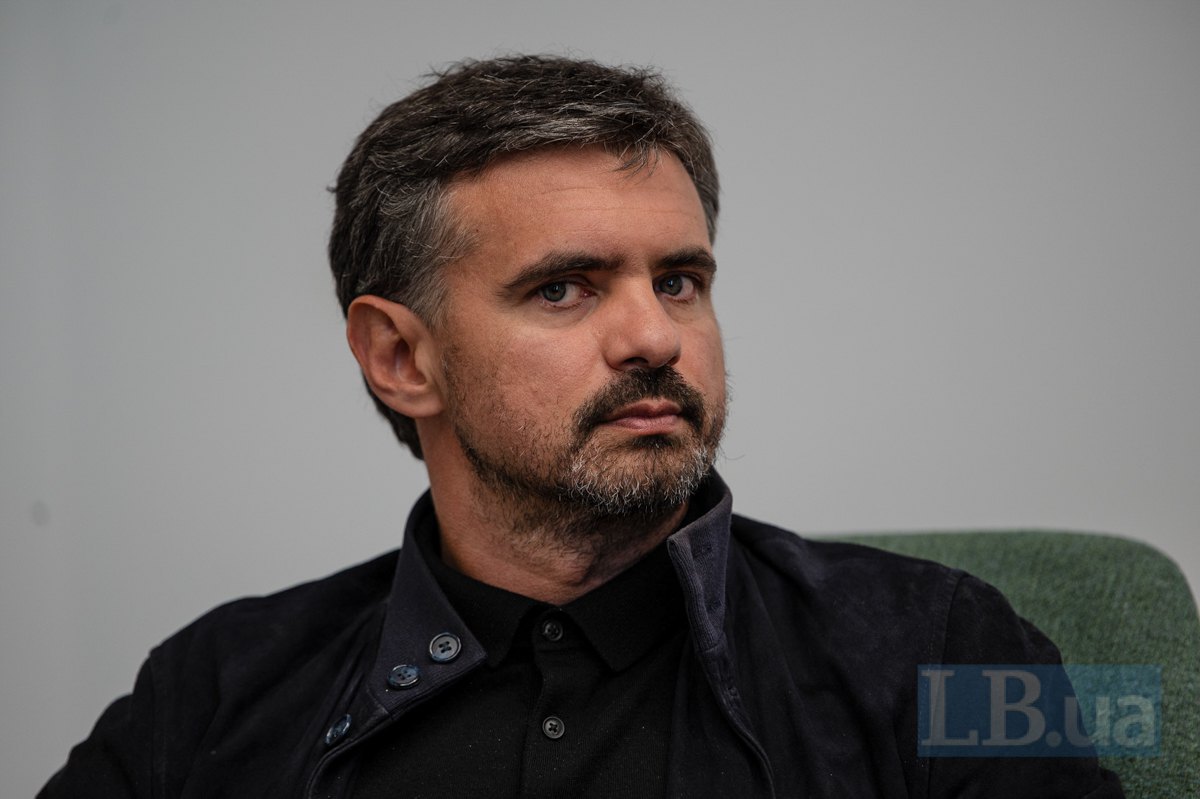
‘Russia has always truly benefited from cooperation and trade with Europeans. European companies built the whole of Russia, believing that it could be different. …And then Ukrainian and European diplomacy must present a united front to secure the diplomatic return of territories to Ukraine, saying: ‘If you want to be a civilised country, return the territories and pay reparations; do away with Putin’s legacy and the cult of personality’.”
In reality, Serhiy Kyslytsya noted, European business dreams of starting cooperation with the Russian Federation. And Ukraine will have to make considerable efforts to ensure this does not happen the very next day after the war ends.
So is this knowledge about Russia enough for us to win?