







Why are there no orders?
In March, Arsen Zhumadilov, head of the Defence Procurement Agency, said in an interview with Militarnyi that the Ministry of Defence had indeed not signed any contracts for armoured vehicles since the beginning of the year. However, he stressed that the situation was only temporary.
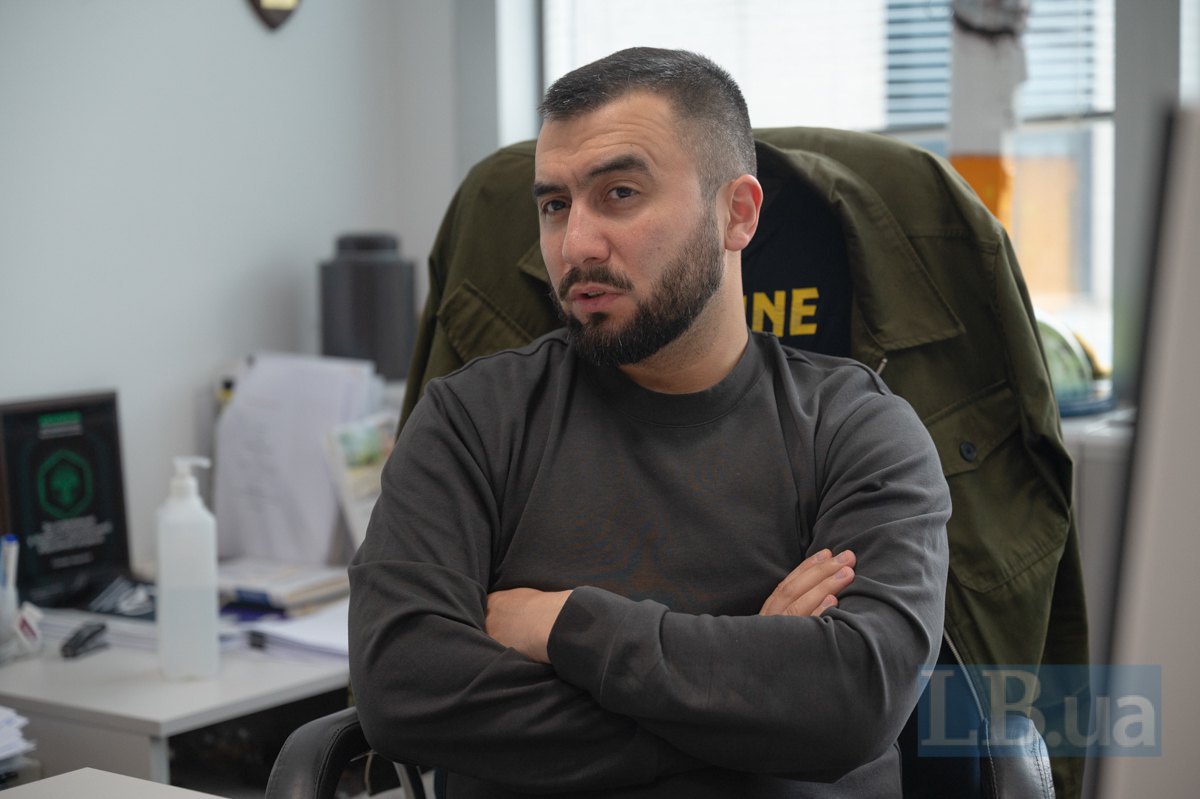
“The armoured vehicles currently being delivered are being supplied under contracts signed last year. Both the General Staff and the Ministry of Defence understand that these volumes will not be sufficient and that additional orders will be needed. But when those orders will be placed and in what quantity, I do not know at this stage,” Zhumadilov said.
At the time, Ihor Fedirko, Executive Director of the Ukrainian Council of Gunsmiths, cited budget constraints, shifting priorities and a restructuring of the procurement model among the reasons for the situation, according to Militarnyi.
Manufacturers also said that orders had stalled because Hungary’s veto had cast doubt over a €90 billion European Union loan package for Ukraine, €60 billion of which was earmarked specifically for defence. However, even after the funding was unblocked, the money was expected to be disbursed gradually.
Read alsoHow Ukraine could use €60 billion in EU defence funding: key takeaways from the analysis
At the same time, he said there had been no complete suspension of state orders, but rather a slowdown in expected procurement rates compared to previous periods.
“The situation is not the same for all customers. While the Ministry of Defence saw a slowdown in certain periods, the National Guard, for example, has continued contracting. So this is not about a complete shutdown of the system,” Fedirko said.
In response to our inquiry, the Ministry of Defence stated that “most contracts for 2026 deliveries have been signed and are being executed.” The ministry declined to comment on the volume of contracts for the current year, explaining that this information is not disclosed for security reasons, to prevent its use by the enemy.
“Procurement is carried out in a planned manner, taking into account priorities and critical needs, and based on requirements submitted by the General Staff,” the ministry added.
Asked about risks to equipment supply due to a perceived pause in contracting, the Ministry of Defence said that “there is no pause in the contracting and supply of armoured vehicles; contracts are being executed as planned.”
Possible consequences for production
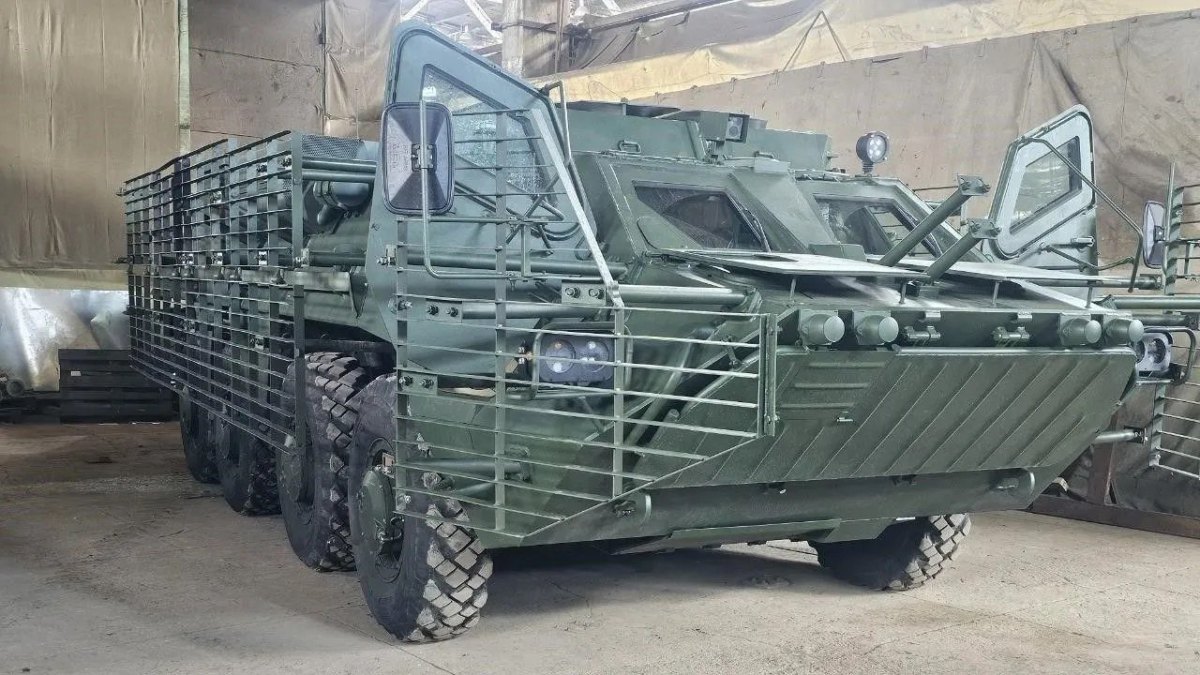
As reported to LB.ua by the First Deputy Director of the Kharkiv Morozov Machine Building Design Bureau, Stanislav Stepanov, production of the BTR-4E “Bucephalus” armoured personnel carrier could be suspended.
He said that since the start of Russia’s full-scale invasion, the company had increased production of armoured vehicles sixfold and had been delivering defence contracts ahead of schedule due to the critical need for equipment.
Following Russian attacks, production facilities had to be relocated to safer regions after the enterprise suffered significant destruction, with both fatalities and injuries, Stepanov noted.
Part of the workforce and engineering staff relocated, while others were recruited locally. Despite this, serial production of armoured personnel carriers continued, along with development of infantry fighting vehicles, tanks, combat modules and protection systems.
In autumn 2024, the enterprise signed a major contract with the Ministry of Defence’s Defence Procurement Agency for the serial production of the BTR-4E “Bucephalus”, Stepanov said.
“However, for more than six months, not a single hryvnia has been received under this contract from the Ministry of Defence. At present, between 100 and 200 sets of components for the armoured vehicle are stored at facilities across Ukraine, but production has been suspended. Most defence enterprises involved are at risk of a complete shutdown,” he said.
According to Stepanov, Defence Ministry representatives argue that funds must primarily be directed toward drones and unmanned ground systems. However, soldiers on the front line continue to request the “Bucephalus”, as it has proven effective in combat, he added.
“The entire team hopes that the President of Ukraine will intervene in the situation and prevent the disappearance of the country’s armoured vehicle industry. Otherwise, Ukraine’s defence forces, particularly assault units, could be left without armoured protection,” Stepanov said.
Other manufacturers also report difficulties. According to Hennadiy Khirhiy, the company currently holds several contracts for armoured vehicles, but the volumes are significantly lower than its production capacity, which has grown over the past year. The company is now operating at around 20% capacity and is simultaneously developing other military products, although it does not plan to abandon armoured vehicle production.
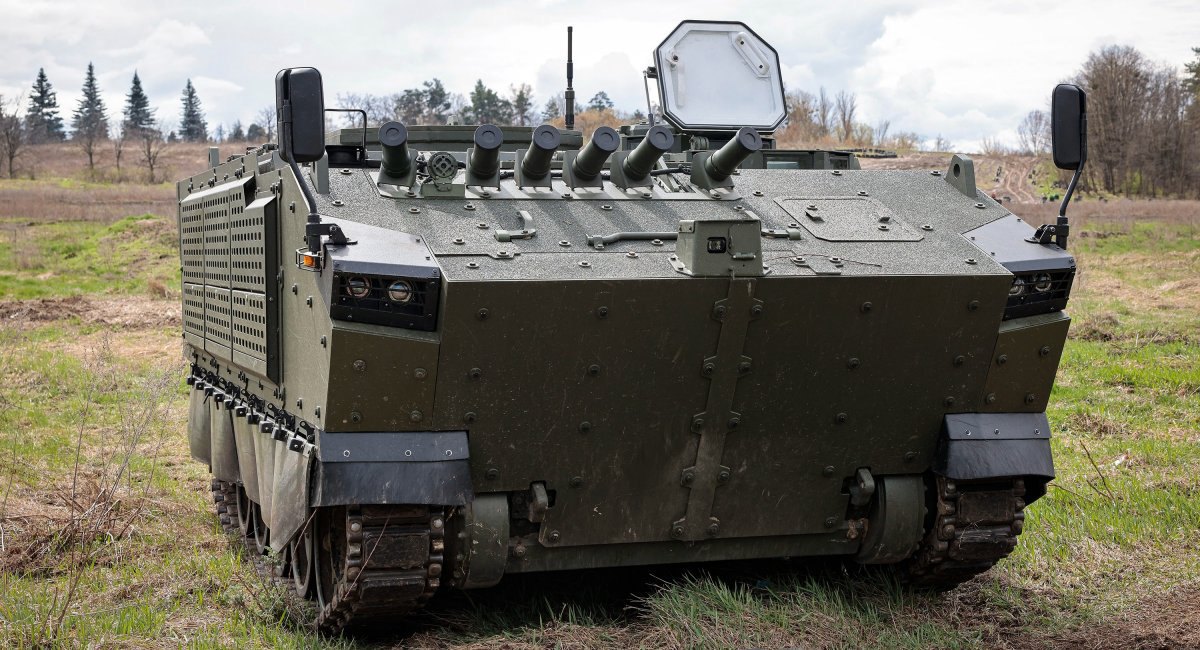
Khirhiy said that new developments are being financed from the company’s own funds — an expensive but necessary step to meet frontline needs. “For example, our latest development — the tracked armoured personnel carrier ‘Skif’ — was fully funded by us. We are currently testing the prototype with the military, improving our solutions, and preparing a new model for future codification,” he said.
CEO of Inguar Artem Yushchuk noted that there is a lack of long-term dialogue between manufacturers and the state customer. Armoured vehicle production is a complex process that cannot function without planning, he said. For example, by early 2026 the company had to reserve and prepay engines and transmissions it would use throughout the year. It had already pre-financed a significant amount of components, but discussions on the first contracts with the main customer — the Ministry of Defence — only began in April.
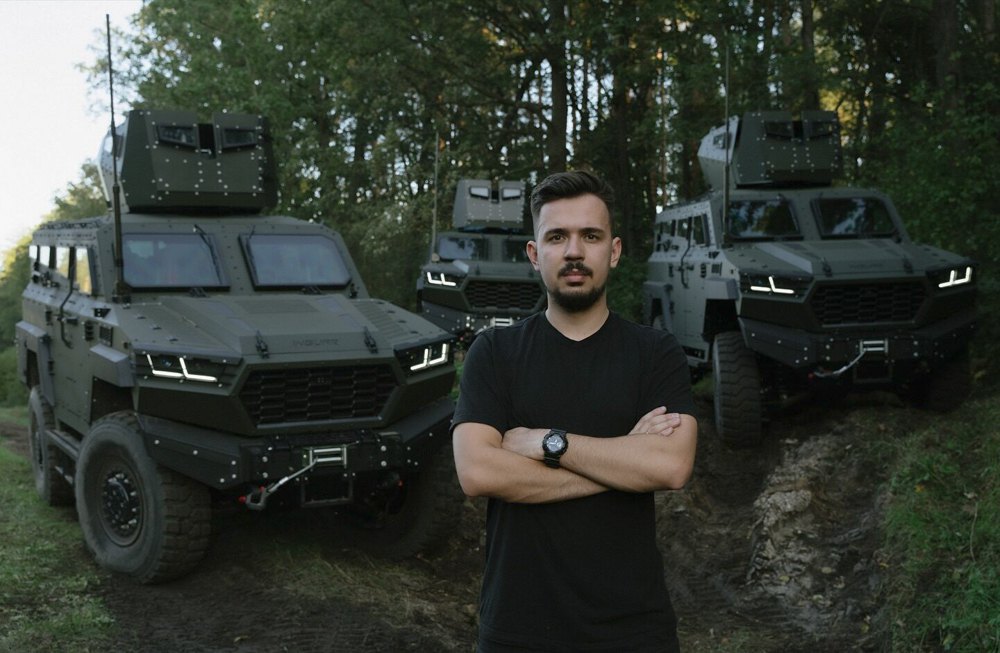
“Vehicles such as the BTR-4, Inguar-3, Gyurza-2, Kozak-2M2, and Varta-2 are professional military equipment,” said Artem Yushchuk. “They often have a high level of localisation and are produced here, by Ukrainian companies. Of course, we would like to see support in terms of long-term planning and recognition that our enterprises are truly strategically important.”
Vladyslav Belbas, CEO of Ukrainian Armoured Vehicles Ltd, also sees problems with procurement. According to him, manufacturers receive information from the General Staff and end users about urgent needs, but funding is insufficient.
“This situation has arisen because the customer — primarily the Ministry of Defence of Ukraine — prioritises certain types of weapons over others. For example, missiles or aviation strike systems are being purchased. As a result, there is not enough funding for armoured vehicles,” Belbas said.
He believes the situation cannot currently be corrected, as Ukraine has not yet begun receiving funds from the EU credit line.
At present, he added, there is even a shortage of vehicles for the evacuation of wounded soldiers — medevac vehicles are also not being purchased.
“For example, payments for a fallen soldier are 15 million hryvnias, which is more than the average cost of an armoured vehicle. One armoured vehicle can transport 5–10 people, while a medevac carries three wounded soldiers. I apologise for such a cold comparison, but this is about human lives and the budget. We are in a long-term economic war of attrition, so we must carefully use every hryvnia and protect soldiers,” Belbas said.

Beyond issues with state procurement, private companies have also had to independently handle relocation challenges. According to Vladyslav Belbas, state relocation programmes applied only to state-owned enterprises. “This was the main complaint from private business — because these funds could have been used much more efficiently by the private sector,” he said.
Adaptation challenges
Belbas also stressed that, beyond financing, there are issues of product quality and manufacturers adapting to frontline needs.
“Customers should not buy what we are able to produce; they should buy what they actually need. And here manufacturers must be flexible and fast in making changes — as we see with drones: every few months, means of communication, strike systems, and electronic warfare tools are changing,” he said.
The head of Ukrainian Armoured Vehicles also pointed to the need to improve countermeasures against enemy drones, particularly by developing active protection systems.
“Systems that either shoot down or detonate against FPV drones. Because overloading vehicles the way Russians do — with various passive protections, ‘hedgehogs’ and so on — is not a progressive approach. It’s like in medieval times: more armour just makes you heavier, and eventually you lose the ability to move on the battlefield,” Belbas said.
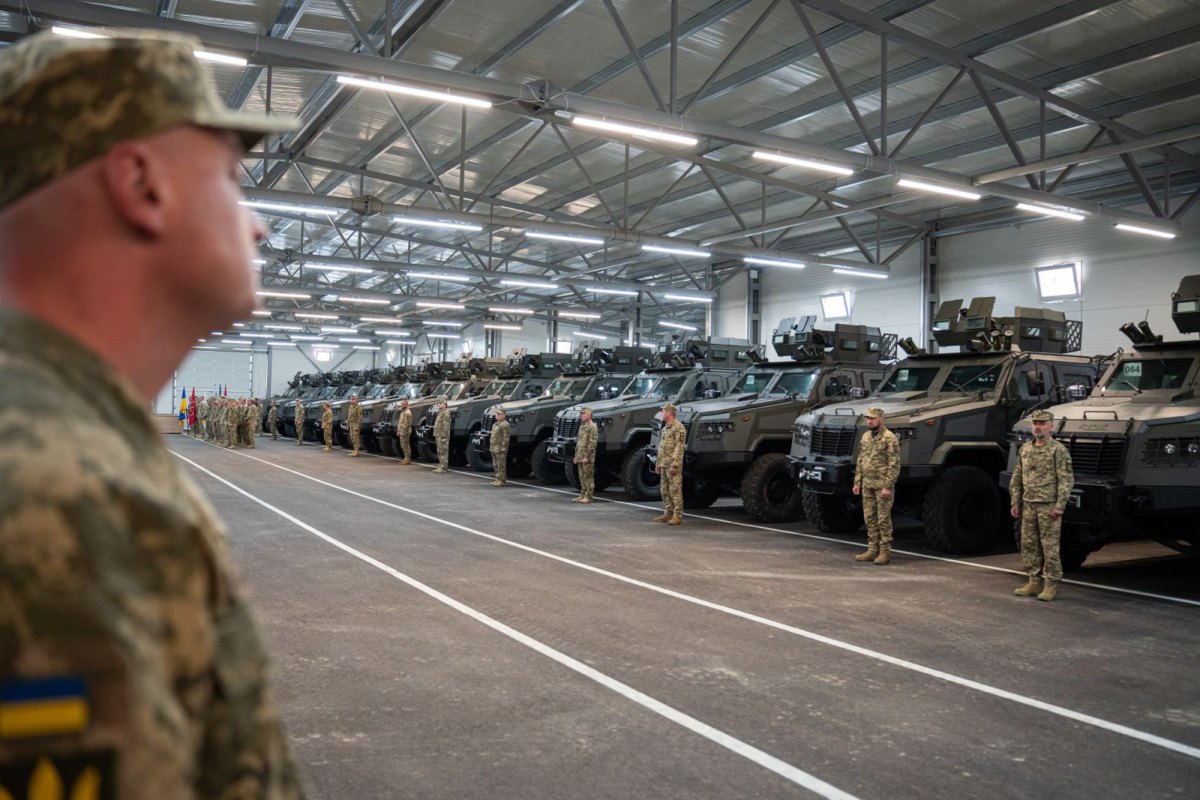
Will armoured vehicles disappear?
It is often suggested that the “drone war” could eventually eliminate heavy armoured vehicles from the battlefield. However, according to Vladyslav Belbas, the future of armoured vehicles depends on the evolution of weapons systems — but not in the near term.
“Right now, it’s machine guns, rifles, artillery. Armoured vehicles are precisely what protect against these types of threats. If, for example, a laser is eventually developed and armour thickness no longer matters, then armoured vehicles would disappear altogether. But in the next 10–15 years I don’t see such weapons becoming a reality,” he said.
He also mentioned railguns — electromagnetic accelerators that can launch projectiles at extremely high speeds. However, he noted that armour would only become obsolete if such systems were miniaturised, as they are currently used mainly in large naval applications.
For now, armoured vehicles remain essential: they are used in assault units and for evacuation missions.
“During medical evacuations, which are increasingly being carried out by unmanned ground systems, armoured vehicles with medical personnel are still required at certain stages,” said Hennadiy Khirhiy.
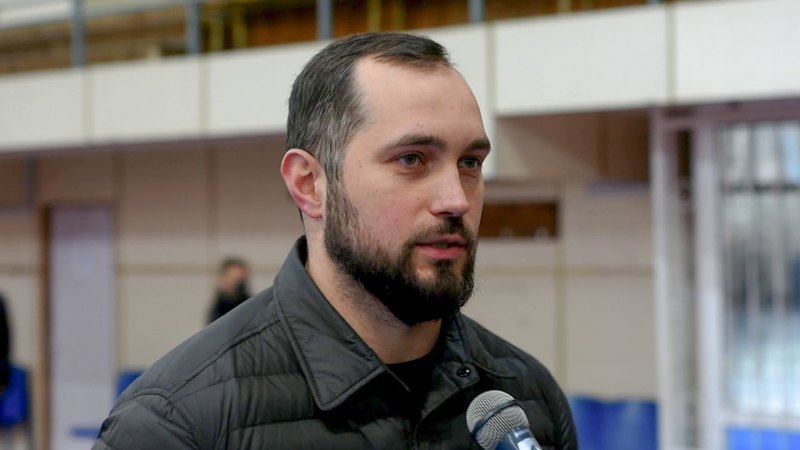
According to him, the need for armoured vehicles remains high even in the context of rapidly developing unmanned systems. He also says he hears directly from the military that shortages are still being felt.
“Although enemy forces constantly hunt these vehicles, they significantly increase the crew’s chances of survival. That alone is more than enough of an argument for the state to invest in Ukrainian ‘armour’,” said Hennadiy Khirhiy.