





The ‘bees and the queen bee’ scheme
Where are these Volgoneft vessels transporting crude oil? They are not heading to India or China. These river-sea class tankers are simply not designed to withstand ocean conditions and would be unable to operate safely on such routes.
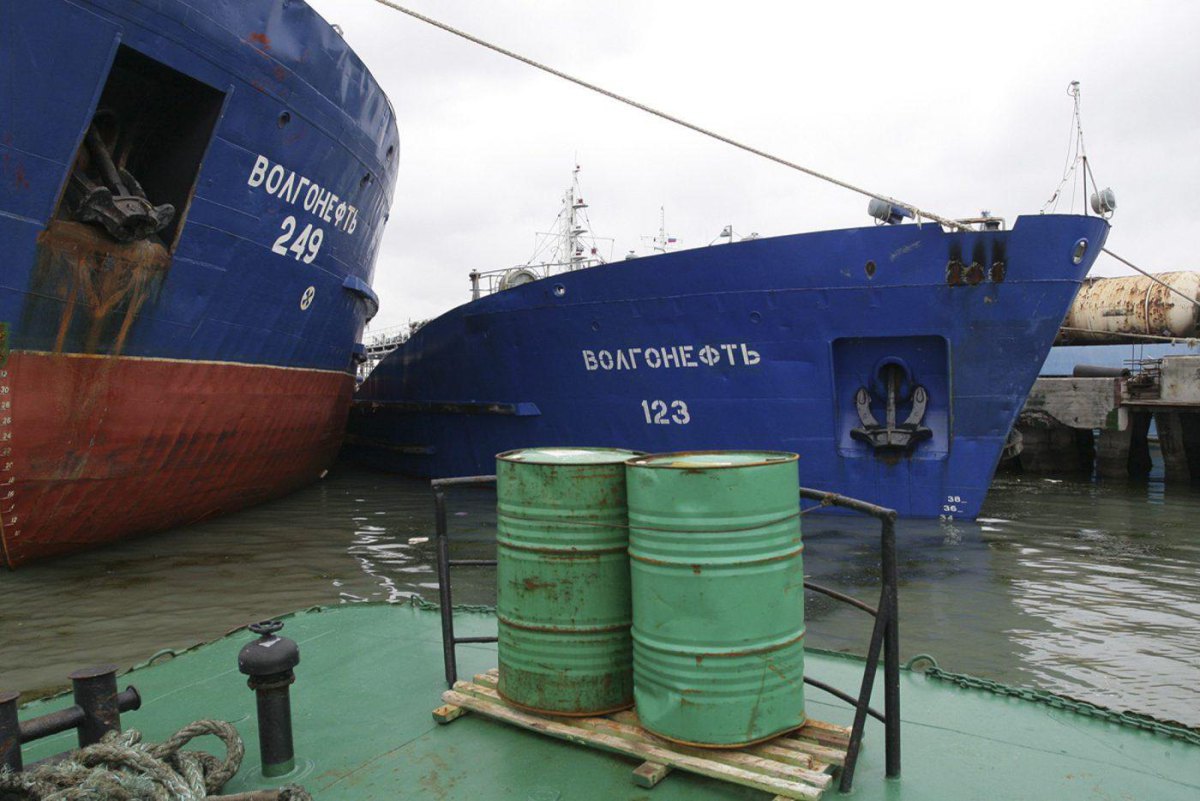
Their journey ends just beyond the Kerch Strait. Near the port of Kavkaz, the Taman Peninsula, or slightly farther out in the neutral waters of the Black Sea, so-called roadstead berths have been established for ship-to-ship (STS) transfers. Anchored there are large ocean-going tankers — Aframax and Suezmax vessels with a deadweight of between 100,000 and 150,000 tonnes —belonging to the so-called shadow fleet, operating with opaque insurance arrangements and often with their transponders switched off. According to the author, these operations are likely protected by helicopters and patrol boats intended to deter Ukrainian Magura and Maluk naval drones.
The smaller tankers — the 7,000-tonne Project 15781 vessels — pass beneath the Kerch Bridge, approach these larger ships, moor alongside them and transfer crude oil. Filling a single ocean-going tanker requires between 15 and 20 voyages by these smaller vessels from the Sea of Azov. Once fully loaded, the larger tanker proceeds through the Bosphorus and onwards to Asian markets, generating export revenue for the Kremlin.
The arrangement resembles a beehive centred around a queen bee. It appears to be an attempt to circumvent the deteriorating export infrastructure on Russia’s Black Sea coast and maintain crude oil exports. Storage capacity in Tuapse is limited, while facilities near the village of Volna have reportedly been struck repeatedly.
A ‘turkey shoot’: up to 40 per cent of the regional fleet reportedly out of action
Queues are now forming near the Kerch Bridge even for what might be described as the Russian budget’s principal revenue generators. At the same time, Russian Railways is heavily engaged in supplying the invading forces, and fuel shortages have reportedly increased delivery times by around 25 per cent. Against this backdrop, a campaign has emerged to target tankers waiting to transit the area or attempting to reach Crimea.
In the Black Sea and Sea of Azov regions, approximately 35 Volgoneft vessels and around 50 newer RST/15781-class tankers are currently in operation. While these figures are estimates rather than exact totals, they provide a clear indication of the scale involved. The active river-sea tanker fleet in southern Russia is therefore estimated at roughly 80–85 vessels.
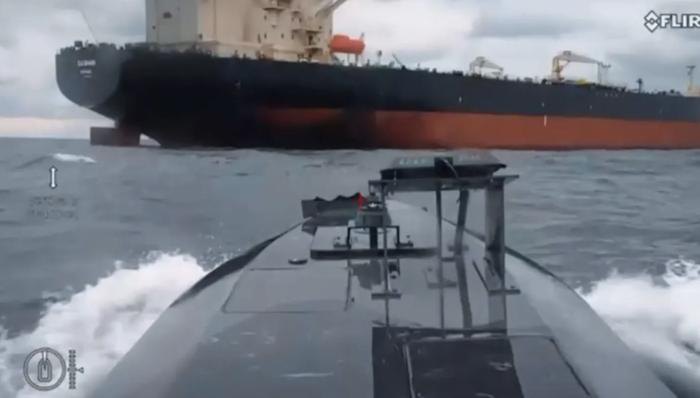
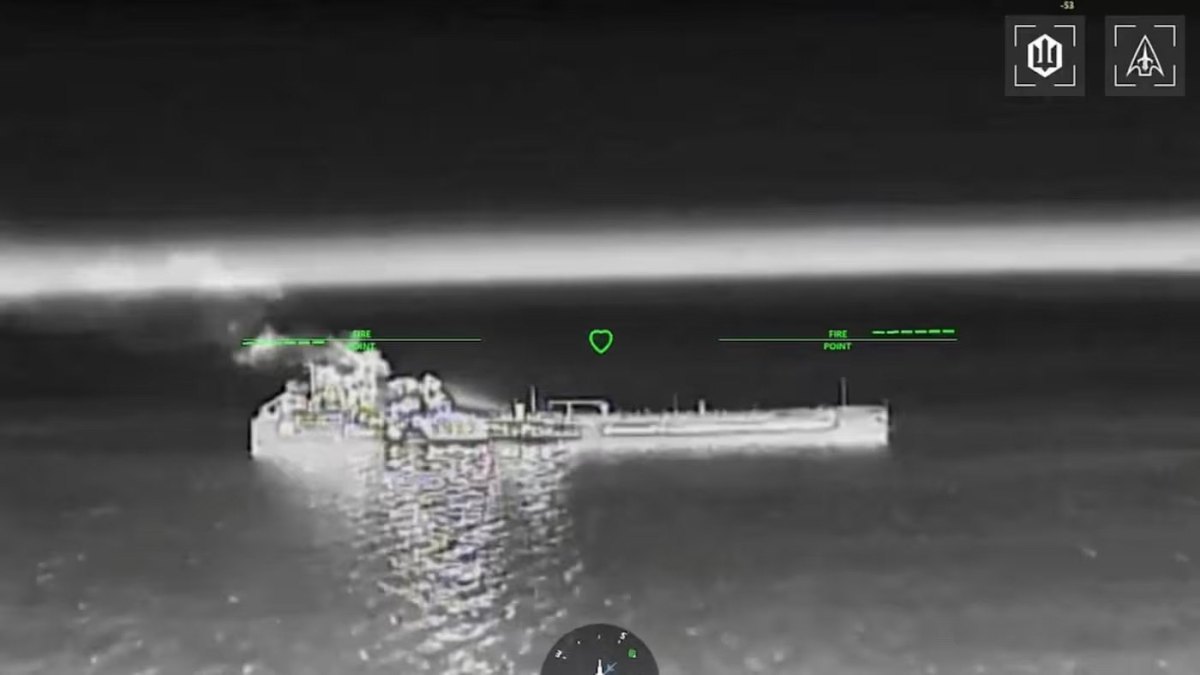
If only the tanker fleet is taken into account, it is claimed that nearly 40 per cent of all small oil and fuel tankers operating in southern Russia were put out of action within a 96-hour period. Both older and newer vessels were reportedly affected. The tanker Sanar-17 is said to have sunk, while Chelsea-6, Aura, Sonar-1, Ilya Repin, Venera-3, Penelope and the sanctioned Panamanian-flagged vessel Galiaskhar Kamal reportedly sustained damage, including destroyed wheelhouses and breaches in their hulls.
The loss of such a large share of a specialised fleet within a matter of days would represent more than a temporary disruption. According to the author’s assessment, fuel deliveries to Crimea have been significantly affected, while concerns over further attacks may be discouraging crews from operating remaining vessels from ports in the Rostov area. Moreover, not all vessels still listed as part of the fleet can be assumed to be fully operational or undamaged.
The disruption is also expected to affect export operations and the rate at which larger tankers are serviced. Regardless of the extent of the damage sustained, many affected vessels are unlikely to return to service during the current navigation season. This is particularly true given that shipyards capable of repairing RST/15781-class vessels are already operating at full capacity due to ongoing construction programmes. Replacing damaged equipment such as radar systems, radios, navigation equipment, steering controls, gyrocompasses and extensive electrical cabling is one challenge; restoring damaged vessels and recruiting crews willing to operate in a high-risk environment is another.
The Black Sea Fleet and operation Dump the Tankers
As in many previous incidents, the actions of the Black Sea Fleet have attracted considerable attention. According to numerous published videos, tanker convoys were not accompanied by escort vessels, nor were apparent efforts made to provide cover for ageing Volgoneft tankers using Raptor-class patrol boats or Rubicon drone interception units. The author argues that, while the Black Sea Fleet seeks to preserve its own assets, Russian commercial operators are bearing the costs of the conflict through damaged and destroyed vessels. In this assessment, the commercial fleet has effectively been left to fend for itself.
Billions of dollars in investment, academic studies, repeated threats of a landing operation near Odesa, plans for a total blockade, and high-profile naval parades have ultimately given way to a fleet largely confined to the vicinity of Novorossiysk, protected by minefields and defensive barriers. The author presents this as an example of how Russian resources have, indirectly, served Ukrainian interests. He also recalls earlier Russian claims that Ukraine would need Moscow’s permission to operate a grain corridor or face economic strangulation through a blockade.
Commercial losses
According to the author’s estimates, Russia’s losses from vessel repairs, sunk ships, lost cargoes and future operational disruptions have already reached approximately USD 200 million, although he describes this as a conservative assessment. The estimate also includes lost budget revenues, the financial difficulties of transport companies, increased dependence on state support, rising insurance costs and the expense of deploying replacement vessels to the region.
Behind each damaged tanker stand specific commercial interests, including companies such as Volgotrans, which owns several of the affected vessels, businesses linked to oligarch Vladimir Lisin, and operators associated with the so-called shadow fleet. For these entities, the estimated USD 200 million in direct losses may represent only the beginning of broader financial difficulties.
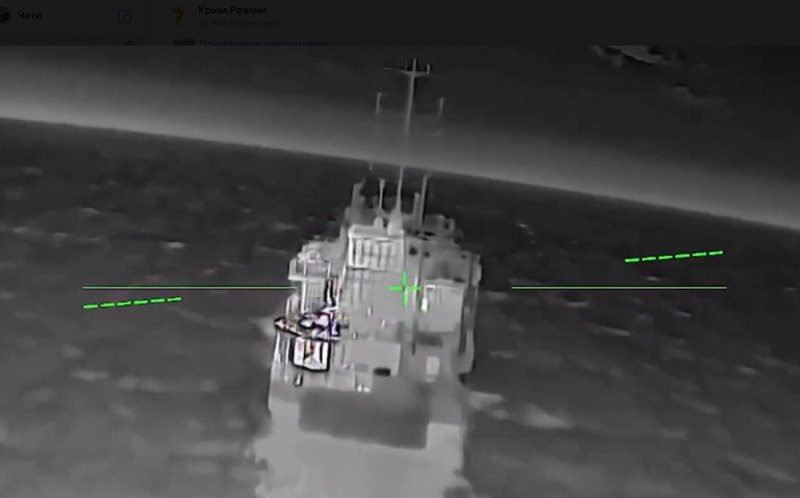
First, the industry faces a potential insurance crisis. Oil tankers cannot operate without insurance cover. Following damage to dozens of vessels, the Sea of Azov has effectively become a high-risk operational environment. Insurers may either withdraw coverage altogether or impose significantly higher war-risk premiums, fundamentally altering the economics of tanker operations.
Read alsoFuel cascade: How the Kremlin’s gas station is running out of fuel
Second, staffing and financing problems are beginning to emerge. Civilian crews are increasingly reluctant to operate in areas exposed to attack, forcing shipowners to offer substantially higher wages. At the same time, many vessels are financed through leasing arrangements. When collateral is destroyed, sunk or immobilised for lengthy repairs, companies may face severe liquidity shortages and growing pressure from creditors.
The author argues that burning tankers, lengthy queues beneath the Kerch Bridge, fuel shortages in Crimea, infrastructure disruptions in Belgorod and repeated attacks on industrial facilities are all interconnected elements of a broader logistical crisis. In his view, the war is placing increasing strain on Russia itself, imposing growing costs on both the economy and the armed forces. He concludes that resources are being consumed faster than Russia can sustain its long-term military objectives.