






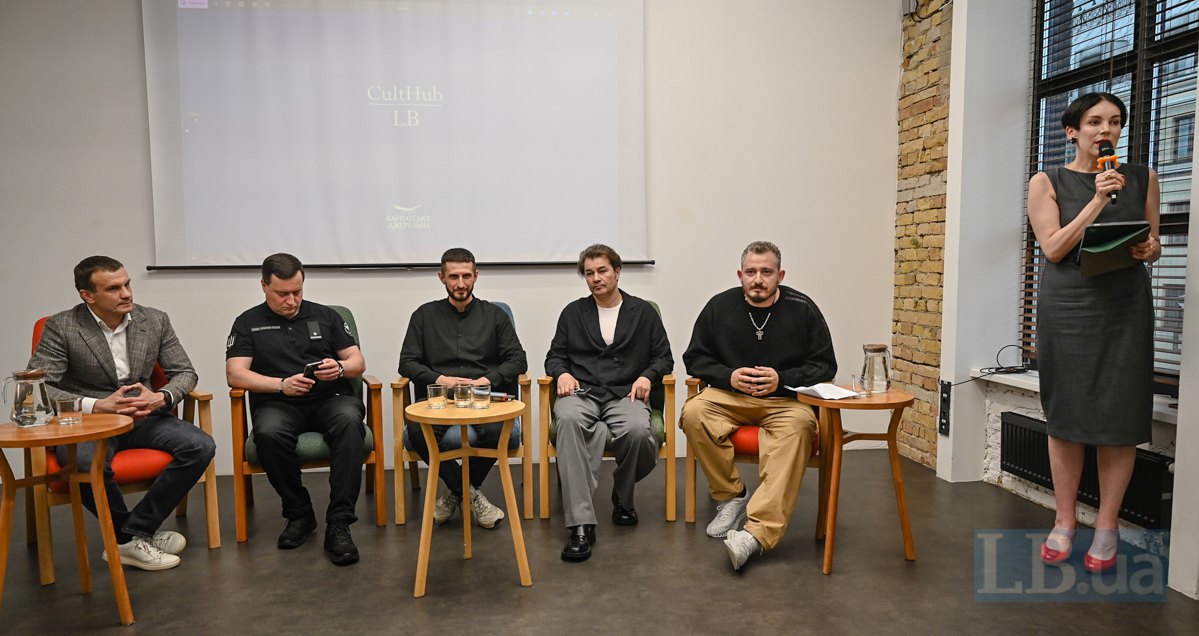
On the term ‘cultural diplomacy’ and the understanding of culture as a tool or weapon during wartime
Neither the Defence Forces nor the Ukrainian Institute, which operates under the Ministry of Foreign Affairs, consider the terms ‘cultural diplomacy’ or ‘soft power’ to be fully applicable. Instead, they use concepts such as ‘cognitive warfare’ or ‘cultural cooperation’, depending on the context. Since the beginning of the full-scale invasion, Ukraine has made significant progress, both in terms of quality and scale. However, as the country’s resources cannot match those of the aggressor state, priorities must be clearly defined to ensure that efforts remain focused and effective.
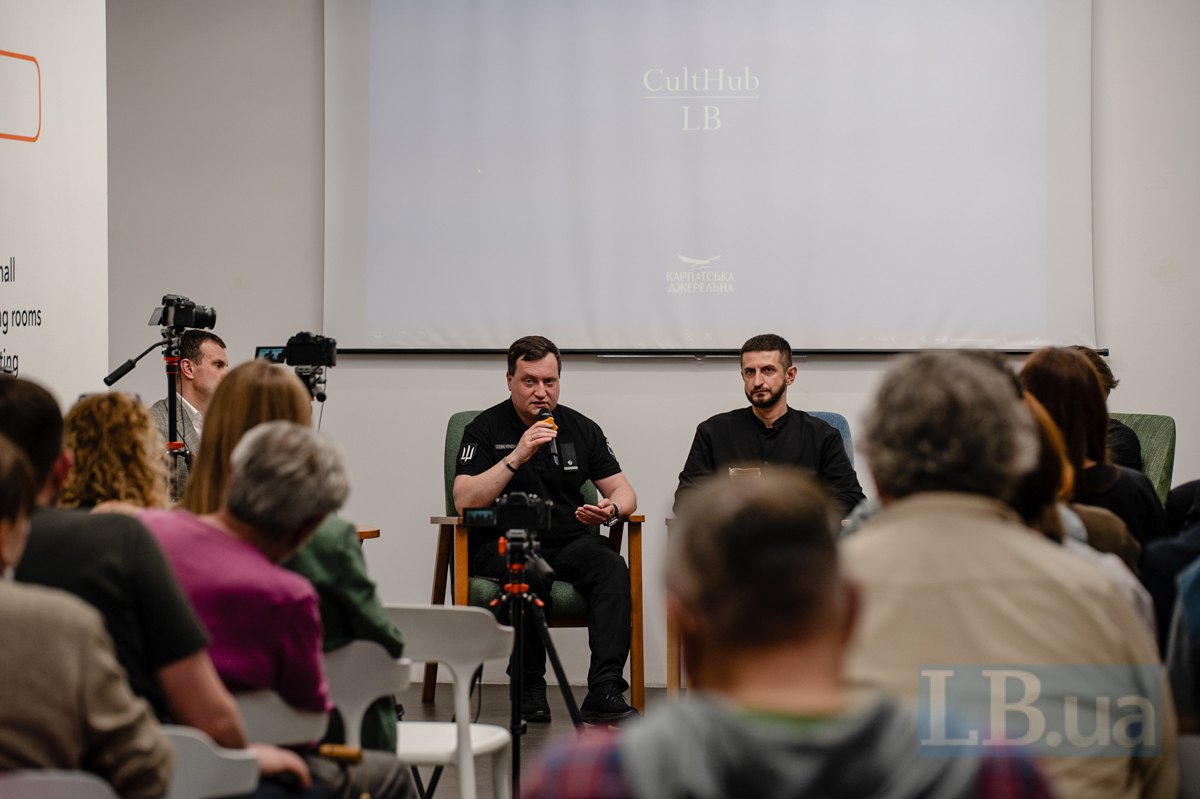
Andriy Yusov, representative of the Defence Intelligence of Ukraine:
“The term ‘soft power’ is not relevant in our situation, nor is the term ‘cultural diplomacy’.
Cultural diplomacy is when Shchedryk tours the world to promote Ukrainian culture, when Ukrainian artists engage with international audiences sincerely and openly. But when projects funded by the FSB promote narratives of racism and conduct anti-Ukrainian information and psychological operations, that is not cultural diplomacy; it is part of cognitive warfare.
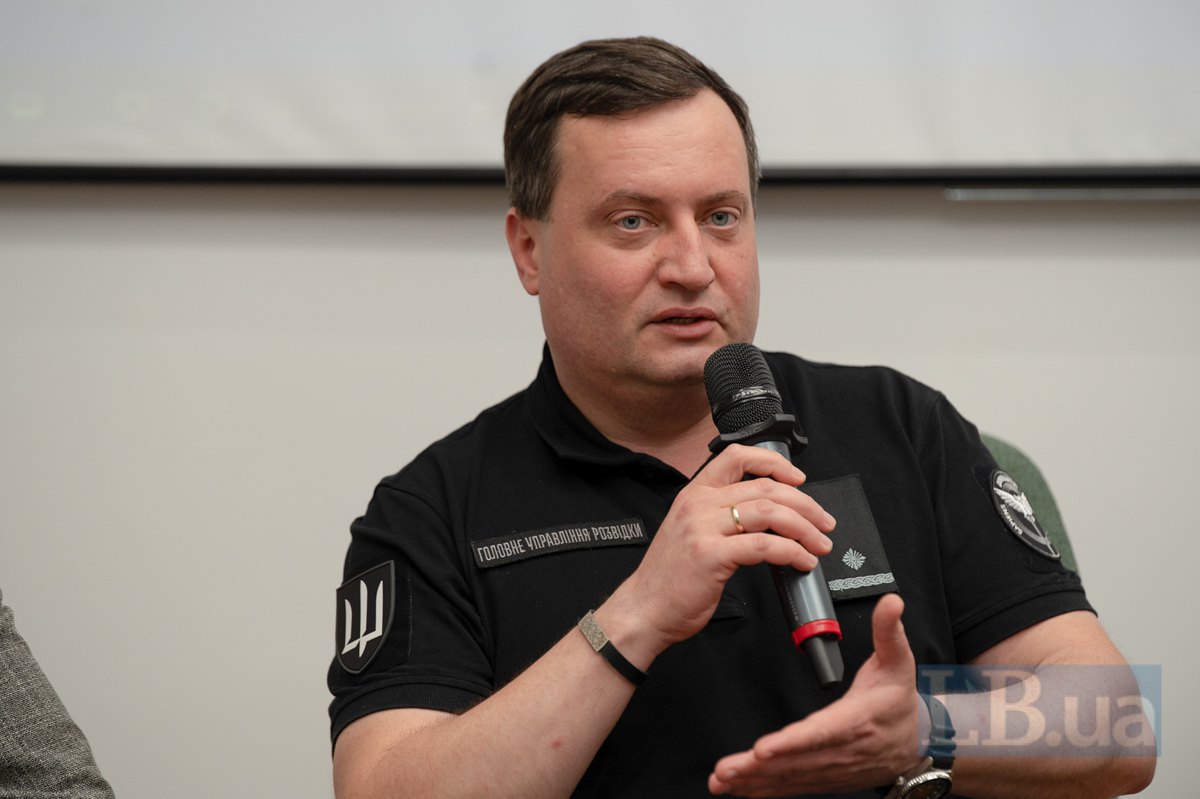
The Russian security services possess a comprehensive range of tools for cognitive influence. They have specialists trained to use them, as well as detailed instructions on where, when and under what conditions they should be applied. Such instruments often take precedence over kinetic weapons. If you first establish your own church, your own Pushkin, your own balalaika and ballet, there may be no need to send in tanks, because it becomes much easier to gain influence and secure a foothold.
At the same time, the resources required for the hypothetical balalaika and ballet are significantly smaller than those needed for ballistics and aviation.
Like conventional kinetic warfare, cognitive warfare is genocidal in nature because its purpose is to alter and fragment the consciousness of Ukrainians and erase their identity. On the global stage, the objective is to portray Ukrainian identity as illegitimate, harmful, criminal and inherently conflict-prone. In doing so, the aggressor seeks to weaken support for Ukraine and divert both domestic and international resources.
Of course, cognitive warfare is not our own invention. Countries around the world are working in this field; NATO places considerable emphasis on it. At the SBU Academy and other military academies in Ukraine, these issues are also studied and put into practice.
Credit must be given where it is due: since the start of the full-scale invasion, not only the Defence Forces but also civil society and the business community, acting both together and independently, have conducted a large number of successful influence operations. However, much more remains to be done.”
Alim Aliyev, Deputy Director-General of the Ukrainian Institute:
“I completely agree that the term ‘cultural diplomacy’ is outdated. We are talking about intercultural interaction, because it is always a two-way process.
When we talk about the Ukrainian Institute, there are several key areas of focus. These include artistic and academic programmes, research and analytical work — including studying how Russia uses so-called cultural diplomacy around the world — as well as Ukrainian language courses for non-native speakers and various communication projects.
In addition, we have several branches in Germany, France and the Netherlands. In 2023, we began placing a particular emphasis on countries in Asia, Africa and Latin America.
That said, I would like to stress that although the Ukrainian Institute is a flagship institution, we are not the only organisation engaged in cultural diplomacy. There are many independent actors in Ukraine with whom we cooperate and build partnerships. We also maintain strong cooperation with the Ministry of Culture and the Armed Forces, as many artists are currently serving in the military.
At the same time, it is important to note that not every project abroad can be considered an act of cultural diplomacy. I have developed a simple formula for myself: cultural diplomacy is about building long-term partnerships and long-term relationships based on trust. And trust translates into support. This non-linear logic is extremely important.
Another area that requires discussion and further development is academia and higher education. It is a very non-linear process, but it is one that shapes understanding and knowledge of Ukraine as a country and society.
That is why Ukrainian and Crimean Tatar studies are currently developing rapidly abroad. They provide the foundation upon which future decision-makers and elites in other countries will form their understanding and make important policy choices.”
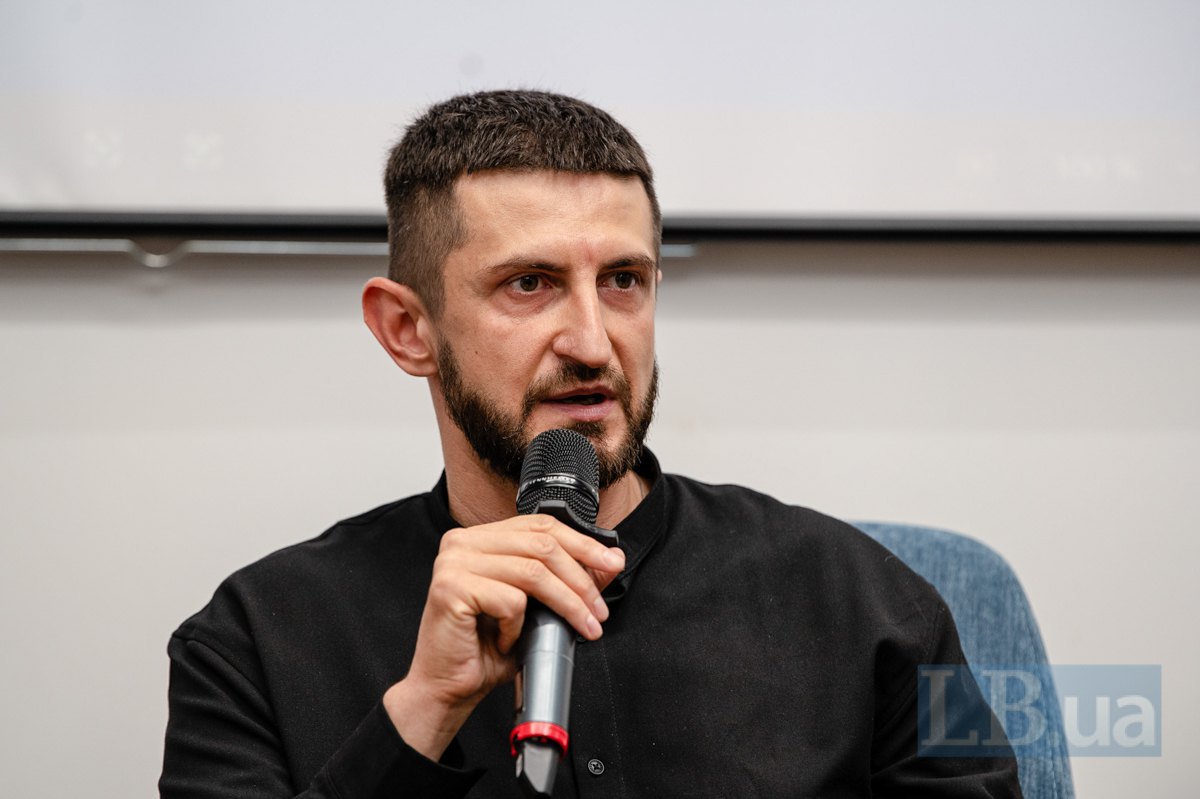
Mykola Serga, Cultural Forces:
“I’ll explain our approach using the example of one particular trip. It was a tour of the United States, the aim of which was to help secure support for Ukraine and contribute to the passage of the aid package for the country. That is why we focused on specific states and specific members of Congress. We were not working primarily with the Ukrainian diaspora but with American audiences. We deliberately appeared in places where representatives of the social groups we wanted to reach were gathering. At the same time, we could not publicly announce the concerts because the FSB quickly took an interest in our activities.
As a result, we performed in churches, universities, schools, fire stations, police stations and open-air venues. In total, we held 276 concerts in 97 days. It was an extraordinary marathon.
We are now preparing for a new series of tours, the first of which will take place in Finland. There, we will test a new format that we have been developing for several months. Cultural Forces is not simply a charismatic organisation that carries out projects and then tells interesting stories about them. We also have an excellent analytics department that studies narratives at several levels, including the strategic one.
The oil and gold of our century is attention. If you know how to capture people’s attention and combine it with meaningful content, you are in a very strong position.
For example, we are preparing for meetings and events in Poland. We have identified a number of ideas and narratives that resonate with right-wing audiences there. Coincidentally, one of our members is a Cossack who fought with Right Sector and, before the war, was a well-known musician in both Ukraine and Poland. We are taking him with us to a festival in Poland. I believe that the very fact that right-wing Ukrainian musicians are collaborating with right-wing Polish musicians is likely to attract significant attention. How we present this collaboration will determine whether it creates division or becomes a force for unity.”
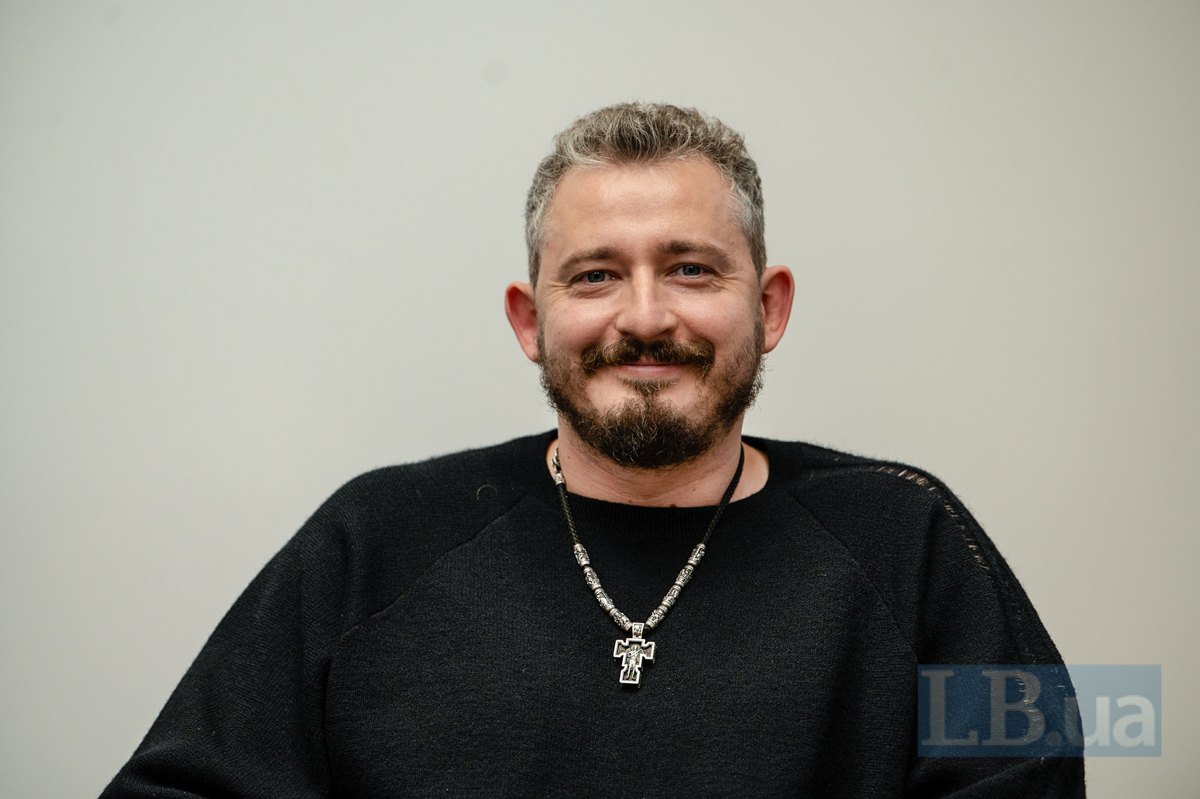
Serhiy Ustenko, Director of Carpathian Mineral Waters and a partner in the CultHub project:
“We understand that we must operate asymmetrically, because the disparity in funding between Rossotrudnichestvo and the Ukrainian Institute is obvious. That is why, for me, culture is a weapon. However, my approach to this weapon is somewhat unconventional.
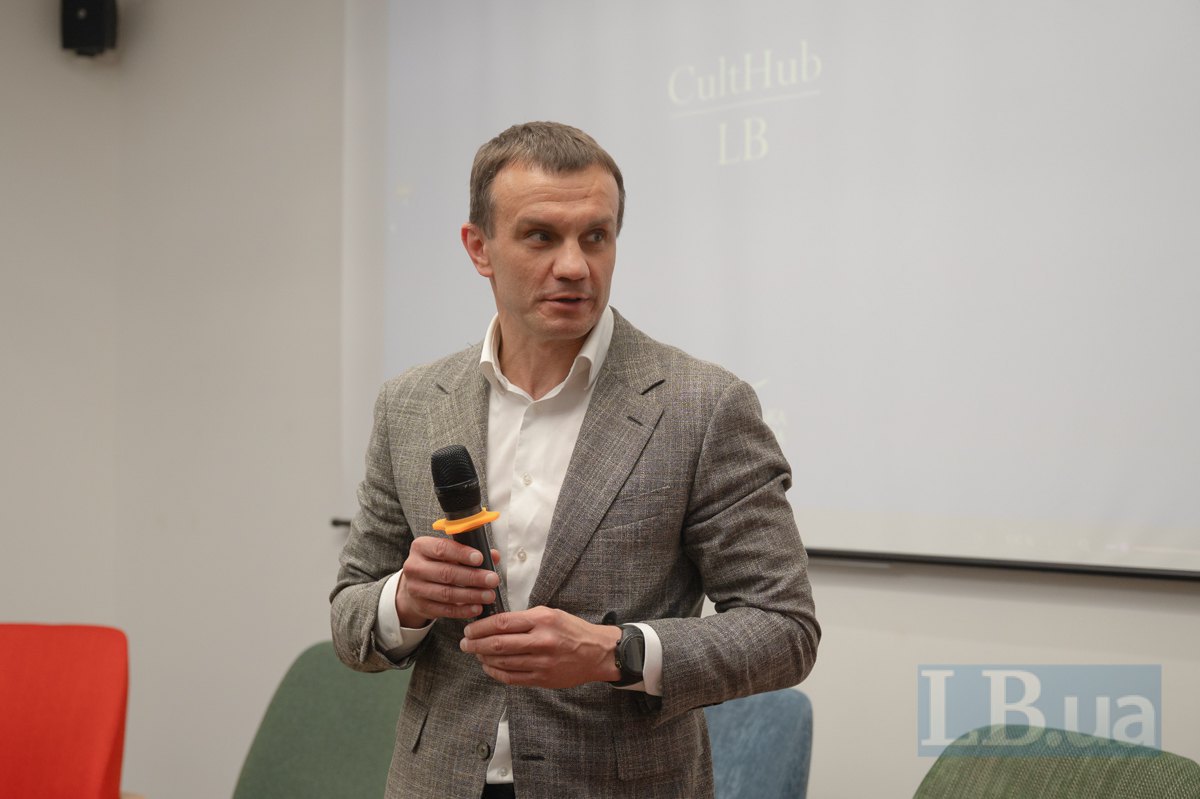
When it comes to culture, we often give away things that we should be preserving and making the most of. It is similar to the Kalashnikov assault rifle. Although it is a legacy of the Soviet Union, it serves its purpose to our advantage. The same applies to our cultural heritage. Russia has invested enormous effort in ensuring that ballet is perceived as exclusively Russian. I believe we need to be much more assertive about protecting and promoting what is rightfully ours.
Secondly, we need greater consolidation. Of course, we are not the Russian Federation; not everyone here can operate according to a single set of instructions issued by a central authority. Nevertheless, there must be greater coordination and concentration of resources. If Russia channels substantial funding into ballet and several other priority areas, while we pursue a ‘guerrilla’ approach across 200 different directions, the outcome will inevitably reflect that imbalance.
Another important aspect is that, thanks to the remarkable initiative of Ukrainians, a large number of cultural projects have emerged abroad independently. These initiatives need support. For example, there is a highly active gallery in Germany that requires not so much financial assistance as attention from the Ukrainian state — at the very least, a visit from representatives of the Ukrainian consulate. Yet this is not happening, despite the fact that support of this kind exists at the level of Germany’s federal states.”
Andriy Khalpakhchi, Director General of the Kyiv International Film Festival Molodist:
“We often speak about cultural diplomacy and soft power. But why are we so reluctant to use the word ‘propaganda’? For many of us, propaganda is associated first and foremost with figures such as Solovyov. Yet propaganda has always existed, and in this sphere we have fallen significantly behind.”
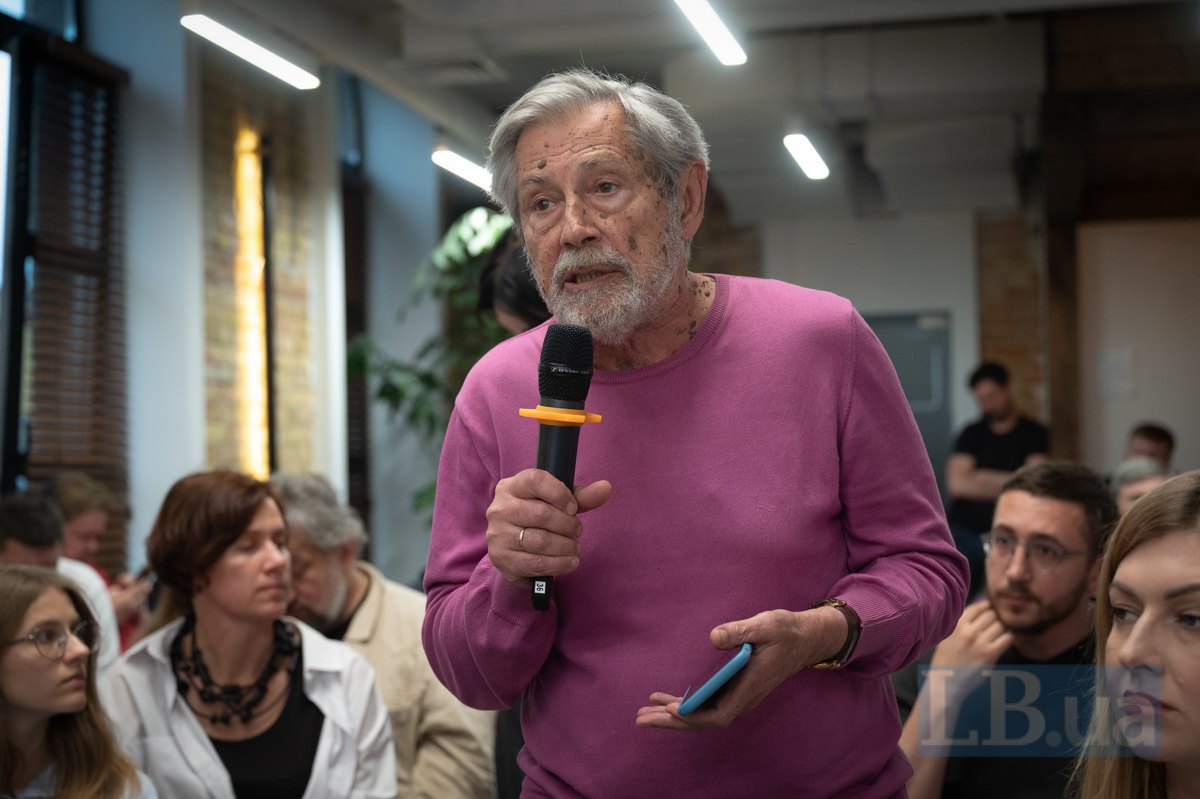
“I had this experience, for example, in 2004, when we travelled to Crimea with our propaganda campaign. It was then that I realised just how firmly Russian propaganda had already taken root there. We were almost the first to screen Ukrainian films. And this was despite the fact that in the villages of Crimea, people spoke mainly Ukrainian or Crimean Tatar.
And one more thing. We’re talking about opposition to Russian art. That’s all well and good when it comes to the ballerina Zakharova or the violinist Repin. But recently, a scandal erupted over Zvyagintsev’s Minotaur. And it reminded me of that very same story about Pasternak: ‘I haven’t read it, but I condemn it.’ People hadn’t seen the film, but they were writing about it.
I’ve seen this film and recognised in it a diagnosis, a mirror held up to Western audiences showing what modern Russia is really like. We must make use of people like Zvyagintsev.”
On the changing perception of Ukrainian culture and the global stage
This year, for the first time since the start of the full-scale invasion, Russia has found a way to return to the Venice Biennale with its own pavilion. This has sparked a massive reaction in artistic and government circles, culminating in the resignation of the Biennale jury and the threat of the Biennale losing its EU funding.
What has Ukraine done, and what is it doing, to occupy the physical and metaphysical spaces temporarily free from Russia? Is it working systematically to bridge the gaps in knowledge about Ukraine? And, more broadly, has the world truly understood that Ukrainian and Russian cultures are two entirely separate worlds?
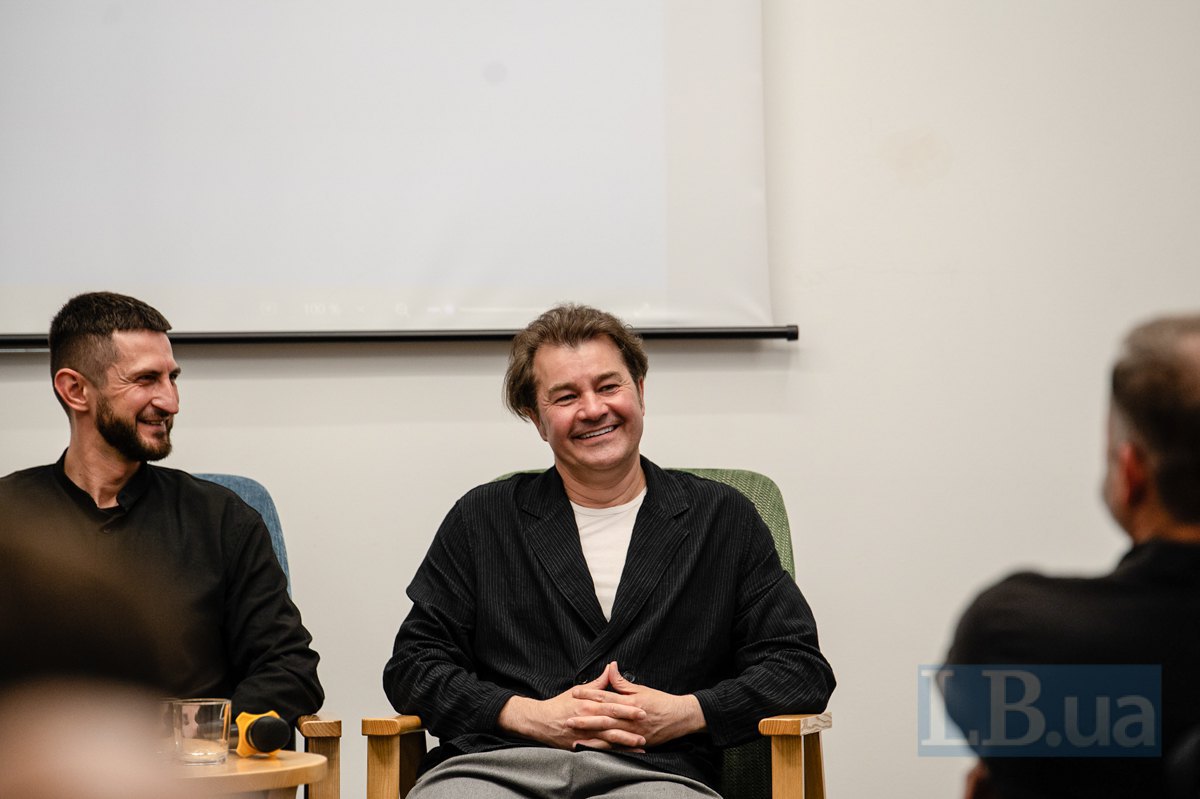
Yevhen Nyshchuk, Minister of Culture of Ukraine in 2014 and 2016–2019, General Director and Artistic Director of the Franko Theatre:
“Back in 2018–2019, we were working out the figures and had agreed to purchase a pavilion to represent Ukraine in Venice. The cost at that time was 2.5–3 million euros. Unfortunately, it never came to pass.
But the point is that for every cultural genre, there are important European or global centres where our presence is essential — not on an ad hoc basis, but as part of a planned strategy.
Otherwise, every two years we end up looking for a venue, paying a fortune in rent — and in the end, nobody realises it’s a Ukrainian venue. And we have to spend extra money just to make a big fuss about the fact that this is specifically a Ukrainian presentation.
At present, there is a lack of strategy and coordination. Do you remember the campaign to recognise the Holodomor under Yushchenko? That was a state programme, a good, successful example. Now, it seems, everyone is just doing their own thing in a chaotic manner. We can’t say that we’re systematically developing ties with any particular African country or with China, or that we’re involving various art forms in this. Back then, we systematically travelled to dozens of European countries to stage performances. And that had a greater impact than dozens of official letters. Because that was the only way people could grasp the scale of the tragedy.”
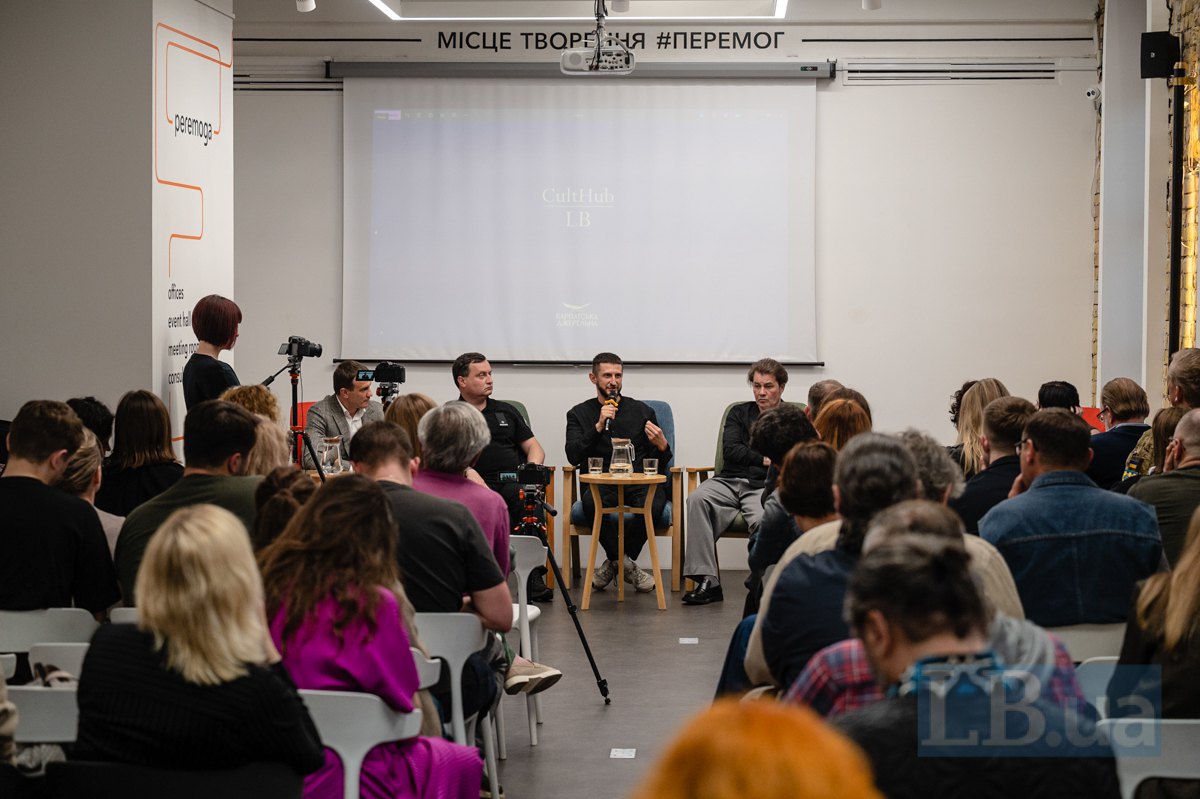
Alim Aliyev:
“We talk a lot about the Russians, but first and foremost we need to learn to talk about ourselves effectively. The Biennale affair is also an indicator for me. It seems to me that in this minor information battle, they won, because most people were talking about the Russian pavilion. And I fully support the idea that there should finally be a Ukrainian pavilion.
Here are a few lessons we’ve learnt since 24 February 2022. First: Ukrainian culture is competitive on the world stage. Society used to have its doubts about this. Now we’re seeing events all over the world selecting various Ukrainian projects.
Until 24 February, we focused exclusively on European countries. Afterwards, it became clear that there is a huge need to engage with the wider world. We are now working extensively with specific countries in Latin America, establishing collaborations that help build long-term partnerships.
And one more thing. In 2022, a clear distinction was drawn in the global consciousness between Ukrainian and Russian cultures. And now we really need to be present at all the key venues. Recently, my colleagues and I had a discussion about a hugely important jazz festival in Africa. It’s held in Cape Town, and Russians are, of course, represented there. My view is that we need to be there too.”
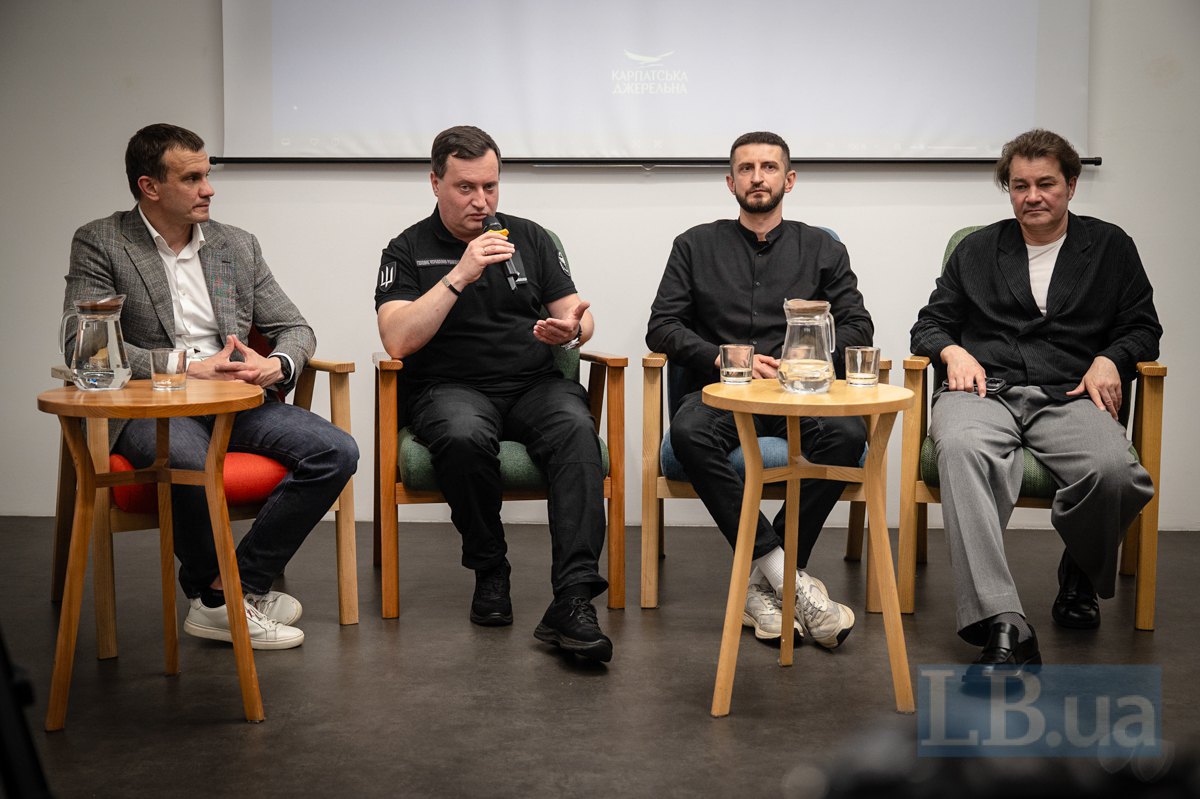
Andriy Yusov:
“Returning to the discussion about the biennial and the venues. The scale outlined is entirely manageable for both the state and Ukrainian business, particularly large enterprises. This is a matter of responsibility for those whose businesses have flourished thanks to our state.
I think we have already learnt very well how to respond. When it comes to repelling attacks, Ukrainians are now the best and the quickest. The Russians continue in a very monotonous, blunt, costly and often highly ineffective manner, but they are in it for the long haul. We may laugh at the story of Lavrov in Africa, where Pushkin readings took place. But if billions are allocated every year, then over a ten-year period this will yield results.
We all need to learn to think for the long term — the security and defence forces, the state, and civil society alike.
And there is a separate, major challenge, beyond influencing the world, which is influencing ourselves. The Ukrainian diaspora is one of the largest in the world. And it will remain so for the foreseeable future. The enemy already understands this and is actively working through the church, culture, humanitarian organisations, education, children and television. We have no right to lose this war, and we will not be able to win it through short-term measures alone.
As for distinguishing between Ukrainians and Russians, the progress has been enormous. The enemy now recognises our agency. And this is already an acknowledgement of our joint efforts and struggle.
On the subject of so-called ‘good Russians’. If we are talking about cognitive warfare, what questions could there possibly be for Kasparov or Nevzorov? If we are talking about conventional warfare, what questions could I possibly have for a fighter from the RDK or the ‘Freedom of Russia’ Legion? We need to think about how to make sense of this, how to communicate correctly both amongst ourselves and to the world.”
How artists can build connections and partnerships with international audiences and colleagues
During the discussion, which involved not only the panellists but also artists in the audience, opinions were divided regarding international audiences’ awareness of Ukrainian cultural output. Among those who regularly tour or collaborate abroad, there are some who feel that knowledge of Ukraine remains very limited. There are also those who take a more optimistic view of the situation.
The Ukrainian Institute is increasingly investigating the actual state of affairs. Over the past few months, the Institute has already presented in-depth studies on several countries, which provide a better understanding of what people know about both Ukraine and Russia, and which myths need to be addressed. The studies also contain useful information on which cultural institutions or festivals in a particular country are worth collaborating with.
Vlad Troyitskyy, theatre director and producer:
“In reality, almost nothing is known about Ukrainian culture abroad.
It is an illusion that we are making inroads there. That is not true. Because these are one-off initiatives that happen there from time to time. And as things move so quickly these days, everything is forgotten.“
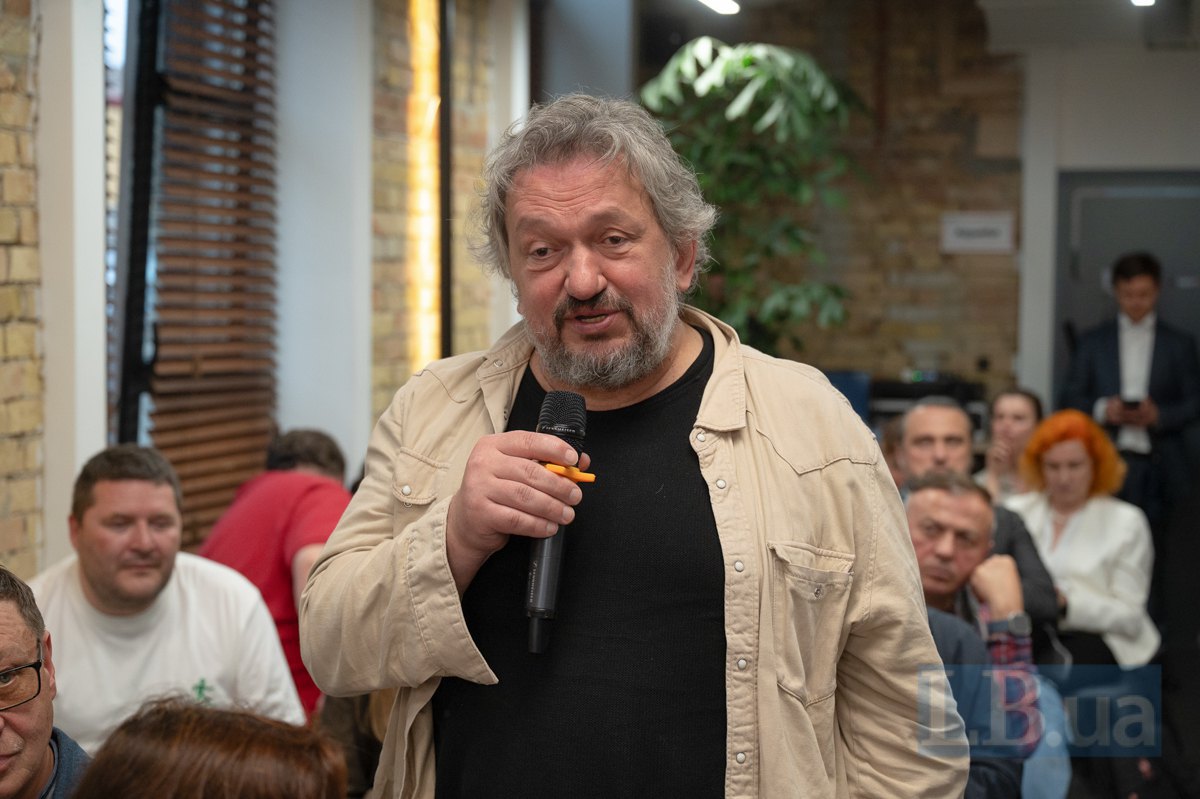
“Why do the Russians continue to dominate? Because they have hidden funding. For example, Abramovich himself funds Serebrennikov, but doesn’t speak publicly about it. And Serebrennikov stages an opera at the Bastille, opens the Avignon Festival, and so on. There are no examples from our business sector that operate in such a systematic way. There is, perhaps, the case of Pinchuk, but that’s under his own name.
And the issue isn’t just about money, but about how we approach a systematic approach. Because, whether you like it or not, the Russians are working hard and have formed a whole clan of useful idiots who promote their ‘great’ culture. And so our attempts to cancel them come across as adolescent insults.
How should we build our own myths for the outside world? Using what tools? That’s a big question. We’ve already mentioned Ukrainians abroad, but there’s no strategy for mobilising them.”
Tamara Trunova, director:
“Everyone I speak to—the people who are trying to create theatre today—are either working at the very limits of what’s possible, or have already fallen beyond those limits. But at the same time, I have to agree with Vlad Troyitskyy—we’re not known abroad. I am there, fortunately, but, sadly, I have to confirm this. And such rare, wonderful instances seem more like a flaw in the system or a consequence of the system’s absence.”
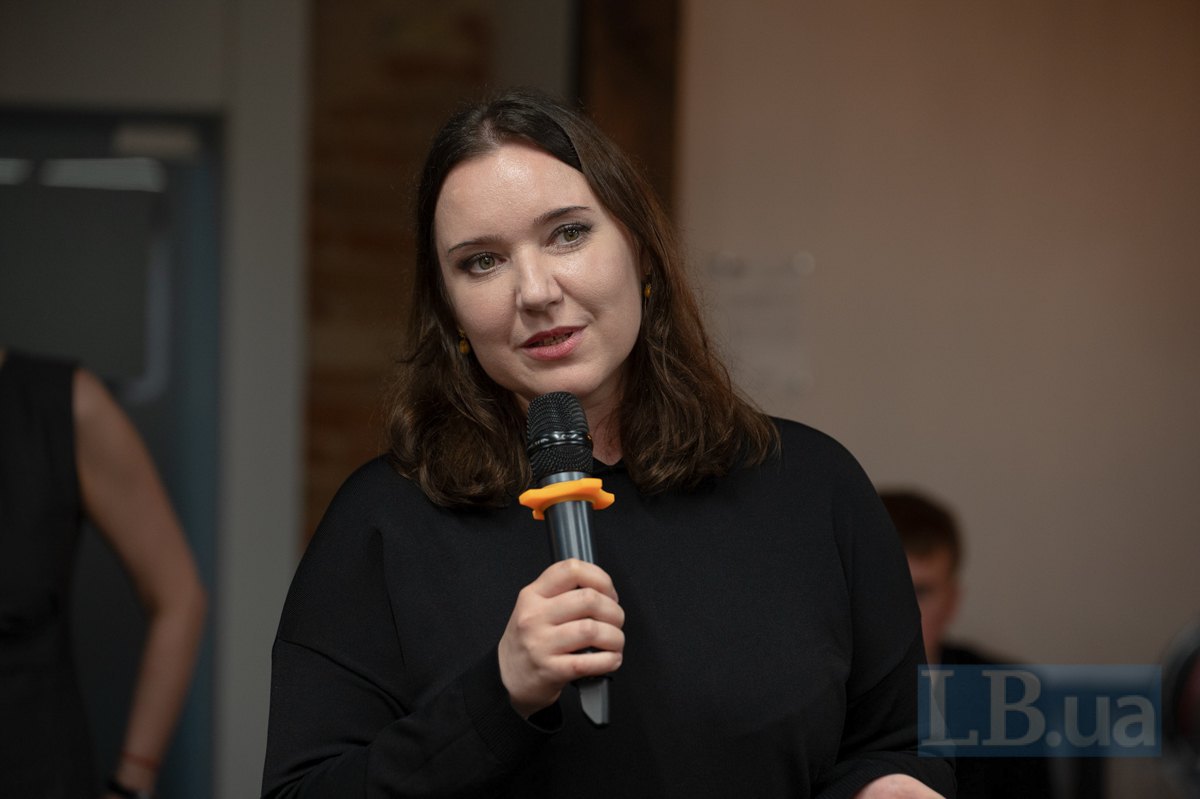
“That is why we are not saying that we are not doing enough. We are saying that we are doing the wrong thing, or doing it the wrong way — or perhaps both at once. And we fantasise about some sort of continuity, some sort of vision, but there can be no vision whatsoever if we’re using our resources in the dark, with whoever has the longest arm getting the upper hand. It doesn’t work like that. Without an ecosystem, no continuity works.”
Rostyslav Derzhypilskyy, Director and Artistic Director of the Ivan Franko Academic Regional Music and Drama Theatre in Ivano-Frankivsk:
“We’ve already heard conflicting views here about whether we’re known or unknown in Europe. I suppose we need to find a middle ground. I’ll briefly share my own experience. We have a production of Dziady by Mickiewicz, directed by the Polish director Maja Kleczewska, with whom we actually toured in Poland. And 95 per cent of the audience at those performances were Polish. Similarly, there is a project by the Slovenian director Tomi Janežič, and we toured in Slovenia.
Why am I saying this? It’s one way forward — inviting people to collaborate. We have examples where Ukrainian directors — such as Davyd Petrosyan and Tamara Trunova, who are here today — work systematically with international audiences.”
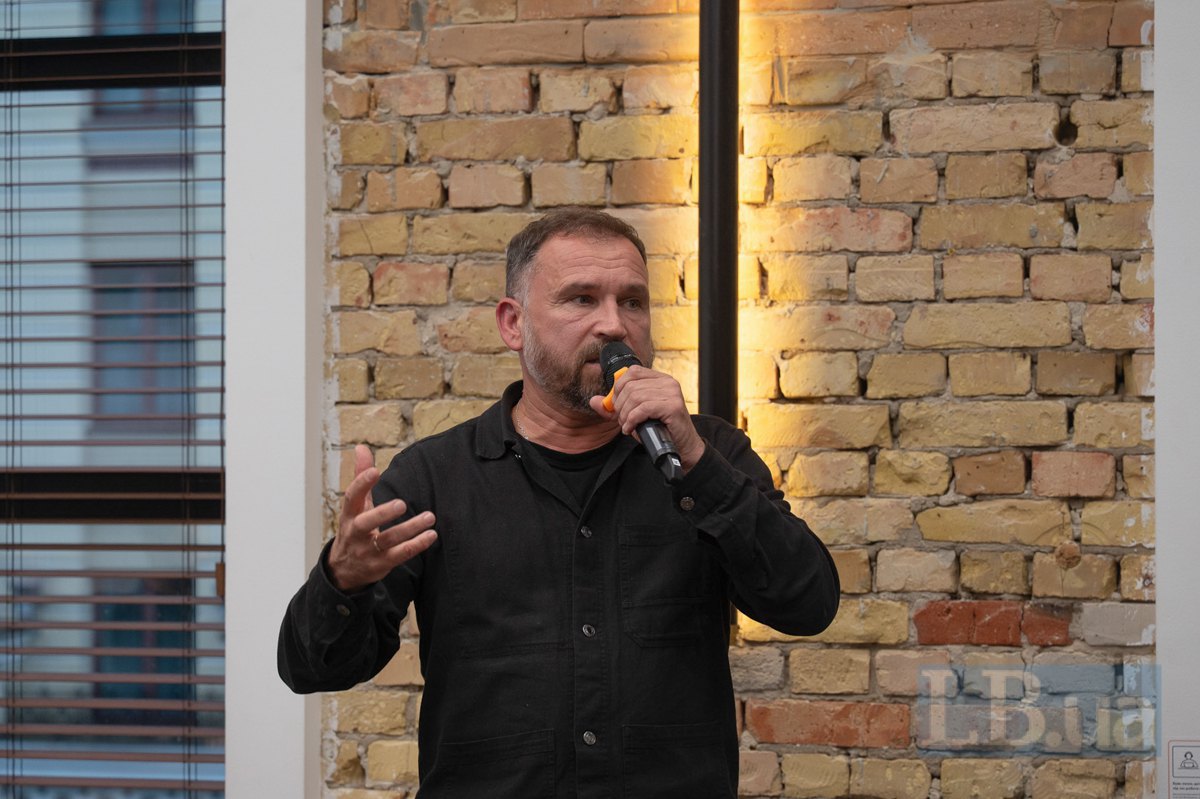
“But there’s one last thing I’d like to say about all this. When we were touring in Poland, our relations with that country were still a little better; what’s more, we were staging a play by a Polish director based on a text by Mickiewicz. The Poles were delighted.
In Slovenia, it was a completely different story, a completely different reaction. We weren’t allowed to bring a flag. The director argued that doing so would make things worse. And that’s when I realised that we need to work very specifically with each country individually. And to understand that in every country there is a different context for how Ukraine — or our enemy, Russia — is perceived.
So this also requires a very systematic study of the situation in each country.”
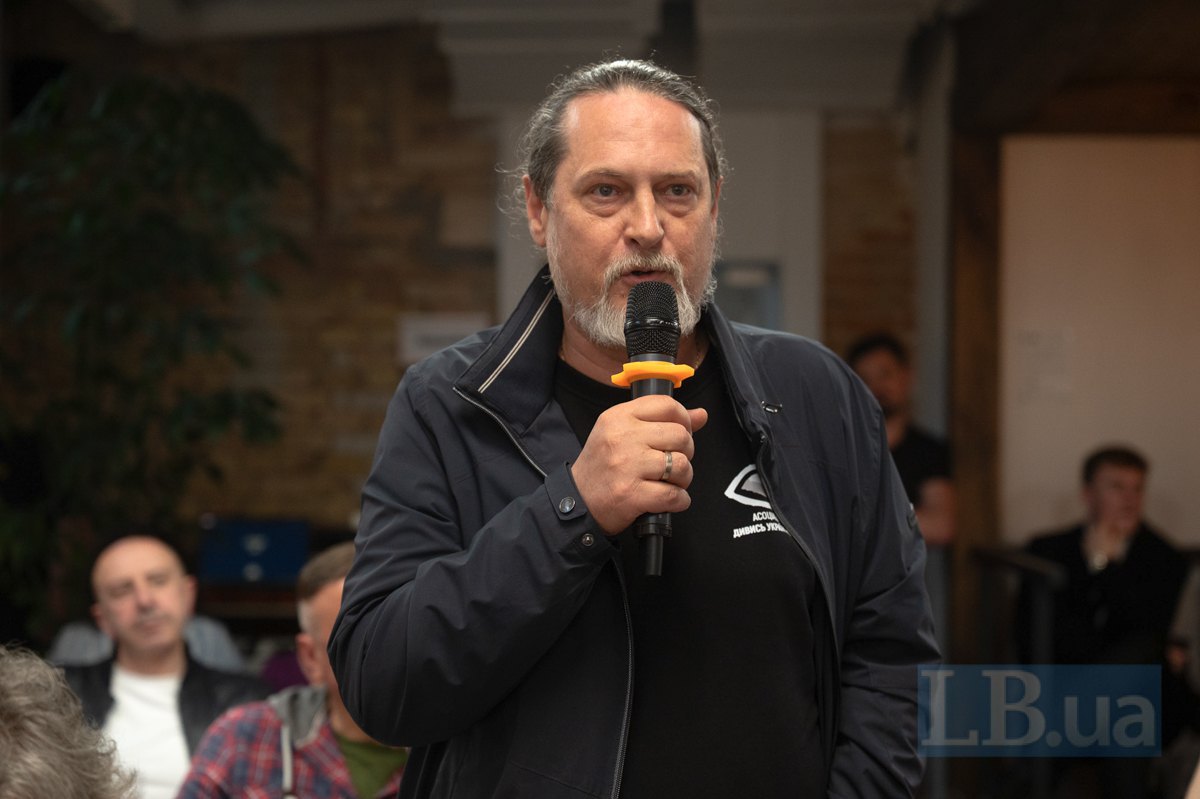
Andriy Rizol, producer, chair of the board of the Watch Ukrainian! association:
“Since the start of the Great War, our Watch Ukrainian! association has organised more than 700 events in 55 countries around the world. And although I regard this as an impressive figure, in my view, everything we are doing (not just the association, but all of us) amounts to only 2–3 per cent of what is needed. And there is no coordination between us. There is no plan; we are all playing our own instruments without a score and without a conductor.”
An artist working under the pseudonym NEIVANMADE also joined the conversation. Since the start of the full-scale invasion, he has been creating posters that concisely depict the realities of war. The artist focuses primarily on an international audience. His works have already been exhibited in many countries around the world.
NEIVANMADE (Mykhaylo Skop):
“I started making posters on 25 February 2022, because at that time it was necessary to convey a certain image briefly, as symbolically as possible, in a way that appeals to clip-based thinking. So that people wouldn’t have to read long texts explaining what happened and how it happened; they wouldn’t have to make sense of, for example, documentary footage, because without context or text, it isn’t comprehensible. Instead, I wanted to use this super-fast, visual approach, appealing to archetypes and universally accepted values. At the time, I was targeting the traditional, conservative section of society, particularly in the US.”
“Whilst working on the posters, I found myself asking more and more: who is speaking? Who is a Ukrainian?
For me, it’s now a matter of principle to use posters to show what Ukraine is all about. Because when you know your neighbour, you feel not just empathy but also sympathy towards them. And that sympathy lasts a long time. In fact, this is what Russia has been doing for hundreds of years — cultivating sympathy for itself.
Now, when I talk about terrible things, it’s important for me to talk about tomorrow at the same time. Because right now is the time for Ukraine to imagine itself tomorrow, as that is precisely what tells us who we are today.”
On the coming war of ideas (regardless of the duration and format of hostilities)
On the question of the future, the participants in the discussion agreed that Ukraine must make the most of the small window of opportunity that still exists — the current fascination with Ukraine and its resilience. To showcase the full diversity of our culture, explain our history and cement our place in the minds of foreigners. After all, regardless of the duration and outcome of the current phase of hot war, Russia will continue to invest in cognitive warfare, just as it always has.
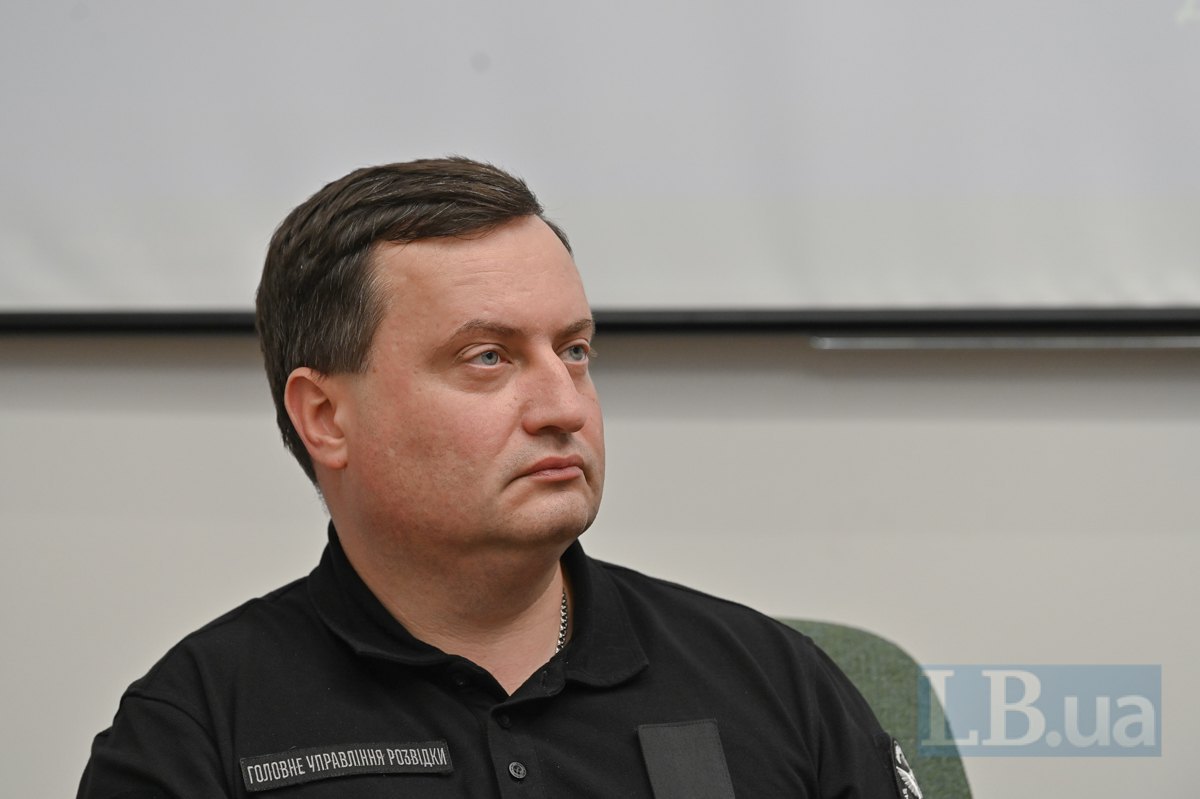
Andriy Yusov:
“If, as a result of the cessation of hostilities — whether or not any agreements are concluded — or a freeze on the conflict, at least for a while, part of Ukraine’s sovereign territory remains under the control of the occupiers, this will give them grounds to claim that they have not lost, and that they have achieved certain objectives of the so-called ‘special military operation’. No one is interested anymore in what those objectives were from the very beginning; they are retroactively inventing new ones.
And then they will go on to recount and exaggerate all these stories about war crimes, and what happened in the Donbas, how it was bombed for so many years, and about the boys in their underpants. All this will happen. And what’s more: as soon as there is a freeze along the front line, the line of combat engagement, a significant portion of the resources saved will not be channelled into the development of local self-government in Russia, cultural development, environmental projects or energy conservation.
No. These resources will be redirected specifically towards cognitive warfare — that is, towards propaganda and other tools — and this is not just against Ukraine, but against Western civilisation and the free world as a whole. It will always be a war. It will be against NATO and against Ukraine, against the EU and against Ukraine.
That is why, for us, cognitive warfare will not end once the hostilities have ceased. And this is definitely a long-term game — we will have no other choice.
In the near future, the average Russian will understand very little.
Even if they switch off the telly and hang Putin in Red Square. It will take generations upon generations to achieve that. And in these circumstances, we must preserve our unity and mental well-being, and, of course, engage with the world. And we must understand that Russia will remain a source of influence for us for many years to come. Not because we want it to be so. For us, this is a matter of security and survival.
Because there will still be millions of people there who do not regard us as human beings, who do not regard us as a country, a people or a nation, and who do not consider our church, our language and so on to be worthy of them. I think we will have to cope with all of this, because there is simply no other way.
And this is precisely the difference between propaganda and strategic communication. It is very difficult to compete with totalitarian regimes when it comes to propaganda. Strategic communication is about explaining reality, what is actually happening. And for Ukrainian culture, the question of propaganda will often not even arise. But the issue of strategic communication from a state that has suffered a hostile attack, a genocidal war, terrible losses and a propaganda offensive — including the issue of strategic communication for all of us and for our culture — will always remain.”