





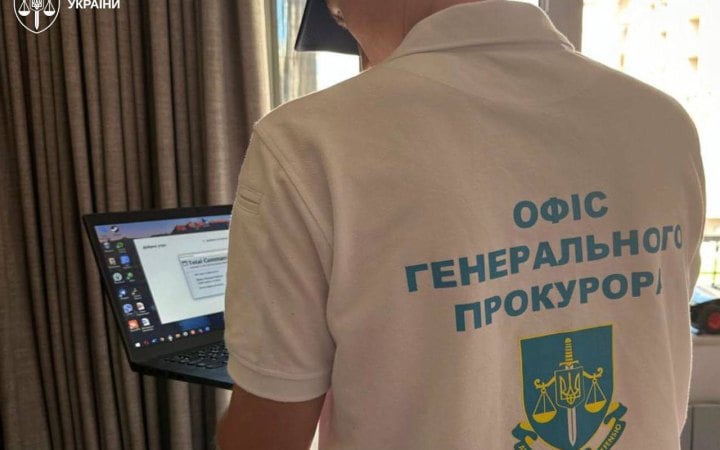
Law enforcement officers have exposed a criminal organisation that, under the guise of teaching people how to invest, swindled nearly a thousand Ukrainians out of more than one million dollars.
This was reported by the Prosecutor General’s Office and the National Police.
The Prosecutor General’s Office says that about 800 people may have been affected by the fraudulent network. The total amount of damage exceeds UAH 40 million. Police, meanwhile, say they have identified 988 unique accounts that may belong to victims. Therefore, the number of people defrauded could reach nearly a thousand, and the total losses amount to about $1,110,000.
According to investigators, the criminal scheme was organised by two residents of Kharkiv. They created an extensive structure with a clear division of functions among participants, financed its operations, and took measures to maintain secrecy. The network recruited SMM specialists, managers, and so-called traders.
The suspects operated under the name of the so-called “Ukrainian Financial Academy” and offered citizens training in cryptocurrency investing. They placed ads on Facebook and Instagram, promising help from experienced traders and quick profits.
Using social engineering methods, specialized software, and modern communications tools, the fraudsters built trusting relationships with people and persuaded them to invest money in fictitious investment projects.
During conversations, they asked in detail about the victims’ financial situation: whether they had savings, credit limits, valuable property, and whether they could borrow money from relatives or acquaintances.
People were persuaded to transfer funds and crypto assets to controlled electronic wallets, carry out transactions on fake investment platforms, and in some cases provide remote access to their own phones and computers.
To create the illusion of successful investing, victims were shown fake profit growth. When people tried to withdraw their invested funds, they were asked to make additional payments supposedly for taxes, fees, insurance, or unblocking accounts.
The digital assets obtained were moved through cryptocurrency exchanges, converted into cash, and appropriated by the participants in the scheme.
Law enforcement officers documented conversations among members of the organisation in which they discussed the victims’ financial situation and the possibility of obtaining additional money from them.
In the criminal organisation, everyone had their role. Some were responsible for advertising and recruiting people, while others communicated with victims and persuaded them to transfer money. Two co-organisers managed the organisation's activities, selected participants, assigned roles, and distributed the money obtained.
The participants in the scheme deliberately chose victims who were in the most difficult life circumstances. In particular, a woman with cancer transferred them about half a million hryvnyas—money she could have spent on treatment. They knew about her serious illness but continued to extort money anyway.
To attract new clients, members of the organisation used the victims themselves. One woman was persuaded to record a positive video testimonial while the platform was still showing fictitious profits. She did not suspect that the recording would later be used to deceive other people.
At this time, within the criminal proceedings, seven Ukrainian citizens have been identified as victims, suffering total losses of more than UAH 10 million. Identification of other victims is ongoing.
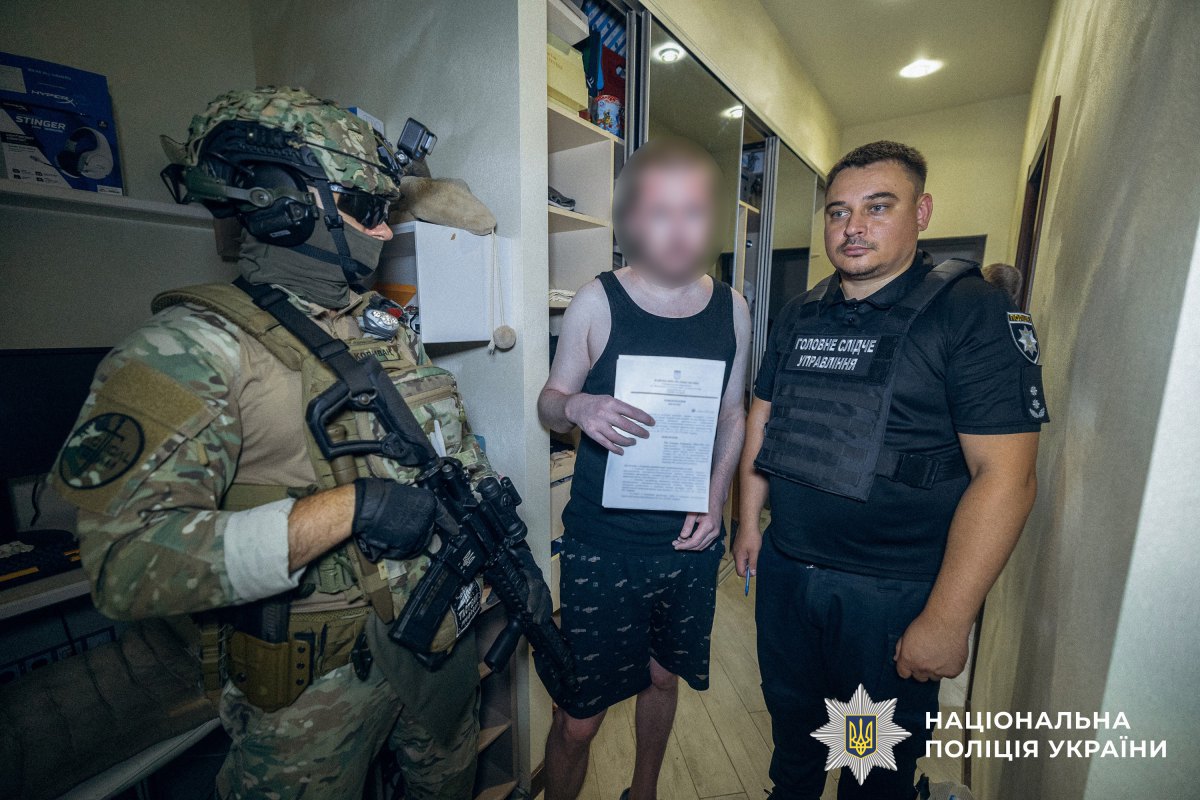
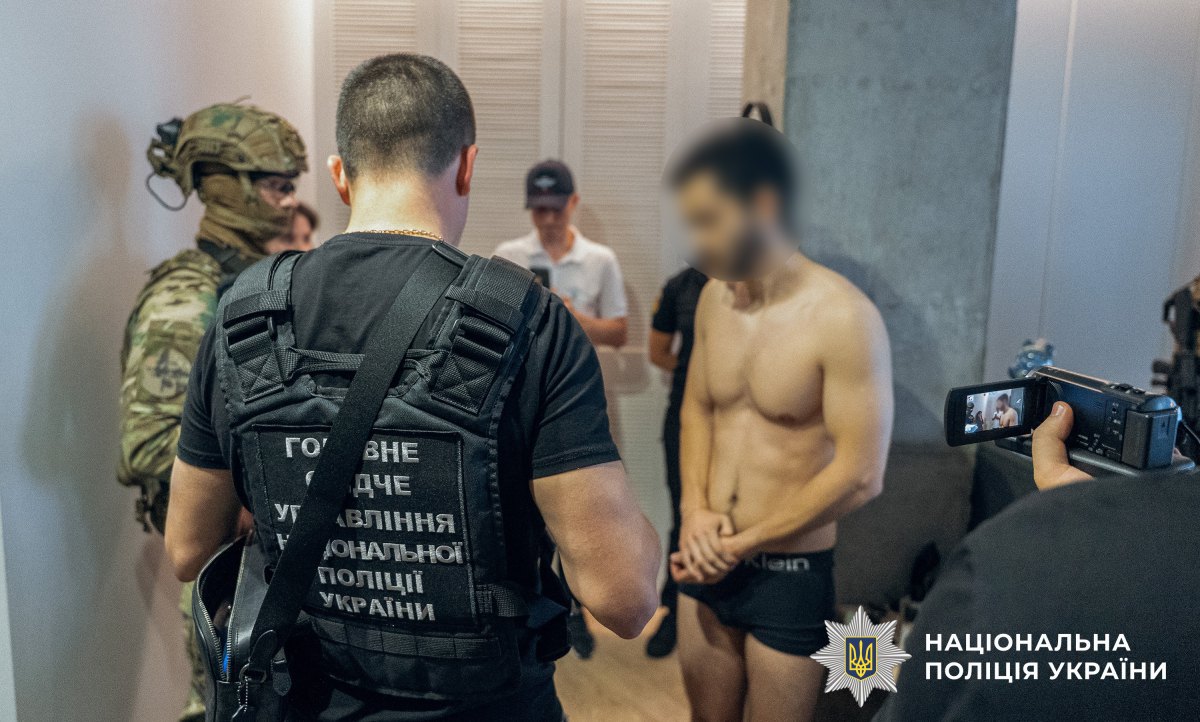
Law enforcement officers carried out 12 searches in Kyiv, Kharkiv, and Ivano-Frankivsk. During the investigative actions, they seized computer equipment, mobile phones, vehicles, data storage devices, and other physical evidence that may confirm the operation of the fraudulent network.

Four people, including two organisers, were detained and notified of suspicion of organising and participating in a criminal organisation, as well as fraud committed by an organised group and on an especially large scale.
Their actions were classified under Part 1 and 2 of Article 255, Part 3 of Article 27, Part 4 of Article 28, and Parts 4 and 5 of Article 190 of the Criminal Code of Ukraine. The court ordered pre-trial detention for all four suspects. Three suspects, including the two organisers, were granted the option of posting bail of UAH 40 million each. Another suspect was granted bail of UAH 1.5 million. Those detained face up to 12 years in prison with confiscation of property.