





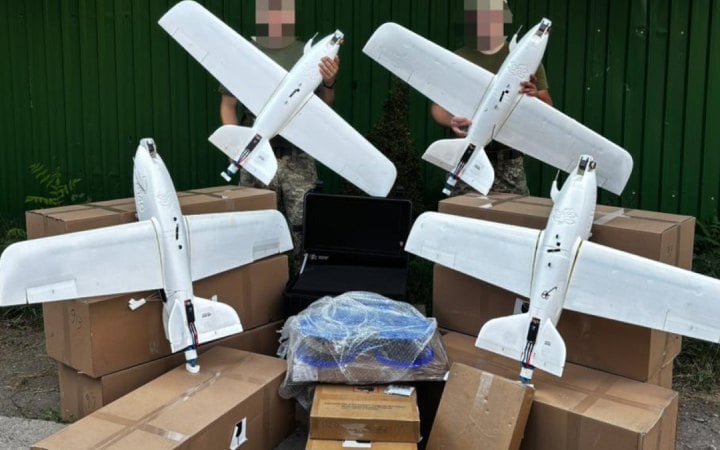
The Come Back Alive Foundation, as part of its Dronopad project, has raised more than UAH 180 million specifically to protect critical infrastructure in southern Ukraine — including ports and sea routes. This was stated in the organisation’s press release.
The foundation said that since the start of the full-scale invasion, Russia has damaged or partially destroyed 1,002 facilities of Ukraine’s port infrastructure and more than 200 civilian vessels, while 283 civilians have also been affected. Attacks became particularly intense in July this year. In the first two weeks of July alone, Russia carried out 23 strikes on Ukrainian ports and 17 attacks on civilian ships.
According to the foundation, since the beginning of 2026 Russian forces have directed more than 1,500 attack drones at Ukrainian ports. In April alone, more than 500 UAV attacks on port infrastructure were recorded.
“In 2025, Ukraine exported agricultural products worth more than $20 billion through key Black Sea ports — that is half of all the country’s export revenues during the war. Protecting port infrastructure is an important part of preserving export capacity, which will be used when freedom of navigation is restored,” explains Mykola Bielieskov, Senior Analyst at the Come Back Alive Initiatives Centre.
To strengthen the ability of Ukraine’s Security and Defence Forces to protect Ukrainian ports and sea routes from aerial threats, the Come Back Alive Foundation, within the Dronopad project, raised more than UAH 180 million specifically to protect critical infrastructure in the south of the country. The foundation began investing in building a system to intercept Russian drones and provide cover for port infrastructure in the southern region back in February this year.
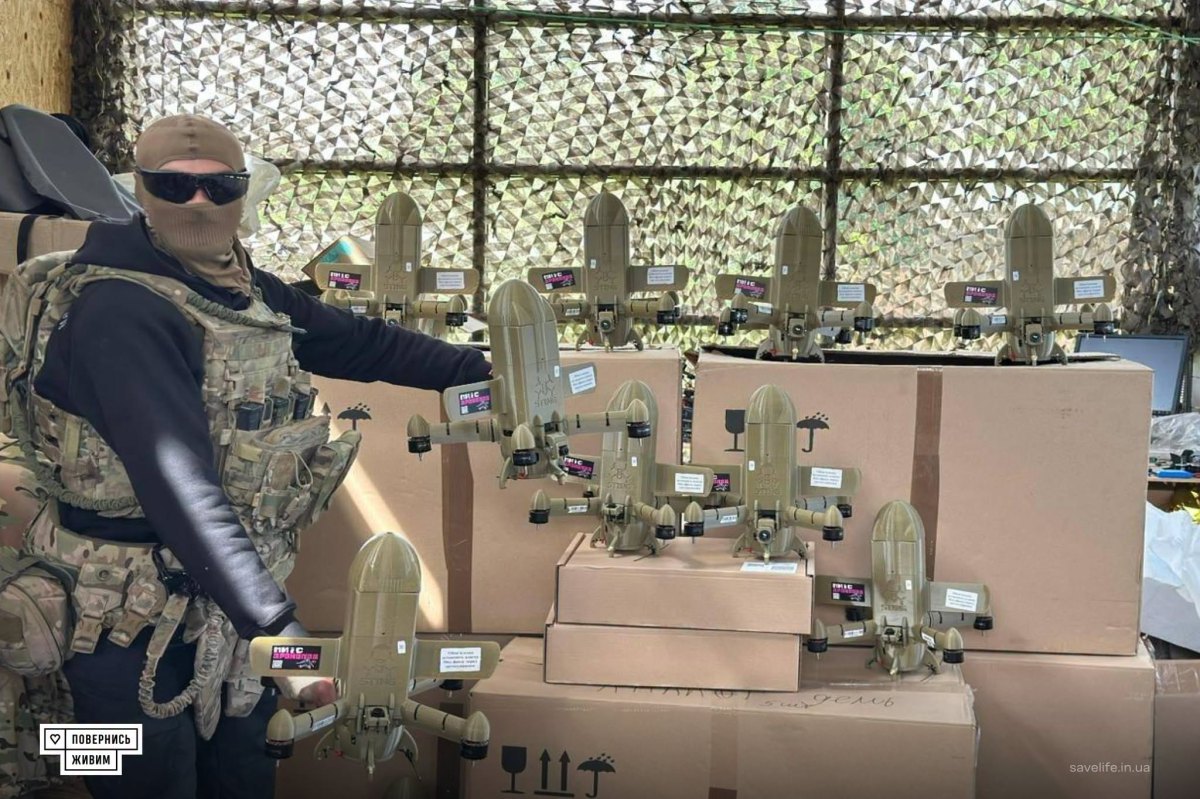
The foundation delivered STING, Blyskavka and P1-SUN interceptor drones, ground control stations, communications equipment, generators and vehicles to units of the Ground Forces, the Air Force, the Navy, the State Border Guard Service, the National Guard, the Security Service of Ukraine and the Defence Intelligence of Ukraine.
Come Back Alive noted that from 22 July 2026, following large-scale and systematic shelling of port infrastructure and civilian vessels, shipping in the ports of Odesa region effectively came to a halt. Freight and insurance rates rose sharply, and shipowners and crews are refusing to call at Ukrainian ports. All of this has affected Ukraine’s foreign trade. According to preliminary data from the State Customs Service, in July exports of goods fell to $3.1 billion from $3.5 billion in June. In the first six days of August, Ukraine shipped 312,900 tonnes of agricultural products — 60% less than in the same period of July.
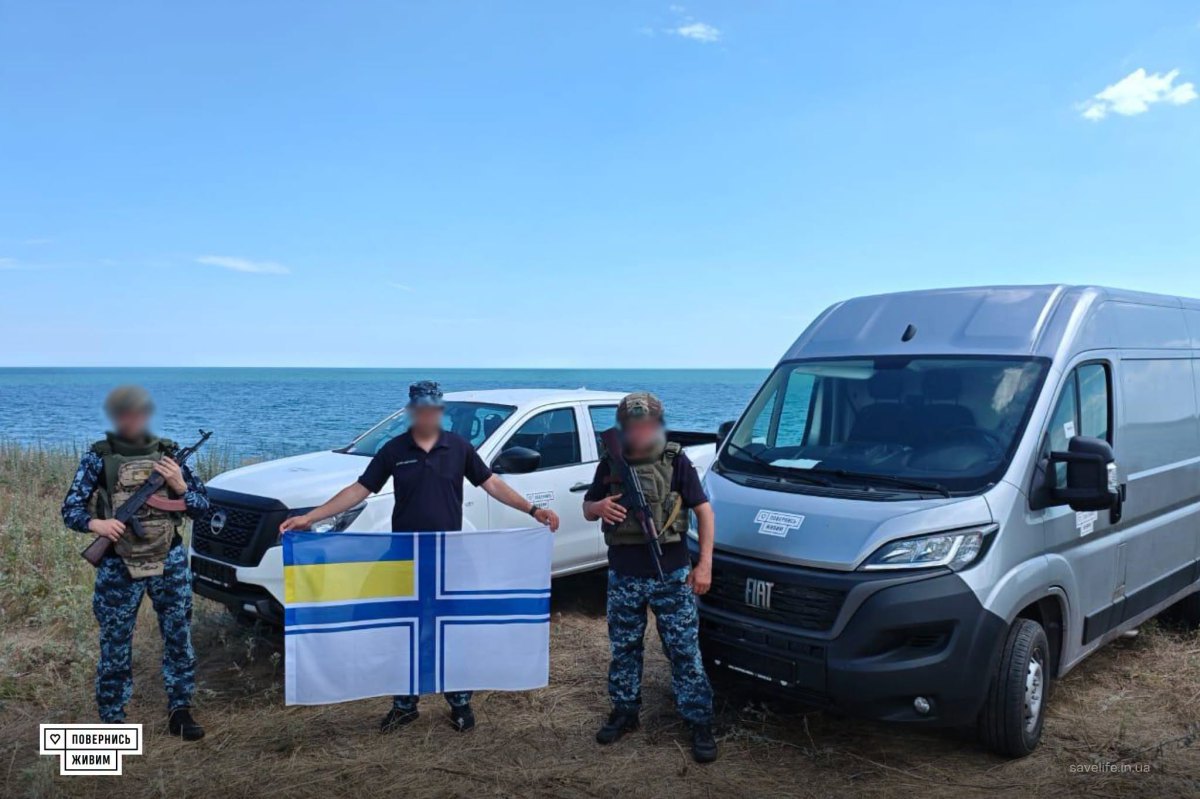
A significant share of the funds was raised thanks to contributions from Ukrainian state-owned companies, businesses and international partners — including €950,000 from Norway’s Fritt Ukraina.
The Dronopad project helps build an ecosystem within Ukraine’s Defence Forces for destroying Russian drones using interceptor drones. Alongside the drones, the Come Back Alive Foundation provides military units with the necessary supporting equipment: communications gear, power sources, vehicles and more. Units involved in this project have already destroyed more than 60,000 Russian drones; the foundation estimates this is roughly every fifth UAV that enters Ukrainian airspace.