





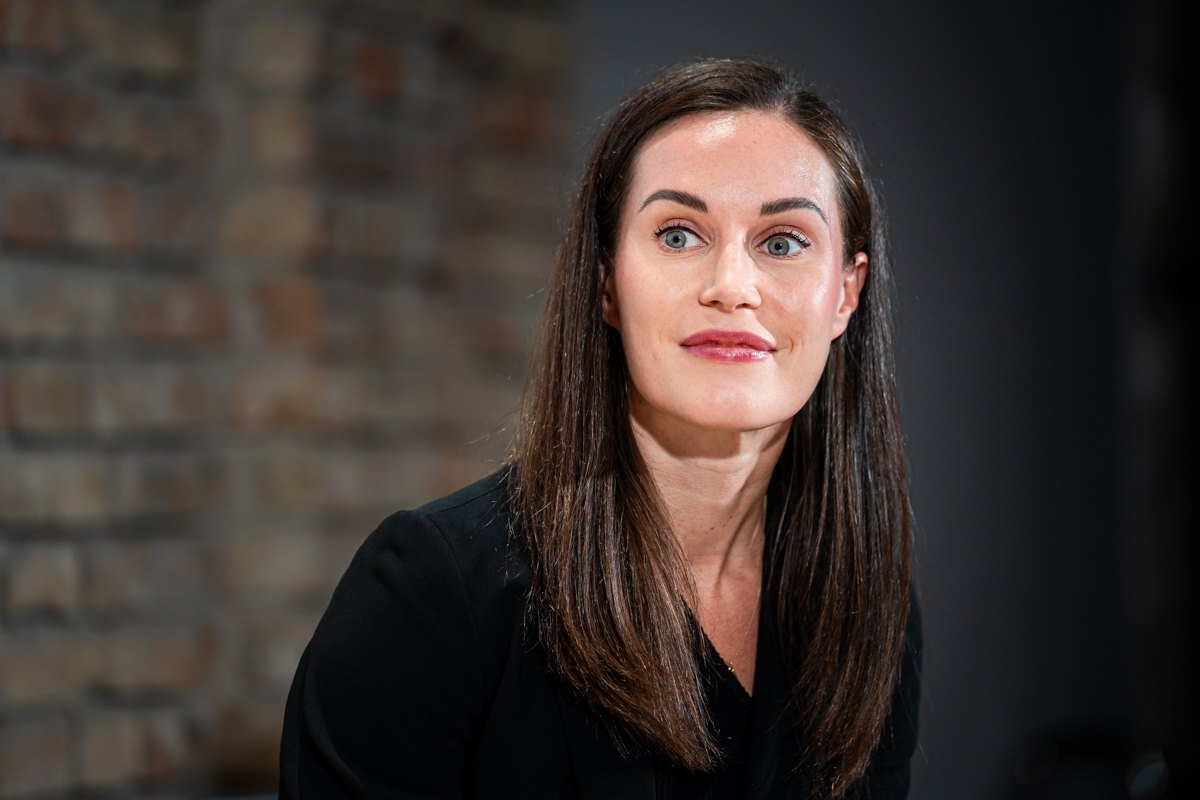
“Europe Is a Million Miles Behind the US and China”
Ukraine and what it is doing give enormous hope to all of Europe. Because through your actions you have shown what it means to truly change the situation and not be the weaker side.
In the near future, technology will be a major part of our lives: artificial intelligence, quantum technologies, robotics. Europe is a million miles behind the US and China. Looking at this situation, I think: “How can we compete? How can we prosper? How will we be able to live in the future if we are so far behind?”.
And then I look at Ukraine and everything you have managed to invent since the start of the full-scale invasion. You fight every day. You pay an extraordinarily high price. But at the same time you succeed — thanks to your incredible people, skills, and ability to innovate throughout the war.
“I Wish European Leaders’ Actions and Thinking Were More Decisive”
The war in Ukraine has changed everyone’s lives in Europe. In Finland, we know what you are going through. We have an extremely difficult history of relations with Russia. We fought. We lost territory and lives in wars with the Soviet Union (the Soviet–Finnish wars took place in 1939–1940 (the Winter War) and in 1941–1944 (the Continuation War). – Ed.). At different times, we were ruled by Russia, Sweden and others. We have repeatedly been under occupation or the rule of other states (from the 12th century to the beginning of the 19th century, Finns were ruled by the Swedes; in 1809, rule passed to the Russian Empire and lasted until 1917. – Ed.). So we know this pain and we feel what Ukraine is experiencing.
I think this (Russia’s full-scale invasion. – Ed.) has had a significant impact on the Finnish people — not only because of our history, but because we understand this threat and how real it is.
I think we are at a historic moment that will determine whether we (Europe. – Ed.) have a bright future, or whether we are heading for catastrophe.
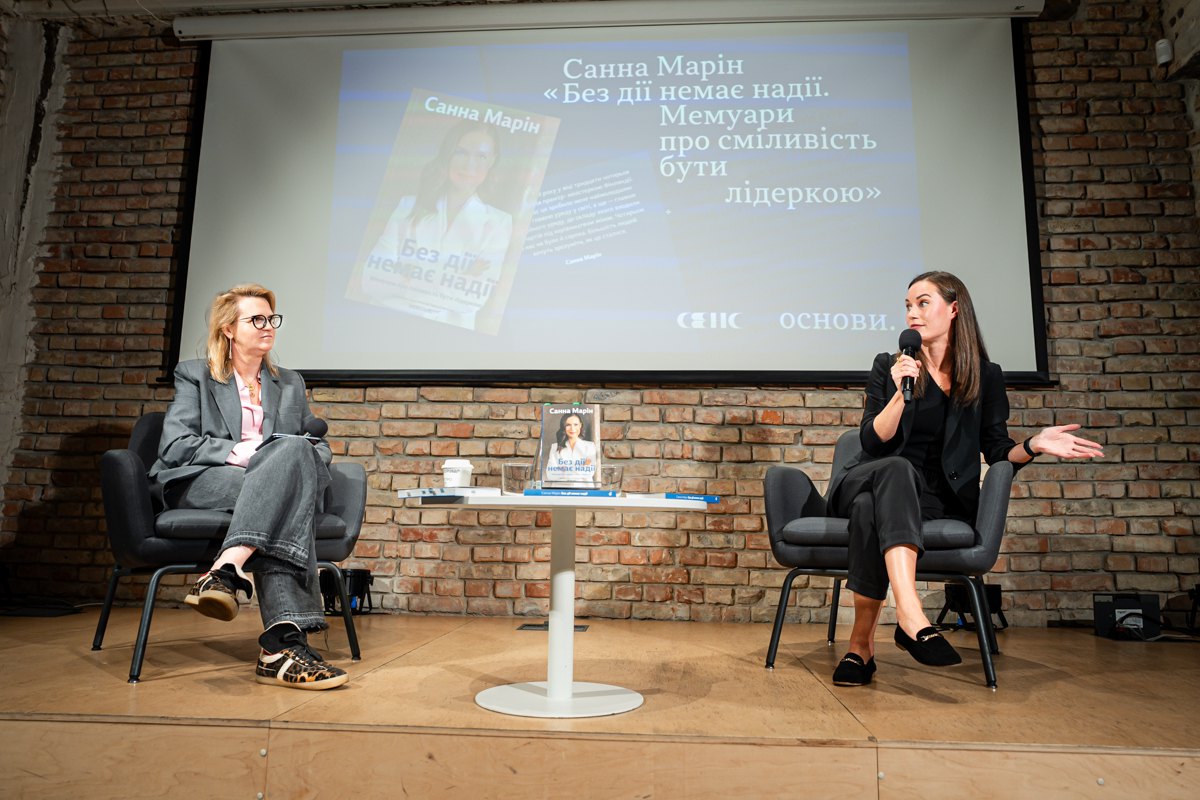
I say everywhere: “If Ukraine does not win this war, Europe will face it in the future in an extremely ugly form.” There will be new wars on European soil. Russia’s desire to expand will only grow. And that will lead to colossal human and economic losses for our continent.
I wish European leaders’ actions and thinking were more decisive — that they truly realised this is not a rehearsal, but reality. This is what will determine our future.
“Finns’ Views Changed Overnight — After 24 February 2022”
Before Russia’s full-scale invasion of Ukraine in 2022, most Finnish citizens and political parties in our parliament were against NATO membership. That was our position before we decided to apply to join the Alliance (Finland applied for NATO membership in May 2022. – Ed.). The main factor was the war in Ukraine.
It seems to me that Finns’ views changed overnight — after 24 February 2022. We had long known that Russia is an aggressive and dangerous neighbour. That was not news. But after that date, Russia was no longer simply a country that had tried to start a war or had done so in the past. It became a country that is doing it today.
What matters most to Finns is security and independence. For decades, we believed the best way to ensure our security was to maintain workable relations with Russia — not to “poke the bear”. We are neighbours. You cannot change geography. So we have to deal with this country, even if we understand the nature of its political thinking.
But after 24 February we immediately saw that staying outside NATO had become dangerous. What had previously held us back from joining (our security, protection and independence) now made applying necessary in order to preserve what Finns value most.
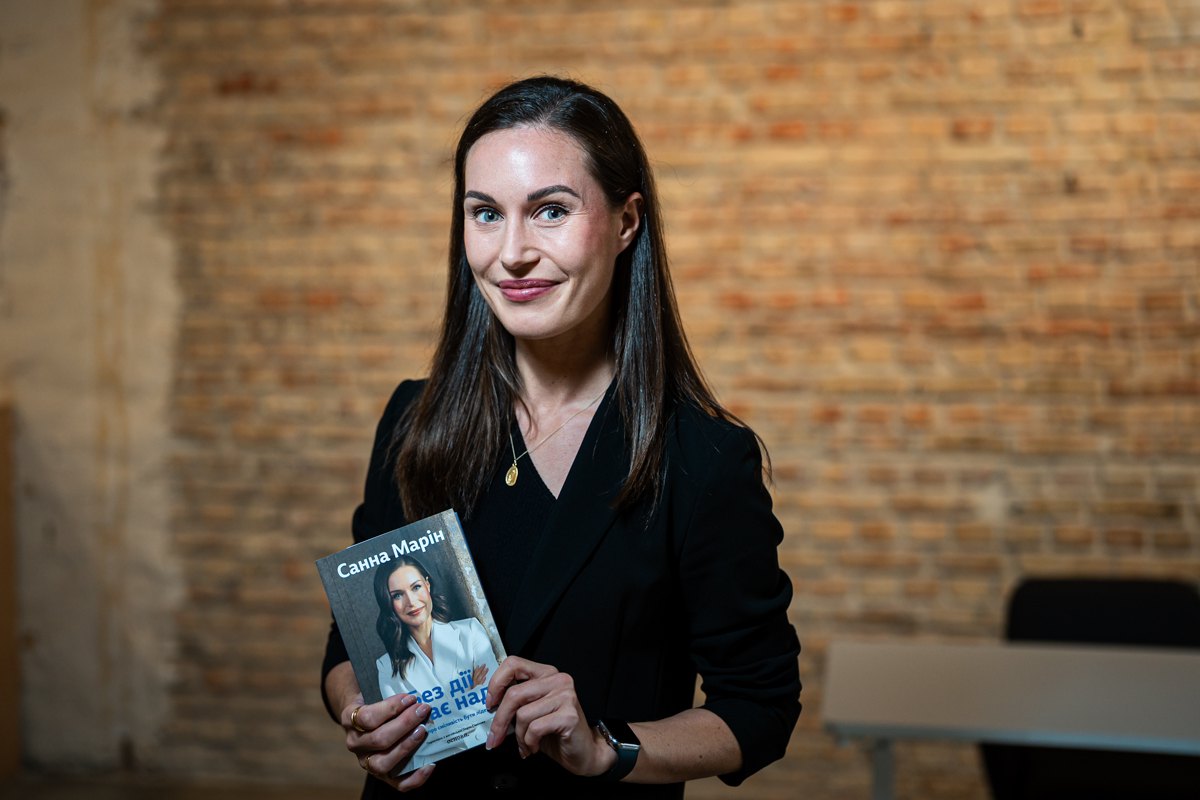
“I Don’t Want to See a Future Where Moscow Dictates Whether Ukraine Can Apply for EU Membership”
I would not recommend Finlandisation to any country (a significant orientation towards the interests of a neighbouring, more powerful state rather than the country’s domestic policy. The term comes from the nature of relations between Finland and the USSR after the Second World War. – Ed.). I am not sure that leaders of many countries, or simply people outside Finland, truly understand what it meant.
Of course, we were luckier than the Baltic states, which were under occupation (the Soviet occupation of the Baltic states took place in 1940; in 1941 these territories were occupied by the Nazis; and from 1944 they were re-occupied by the USSR. – Ed.), or countries that were under Soviet rule. Because we were independent and could function as a state from that position.
But we still could not make decisions based solely on our own interests. And we clearly understood that if we made certain decisions that Russia or the USSR did not like, there would be serious consequences. And that poisoned our culture, political culture, media culture and other spheres for decades.
I don’t want to see a future where Moscow dictates whether Ukraine can apply for EU membership or not. That is not independence. Not sovereignty.
And when some know-alls — on the other side of the Atlantic or elsewhere — say: “Finlandisation could be a successful model or a way to end this war,” — no, it could not.
“Europeans Believe They Can Continue Trading and Doing Business in the Western World as Before”
There is an illusion (in Europe. – Ed.) that everything can return to the old “normal”.
We (Europeans. – Ed.) believe we can continue to have trade ties and do business in the Western world as we once did. This is not only about Russia, but about China and other countries with a similar authoritarian way of thinking. I think this is where the biggest trap lies.
We must understand that the struggle of values is real. There are different ideologies and ways of thinking in the world. There is nothing wrong with that. People can think differently.
But democracies must not put themselves in a situation like we did with energy. For a long time we were so dependent on cheap Russian fossil fuels that we found ourselves in an extremely difficult position when Russia began cutting energy supplies to Europe and using this as a tool of pressure to reduce support for Ukraine.
I do not want such a situation to arise in the context of technology. Because we cannot change everything in a few days, months or even years. We need to prepare in advance.
If we Europeans hand over the levers of influence that we have already handed to China and the US for years, we will become very vulnerable. This is about a situation where society becomes fully digitalised — not as it is today, but completely.
I fear that, despite understanding what Russia is, we have not drawn the proper conclusions from this war. We have not made them part of our thinking, and we have not learned not to create such critical ties and dependencies on other authoritarian countries.
“Geography Is No Longer the Only Decisive Factor. Because There Are New Technologies”
In Europe there is an awareness of the threat. There is a shared understanding that we need to build up defence capabilities. But do they feel the urgency? I do not see it yet.
We think we have plenty of time. But I do not think we have as much as it seems.
It is no coincidence that various attacks are taking place across Europe. Russia is testing our reactions and studying how we will act in different situations. They are trying to understand whether we are ready to defend ourselves, or whether we merely watch: “Oh, there’s a drone. What a shame. It has disrupted the flight schedule,” or something like that.
We are not taking the threat seriously enough — especially those who are far from the border. Because they do not feel the threat, pain and fear that exist close to Russia.
I always emphasise: geography is no longer the only decisive factor. Because there are new technologies (drones and artificial intelligence) that make it possible to map critical infrastructure very quickly and cause colossal destruction without sending a single soldier.
“We Must Ensure Russia Pays a High Price”
I believe it is necessary to ensure that Russia pays an extraordinarily high economic price for this war.
Frozen Russian assets must be used in Ukraine. I would have used them during the war so that Ukraine could defend itself, and afterwards for recovery and building a better future. That money should be the source.
If we send any signal that they (the Russians. – Ed.) might get away with what they started, it will lead to further aggression. So we must ensure Russia pays a high price.
I know there is an ongoing debate about whether it is worth talking to Putin, whether Russia should be invited to the negotiating table. I do not think it will work. Because Putin is a dishonest player. We cannot trust him. He lies. I believe he uses every scrap of leverage and power that we ourselves have handed him.
As far as I am concerned, the US made a big mistake by creating such… I would even say friendly ties with Putin. I do not think it will work.