




The package is a powerful mix from the FrankenSAM project (a hybrid air-defence concept) and modern counter-drone solutions:
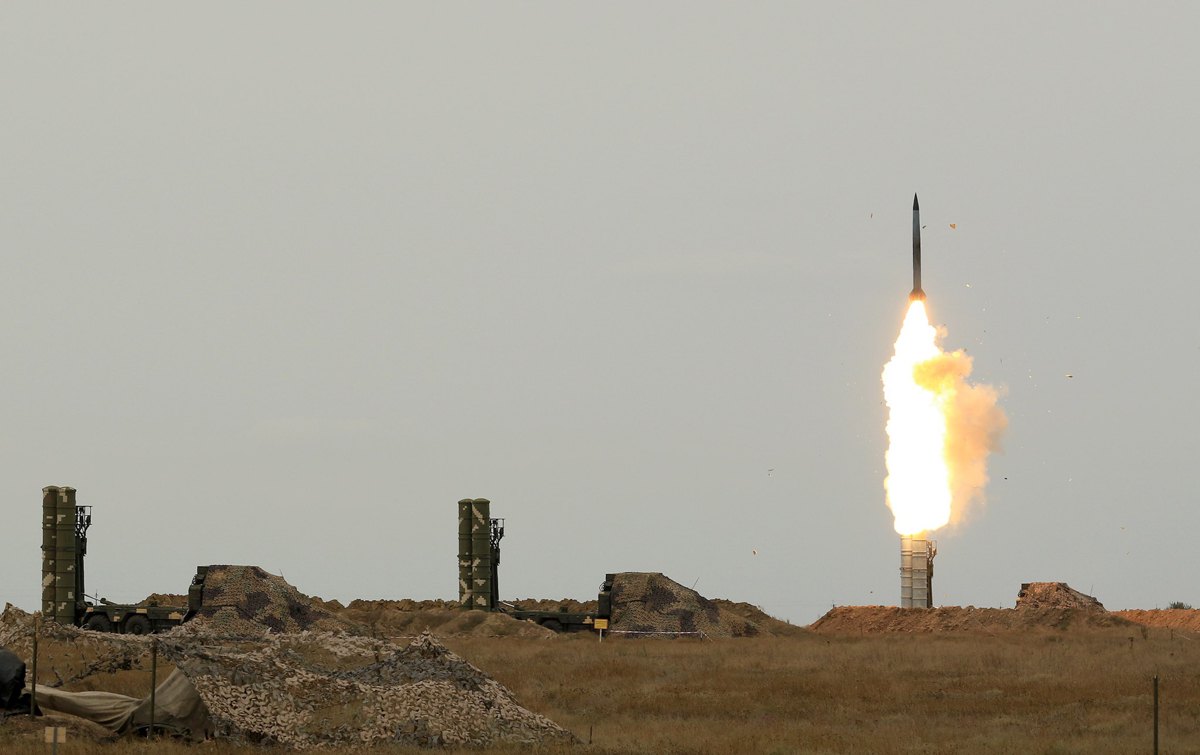
Clone missiles for the S-300 (S-300 clone missiles). Yes, that is exactly how it is written in the documents. No one is handing over new battalions — the allies have simply paid for the production of analogue missiles so that old Soviet launchers are not left standing empty. This plugs a gap in long-range air defence. I suspect they used decommissioned missile bodies, because the global market has already been picked clean and stocks are exhausted;
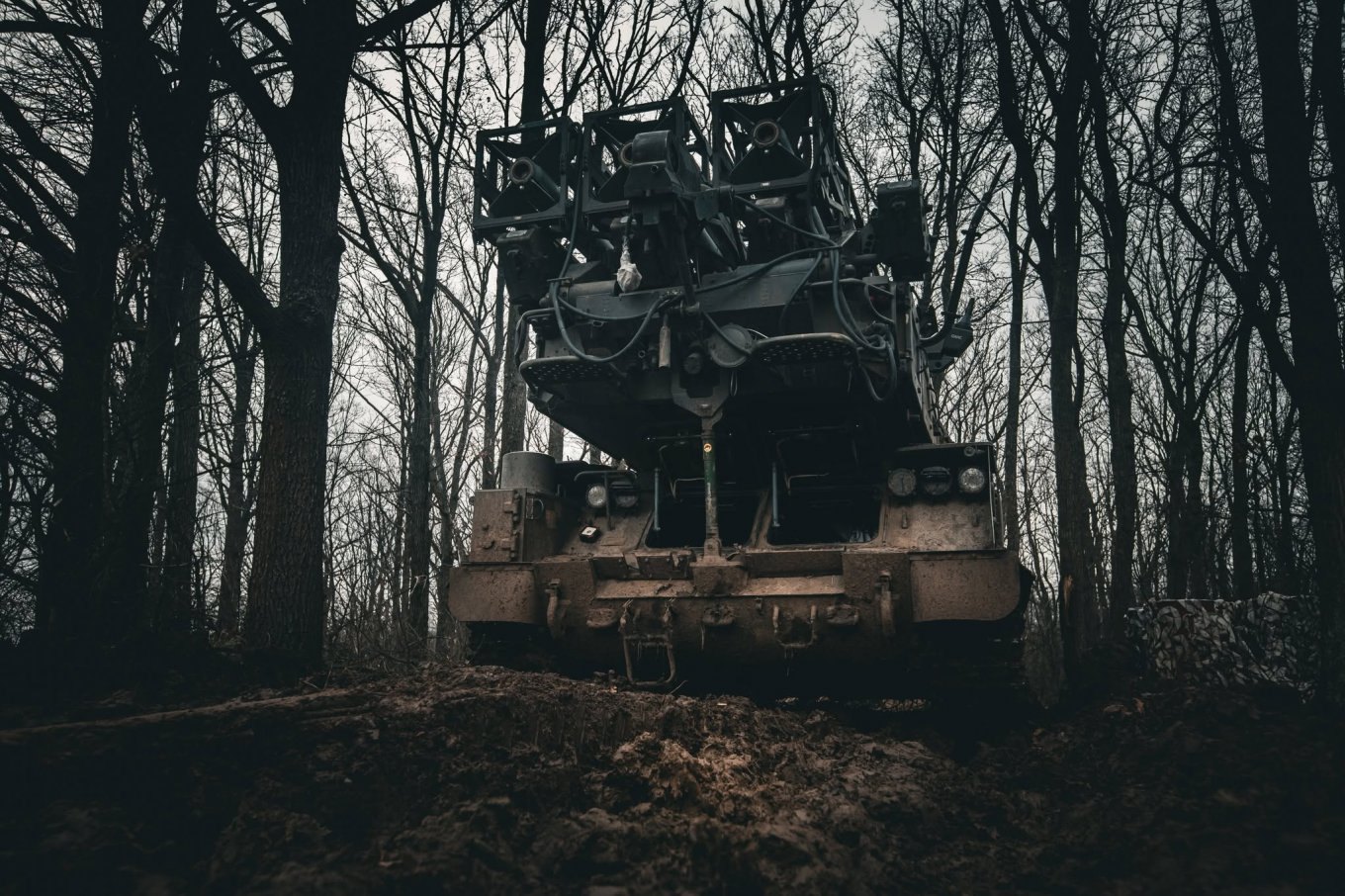
Improvised mobile launchers 1.5 (Improvised Transporter Erector Launchers) and modification kits. This is the core of the “Frankensteins”. They take Soviet chassis, fit Western rails and integrate American surface-to-air missiles, digitise the systems and carry out routine repairs. They bring back into service equipment that is well known both to operators and to rear-area support units;
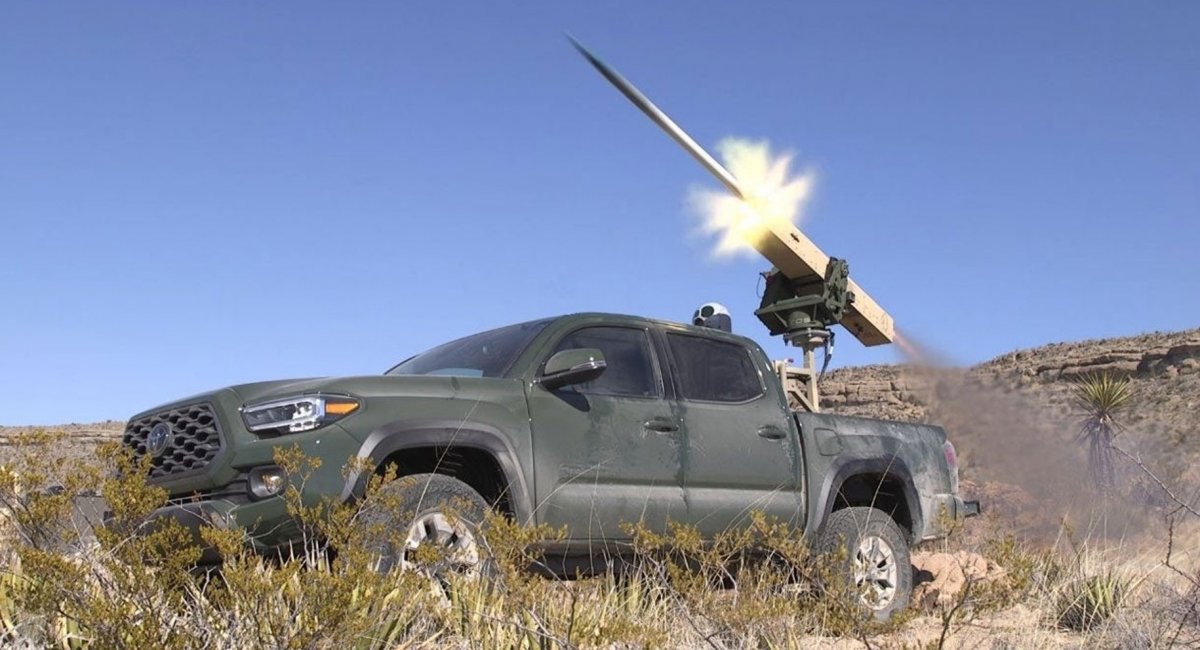
Extended-range laser-guided rocket systems. This is almost certainly about VAMPIRE-type systems. It is the integration of laser-guided APKWS rockets, which can be mounted on something as simple as a pick-up. Cheap, effective and ideal for mowing down Shaheds without forcing the use of Patriot missiles costing several million dollars each. It is also excellent for self-defence and point air defence with a long reach if the engagement capacity is breached and they break through to strike at close range;
RPS 202 radars. Modern counter-drone radar stations. An evolution of Israeli-American radars (such as the RPS-42), designed to spot any small nuisance in the sky against ground clutter. The package also includes towers with telescopic masts — to raise the radars above tree lines and just as quickly change positions before they end up on the flight plan of the next wave of “mopeds”.
The key feature of the RPS 202 is micro-Doppler analysis. The plastic or foam body of a Shahed barely reflects radio waves. But the radar is not looking for the body — it looks for the micro-Doppler shift from the spinning propeller and the metal parts of the two-stroke engine. It does not care what the fuselage is made of: if the propeller is chopping the air, the target is illuminated. These are the eyes of a local counter-drone network. It solves the main problem of mobile fire teams — blindness in the dark and not knowing which gully a drone will pop out of. One such radar on a mast keeps a 30 km radius under control, replacing a dozen visual posts with thermal imagers and cueing machine-gunners and MANPADS teams or interceptor drones onto the target long before they hear the engine. It operates in LPI (Low Probability of Intercept) mode — emitting narrow, low-power pulses that are difficult to detect;
GAM-67 missiles. A very unusual line item. Historically, the GAM-67 Crossbow was an anti-radiation missile from the 1950s. But that particular item never went into series production, so most likely this refers to the naval surface-to-air RIM-67, of which around 3,000 were produced. There will be guidance issues, so they will have to improvise. In the context of 2026, this is either a codename for some new hybrid interceptors, or they have dug up old junk from warehouses and modernised it for ground launches against enemy radar stations — for example, against electronic-warfare systems, which also emit plenty. Or, more logically, with an airburst fuze — to kill jet-powered UAVs. We shall see.
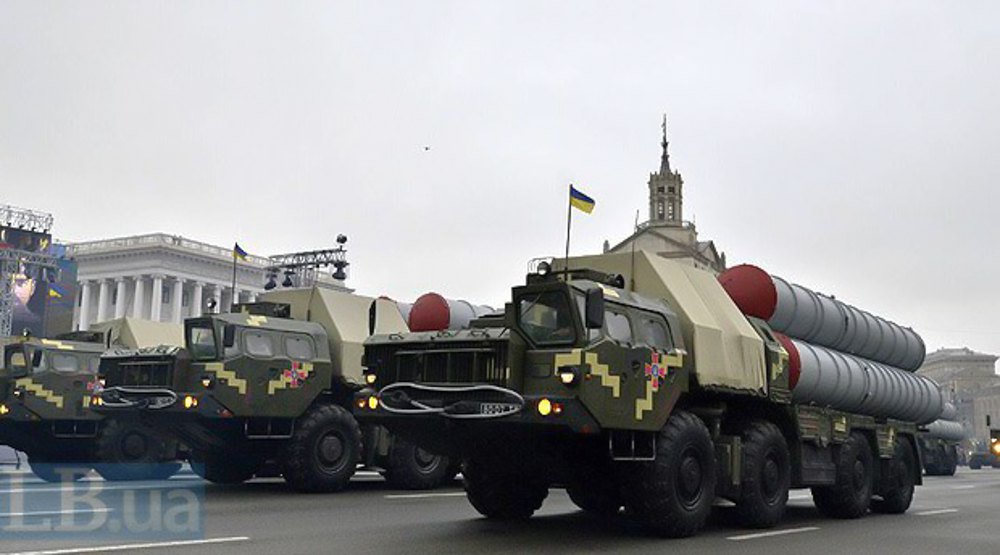
By early 2025, the global stock of available S-300 missiles had been drained to the bottom. Greece, Bulgaria, Slovakia and a couple of African countries handed over everything that was still usable. There is nothing left to buy, and the remaining missiles are long past any conceivable shelf life (they are 30–35 years old). So the $2.68bn did not go on buying old junk, but on paying Western defence contractors to turn old Soviet blanks into clones.
The process is divided into three stages:
1. Reuse of bodies and launch canisters (transport-launch containers). Warehouses in Ukraine and Eastern Europe genuinely hold thousands of decommissioned missiles and spent “tubes” (launch canisters). The metal, aerodynamic fins and the body geometry are all in perfect condition. There is no point machining a new body from scratch to fit the dimensions of the Soviet S-300 launcher. They take an old body, strip it down, remove the rotten Soviet electronics and clean out the propulsion section;
2. Recasting the solid propellant. This is the most expensive part of the whole affair. Solid rocket propellant in Soviet missiles dries out over 30 years, cracks and turns into a roulette wheel: the missile may fail to ignite, or it may explode right in the launch tube. Western contractors (with support from facilities in Eastern Europe) have established a process for melting out the old propellant blocks and casting modern composite solid propellant. Western chemistry delivers better specific impulse, so the old heavy missile on new propellant even flies slightly farther than the original;
3. New brains (seeker and electronics). The original S-300 missile (5V55R) works on a semi-active guidance principle — the illumination radar (30N6) must continuously paint the target while the missile is in flight.
No one is fantasising about bolting on expensive active seekers from Patriot PAC-3 or AMRAAM — that would be economic suicide. Western engineers do something simpler and more elegant: they install a digital replica of the old Soviet seeker inside, built on modern SDR (software-defined radio) technology and contemporary microelectronics.
As a result, the system’s operating logic does not change, but the missile gets new brains that are many times more compact and lighter — and, crucially, practically impossible to suppress with older Russian electronic-warfare systems. Old Soviet radar maths has been translated into modern Western code.
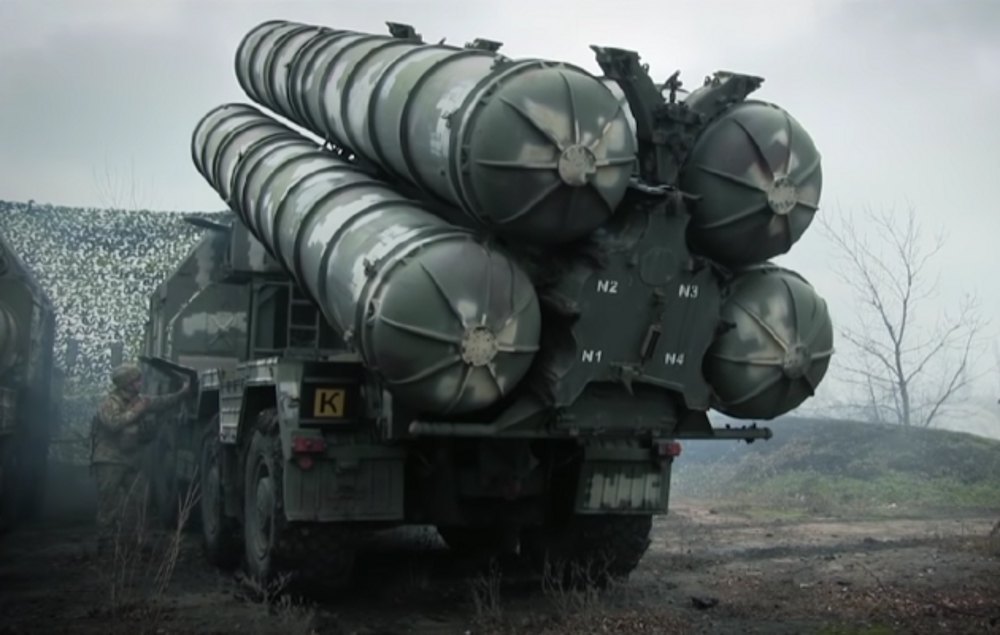
In essence, all that remains of the old missile is the metal tube and fins so it fits the launcher’s original dimensions. Everything inside — the engine and the brains — is a product of the Western defence industry, paid for by European cheques routed through American funds.
The financing scheme here is as cynical as it gets. The entire $2.68bn package is paid for jointly: the lion’s share comes from Europeans, and part of it is the remnants of the American FMF (Foreign Military Financing) fund created back under Biden.
The formula is brilliantly simple: Europeans put up real money to protect their eastern flank, but every last cent of the $2.68bn ends up in the tills of the American defence industry. Trump sells it to his MAGA electorate as “not a cent of US taxpayers’ money for other people’s wars”, while simultaneously forcing Brussels and Berlin to buy security with their own euros.
And to neatly use up the remaining resources in the FMF fund without triggering the Republican Congress for now, they used a sleight of hand. The American share is booked as a “US investment in the Ukraine Reconstruction Fund” — but only on the condition that Europe contributes the same amount on a 1:1 basis.
The bottom line: American factories are packed with orders for years ahead, Europe foots the bill, and we get functioning air defences against Shaheds and cruise missiles. Nothing extraordinary — just capitalism on the ruins of the Soviet legacy.
In practice, this is not the transfer of elite SAM systems, but the creation of a cheap, mass and resilient air-defence layer. They are splicing an old Soviet base with Western missiles and the latest radars to drive down the cost per kill as much as possible.
Can it work? Yes, absolutely. S-300 battalions are formidable weapons, and the fact they have survived many months of war is proof of that. We have personnel with months of experience repelling waves of cruise missiles and UAVs. More channels, more eyes, more survivability: while some jump to alternate positions, others switch on the radar. A good package that will inject fresh blood into our air defences.