





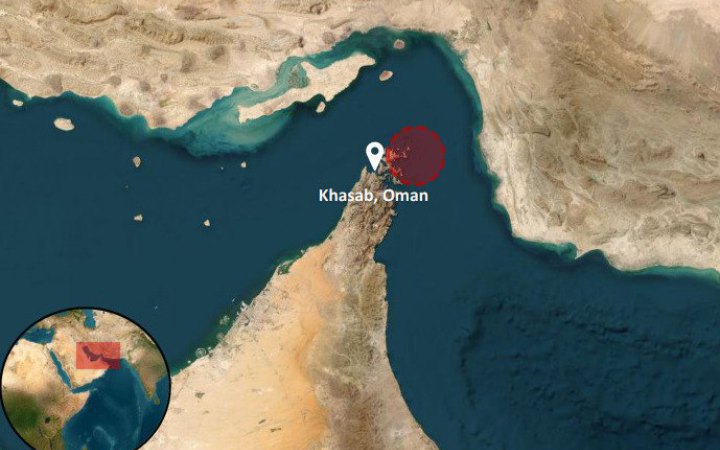
Crude oil traffic through the Strait of Hormuz has returned close to the level seen before the start of the US and Israeli military operation against Iran. But this will do nothing to ease the global diesel shortage that emerged after Iranian attacks on oil facilities in Kuwait, Saudi Arabia and other countries in the region, The Wall Street Journal reports.
In late September, the price of a gallon (3.78 litres) of diesel hit a record $6.53. In California, where the oil tax is higher, the price of diesel set a historic record at $8.44 a gallon.
“Consumers don’t buy crude oil. They buy petrol, jet fuel and diesel. As a result of missile and drone strikes in the Middle East, several major refineries have been damaged. The world is facing a shortage of refined petroleum products,” said Andy Lipow, president of Lipow Oil Associates.
The recovery of oil flows through the Strait of Hormuz will not solve the problem any time soon. As of Saturday, the seven-day average for crude oil shipments through the strait between Iran and Oman reached 10.3 million barrels a day, or 76% of the pre-war level, according to the latest available data from market analytics firm Kpler. But shipments of refined products such as petrol and diesel amounted to 1.3 million barrels a day — just 11% of all flows. Before the war, refined products typically accounted for more than 20% of oil cargoes passing through the strait.
Journalists noted that the main reason diesel and other refined products are not leaving the Middle East is that refineries across the region — in Saudi Arabia, Kuwait, the United Arab Emirates, Iraq and elsewhere — are not operating because of missile strikes and other war-related disruptions.
- US President Donald Trump has repeatedly shifted responsibility for the diesel shortage onto Ukraine. He refuses to acknowledge that it was caused by the military operation against Iran and claims instead that Ukrainian strikes on Russian refineries — carried out in response to the destruction of Ukraine’s energy infrastructure — are to blame.