





Hungary today released thousands of documents from the communist-era secret police, DW reports.
The archival materials, now added to a searchable online database, contain the names of thousands of former informants who worked for the state security apparatus over four decades of one-party rule.
Although Hungary’s communist regime fell back in 1989, attempts to open these archives have repeatedly been stalled. Some critics say the delay was driven by successive governments’ reluctance to expose the involvement of prominent public figures in collaboration.
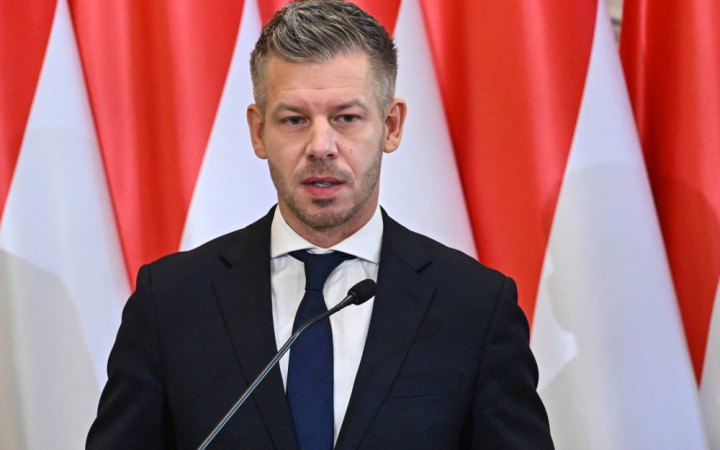
Centre-right Prime Minister Peter Magyar, who in April ousted long-time populist leader Viktor Orban from power, promised to give the public unrestricted access to these documents.
“After 36 years, we are finally delivering what was once one of the key promises of the 1990 regime change — a promise that was later denied, accompanied by lies,” Magyar said today at a briefing at the state security services archive.
According to him, around 60,000 names have been published in the new online database. The second batch of documents is expected to be available by February.
“I ask everyone to approach this long-overdue publication of documents with dignity and humanity... because many families will now have to confront difficult information, often concerning their deceased relatives. It is impossible to process trauma without discussion and without seeking answers to questions,” the head of government added.
Hungary’s Communist Past
From 1949 to 1989, Hungary was ruled by a one-party communist regime.
As in many other Eastern European countries during the Cold War, Hungary’s security services used an extensive network of informants to monitor citizens. People were often forced to report on colleagues, friends and even relatives.
Estimates based on state security archive data suggest that the authorities recruited around 150,000 informants, although information on two thirds of them has not survived to the present day.
A significant portion of the documents was destroyed in 1956 during Hungary’s anti-Soviet uprising or concealed during the transition to democracy. There is speculation that some were taken to Moscow.
- Before the publication, rumours circulated that Viktor Orban had been an informant, but his name has not been found in the digital database so far.
- Yesterday, Orban said that the communist security services tried to recruit him during his military service, but he refused.