





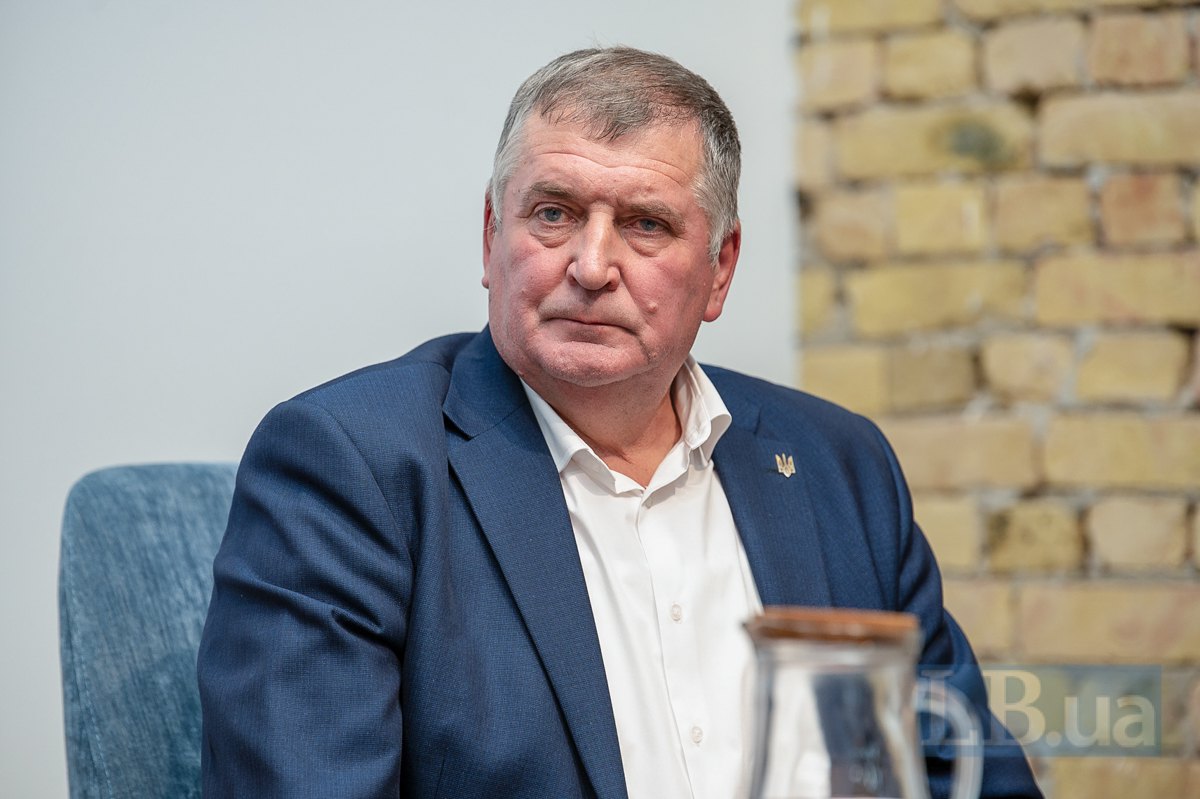
The main problem for all farmers today is a lack of funds, but for small farmers it is particularly acute, says Viktor Honcharenko, president of the NGO “Association of Farmers and Private Landowners of Ukraine”.
“At the start of the full-scale invasion it was easier for us to cope with our work. There was some reserve of funds accumulated in previous years. But at this stage most farmers do not have even a few pennies, let alone money. A lot of unharvested crops are still standing in the fields. Maize in particular — there is no market for it at all,” the representative of the agricultural sector notes.
In addition, he says, the situation with maize is made worse by two more factors — low yields and a drop in the purchase price “by at least half”.
“Maize is the main crop for all producers — both small and large — in Ukraine… Circumstances are such that a large amount of maize will be left to overwinter in the field. I’ll speak about the central region — Cherkasy region, the left bank, where I farm myself: both we (small farmers. — Ed.) and large companies are harvesting 10–15 centners per hectare, that’s one to one and a half tonnes of maize per hectare, when normally it was around 10. Maize that remains in the field will not survive the winter because of the weather conditions. It is already rotten; it is unlikely it will last until winter,” the farmer said.
Read alsoSecretary of the Verkhovna Rada’s Agrarian Committee: “The tradition of sowing grain and taking it to the port is over”
According to Viktor Honcharenko’s calculations, such yields will cover only the cost of fuel for harvesting and transporting the crop. In addition, the raw grain needs drying — often its moisture content is 20–22% against a norm of 14%. Because of this, some farmers refuse to harvest at all, some hand their crops over to colleagues, and others look for ways to shred the crop directly in the field.
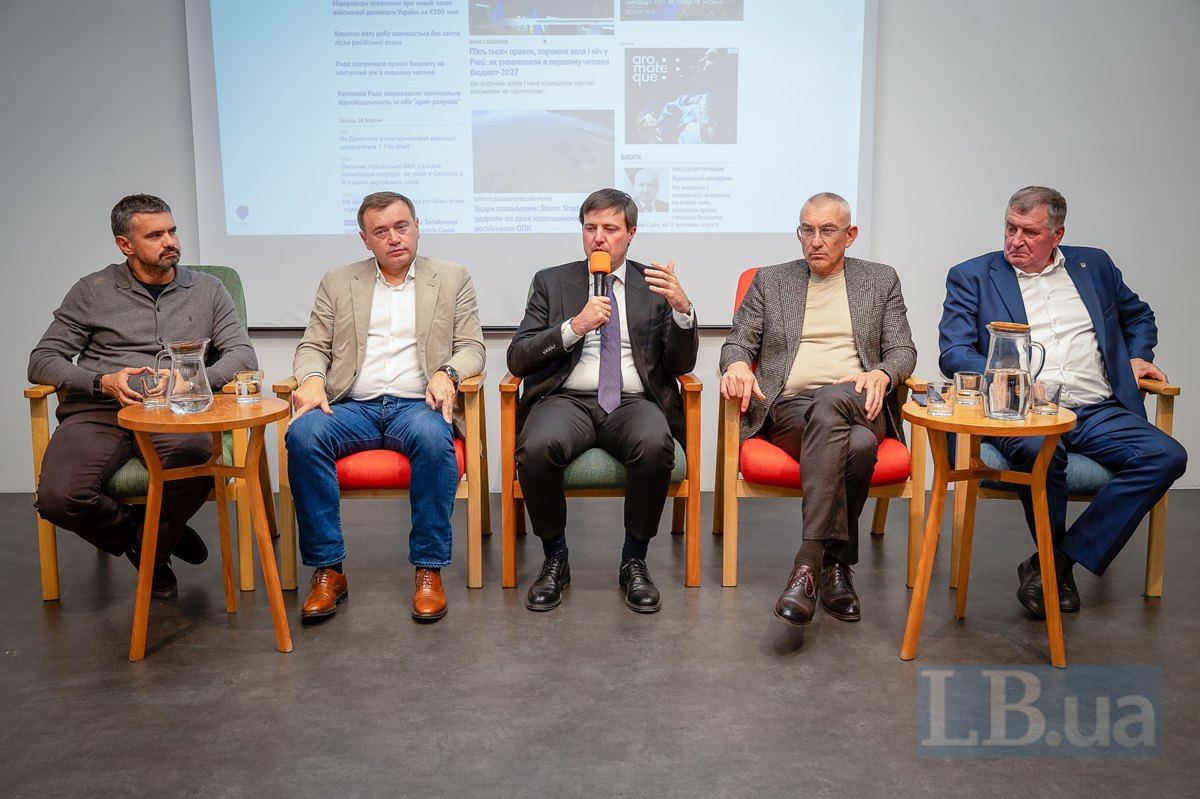
The situation with prices is no better.
“Sometimes processors offer 3,750 hryvnias (per tonne of maize. — Ed.) under the first form, meaning officially with VAT (which is 14%. — Ed.). That means the farmer receives 86% of the price. And since exporters are not refunded VAT, the farmer who has registered tax invoices has given up another 14% that will not be returned. As a result, he receives 72% of the declared value of the product,” the president of the NGO “Association of Farmers and Private Landowners of Ukraine” explained.
Even harvested crops cannot always be sold: produce often remains in grain stores, effectively freezing farms’ working capital. Despite this, farmers have made efforts to sow winter crops, hoping for an improvement next year, Viktor Honcharenko notes.
Just as acute for small farms is the shortage of labour.
“The male population in villages has fallen so much that there is no one to put behind the wheel of a tractor or a vehicle. A large number of workers from small farms have moved to large operations, understanding that they can obtain a mobilisation exemption there. Small farmers are left one-on-one with their problems. And you cannot do much with pensioners aged 70+,” the farmer said.
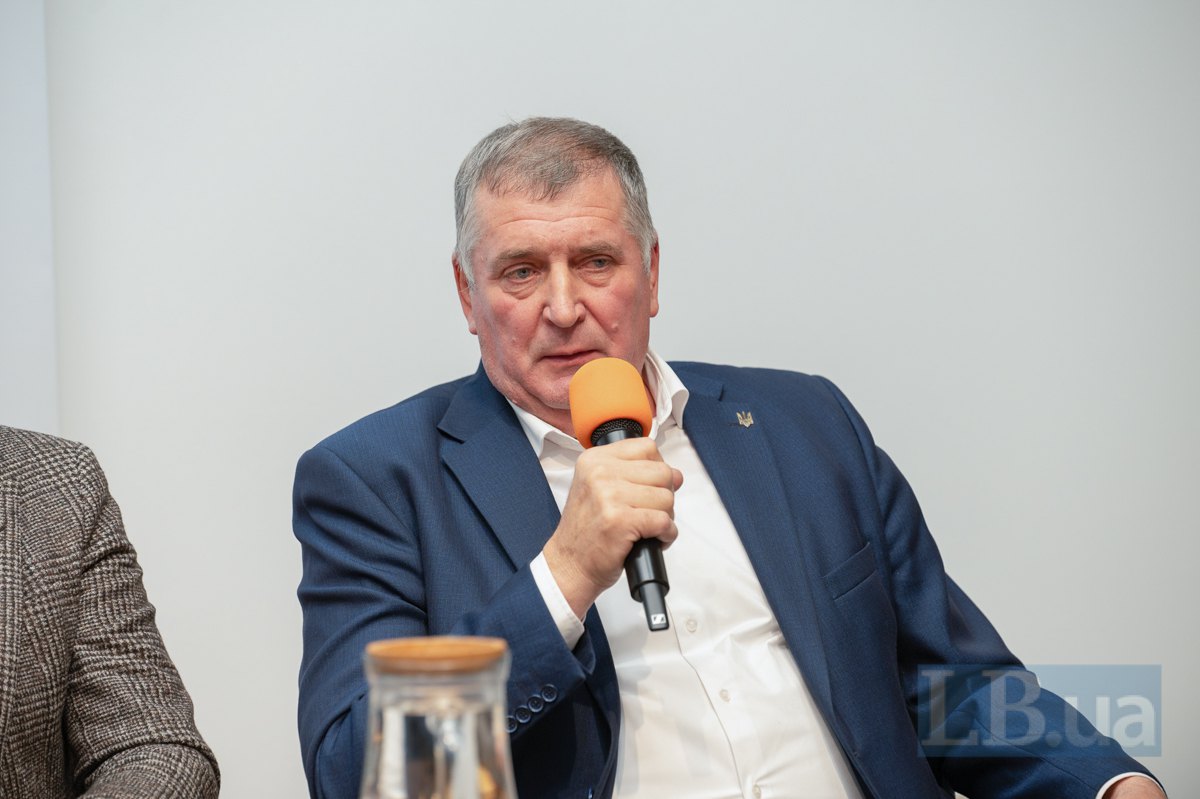
Viktor Honcharenko also draws attention to another problem — a lack of water for irrigation and a land-reclamation crisis.
“Small rivers, where they still exist, no longer save the situation. And their number is decreasing every year. And irrigating agricultural fields from artesian wells is a crime: we are taking water away from future generations. Irrigating land with such water, in my view, is not a normal phenomenon,” added the president of the NGO “Association of Farmers and Private Landowners of Ukraine”.
At the same time, like the other speakers in the discussion, Viktor Honcharenko considers processing to be one of the development paths for Ukraine’s agricultural sector. However, only on condition of integration into the European market.
Read alsoHow the agricultural sector will work: Alex Lissitsa’s vision
“It is not a problem today to mill flour, produce groats or press oils. But who will eat it? Where do we put it? When we talk to European fellow farmers, they are afraid of our presence, our interference, our accession to the European Union. They say they do not know where to sell their own products. However, we have no other choice but to join the European Union,” the farmer believes.
According to Viktor Honcharenko’s forecast, the development of processing will encourage small farmers, who do not have the capacity to set up large production facilities on their own, to unite into cooperatives. He cites the cooperative movement in the US and Europe as an example.
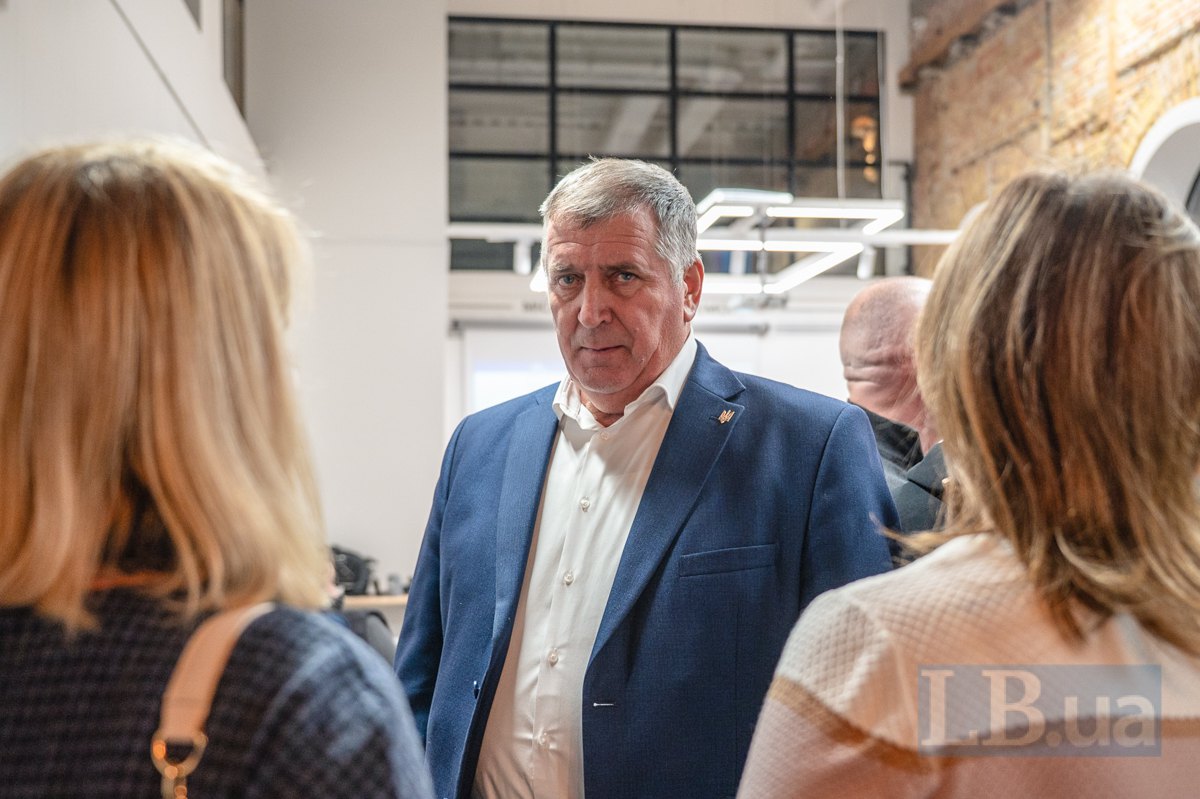
“There, cooperatives own not only processing but also trade and retail — they work on the principle of ‘from field to table’. And that is one way out. When we reach a critical point, then we will unite and look for a way out together. Because right now Ukrainians act each in their own way, trying different options as best they can. But when it comes to the crunch, the right movement will emerge. And our path is only one — to Europe. With such a powerful market, we must do everything to work together,” the farmer noted.