









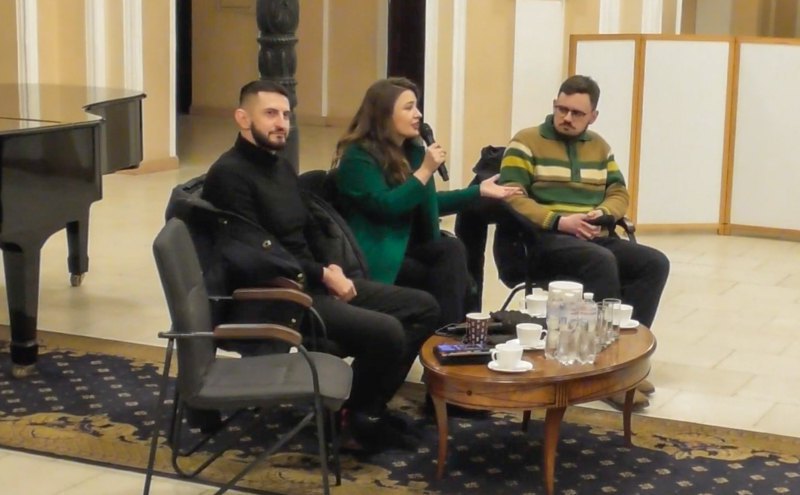
How is the perception of Ukraine and its culture transformed during a full-scale war?
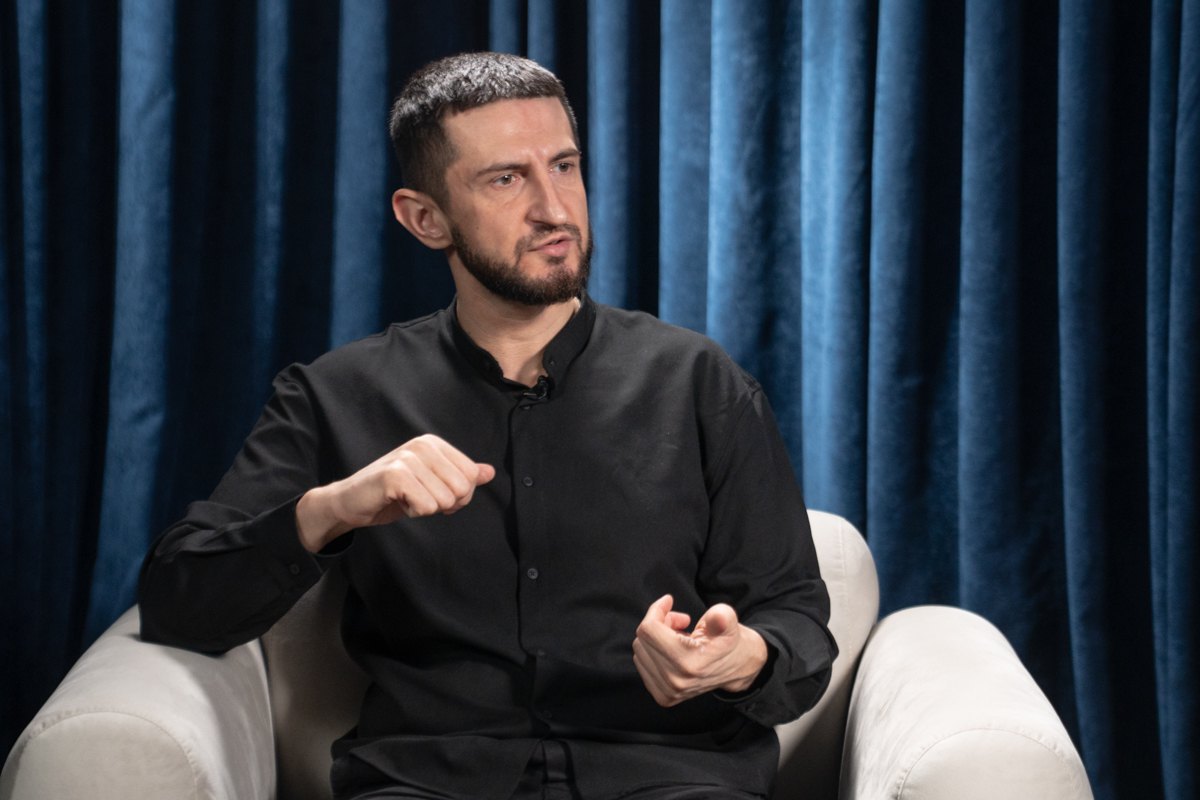
Alim Aliyev: If we look at how Ukraine was perceived in the world before 2022, the patterns and stereotypes were very different: from Chernobyl and corruption to the war in Donbas and Ukraine as a victim. However, the image of any country in the eyes of the world is not fixed; it is constantly changing. Over the past four years, Ukraine’s image has transformed radically. Today, Ukraine is perceived as a society that is fighting, speaking openly about its experiences and pain, and offering opportunities for the whole world.
Culture plays a special role in this process, as it can break through barriers that politics or diplomacy often cannot. In recent years, the Ukrainian Institute has been working extensively with countries in Asia, Africa and Latin America. It may be difficult to start a conversation about Ukraine in Brazil, for example, but we see how Lyatoshynskyy’s music resonates in one of the country’s largest philharmonic halls, creating an opportunity to speak about ourselves in a way that will be heard.
One of the transformational processes we are currently undergoing is the decolonisation of knowledge about ourselves and about Ukraine. An important part of this process is the return of names that matter to us, particularly in culture. Unfortunately, Ukrainian artists are still often misattributed, sometimes being labelled as Russian. By reclaiming these names, we are also reclaiming ourselves.
At the same time, when speaking about Ukraine in the world, it is important to speak about the world in Ukraine, because it is always a two-way street. We cannot present ourselves while ignoring the history, characteristics and culture of other countries and regions. We still have much work to do here, as sometimes we know too little even about the cultures of neighbouring countries — Poland, the Czech Republic and Hungary — not to mention more distant regions. It is therefore important to continue learning about one another, because knowledge translates into trust, and trust into stronger support.
It is also essential to take into account the cultures of all peoples living in Ukraine: Ukrainians, Jews, Crimean Tatars, Krymchaks and others. Together, these voices create a broad polyphony of Ukrainian culture. It is precisely this approach that often helps open international doors and strengthens Ukraine’s multicultural image.
How should cultural appropriation be addressed? What should be considered Ukrainian culture? Is it determined by an author’s political position, or is ethnic origin sufficient?
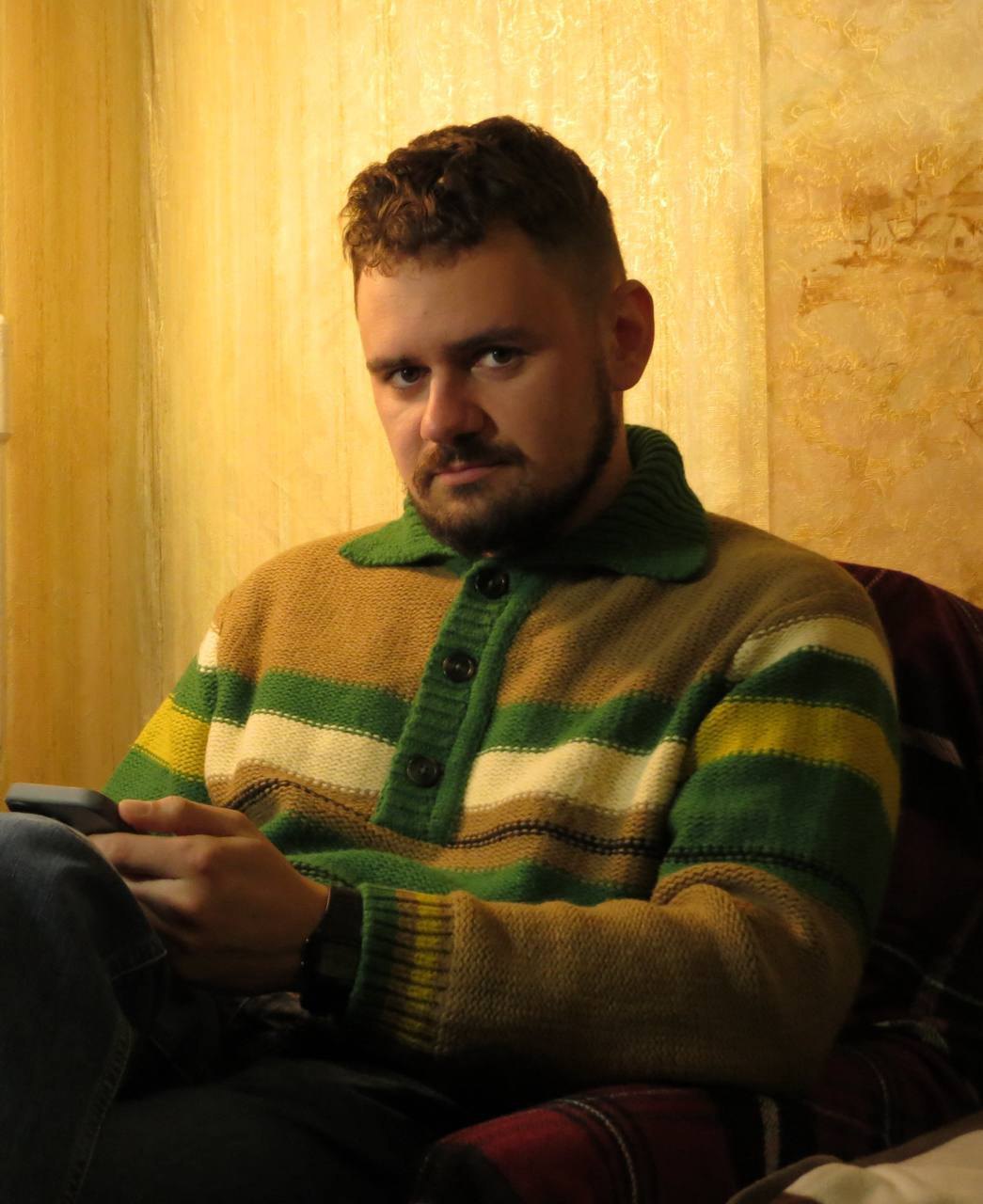
Oleksandr Ostrovskyy: This is an important and complex question. I would begin with the idea of opening the world to ourselves and ourselves to the world. It seems to me that the primary task is the process of opening ourselves to ourselves. We have already moved part of the way along this path. For example, today we are at the Borys Lyatoshynskyy Festival, and fortunately he is now known and recognised by broad audiences not only in Ukraine but also abroad. However, there are still many composers whose figures and musical works remain far less familiar.
When it comes to cultural appropriation, what makes an artist Ukrainian? Is Lyatoshynskyy’s music only his, or is it also ours? When communicating with international audiences, it is sometimes easier for them to perceive the discovery or rediscovery of Ukrainian composers of the eighteenth century than those closer to the present day. Europeans generally understand how the continent’s history developed — that there were empires and nations within them, which were therefore presented to the world as part of those empires. With the context of the twentieth century, everything becomes far more complicated. While the identity of Central European composers does not raise major questions globally, art created under Soviet rule is often perceived abroad as unified and simply “Soviet”, because the authorities actively interfered in cultural production.
This raises another question: how should we evaluate this for ourselves? There is no simple answer, which is why it is difficult to speak to the world about the music of the late nineteenth and twentieth centuries. We ourselves still need to analyse and comprehend it. These are often uncomfortable conversations, yet there is a temptation to look for quick solutions: to declare everyone we like Ukrainian, to push aside those we consider Soviet, and to remove complex figures altogether. However, we cannot rely on poster images forever. Sooner or later, we will have to speak seriously — and perhaps about things that are not entirely pleasant. Nevertheless, it is important to do so.
We mainly communicate with the world in English, which in some countries is not well received and in others is even viewed with hostility, as it was once the language of colonisers. Should international cultural diplomacy therefore become more multi-vector?
Iryna Tsilyk: This is an extremely relevant question. As a post-Soviet person, I am fortunate to have mastered English, although I do not always feel confident and continue to study it. At the same time, in practice I feel the lack of other languages that could open additional doors. I travel to many different countries and constantly sense that English alone is not enough for communication. I would very much like to be able to speak French, German and Spanish as well.
During the war, I write extensively for international publications. Once, a Danish outlet offered to organise a meeting with readers. The event was attended by Danes who had already read my texts and came almost as if to meet a friend. In this sense, the fact that we speak different languages does not prevent us from creating a shared mental space.
Today, almost all Ukrainian cultural professionals are also working in the field of cultural diplomacy, contributing to Ukraine’s image in the world and deepening its understanding among international audiences. I believe teamwork is essential here, because this is a major task that can only be accomplished through joint efforts.
Different countries, of course, have different levels of knowledge about Ukraine and different histories of perceiving our state. For a long time, Germany and France viewed Ukraine somewhat condescendingly, but much has changed in recent years — sometimes the contrast is striking. Now it is finally a conversation between equals: we are respected and listened to. What role is played here by our military resistance, and what role by cultural diplomacy? It is difficult to separate them, but culture has undoubtedly made an important contribution.
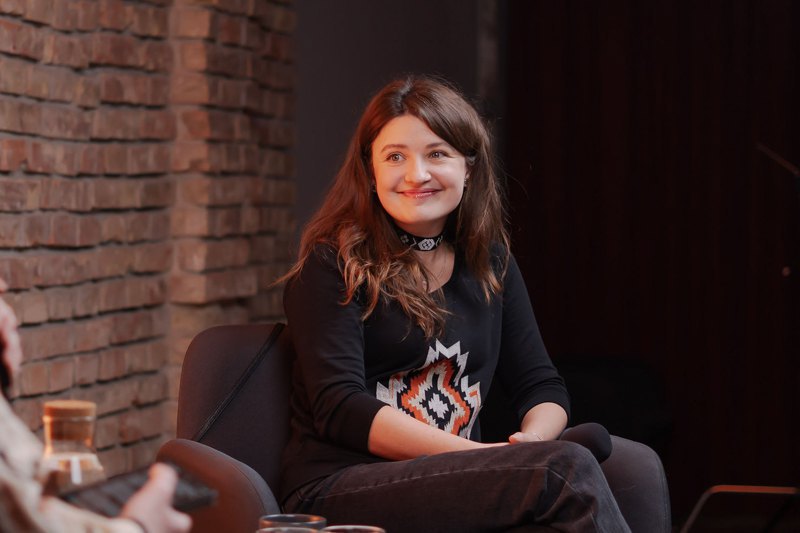
Beyond Western Europe, there are other regions with which we must work more actively, because they still know little about Ukraine. One of the most meaningful experiences for me in this context was a trip to Mexico. On the one hand, you see that the audience knew nothing about you before that day; on the other hand, viewers who watched my film The Earth Is Blue Like an Orange would not let me go for an hour. At such moments, you realise how powerful the language of culture is, because it appeals to emotions — that is, to people and to humanity.
Alim Aliyev: If a country is geographically far from us, it does not mean that its citizens have different values. Very often, when we begin the process of getting to know one another and “synchronising”, we discover many common features — from everyday life to decision-making mechanisms. For example, in Argentina, where we carried out a large project in the autumn, we saw enormous interest and a strong desire among local audiences to understand Ukrainian culture.
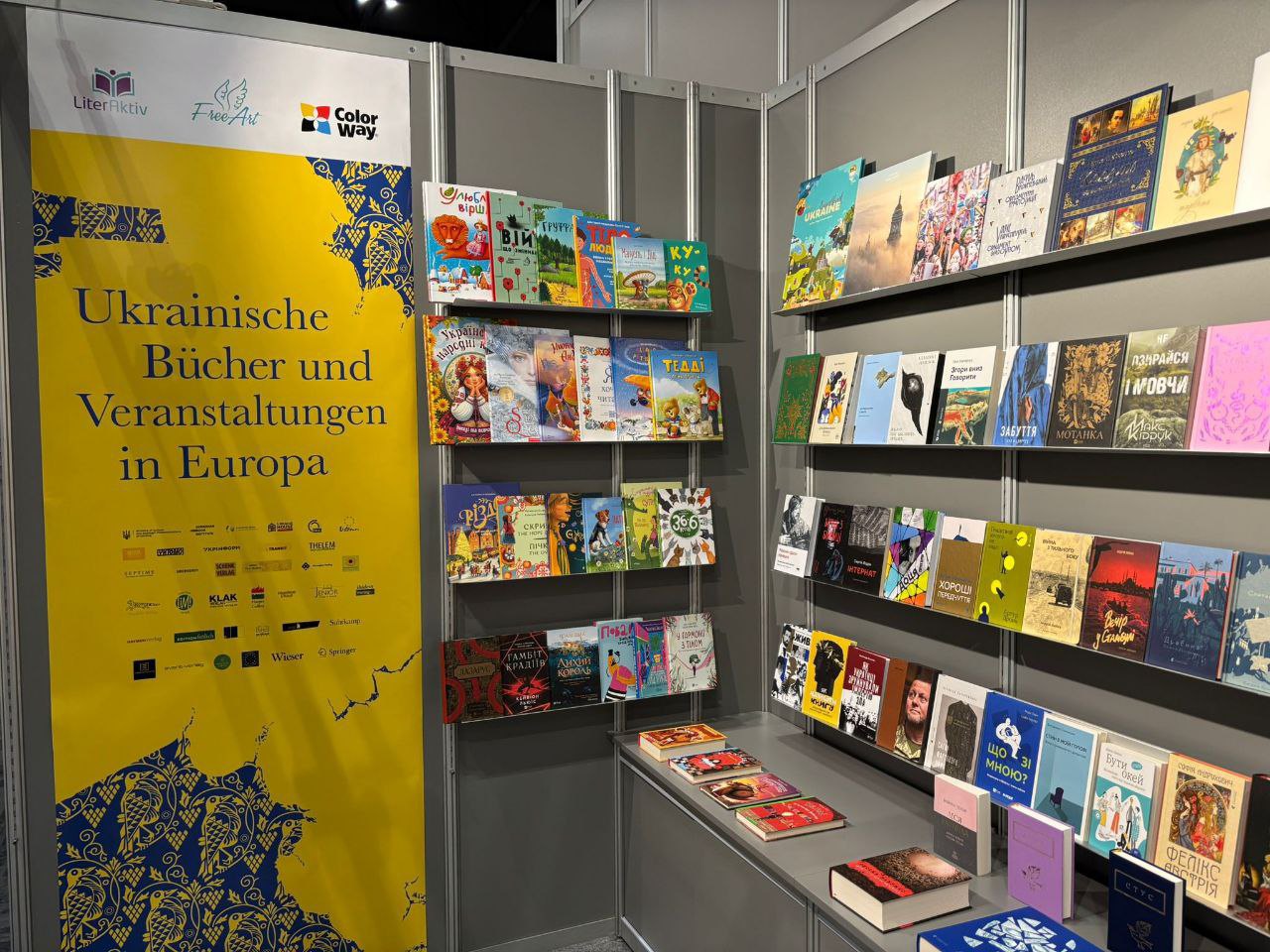
Because Ukraine’s resources in cultural diplomacy are limited, we must look for the most effective areas in which to concentrate our efforts. These include visits by Ukrainian artists to key international cultural events, translations of Ukrainian literature into other languages, the inclusion of works by Ukrainian artists in international cultural programmes, and collaborations between Ukrainian and foreign artists that generate shared meanings.
Iryna Tsilyk: I agree, especially regarding translations. I remember going to a local library in Ankara to see what translations of Ukrainian authors were available. I was very surprised to find only Taras Shevchenko and Lesya Ukrainka — no Oksana Zabuzhko, no Serhiy Zhadan, and no other contemporary authors.
This also raises the question of academic education, particularly Ukrainian studies. Unfortunately, many international universities still focus mainly on Russian culture within Slavic studies departments. In recent years, Ukraine has begun to work systematically in this area, and it is vital to strengthen these efforts, because this is work with the future.
Alim Aliyev: Last year, the Ukrainian Institute, together with several other state institutions, created the Global Coalition of Ukrainian Studies. Its task is to strengthen the teaching of Ukrainian studies at universities around the world. Just yesterday, at a meeting, my colleagues and I discussed how to build relationships with international universities that continue to maintain ties with Russian educational institutions. My position is simple: we must fight for our place in the international academic world and not surrender global academic space to Russia.
It is also important to support Ukrainian studies abroad systematically. In particular, there is the Lysyak-Rudnytsky Academic Studies Programme, aimed at promoting cooperation between Ukrainian and foreign universities — from conferences to book publishing. All of this strengthens Ukraine’s voice in the world.
Oleksandr Ostrovskyy: Returning to the idea of speaking to the world while also opening the world to ourselves, I would refer not only to academia but to other forms of cultural interaction. For example, we have almost no music literature in Ukrainian translation — it is difficult to find even a small shelf of professional literature on this subject in Ukrainian bookshops.
It is equally important to publish the sheet music of Ukrainian composers, because it is a document that helps determine whether a piece will be included in a concert programme and whether audiences will hear it at all. Therefore, remaining open to the world through texts and professional literature is critically important for us.