






How did the idea to set up the company come about?
I think the idea itself had been on many people’s minds for a very long time. I worked with FPV, reconnaissance and strike drones, as well as other unmanned aerial vehicles (UAVs), and concluded my military service a few months ago as a battalion commander for unmanned systems. I wanted to continue developing my expertise in unmanned systems in civilian life. I spoke to friends about what they were doing and what plans they had. Many advised me to move into manufacturing and work as a consultant in that field.
However, I met a comrade-in-arms with whom I had been through a great deal, and he already had a ready-to-implement concept for air defence. Together with him and a group of like-minded colleagues, we began putting it into practice. They were responsible for the administrative and legal aspects, whilst I provided the practical and technical expertise relating to air defence.
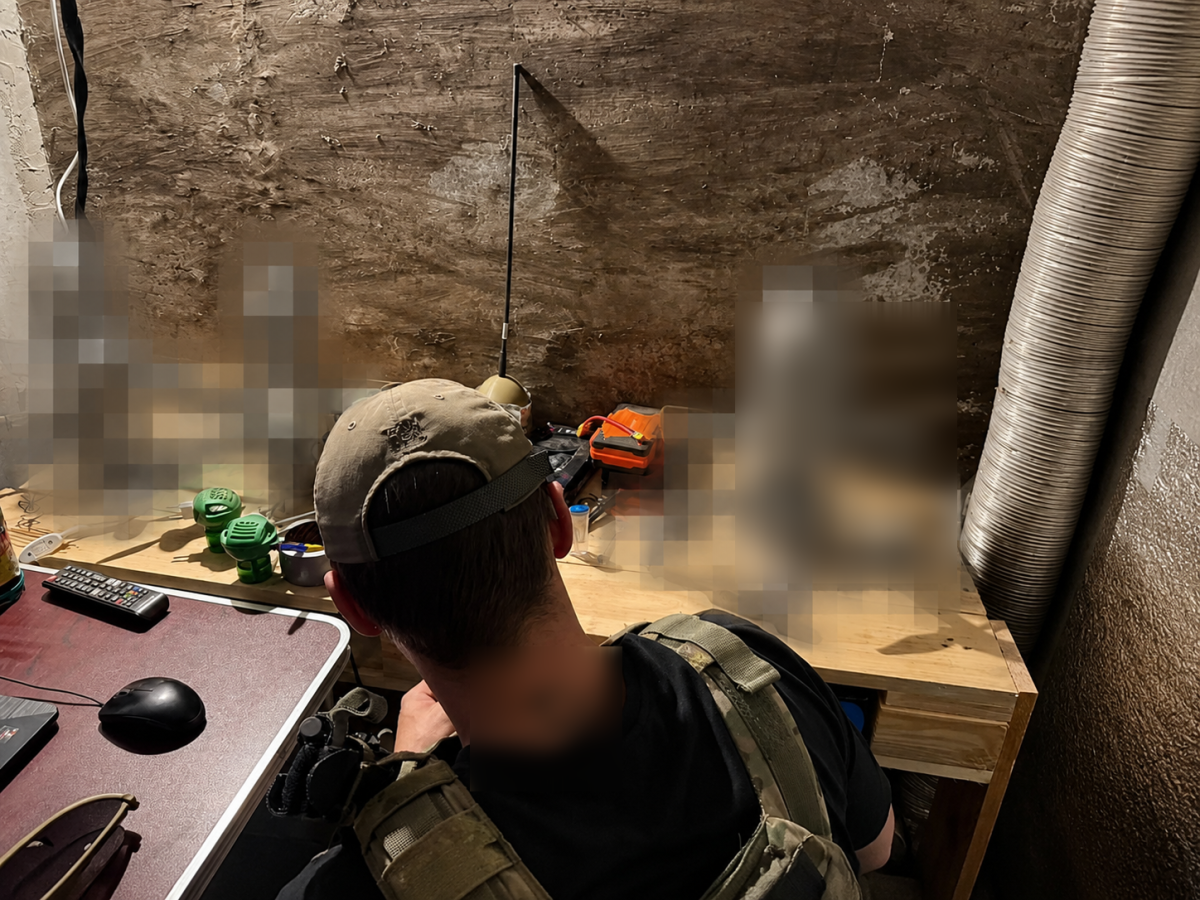
Is your team made up exclusively of veterans? Do you train civilians as well?
No, at present it is exclusively a veterans’ initiative. We do not recruit civilians for a number of reasons. First and foremost, we want to work with like-minded people. Why are we doing this in the first place? It is no longer about making money; it is about the security of our country.
The second reason concerns the use of specialised technologies. Military personnel face these dangers every day. Drones are undoubtedly dangerous, but service members understand how they operate and how to minimise the risks to themselves. A civilian would be more likely to hesitate when making decisions, and that could slow down operations.
Which units do your veterans come from?
The founders are veterans of the 3rd Separate Assault Brigade and Azov. There are also people from other units working as pilots and former combat personnel. To be honest, I have not even memorised all of their backgrounds. People contact us from all over the country and do not always introduce themselves in detail — they simply say they are veterans. I ask about their experience, and it is usually easy to tell whether someone is being truthful. I do not ask about their past service unless they choose to discuss it themselves. However, there are certainly people from Azov and the Troika among the company’s personnel.
What equipment do you use?
At present, we are focusing exclusively on anti-aircraft drones. In the future, our decisions will depend on technological advances in defence systems.
At the moment, the most effective tools available to us are anti-aircraft interceptor drones. Looking ahead, technological developments will determine the next steps. In the near future, we are considering the use of fixed-wing interceptor UAVs to provide layered protection for the facilities of the clients with whom we work.
Are they Ukrainian-made or foreign-made as well?
In Ukraine, we use exclusively drones manufactured domestically.
Which companies mainly approach you? What services do you provide to protect against Russian attacks?
I would rather not name specific companies. Anyone can contact us; we can enter into a contract and cooperate with any client. We provide services in line with the client’s requirements. Essentially, our role is to protect facilities from airborne threats.
We position ourselves as a routine element of security provision, much like conventional private security services. In other words, just as personnel monitor checkpoints or patrol the perimeter of a site, we operate as another layer of protection. The only difference is the specialised equipment we use. As a result, the range of potential clients is virtually unlimited.
According to their feedback, why do they turn to a private company in the first place? Is it because Defence Forces units lack capacity, or are there other reasons?
The current situation is such that, despite the development of interceptor units, the existing capabilities are still insufficient to provide comprehensive protection of the country’s airspace.
We are approached by private enterprises and commercial companies, as well as state-owned operators of critical infrastructure, all seeking to protect themselves from the consequences of enemy attacks.
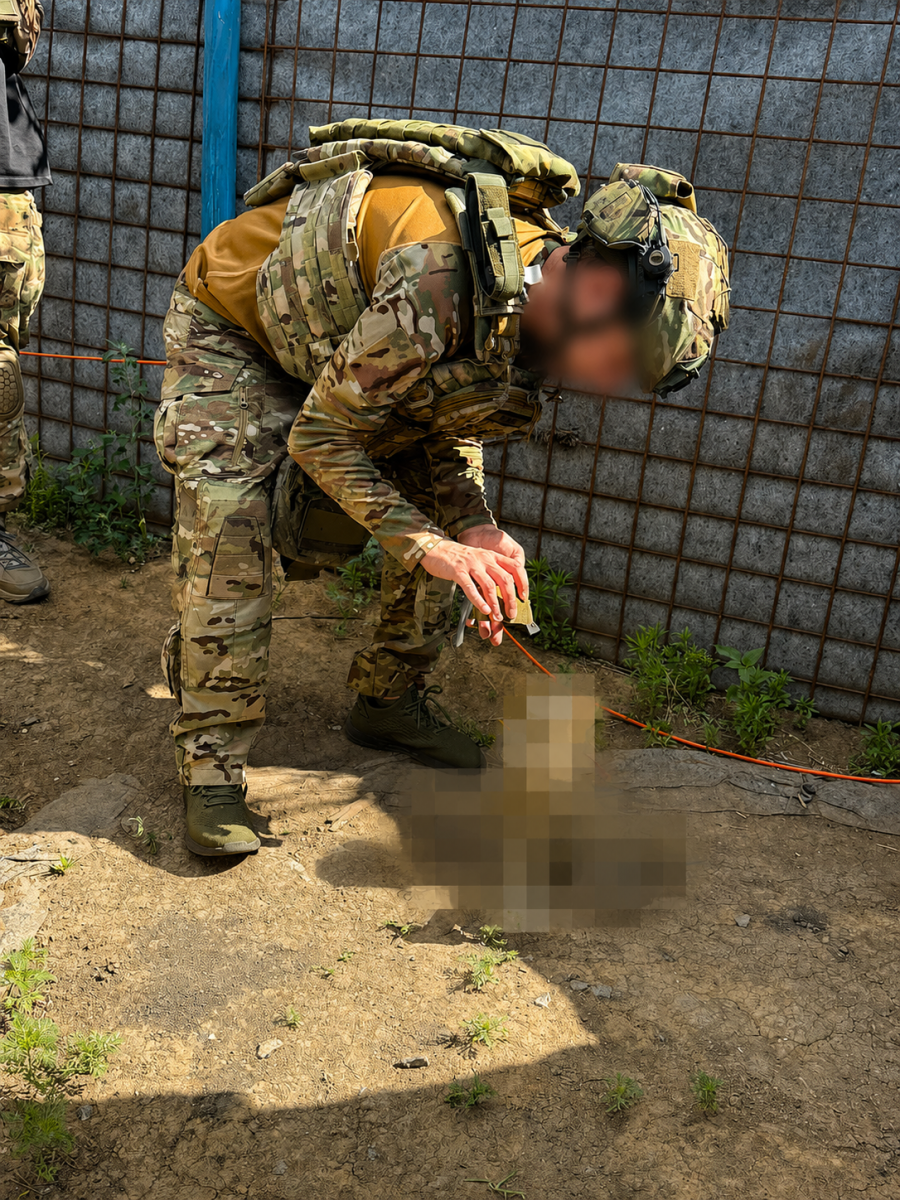
Do you provide training to military personnel in state air defence units? Has there been a request to do so? Do you offer any advice?
There is certainly demand for this. However, we are currently at a stage where we are focused on finding ways to train our own personnel as quickly and as extensively as possible. We rely entirely on our own instructors, as well as those of our partners and allies. Everyone who is able to assist does so, within the limits of their own workload.
Objectively speaking, there is simply not enough time to train others as well. Providing informal advice or sharing our professional opinion is not a problem — we are happy to do that. However, dedicating several weeks or months exclusively to training others is, unfortunately, not something we can currently undertake.
How do you coordinate with the state air defence units? Do any problems or overlaps arise?
The main challenge is that we are civilians. Objectively, this remains an issue at present. Everything has to pass through a substantial bureaucratic process. In order to interact with local air defence units, which effectively provide operational authorisation from a legal standpoint, we must first establish coordination with them. I would not describe this as a problem in itself, but communication is inevitably made more complex by the administrative framework.
So they give you the go-ahead to operate and share operational information?
Yes. In practice, we are currently dependent on them because information about the air situation in real time is available only through these authorities.
Have foreign colleagues approached you for advice following the recent Russian attacks on European countries?
Yes, they have. However, interest increased significantly after the escalation of the conflict in the Middle East.
How did this collaboration take place?
First and foremost, people want to understand how Russian weapons systems operate and how they can be countered. We have to proceed carefully to ensure that we do not breach any legal restrictions. Certain information must remain confidential. After all, we are civilians and cannot simply disclose sensitive information to anyone, particularly if doing so could result in legal liability. Therefore, matters of this nature fall primarily within the remit of the Ministry of Defence.
So, information could potentially reach Russia via the Middle East — is that something you are concerned about?
Firstly, yes, information leaks are always a possibility. Secondly, some information is simply too sensitive to be disclosed under any circumstances.
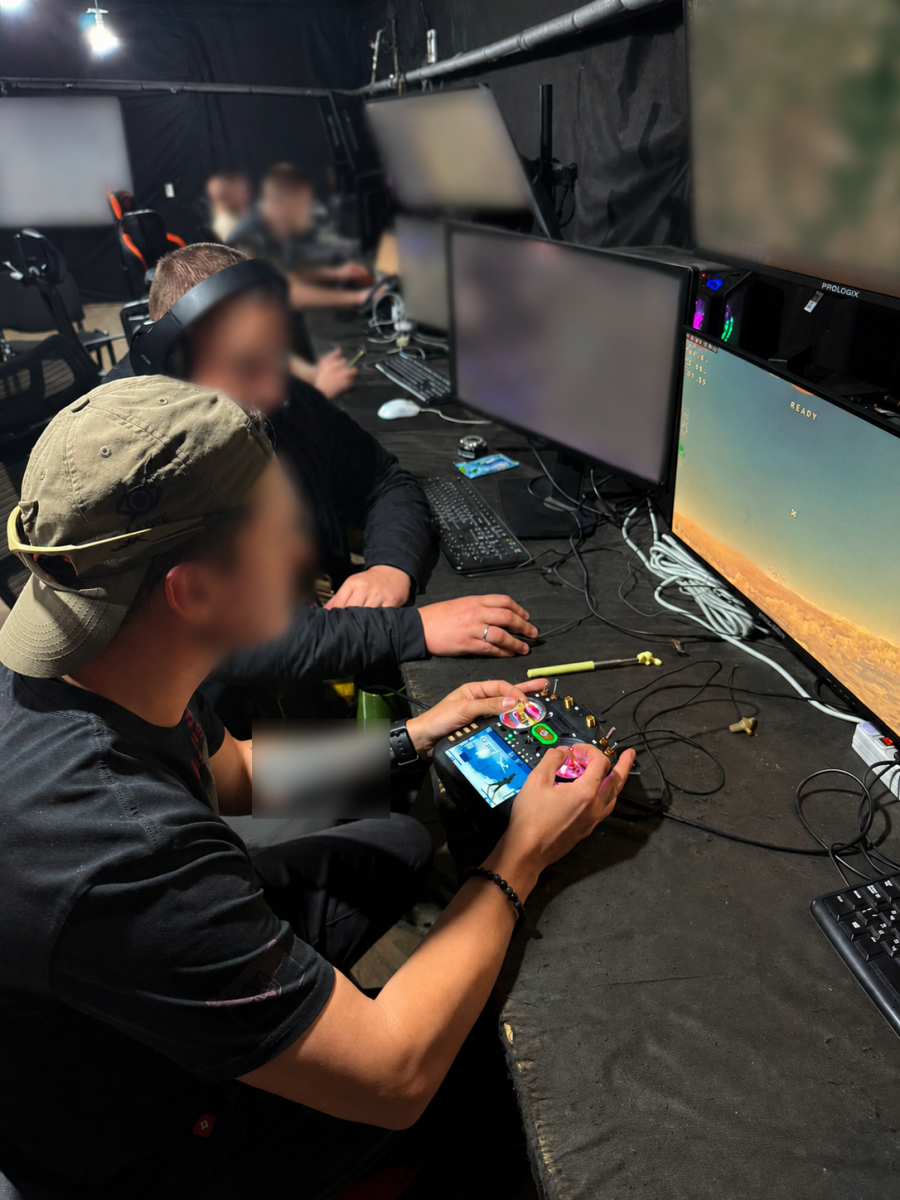
How does your company’s supply chain work: weapons, transport, day-to-day requirements? Is it through voluntary initiatives, direct collaboration with manufacturers, or something else?
Our day-to-day operations are financed through contracts with clients, as well as funds provided by various investors. We do not rely on donations in the traditional sense, as is often the case in the military. Instead, we seek partners who are interested in the work we do and want us to provide services specifically for them. These are our principal sources of funding.
How quickly, in your experience, does technology change — what, for example, was working a year ago but is now already obsolete?
In my experience, technological change occurs extremely quickly. I left the military only a few months ago and already realise that much of what I was directly involved with is now outdated. New solutions emerge, we adopt them rapidly and move forward. There is simply no time to dwell on the past.
So you are responding to changes in Russian weaponry and modernising your own systems accordingly?
Yes. For example, remote-control solutions are being introduced to reduce manpower requirements. This could allow us to use personnel more efficiently, with a single pilot potentially controlling several launch sites simultaneously.
Secondly, we are introducing machine vision and artificial intelligence technologies. However, these remain at an early stage of development. They are functional, but, as is the case throughout the FPV sector, they will never be 100 per cent effective. Therefore, we are waiting for manufacturers and suppliers to integrate these capabilities more fully into their systems.
Regarding artificial intelligence: does a human still make the final decision, or does it merely assist?
Absolutely. “Artificial intelligence” is often used as a broad and somewhat fashionable term. In reality, all critical decisions are made by people, and I do not believe that human decision-making will ever be fully replaced by machines.
Which developments in Russian weapons systems currently pose the greatest challenge, in your view?
The Shahed drones used at the beginning of the full-scale invasion and those being deployed today are conceptually similar, but they have become more effective in a number of respects.
Above all, their speed has increased, forcing us to adapt as well and seek out solutions capable of countering this specific threat. At this stage, we do not manufacture equipment ourselves; we are end-users of systems produced by Ukrainian companies.
Another challenge is the altitude at which Russian drones now operate. This is one of the reasons why anti-aircraft interceptor drones have become increasingly important, as traditional mobile fire groups are no longer as effective as they were in the early stages of the war.
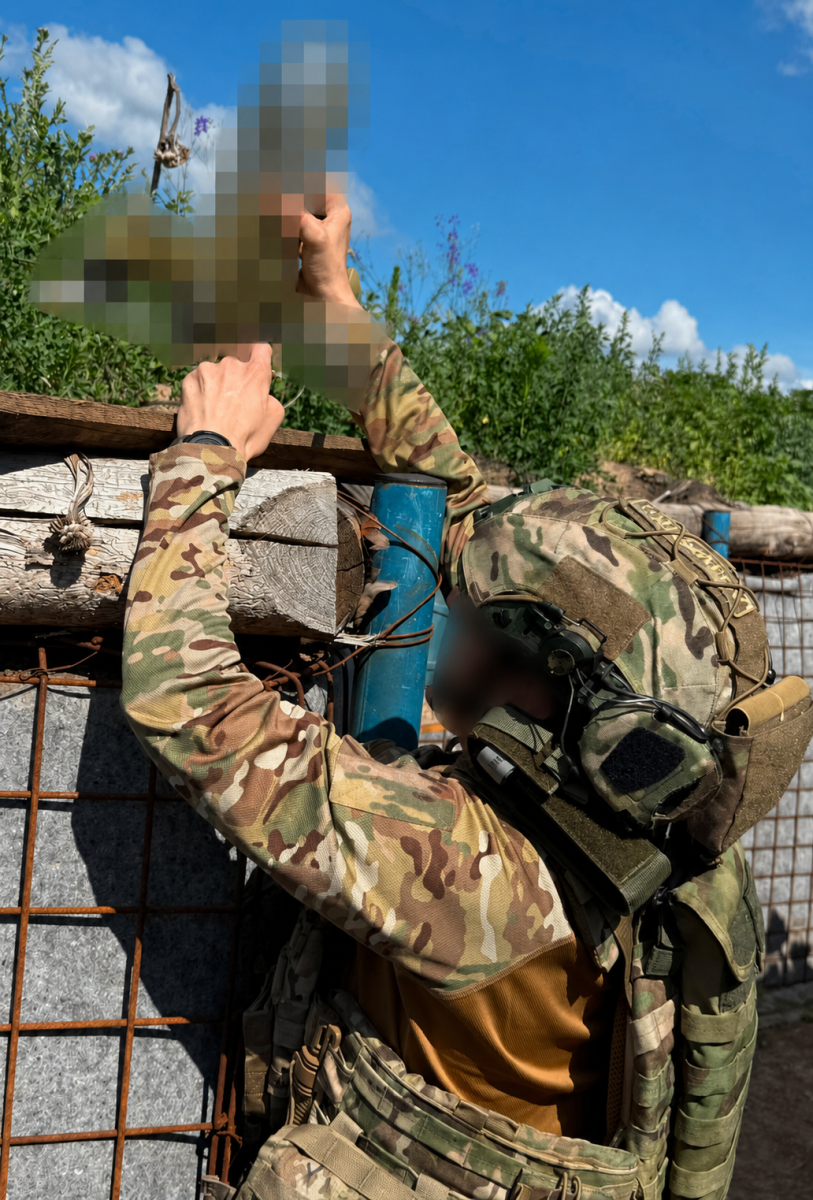
How developed is the private security sector in general? Are you no longer on your own — are there other companies as well?
Since the resolution was adopted, a growing number of companies have become active in this area. Some are establishing air defence capabilities in-house to protect their own facilities, whilst others are following the model of a private security company. We have specifically chosen the latter approach.
What, in your view, is holding back the development of the private security market?
Objectively speaking, there is not yet a fully developed market. At present, I do not see many active proposals from what might be described as competitors. This suggests that the sector has not yet reached a mature stage of development.
There is no clearly defined process for entering the market. The framework exists in theory, but in practice it remains in its infancy. The ARMADA team (the Ukrainian Association of Unmanned Systems and Technologies Manufacturers — Ed.) is advocating for changes with those who have the authority to amend the resolution.
What challenges did you face when setting up the company, given that this is a new experience for Ukraine?
There is a resolution that grants private security companies the authority to use anti-aircraft drones to intercept Russian aerial threats. However, the document contains a number of contradictions and, in my view, remains insufficiently refined. At present, it is not possible to fully legalise all aspects of our operations. In other words, there remains a significant legal issue.
As the company’s lawyers explained to LB.ua, the current Cabinet of Ministers resolution is a step in the right direction, but it contains several important gaps. In particular, it does not regulate the legal status of an enterprise operating a private air defence unit; in other words, it does not clarify whether such a company qualifies as a critical infrastructure entity.
Nor does it establish clear rules regarding personnel recruitment. The resolution states that private air defence units may include individuals who are not subject to military conscription, but the lawyers argue that the wording is too vague. As a result, the same provision could be interpreted differently by different authorities or in different regions.
Furthermore, the resolution does not specify who would bear responsibility if a private air defence unit, while carrying out its duties, damaged property, caused injury, or otherwise inflicted harm.
From a practical standpoint, the situation is somewhat easier, as we already possess relevant experience in this field.
There is also a staffing challenge. There are relatively few serving military personnel or veterans who wish to join such companies. In addition, the number of qualified UAV specialists remains limited.
I have experience in training personnel, and the time required cannot be determined by any fixed standard. Veterans demobilised between 2022 and 2025 often lack specialised professional skills. Many also face health-related challenges, meaning that their training requires additional time and resources. In many cases they are older as well, which can further extend the training process.