






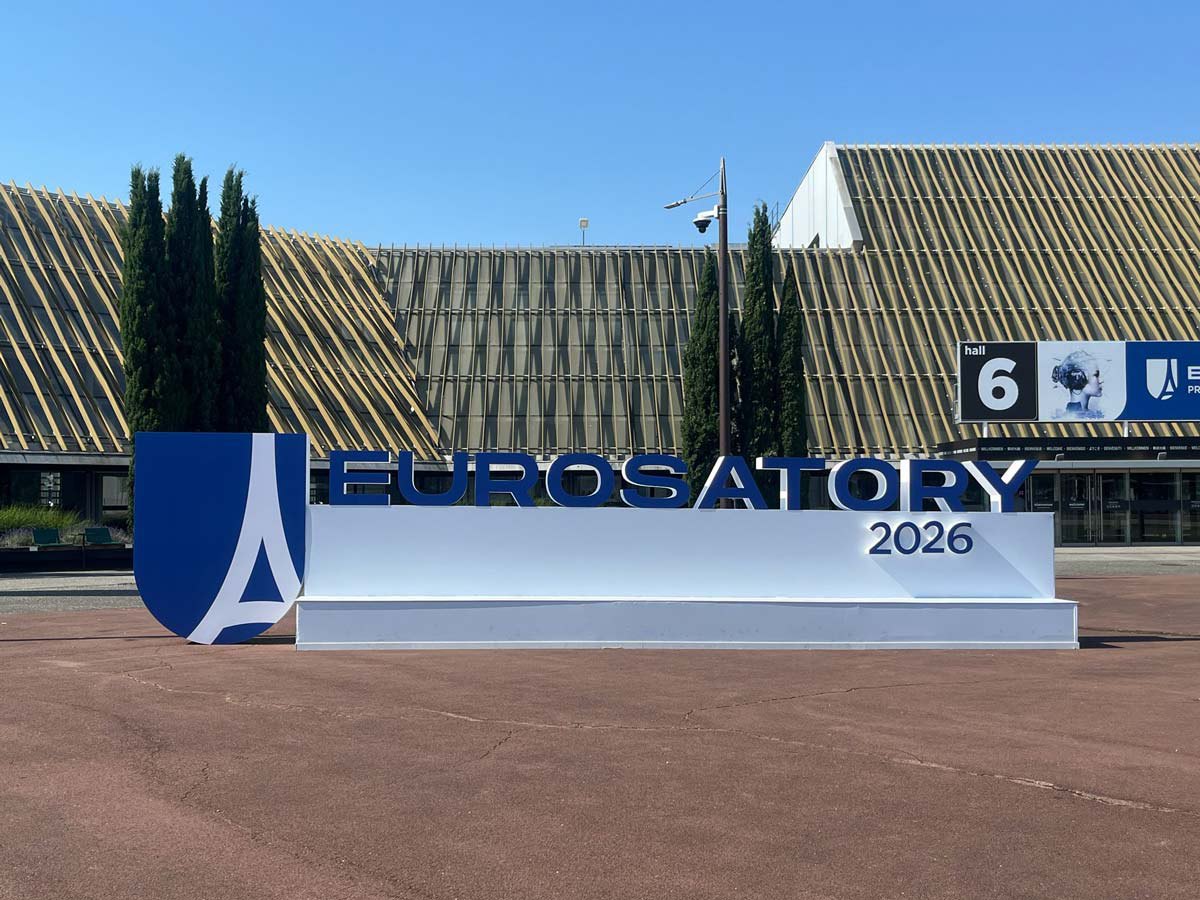
What does participation in such exhibitions mean for the Ukrainian defence sector?
It signifies a transition to a new level of recognition among international partners. Ukrainian manufacturers are increasingly viewed not merely as suppliers of individual technologies, but as fully fledged industrial partners.
It also confirms that Ukraine’s defence industry has already become a significant player in the European market. Ukrainian companies have presented solutions that have been tested in real combat conditions and are continuously refined on the basis of battlefield experience.
Perhaps most importantly, Ukraine is gradually transitioning from being a recipient of security assistance to becoming a country capable of contributing to the development of European defence capabilities.
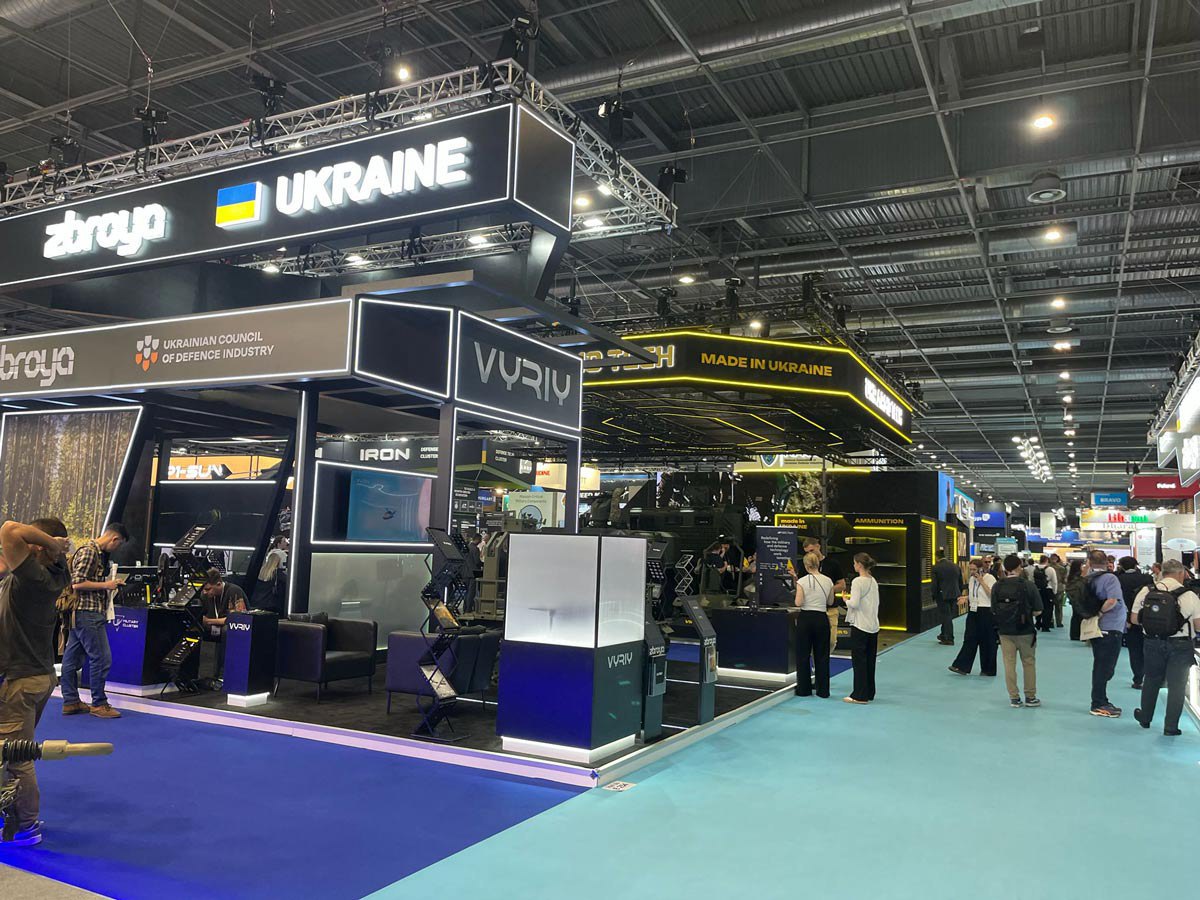
Eurosatory is, first and foremost, a European market. To what extent were Ukrainian products competitive compared with what Western companies have to offer?
In many segments, Ukrainian solutions are already fully competitive. However, their principal advantage lies not only in the technology itself. First, products are continuously refined in response to battlefield experience. It is hardly an exaggeration to say that all manufacturers exhibiting at Eurosatory have established feedback systems with end users. Second, it is the speed of adaptation. Ukrainian manufacturers operate in an environment where feedback from the front line can be translated into product improvements within a very short period. For many Western companies, maintaining such a pace of development remains a significant challenge.
What practical problems do Ukrainian companies face when participating in international exhibitions?
For many companies, the primary challenge is resources. Participation in major international exhibitions requires significant financial investment, logistics, stand preparation, marketing materials, and dedicated teams capable of engaging with international partners.
There are also challenges related to regulatory restrictions and the specific nature of the defence sector. Not all companies are able to bring the products they would like to showcase, not all technical specifications can be discussed publicly, and some solutions remain entirely outside the public domain for security reasons.
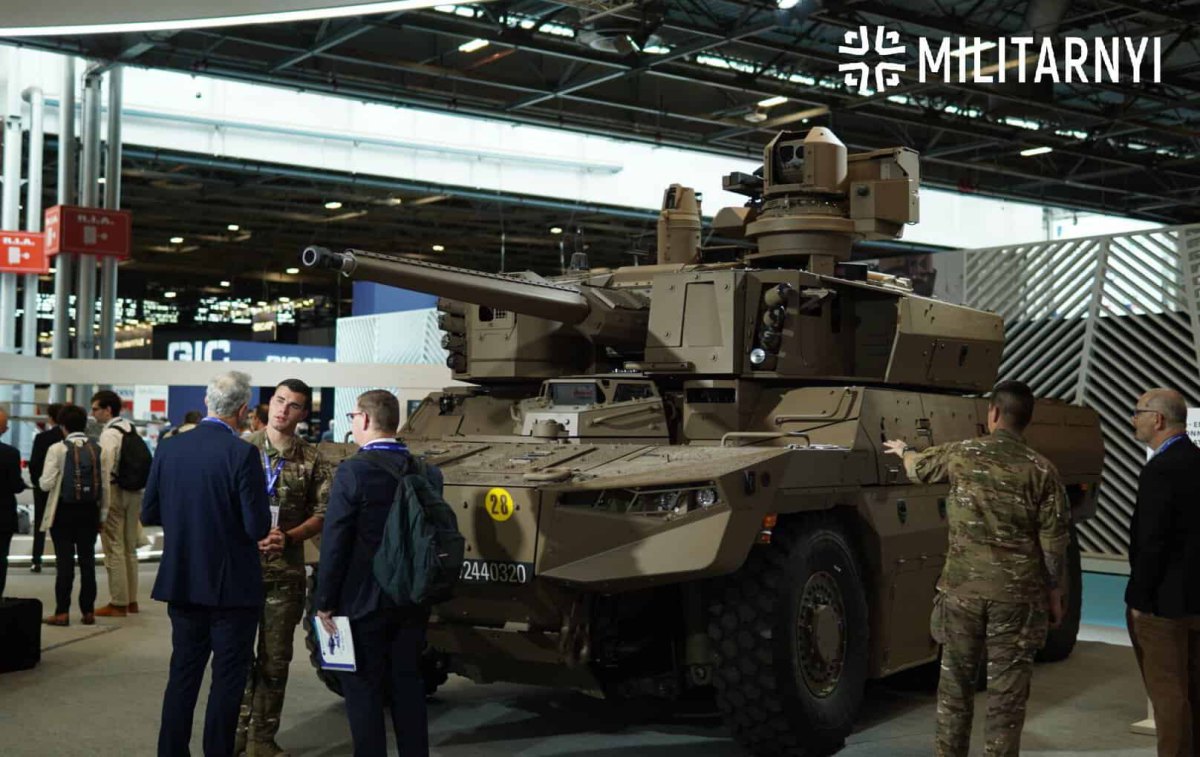
Eurosatory 2026 took place against a backdrop of lively discussions about Ukrainian arms exports. Did this have any impact on the level of interest or the outcome of the exhibition?
There was probably not a single foreign partner — whether a company or a delegation — that did not ask about exports. Ukrainian manufacturers themselves are also awaiting answers. However, enquiries are no longer limited to the traditional model of purchasing a ready-made product. For many partners, joint production, industrial cooperation, and intellectual property are now of even greater interest.
That is precisely why there was considerable interest at the exhibition in initiatives such as Build with Ukraine, which envisage long-term cooperation between Ukrainian and international companies.
What Ukrainian companies brought back from Eurosatory 2026
A number of cooperation agreements were signed between Ukrainian and European companies during the exhibition.
The European missile group MBDA and the Ukrainian design bureau Luch agreed to cooperate on the further development of the Neptune cruise missile.
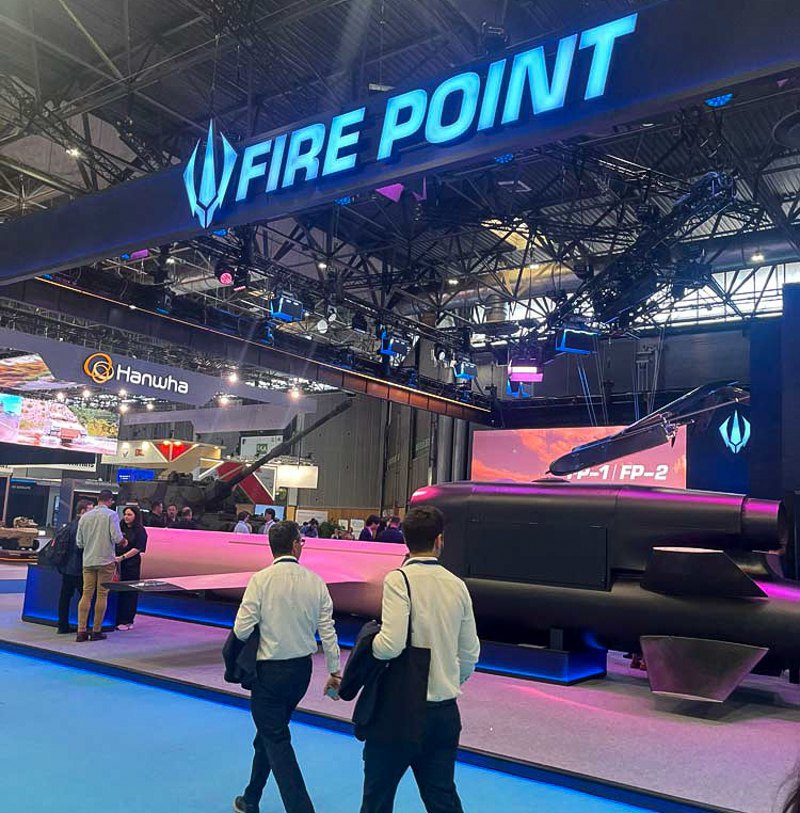
Fire Point signed a memorandum of understanding with Hensoldt, a German manufacturer of high-tech radar systems. The partnership will focus on the pan-European Freya air defence system project.
Ukrainian Armoured Vehicles and the Czech company AviaNera Technologies, part of the CSG group, signed an agreement on the supply of engines for Ukrainian missiles and drones, as well as the possible establishment of joint production facilities in Ukraine.
AIDronesUA reached an agreement with the Swedish company Njord Technology on the joint production of the MAUL unmanned ground vehicle, which is used to evacuate wounded personnel from the battlefield.
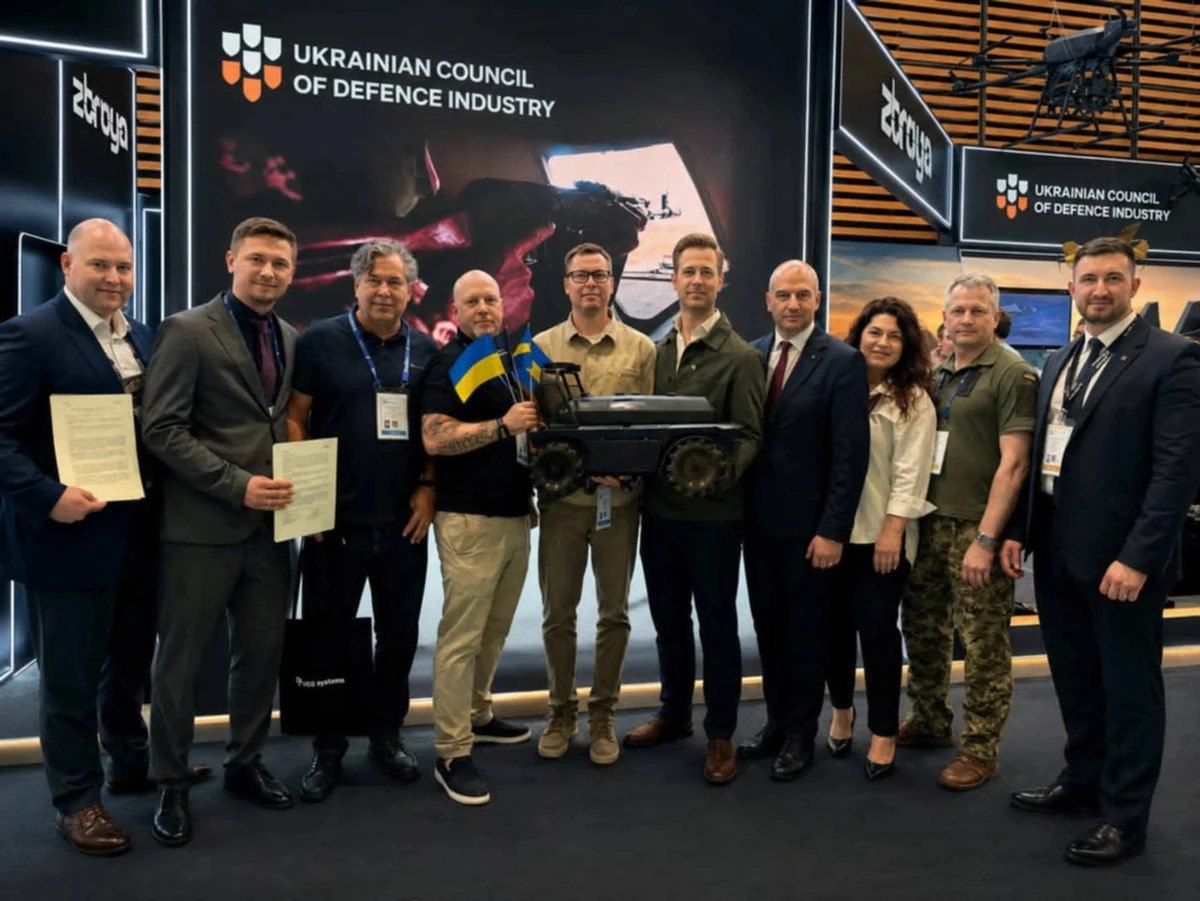
The Ukrainian defence cluster Brave1 and France announced the launch of the BRAVE FRANCE grant programme. A total of €20 million has been allocated to joint development projects in the fields of missile technology, unmanned systems, and countering aerial threats.
The Ukrainian company Rovertech and the French firm STRONGHOLD AI signed a memorandum of cooperation. The French side will join the TARANTULA active protection programme, which is developing solutions to detect and counter short-range aerial threats.
Ukrainian Unmanned Technologies and the French lifting equipment manufacturer Haulotte agreed to produce Ravlyk ground robotic platforms. The partnership was established under the Build with Ukraine programme.
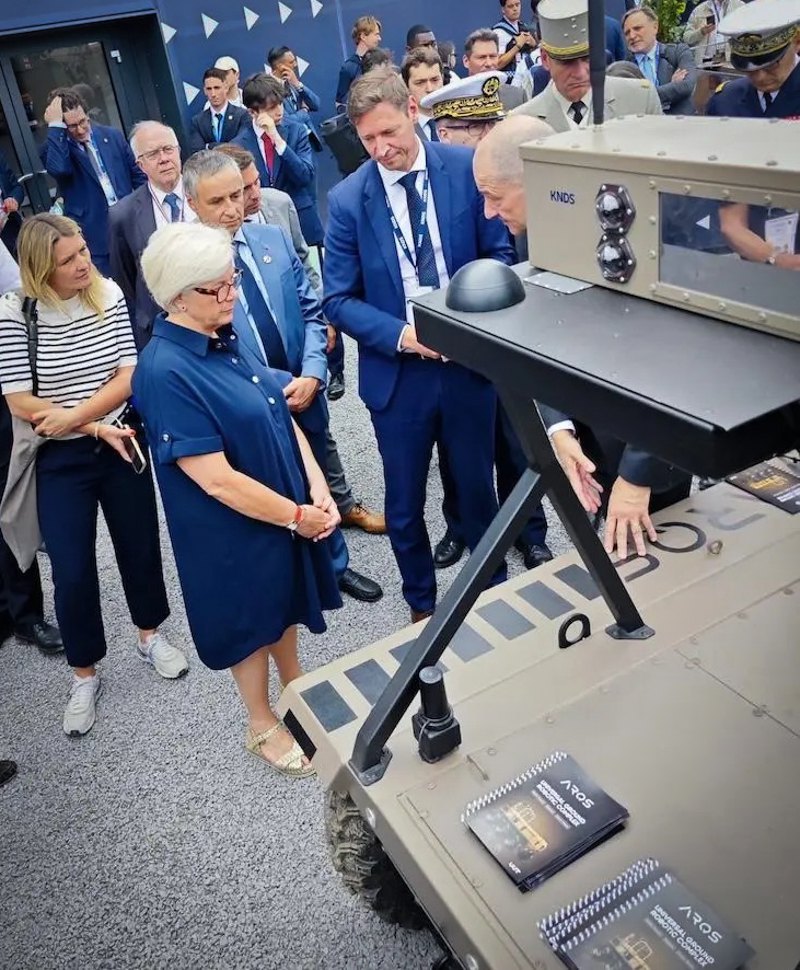
The Ukrainian company Frontline Robotics and the Danish-Ukrainian firm Dropla agreed to cooperate in the field of unmanned aerial vehicles (UAVs) and to develop AI-powered solutions for real-time threat detection.
In addition, Frontline Robotics reached an agreement with the Estonian company Milrem Robotics to develop robotic systems designed to counter drones.
MAC HUB and Paramount Greece will also cooperate on the development of maritime drones and interceptor systems. These include the MAC Dead Fly interceptor drones and the Katran maritime drones.