







On 27 July, a performance by Russian violinist Vadim Repin is scheduled as part of the Ljubljana Festival. Concert tours by the artist are regularly announced and then cancelled in various countries around the world.
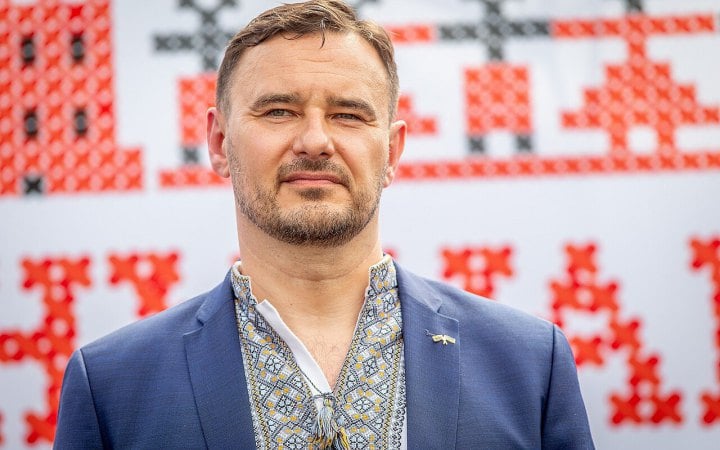
On 30 June, the Slovenian publication Delo published an op-ed by Ukraine’s ambassador to Slovenia, Petro Beshta, in which he analyses different forms of propaganda and calls for artists’ positions to be taken into account when considering potential cooperation.
“Modern propaganda is far more complex. It increasingly uses culture as a tool to shape a favourable attitude towards a state and its policies,” Beshta writes.
He explains that Russia has built an image of a great culture with which ties allegedly cannot be broken, and notes that Russian strategic documents define culture as one of the key instruments of “soft power”, and therefore it receives state funding and promotion.
“When a well-known Russian artist performs at a prestigious European festival, the audience receives a signal that cooperation with Russia continues, that Russia remains an inseparable part of the European cultural space, and that its international isolation is neither necessary nor justified,” the ambassador writes.
Beshta also mentions conductor Valery Gergiev, opera singer Anna Netrebko, and violinist Vadim Repin.
In particular, he notes that Repin’s foundation received funding from the Presidential Foundation for Cultural Initiatives of the Russian Federation — a body established by decree of Vladimir Putin and directly subordinate to the Russian state. After the start of the full-scale invasion, Repin was awarded the title of “People’s Artist of the Russian Federation” by Putin.
The ambassador concludes that the debate over the participation of representatives of Russian state-linked cultural institutions in European festivals is not about censorship or restricting art, but about responsibility — and whether Europe is ready to remain consistent in defending its fundamental values of freedom, democracy and human dignity.