






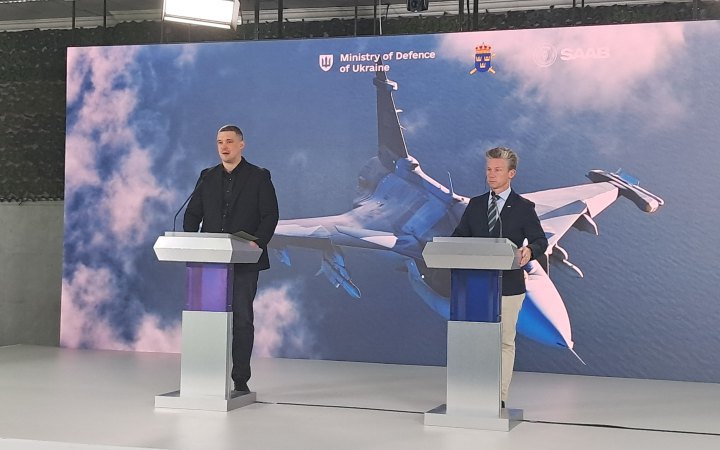
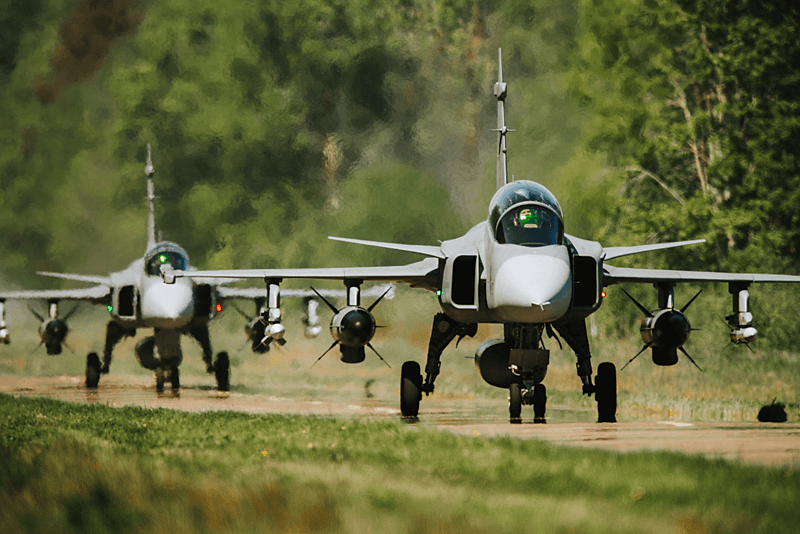
Ukraine's Defence Minister Mykhaylo Fedorov described yesterday as a historic day following the signing of an agreement on the delivery of Gripen fighter jets during a briefing.
"This is a very important development because Gripen aircraft, together with Meteor missiles, will enable us to counter Russian aircraft that carry glide bombs systematically destroying our positions on the front line. And not only on the front line – they are also striking our cities," Fedorov said.
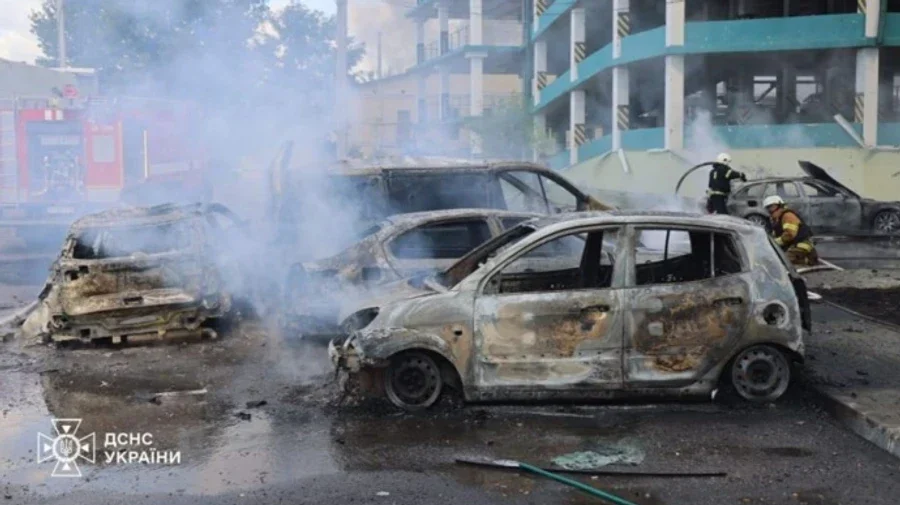
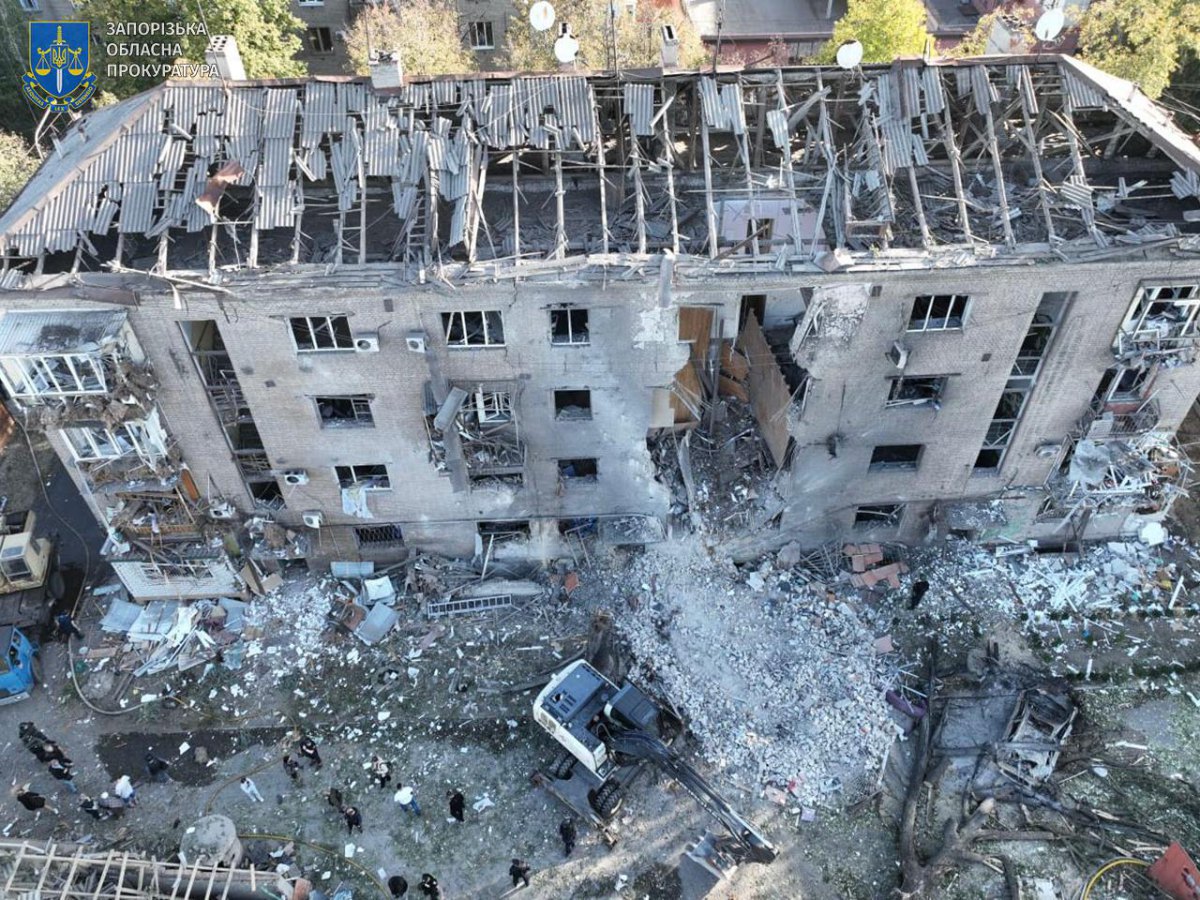
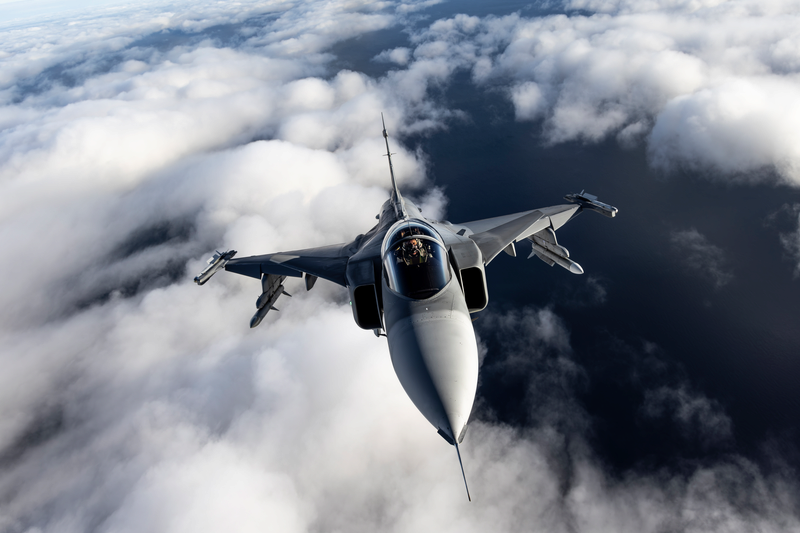
According to Fedorov, a contract has been signed for 16 Gripen fighter jets, which will be newly built aircraft. They will be financed through European Union loans, with additional support from the United Kingdom.
"Deliveries of the new aircraft will begin in a few years. However, at the beginning of next year, we will receive 16 Gripen aircraft as assistance from the Swedish government and people. These will be Gripen C/D fighters, which fully meet all our requirements for defending Ukrainian territory. We have already begun training the first group of pilots and will continue expanding the training programme," Fedorov said.
The number of Meteor missiles to be supplied has not been disclosed.
Swedish Defence Minister Pål Jonson stressed that the relationship goes beyond support for Ukraine and has become a genuine partnership.
"We are getting so much from you in return. Thank you for sending your troops to train on the island of Gotland. Our soldiers are constantly learning from yours and becoming better through that cooperation. We are learning from your defence industry and from your military," Jonson said.
Fedorov thanked Jonson, his team and the Swedish people for their support.
"Sweden has become the third-largest supporter of our country in Europe. During the latest Ramstein meeting, Sweden allocated just over $100 million to the PURL programme, enabling us to receive PAC-2 and PAC-3 interceptor missiles for Patriot systems and protect our cities. In total, Sweden has already committed more than $500 million to the PURL programme," he said.
In addition to the Gripen fighter jets, Ukraine is receiving Swedish assistance with drones, electronic warfare production and the anti-ballistic missile programme.
Commenting on the impact of the so-called "logistics lockdown" and what Russians can expect going forward, Fedorov said: "We will see what happens next from Russian social media posts and other sources of information. But we are already seeing sectors of the southern front where Russian infantry, because of disrupted logistics, is having to march 30 kilometres on foot to reach its positions. The Russians are facing major difficulties transporting infantry to the front line and supplying it. We are seeing shortages of fuel for generators and for UAV operators. There are many problems that may not be obvious at first glance but are affecting the intensity of the enemy's offensive operations against our territory. They are also continuing to face a critical infrastructure crisis and a fuel crisis."
According to Ukraine's Defence Minister, the situation is expected to continue evolving after Ukraine received the first tranche of a European loan yesterday. "This is bad news for the Russians because we will now continue increasing the pace of procurement in order to keep seizing the initiative," Fedorov said.
Read alsoHow Ukraine could use €60 billion in EU defence funding: key takeaways from the analysis