





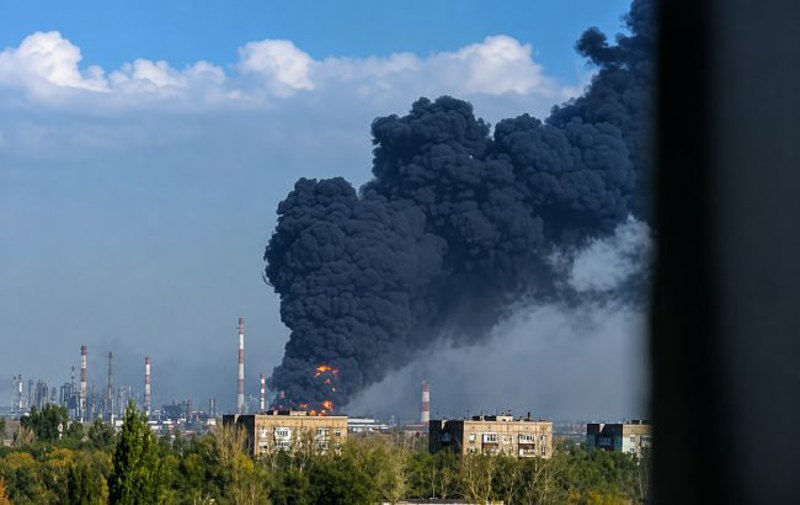
As for countermeasures against UAVs operating via Starlink — essentially satellite communications — and those using machine vision, they currently have none. Such measures do exist in theory: small-calibre anti-aircraft artillery, interceptor drones, attempts to jam satellite communications, and interception by aircraft.
However, these capabilities are spread so thinly across such a vast country that we can approach targets from unexpected directions, overload communications channels, follow river valleys and fly at extremely low altitude. Under such conditions, sector-based air defence cannot guarantee interception.
Take your pick: will today’s target be the last remaining oil refinery in Bashkortostan, Vugilnaya Harbour in St Petersburg, or will Crimea once again be left without electricity?
A petrol station without petrol
Oil refining has fallen from 5.5 million to 3.9 million barrels per day — the lowest level in 21 years. That explains the recent talk of reverting to Euro 2 fuel standards, abandoned more than a decade ago. Any seasonal increase in demand now risks turning routine refinery maintenance into a serious problem.
A total ban on fuel exports has followed, covering diesel, gas oil and marine fuel. On 8 July 2026, the Russian government took the unprecedented step of extending the diesel export ban. Previously, the restrictions applied only to resellers engaged in so-called grey exports. They now also cover fuel produced directly by refineries. Although the ban is officially in force until 31 July 2026, it is highly likely to be extended.
The doubling of diesel prices has already hit the railway sector hard. Operators are no longer able to purchase fuel in large volumes and instead have to buy smaller batches, causing supply disruptions that affect lorries, fuel tankers and delivery schedules, with average delays increasing by 25 per cent. Less than half of Russia’s rail network is electrified, as funding has instead been directed towards producing Iskander missiles for strikes on Kyiv.
The Russian Ministry of Finance planned to collect 8.9 trillion roubles in oil and gas revenues in 2026. During the first half of the year, however, it managed to raise only 3.66 trillion. Exporting crude oil instead of high-margin refined petroleum products, while paying three times the usual freight rates to the shadow fleet, has become an increasingly costly strategy.
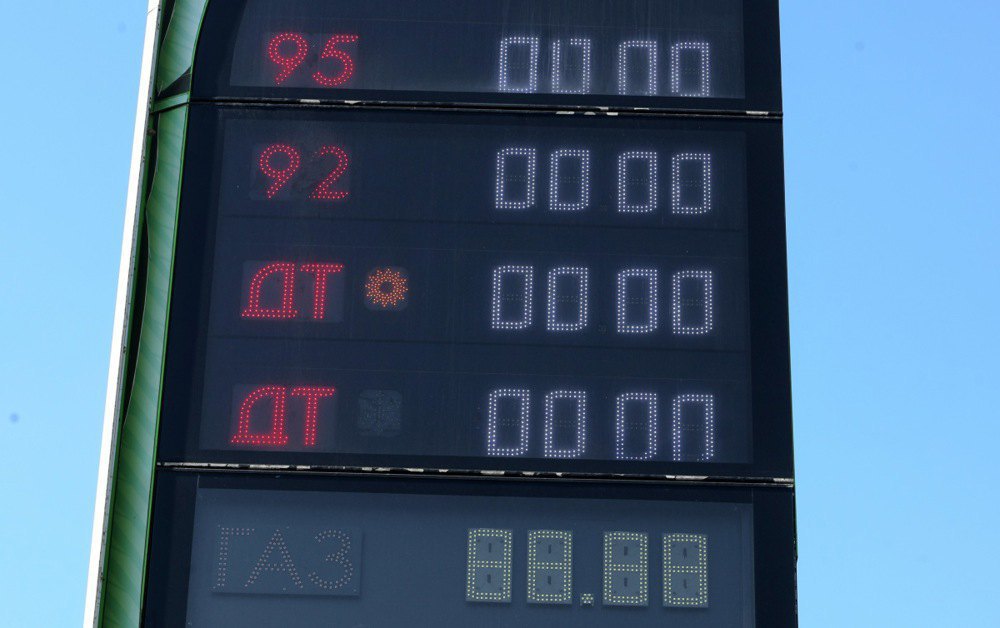
Deputy Prime Minister Novak has even announced the start of petroleum product imports into the Russian Federation — a country that has become a petrol station without petrol. In several cities, including Yekaterinburg and Orenburg, petrol sales have been rationed to 20 litres per customer because supplies are no longer sufficient. Many motorists have rushed to install LPG systems, driving demand up by 300 per cent and creating waiting lists stretching for months. Yet the market cannot be deceived: conversion kits now cost around 120,000 roubles per vehicle. Transport companies and delivery services are left to bear the costs, while ‘Putin’s falcons’ celebrate the capture of Avdiyivka.
An export-driven energy power is now forced to buy petrol from India and neighbouring countries to prevent unrest at its own filling stations — a remarkable measure of its claimed geopolitical success.
Storm over the Azov
Russia has failed to block tankers and river-sea cargo vessels operating in the region. Its patrol boat fleet continues to suffer regular losses, while larger warships avoid entering the Sea of Azov because of both its shallow waters and the risk of ending up in the so-called ‘Hungarian triangle’. More than 190 vessels have already been struck. The consequences include growing demands for state compensation to transport companies, disruption to local trade — particularly the export of goods looted from Berdyansk and Mariupol and supplies destined for Crimea — and far more than the simple interruption of at-sea refuelling for Panamax-class vessels.
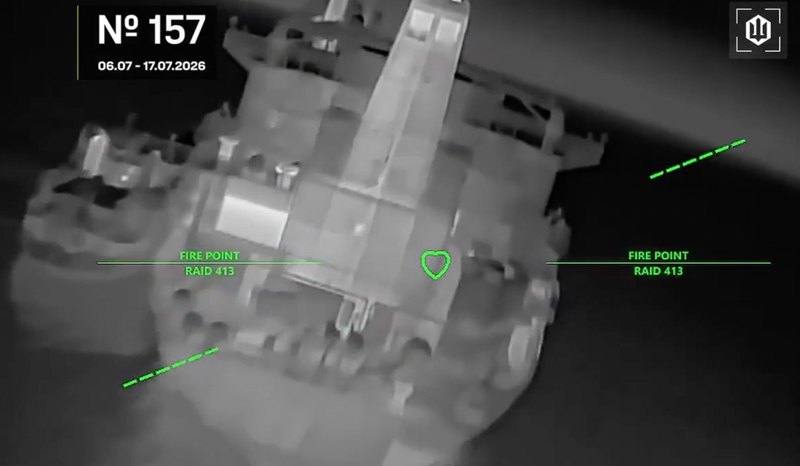
The southern river-sea ports remain ice-free for much of the year and handle exports of grain and vegetable oils, accounting for around 20 per cent of Russia’s oil and grain exports. This creates a critical logistical bottleneck. Cargo must be transported by lorry, yet vehicles are already queuing to unload and refuel. The distances involved are far greater than in Ukraine, while many routes pass through regions already affected by fuel shortages. At the same time, the FSB has closed the Azov–Don Canal, apparently to prevent footage of burning ships in its locks from emerging.
In effect, Ukraine’s strikes on the tanker fleet have created an almost complete logistical blockade. Grain carriers have become trapped: they cannot leave because of the drone threat and the FSB’s restrictions, while farmers cannot load new grain because existing cargo remains stranded in ships confined to port. The disruption has spread further upstream to the shallow-water ports along the Volga. The result has already been a 5 per cent rise in global wheat prices, while within Russia there is a growing risk of a collapse in farm-gate grain prices.
Dry-cargo vessels also require fuel oil and diesel before they can sail. Yet the regional tanker fleet has been steadily degraded, contributing to fuel shortages across the area. In Tuapse, supplies of light petroleum products have already been exhausted for the entire harvest season.
The tax on fear
From 1 May 2026, individuals have been prohibited from taking more than 100 grams of gold bullion out of the country. The Kremlin fears that, amid rising inflation, citizens will move their savings into physical gold en masse. Presumably because ‘everything is going according to plan’?
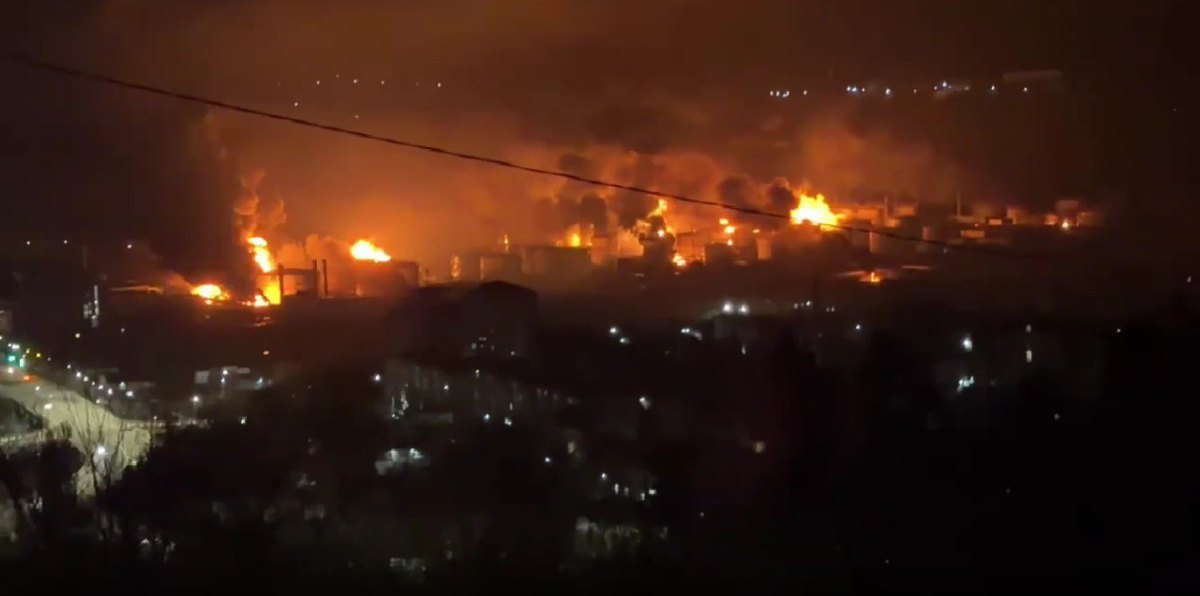
This summer, southern Russia has been hit by widespread rolling blackouts. Residents from Rostov to Sochi and Crimea have been left sweltering. The propaganda machine attributes the outages to ‘abnormal heat’ and ‘scheduled maintenance’ at a reactor unit of the Rostov Nuclear Power Station. Yet heatwaves occur in southern Russia every summer. Previously, reserve generating capacity helped meet peak demand. Now it is no longer available, as sophisticated drones have repeatedly struck the Novocherkassk Thermal Power Station, Lukoil’s power plants in Krasnodar Krai and key electricity substations.
A glance at Russia’s public procurement portal reveals the scale of the concern. Hundreds of civilian enterprises — from poultry farms in Tatarstan to water utilities in Siberia — are spending billions of roubles on electronic warfare systems, anti-drone nets, concrete shelters and private security contractors armed with rifles.
This money is being diverted from development, wages and investment in new equipment and channelled instead into passive security measures that, in any case, cannot reliably protect against drones carrying 50–100 kg warheads. It amounts to a substantial tax on the Russian economy — one imposed simply by Ukraine’s ability to strike targets at long range.
The story has come full circle. Three years ago, Russians laughed at the shattered windows in Moscow City and dismissed them as little more than a publicity stunt. They believed the war was something unfolding on television somewhere near Donetsk or amid the ruins of Bakhmut, while they sipped coffee at Patriarch’s Ponds.
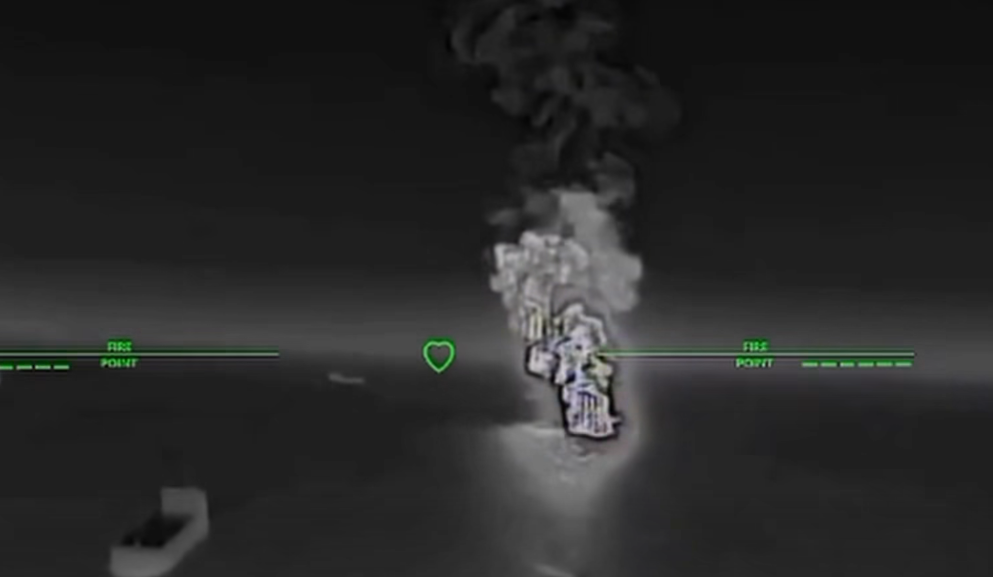
The reality today is scorched distillation columns, empty petrol stations, endless queues of grain lorries and burning tankers on the horizon.
It is a perfect illustration of the domino effect triggered by the fuel crisis. Russians are likely to remember this summer for a long time to come.