






Opinion polls in the run-up to the election recorded a significant level of disappointment with Donald Trump’s performance. In early November, 59% of respondents rated his work as president negatively. Much of the dissatisfaction with the US president is driven by his actions on the economy and issues related to the cost of living. In particular, 73% of registered voters are unhappy with how he is dealing with high fuel prices; 69% with the cost-of-living situation; and 64% with the state of the economy. Around 65% of respondents also expressed dissatisfaction with how Trump is acting in the context of the conflict with Iran.
Although inflation rose at a moderate pace during Trump’s second term, price growth accelerated in 2026 because of the blockade of the Strait of Hormuz. On the eve of the US–Israeli military operation against Iran, a gallon of petrol in the United States cost $2.8–3.0. By early November, it was about $4.2. Diesel rose even more sharply. A year ago it cost around $3.8; now it is almost $6.3. Such a steep rise in fuel prices could not leave an electorate indifferent — one that blames the price surge on US involvement in the Iranian adventure. It was the rising cost of living that Democrats focused on above all, making it the central theme of their campaign.
It would be wrong to say that the work of Donald Trump’s second administration has been an unmitigated failure. But a relatively decent economy (GDP grew by 3.4% in the third quarter of 2026), a fall in crime (the number of murders fell to a 100-year low) and control over migration did not help Republicans offset the negativity accumulated as a result of misguided decisions and their leader’s provocative behaviour.
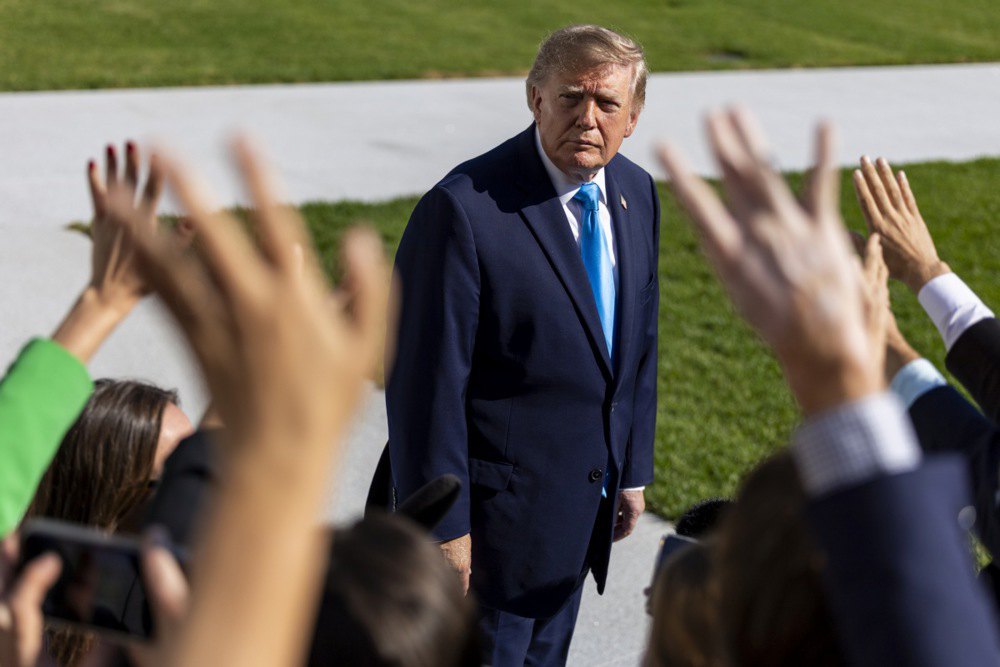
The US president may, of course, claim that Republicans lost because his name was not on the ballot. But that is simply not true. On the contrary, candidates’ association with Donald Trump often did them no favours.
For example, Trump is personally implicated in his party’s fiasco in Texas. Against the wishes of regional elites and ignoring local opinion, he lobbied for the scandal-hit former state attorney general Ken Paxton to run for the Senate instead of John Cornyn. In Texas, Democrats also took the governorship, the lieutenant governorship, the attorney general’s office and control of the state House of Representatives. Losing this large state, which provides 40 electoral votes in a presidential campaign, could have catastrophic consequences for the Republican Party’s future — as Florida Governor Ron DeSantis has already said. In the prominent politician’s view, “if the Republican Party does not have Texas as a pillar, it will not be a viable force at the national level”.
Trump — and, in part, Vice President J.D. Vance — also personally contributed to Republican defeats in several other key states: Ohio, Pennsylvania, Georgia, Arizona and Nevada. By promoting candidates excessively loyal to him, regardless of their personal qualities and backgrounds, the president helped Democrats win additional seats in Congress.
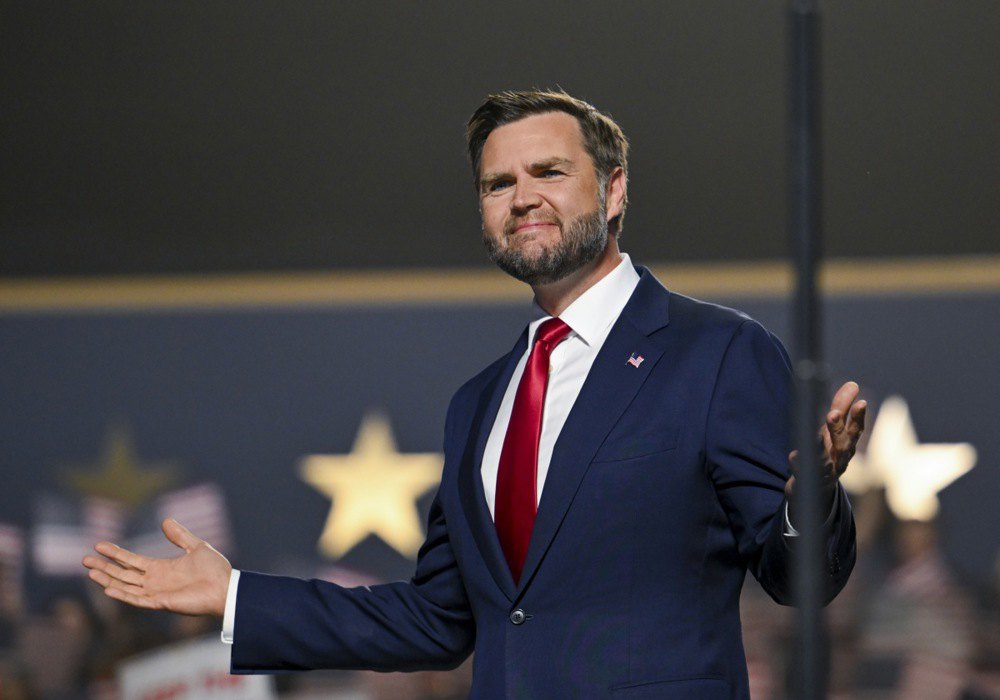
Because of Trump’s pro-Russian sentiments, many see the Democrats’ triumph as a chance for a radical shift in Washington’s foreign policy. However, it is not worth slipping into euphoria after the Democratic Party’s victory.
First, Trump and his closest circle will continue to influence decision-making — particularly on foreign policy. The president remains commander-in-chief of the armed forces and directs diplomacy and the executive branch. The head of state can also make active use of the veto power, as he has already said he will. So the next two years could turn into a dramatic series of endless political confrontation between Trump and the Democratic majority. The likelihood of launching a new impeachment procedure is also very high. But for it to be concluded, the consent of two-thirds of the Senate is required. Without Republicans, such a scenario is impossible.
Second, it is not worth overstating Democrats’ pro-Ukrainian stance and their readiness to confront Russian imperialism robustly. A range of representatives of this political force entered Congress — from moderate centrists to outright far-left radicals. Not all of them are principled supporters of Ukraine or view Russia as a strategic threat to the West.

But a potential positive effect for Ukraine from the 3 November election results certainly exists. Democrats could help finally bury Trump and Putin’s diesel deals and derail attempts to implement joint Russian–American energy projects. They could launch investigations into corruption in the president’s inner circle and the role of Steve Witkoff or Jared Kushner in attempts to reach an understanding with the Kremlin. They could vote to allocate financial assistance to Ukraine — and, in the event of a veto, enlist the votes of some Republicans in the House and Senate to override it. They could open inquiries into questionable actions by officials in the White House and the Pentagon, including those that led to the suspension of military aid and intelligence sharing. They could influence Trump’s desire to ease sanctions against Russia and even force him to introduce new ones. It also recently became known that Democrats plan to investigate Elon Musk’s role in slowing Starlink’s operation for Ukraine — which is also positive news.
However, what matters for Ukraine is not a Democratic victory but the preservation of bipartisan support. Unfortunately, as a result of the congressional elections, we lost several influential pro-Ukrainian Republicans. Brian Fitzpatrick, co-chair of the bipartisan Ukraine caucus, failed to win a seat in the House of Representatives in Pennsylvania, as did House Foreign Affairs Committee member Mike Lawler, who represented New York. Congressmen Don Bacon of Nebraska and Mike McCaul of Texas, who had actively condemned Russian aggression, decided not to run at all.
Republican Senator Thom Tillis of North Carolina, who previously had a conflict with Trump, took a similar position. And 84-year-old Senate Republican leader Mitch McConnell decided not to seek re-election. Susan Collins, who represented Maine, also lost her Senate seat, giving way to Democratic candidate Troy Jackson.
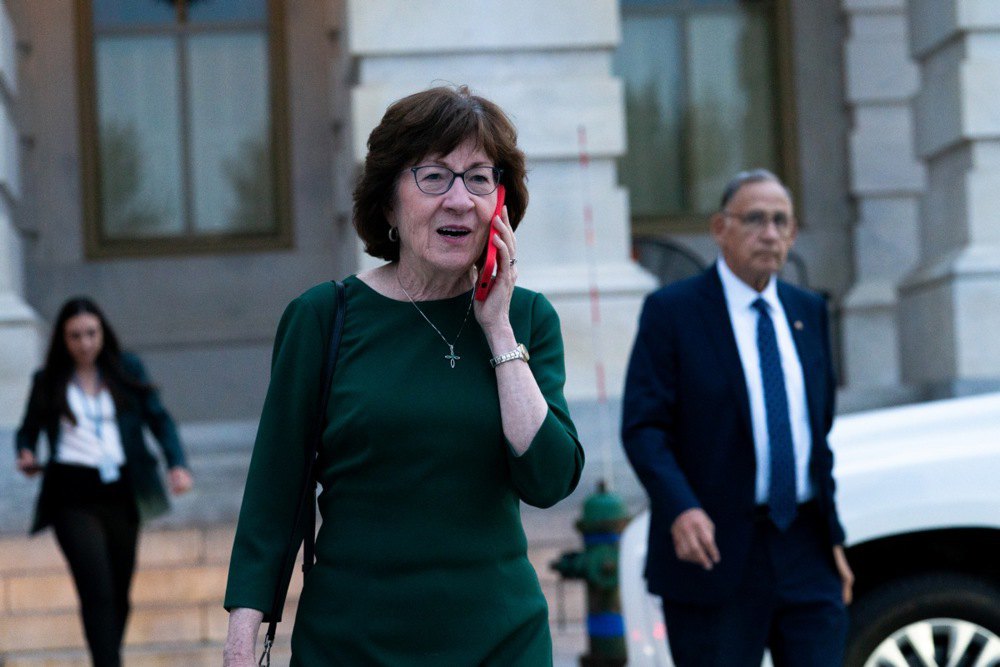
This list is far from complete. Losses for the Reaganite wing of the Republican Party, which is loyal to Ukraine, began as early as the primaries, when its representatives were defeated by figures from the MAGA movement. That is what happened to John Cornyn — the senator from Texas — and to House member Dan Crenshaw from the same state. Senator Bill Cassidy of Louisiana, who considered support for Ukraine necessary for the United States’ strategic interests, also fell victim to the Trumpists.
A paradoxical situation has emerged. Republicans suffered most in these elections from Trump’s policies. Yet because of his intolerance of criticism and a harsh candidate filter whose main criterion is personal loyalty, almost none of those who previously had the courage to voice disagreement with the American president’s decisions made it into Congress. Trump pushed the Reaganite group of Republicans out of the Senate and the House of Representatives. But satisfying his personal ego came at a very high cost to the GOP.
If Republican elites decide that the president has definitively lost touch with reality and is dragging them down, they may begin the process of searching for a new leader. In that case, Trump will gradually turn into a “lame duck”, and Republicans will have a chance to rid themselves of MAGA’s excessive influence. The domestic political debate within the Republican Party about its future may be no less gripping than the new series of confrontation between the White House and a Democratic Congress.