





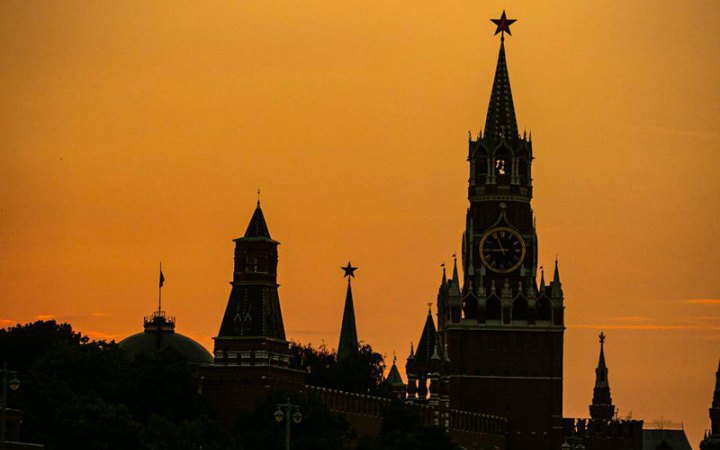
The Russian State Duma’s Committee on Budget and Taxes has acknowledged the risk of federal budget revenues falling short over 2027–2029. Despite the warning, MPs formally backed the government’s draft budget.
This was reported by Ukraine’s Foreign Intelligence Service.
According to the Russian government’s plans, budget revenues are expected to total $537.5bn in 2027, $569bn in 2028 and $603.6bn in 2029. The annual deficit is forecast at $63.6–67.6bn, or 1.9–2.2% of GDP.
At the same time, the committee points to risks to these calculations. With the economy slowing, high borrowing costs and deteriorating corporate financial results, the budget may fall short on corporation tax receipts.
There are also doubts about the forecasts for oil and gas revenues. The government expects the export price of Russian oil to fall from $61.2 per barrel in 2026 to $51 in 2029. Even so, receipts from the oil and gas sector are planned to rise from $87bn in 2027 to $95.9bn in 2029.
The FISU notes that volatility in energy markets could prevent these forecasts from being met. The share of oil and gas revenues in the budget, according to government calculations, is expected to decline from 16.2% to 15.9%.
Spending on servicing the national debt is also set to rise: from $56.7bn in 2027 to $70.5bn in 2029. Meanwhile, Russia plans to spend more than $212bn on defence as early as next year.
According to Ukrainian intelligence, Russia’s economic situation is already showing signs of slowing. In the first half of 2026, the country’s GDP grew by only 0.6%, the liquid portion of the National Wealth Fund fell to 1.7% of GDP, and Russian banks hold a substantial volume of loans issued to enterprises in the defence sector.
The FISU also says that without tax rises or cuts to social spending, Russia’s financial reserves may run out as early as the beginning of 2028. To cover the deficit, Moscow may resort to new borrowing and a higher tax burden.