





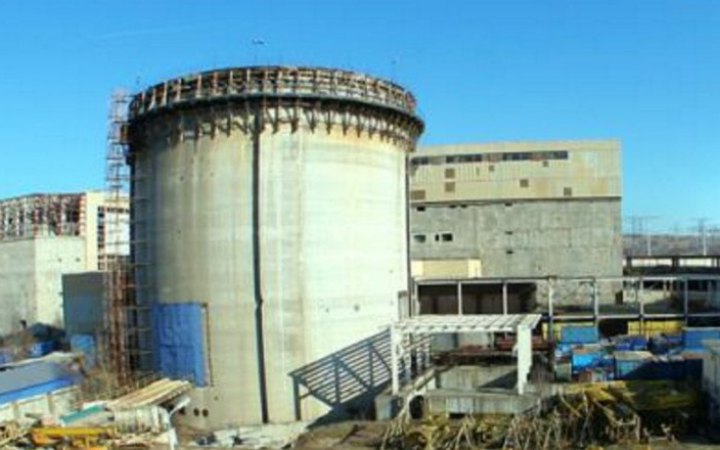
Romania has resumed operations at the first unit of the Cernavodă Nuclear Power Plant, which had been offline for more than three months. It currently provides 3.11% of the country’s total electricity generation.
This was reported by Digi24.
According to the grid operator Transelectrica, at the time of the report the Cernavodă plant was generating 192 MW of electricity.
The first unit was shut down on 28 July due to a prolonged drought, which lowered the Danube’s water level and reduced the amount available to cool equipment. The second reactor was shut down on 13 August for the same reason.
The start-up procedure for the first unit began on 4 November after specialists confirmed that the minimum conditions required for safe operation were in place. After reconnection to the grid, the reactor’s output will be increased gradually while the necessary checks are carried out.
The second unit still cannot be restarted. For that to happen, the Danube’s water level must rise and remain sufficiently high for several days. Nuclearelectrica said it is ready to begin the start-up procedure as soon as the technical and hydrological conditions are met.
Each of the two reactors has a capacity of around 700 MW. When both units are operating, they supply roughly 20% of Romania’s electricity needs.
- The Cernavodă plant uses water from the Danube for its cooling systems, so with the river running low the authorities are taking additional measures to ensure the station can operate reliably.
- In the summer, Romania’s armed forces carried out a controlled blast of the Pârjoaia rock formation on the Danube to divert part of the flow into the Old Danube branch and ensure the water level needed for the Cernavodă Nuclear Power Plant to operate. This was the second attempt at such a blast. The previous operation did not deliver the expected result.