





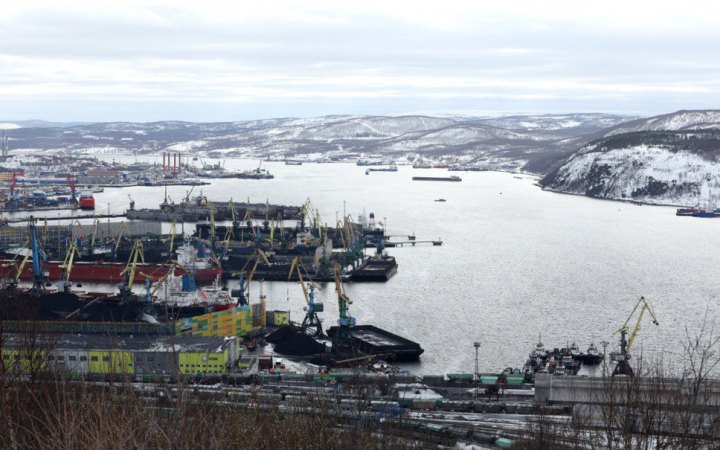
Russia has begun shipping pig iron for export via the Arctic port of Murmansk for the first time since 1996. The logistics shift is linked to transport problems in the Black Sea amid Ukrainian strikes on Russian vessels and infrastructure.
The Financial Times reports this.
On 14 October, the Port of Murmansk said it had started handling pig iron for the first time in almost 30 years. Later, the port’s Telegram channel published a video of the metal being loaded and reported a sharp increase in cargo throughput due to changes in logistics in southern Russia.
According to the newspaper, more than 180 rail wagons delivered pig iron from the Urals for a trial shipment of 65,000 tonnes to the Mediterranean. The likely destination is Turkey, as imports of Russian pig iron into the EU will be banned from 1 January 2026.
The new route is around 10 days longer than shipping via the Black Sea and significantly increases costs. Austin Barnes, a metals analyst at pricing agency Argus, noted that freight from Murmansk to Turkey costs almost twice as much as from Black Sea ports. He said some Russian producers are paying $100 per tonne more to deliver raw materials by rail and sea.
Russian exporters are seeking alternative routes because of strikes on vessels in the Black Sea, which have continued since the summer. According to maritime security company Ambrey, almost 700 strikes have been recorded in the region this year.
The most recent pig iron shipment from Russia’s Black Sea port of Novorossiysk took place on 31 July.
As shipments are redirected to other ports, the burden on Russian Railways is increasing. Russia had previously redirected much of its raw-material exports to Baltic Sea ports, but because they are overloaded, some cargo has to be sent to more remote regions.
To organise pig iron transhipment, the Port of Murmansk produced special buckets and fitted its cargo-handling equipment with electromagnets. After the trial shipment is completed, it plans to assess the possibility of regular exports of the metal.
Istanbul-based maritime transport analyst Yoruk Isik said the difficulty of finding alternative routes points to Russia’s logistical problems.
He said it is hard to change shipping directions quickly because of limited infrastructure capacity.
- Earlier, the FT wrote that Russian “shadow fleet” tankers are falsifying coordinates to avoid Ukrainian attacks in the Black Sea. At least 12 sanctioned tankers transmitted false coordinates to conceal their real location.