





Over the course of three to four hours, witnesses to the attack observed several explosions at intervals of a few minutes – indicating a significant level of intensity.
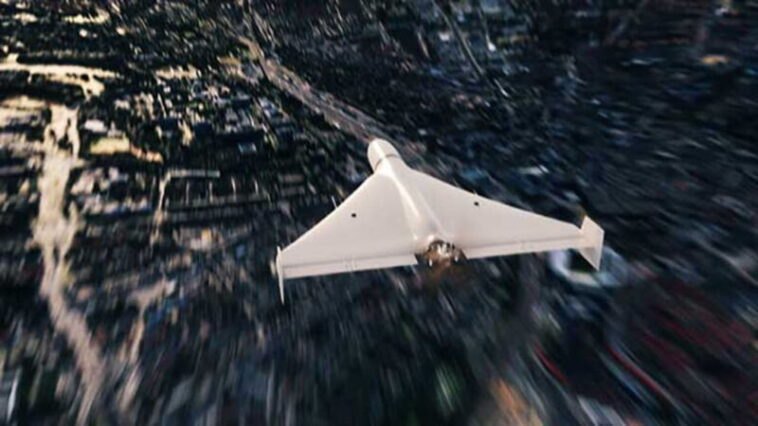
As before, the average number of Shaheds per day remains 180–190, of which up to half are decoy drones. However, Moscow is expected to scale up production, as it believes it has found an effective tactic.
The targets include logistics infrastructure, including civilian assets: a cosmetics warehouse was destroyed, strikes were carried out on Zhulyany Airport and the 410th Aviation Repair Plant (not for the first time), as well as on dual-use enterprises such as those producing electrical equipment and pneumatics. Large fires and destroyed buildings followed – and despite hundreds of aerial threats being intercepted or neutralised by electronic warfare, some damage was inflicted.
The Kremlin’s objectives remain unchanged: inflicting economic harm, lowering public morale, targeting the military–industrial complex, and disrupting supply chains.
Kyiv continues to be a major target, as it accounts for 25% of Ukraine’s GDP, hosts a large share of skilled personnel, and supports many interconnected production chains protected by air defence systems.
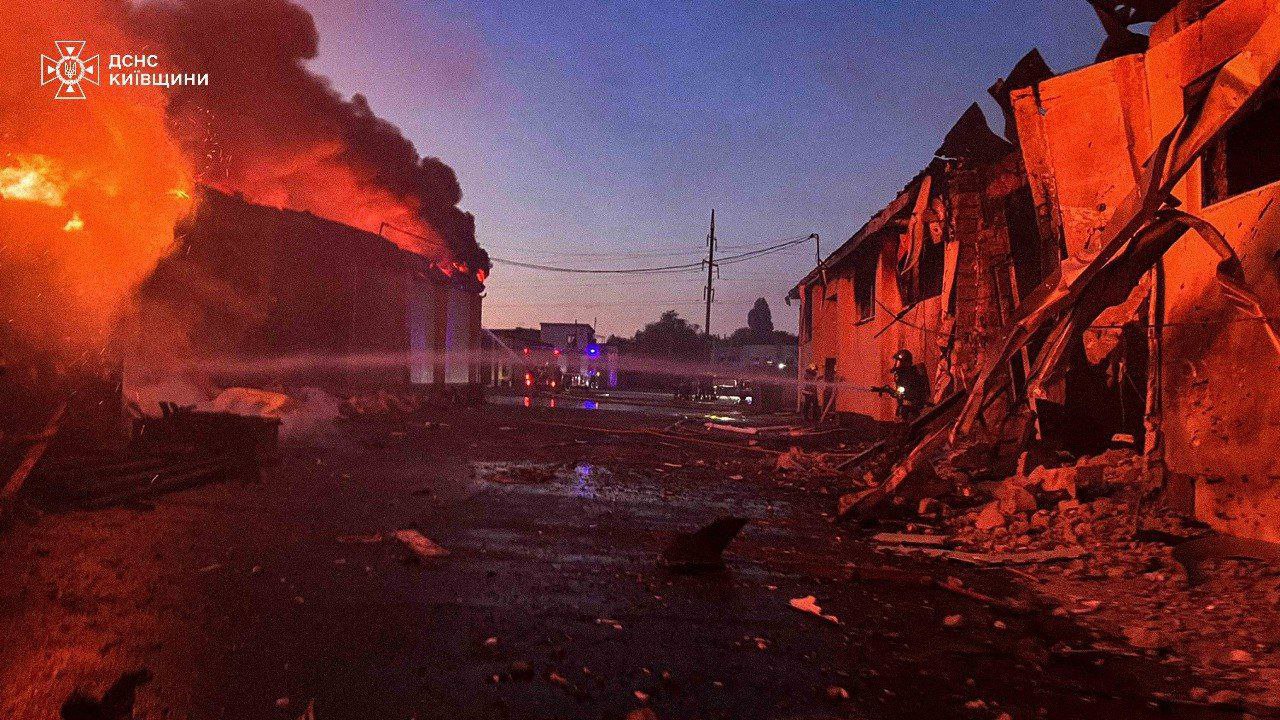
This means that under any scenario there will either be direct hits on densely populated areas, or a waste of expensive missiles. And, of course, there is psychological pressure – people are sleep-deprived, face broken windows and burned-out buildings, and suffer loss of life, injuries and shock.
It is important to note that the Kinzhal and most Iskander missiles did pass through defences, the Shaheds were directed towards known air defence positions, and some ballistic missiles were also used in these areas.
The newly delivered PAC-3 MSEs are specifically required to intercept the latest and fastest Kinzhal missiles.
For the second-generation Iskanders, the existing GEM-T missiles are adequate.
Thus, the breakthrough lies not only in the lack of delivery systems, but also in the inability to respond immediately – due to the saturation of loitering munitions, or the need to reposition systems that have been exposed, for example, by UAVs equipped with cameras and reverse communication channels.
All of this is exacerbated by the incomplete loading of launchers with missiles and operational limits – even with Western support, Ukraine cannot afford to launch a missile at every single Shahed.
For most civilian air defence systems, it is like rock, paper, scissors: show scissors, and you are 100% protected from air strikes.
But these are the same battlefields as on the ground – and the added difficulty is that there are only seconds to react.
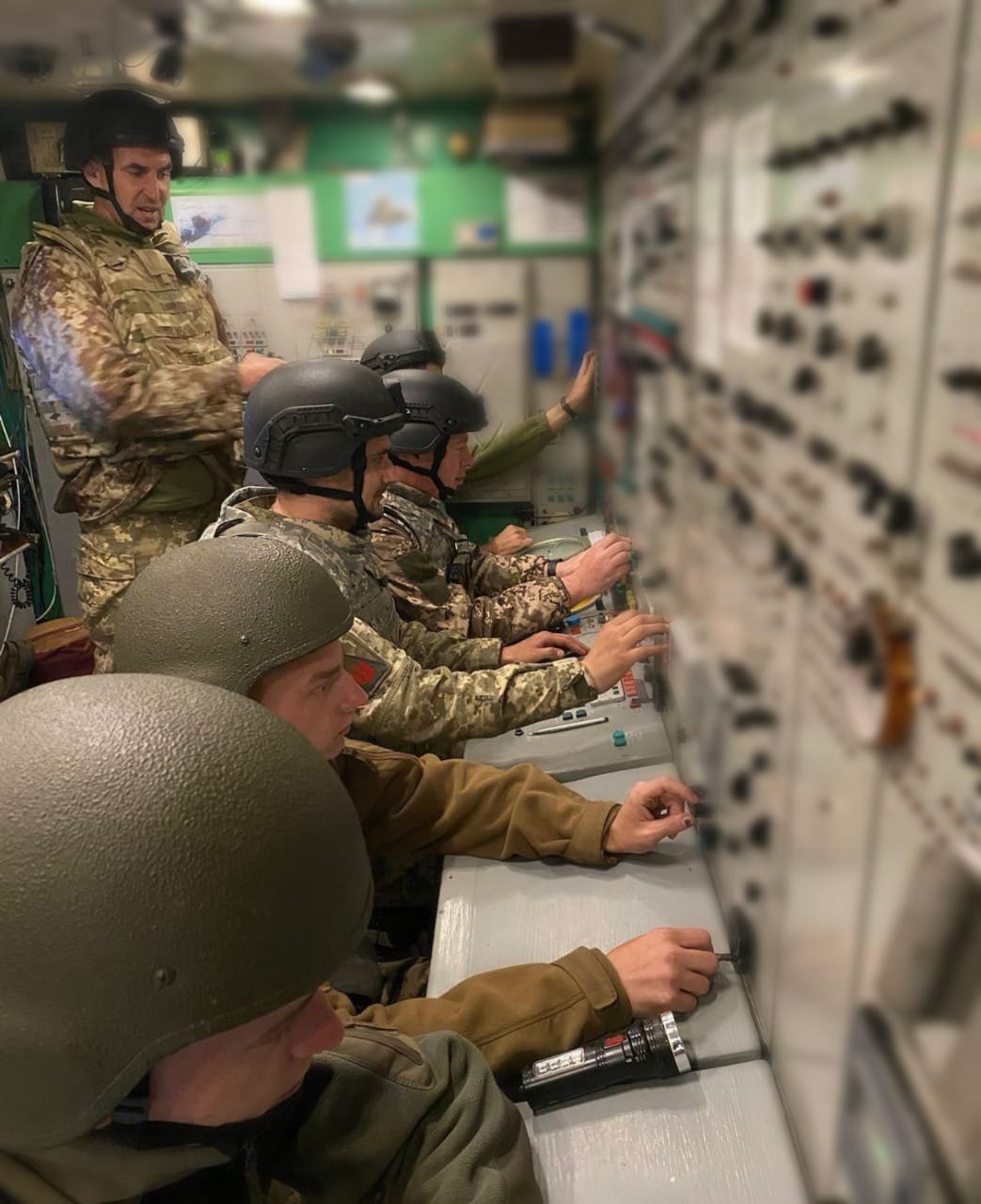
At the same time, there are many technological challenges – false targets, broadband interference, simulators, self-covering containers within external targets, as well as technical maintenance, accidents and human factors within the system.
At any given moment during flight, the air defence system or radar may be technically unprepared – suppressed by drones, detecting only the enemy’s reconnaissance wing and therefore needing to reposition, receiving orders to shift to reserve locations because Russian OTRK launchers have moved within firing range. It may also be understaffed due to personnel falling ill or being reassigned to infantry units – and at that precise moment, unable to perform its function.
Air defence is extremely complex from a technical standpoint, and the enemy – after months of continued strikes – is also learning, gaining experience, updating databases of known firing positions and scouting reserve ones. Ballistic missiles can also strike these locations – Kyiv remains within range.
The priority now is to shift mobile units to anti–aircraft drone operations, modernise small anti–aircraft artillery systems with ballistic calculators and night vision devices, procure new programmable ammunition, and integrate all of this into a unified automated control system. Within such a network, aviation and anti–aircraft command specialists would be able to coordinate efforts to neutralise threats. There is still time to implement this.
Because 180 drones per day is still far from the anticipated 500 – and, for now, Russia will not be able to purchase complete kits from Iran. The Israelis have dismantled the entire Shahed production chain, from plastics to electronics and engines.
Meanwhile, the Ukrainian Defence Forces continue operating deep inside Russian territory – launching an average of 100–120 UAVs each night, with numbers reaching over 300 at peak times.
The targets are bottlenecks in the Russian military–industrial complex. An optical–mechanical plant in the city of Azov was attacked – it produces not only optical stations but also cameras, likely intended for a new line of long–range UAVs.
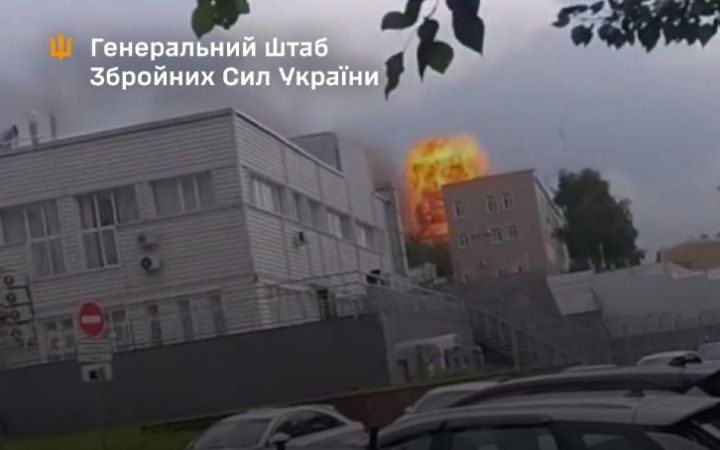
Severe damage was inflicted on the Kupol facility in Izhevsk, where Harpies are manufactured – Shaheds that uses Chinese engines.
The enterprise producing protected antennas for Shaheds in Cheboksary was also hit.
A strike was carried out on the JSC FNPTS Research Institute of Applied Chemistry in Sergiev Posad, where a workshop and substation belonging to a plant that manufactures thermobaric warheads for loitering munitions were destroyed.
Fires, secondary detonations and visible structural damage can be observed on satellite imagery at all affected sites. In Cheboksary, only workshops still under construction were destroyed – probably part of an expansion plan for the Progress Research Institute.
In other words, operations have been conducted across the entire Shahed production chain – the Israelis successfully halted such production during their 12–day war, and Ukraine is attempting to do the same.
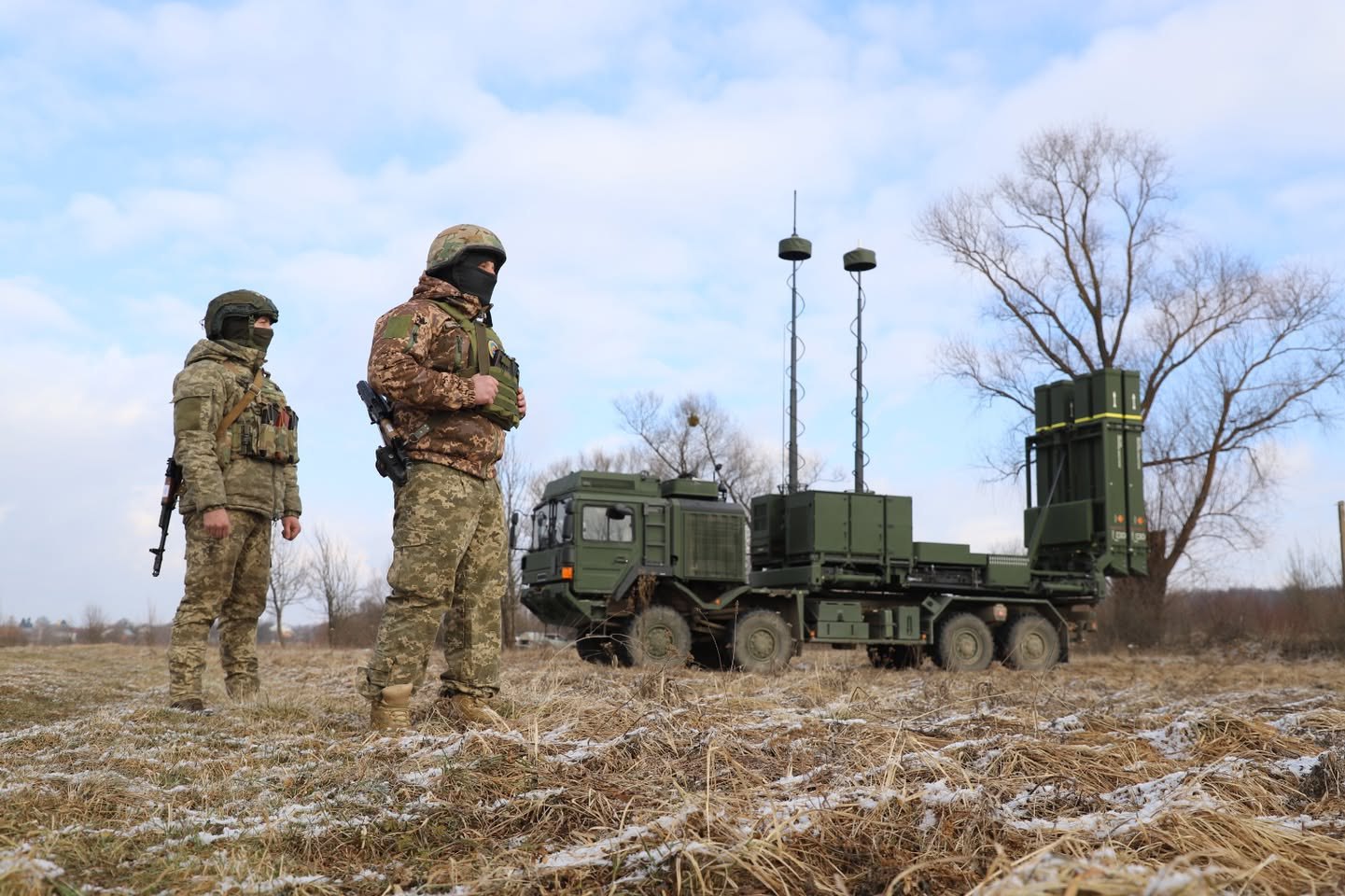
Yes, Ukraine does not have heavy guided bombs like those used by the IDF, but even slowing production is beneficial – until the Drone Coalition scales up anti–aircraft UAVs, until another dozen Gepard systems are received from Jordan or several Ravens from the United Kingdom, until more Patriot systems are procured from the United States with EU funding, and until additional IRIS–T and NASAMS batteries are delivered.
Currently, the Russians are launching loitering munitions at targets from altitudes of 2,000–4,000 metres, bypassing mobile air defence units – but Ukraine will find an answer to this as well.
Read alsoWhat to do with the Shaheds?