







Anathema instead of autocephaly
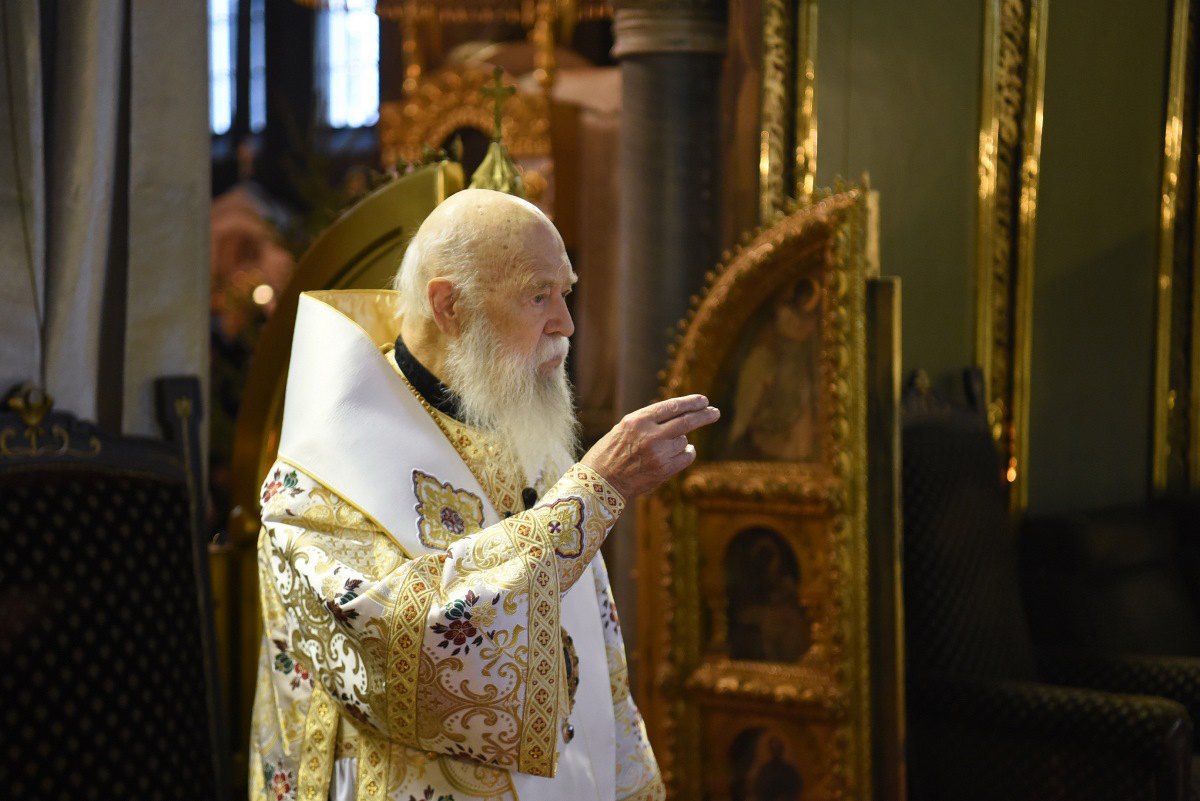
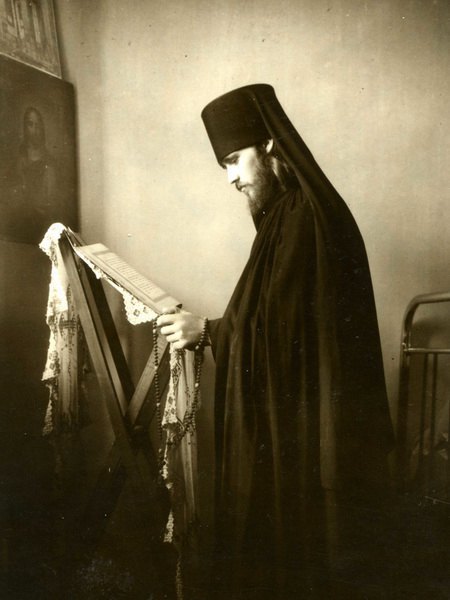
Without exaggeration, Patriarch Filaret is a legendary figure in the history of modern Ukrainian Orthodoxy. Born in 1929 in the Donetsk Region, he studied at the Odesa Theological Seminary and graduated from the Moscow Theological Academy in 1952, beginning his ecclesiastical career while Stalin was still alive.
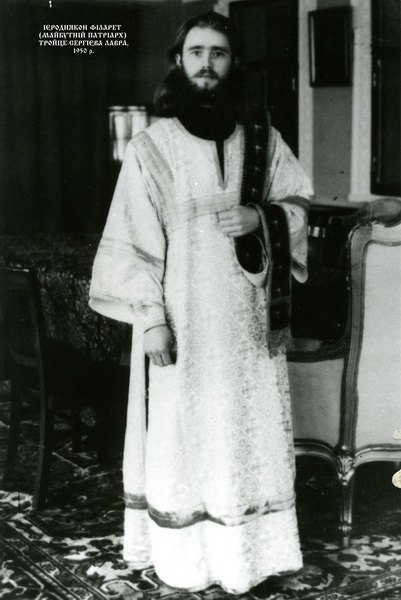
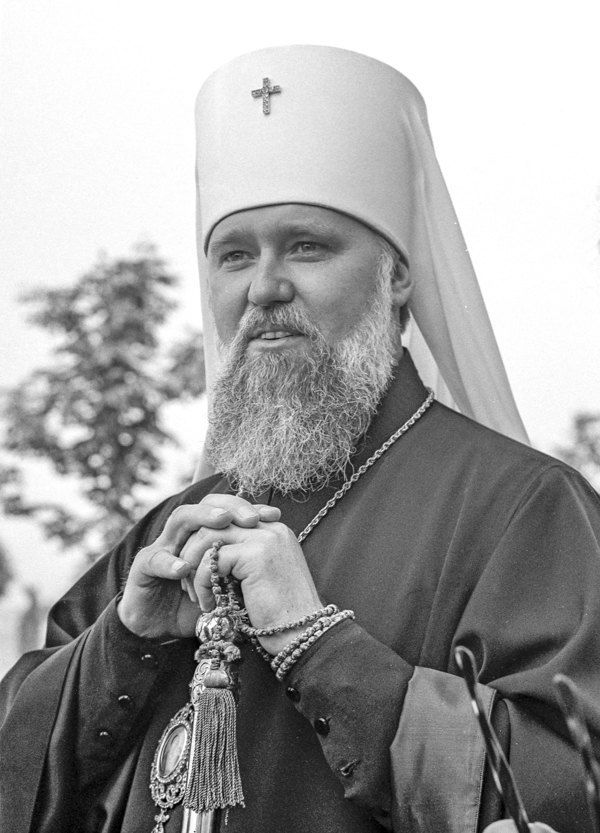
Under Khrushchev, in 1966, at the age of 37, he was already elected head of the Kyiv Diocese.
Would this have been possible at the time without cooperation with the authorities? Clearly not. Filaret himself acknowledged this explicitly in an interview with Dmytro Gordon in 2021: “There was not a single bishop in the Russian Church during the Soviet era who did not have the approval of the security services. Therefore, it can be said of any bishop ordained during the Soviet era that he had contacts with the security services. Otherwise, he would not have been able to serve.”
Another quote:
“There were contacts of this kind — they approved bishops, priests and others whom the Church needed. Others — as they were simply called ‘informers’ — that is, those who provided information about their fellow clergy. There were not many of them, but they existed.”
How exactly did Filaret maintain these contacts? Only the full disclosure of archival materials, some of which remain classified to this day, can provide a comprehensive answer.
In the aforementioned interview, he explained his meteoric rise and high status within the Russian Orthodox Church as follows:
“Firstly, I did not break the laws of the Soviet authorities. I did what was permitted under those laws, but I did it thoroughly. It was permitted to conduct divine services, so I conducted them; it was permitted to preach — I preached within the church; outside the church it was not permitted, and so I did not preach. It was permitted to visit dioceses and parishes, and I did all of that.”
According to him, the authorities had, in effect, “divided the episcopate into three categories: the first — those loyal to the Soviet authorities but inactive in church ministry; the second — those loyal to the Soviet authorities but active in church ministry. So, I was active… The third category comprised those who were active but disloyal to the Soviet authorities.”
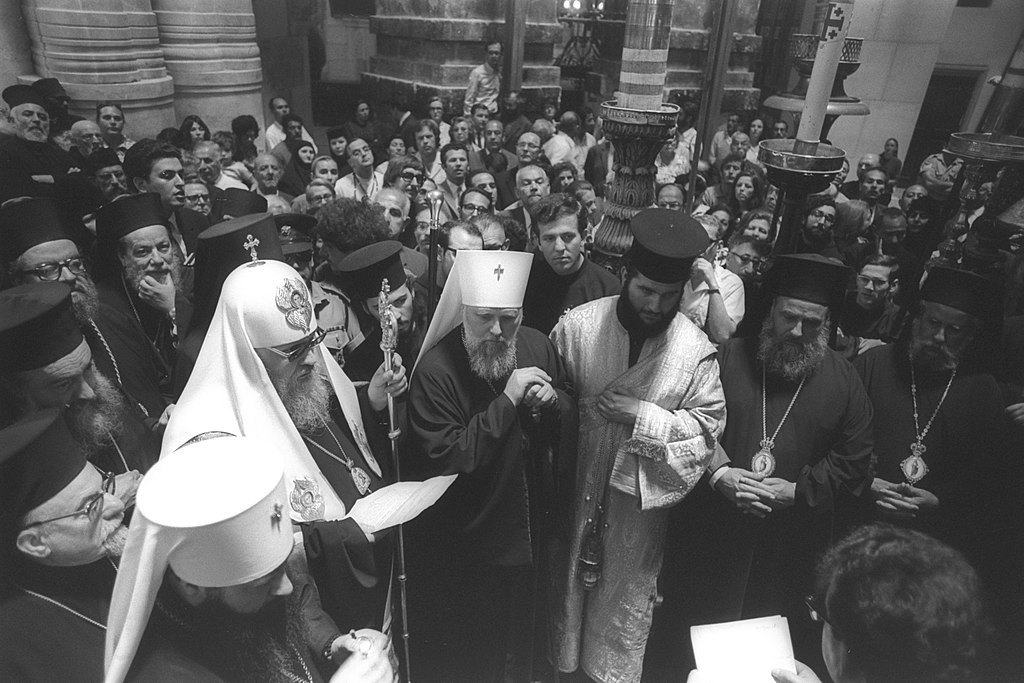
There is no doubt that Filaret played a highly significant role in the history of the Ukrainian Church.
Authoritative and strong-willed, he exercised a distinctly authoritarian style of leadership. As people later joked in the mid-1990s: “In Filaret’s Kyiv Patriarchate, everyone fears him, but no one loves him. In Vladimir’s Moscow Patriarchate, on the other hand, everyone loves him, but no one fears him.” Like any joke, this observation contains more than a grain of truth.
In addition, Filaret possessed a remarkable political instinct. “I believe he was among the first to realise that the collapse of the Soviet Union was inevitable and that one had to stake everything on Ukraine’s independence. As early as 1990, he effectively set a course towards autocephaly — initially in the form of broad autonomy within the Russian Orthodox Church, and later as full autocephaly,” says Professor Volodymyr Burega, a church historian.
Following the death of the head of the Russian Orthodox Church, Patriarch Pimen, on 3 May 1990, the Holy Synod elected Metropolitan Filaret as locum tenens of the Moscow Patriarchal See by secret ballot. In lay terms, he was regarded as a potential successor.
However, he lost the Patriarchal election, finishing third. Alexy II (Ridiger) became head of the Russian Orthodox Church, while Vladimir (Sabodan) came second.
Moreover, these elections were the first in a century of the Russian Church’s history — and, it appears, the last (at least for now) — in which representatives of the KGB did not interfere, as they had other priorities at the time. The voting was secret. However, Filaret did not accept defeat.
Perestroika influenced developments not only in politics and society, but also within the Church.
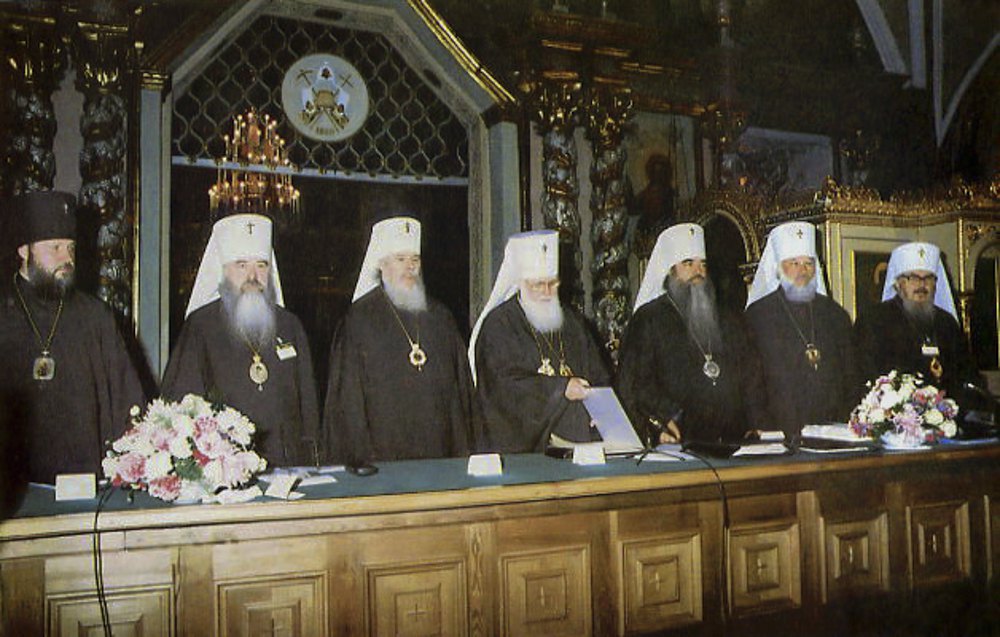
In October 1990, the Bishops’ Council of the Russian Orthodox Church [akin to a cabinet of ministers] granted the Ukrainian Orthodox Church autonomy and independence in its administration by means of a special decree, and Metropolitan Filaret was elected its primate. Churches in several other republics were granted similar ‘freedoms’.
Following the declaration of Ukraine’s independence, the question of ecclesiastical independence arose. In part, it was a political matter: an independent country requires an independent church.
Consequently, at the initiative of Metropolitan Filaret, the All-Ukrainian Local Council of the UOC was held on 1–3 November 1991, which declared its support for full (!) canonical independence, that is, the autocephaly of the Ukrainian Orthodox Church.
Historically, Ukraine is the canonical territory of the Patriarchate of Constantinople. In 1686, the Moscow Patriarchate (the Moscow Metropolis, established in 1448, was self-proclaimed; for nearly 150 years, it lacked recognition and official status) effectively ‘annexed’ the Kyiv Metropolis.
Constantinople did not recognise this.
Consequently, in 1991, it would have been logical and appropriate for Filaret to appeal directly to Constantinople for the recognition of Ukrainian autocephaly. However, he instead turned to Moscow, which he sincerely regarded as the “Mother Church”.
There, of course, he was refused.
And persecution began.
It was severe.
There is a well-known account of the Moscow Council of 1992, where he was accused: “You have a woman in your house! This is unacceptable for a monk!” To which Filaret retorted: “I may well have a woman in my house, but as for which of you have boys in your beds, I shall name them right now. Shall we continue?”
Indeed, he did have a wife (informally, of course), and three children.
Yevheniya Rodionova — the daughter of his landlady, from whom he, a poor seminarian, rented a room while studying in Odesa.
And so they went through life together.
Yevheniya, like him, was a strong-willed and temperamental person. She played a significant role in the church life of that period.
But that is a separate matter.
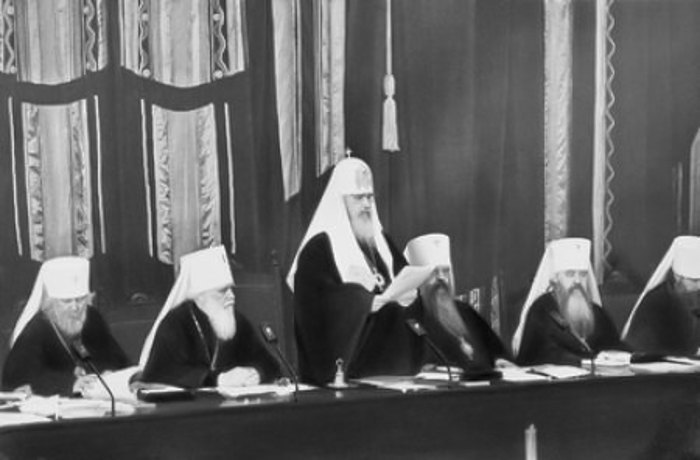
Following the Moscow Council, Filaret was issued several stern “final warnings”, yet he did not come forward to confess any guilt, believing he had the backing of the secular political authorities. In the end, the “schismatic” was punished. In May 1992, a council convened in Kharkiv elected Vladimir (Sabodan) as Metropolitan of Kyiv in place of Filaret.
Filaret consistently described the Kharkiv Council as illegal; however, this is not the case — the proceedings were conducted in strict accordance with church law.
What remained was open and uncompromising opposition. Thus, in 1992, the Kyiv Patriarchate was established, and in 1995 Filaret became its head.
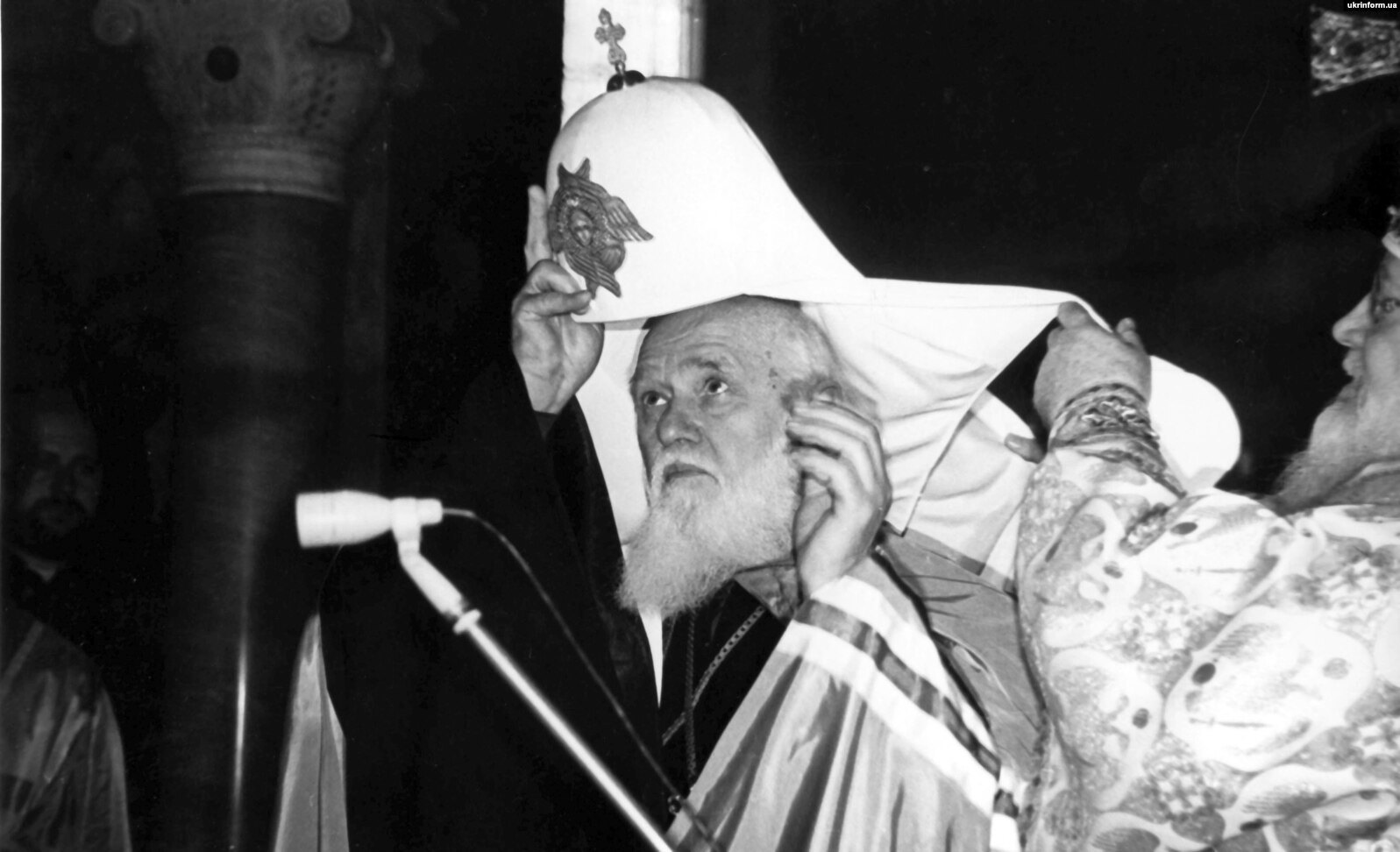
In time, Moscow stripped Filaret of all his ecclesiastical ranks and excommunicated him.
Throughout its existence, the Kyiv Patriarchate was not recognised by the global Orthodox community, yet it became an important factor in Ukraine’s domestic politics. On 15 December 2018, the day of the Unification Council that led to the establishment of the OCU, the Kyiv Patriarchate was formally dissolved — Filaret’s personal signature appeared on the legal documents. In fact, the dissolution of both the Kyiv Patriarchate and the autocephalous church was a condition for convening the Council.
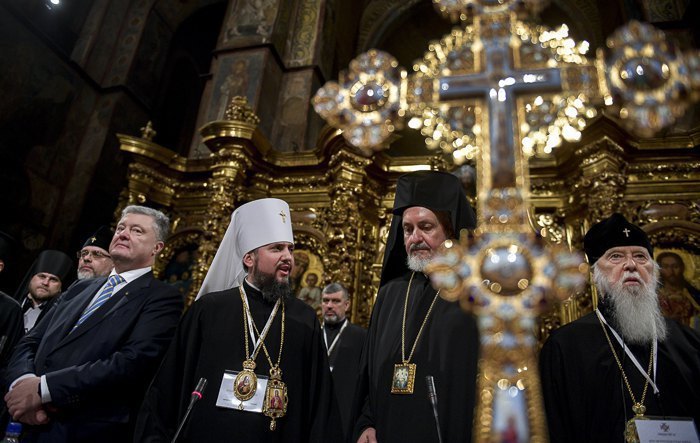
Faith, language, independence
In May 2014, as war was breaking out in Ukraine and politicians were preparing for elections, clergy and state officials gathered at St Sophia’s Cathedral in Kyiv. Patriarch Filaret delivered a prayer against the invasion of enemies.
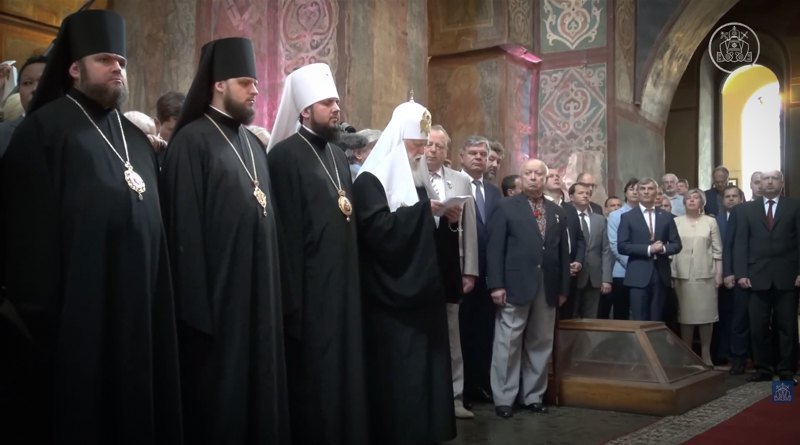
The Patriarch, who had cemented his reputation among patriotic Ukrainians during the Revolution of Dignity, had every right to lead an all-Ukrainian prayer at such a fateful moment. After all, this was not the first revolution he had supported.
During the Maydan, Filaret criticised the authorities: “They must fulfil their duties — to protect good and punish evil. When they punish good and protect evil, such authorities are failing to fulfil their duties.”
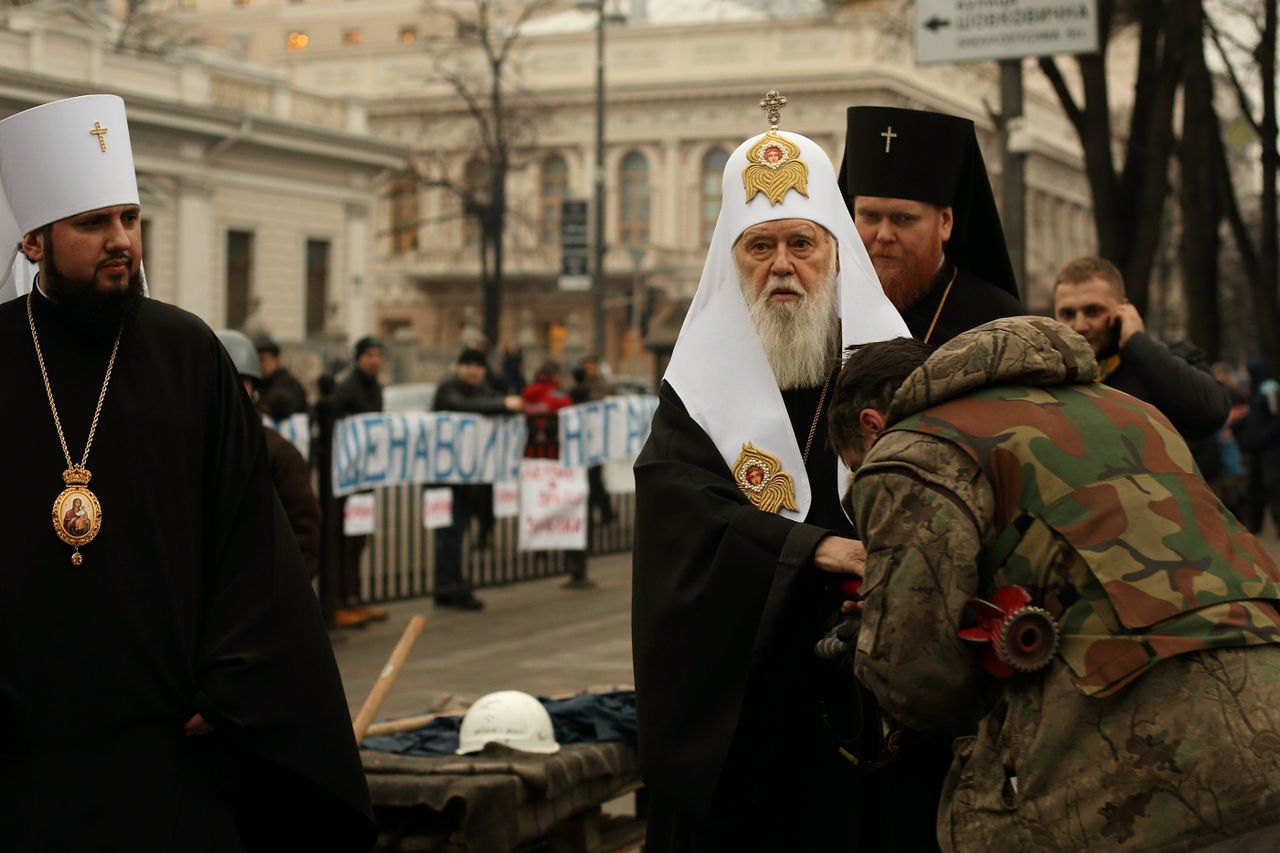
Although he insisted that the Church should remain outside politics, he emphasised that it must stand with the people. “When the people are being beaten, it must save them, give them shelter. It is no coincidence that it was St Michael’s Monastery that took in those who had been brutally beaten,” he said.
He supported Ukraine’s European integration and believed that this path would contribute to the establishment of an autocephalous Church.
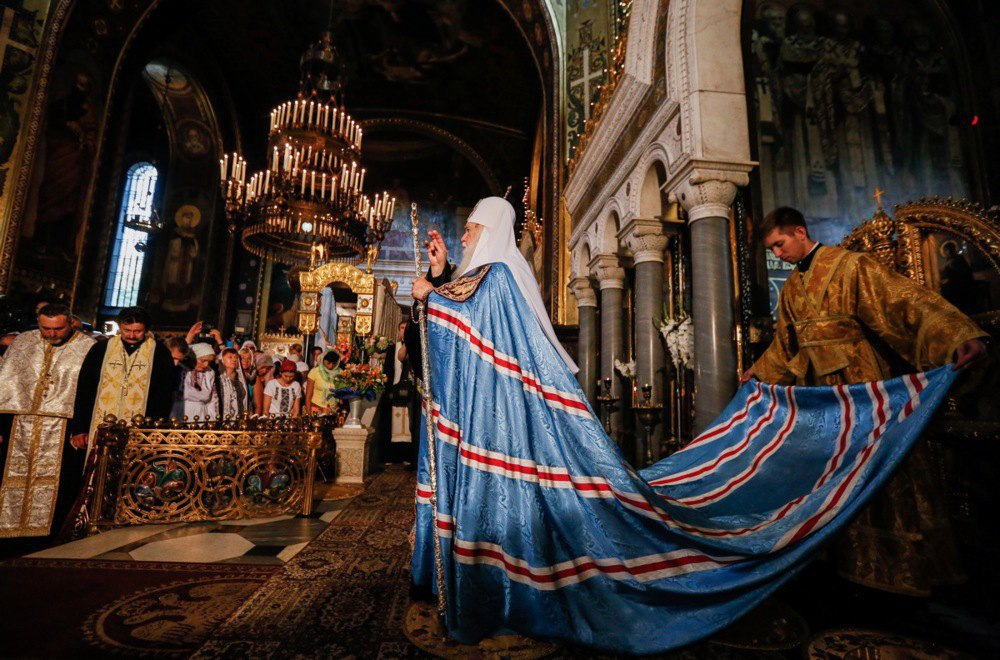
Speaking about the war and the occupation of part of Donetsk Region, he stated that Donbas is Ukrainian land. “There is not a single Russian village in Donbas — all the villages are Ukrainian. Since this is Ukrainian land, it must belong to Ukraine. I am Ukrainian, I was born on Ukrainian soil and I will defend Ukrainian soil until my death,” noted Filaret, who, as previously mentioned, was born in the Donetsk Region.
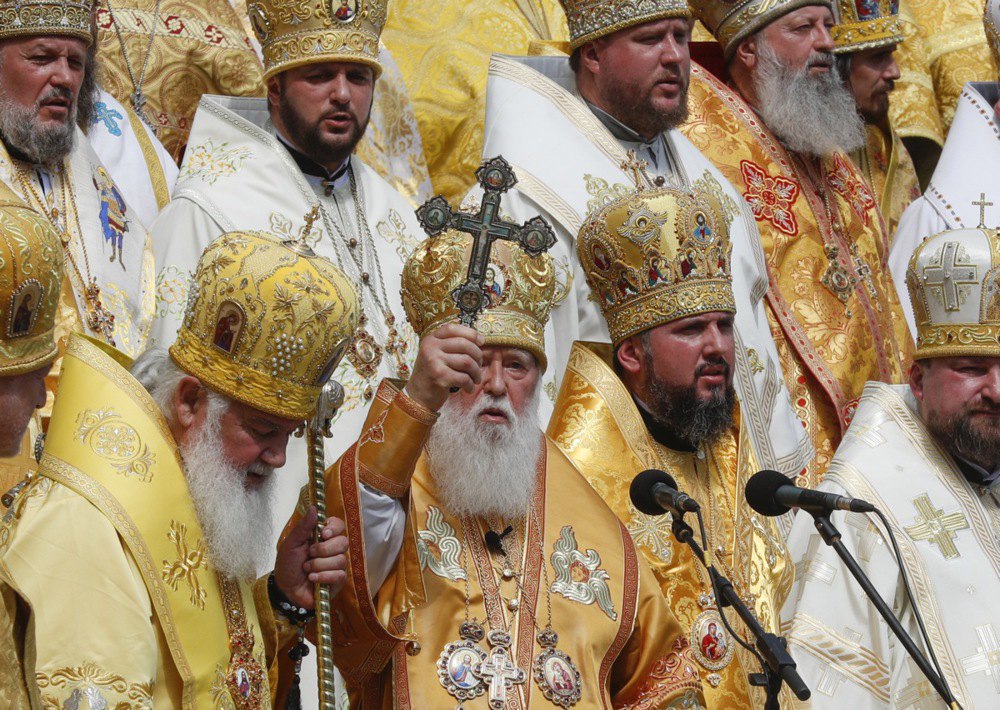
In 2020, there was speculation about the honorary patriarch’s imminent death: he had contracted coronavirus and was hospitalised with severe pneumonia. However, it proved premature — the 91-year-old clergyman made a full recovery.
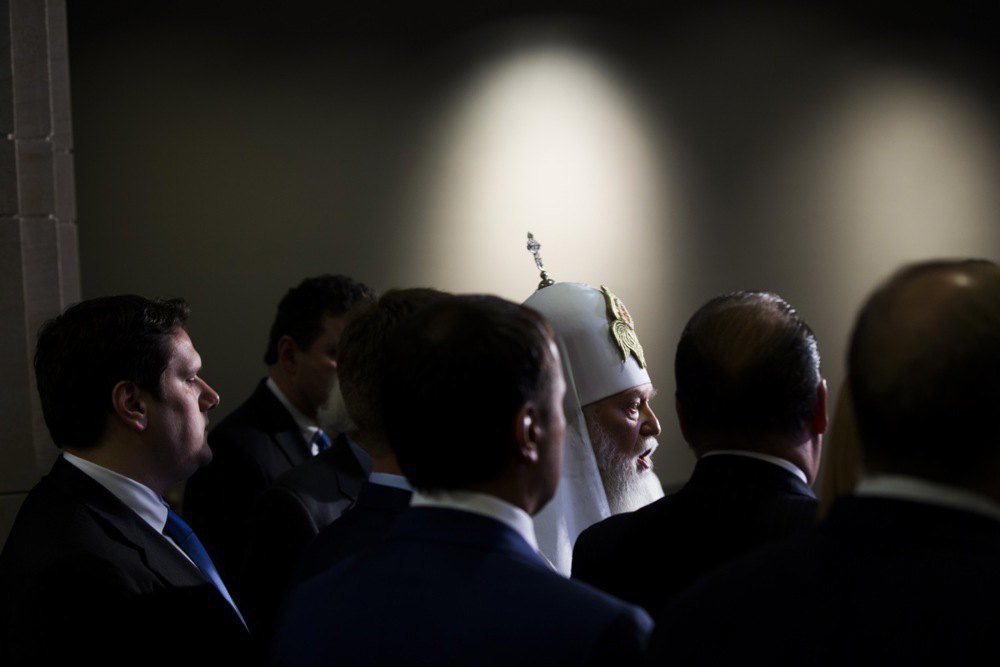
The media circulated his statements claiming that the coronavirus was God’s punishment for sins, particularly same-sex marriages.
He consistently adhered to the conservative views traditional to Orthodoxy. He criticised Pope Francis for his supportive stance on same-sex unions and categorically condemned abortion.
At the same time, he demonstrated a degree of ecumenical openness: he supported Pope John Paul II’s visit to Ukraine and took part in his meeting with members of the All-Ukrainian Council of Churches and Religious Organisations.
He also took pride in the introduction of the Ukrainian literary language into worship and maintained that a national Church could not exist without the Ukrainian language.
Few would dispute these achievements.
The Unification Council that failed to unite all
15 December 2018 — the day of the Unification Council. Shortly beforehand, Constantinople restored Filaret’s status as a canonical bishop — from the perspective of global Orthodoxy, he had been rehabilitated.
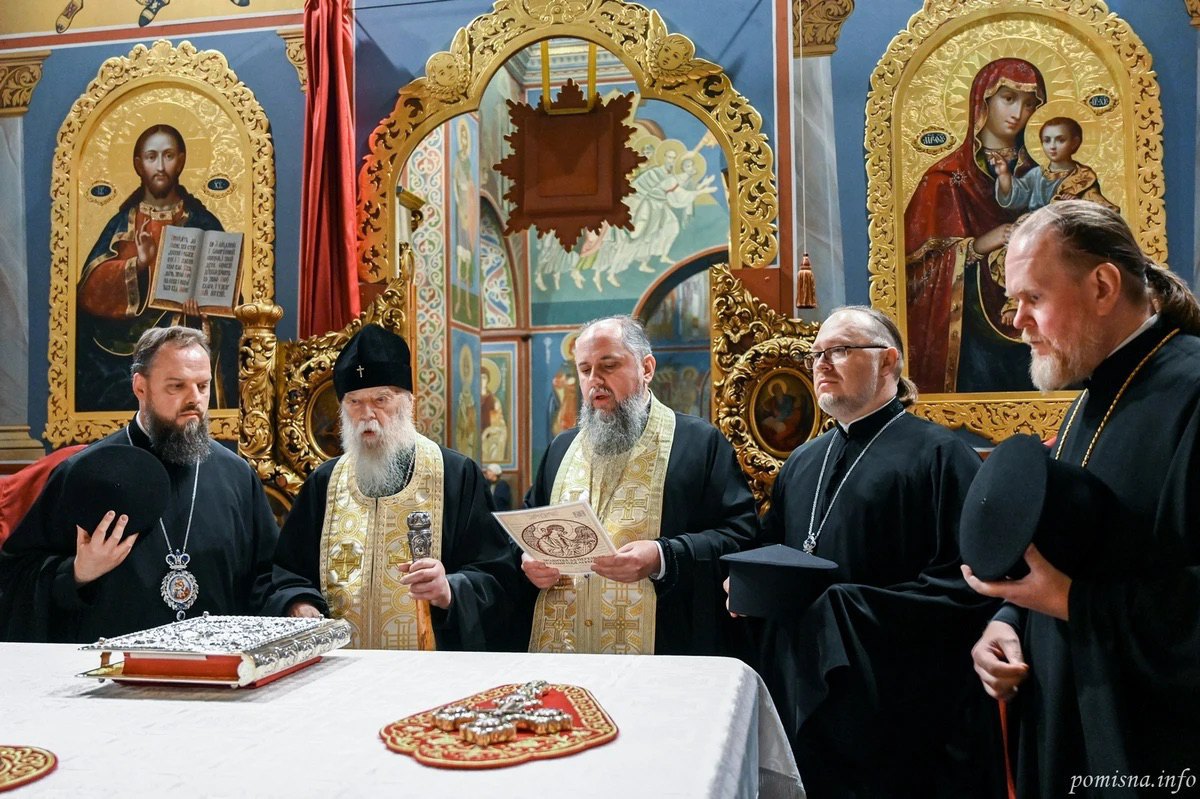
The Council resolved to establish an autocephalous local Orthodox Church of Ukraine, uniting the recently dissolved UOC-KP and UAOC (with two hierarchs from the UOC-MP also joining). In addition, the Statute of the OCU was approved, and its Primate —Filaret’s disciple, Metropolitan Epiphanius (Dumenko) — was elected.
Subsequently, Ecumenical Patriarch Bartholomew presented Epiphanius with the Tomos of Autocephaly.
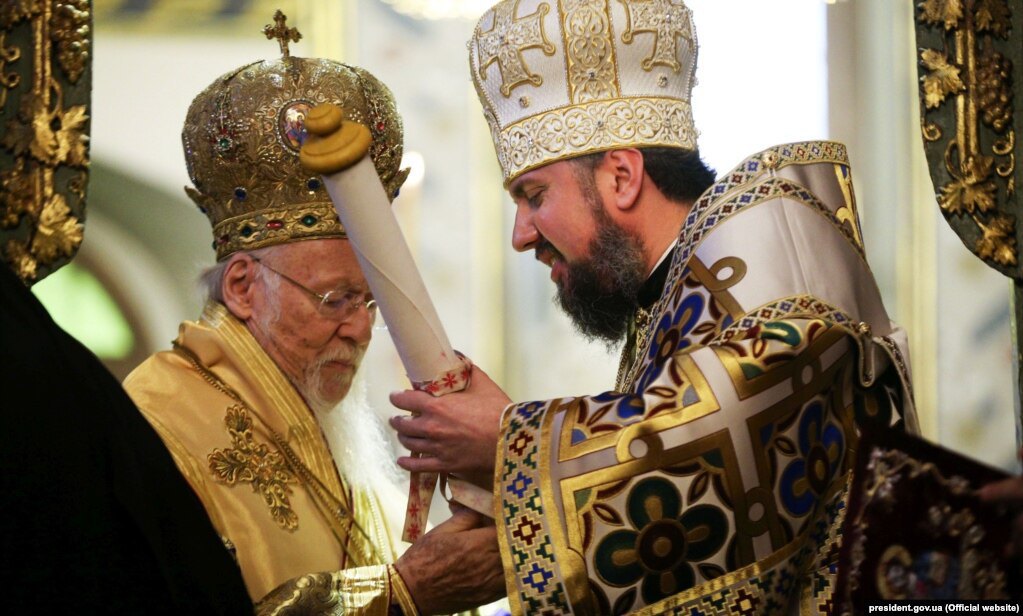
Behind the scenes, it was widely rumoured that Filaret would in fact lead the new Church, while Epiphanius would assume a largely ‘symbolic’ role. Indeed, a similar arrangement had existed in the Kyiv Patriarchate between 1992 and 1995.
However, in 2018 events unfolded differently. Metropolitan Epiphanius proved himself a capable and prudent leader, while also remaining a respectful disciple: Filaret was granted the title of Honorary Patriarch and secured a permanent seat in the Holy Synod of the OCU.
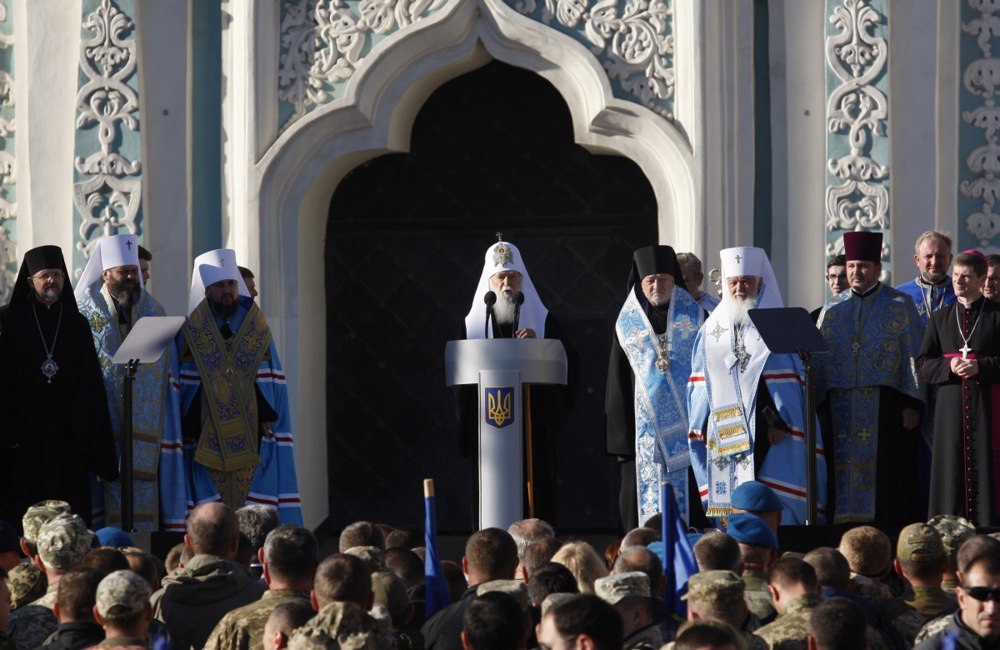
Yet this fragile balance did not last. Within a few months, Filaret declared that “the Tomos is not what it seems”, that the Greeks were “not our friends”, and that the Orthodox Church had not, in fact, been dissolved — rather, it had all been a “misunderstanding”.
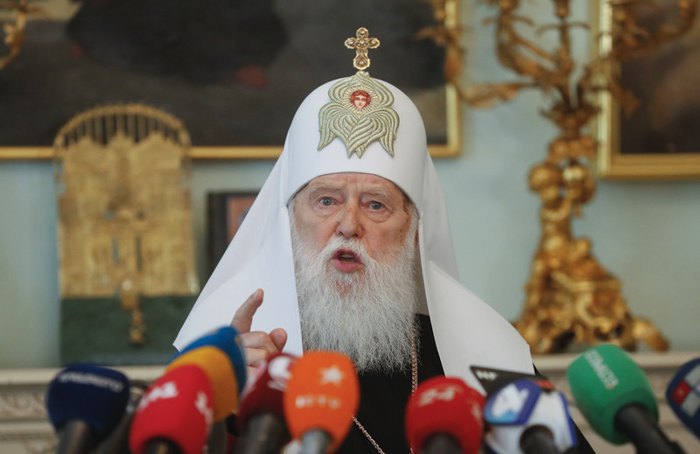
By April 2019, he had convened an alternative “council”, declared the unification of the churches into the OCU invalid, and attempted to restore the UOC-KP (although, in legal terms, this never materialised).
In January 2020, he went further, announcing that he was withdrawing his signature from the Tomos, claiming that it imposed dependence of the Ukrainian Church on the Greek Church.
Unsurprisingly, such statements were swiftly exploited by hostile propaganda.
Despite the Patriarch’s position, some of his former subordinates within the OCU — both priests and bishops — continued to visit him at his residence on Pushkinska Street, maintaining at least a minimal connection.
Forgiven
On Independence Day, Filaret celebrated the Liturgy at St Volodymyr’s Cathedral. The Patriarch, now frail, spent most of the service seated on his throne; when he stood, a deacon discreetly supported him.
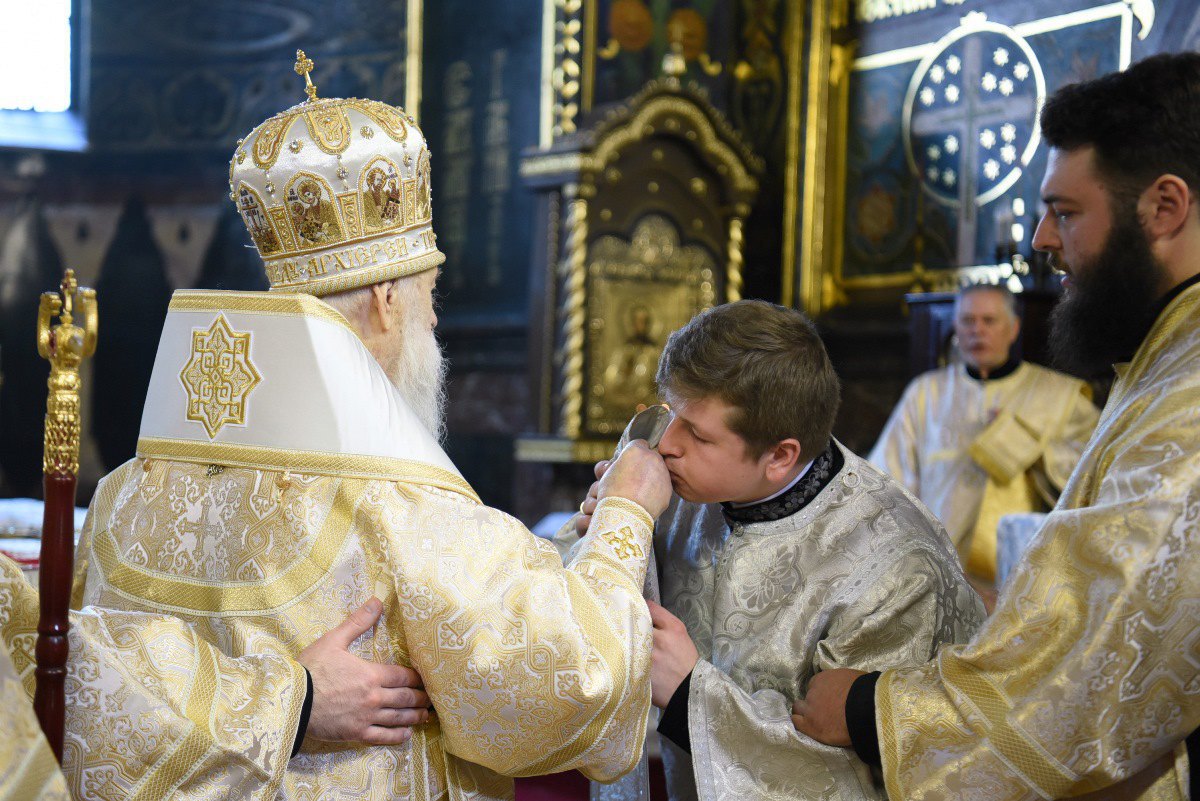
He did not deliver a sermon, offering only a brief greeting to the congregation on Independence Day. The cathedral’s cleric, Archpriest Ioann, preached on the Gospel reading, which addressed the unforgiving debtor and the theme of forgiveness. The priest urged the faithful to forgive one another if they harboured anger or resentment: “Let us forget the evil done to us by evildoers, so that the Lord may also forget our sins. Let us do what Christ the Saviour commanded us: ‘Forgive, and you will be forgiven.’”
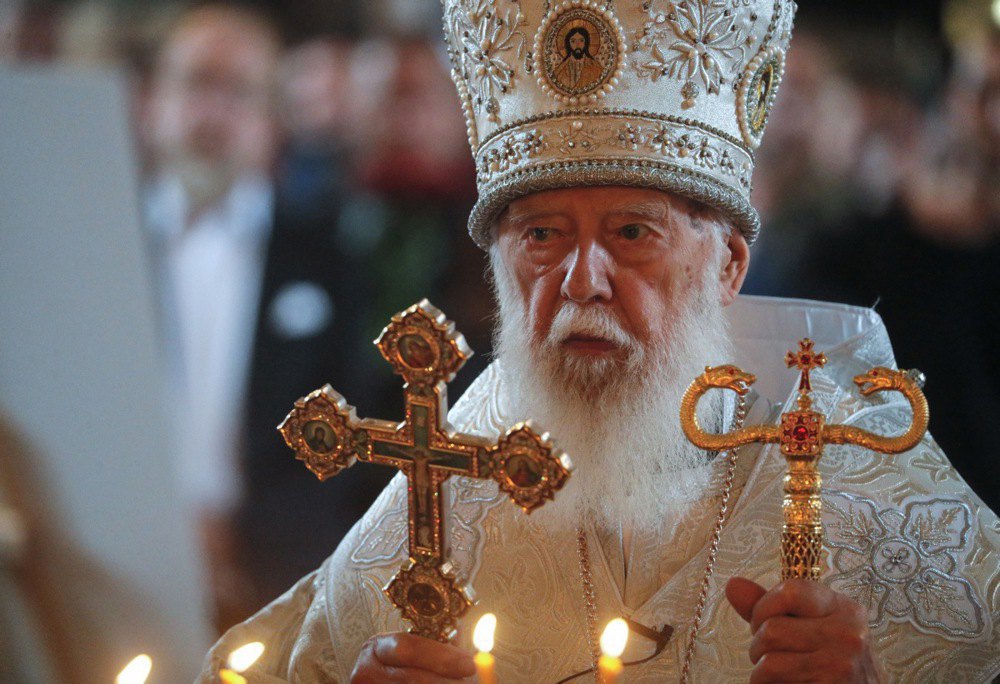
On 26 August, the official resources of the OCU called on believers to pray for the health of the Honorary Patriarch. It became clear that he had been forgiven.
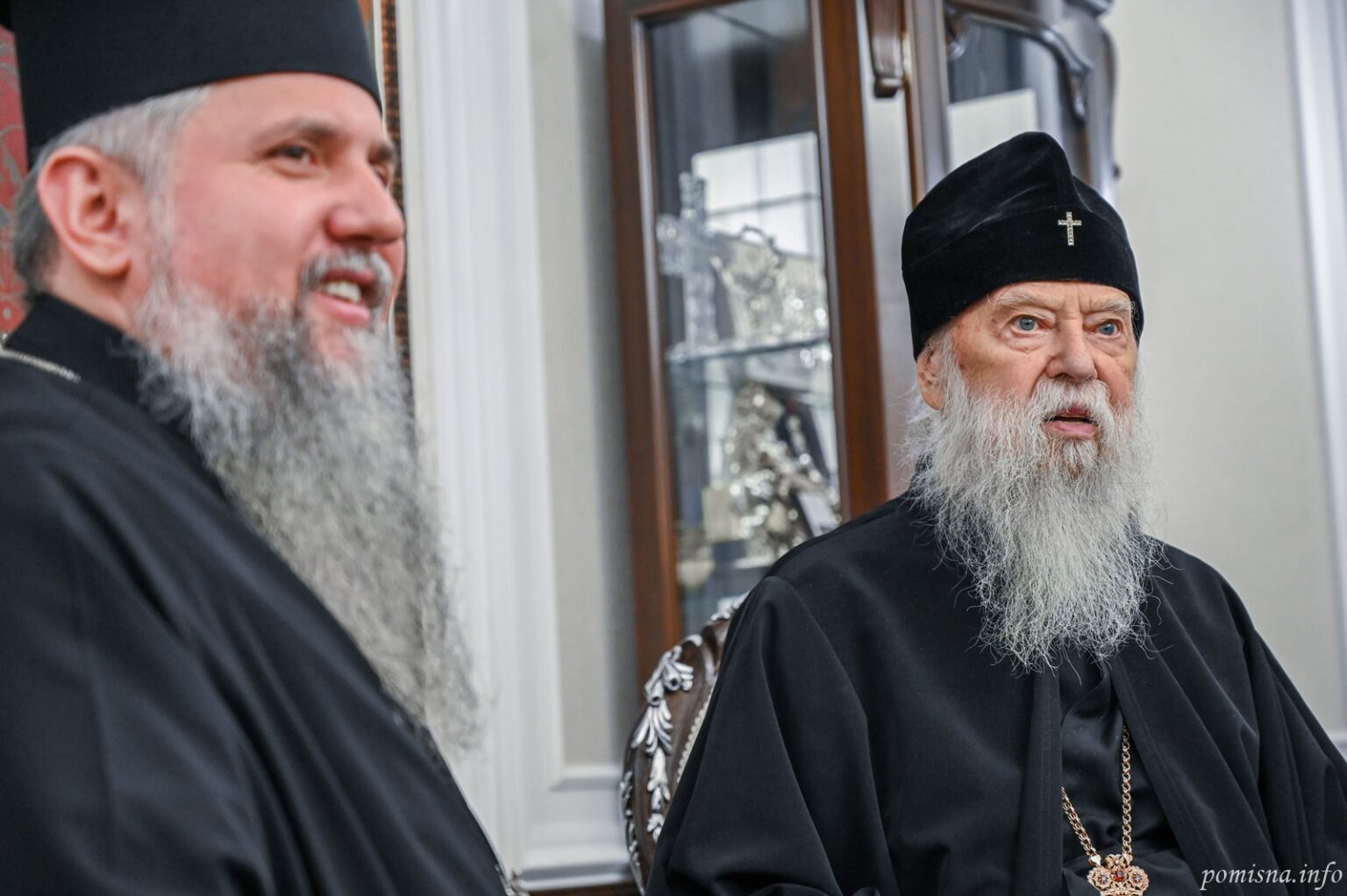
Filaret’s entourage made yet another attempt to drive a wedge between him and Epiphanius by publishing what was purported to be the “patriarch’s spiritual testament”. It spoke of the need to create “a single Ukrainian Orthodox Church, independent of both Moscow and Constantinople”, and concluded with a request that his funeral service be conducted by clergy of the so-called UOC-KP rather than the OCU. Subsequently, a video emerged showing the frail Filaret being presented with his “spiritual will” for signature in the middle of the service — a document he had not seen before.
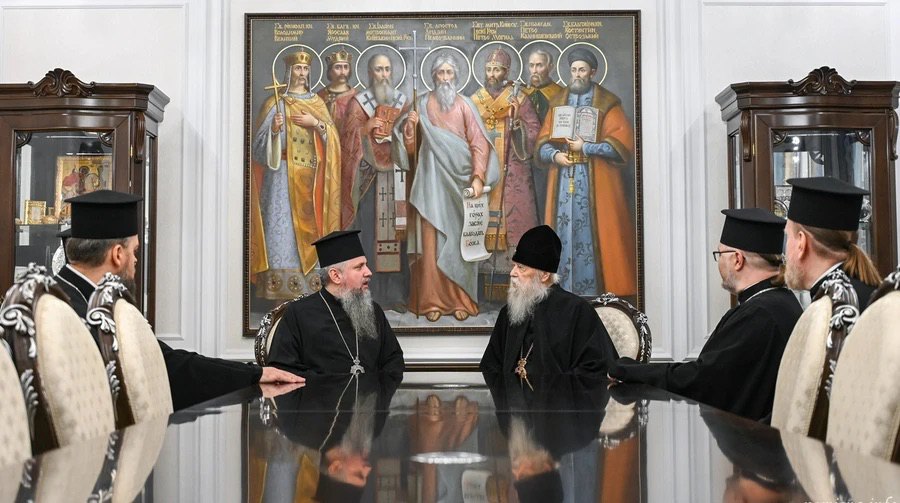
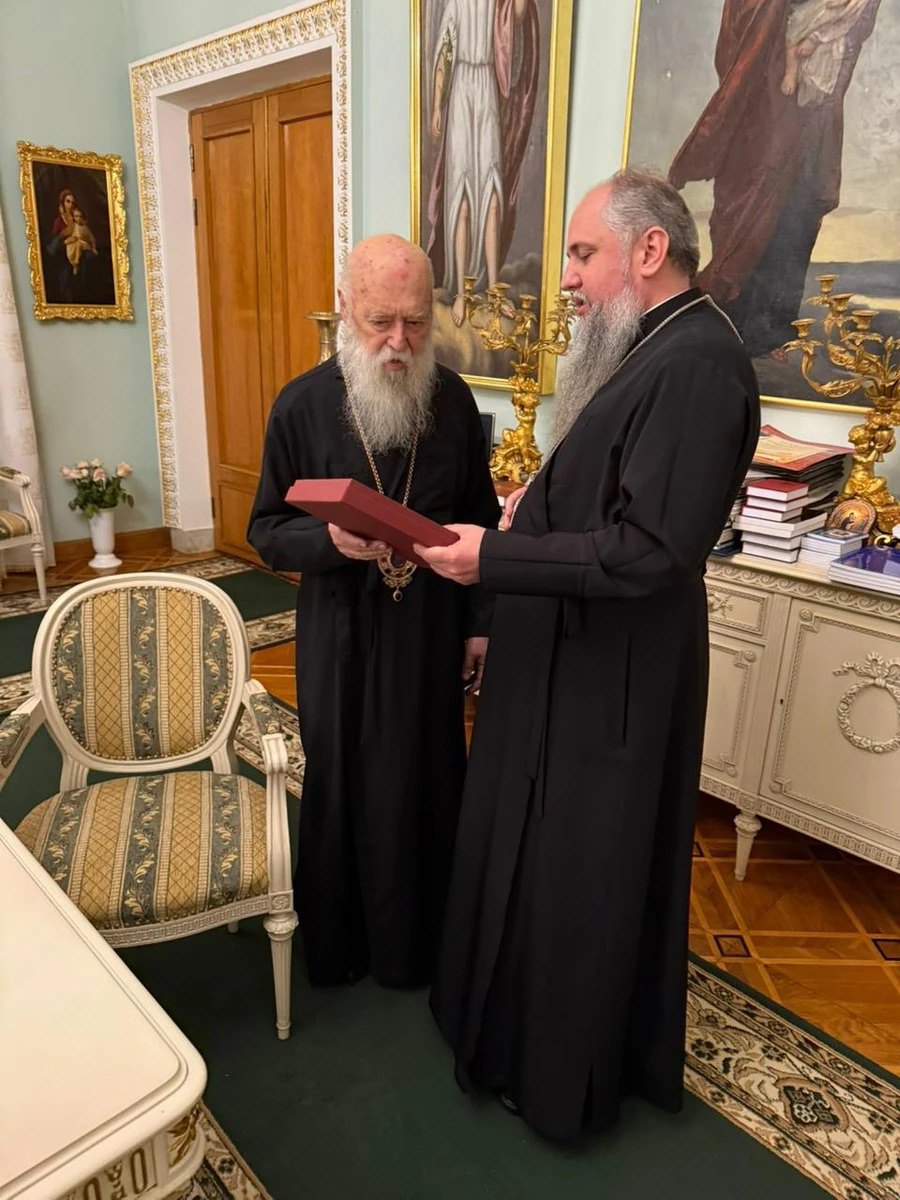
The Lord granted Filaret another six months of earthly life, during which he managed to receive Epiphanius, visit his metropolitan residence, and pray together for Ukraine and for victory over the enemy. “God is love. That is why we must love one another,” the bishop said then in a weak voice.
***
A man of authority, with a complex and contradictory character, Patriarch Filaret passed to the Lord in peace and tranquillity on 20 March 2026. And in love.
The text includes excerpts from Sonya Koshkina’s forthcoming book on how Ukraine received the Tomos of Autocephaly and the path it took to reach that point. The book is currently in the final stages of preparation.