




Ms Olena, what was the main theme of the Ukrainian stand, and how did the team choose it?
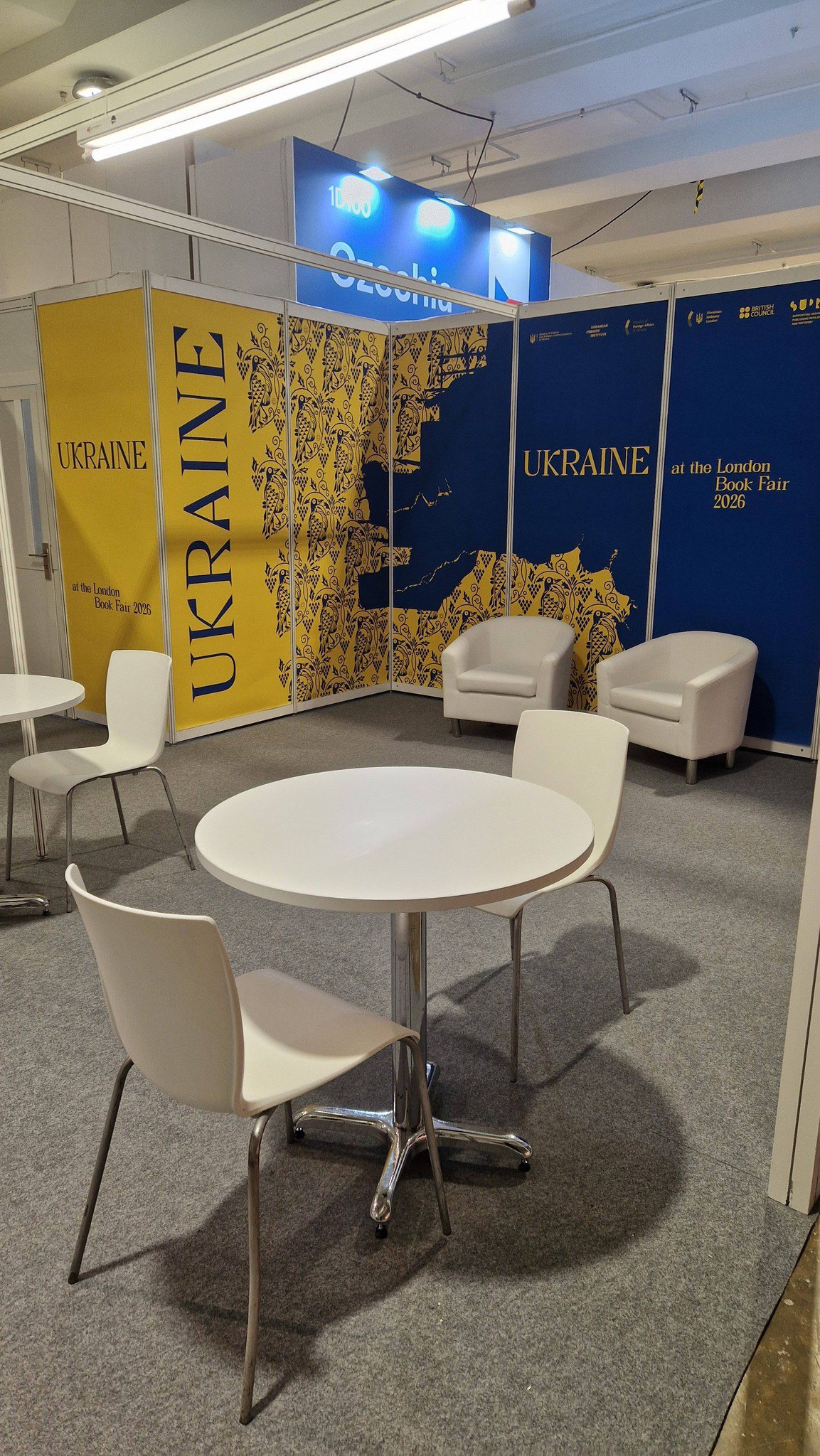
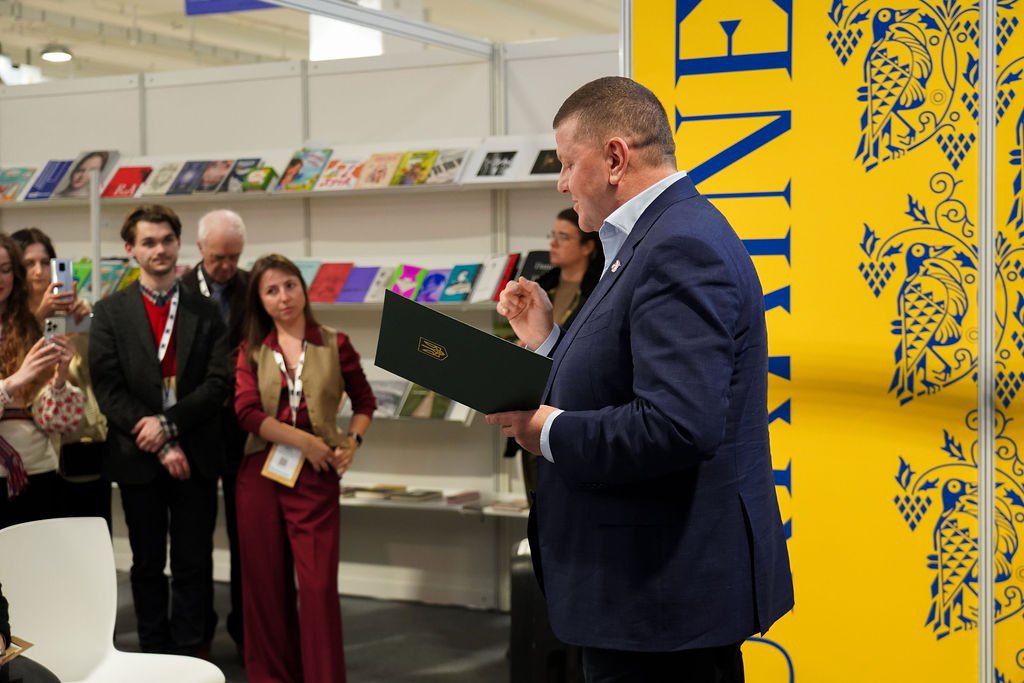
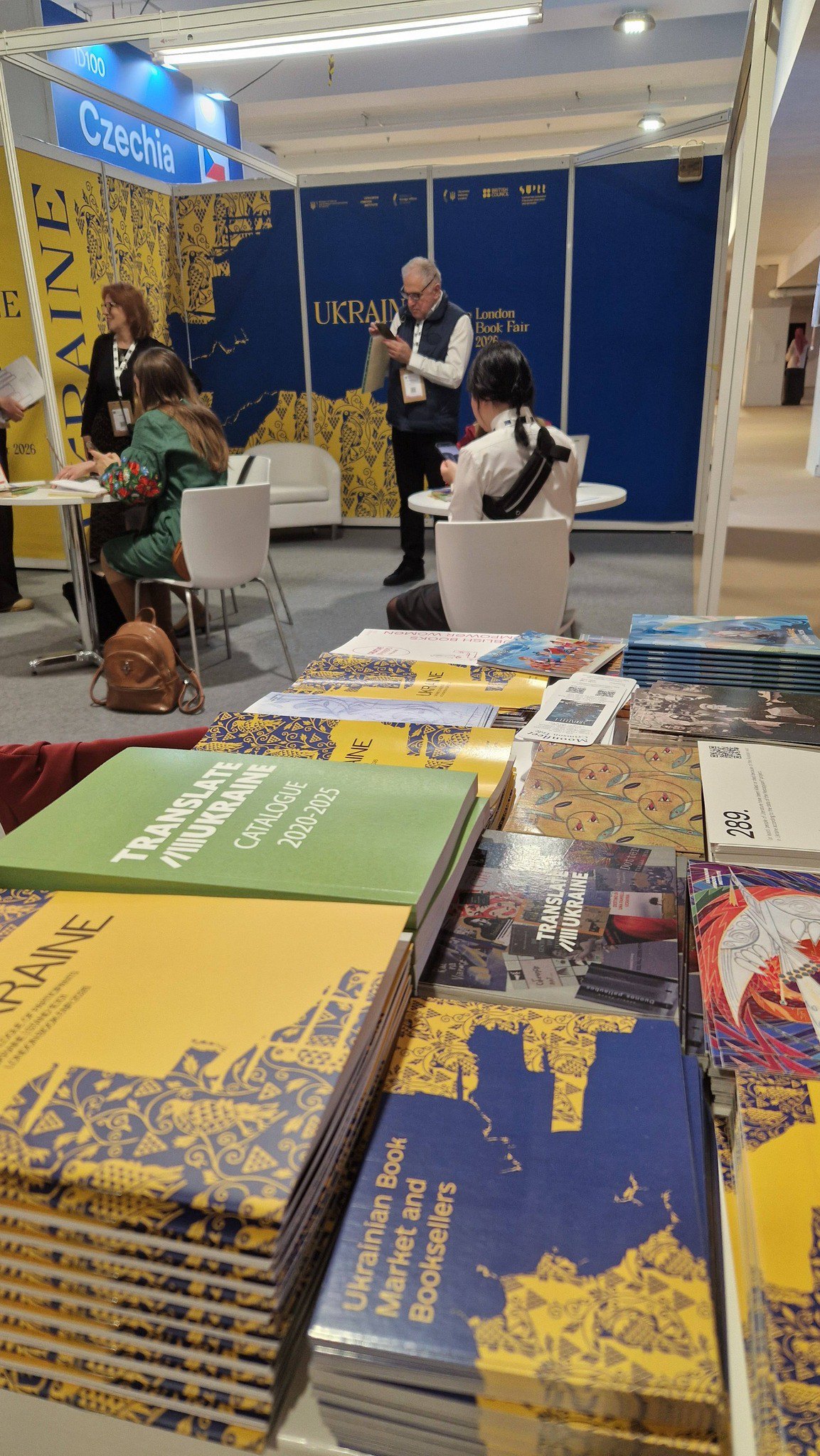
The stand covered 45 square metres, and we were able to help organise visits by 12 publishing houses and one literary agency. We focused on the format, as it is exclusively B2B (an event organised for companies to interact in order to establish business contacts, partnerships, and the sale of goods and services. — Ed.): business, the sale of rights and licences — everything revolves around this. There are also events involving authors; however, professional events are intended for specialists, about specialists and by specialists, where meetings themselves are the most important element.
Publishers prepare in advance for the London Book Fair, as with any book fair, and monitor opportunities to participate, as we launch an open call.
When they submit applications, they already have certain agreements in place with foreign partners. They arrive with scheduled meetings. This is important because the buying and selling of rights and licences for literary publications is a lengthy process; one fair is not enough. It usually involves a series of meetings and online communication, and after some time — or perhaps at the next fair — a deal to buy or sell the rights to translate a publication comes to fruition. It is a marathon, but physical participation significantly strengthens ties with foreign partners. It is also a platform for establishing new contacts.
So, it’s about networking?
Yes. In the long term, this leads to an increase in the number of translations from Ukrainian into foreign languages. This is important for us, as translations allow our voices to be heard and enable Ukraine to speak to the world in languages it understands.
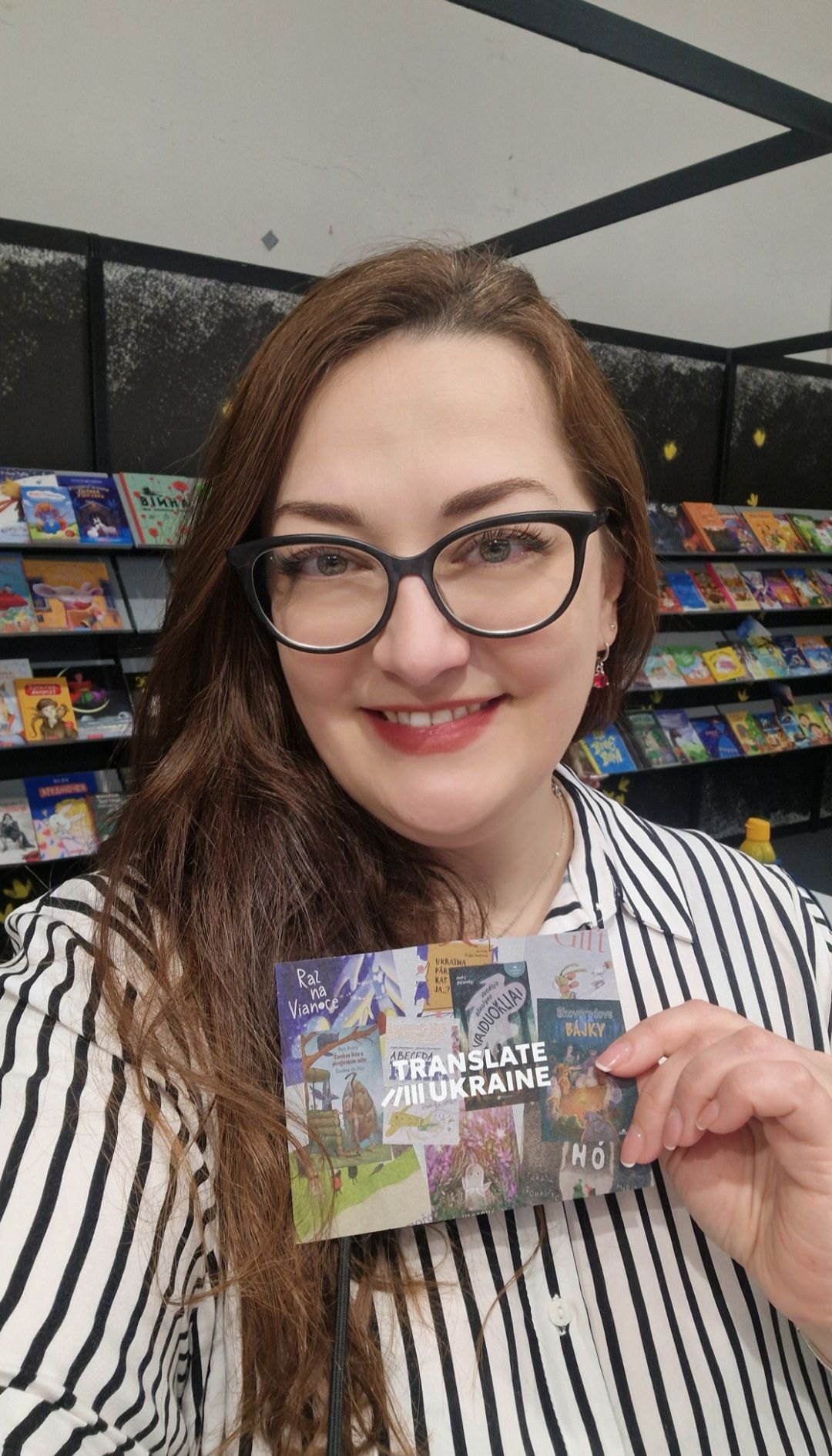
We also promote and highlight our support programmes, in particular Translate Ukraine (Translate Ukraine is a state programme run by the Ukrainian Book Institute to support translations of Ukrainian literature into foreign languages. — Ed.).
How long has Ukraine been represented at the fair?
If I am not mistaken, since 2019. Taking part in the London Book Fair is somewhat more complicated than participating in EU fairs. First and foremost, there are visa issues, and this year we faced additional hurdles, which made the process more difficult.
In short, it was challenging to fit everything into the preparation timeframe, but we managed it — and 12 publishers and one literary agency were able to present books at the Ukrainian stand.
What and who was represented?
Among the stand’s participants: Artbooks, Creative Publishing, Creative Women Publishing, Freimut Books, Ukrainian Fashion Publishing, Vivat, ORLANDO Publishing House, Old Lion Publishing House, Ukraїner Publishing House, Bohdan Educational Books, Ranok, Summit-Book, and the OVO literary agency.
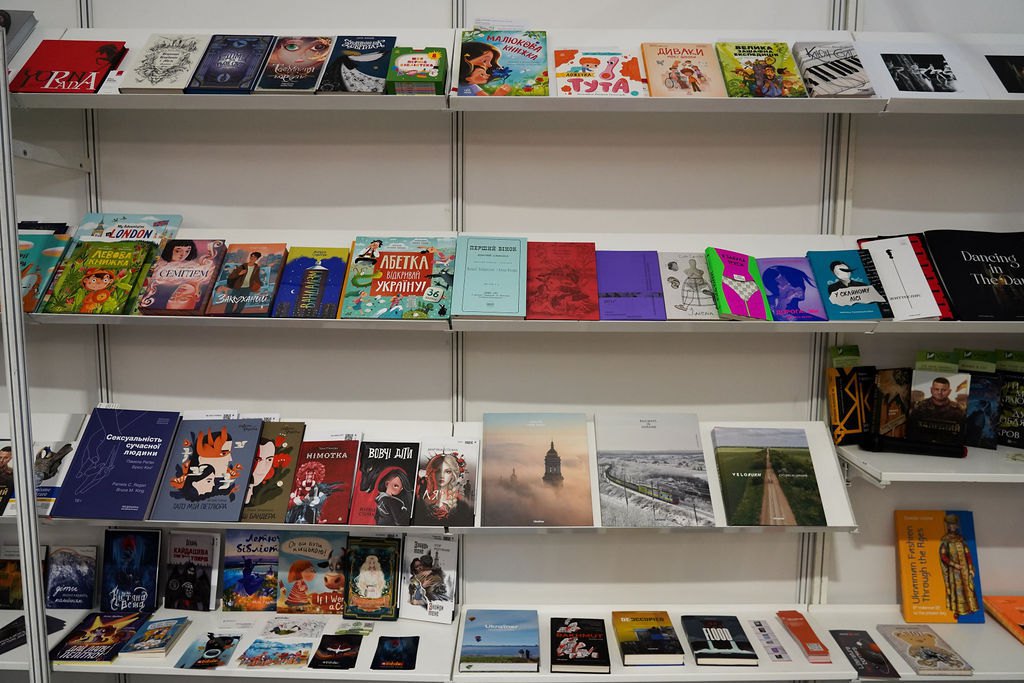
We — the Ukrainian Book Institute — do not dictate what publishers bring to the fair. That is entirely a matter of their commercial interest. They are free to bring whatever publications they deem appropriate. Or perhaps there are already some prior agreements regarding these publications.
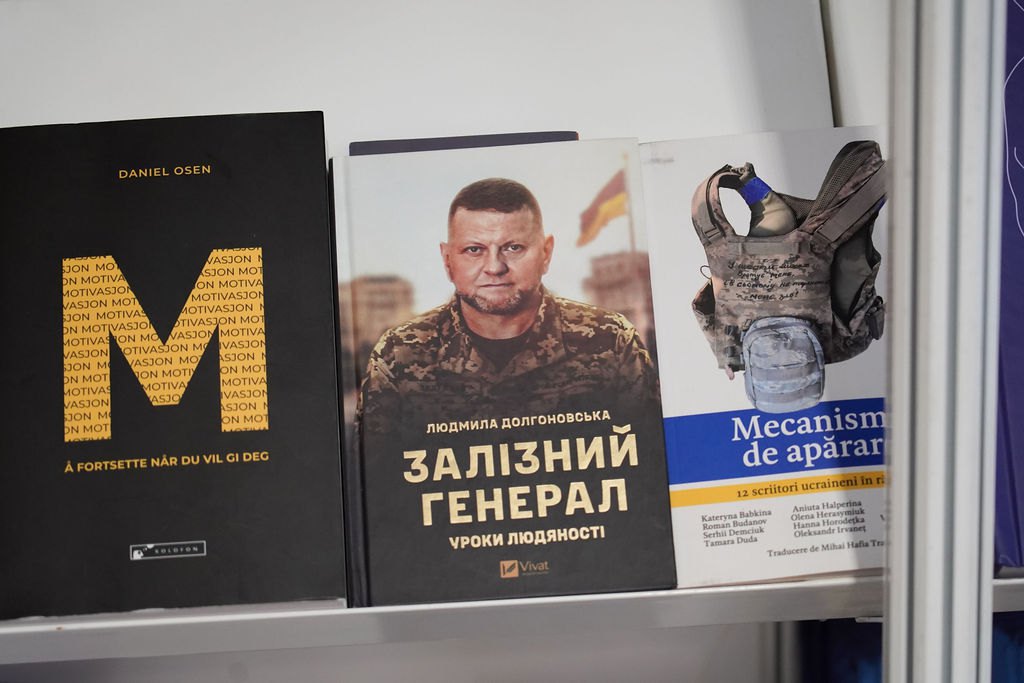
These were completely different books: a lot of poetry, children’s books, literature by military authors, fiction and non-fiction — a wide range of genres.
What specific results can we talk about following the event?
It is difficult to speak of any successful negotiations in such a short timeframe, because this is a marathon and we are currently processing the results, communicating with publishers, gathering information on how successful their participation was, and whether they achieved their planned targets. It’s important for us to understand this for the future — what we should do, and whether there’s been an impact. We’re gathering this information, analysing it, and reviewing publishers’ feedback and suggestions so that we can improve ourselves and understand what and where we can make improvements.
Can you share any interesting stories from the fair?
There were some quite touching moments. I can share two that I was directly involved in whilst working at the stand. The first was when a young man came by — a British IT specialist — whose girlfriend is Ukrainian. She teaches Ukrainian to children born in Britain who want to learn the language; we exchanged contact details.
Another one: a teacher brought a pupil to us — a Ukrainian girl who really wanted to visit the Ukrainian fair and speak to someone in Ukrainian. She’s been living in Britain for four years now and misses home. I had a copy of Viktoriya Amelina’s book The Stories of Eka the Excavator, so I gave it to her — the girl burst into tears. And I cried with her. She was so grateful; it was important for her to come and see us. She is the only Ukrainian girl in her class, and her teacher had created this story especially for her.
So, do our compatriots influence the demand for Ukrainian books?
Yes. We usually donate books to the Ukrainian community; we also donated children’s books to a Ukrainian school. As for adult literature, we gave it to the Ukrainian Embassy to be distributed to local libraries. We help ensure that our compatriots have access to Ukrainian literature.
Are foreign publishers translating more Ukrainian literature? What are the trends?
It is difficult for us to assess the situation, as this requires research, and we do not have sufficient funding for this.
We can only speak within the scope of the data we see from the Translate Ukraine programme. And we see a steady increase in the number of applications for the programme every year; whilst in 2020, when the programme launched, there were only 84 applications for translations, this year there were 179. And the quality of the applications has improved; whereas previously we rejected 20–30%, this year there were only three applications lacking the necessary documents, whilst the rest were of a high standard, and this is literature in those priority areas where there is a shortage. This is about Ukraine, traditions, classical literature, literature about our neighbourly relations with Russia — and this is our response to it — and literature by military authors. This year, we added a category for military authors writing about the war — this has been a priority since the start of the full-scale war. And we are seeing an increase in the number of these applications, as well as an improvement in the quality and number of publishers — 119 publishers for 179 applications.
So is there a growing demand for translations and for an understanding of Ukrainian writers around the world?
Yes, and that’s encouraging. Take, for example, the project we co-organise – the ‘Black Sea’ International Literary Festival, which we founded with our partners in 2023. And whereas previously we had received no applications at all, say, from Romania, few from Bulgaria, and none from Turkey or Georgia, after this festival — which we held in its first and second years, and which is specifically aimed at the professional community of the Black Sea countries (all except the Russians, of course) — we saw that we received not just one, but 8–10 applications from Romanian publishers, and at least double the number of applications from Bulgarian publishers. Whereas there used to be 1–2 applications from Georgian publishers, now there are 8–10–15 applications. In other words, such international projects, which involve face-to-face meetings, help to establish cooperation and increase the number of translations.
So is the Ukrainian book market undergoing accelerated integration into the international and European markets?
We’d like to think so. We hope that all the efforts we’re making are contributing to this as much as possible.
On your Facebook page, you gave a fascinating account of your meeting with the British publisher Frances Pinter; please tell us more about her.
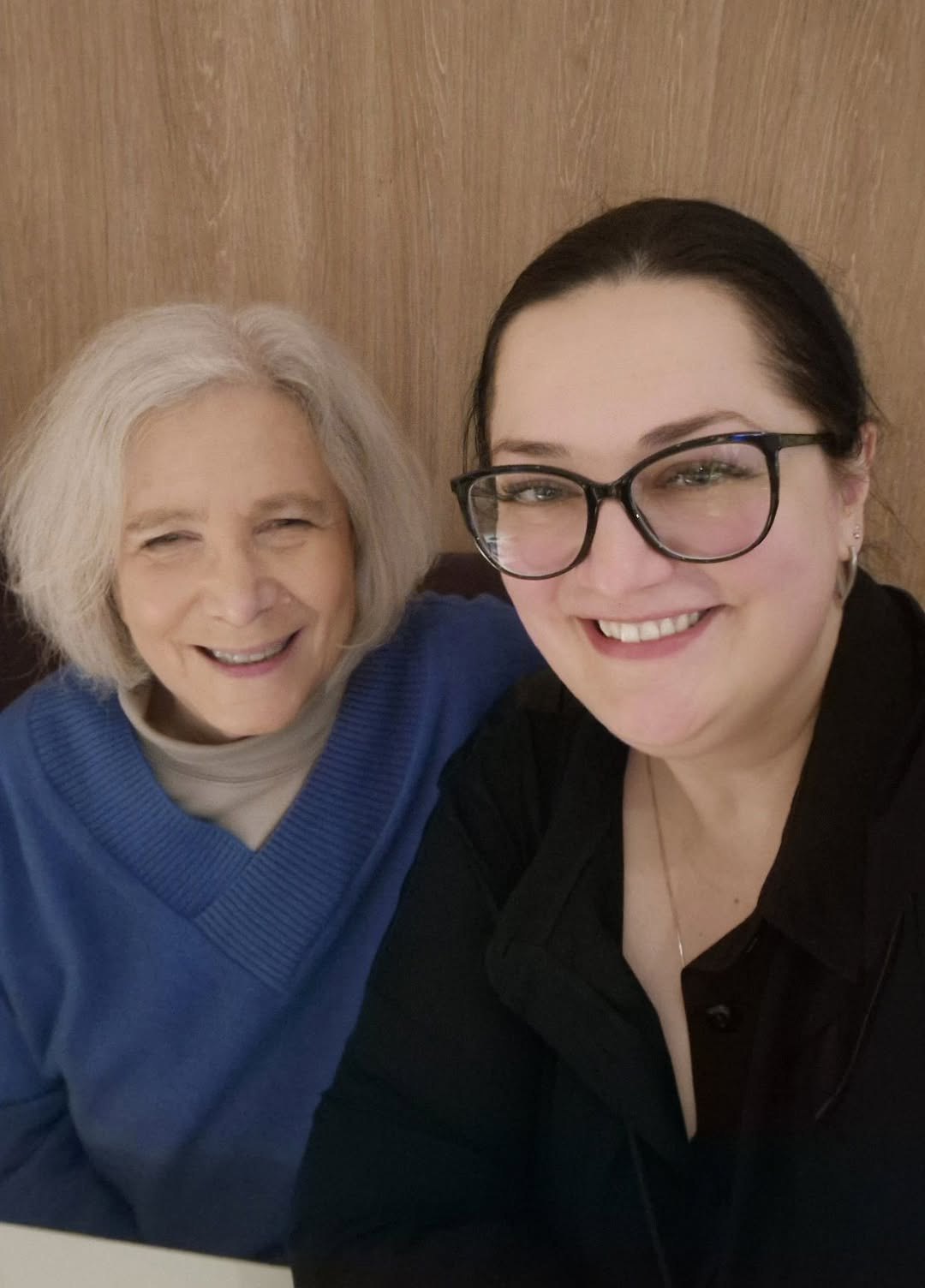
Frances has long been doing her utmost to support us and help Ukrainian publishers. She took on a large part of the work involved in designing our stand. She involved her whole family in this to raise funds and print materials, and I’m very glad I had the chance to speak with her. After the full-scale invasion began, Frances set up an initiative to help Ukrainian publishers, and we also organised a series of events in conjunction with this initiative.
For example, there was a webinar organised by our European colleagues for our publishers: what to expect in terms of European integration, what to prepare for, and how it all works — in other words, they shared their experiences.
She also helped organise these interesting ‘speed dating’ sessions for our publishers with foreign publishers. She found various consultants on different issues, organised mini-meetings where any interested publishers could discuss various matters with a representative — this could be someone from a major foreign publishing house, or copyright consultants on any production-related issues, and so on. She always tries to help, and there are plans for further projects.
Did you sense any interest from the British during the fair? Did the Ukrainian book prove its own identity? After all, as we understand, Russia is also taking active, aggressive steps.
As for London, it was one of the few fairs where we didn’t cross paths with the Russians. Or perhaps they were very well hidden, because they are not operating under their own flags at the moment, to put it bluntly. In Frankfurt, for example, ‘specifically German’ publishing houses began to appear, bringing literature by Russian ‘dissidents of the Putin regime’. I didn’t notice this at this fair.
British publishers showed an interest in us; they visited our stand and asked about literature. Publishers from feminist publishing houses were interested in whether we could offer any recommendations regarding Ukrainian literature written by women. And, in particular, by feminist women, or our classics: Lesya Ukrainka, Olena Pchilka, Olha Kobylyanska, who had a strong influence on literature. Publishers also asked about military authors.
It’s hard to say that Ukrainian books have become a subject in their own right. It seems to me that we’re still on the way. Still on the way.
But generally, people came to our stand to ask how we feel about these recent outbreaks of military conflict in the Middle East that we’ve been seeing lately. We reminded everyone that we’ve been at war since 2014 and in a full-scale war since 2022.
I heard from many people personally that they see the Ukrainian stand is there, and so Ukrainians are there, and that makes them feel more at ease. I wanted to say: you may feel more at ease, but we are barely surviving. I never tired of telling our foreign partners about my personal experience, about how I’ve been without heating at home since January, with electricity coming and going, no hot water, no lifts, nothing…
How did they react?
They were stunned: ‘What do you mean, no heating?’ I said, ‘That’s how it is.’ And I went on to say, ‘It’s very hard to react to world events when you have a child at home, for example, and the temperature in your house isn’t above 10 degrees, and you’re literally just trying to survive.’
There was a British colleague; when we met him in the corridor at the end of the fair, as soon as he saw me, he said he was glad to see me, but he was so furious, saying things like: ‘How blind we are, how stupid we are, we’re doing nothing, we’re not doing enough, we’re supporting Ukraine so little that you might as well say we’re not supporting it at all.’ He was very upset and disappointed at how slowly and how little the world is helping Ukraine.
What are the next steps after returning from the fair?
We returned from London with a colleague from the international department, and he has already travelled to Leipzig with another colleague to organise and set up the stand at the Leipzig Book Fair, which is due to take place soon.
We’ve entered a season of various international events; everything is happening in parallel. There’s the Bologna Children’s Book Fair, followed by a collaboration with Prague. After that comes Warsaw, then the International Black Sea Conference, and then we’ll be preparing for the fairs in Budapest, Barcelona and Frankfurt.
There is a lot of work ahead. We need Ukrainian literature to take its rightful place in world literature, where it has always belonged.