




Racial and ethnic context
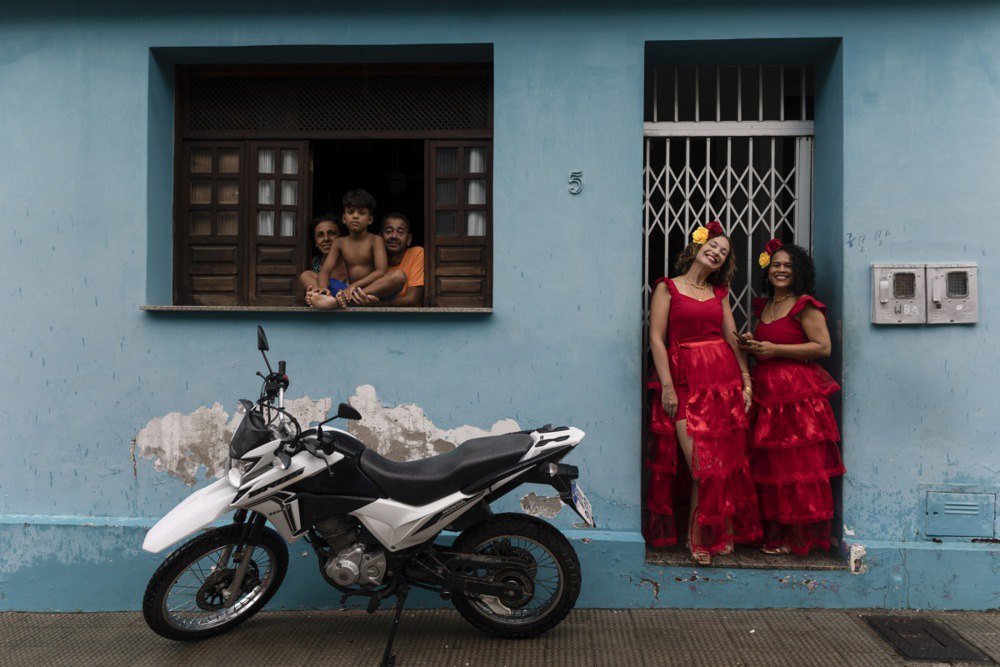
Despite the widespread perception that Brazilian society is composed of three groups — Portuguese, African and Indigenous — the reality is far more complex, the study explains. According to 2022 data, the largest share of the population consists of Pardos (45.3 per cent) — Brazilians of mixed ancestry — followed by people of European descent (43.5 per cent), Afro-Brazilians (10.2 per cent), Indigenous peoples (0.6 per cent) and Asians (0.4 per cent).
The study notes that the stereotype of peaceful coexistence among these groups is misleading. In reality, racial discrimination remains a significant issue in Brazil. This is reflected in the terminology used. The term pardo originated during the colonial era and was primarily used to describe people with lighter skin. There is also the term preto, which refers to people of African descent with darker skin and is associated with the history of slavery. However, both groups are often categorised simply as black people, which can obscure their distinct historical experiences.
At the same time, Brazilians do not harbour strong resentment towards their colonial past, although there is a movement advocating for the protection of Indigenous rights and cultural traditions. They also regard their Portuguese heritage as a source of pride, albeit not without controversy, the study notes.
In addition to the Portuguese, migrants from other countries settled in these territories, including Ukrainians. This diaspora contributed to the emergence of various societies and organisations as early as the 19th century, and some Ukrainians and their descendants left a lasting cultural legacy in Brazil, including the writer Vira Vovk, the architect Gregori Warchavchik, the film director Hector Babenco and others.
Trauma
Issues of racial and economic inequality, colonialism, military dictatorship, and contemporary foreign influence from the United States and Europe remain sensitive topics for Brazilians.
The military dictatorship began in 1964 following a coup led by Humberto Castelo Branco and, despite several changes in leadership, lasted until the restoration of civilian rule in 1985 under President José Sarney.
Cultural characteristics
The struggle for equality, the rights of Indigenous peoples and environmental issues are reflected in contemporary Brazilian literature. Such works are often recited at poetry gatherings known as sarausand published by independent presses. At the same time, respondents acknowledge the challenge of low reading literacy levels, which they attribute to unequal access to education.
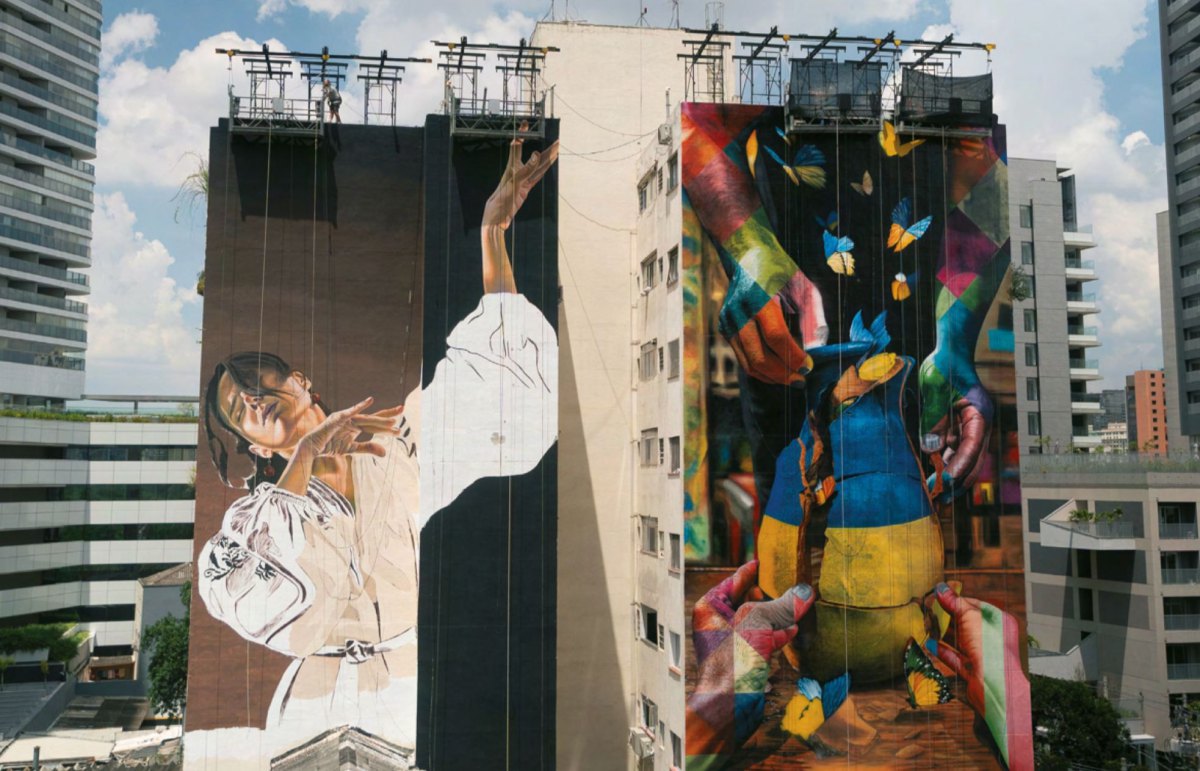
Another important form of social expression in Brazil is street art. Respondents note that graffiti sometimes tells stories that museums remain silent about. However, Brazil’s visual arts scene extends far beyond street art. Contemporary Brazilian artists work across a wide range of disciplines, including painting, sculpture, photography, video art, performance art and installation art.
One of Brazil’s greatest cultural strengths is its music, much of which has been shaped by African influences. Samba, bossa nova, funk and other genres serve as the country’s cultural calling card to the world. Combined with bebop — a jazz style that emerged in the United States in the 1940s — these influences also contributed to the development of Brazilian jazz.
Electronic music is likewise popular, helping Brazil integrate into the global music scene.
The performing arts in Brazil encompass not only theatre but also dance, which occupies a special place in the country’s cultural life. This refers not to a single style, but to a wide variety of traditions. Samba and frevo are recognised by UNESCO as elements of intangible cultural heritage. Different regions are also home to maracatu, carimbó, passinho (a fast-paced street dance), forró, bumba-meu-boi and many others. According to the study, some of these are more than dance forms; they are theatrical performances incorporating rituals, mythology and even puppetry.
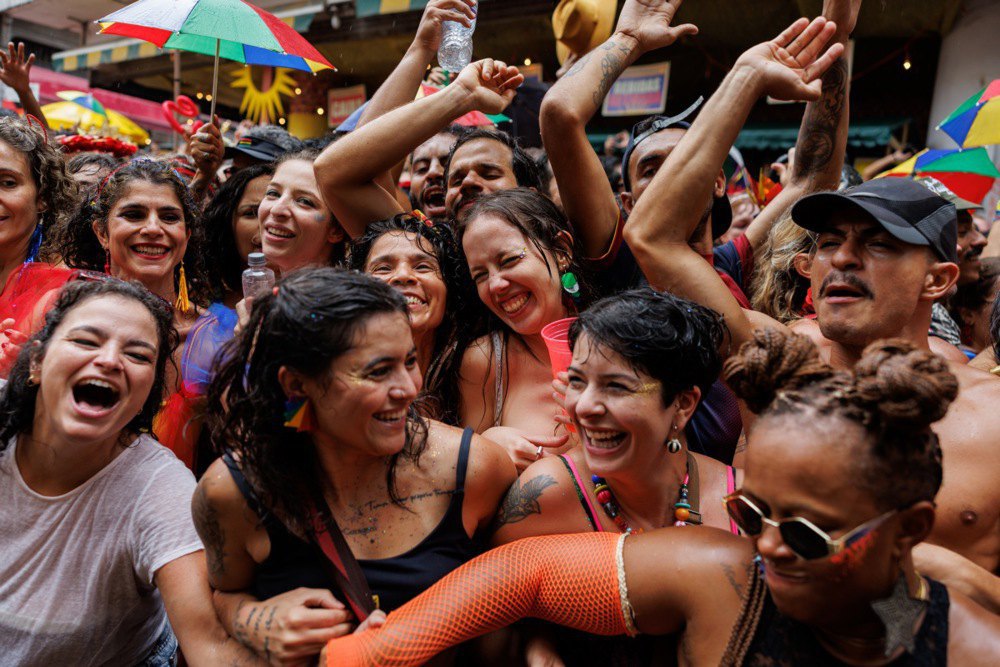
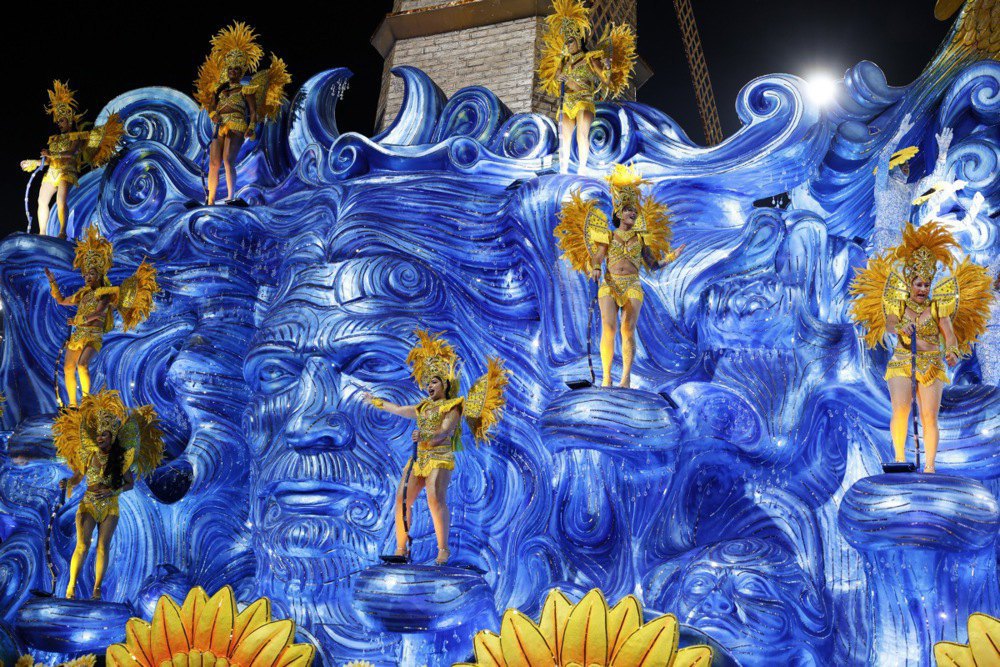
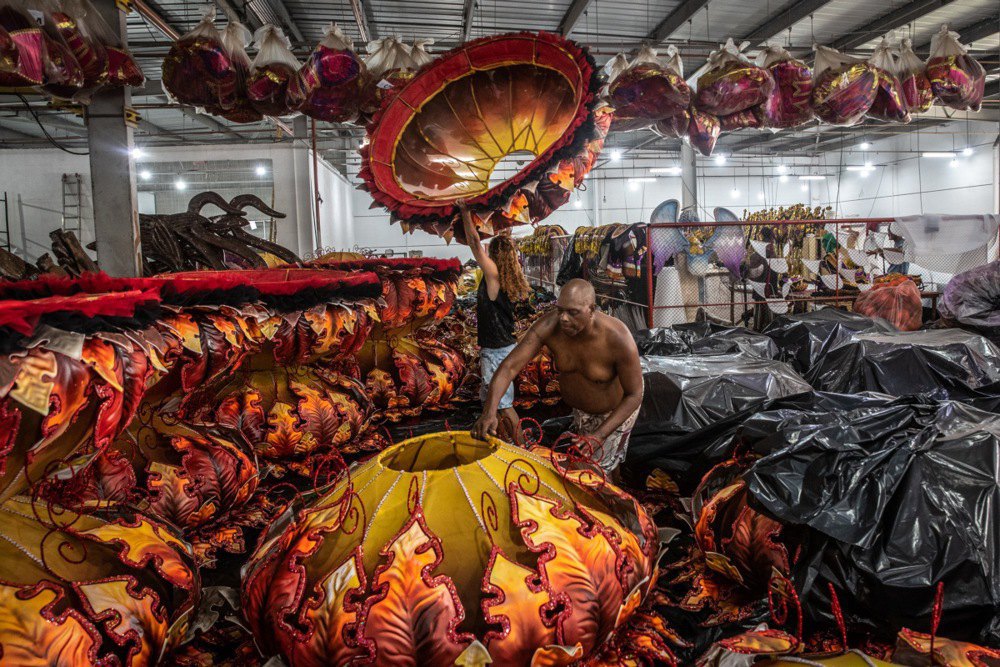
This rich dance culture is reflected in Brazil’s carnivals. Held in different cities and states, these celebrations vary considerably in their themes, traditions and historical origins.
Among Brazil’s distinctive film genres are the chanchada and the telenovela. The former consists of musical comedies that emerged in the 1930s during the early development of the national film industry. The latter are melodramatic television series that gained widespread popularity in the 1980s. Respondents believe both have played an important role in shaping Brazil’s image. At the same time, telenovelas frequently address issues such as corruption, domestic violence, racism and the rights of the LGBTQ+ community.
Contemporary Brazilian cinema is more diverse and innovative than ever, the study states. In this field, Brazil competes with the United States, whose Hollywood productions continue to dominate the global film market.
Barriers for Ukraine
Ukraine remains little known in Brazil, the study explains. Brazilians’ knowledge of the country is generally superficial and usually limited to high-profile events such as the Chornobyl disaster and Russia’s war against Ukraine. Although the war has attracted considerable attention, it is often viewed through the prism of Brazil’s perception of the United States as a geopolitical adversary.
According to the study, Brazilians commonly associate Ukraine with a cold climate, its geographical proximity to Russia and wheat production. Many still perceive Ukraine as part of Russia. By contrast, those who are better informed tend to regard Ukraine as a niche subject, respondents noted.
Ukrainian culture is being promoted in Paraná, a state with a significant Ukrainian diaspora. Traditional crafts, including pysanka-making, are well established there, one respondent noted.
In academia, several universities in Paraná are promoting Ukrainian language and culture. Since 2022, programmes have also been introduced to support the integration of Ukrainian academics. However, the study emphasises that this influence remains largely localised.
How should this be approached?
The primary task of cultural diplomacy in Brazil is to raise Ukraine’s profile. The study suggests that Ukraine should develop a long-term strategy based on sustained cultural engagement. Possible initiatives include organising a “Year of Ukraine” in Brazil, participating in major cultural events such as the São Paulo Biennial and the Rio de Janeiro International Film Festival, and expanding cooperation with the Ukrainian diaspora.
The study also recommends strengthening Ukraine’s digital presence through cooperation with Brazilian media, the production of bilingual content and joint digital projects ranging from international concerts to television programmes.
Music is considered the strongest cultural bridge between the two countries. Brazilians show interest in both traditional and contemporary musical genres, making collaboration between Ukrainian musicians, Brazilian orchestras and music festivals a particularly promising avenue.
Another area of potential cooperation is the visual arts, especially street art and murals, where Ukrainian artists could be invited to contribute to local projects.
The study also highlights the potential of Ukrainian traditional crafts. These may find particular appeal among audiences in south-eastern Brazil, while more specialised cultural formats in the Amazon region and northern states, as well as in major urban centres such as Rio de Janeiro and São Paulo, could help address the limited awareness of Ukraine.
Among educational initiatives, the study recommends partnerships between universities in both countries, as well as programmes that encourage mutual language learning, enabling Brazilians to learn Ukrainian and Ukrainians to learn Portuguese. Greater investment in translating Ukrainian literature into Portuguese and publishing Ukrainian works in Brazil could also strengthen literary ties.
Dialogue with Brazilian audiences should be built around shared cultural experiences and historical parallels, including colonialism, the role of Indigenous peoples and different forms of cultural self-expression.
To help shape a distinct narrative of Ukrainian identity in Brazil, the study recommends launching a pilot project centred on a recognisable Ukrainian cultural brand, such as a Ukrainian Cultural Season in Brazil or a series of events with a clear visual identity supported by a comprehensive digital campaign.