





Heads of Ukrainian museums are speaking about the urgent need to amend the law to remove time limits on how long museum works may remain abroad and to make it easier to transport them during martial law (draft law No. 14391 of 22 January 2026).
Under the current restrictions, the period for temporarily exporting museum items abroad may not exceed four years. Accordingly, objects taken out in 2022–2023 must be returned to Ukraine in 2026–2027. The proposed changes would allow this period to be extended for the entire duration of martial law. The amendments also propose abolishing insurance for museum items while they are being transported within Ukraine during martial law, provided they are escorted by law enforcement.
At present, draft law No. 14391 is awaiting consideration.
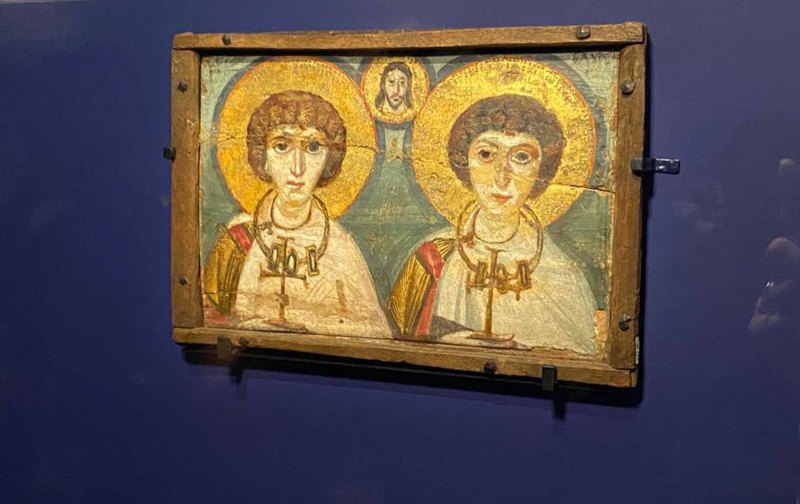
In a comment to LB.ua, Khanenko Museum Director Yuliia Vahanova noted that unique icons from the museum’s collection, which are currently being kept at the Louvre, must soon be returned to Ukraine under the current law: “In particular, among them are the Sinai icons, the oldest ones in the collections of Ukraine’s museums. They date to the 5th–7th centuries, and because they are very old, their condition needs to be checked regularly. They were presented at the Louvre, and now they are stored there in collection facilities with appropriate humidity, temperature, and security conditions. But the deadlines expire at the beginning of next year; in February the icons already have to be returned. And any extension of a contract with major museums involves lengthy communication, and also additional costs, because the works must be insured. Our Western partners are looking for these funds.”
In addition to the icons, other valuable artifacts from the Khanenko Museum collection are also abroad, including works by Peter Paul Rubens, Jacob Jordaens, and Lucas van Leyden. “If there are no changes in the laws, we will have to bring these works back in winter,” Vahanova says, “and we remember last winter with blackouts and no heating. Besides, there are no safe places in Ukraine. But that’s not all, because every transport is very traumatic for artworks: every move, repacking, change in humidity conditions is always a risk that the work will simply start to deteriorate. And we have a very strange communication with partners: as a country we ask them for help, but we ourselves cannot, in 4.5 years, make even basic changes to simple rules.”
Director of the Odesa Museum of Western and Eastern Art Ihor Poronyk also speaks about this problem. In a comment to LB.ua, he notes that even if Russia were to stop military actions and end shelling right now, it would still be unsafe to return the evacuated works. “We sent works out for temporary exhibitions, including, for example, Rubens or Hals, and we have to return them in 2027. But even if there are no missiles, our museum will not be able to store them reliably: we have restoration work planned, funded by Italians, and it will last at least two years. Accordingly, the works would have to be kept in storage, which is bad for them, and also dangerous—during renovation work it is impossible to guarantee their safety; let’s recall at least the story of the theft of our Caravaggio.”
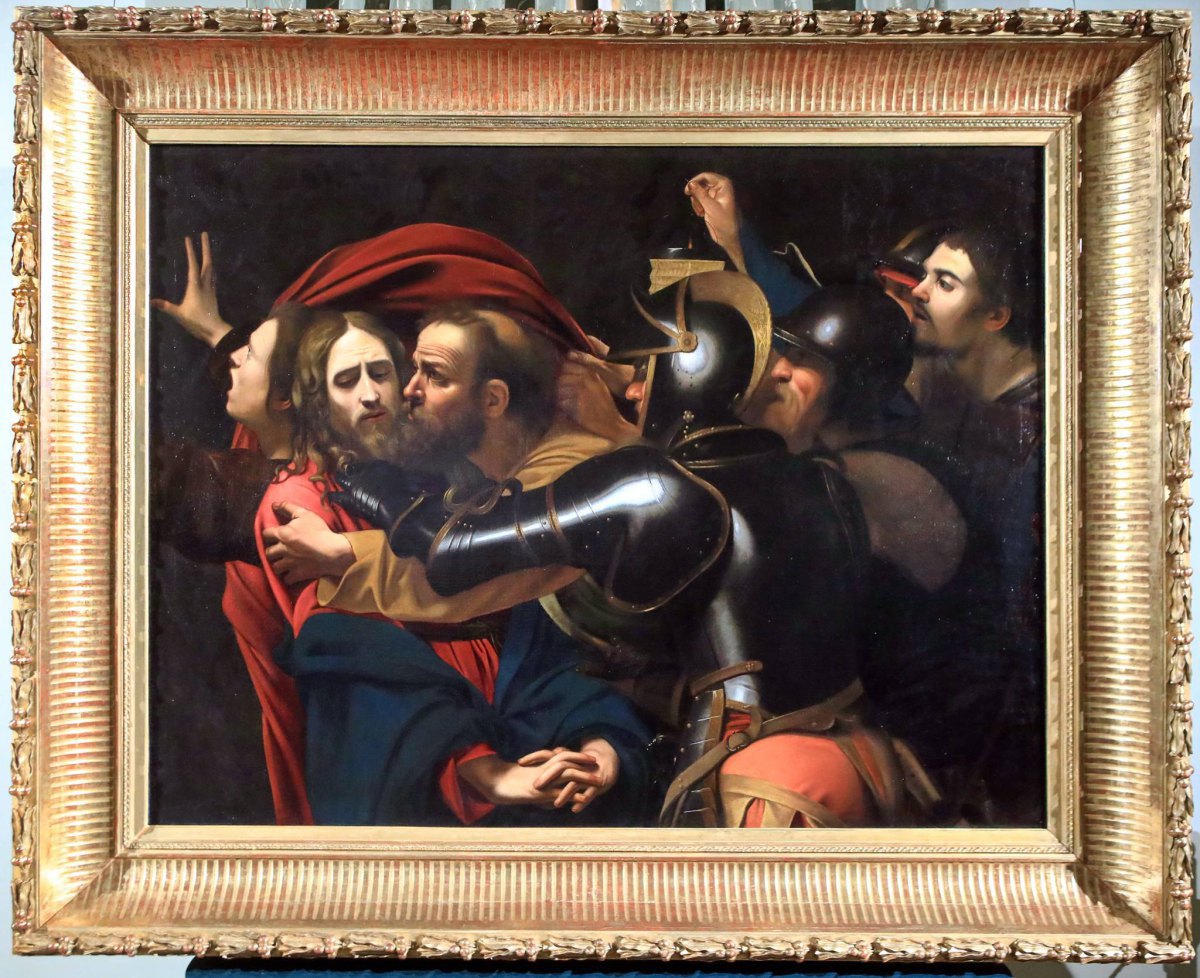
Yurii Maslov, head of the board of trustees of the Odesa Museum of Western and Eastern Art, draws attention to another aspect of the problem. In his words, the museum’s works are not simply being stored abroad—they are serving cultural diplomacy. “We have now sent two works by Hals to Vilnius,” Maslov says in a comment to LB.ua, “and the national museum is exhibiting them. Just recently there was a European exhibition featuring our Caravaggio, and now I’m going to Milan to negotiate another one, at the Pinacoteca di Brera. There, our works are not only in safe and well-adapted places, they also contribute to the country’s image. What is the point of returning them now to the museum’s warehouses, which are in an emergency condition?”
At present, there is no public information on how many items from the state portion of the Museum Fund of Ukraine are abroad. As LB.ua was told by Yuliia Kolomak, Executive Director of the Coalition of Cultural Actors, the coalition has submitted a relevant request to the Ministry of Culture and is awaiting a response.