





Second only to the Emperor: why are sumo wrestlers gods?
The first written mentions of sumo appear in the scrolls of the “Kojiki” (古事記; "Records of Ancient Matters”) and the “Nihongi” (日本紀; “Annals of Japan”), dated 712 and 720 respectively. It was during this period, explains Serhiy Korsunskyy, that Japan, through the efforts of Prince Shotoku — a political and cultural figure — developed its own writing system based on Chinese kanji (a system of characters — Ed.). The scrolls told the story of Japan, the Japanese islands, and the first bout under sumo rules. But it is not worth dating the birth of sumo to this period, because it, like the fundamental basis of the Japanese belief system — Shinto — emerged much earlier.

“Sumo is a classic Japanese phenomenon. It is directly connected to Shinto — an ancient Japanese belief system that existed in Japan long before Buddhism appeared. It is the foundation of the Japanese mentality and worldview. At its core is a legend about gods who fight one another for the right to rule the Japanese islands. Only later were these stories put on paper, precisely in the 700s. So we can speak of a history at least 1,400 years long. The legend itself dates back to the time of Jimmu — Japan’s legendary emperor. So we can talk about a fairly long history of sumo,” says the former Ukrainian ambassador to Japan.
He also explains that in Ukraine the role of the Japanese emperor is often misunderstood. What is more, we even call him incorrectly… and that is crucial to understanding the phenomenon of sumo.
“The Japanese do not call their emperor an emperor. For them he is the Tenno — the ruler of heaven, the chief Shinto priest. Shinto is a belief system, not a religion. Shinto has no books, scrolls, commandments. It all comes from nature. They have eight million gods there…,” says Serhii Korsunskyi. That is why you will see the imperial symbol — the chrysanthemum — in Japan at the entrance to a Shinto shrine, not a Buddhist temple. Because “all Japanese people go to Buddhist temples, New Year’s as it should be, they like it, but the symbol of Japan is the Tenno”.
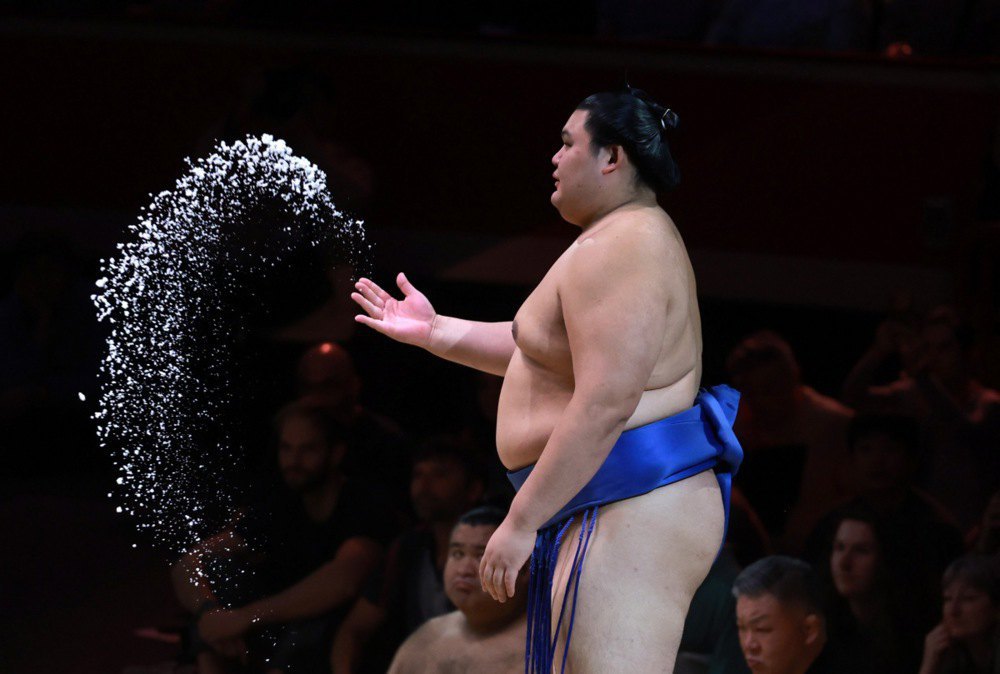
Sumo’s distinctive feature is its constancy. Over one and a half thousand years it has, in effect, not changed — in terms of rituals, symbols, and approaches to organising bouts. This makes it possible to immerse yourself in authentic Japanese culture, which has not lost its relevance across more than a millennium…
That is why, according to Korsunskyy, sumo is the most Japanese phenomenon of all things Japanese. Neither sushi, nor sashimi, nor the katana, nor ninja, nor shuriken have origins purely in Japanese traditions. Sumo does. So how did as many as two Ukrainians break into the top division? It was a coincidence of circumstances, luck combined with a hunger to devote one’s entire life to sumo. Of course, without their hard work it would never have happened.
One foreigner per stable
Amateur sumo — which, incidentally, is at a decent level in Ukraine, with our wrestlers winning at European and world championships — has nothing whatsoever to do with Japanese sumo. Any achievements you have as an amateur will not affect your career in Japan in any way. Every sumo wrestler starts by finding a stable — a club where athletes live and train. If you are a foreigner, getting in is a task with an extra twist.
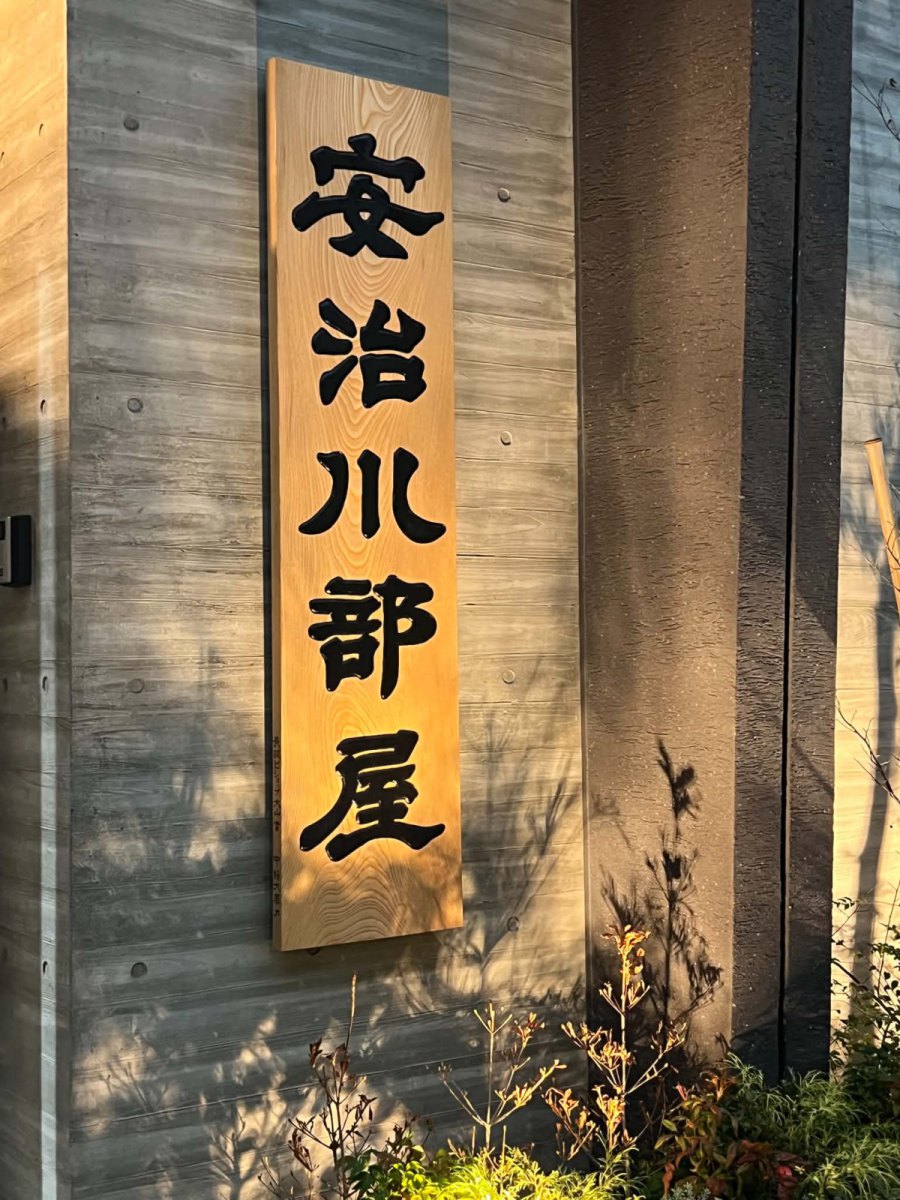
“Under the rules of the Japan Sumo Association, each stable may invite only one foreigner. For an oyakata (coach, head of the stable, — Ed.) taking a non-Japanese is a major risk and responsibility. You invest your money in this foreign athlete; he lives there (in the stable), eats, trains, competes, receives some pocket money… It is all expenses, with the hope the investment will pay off. And only over time, when the foreigner starts winning tournaments, does he earn and compensate for his stay in this environment,” says Korsunskyy, who knows both Ukrainian sumo wrestlers personally.
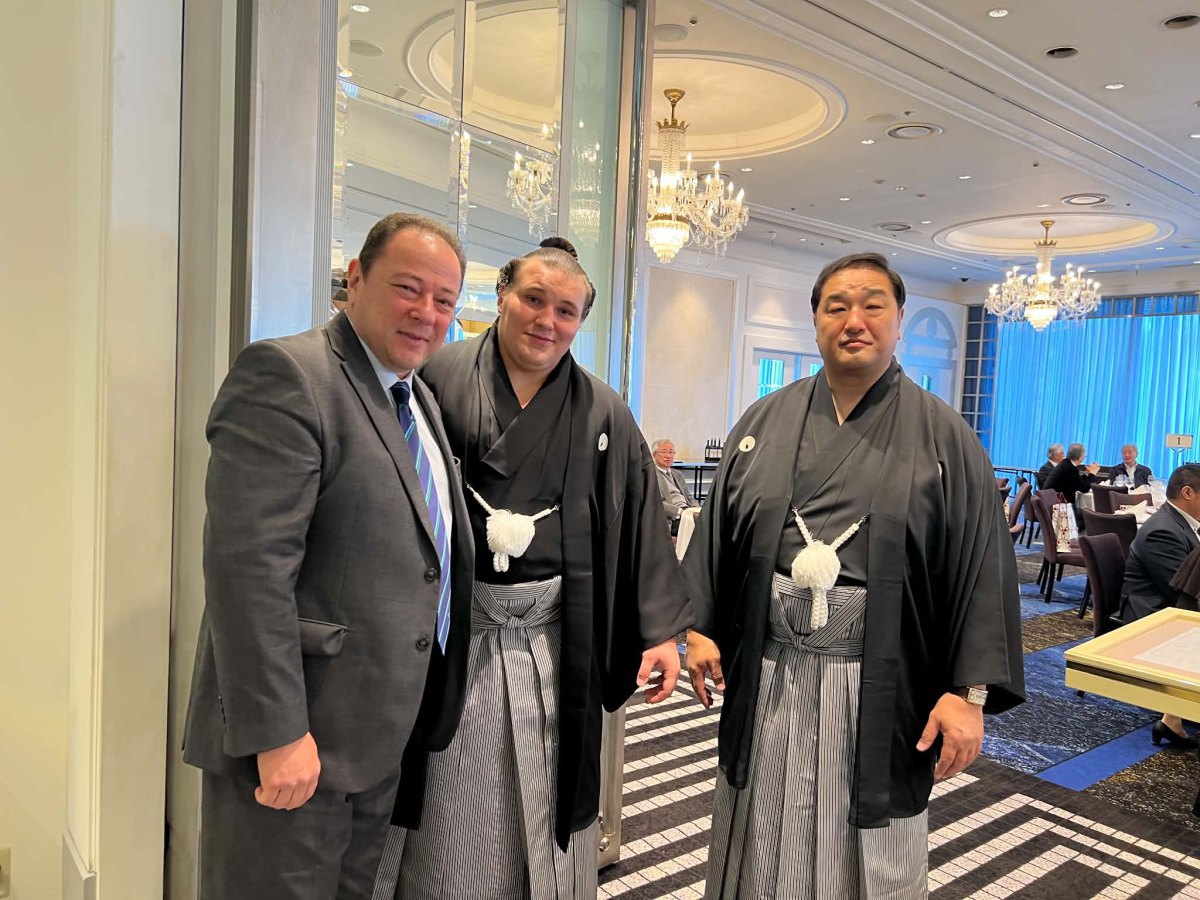
Interestingly, attitudes towards them in the clubs differed somewhat. Both Ukrainians — Serhiy Sokolovskyy and Danylo Yavhusyshyn — impressed their oyakata with their character and approach to the craft. And in this craft you cannot “skive off”. Sumo wrestlers must devote all their time to training and development — both physical and psychological.
“I spoke with Aonishiki’s coach. He is an interesting person, and his wife is very pleasant. They said they sensed something in Danylo’s character. They saw deep motivation and willpower in him and decided to take the risk: to invite him to the stable. By the way, coming to Japan was his personal choice. Aonishiki could have stayed with his parents, with whom he legally left after Russia’s full-scale aggression began. But he deliberately left Germany and went to Japan,” Serhiy Korsunskyy says.
As for Shishi Masaru, who made his top-division sumo debut earlier than Aonishiki, earning his place in the sun was harder. He flew to Japan in 2017 without serious connections and without speaking Japanese. And because of his “classic” sumo build (192 centimetres tall, 170+ kilograms), he had more problems, as it was easier for opponents to adapt to him. By the way, Shishi’s mother said there was a strongman in their family who once fought alongside Nestor Makhno. Supposedly, Serhiy inherited his ancestor’s size.
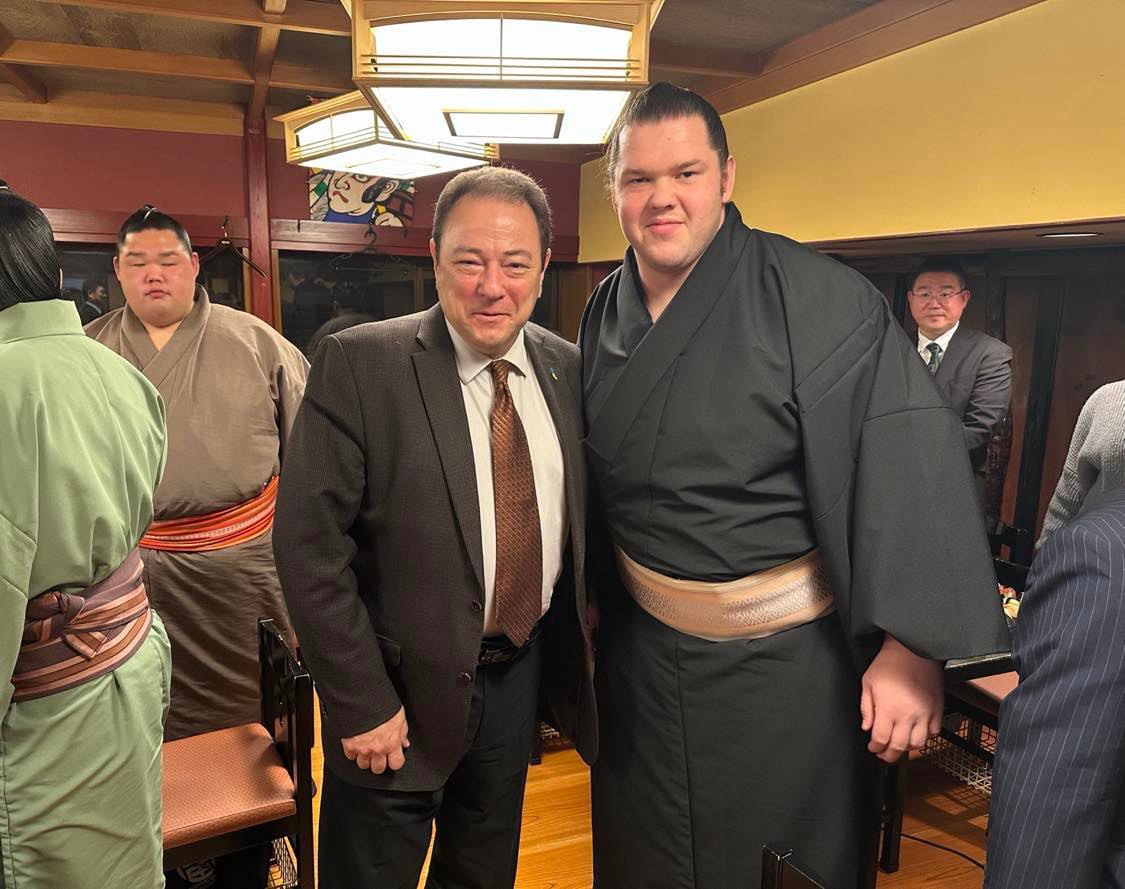
Be that as it may, one of the key factors in Serhiy’s adaptation in Japan was the oyakata of his stable and the coach’s wife, whom Shishi calls mum.
“We were sitting at the same table with Shishi and he joked that the coach is one thing, but mum (and he pointed to the oyakata’s wife) is always in first place. You can understand him: the lad has been in Japan a long time, has lived through a difficult period, and finds it hard to accept the fact that his home in Melitopol is under occupation,” the Ukrainian diplomat explains. Fortunately, we can say that both sumo wrestlers, albeit with differing degrees of success, have adapted to the harsh world of sumo. By the way, their head-to-head record is level — 3:3. They first met in January 2025, with Sokolovskyy celebrating victory.
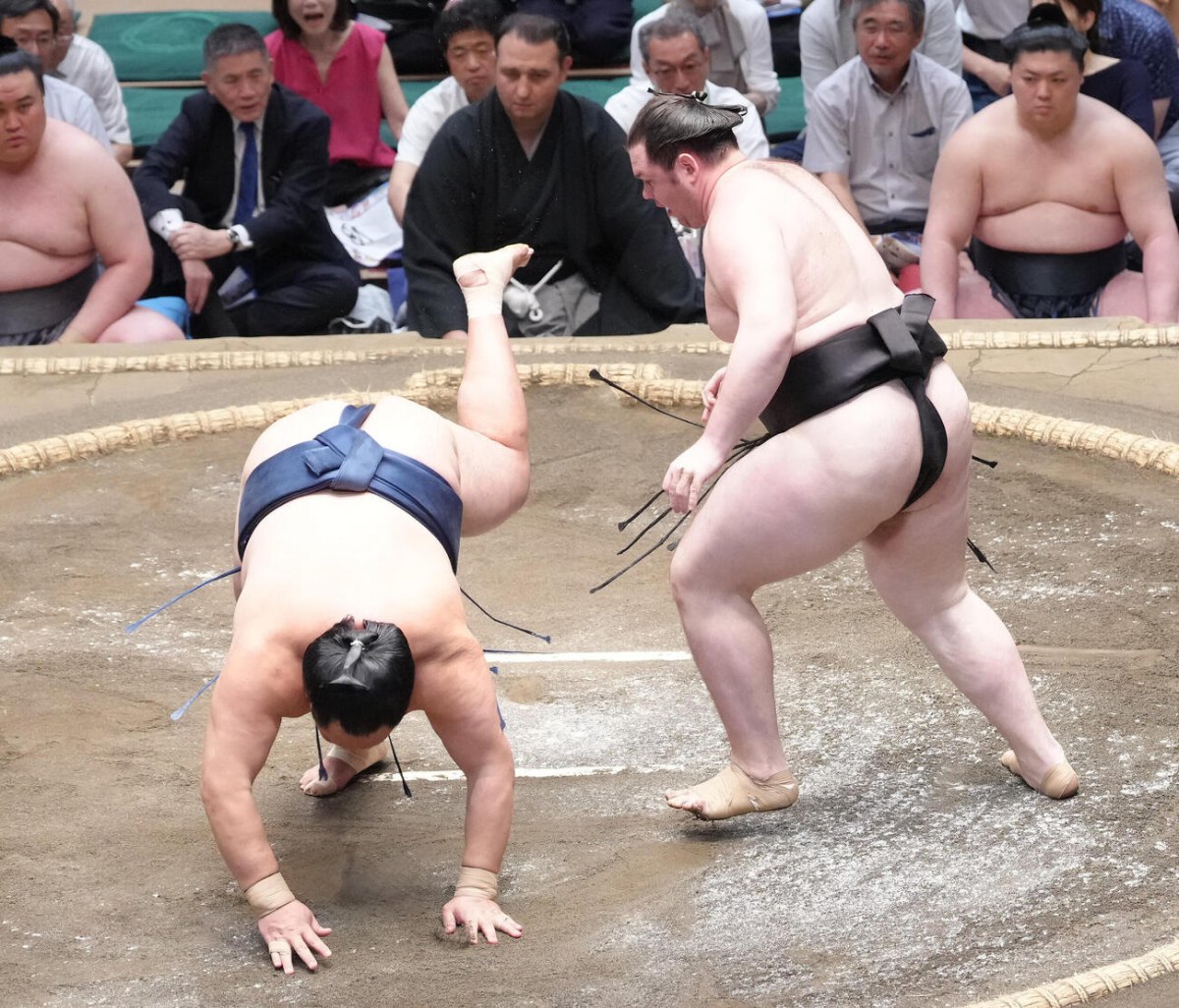
Korsunskyy recalls asking Aonishiki about the Ukrainian derby on the Japanese dohyo — the sumo ring. The wrestler laughed then, admitting there is no hostility between them — only sporting competition.
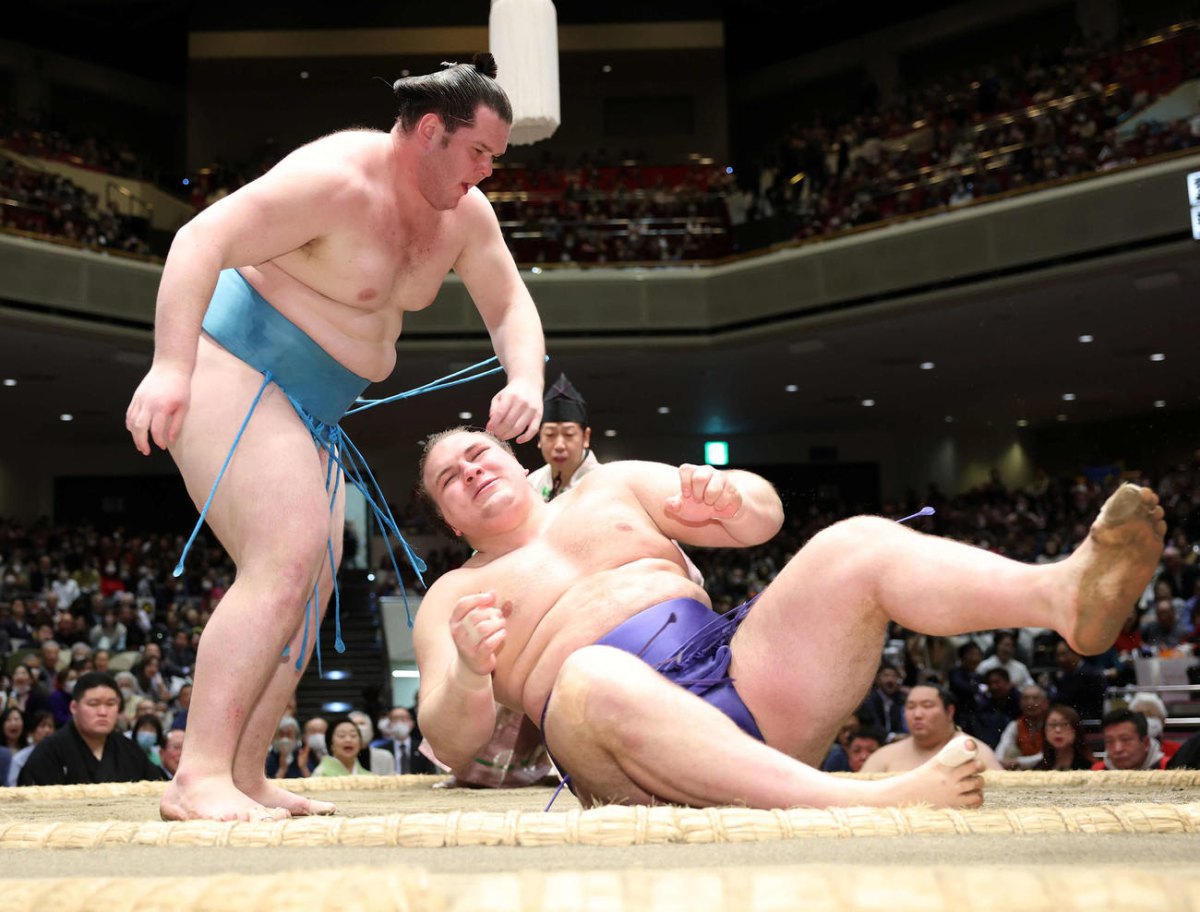
Despite beating Aonishiki in their first head-to-head bout, Shishi has not exactly been plucking stars from the sky, although he can already boast a solid result (10–5) at the July grand tournament, Nagoya Basho. According to Korsunskyy, Serhiy has developed a competitive spark that was previously hard to discern. With Aonishiki, by contrast, it was impossible not to notice.
A future yokozuna
“He has captivated the Japanese with his technique. For them, beauty is an important part of life. For example, did you know that in sumo — seemingly short, ten-second bouts — there are 82 techniques? He has the ability not only to execute these techniques, but to do so beautifully! The Japanese are astonished because they do not understand how he managed to learn all this so quickly, how he can apply it in combat at his age. He is a star and a great talent who has found his style on the dohyo,” Korsunskyy says.
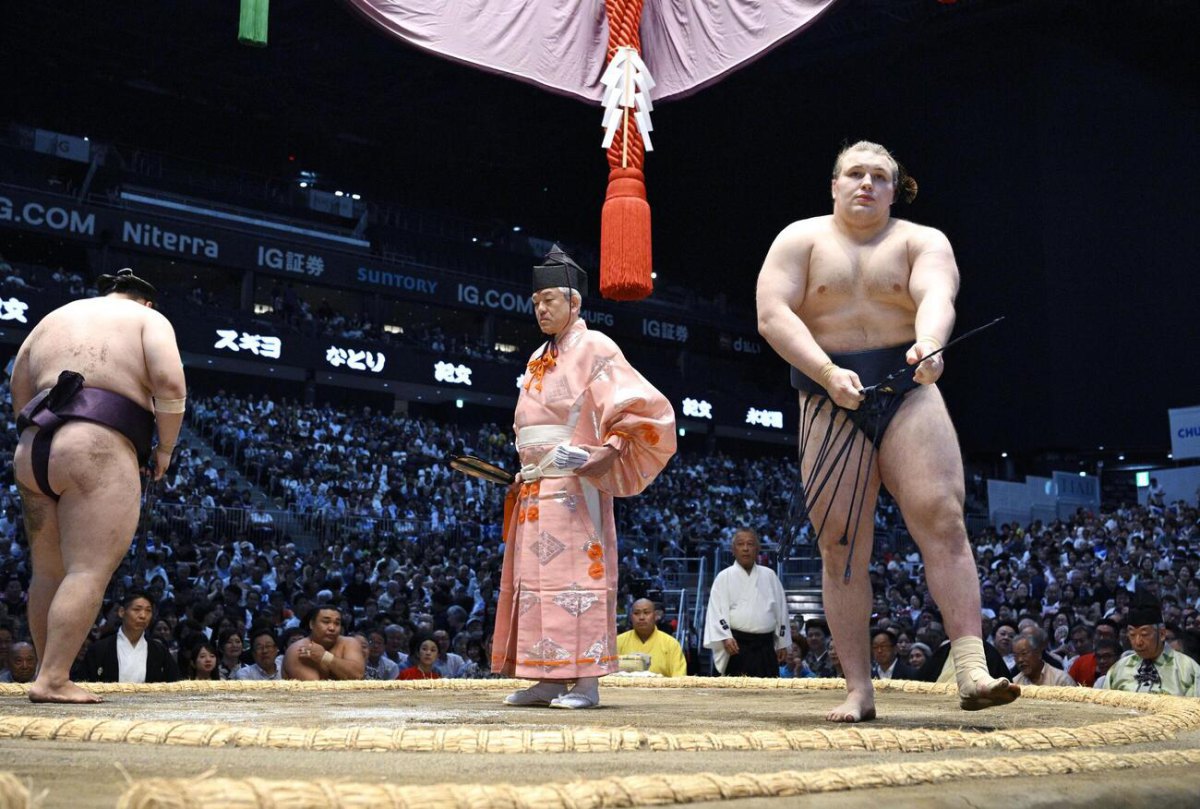
Aonishiki reached makuuchi in nine tournaments, becoming the second sumo wrestler to make it through all divisions so quickly. For example, Shishi needed 27 tournaments. What is more, Danylo Yavhusyshyn did not merely break into the elite — he became one of its main stars. He understands the nature of sumo and senses how everything is arranged, down to the smallest detail.
Did you see how, after winning by pushing his opponent out of the dohyo, Aonishiki deliberately held him so he would not fall? That is one example of how sumo works. Korsunskyi explains that sumo is one of the budo martial arts, alongside karate-do, judo, aikido and so on: disciplines whose foundation is spiritual and physical development. In budo, disrespect for an opponent, cruelty, or cheating is unacceptable. By contrast, any development of an athlete is welcomed. And here it is hard not to mention that in two years Aonishiki learned Japanese to near-native level. Danylo speaks clear Japanese anywhere: from ceremonial events to flash interviews after winning a grand tournament in front of thousands of spectators.
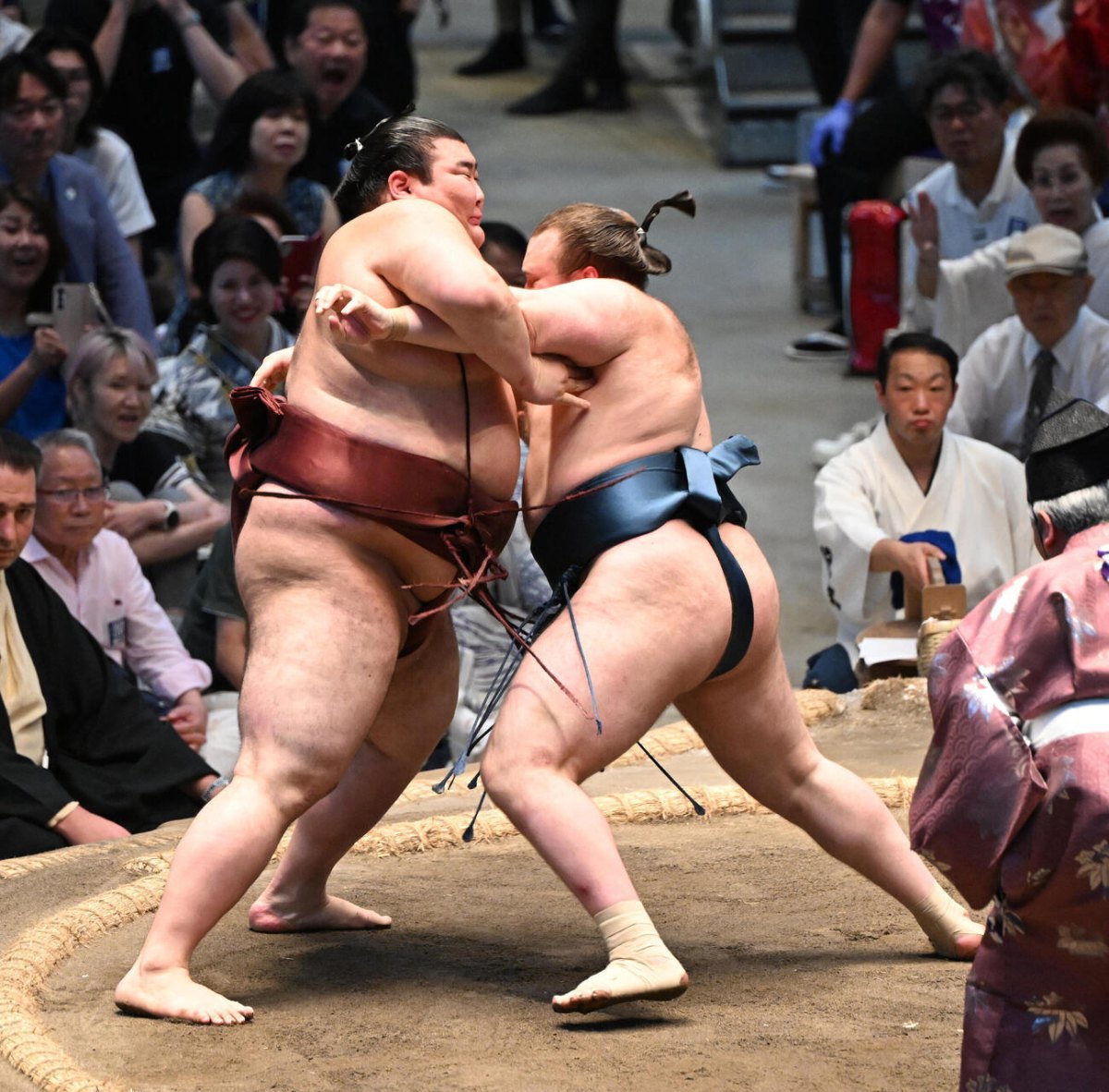
Thanks to his distinctive low-block fighting style that protects his mawashi (sumo belt — Ed.), his ability to keep a cool head under the toughest tests, and his persistence in training, Aonishiki has already won the Emperor’s Cup three times. He therefore holds the rank of ozeki — second in sumo only to yokozuna — and is seriously vying for the status of an eternal champion (as yokozuna are called — Ed.).
“That is exactly what the Japanese media write: ‘This is a future yokozuna.’ Because the Japanese thought achieving such results at such speed was unrealistic. They call him a phenomenon. In addition, there is heightened attention on him because he came from Ukraine, where a war is raging. I think he will manage it all, as he has before. The only thing one wants is for him to be given a bit of peace, because he is under tremendous pressure. Add to that the fact that opponents are adapting to him on the dohyo. The lad is capable of anything, but to do that he must keep improving constantly,” the former Ukrainian ambassador to Japan explains. He confirms that Aonishiki is a superstar in Japan. Korsunskyi has something to compare it with, because he was effectively among the founders of Aonishiki’s fan club when Danylo had only just arrived to conquer sumo.
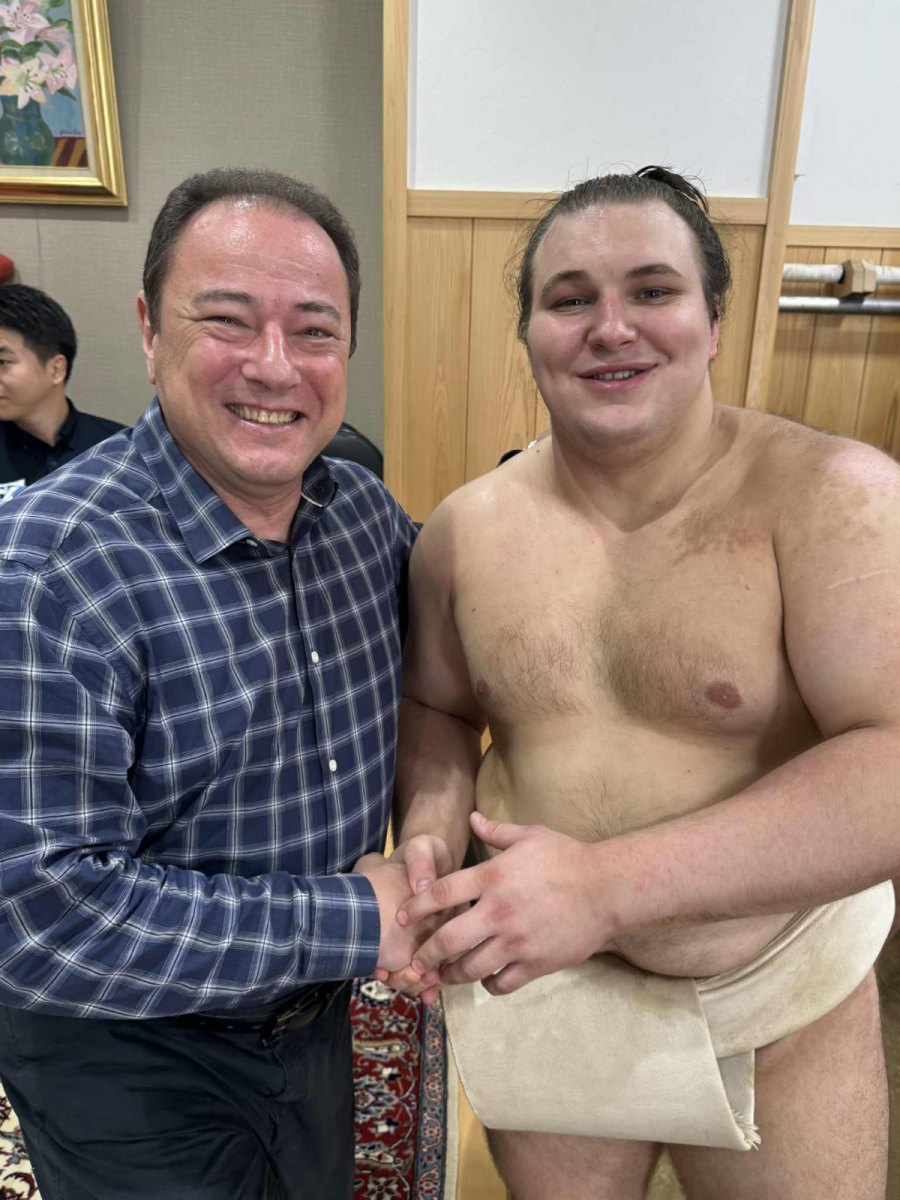
“Before tournaments, crowds of female fans wait for him at the arena entrance; people constantly want to take photos with him, hug him, or at least touch him for luck and happiness. He takes part in advertising campaigns, travels abroad on tours to promote sumo worldwide. He has all aspects of star life, as far as that is possible in sumo. And he is also different — not Japanese. Let’s be honest: for a mono-nation such as the Japanese, that is interesting,” Korsunskyy says. At the same time, Aonishiki, as is customary for sumo wrestlers, devotes himself entirely to sumo. By the way, that also includes constant weight gain. Sumo wrestlers are forced to maintain a large mass. The logic is simple: the heavier you are, the harder it is to push you out of the dohyo.
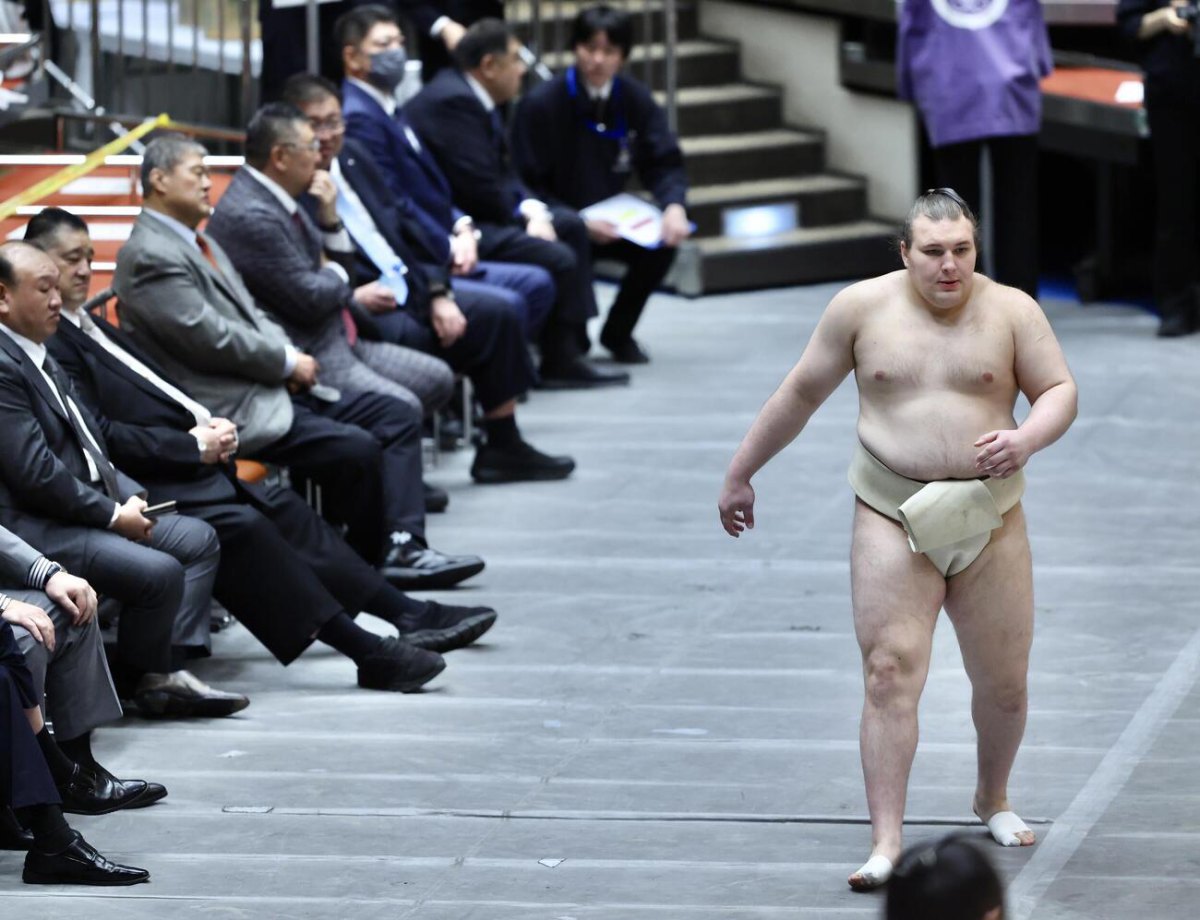
The Japanese like it when a person achieves results through hard work and perseverance, when they purposefully move towards their goal. So why does Aonishiki not speak openly about the war in Ukraine, given the chance to use this immense popularity for the benefit of his country?
Gods do not talk about politics — publicly
“Because it is impossible,” Korsunskyy notes. Sumo, as a deeply hierarchical system, has a number of restrictions for wrestlers. These are unwritten rules that athletes must follow under any circumstances. And it is not limited to your performance on the dohyo, because you are a god.
“In Japan they say the language of the air is more important than any other. They have the Japan Sumo Association, which monitors wrestlers’ compliance with the rules. And this body takes literally everything into account: how you behave in the ring, after a bout, in training, in everyday life, what you said, how you said it. At the same time, there is no document with the rules. They learn to live with a special status,” Korsunskyy stresses. — Aonishiki’s and Shishi’s task is to win. The fact that they — two Ukrainians — are competing in the top division is already a treasure, no less.”
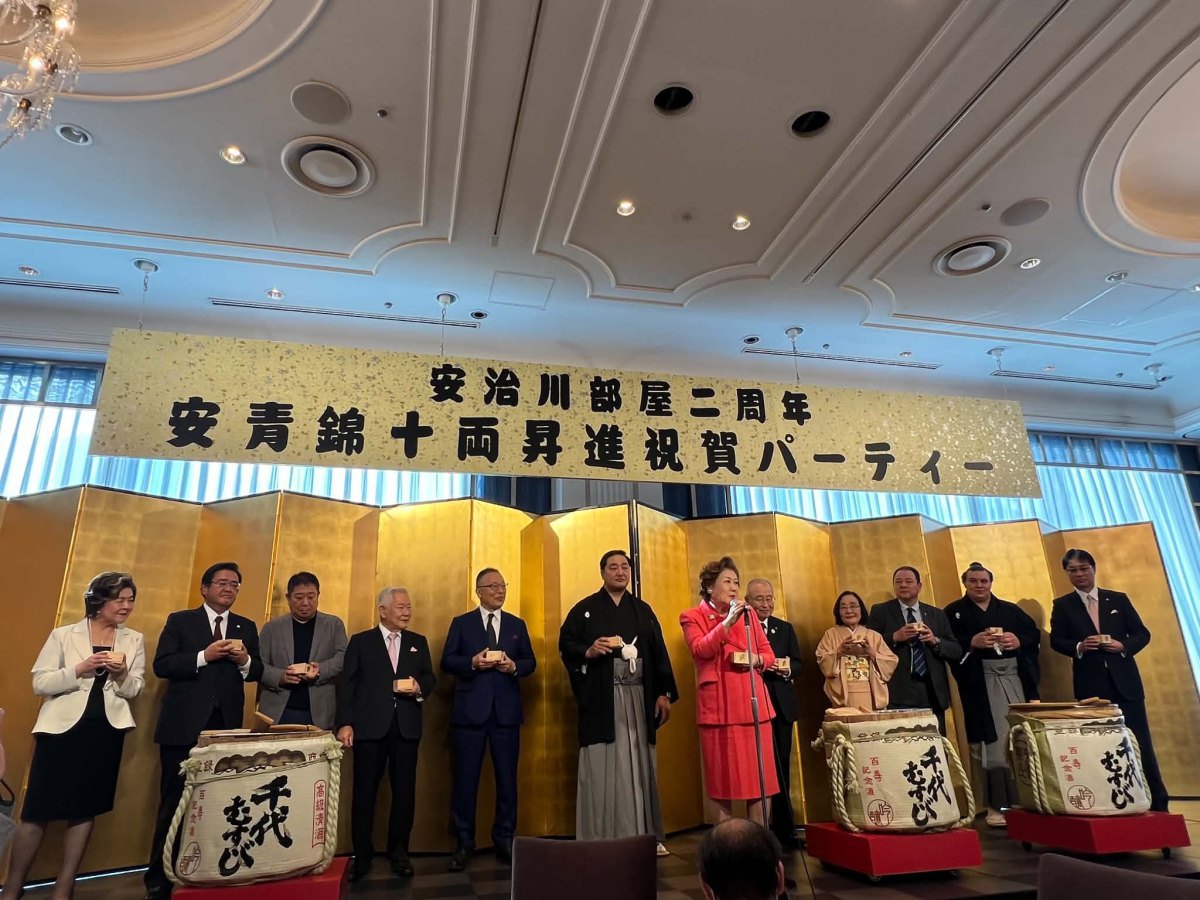
At the same time, even without public statements, Ukrainians have ways to exert influence.
“You see, in Japan loud words do not matter. Something else is needed there. They are Ukrainian sumo wrestlers. That is announced in arenas; the Japanese know it. I have watched more than one film about Aonishiki and can assure you that each one emphasises his origins. He speaks Ukrainian, communicates with the Ukrainian community in Japan, and the Japanese themselves understand all this. That is valuable for Ukraine. And he cannot speak openly about politics, because sumo wrestlers are not orators. Their very presence in makuuchi is a great gift of fate for us,” the former ambassador says.
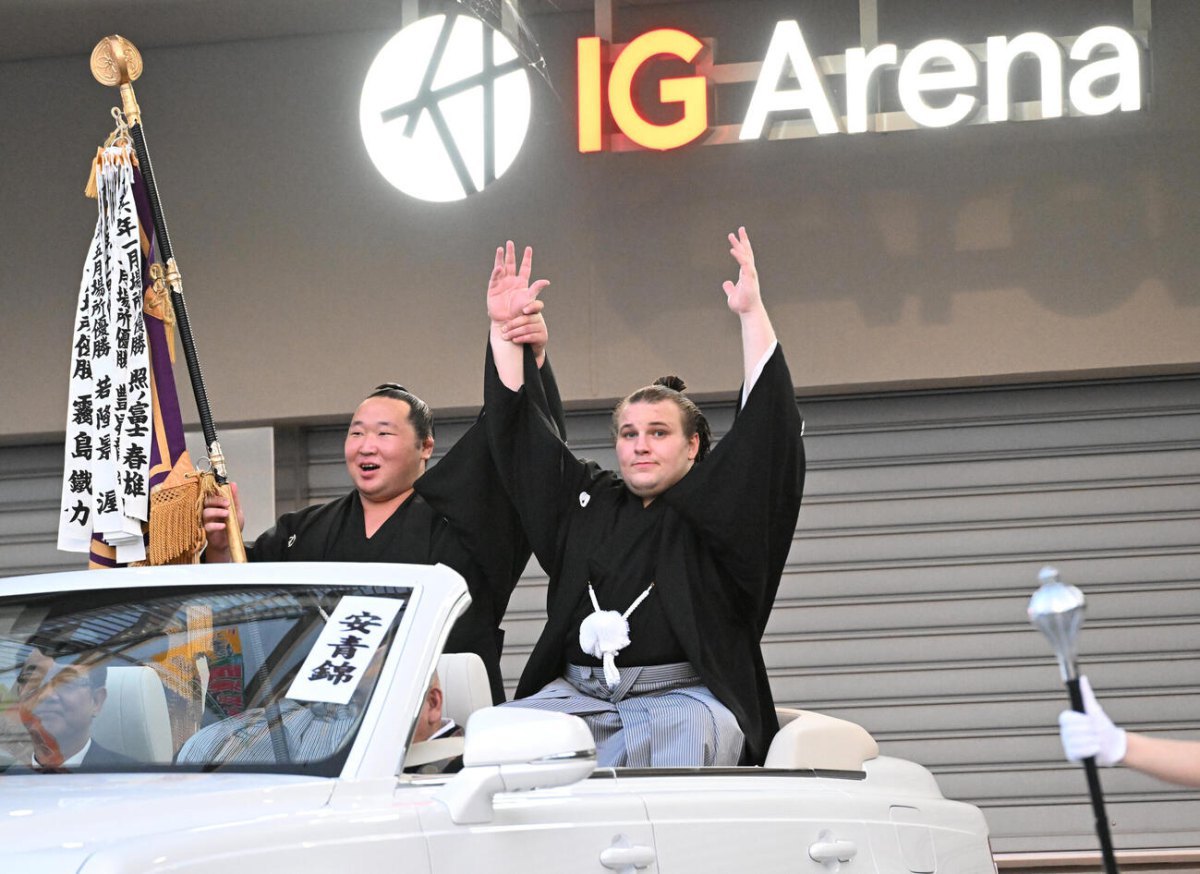
According to him, Aonishiki speaks up in defence of Ukrainian interests, but he knows when and how to do it, because otherwise in Japan it simply will not be received.
“He talks about Ukraine. There are many places where he does it for the right audience and for the right result. Everyone knows his attitude to the war. There are many public events where both Japanese people and representatives of the Ukrainian community are invited. In that environment he finds the opportunity to say what needs to be said, both in Ukrainian and in Japanese. When a Ukrainian flag is hanging in a hall of 500 people, when the Ukrainian ambassador is invited there, Aonishiki speaks Ukrainian, and then a Japanese singer comes out and sings the Ukrainian anthem in Ukrainian, you cannot say he has forgotten or renounced Ukraine. Clearly, that is not the case,” Korsunskyy concludes.
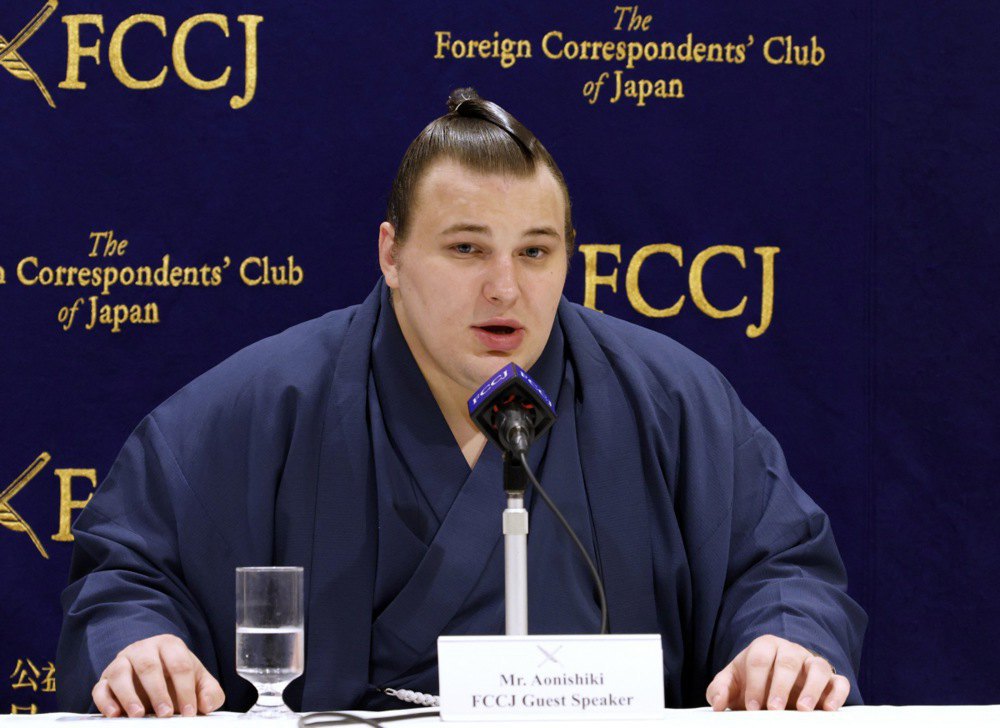
So where do the rumours about Japanese citizenship come from — something Aonishiki once let slip? It is a formality: people take such a step to free up a place in the stable for other foreigners. Probably Ukrainians — why not? After the sensation caused by Aonishiki’s performances, sumo has attracted interest not only in Ukraine but across Europe. In addition, under sumo rules only Japanese people have the right to open their own stables, and that is one likely scenario for wrestlers after they finish their professional careers. For now, the lads are ambassadors of Ukraine in Japan in the country’s most popular sport — one that, the former ambassador insists, involves quite a few influential Japanese politicians. It will not be superfluous for the development of Ukrainian-Japanese relations. And in the future it could help bring sumo wrestlers to Ukraine for exhibition tournaments, by analogy with London and Paris, where they travel regularly. Given sumo’s growing popularity in Ukraine, many compatriots would be waiting for it. What is needed for that?
Japanese-style cultural diplomacy
“The Japanese say fish cannot be of second freshness. If you want to organise a sumo tournament outside Japan, everything must be of the highest standard: from the clay, rice straw and sand used to form the dohyo, to other details. Everything must be authentic, and that entails considerable costs. It is unlikely Kyiv’s Sports Palace could host it. But I would very much like it to happen,” the Ukrainian diplomat says. There are no exceptions for overseas trips, unlike local tournaments in Japan, which are held regularly between grand tournaments.
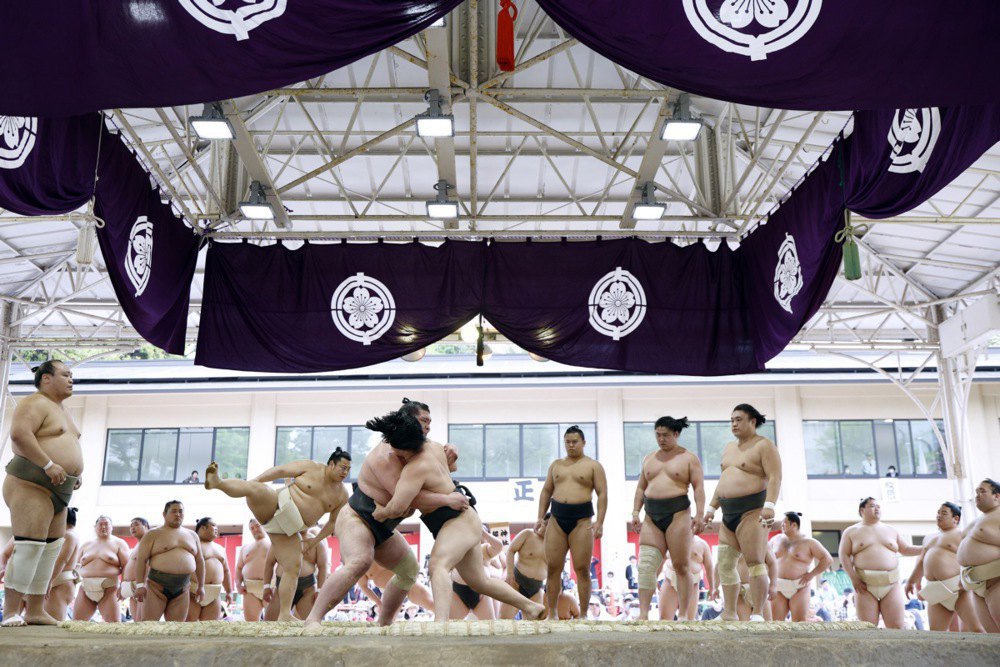
Moreover, sumo wrestlers must be safe during such a tournament, so until the war ends it cannot even be discussed.
For now, it is more realistic to expect a visit to Ukraine from Danylo Yavhusyshyn, the future yokozuna Aonishiki. There will be time to brush up on your sumo knowledge. Let’s be honest: it is an exotic sport for Ukrainians, but as Serhiy Korsunskyy said, learning something new is a good desire for educated people. All the more so because there is someone to support — two of them, in fact — and if you really want, also Taiho Koki’s grandson Oho, who is one-sixth Ukrainian. The Cossacks have never travelled that far before.