







In the first part of this article, we argued that allowing weapons exports would generate additional foreign currency revenues for Ukraine's economy and diversify an export structure that currently relies heavily on the agricultural sector. However, these are far from the only benefits such a decision could bring — and arguably not even the most important ones.
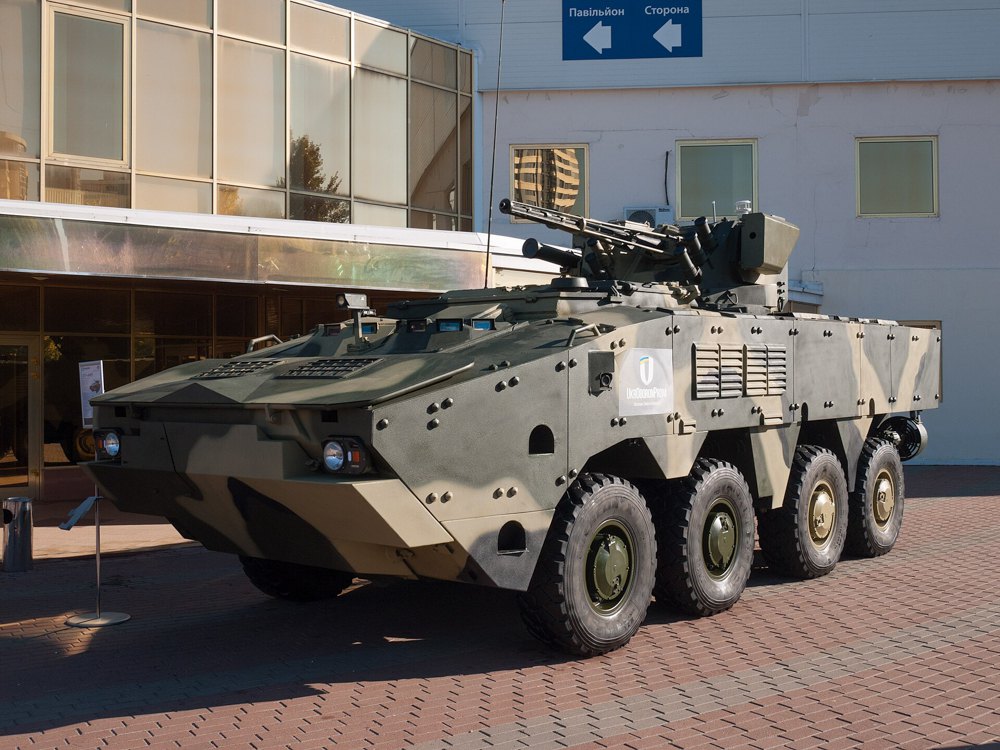
The Russo-Ukrainian war has become both a catalyst for and a defining stage in the disintegration of the post-Cold War international order, which had persisted largely through inertia after the collapse of the Soviet Union. The United States is no longer willing to serve as the world's policeman, while instability is mounting across East Asia, the South China Sea, Europe and the Sahel. As the international system searches for a new equilibrium, ambitious emerging players have an opportunity to reshape the global balance of power in their favour.
Naval component of the drone triad
Ukraine's defence-tech industry has effectively dismantled the traditional concept of dominance by large naval fleets, developing an asymmetric model of maritime warfare. For many countries that cannot afford billion-dollar frigates or cruisers but must protect their coastlines amid growing geopolitical instability, Ukrainian naval drones offer a practical Anti-Access/Area Denial (A2/AD) solution.
Japan has already expressed interest in cooperating with Ukraine on naval drone technology. Tokyo is pursuing an active remilitarisation policy in response to its territorial disputes with China, whose conventional navy is expanding faster than any other in the world and whose determination to "resolve the Taiwan issue once and for all" has intensified as Xi Jinping's third term progresses.
Any potential military confrontation between China and the United States and its allies would largely revolve around securing — or disrupting — maritime supply lines. At the same time, alongside its rapidly growing navy, China is also expanding the People's Liberation Army's naval drone capabilities. Ukrainian technology could provide Beijing's regional rivals with an opportunity to narrow that capability gap. Beyond Japan, the Philippines has also shown interest in cooperation with Ukraine. Kyiv is likewise seeking to establish partnerships with other regional actors, including South Korea, the countries of Indochina and Taiwan.
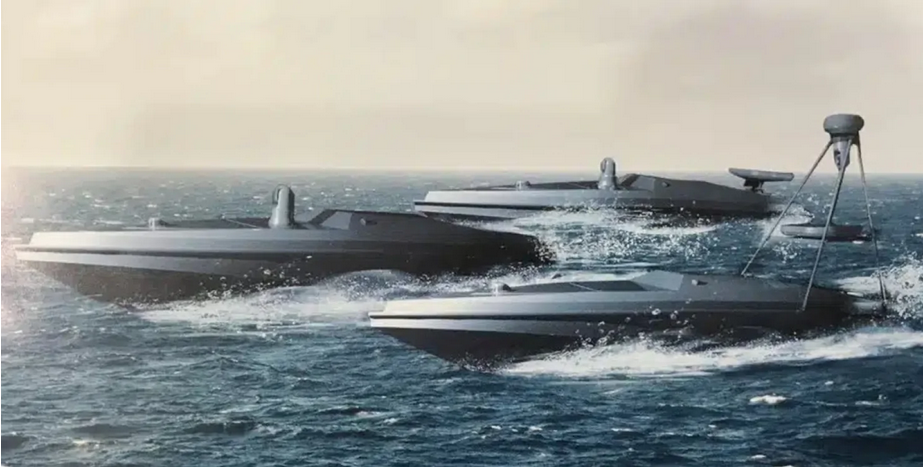
Among uncrewed surface vessels (USVs), platforms such as Magura V5 and Sea Baby have long since evolved beyond the role of one-way attack drones. They are now multi-role, modular maritime robotic systems. Their key advantages include an ultra-low profile, making them extremely difficult for conventional naval radars to detect, AI-assisted autonomous navigation, and the ability to carry a wide range of payloads. Current variants can launch surface-to-air missiles — including adapted R-73 missiles — carry heavy machine guns, electronic warfare (EW) systems, or serve as motherships for airborne FPV drones. Buyers are effectively acquiring an autonomous mosquito fleet capable of disrupting an adversary's maritime operations at a fraction of the cost of conventional naval forces. The US military's use of Magura platforms during exercises in the Philippines demonstrates that even the world's most capable armed forces are seeking to adopt Ukrainian tactics.
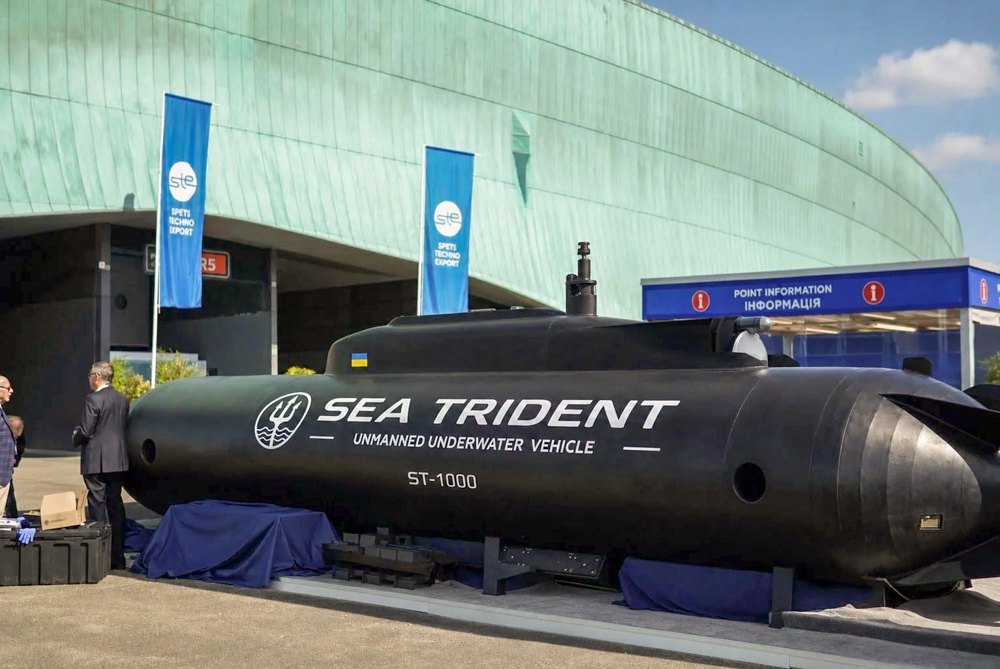
The greatest technological breakthrough — and the most promising export opportunity — lies in the transition to the underwater and open-ocean domain, where Ukrainian developers are once again ahead of global trends. At the Eurosatory defence exhibition in Paris, Ukrainian company Global Mark unveiled the SEA TRIDENT heavy autonomous underwater vehicle. The 10-tonne system has a range of up to 2,000 nautical miles and can operate at depths of up to 60 metres, making it virtually undetectable by most coastal surveillance systems.
For potential customers, SEA TRIDENT's primary strength is its versatility and autonomous navigation. It can covertly deliver nearly one tonne of cargo or explosives to strategic enemy targets, conduct logistics missions in blockaded ports and — uniquely among comparable systems — independently detect, intercept and neutralise hostile underwater drones. At the same time, Ukrainian developers are advancing smaller underwater platforms such as Toloka and Marichka, designed to operate as concealed loitering torpedoes.
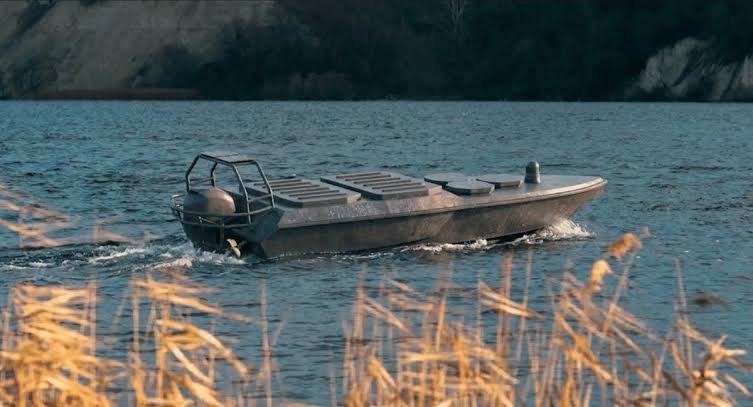
A new addition to Ukraine's export portfolio is robotic maritime systems, which have moved decisively beyond the concept of one-way kamikaze boats to become reusable, multi-role platforms. Global Mark's TRITON uncrewed surface vessel (USV) offers foreign customers a range of up to 600 nautical miles and features a unique gyro-stabilised platform capable of integrating modules for launching reconnaissance UAVs or guided missiles. Another key advantage is its built-in self-destruct system, designed to prevent sensitive technology from falling into enemy hands if capture becomes imminent.
Meanwhile, the Katran family of USVs developed by MAC HUB represents a complete ecosystem for network-centric maritime warfare. The line-up ranges from the low-signature Katran X1 reconnaissance platform and tactical FPV drone carrier, equipped with satellite communications terminals, to the heavy strike Katran Venom, capable of speeds of up to 130 km/h. The Venom features AI-enabled automatic target tracking, heavy machine-gun turrets, MANPADS, and long-range smart torpedoes. This diversified product family allows customers to build a tailored mosquito fleet, with different drone variants operating as a single integrated combat system.
The battlefield performance of Ukrainian naval drones has fundamentally reshaped modern naval doctrine, demonstrating how relatively inexpensive asymmetric systems can neutralise and effectively dismantle a conventional fleet. Ukrainian uncrewed surface vessels have evolved from isolated night-time raids into highly coordinated combined-arms operations. One of the clearest examples was the successful effort to push Russian forces back from the Black Sea and restore control over strategic positions, including the operation around the Boyko Towers. During that mission, Katran drones operated as part of a unified AI-enabled network: some carried out electronic warfare and provided fire support, others launched airborne reconnaissance drones, while additional platforms conducted covert attacks using underwater torpedoes. This proven capability to operate autonomously in an environment of intense electronic warfare and GPS denial has become one of the most compelling selling points for countries preparing for future maritime conflicts.
For countries facing the threat of amphibious assaults or territorial disputes over islands, Ukraine's ocean-going and underwater autonomous systems offer a fundamentally new approach to naval warfare. Instead of investing in large, vulnerable warships, they can deploy hundreds of autonomous underwater vehicles capable of remaining dormant for weeks before striking an invading amphibious force at short notice.
Ukraine's missile programme
Despite the rapid expansion of land, aerial and maritime drones, missiles remain indispensable. They deliver greater destructive power and can strike hardened targets—such as reinforced ammunition depots or large industrial facilities—that exceed the payload capacity of even the largest drones.
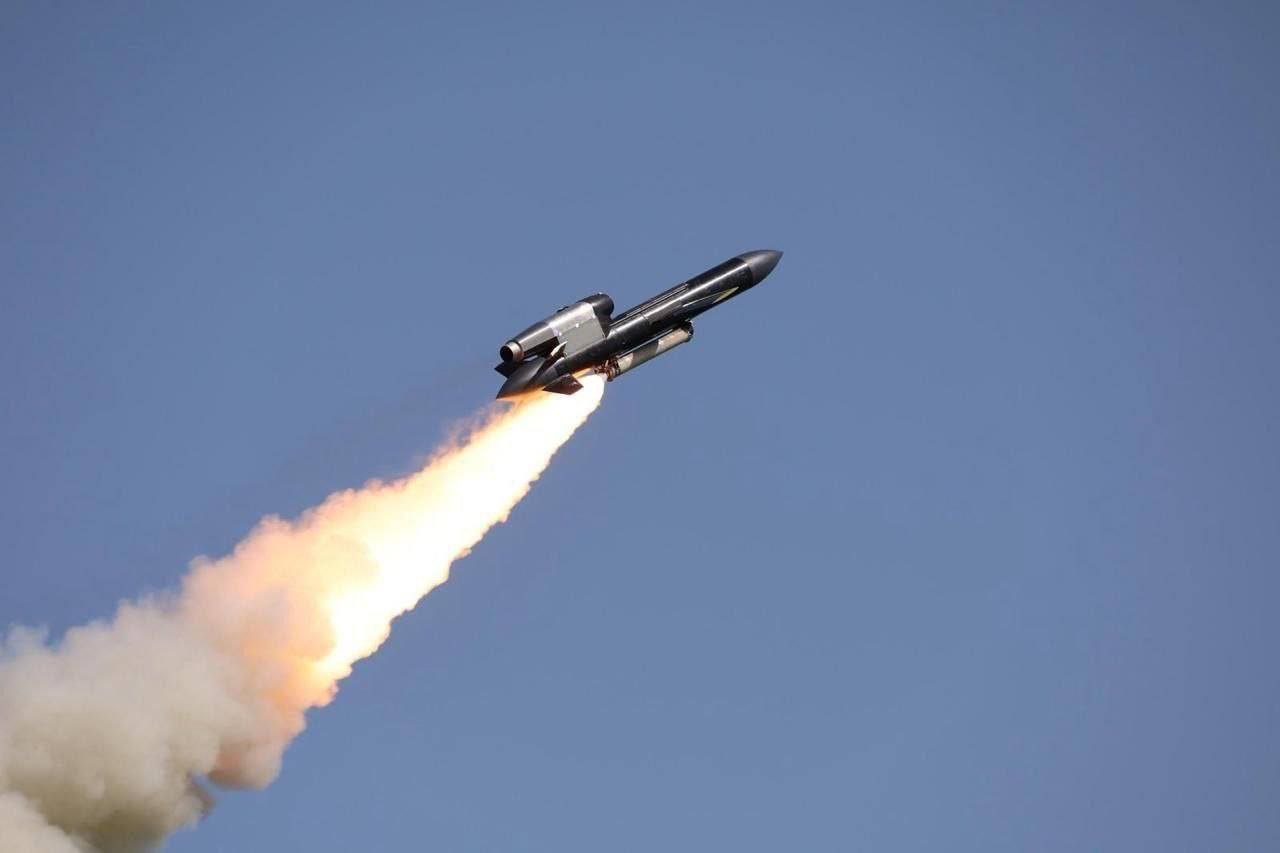
Missile development remains one of the most technologically demanding sectors of the defence industry, mastered by only around 20 countries, and Ukraine is rapidly rebuilding its capabilities in this field. Ukraine is currently expanding production of small cruise missiles, including the Areion (UAV-290, or Palyanytsia), Bars, and Ruta, with payloads ranging from 100 to 250 kg. It is also producing the FP-5 Flamingo cruise missile, reportedly capable of flying up to 3,000 km while carrying a 1,150 kg payload. In the anti-ship category, Ukraine manufactures the R-360 Neptune, with a range of up to 280 km, as well as the R-360M (Middle), with an estimated range of 500 km, and the R-360L (Long), capable of reaching approximately 1,000 km, carrying payloads of between 150 and 260 kg. Much of this arsenal has already demonstrated its combat effectiveness under real battlefield conditions. The best-known examples include the sinking of the Russian Black Sea Fleet flagship Moskva by Neptune missiles and FP-5 Flamingo strikes against targets inside Russia.
The principal advantage of Ukrainian missiles is much the same as that of the country's artillery systems and drones: they are practical, robust and designed for wartime mass production. They are powerful enough to inflict significant damage while remaining affordable enough to be manufactured and launched in large numbers.
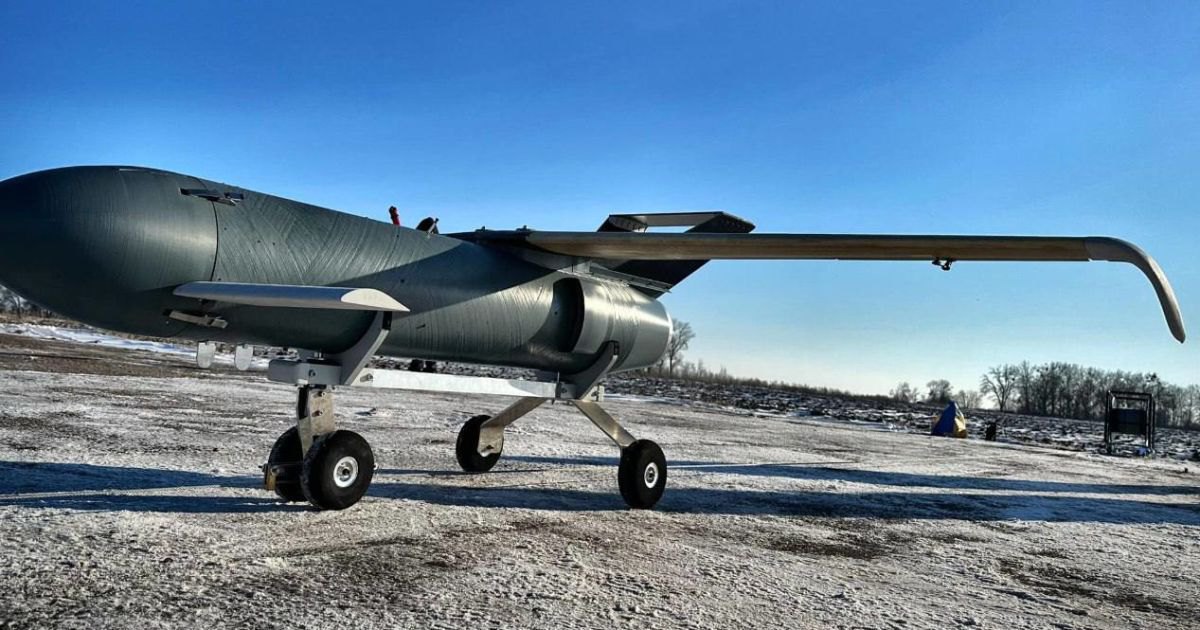
Ukraine's defence industry is also preparing to launch serial production of the Sapsan ballistic missile, with a range of up to 500 km and a 480 kg warhead. In parallel, it is developing the FP-7 ballistic missile, with a range of up to 200 km and a 150 kg warhead, as well as the FP-9, designed to reach 850 km while carrying an 800 kg warhead. Final production costs will only become clear once development is complete, although Denys Shtilerman, chief designer and co-owner of Ukrainian company Fire Point, previously estimated the FP-7 would cost up to $500,000 per unit.
It is important to note that missiles are operational- and strategic-level weapons, making their export market far more tightly regulated than that of the other defence products discussed above. In particular, the Missile Technology Control Regime (MTCR)—an informal but widely observed export control arrangement that Ukraine joined in 1998—effectively restricts exports of missile systems with a range exceeding 300 km and/or a payload greater than 500 kg. Ukraine's best-known missile, the FP-5 Flamingo, clearly exceeds these thresholds, as does the planned FP-9. At the same time, the international arms control framework is under increasing strain, and it is conceivable that, if necessary, European governments could choose to depart from MTCR guidelines.
Another obstacle to missile exports is bureaucracy. Missile testing and certification typically take months, while certification procedures in Europe can stretch into years. For this reason, the FP-5 Flamingo, although widely described as a cruise missile, has been officially certified as an unmanned aerial vehicle (UAV). As a result, Ukraine's European partners may need to simplify their procurement procedures or establish dedicated legal frameworks for importing such systems; otherwise, acquisitions could face years of delay.
It is equally clear that exporting weapons of this category requires carefully selecting partner countries, with security and political considerations taking precedence over purely commercial ones. In practice, Europe—and potentially Japan—appears to be the only export market where Ukraine could pursue such sales with an acceptable level of strategic risk.
European security and Ukraine's ambitions
Today, Russian ballistic missiles remain among the most difficult threats for Ukraine's air defence to intercept. Because of their flight trajectory, missile defence (BMD) radars often detect them only during the terminal phase of flight, when they are already approaching their target. At that stage, they can travel at several hundred metres per second, leaving defenders with a window of only tens of seconds to engage them. As a result, ballistic missile defence systems can effectively protect only a relatively limited area around their deployment site.
Ballistic missile defence systems and their interceptors are both expensive and scarce. The market is dominated by only a handful of products and is facing a critical supply shortage. In the most widely used segment—operational and tactical missile defence systems designed to intercept ballistic missiles during the terminal phase—there are effectively only two options: the US-made MIM-104 Patriot (PAC-3) and Europe's SAMP/T.
Production of PAC-3 interceptors is currently capped at around 620 missiles per year because of supply chain bottlenecks among subcontractors. Manufacturing a single interceptor takes approximately 24 months, while producing its rocket motor requires up to 30 months. Meanwhile, the United States and its allies reportedly expended more than 1,500 interceptors during the first half of 2026 in the conflict with Iran. Existing production is fully booked for the next seven years, while the export price of a single interceptor is estimated at around $6 million. Because the technology is considered strategically sensitive, Washington has been reluctant to share it. However, the acute shortage has prompted allies—including Germany—to press the United States to approve the construction of a new PAC-3 interceptor production facility on German soil. Europe's SAMP/T system is estimated to be at least twice as inexpensive, but production volumes remain significantly lower. Against this backdrop, Europe's shortage of strategic missile defence capabilities, combined with deteriorating transatlantic relations, is creating favourable conditions for the emergence of Ukrainian defence exports.
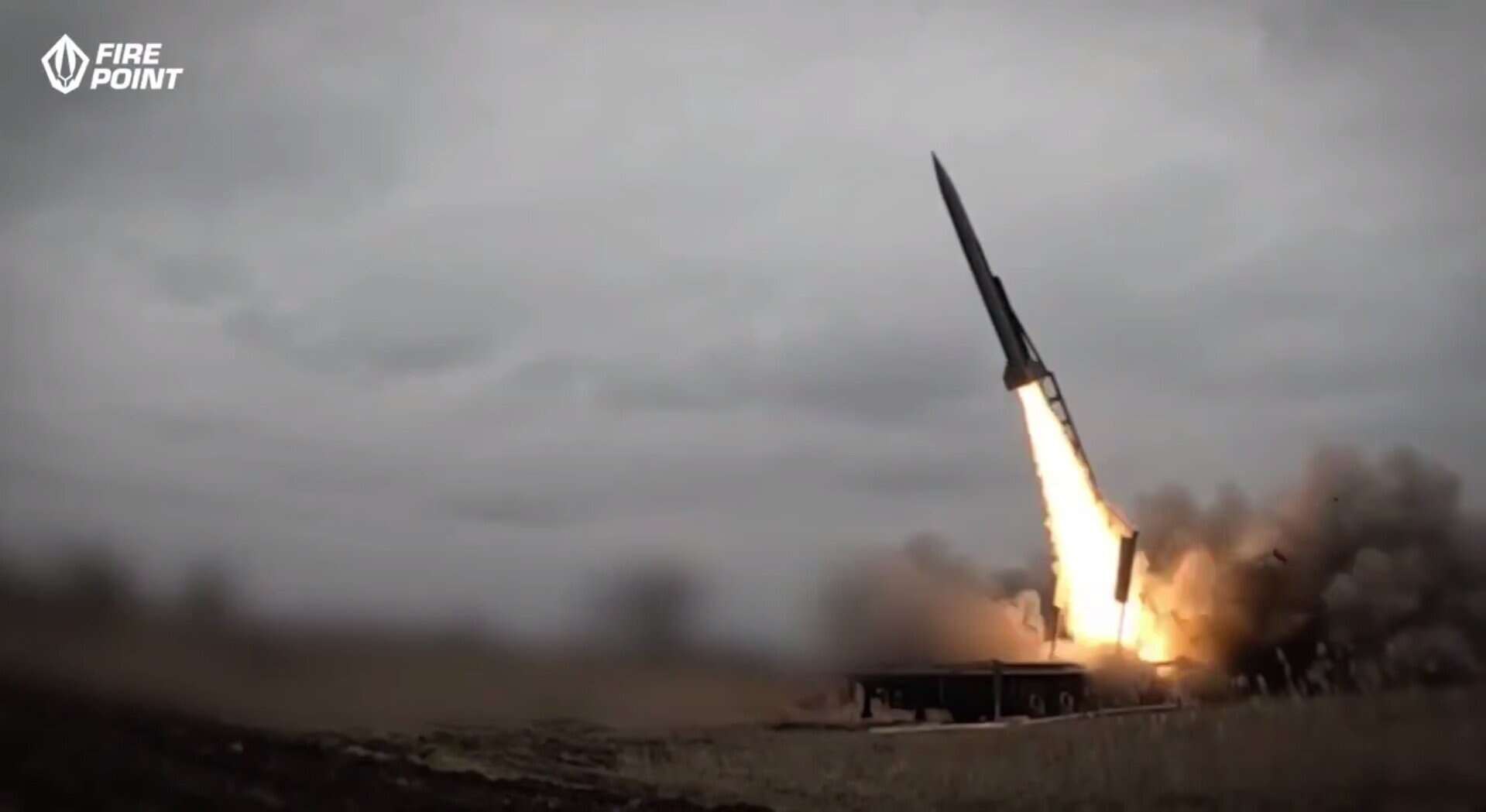
Arguably the most important project currently under development by Ukraine's defence industry is the FP-7.X Freya interceptor missile—an affordable alternative to the Patriot interceptor. Developed by Fire Point, the missile is based on the FP-7 (itself derived from the 48N6 missile used by Russia's S-400 air defence system) and is designed to intercept ballistic missiles. According to the company, serial production could begin as early as August 2026. The interceptor is expected to cost no more than $700,000 per missile, while a launcher capable of carrying four interceptors is projected to cost around $150,000.
If Freya delivers on its promise of low cost, high production capacity and localised manufacturing, it could become a major competitive advantage. A European ballistic missile defence shield built around such capabilities would represent another step away from dependence on the United States and towards Europe's own geopolitical and military autonomy. For Ukraine, it would mark a transition from being a regional security actor to one with influence at the continental level.
Cooperation with allied defence industries
Despite its rapid progress, many Ukrainian defence products do not yet incorporate the most advanced technologies available globally. The reason is straightforward: although the full-scale war has accelerated the development of the defence sector, decades of lost investment in fields such as electronics and materials science cannot be reversed within just a few years. Nevertheless, Ukraine's defence industry has established a strong reputation and is rapidly expanding cooperation with European defence companies.
Over the past several months, Ukrainian firms have signed numerous memoranda of understanding, including partnerships between SkyFall and Airbus Defence and Space; Luch Design Bureau and MBDA; Ukrainian Armour and MBDA; Fire Point and Hensoldt; TAF Industries and PGZ; TAF Industries and Recas; DevDroid and Kongsberg; Frontline Robotics and Dropla; Roboneers and ARX Robotics; Ukrainian Unmanned Technologies and Haulotte; Ukrainian Armour and AviaNera Technologies; AIDronesUA and Njord Technology; Rovertech and STRONGHOLD AI; Frontline Robotics and Milrem Robotics; and MAC HUB and Paramount Greece, among many others.
Read alsoWhat Ukraine gained from Eurosatory 2026, Europe’s largest defence exhibition
European defence giant MBDA and Ukraine's Luch Design Bureau have signed a memorandum of understanding (MoU) to cooperate on the further production and modernisation of the Neptune cruise missile. With experience developing systems such as Storm Shadow, Taurus, Meteor and Aster-15/30, MBDA could provide Luch with technologies and manufacturing expertise that would be difficult to develop independently in a short timeframe. Luch is also working with Diehl Defence to upgrade the Neptune missile under a separate technology cooperation agreement.
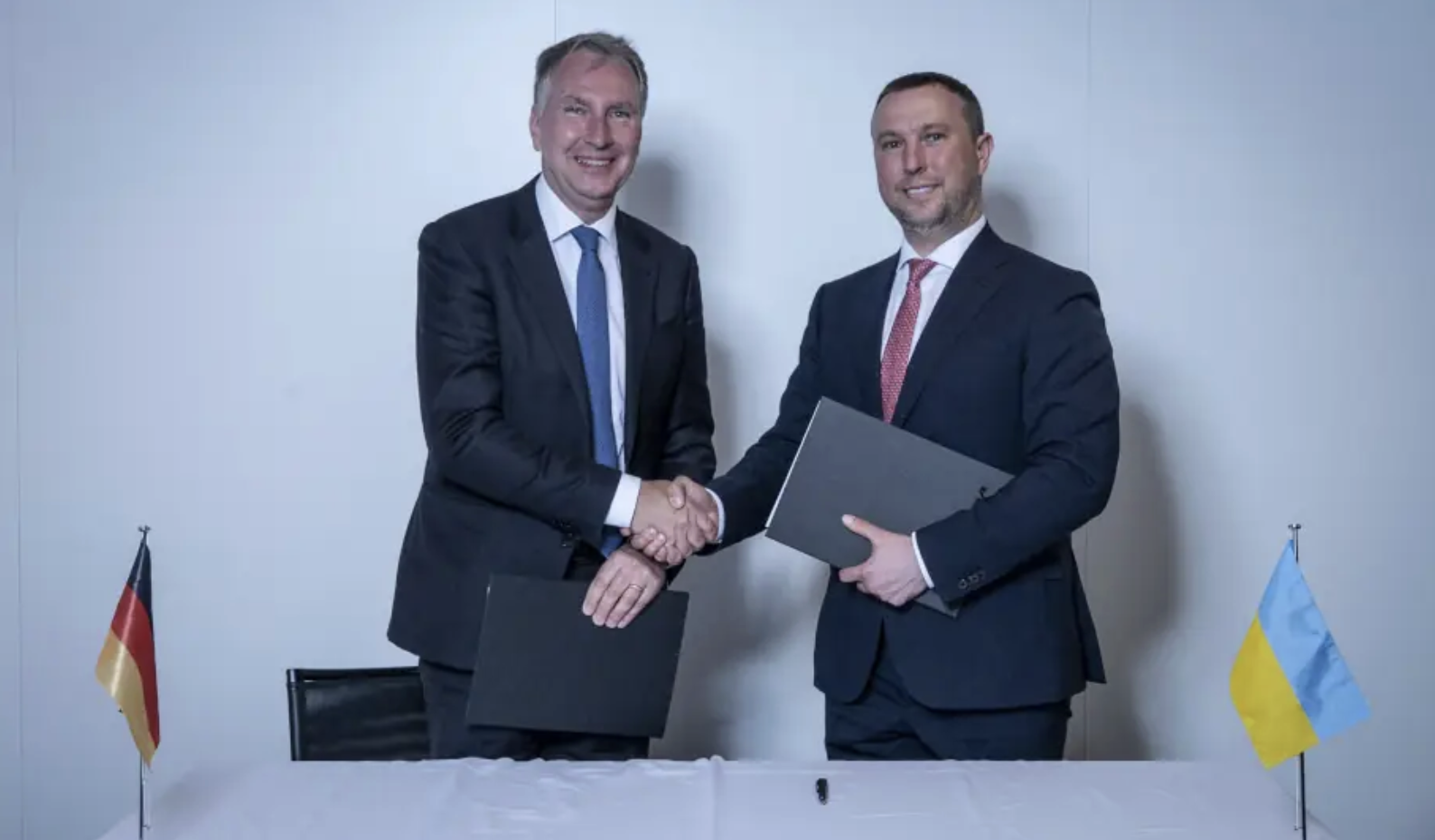
In April 2026, Diehl Defence signed a technology agreement with Ukrainian company Fire Point, although its details were not disclosed publicly. The German defence firm is now in talks with Fire Point to expand the partnership, including the potential joint production of FP-5 Flamingo cruise missiles in Germany.
Fire Point has also signed a memorandum of understanding with German radar manufacturer Hensoldt. The companies will cooperate on the European Freya air defence project. Under the agreement, Hensoldt will manufacture and supply TRML-4D radar systems, capable of detecting and tracking more than 1,500 targets simultaneously at distances of up to 250 kilometres. Fire Point will develop and produce FP-7.x interceptor missiles, launchers and command-and-control systems, integrating all components into a single air defence system.
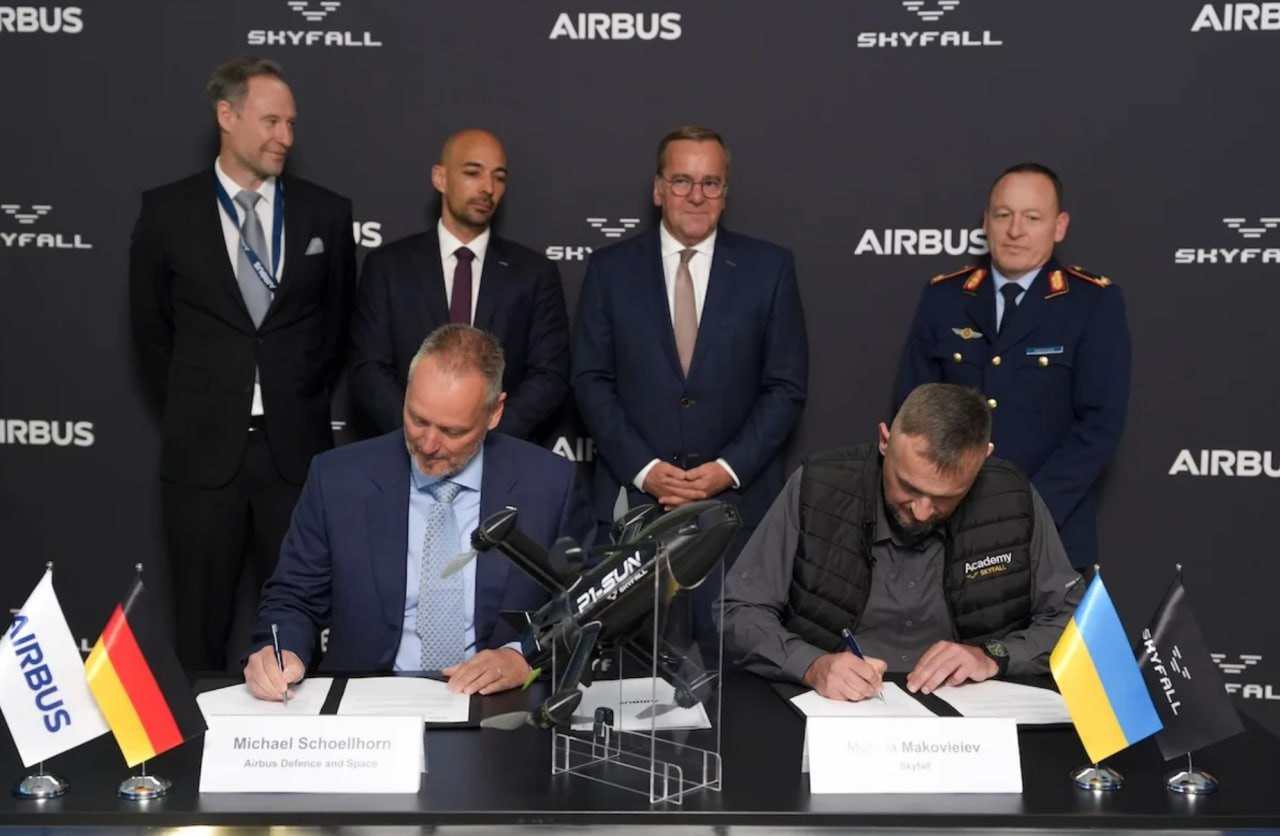
Meanwhile, Ukrainian company SkyFall and Airbus Defence and Space have signed a strategic partnership memorandum. The companies plan to integrate Ukraine's P1-Sun interceptor drones with the Airbus Air C2 airspace management system, incorporating Ukrainian technology into European air defence and missile defence networks. The partnership is also expected to help bring Ukrainian defence technologies to the European market.
Ukrainian Armor and MBDA have signed a memorandum on a strategic partnership in long-range strike capabilities and counter-uncrewed systems. The agreement provides for technology sharing, the development of new defence solutions and the possible establishment of joint ventures. MBDA said it intends to support the growth of Ukraine's defence industry and strengthen its independent manufacturing capabilities.
Ukrainian Armor has also signed a strategic partnership agreement with Czech company AviaNera Technologies, part of Czechoslovak Group, to expand cooperation on the development and supply of engines for Ukrainian missile and uncrewed systems. The partnership also envisages future joint ventures, expanded production capacity and the localisation of relevant technologies in Ukraine.
Ukrainian company TAF Industries and Poland's state-owned defence group PGZ have signed a memorandum to localise drone production in Poland. The agreement also covers joint research and development projects, as well as mechanisms for co-financing future initiatives.
TAF Industries has also signed a cooperation memorandum with Sweden's Recas to jointly manufacture unmanned ground vehicles (UGVs). The companies are considering launching joint production facilities both in partner countries and in Ukraine.
Meanwhile, Ukrainian company DevDroid and Norway's Kongsberg Defence & Aerospace have signed a memorandum of understanding on long-term cooperation in the production of existing and next-generation remotely operated combat robotic systems.
Ukrainian company AIDronesUA has signed a strategic partnership memorandum with Sweden's Njord Technology to jointly manufacture the MAUL unmanned ground vehicle (UGV), which is used to evacuate wounded soldiers from the battlefield. The companies plan to establish joint MAUL production in Sweden.
Ukraine's Roboneers and Germany's ARX Robotics have announced the creation of a joint venture, ARX Industries, which will manufacture Lys Pro robotic ground systems at production facilities in Germany and Ukraine. The partners expect to produce thousands of UGVs in the first year of operation, with output gradually increasing to tens of thousands of units annually.
Ukrainian Unmanned Technologies and French manufacturer Haulotte have signed an industrial partnership agreement to jointly produce Ravlyk robotic ground platforms. Haulotte will provide its industrial, logistics and service capabilities to support large-scale manufacturing.
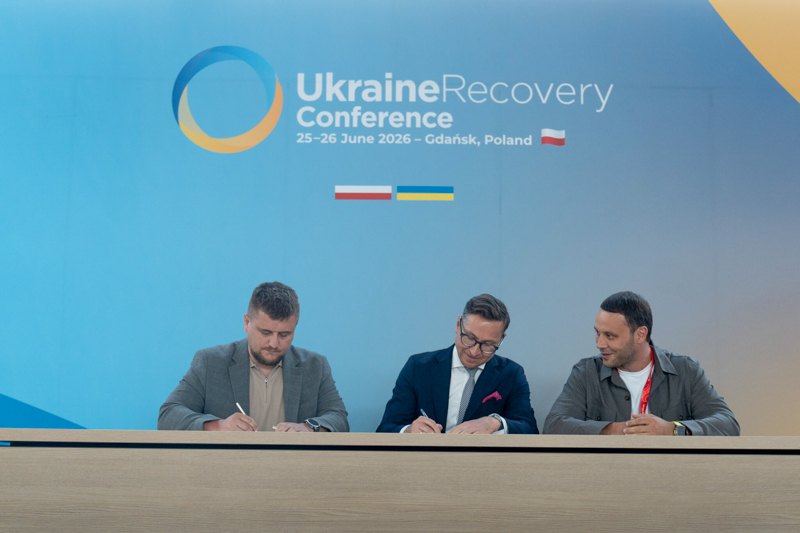
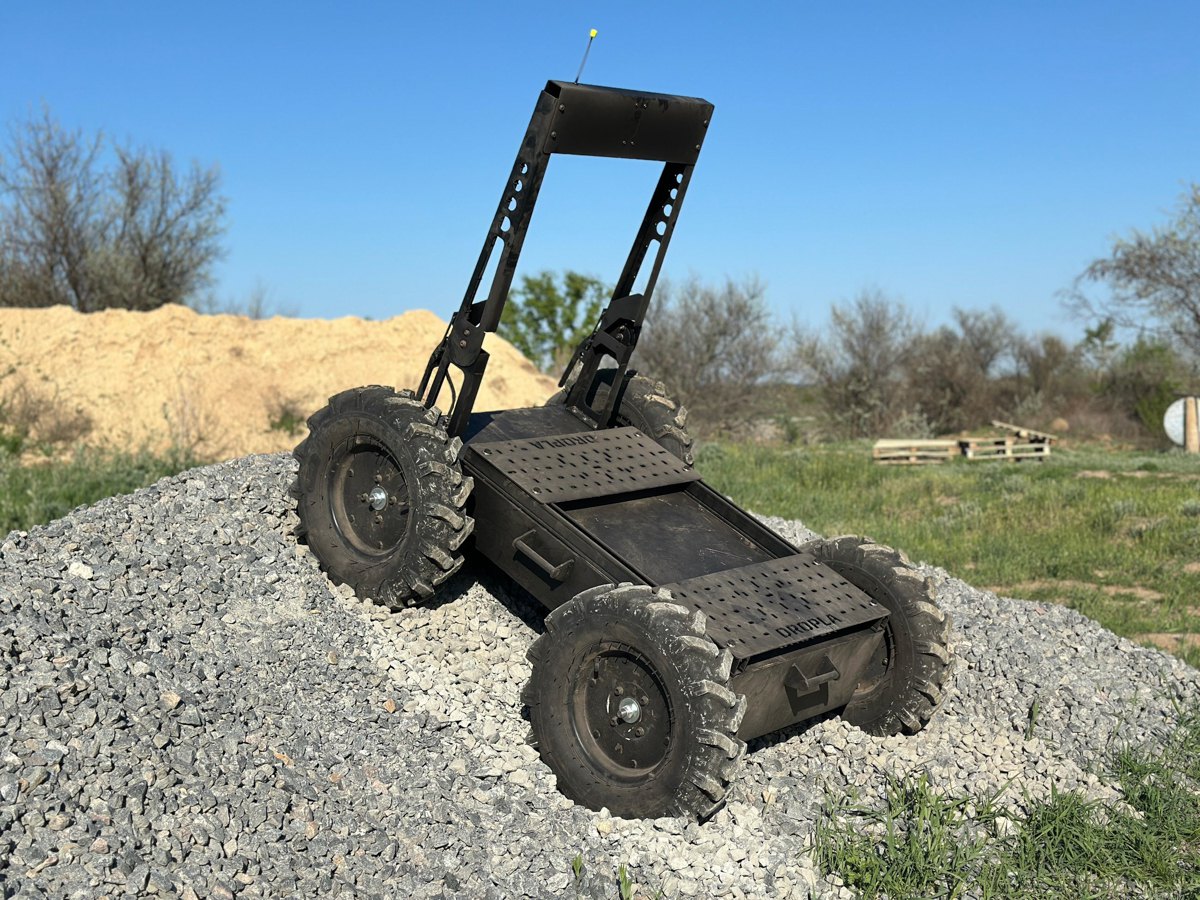
Ukrainian company Frontline Robotics and Danish-Ukrainian firm Dropla have agreed to cooperate on unmanned ground systems and jointly develop AI-powered solutions for real-time detection of small drones. Under the partnership, Frontline Robotics' Buria robotic turret will also be integrated onto Dropla's Logist unmanned ground vehicle.
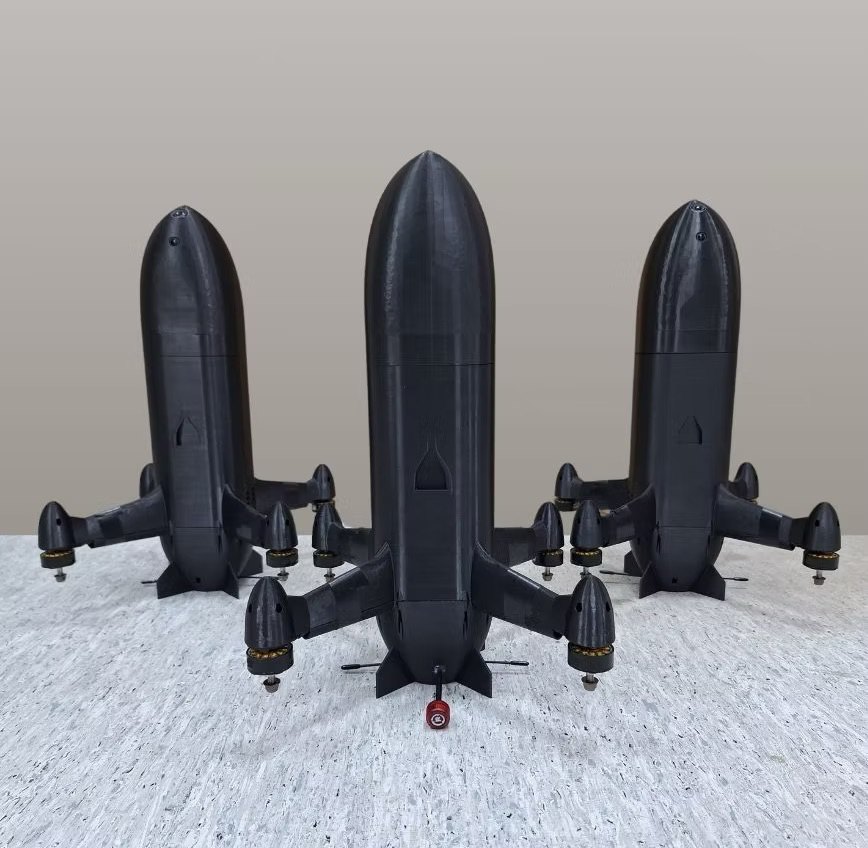
Ukrainian company MAC HUB and Greece's Paramount Greece are expanding their strategic partnership. The companies will jointly advance MAC HUB's MAC Dead Fly interceptor drones and Katran maritime drones, while exploring opportunities to establish production of these systems outside Ukraine.
According to the South China Morning Post, Ukraine and Japan are preparing to launch the Japan-Ukraine Drone Cluster, which will bring together Ukrainian and Japanese defence companies, research centres and universities. The initiative is expected to focus in particular on unmanned surface and underwater systems. President Volodymyr Zelenskyy has previously said that Ukraine will soon be capable of producing "ocean-going drones".
Kyiv should also prepare for anticipated constitutional changes to Japan's arms export policy. Once both countries fully open defence exports, Ukraine could become one of Japan's key defence industry partners, benefiting from bilateral trade, Japanese technology and investment, as well as the establishment of Ukrainian production facilities in Japan and Japanese manufacturing in Ukraine. Ukraine could ultimately become a regional hub for Japan's defence sector, similar to the partnership between Poland and South Korea. Japanese company Terra Drone Corporation has already invested in Ukrainian developer Amazing Drones to support the development and large-scale production of interceptor drones.
Prospects and challenges of foreign defence partnerships
Ukraine's defence innovation cluster Brave1 has launched a new initiative, Brave Prime, aimed at directly integrating global technology companies into the country's military innovation ecosystem. The first practical step under the programme was the signing of cooperation agreements with Swedish defence company Saab and European aerospace group Airbus.
Attracting major international defence companies is driven by the need for external investment to scale Ukrainian technologies and gain access to critical technological expertise. At the same time, Ukraine must carefully manage technology transfer to ensure that domestic companies retain intellectual property rights to their key innovations.
Partnership agreements should prioritise the creation of joint ventures and the expansion of manufacturing within Ukraine, particularly under the Build in Ukraine and Buy from Ukraine initiatives. One of the main reasons foreign companies actively participated in the earlier Build with Ukraine programme, which focused on expanding production abroad, was the country's restrictions on defence exports.
Beyond the direct economic benefits — including new jobs, industrial development, higher GDP and additional tax revenue — expanding production in Ukraine would integrate the country's defence industry into European and global supply chains. In turn, this would strengthen partner countries' strategic interest in Ukraine's long-term security.
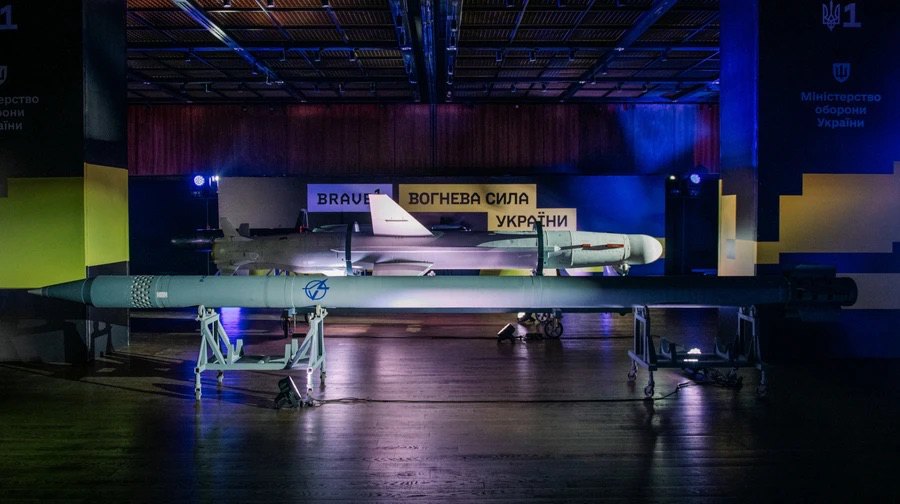
Intergovernmental funding mechanisms for Ukraine's defence industry, including the Danish model and the EU's SAFE programme, are expected to drive the sector's growth in the coming years. Under the Danish model alone, €1.7 billion was invested in Ukrainian defence manufacturing during 2025. Overall, Ukraine's defence industry received more than $6 billion in foreign funding that year.
SAFE is a European Union initiative that will provide €150 billion in loans through 2030 to finance arms production and defence industrial investment across Europe. Fifteen EU member states have already announced plans to use part of these funds for joint production with Ukraine or to place orders with Ukrainian defence manufacturers.
Attracting private foreign investment is equally important. Private investment in Ukraine's defence technology sector rose from $6.7 million in 2023 to around $50 million in 2024 and exceeded $105 million in 2025. Last year, Ukrainian defence start-ups attracted roughly one-third of all early-stage (Pre-Seed, Seed and Series A) defence technology investment in Europe.
However, Ukraine still faces significant obstacles to securing the larger-scale investment needed for industrial expansion. These include the absence of state co-financing and investment guarantee mechanisms, a lack of public-backed investment funds, an underdeveloped and illiquid capital market, insufficient intellectual property protection and capital movement restrictions.
Providing investment guarantees — including insurance against political violence and war-related risks — could encourage venture capital funds, pension funds, sovereign wealth funds, banking groups and major investment firms to finance Ukrainian defence companies.
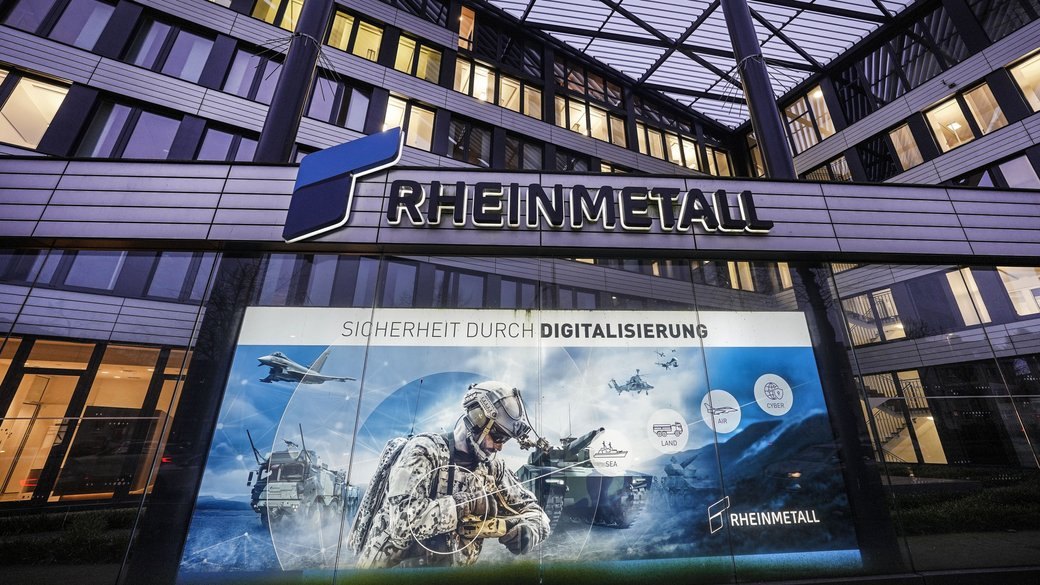
Ukraine also needs to expand state-backed concessional lending programmes, increase government grants and strengthen support through the Innovation Development Fund to accelerate the growth of its defence industry. Improving the investment climate and removing bureaucratic obstacles that discourage foreign investors will be equally important. The prolonged delays surrounding the construction of Rheinmetall's planned factory in Ukraine should serve as a wake-up call and prompt meaningful improvements to the business environment.
Ukraine's defence industry has a historic opportunity to scale rapidly, attract investment, enter new markets and integrate into European and global defence supply chains. Seizing this opportunity will be crucial not only for strengthening Ukraine's defence capabilities and geopolitical influence, but also for driving long-term economic growth. The alternative would be the relocation of Ukrainian companies, expertise and technologies abroad.
Conclusions
Ukraine's maritime drones have emerged as an effective tool of asymmetric warfare and, through closer cooperation with partners in East Asia, could strengthen the defence capabilities of countries such as Japan, the United States and Taiwan. Meanwhile, Ukraine's missile programme has the potential to provide Europe — and possibly parts of the Middle East — with an alternative to US-made missile defence systems, much as Ukrainian drone technologies have already reshaped responses to Iranian-designed drone threats.
The country's defence sector, however, still faces significant challenges, including limited financing, gaps in technological expertise, insufficient capacity for advanced research and development, and an objective technological disadvantage in certain areas. Choosing international partners carefully will therefore remain essential.
Global demand for weapons is expanding faster than manufacturers can meet it, while the international security order continues to evolve. Ukraine has the potential to become a major contributor to regional security if it can fully capitalise on its defence-industrial capabilities. Doing so would not only help deter future Russian aggression but could also reshape the balance of power across Europe.