





František Fekete: We Are Interested in the Moment When Art Becomes Something Necessary
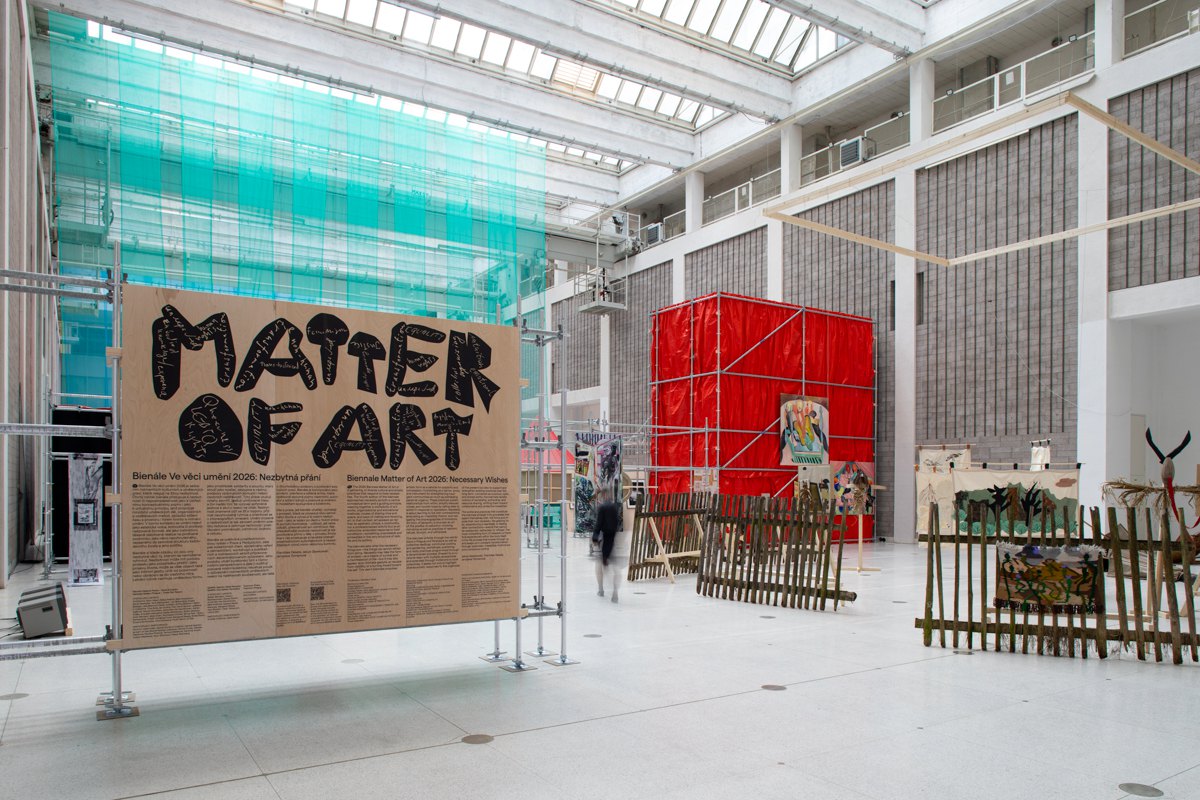
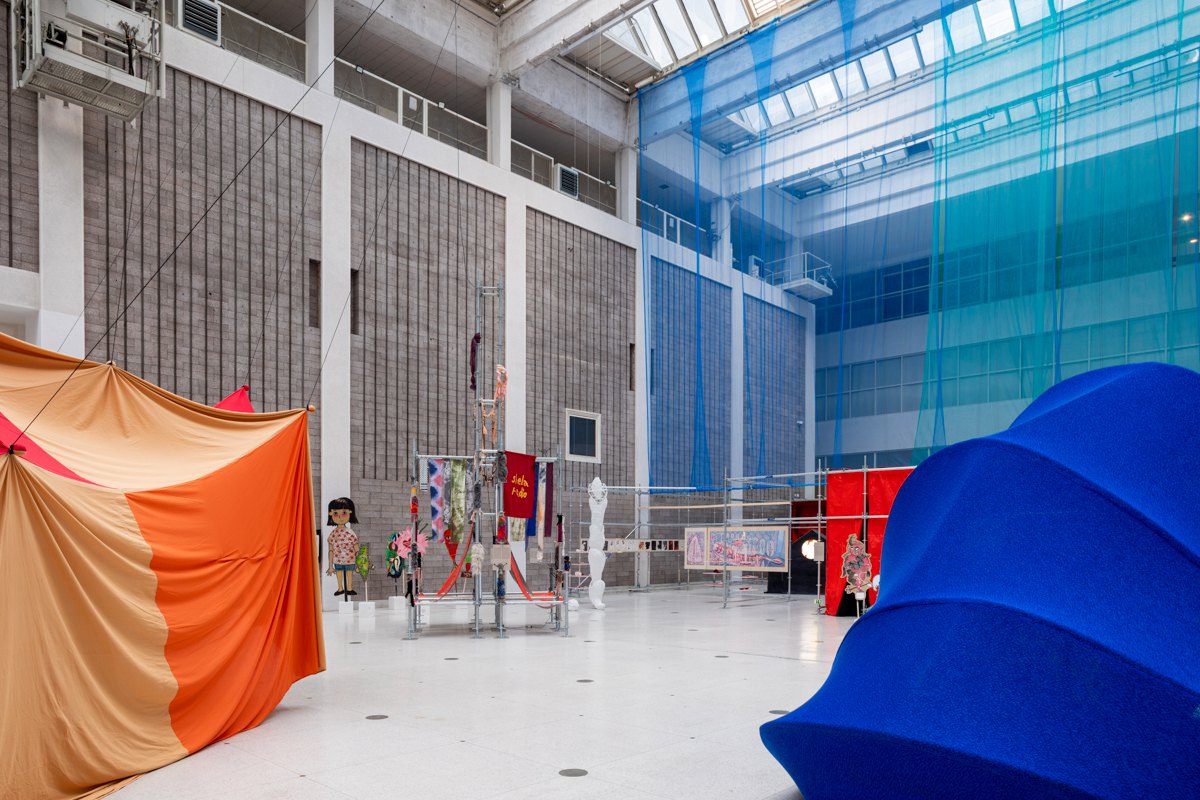
We meet František Fekete, one of the co-curators of the Matter of Art Biennale, by a tent in the middle of the vast hall of the Trade Fair Palace of the National Gallery Prague. Once, this historic hall hosted fairs, including industrial and technical ones; business deals were struck here and economic trends were set. Today it is a venue for the biennial, and anyone can enter free of charge. The Czech biennial, with all its programmes, is always free, because the organisers want art to be accessible.
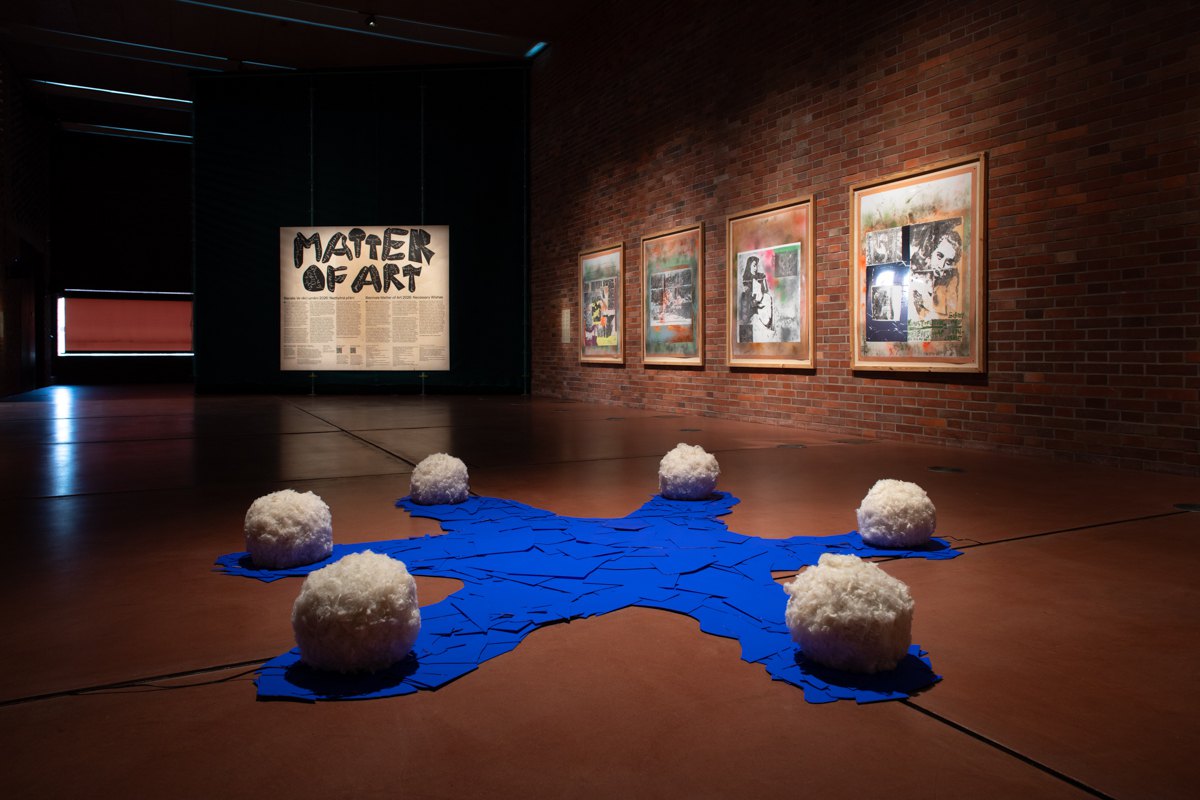
“Working in this space was a major challenge for us, because the entire Trade Fair Palace is a protected heritage site,” František Fekete shares. “You can’t drill into the walls or the floor at all. So all the objects had to be suspended or fixed to structures. I think our architects handled it quite well.”
The biennial’s main theme is necessity.
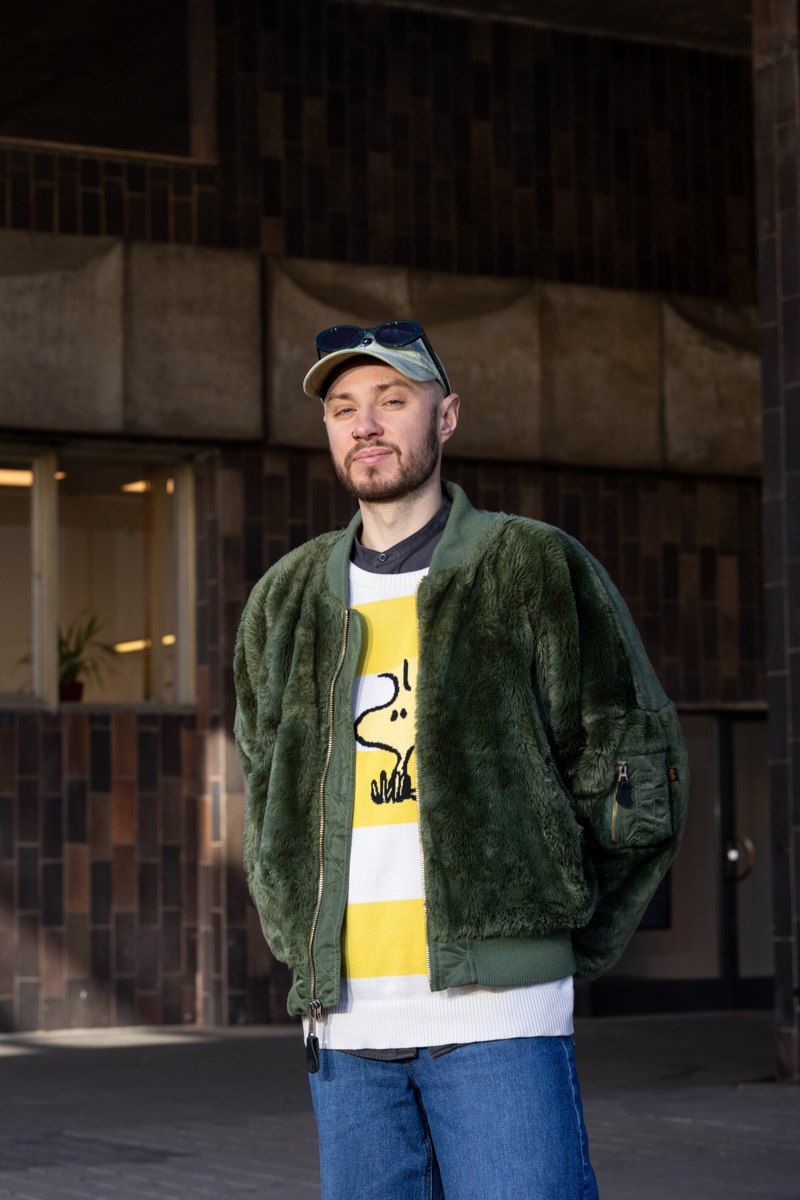
“It’s a category we tried to use to bring together different curatorial and artistic approaches,” Fekete continues. “We are, in fact, interested in the moment when art becomes something necessary. Something we have to do in order to respond to what is happening. And that is true both politically and psychologically. It is an exploration of how an inner need arises to become someone, and how art can help with that.”
Among this year’s thematic strands, the curator names the experience of war, identity, and looking back into history.
Shortly before our meeting, Fekete returned from the Kyiv Biennial, which this year is taking place in Berlin and with which the Czech biennial has a long-term partnership.
“There has long been an interest there in Ukrainian art and in how it reflects on the present and the future—there are an extraordinary number of compelling artistic voices,” he says. “Our biennial is largely oriented towards Central and Eastern Europe. Of course, the whole region is undergoing a certain political transformation. There is a war in Ukraine. So it seems important to us to look at the art that is emerging precisely here. That is why our biennial has always been a space where many voices from Central and Eastern Europe, including Ukraine, meet.”
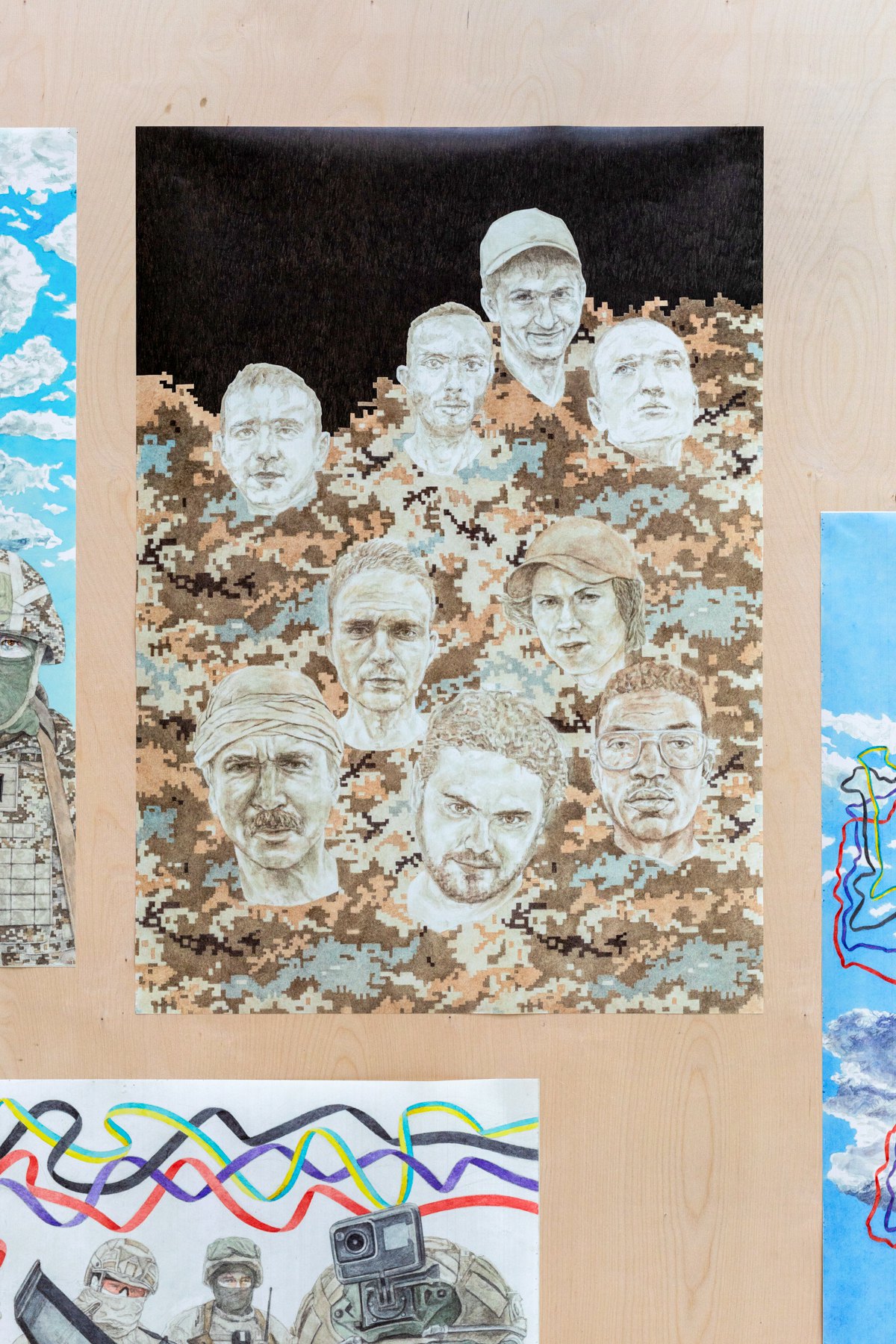
Mr Fekete stresses that, as last year, the representation of Ukrainian artists at the biennial in Czechia is substantial. He mentions the names of Davyd Chychkan and Artur Snitkus, two artists and soldiers. Both were killed while carrying out combat missions, and works by both are included in the exhibition.
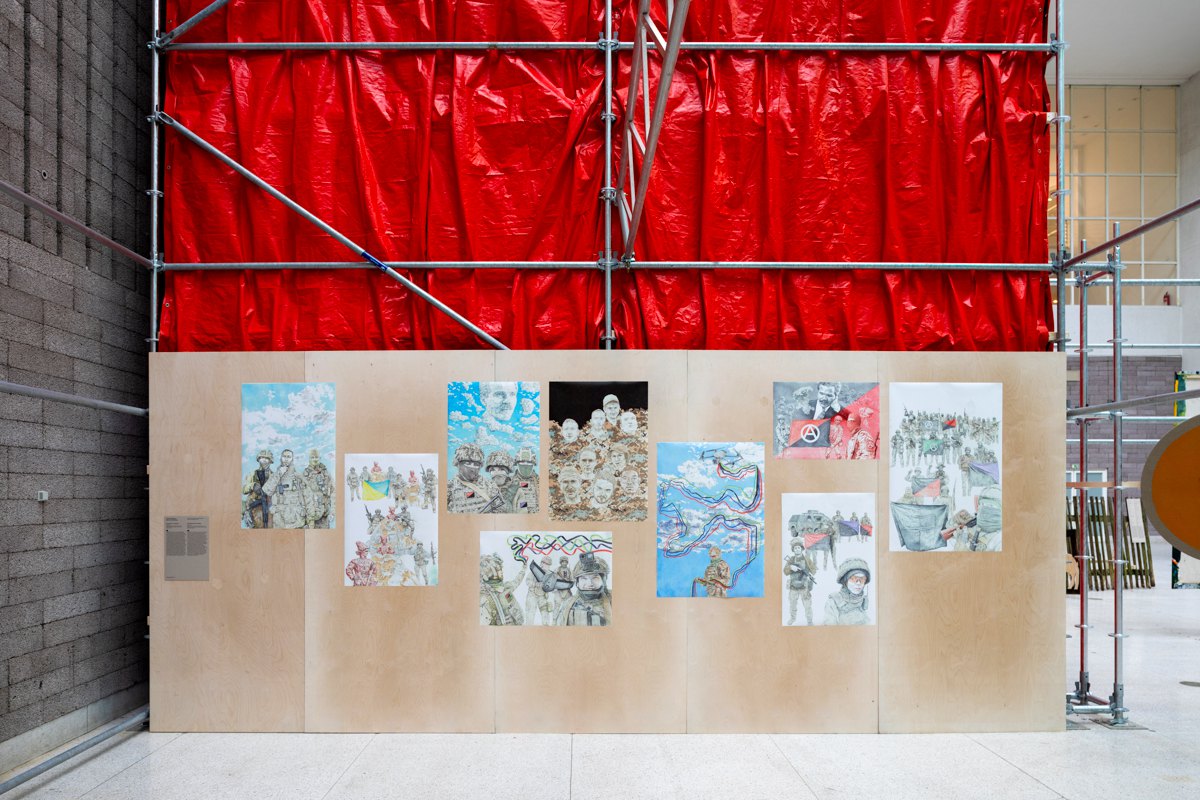
The biennial’s website notes the following about the works of Davyd Chychkan, who was killed a year ago:
“The graphic series depicts collective portraits of anarchists and anti-authoritarian left-wing activists who are fighting for Ukraine or gave their lives defending it. It brings together soldiers from different units into a single composition to show the solidarity of leftist movements and civic life in Ukraine in the face of total aggression.”
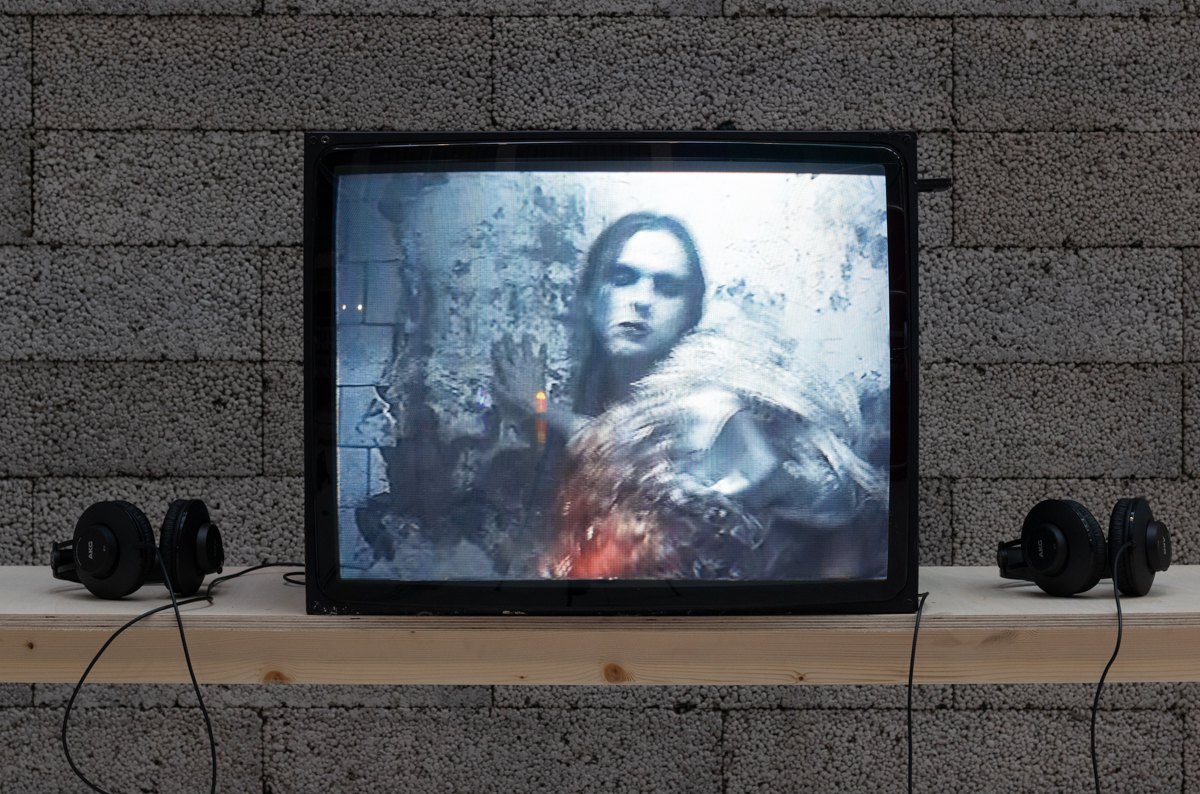
Artist Artur Snitkus was killed in 2024, but here, in a film by the queer artist AntiGonna, his image comes back to life.
“The power of the film is heightened by the real fate of its main character. It demonstrates art’s ability to preserve what passes in life. This work was created out of necessity, as a silent witness to hope and resistance to injustice,” the biennial’s website says.
Yan Bachynskyi: When You Work with an International Audience, You Can’t Keep Appealing Endlessly to Emotions of Pity, Despair, Anger and Anxiety
Right by the tent in the same hall where we are speaking with Mr Fekete stands a large, vivid textile installation, “Current Installation of the Apocalypse”. It consists of human figures formed from clothing and pieces of fabric, with separate speech-bubble-like statements placed alongside.
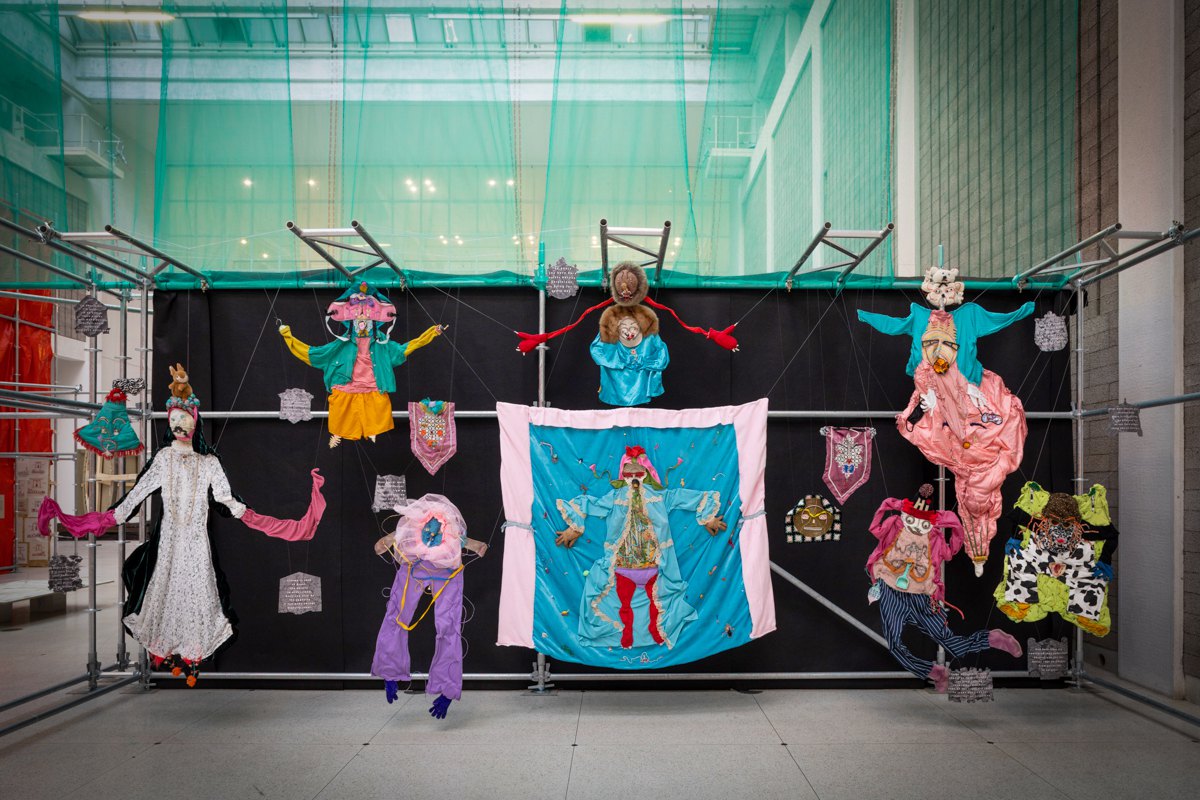
It is one of six new art projects created specifically for the biennial by Ukrainian artist Yan Bachynskyi, who currently lives in Lviv.
“This is an installation made up of textile bas-reliefs that I have been creating throughout the full-scale invasion—from 2022 until now—in different cities, places and countries where I have had to live,” Bachynskyi explains. “In those circumstances, the most understandable material at hand was my own clothing. And some found items, gifts, friends’ clothes—these kinds of remnants of everyday life.”
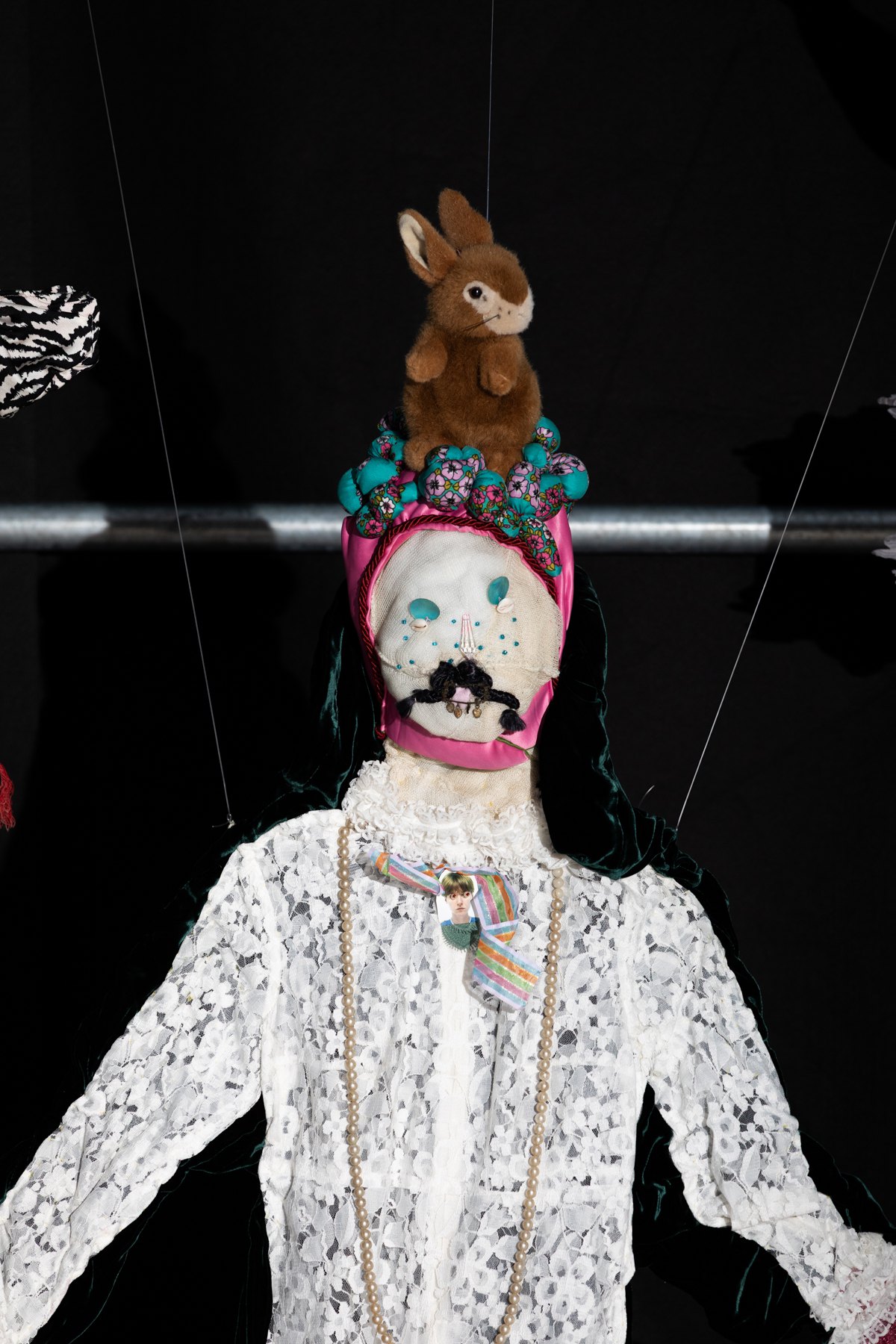
Bachynskyi’s artistic forms look unexpected. The artist explains:
“When you work with an international audience, you realise you can’t keep appealing endlessly to emotions of pity, despair, anger, sadness and anxiety. People, unfortunately, have grown tired of it. In that situation, you start thinking about how else you can hold their attention.”
Bachynskyi decided to work with the emotion of interest and to appeal to experiences his foreign viewers also share.
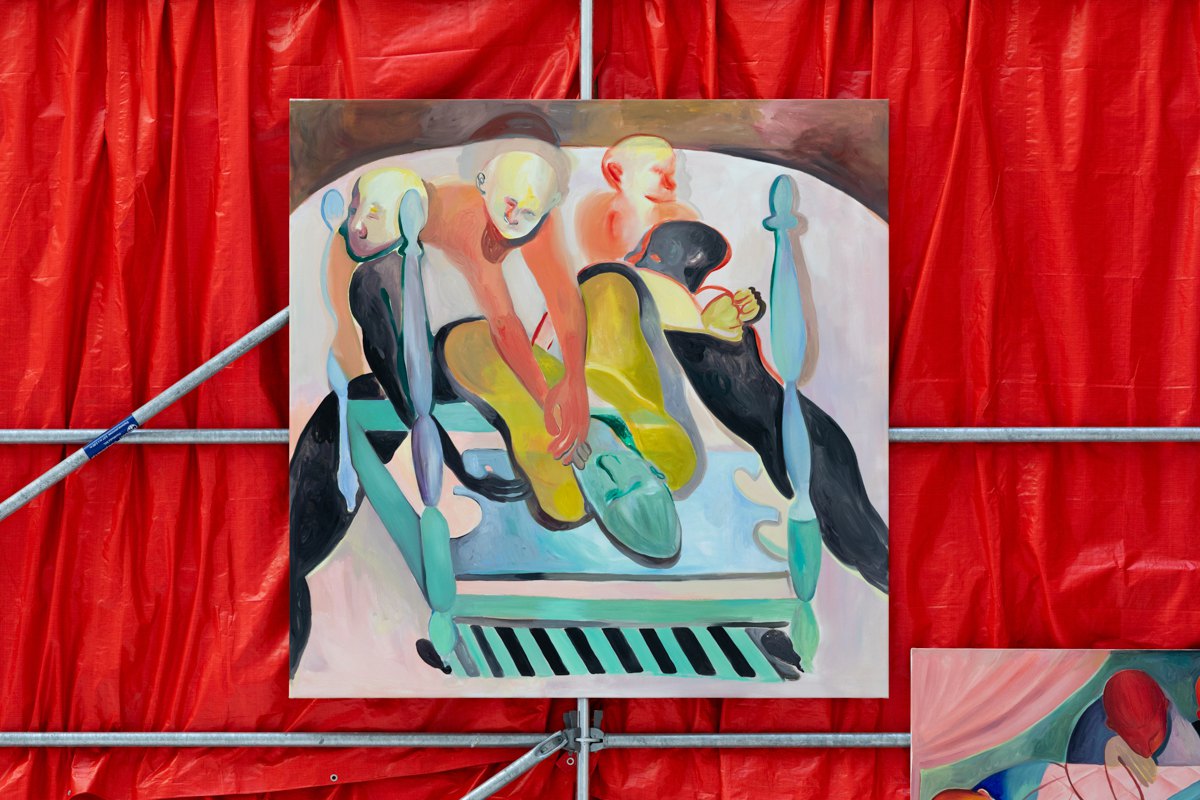
Opposite his installation are works by another contemporary Ukrainian artist, Alina Sokolova.
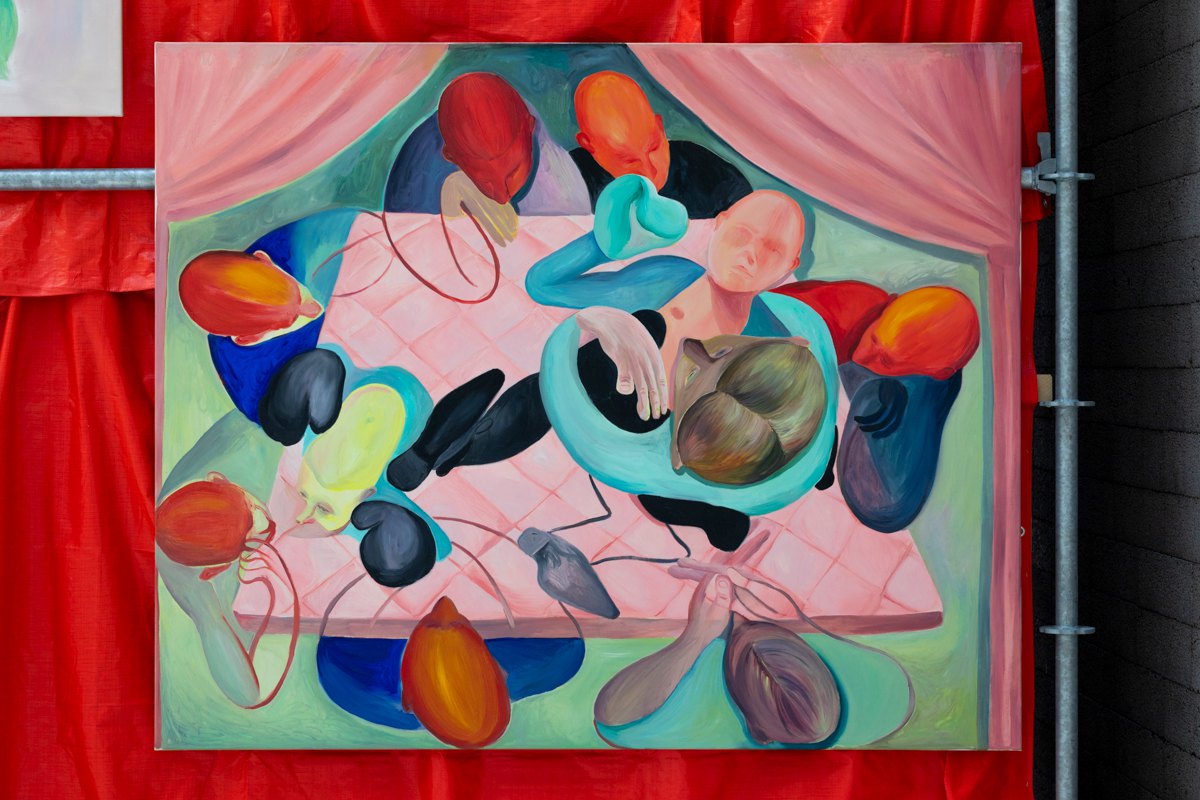
“Her paintings function as a diary of life. Many of them reflect feelings of uncertainty and constant transformation arising from the tragic reality of ongoing wars,” the biennial’s website notes.
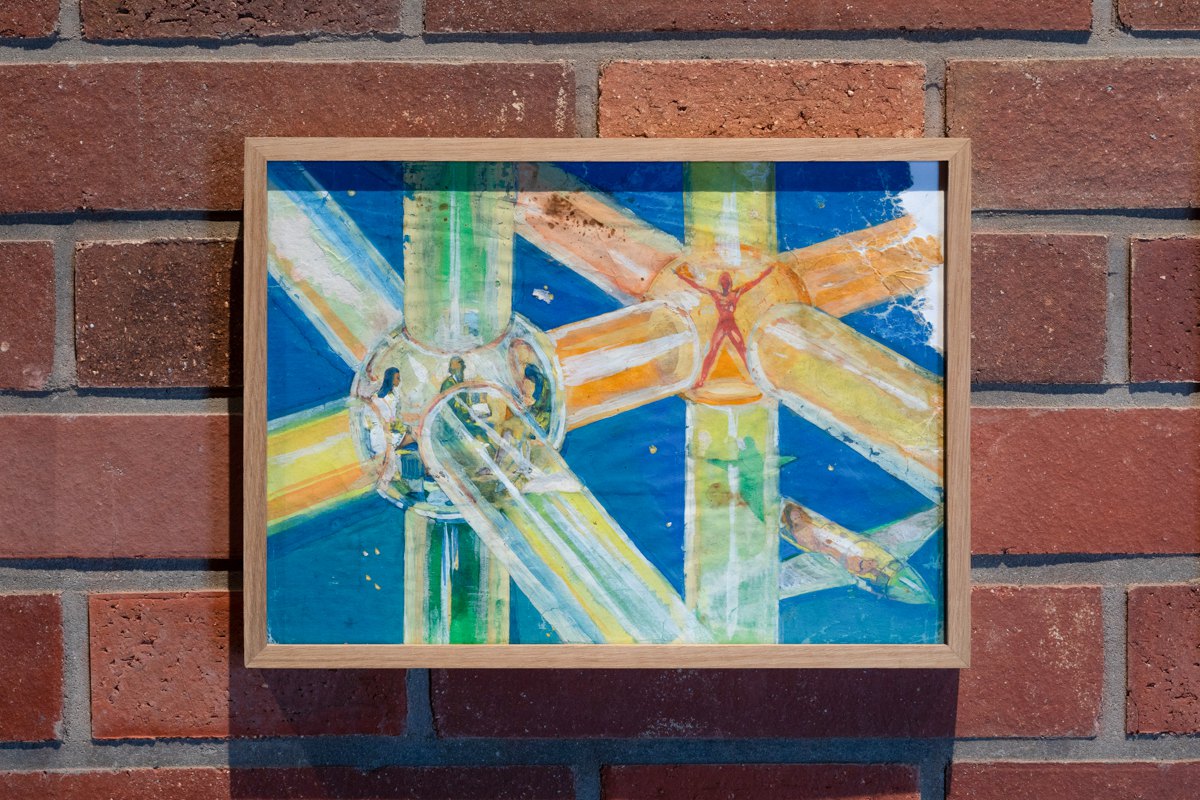
For visitors to the biennial at the Gallery of the City of Pardubice, a discovery has been the works of Ukrainian artist and philosopher Fedir Tetyanych, one of the founders of Ukrainian performance art. He lived to 65 and died back in 2007. In Ukraine he is better known for monumental works in urban space and as a proponent of the biotechnosphere theory. For European art lovers, he is of interest as a visionary artist who combined cosmism, cybernetics, the traditions of the Ukrainian village and ecology.
Yaroslava Tomanová: The Biennial Is a Resource Shared with Anyone Who Wants to Share It with Others
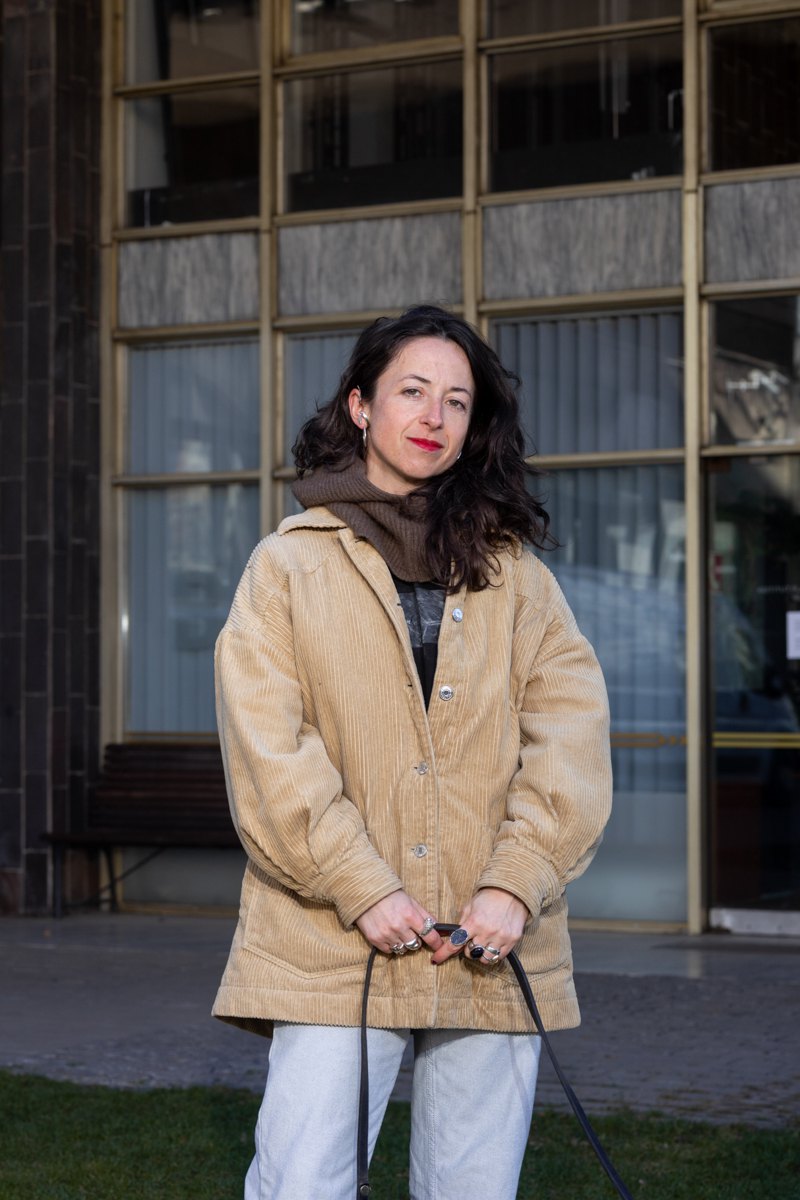
We meet Yaroslava Tomanová, another co-curator of the Matter of Art Biennale 2026, in the café space of Collector in the same building that houses the National Gallery Prague.
The biennial has been running for two months now, so it is possible to take stock of interim results.
“We called this biennial Nezbytná přání (Necessary Wishes) — ‘Necessary Wishes’. I understand this title in the sense of basic needs or basic things connected to survival,” Tomanová says. “For instance, it is art that engages with the theme of human rights through an attempt to be an active participant in a movement. For example, the struggle for a just society or for survival in war zones.”
According to her, an important venue for this year’s biennial has been Tusculum, where, in collaboration with the Prague art collective StonyTellers, a garden has emerged as a project of observing nature and practising daily care.
“Artistic practice can join movements that advocate a more just, equal and solidaristic society. An example is the Indonesian collective Taring Padi. It is, in fact, a collective that has long been trying to help different groups, activists and people all over the world,” Ms Tomanová says, naming participants in the biennial.
In a similar way, Tomanová says, the Syrian artist Huda Takriti works. She works with archives and tries to reformulate historical narratives shaped by more dominant voices in society, bringing more voices from marginalised positions into them.
The curator says she invited Ukrainian artist Alina Sokolova, who lives in Vienna, because Tomanová was interested in the theme of care in her work, as well as the shifting roles between the one who cares and the one who is cared for.
“I essentially see the biennial as a resource that is simply shared with anyone who wants to share it with others,” Tomanová says.