






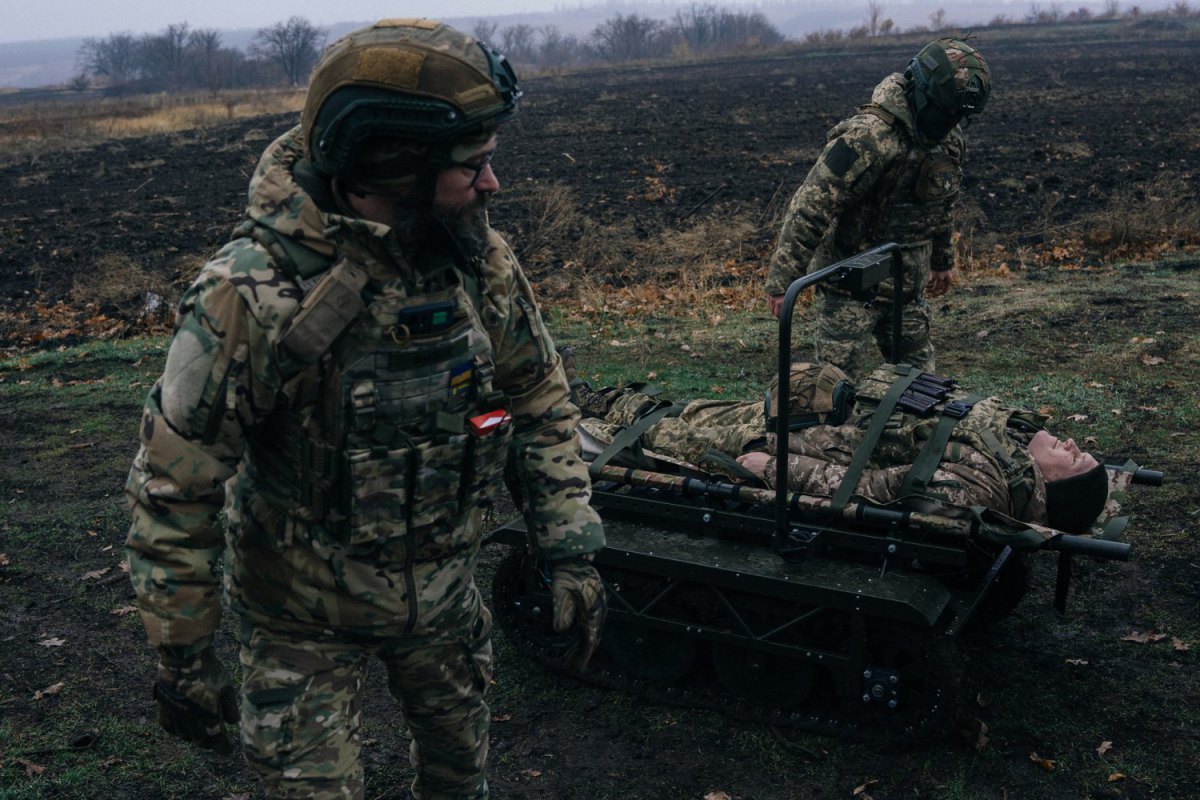
Problems with evacuating wounded using UGVs
In the fifth year of the full-scale war, the high level of enemy drone activity both in the air and on the ground, including so-called loitering drones and remote mining, has made relatively stable evacuation of wounded personnel by vehicles that can provide immediate medical assistance impossible.
As a result, UGVs are increasingly being used for evacuation. But they, too, are far from an adequate solution. The first problem is speed.
“What is a UGV? It is usually a slow vehicle, with an average speed of no more than 7–10 kilometres per hour. At best. And in almost every other case, an evacuation turns into a hours-long operation, while comrades go grey with worry, operators’ hearts ache from anxiety, and they pray to every god that enemy reconnaissance drones will not spot the UGV crawling along like a tortoise,” Ihor Lutsenko explained.
The second weakness is its vulnerability to enemy drones.
“How many times does a UGV fail even to reach the wounded person because enemy FPVs tear it apart on the way? How many times is a UGV hit on the way back with a wounded person on board, leaving only fragments of a body? How many times does a UGV hit a mine remotely laid by the enemy? And how many times, perhaps most often, does a UGV simply fail to make it there at all?” the serviceman said.
What is the situation with dedicated evacuation UGVs?
This naturally raises the question: what about specialised ground robotic systems designed specifically for evacuating wounded personnel?
There are currently two approaches to evacuating wounded personnel: enclosed and open evacuation. Each has its own advantages and disadvantages, said Andriy “Knight” Kushnerov, acting commander of the UGV control platoon of the 108th Separate Assault Battalion “Da Vinci Wolves”.
“Maul is an enclosed evacuation option. The downside is that if something happens, it can be difficult for the person to get out of the capsule, but it protects them from shrapnel. The person also cannot monitor the situation from the air and is entirely dependent on the UGV operator. So if the connection is lost, they will not be able to take control,” Andriy said.
Maul’s main advantage is its speed. It can reach up to 60 km/h because it is powered by an internal combustion engine. Its wheelbase is also based on a quad bike.
The second option is an example of an open-concept system: Termit. It is tracked and therefore slower, reaching speeds of up to 15 km/h. It is a modified logistics platform equipped with a special medical evacuation module. However, high speed is a complicated issue when operating off-road and with an unstable connection, Kushnerov noted.
“Termit is slower, has no suspension and runs on tracks, but it is open. The person lies in what is essentially a cradle, which can be covered with a ballistic blanket. And that has its advantages — the person can get out if necessary,” the serviceman explained.
There are also systems based on the capsule concept, like Maul, but they are still under development, Andriy said.
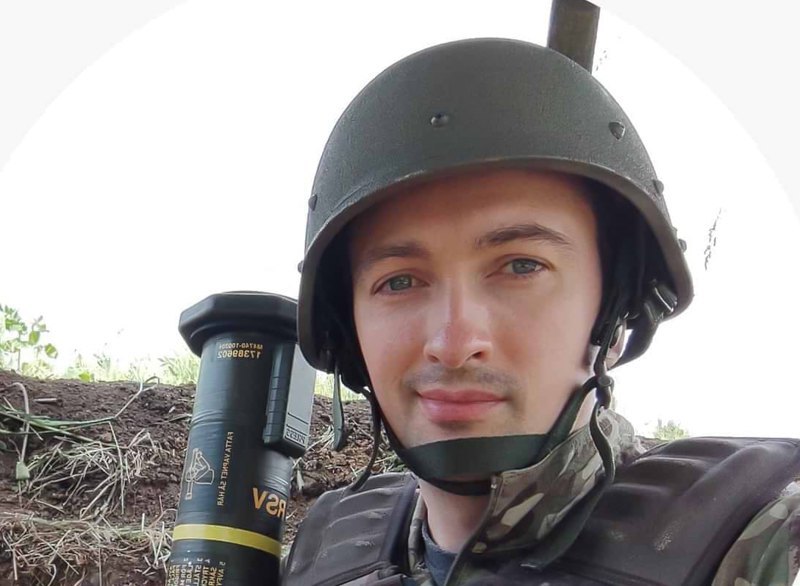
“Reaching serial production is a major challenge. Most Ukrainian UGV manufacturers are operating at a garage-level scale. Companies capable of scaling their solutions are already starting to think about other modifications. Dedicated evacuation modules simply require more sophisticated R&D and communication with units. It is, so to speak, the next step, which many have not yet reached,” the serviceman said.
Nevertheless, he believes the sector will develop, albeit slowly, and that within a year several more viable evacuation UGV options will emerge that could help address the problems we face today.
“I attended a meeting of the Unmanned Systems Forces when they were drawing up the technical requirements for evacuation UGVs. And there is attention from the General Staff as well,” Kushnerov said.
LB.ua also asked a source in the Office of the President what the military and political leadership knows about the issue.
“The issue is regularly discussed both at the Ministry of Defence and by the Commander-in-Chief. It is a matter of equipping units and ensuring that they receive the relevant systems,” the source explained.
His response suggests that the focus is specifically on ground robotic systems.
“They need further development. UGVs are a promising area. The question is what exactly they should look like. For now, I do not see another option,” the source said.
Andriy Kushnerov said his unit is trying to counter enemy drones “like everyone else – comprehensively”.
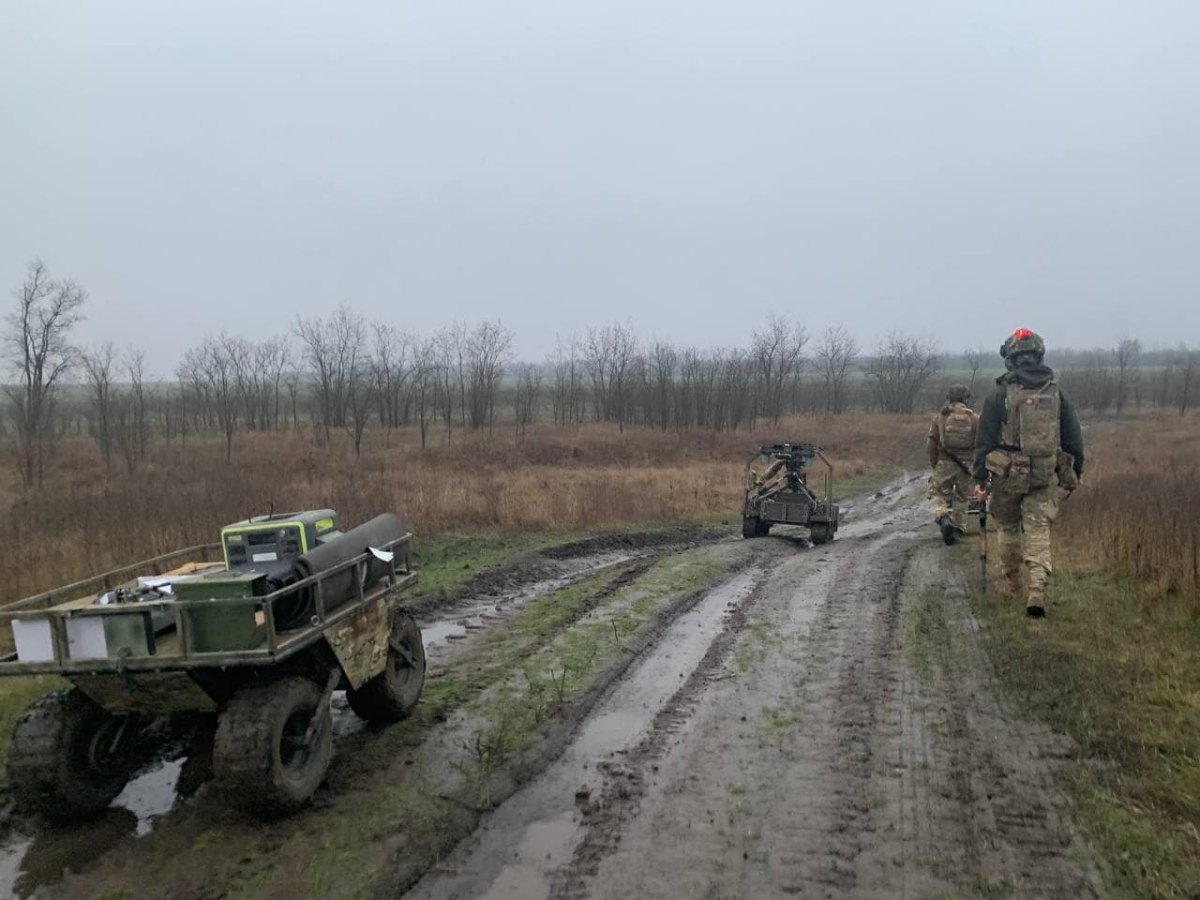
“In some places, infantry takes them out; elsewhere, we use bombers and drop munitions. In some places, there is simply nothing we can do, and in others, we pray. The problem with FPVs has not been solved, and the enemy faces the same issue. There is still no serious means of countering drones. There are net guns, which are mainly intended for infantry use. Some people are trying to mount them on UGVs. But the results have been mediocre so far,” the serviceman explained.
As for automated turrets, there are three stages: detection, target tracking and engagement.
“There are problems at all three stages, starting with detecting an FPV against a tree line rather than against a clear sky in good weather. We are talking about 50–100 metres, so there is very little time to react. There have been several more attempts to solve this problem, all with varying degrees of success,” Kushnerov said.
As a result, weather conditions still play a significant role in evacuating wounded personnel: “Rain and snow make it harder for enemy FPVs to detect the ground robotic system.”
The role of armoured vehicles
Ihor Lutsenko believes that the Ukrainian military should move towards using armoured vehicles.
“The ideal evacuation vehicle or UGV would be a heavily armoured MRAP-type vehicle, remotely or directly controlled, fitted with protective screens against shaped charges and capable of carrying powerful electronic warfare systems and active countermeasures against FPVs. Under current conditions, if such vehicles return to the battlefield as a widespread solution, they could reduce casualties among our infantry and drone operators on the front line,” Lutsenko explained, ultimately weighing the cost of the equipment against the cost of human lives.
According to him, investing in such vehicles makes sense “because it amounts to 30–50% of the expected losses to the state budget resulting from the deaths of servicemen”. At the same time, the military lacks not only armoured vehicles but even second-hand cars retrofitted with protection against fragmentation munitions.
It should be recalled that there has been a delay in the procurement of armoured vehicles this year. Manufacturers themselves have spoken about it. So has the Defence Procurement Agency, which noted that equipment is being supplied, but under contracts signed last year.
Read alsoWithout armour: why Ukrainian armoured vehicle manufacturers say state orders are lacking and what Defence Ministry says
LB.ua contacted the Ministry of Defence of Ukraine to ask about the status of armoured vehicle contracting as of August 2026. The ministry said the requirement is determined by the General Staff.
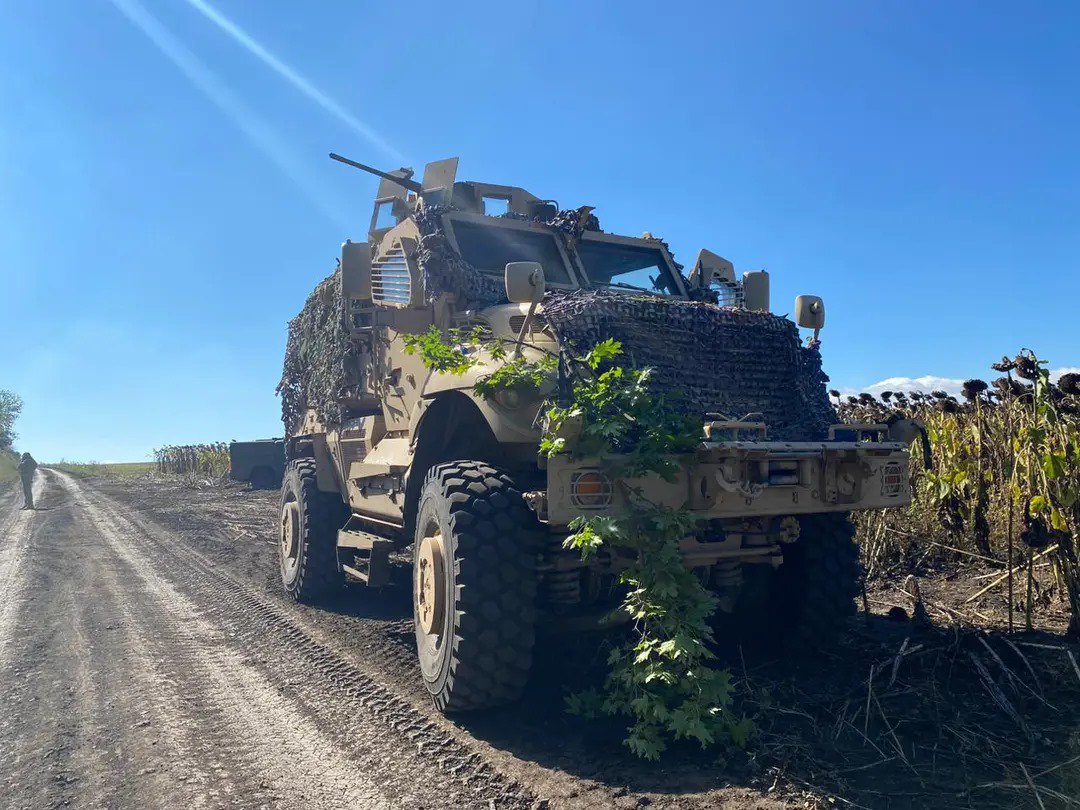
“The list submitted to the Defence Procurement Agency currently includes armoured vehicles. However, details regarding their number and other specific parameters are not being disclosed, as such information could be used by the enemy,” the Ministry of Defence of Ukraine said.
Lutsenko believes that the requirement should be determined by corps representatives and communicated directly to the Ministry of Defence.
“That is essentially what happens when representatives of different branches of the military or even individual units communicate directly with foreign partners, who then purchase the equipment they need for them. The Ukrainian state, however, is less effective when it comes to listening to the needs of units that are actually fighting,” Lutsenko told LB.ua.
As for foreign assistance, it depends on the unit: “It’s a lottery. Some people have a knack for diplomatic work, while in other cases a commander prohibits direct communication with foreign partners, so it varies greatly.”
It is worth noting that in June, the Third Army Corps received a batch of British CVR(T) armoured vehicles from Latvia. The modified vehicles included an evacuation vehicle.
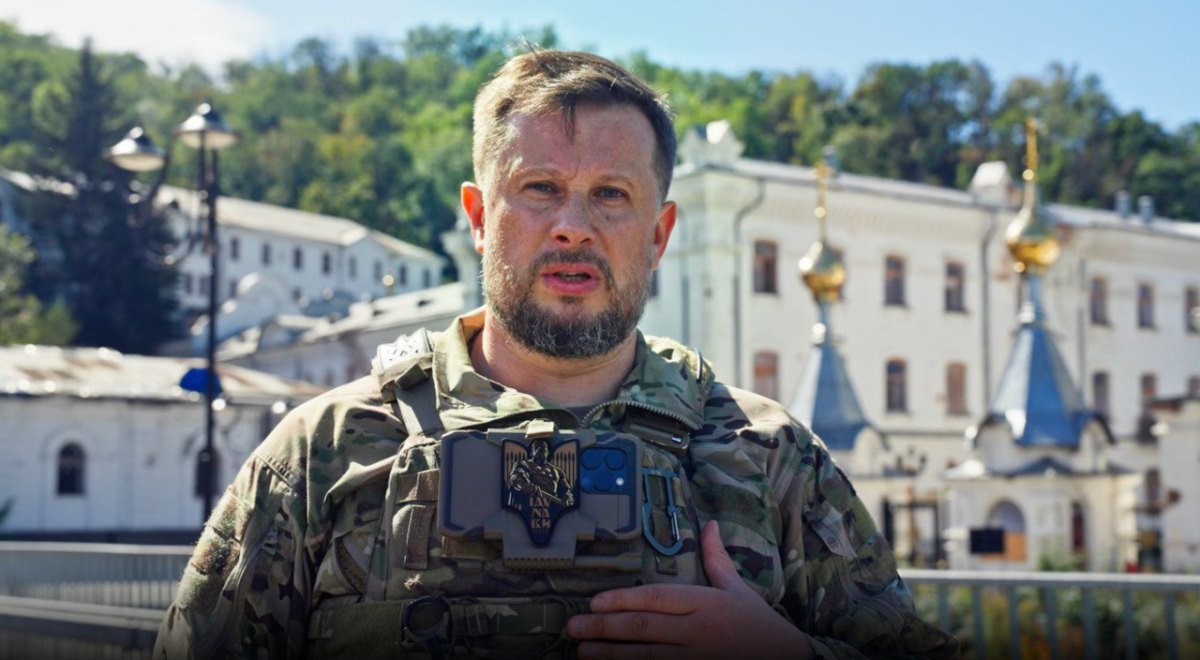
“Many people say that armoured vehicles have partly taken a back seat. That is not true — their role is enormous, because infantry moving on foot is more likely to be hit than infantry travelling in armoured vehicles. The problem on the Ukrainian side is precisely that we do not have enough non-Soviet armoured vehicles, because Soviet-designed equipment is now completely out of step with the realities of war,” said Andriy Biletskyy, commander of the Third Army Corps.
Read also‘Armoured vehicles remain indispensable’: How Latvia’s CVR(T) transfer will strengthen the Third Army Corps
What solutions are available?
As Bohdan Korylchuk, head of the medical service of the National Guard’s Second Corps “Khartiya”, noted in a comment to Oboronka, the issue is one of ensuring units have sufficient equipment.
“I want to have slow but predictable electric UGVs such as Tor, fast UGVs such as Maul, and buggies at my disposal. We need enough medical armoured vehicles for the second stage of evacuation, and we currently have an 80% shortage. If we increase the number of UGVs and armoured vehicles, we will increase the survival rate of soldiers on the front line by 30% and reduce evacuation times to three hours instead of eight,” Korylchuk explained.
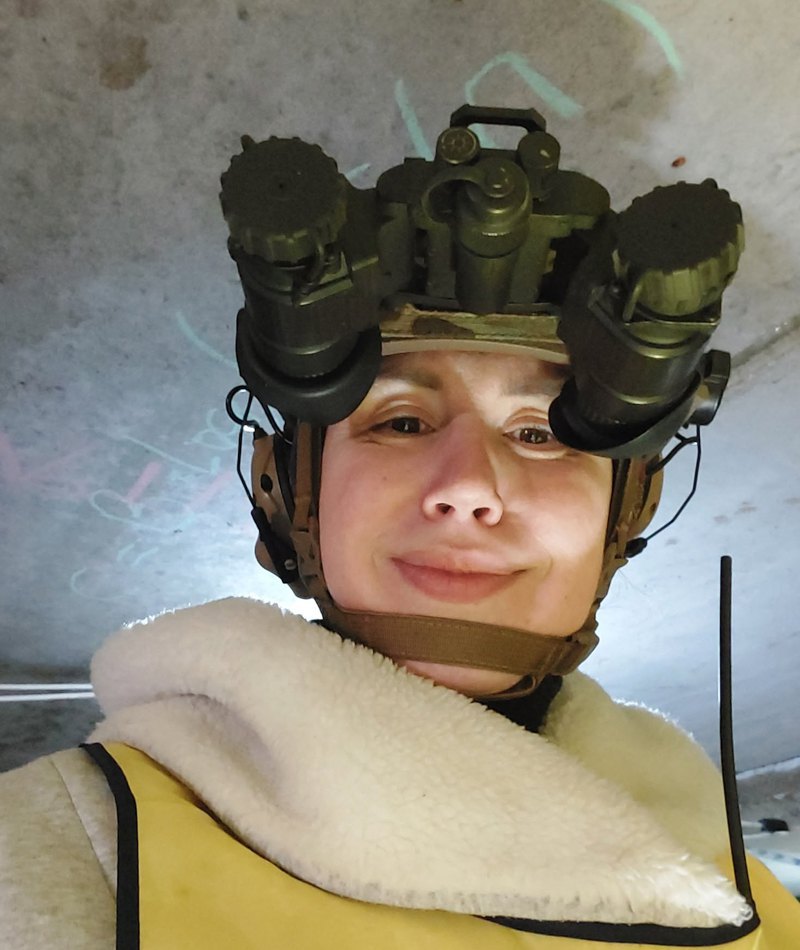
Tetyana Chornovol, a servicemember and public figure, believes that dedicated evacuation units should be established within brigades and provided with everything they need.
“Yes, all units within a brigade should contribute to evacuations, but evacuation units should have everything they need as a single team. They should have the best drivers, with salaries on a par with assault troops, as well as medics, pilots, electronic warfare specialists, sappers (drone-based mine-clearance specialists), and professionals — drone hunters armed with shotguns. As for equipment, we should not rely on UGVs, although they should be available too. The main vehicle should be a small, fast armoured vehicle with an anti-mine hull,” she explained in a post.
Ihor Lutsenko believes there are currently no ideal solutions.
“To speak concretely, these options would need to be tested, but in my view, everything that currently moves on the ground is ineffective. Likewise, anything that flies and is large is also quite risky,” he noted.
As for aerial evacuation, he said that no Ukrainian-made systems of this kind are currently available, nor have there been any cases of evacuating a wounded person using a UAV.
“My view is that we should abandon the idea of putting Ukrainian citizens in the kill zone altogether, and this can be achieved using technical means,” Lutsenko added.