






What tasks will it perform?
Commander of the Third Army Corps Andriy Biletskyy noted that the key role of such equipment today is countering Russian infiltration.
“The enemy, which penetrates deep into our lines, lacks serious fire support capable of engaging armoured vehicles. In this role, these vehicles will be extremely effective,” Biletskyy explained.
At the same time, in favourable weather conditions, such as rain or snowfall, this equipment can be used to support infantry assaults on the front line or to transport troops to their positions.
“Many say that armoured vehicles have partly taken a back seat. That is not true; their role is enormous, because infantry moving on foot are more likely to be hit than those travelling in armoured vehicles. The problem for the Ukrainian side is precisely that we do not have enough non-Soviet armoured vehicles, because Soviet-era models no longer fully correspond to the realities of modern warfare,” the commander of the Third Corps noted.
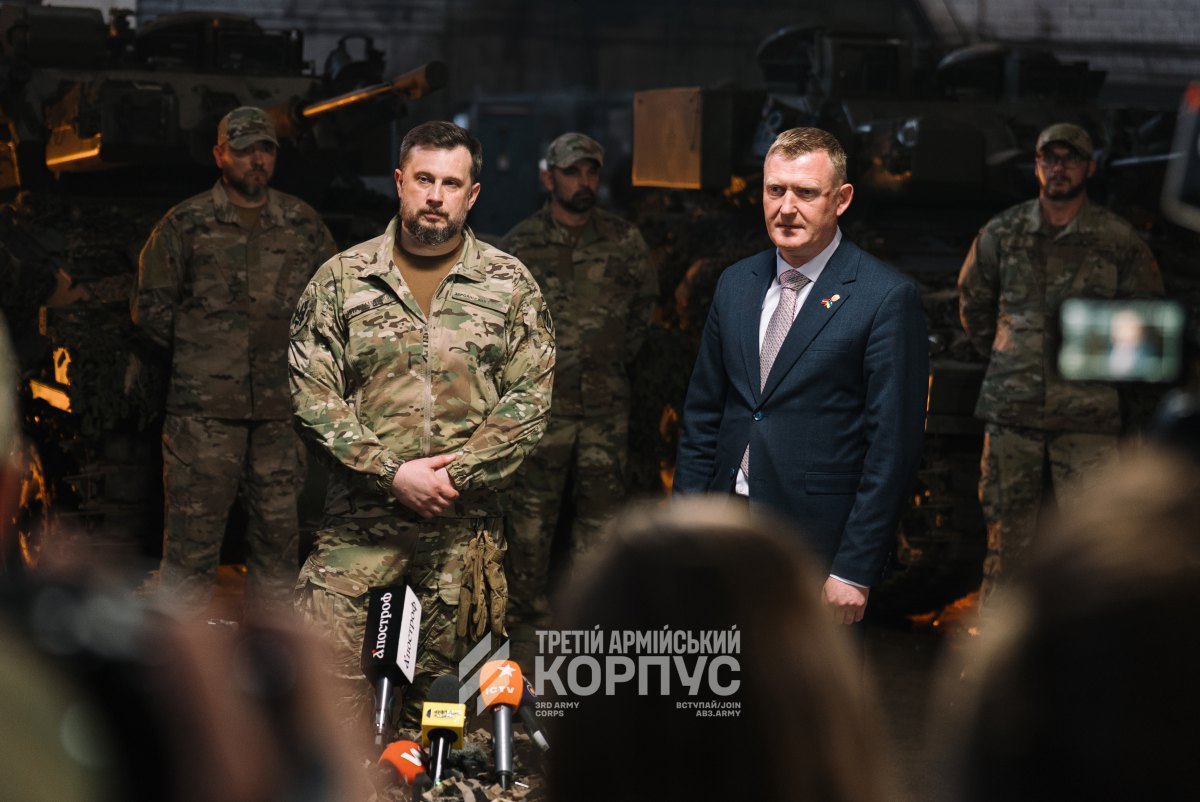
According to Latvian Defence Minister Raivis Melnis, the shipment comprises more than 40 vehicles.
Andriy Biletskyy clarified that this amounts to more than a full battalion set. Part of the equipment was received by the Third Separate Assault Brigade. Information about the remainder is not being disclosed.
“To give you an idea of whether this is a lot or a little: an average brigade receives no more than 15–20 armoured vehicles a year. So, in our current circumstances, receiving a battalion set is a very significant development,” the corps commander emphasised.
According to him, the CVR(T) family has already proven its effectiveness in the Russian-Ukrainian war.
“At the moment, Ukrainian manufacturers cannot replace this equipment. They can partially replace wheeled vehicles, but not tracked ones — not yet, anyway. The BTR-4, for example, is an excellent vehicle, but it is produced in such small numbers that it currently cannot meet the needs of even a single brigade. Without Western supplies, we currently have no way of providing ourselves with sufficient armoured vehicles,” Biletskyy added.
Read alsoWithout armour: why Ukrainian armoured vehicle manufacturers say state orders are lacking and what Defence Ministry says
What is known about this family of vehicles
These vehicles were developed in the 1970s and originate from the United Kingdom. The transferred models have undergone modifications.
“The turreted vehicles will be used to support infantry. Their task is to transport soldiers to the battlefield and fight alongside them,” explained a representative of the Third Corps.
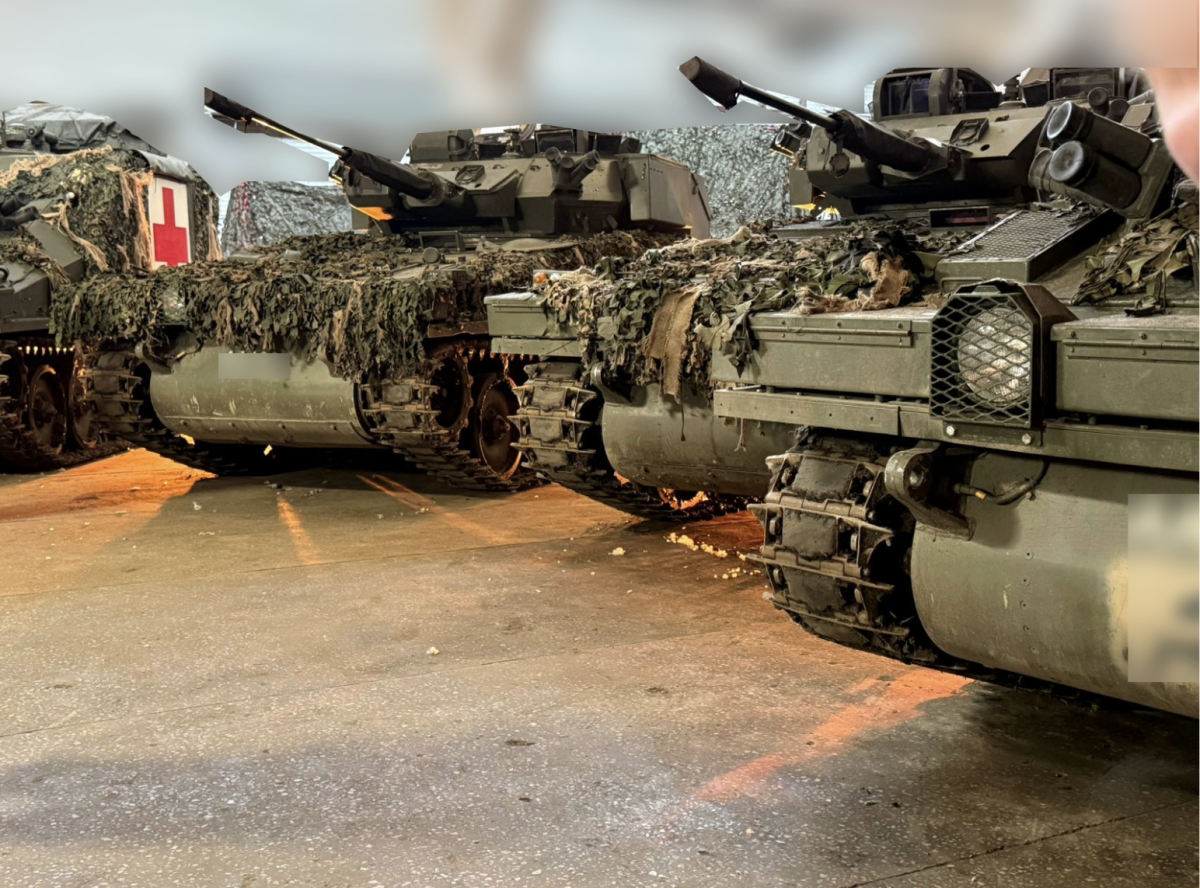
He added that the fact that the vehicles belong to the same family means that many of their components are standardised and built on a common chassis.
“The situation in the Ukrainian Armed Forces is such that a large proportion of the equipment is still of Soviet design. These vehicles will reinforce or replace outdated Soviet equipment. Although they date back to the 1970s, they are generally more modernised and better maintained, making them a step above Soviet equipment that has been taken out of storage,” the corps representative noted.
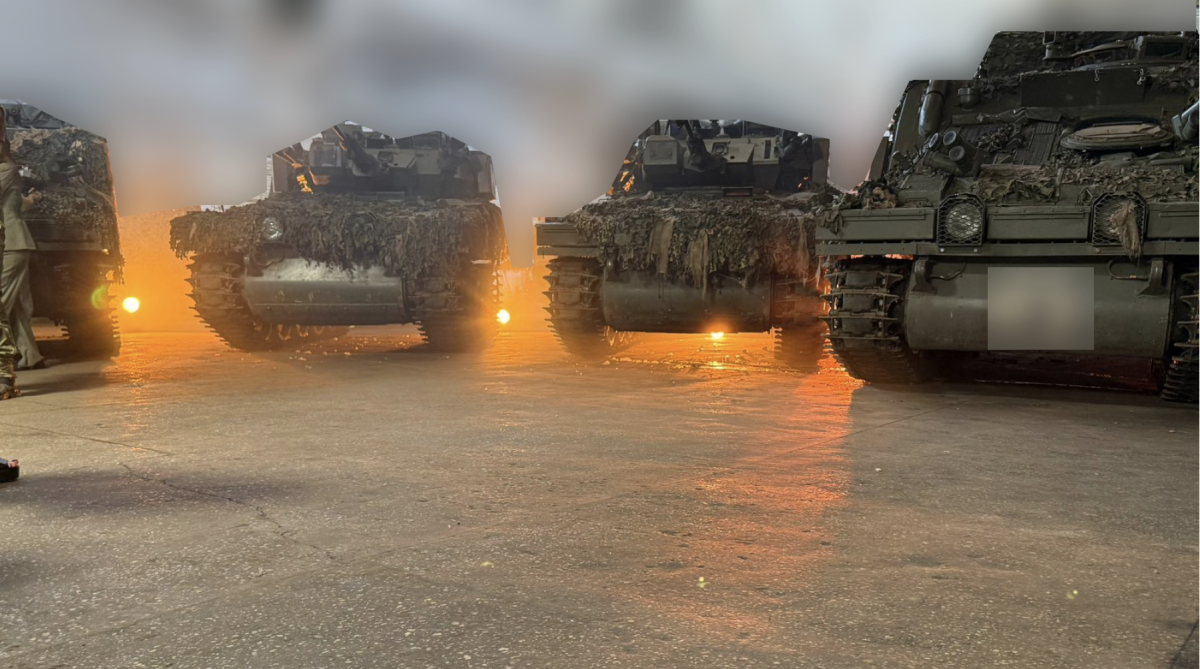
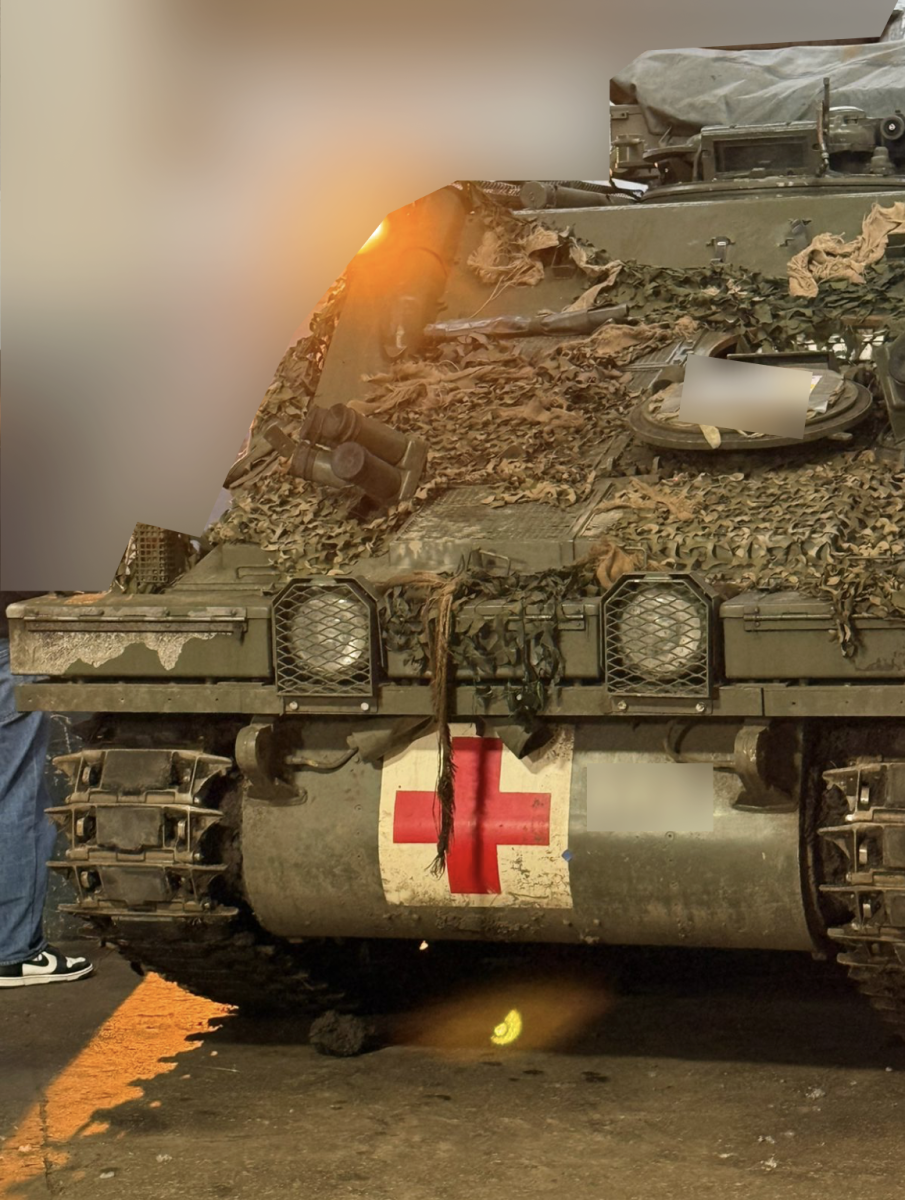
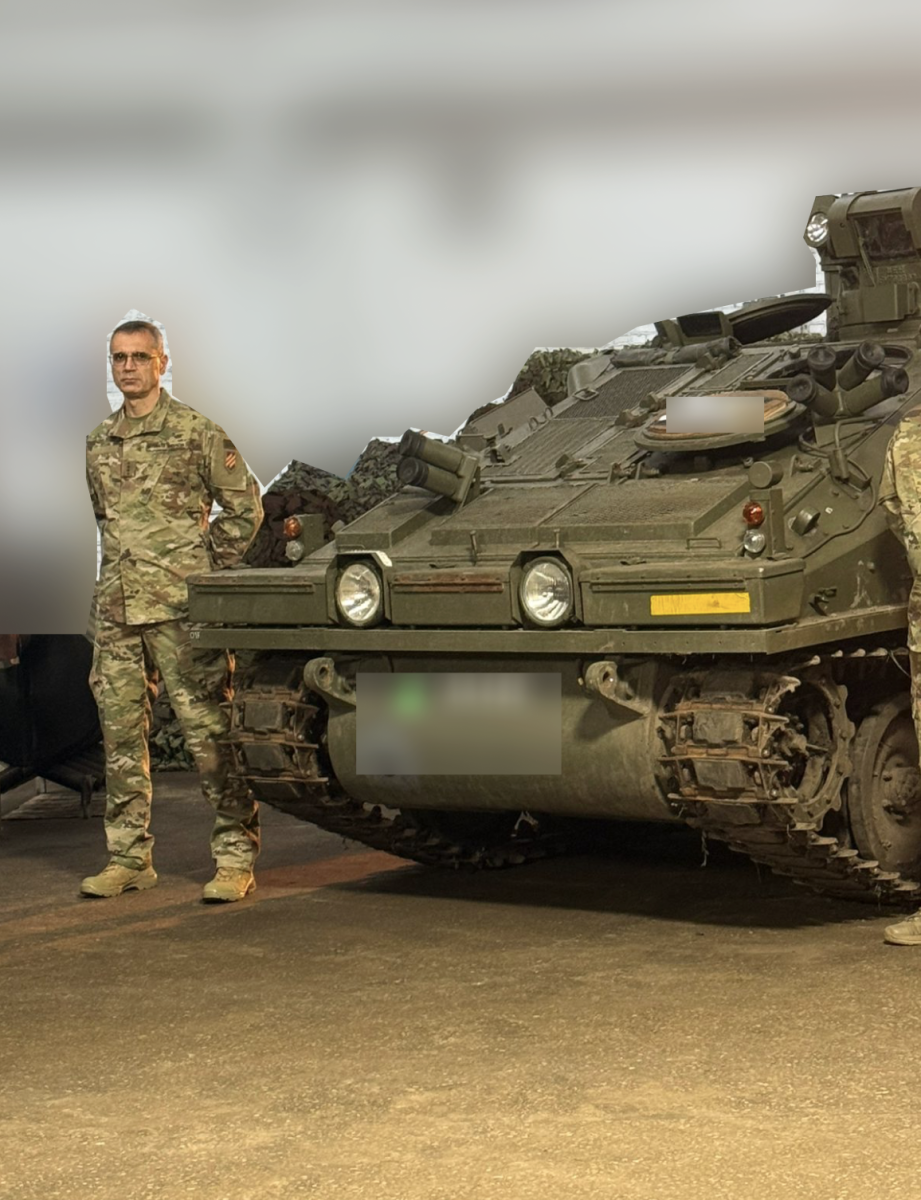
According to him, although the threat posed by drones remains significant, such equipment can be effective when used correctly as part of a comprehensive strategy and integrated into offensive or defensive operations.
Oleksandr Borodin, spokesperson for the Third Army Corps, said that the armoured vehicles will be deployed in the Borivske-Lyman sector.
“The vehicles will undergo further modifications, specifically to improve protection against enemy drones, including the installation of anti-drone grilles. As you see them now, they will not be sent to the front,” Borodin noted.
According to him, the corps’ personnel have extensive experience operating similar equipment and will therefore be able to master these vehicles without difficulty.