




‘Everything unfolded so quickly that by 8 September we had entered the centre of Balakliya’
The preparations took about a month and a half, recalls Pavlo Fedosenko, commander of the 92nd Separate Assault Brigade named after Koshovyi Otaman Ivan Sirko: “We planned to cross water obstacles, clear passages mined by the Russians and carry out additional reconnaissance.”
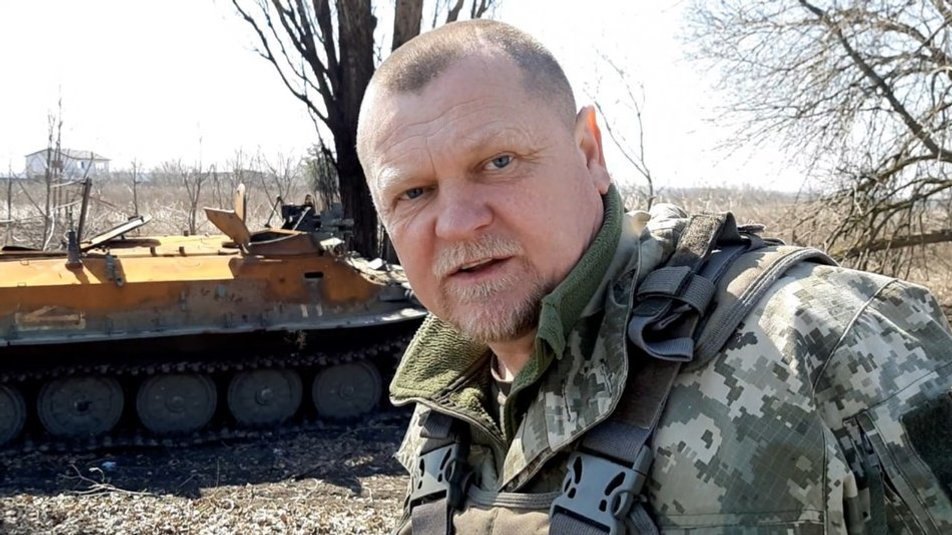
The 92nd Brigade, he says, had a key role and task: to fully liberate Shevchenkove and advance towards Kupyansk, liberate Kupyansk and cross the Oskil River. The plan was to establish a foothold on the left bank and advance towards the state border and the administrative border of Luhansk Region.
Oleksandr Fatsevych, a police general and now deputy head of the National Police and the Ministry of Internal Affairs, who took part in the autumn counteroffensive in Kharkiv Region, says the first stage of the operation began as early as April 2022.
At the request of Oleksandr Syrskyy, then commander of the Ground Forces and the Khortytsia Operational-Strategic Group of Troops, the Safari regiment of the National Police Forces was deployed to the Kharkiv front, where it carried out missions to liberate settlements in northern Kharkiv Region alongside the Defence Forces.
“After that April operation, planning began with the goal of liberating Balakliya, Izyum, Volokhiv Yar and Kupyansk,” Fatsevych recalls.
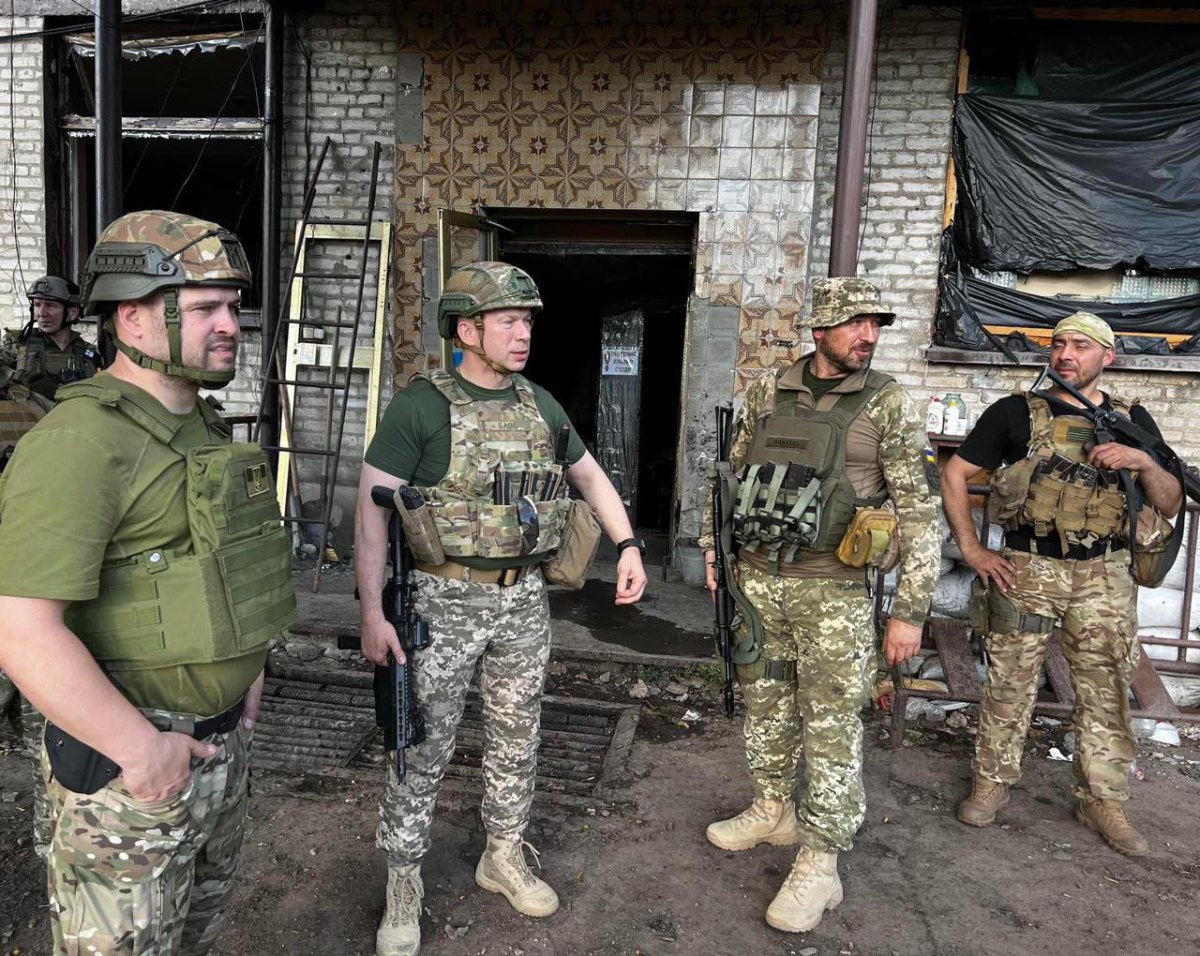
For this, composite units were formed: a battalion made up of patrol police officers, the Safari regiment, the Zakhid composite battalion, and later a detachment from the KORD special unit. They did not have the heavy weapons available today, for example, to the Lyut Brigade, Fatsevych recalls.
“At the time, we only had small arms and a few mortars. So our task was to clear settlements together with the National Guard after the assault brigades,” he says.
The Zakhid composite unit was subordinated to the 25th Brigade and took part in clearing and liberating Volokhiv Yar. Under the command of the 92nd Brigade, police officers carried out clearance and stabilisation operations in Kupyansk.
“Overall, there were around 1,000 people from the National Police. These were ad hoc units formed from regular police officers from different departments, who volunteered to take part in the Kharkiv operation. Apart from ‘Luhansk-1’, which was a permanent unit, we redeployed it from the Donetsk front to Kharkiv Region to carry out its missions,” Fatsevych said.
Police units were among the first to enter Verbivka alongside the Defence Forces, followed by Balakliya. They carried out stabilisation operations and ensured the military administration could operate. They later worked in Izyum and took part in the liberation of Lyman, Svyatohirsk and parts of Donetsk Region.
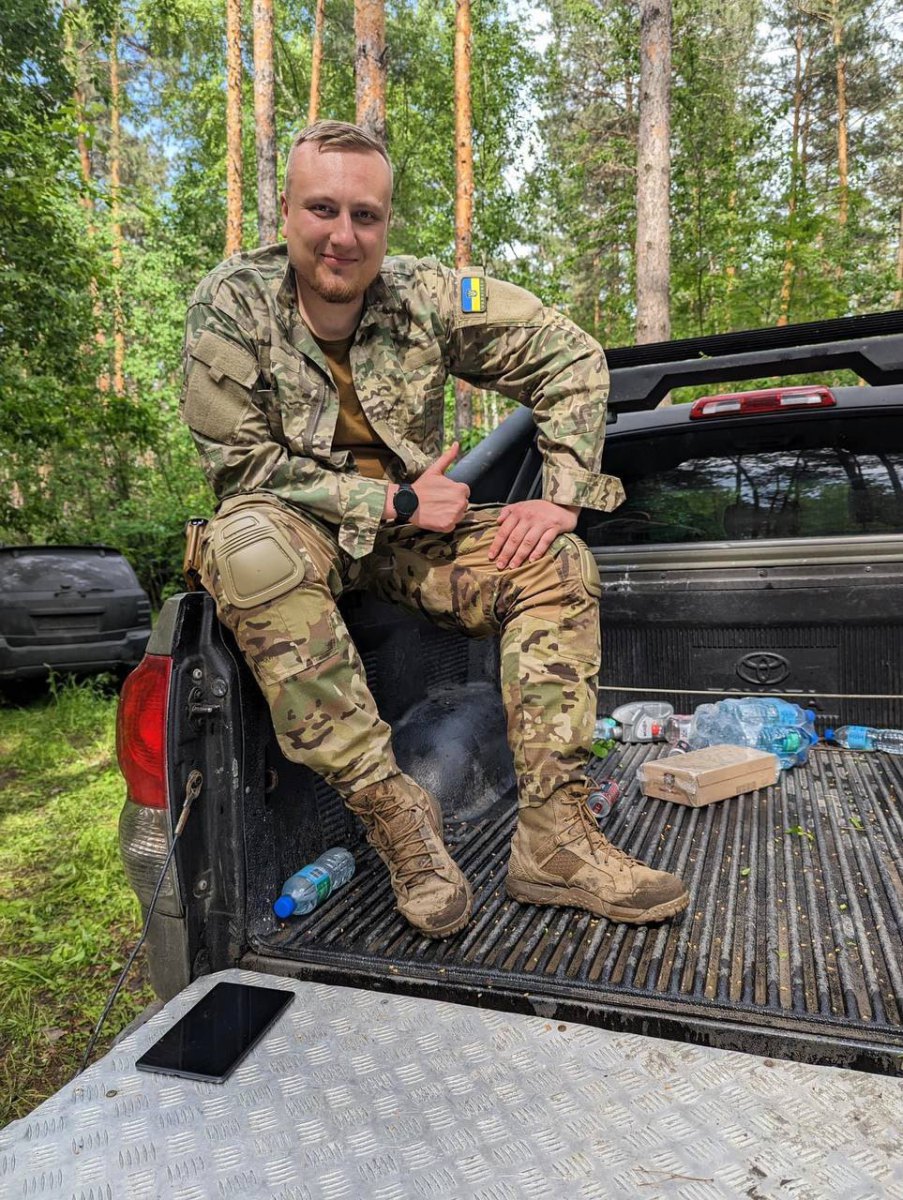
Kostyantyn Nemichev, deputy commander of the KRAKEN unmanned systems regiment of the Third Army Corps, was commander of the eponymous special unit at the time of the counteroffensive. According to him, they did not spend months preparing for the operation: they returned from Luhansk Region in late August, and active operations in Kharkiv Region began about two weeks later.
“Our task was to enter Verbivka, on the approaches to Balakliya, clear the area and then advance towards the artillery depots. But everything unfolded so quickly that by 8 September we had entered the centre of Balakliia,” Nemichev recalls.
‘The Russians were preparing for the Kherson operation’
The operation succeeded, first, because of planning and, second, because of surprise and manoeuvrability, Fedosenko says: “We planned it so that the brigade’s assault units would move in the first echelon, without getting bogged down in settlements. If we encountered resistance, we bypassed the settlement or the strongpoint. The next echelon consisted of blocking units. The third was made up of units responsible for clearing the area. While Russian units were putting up resistance, the assault units were already advancing far ahead.”
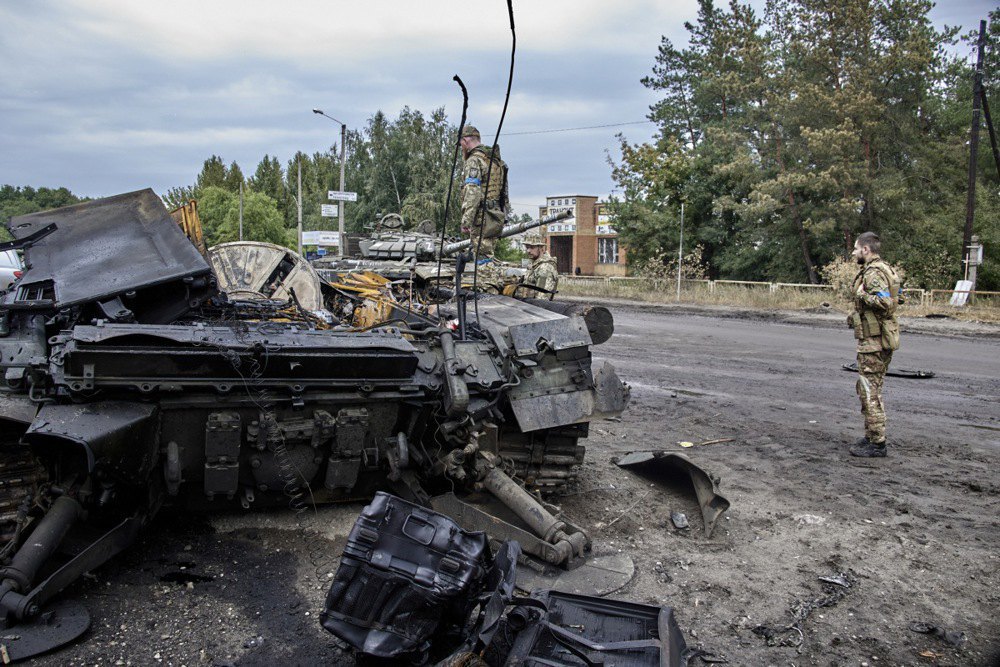
These are Fedosenko’s recollections, quoted in the military-historical study The 2022 Kharkiv Offensive Operation by the Research Centre for Humanitarian Problems of the Armed Forces of Ukraine: “They retreated so quickly, fleeing and leaving everything behind. We did not have to bring in ammunition. Russian units provided our logistics. We would enter, take their ammunition, load our magazines, take artillery and tank ammunition and move on. There were a lot of abandoned depots. They did not even have time to destroy them.”
Oleksandr Fatsevych was directly involved in briefings on decisions and operational planning, as he was serving as Syrskyy’s deputy responsible for the deployment of police forces.
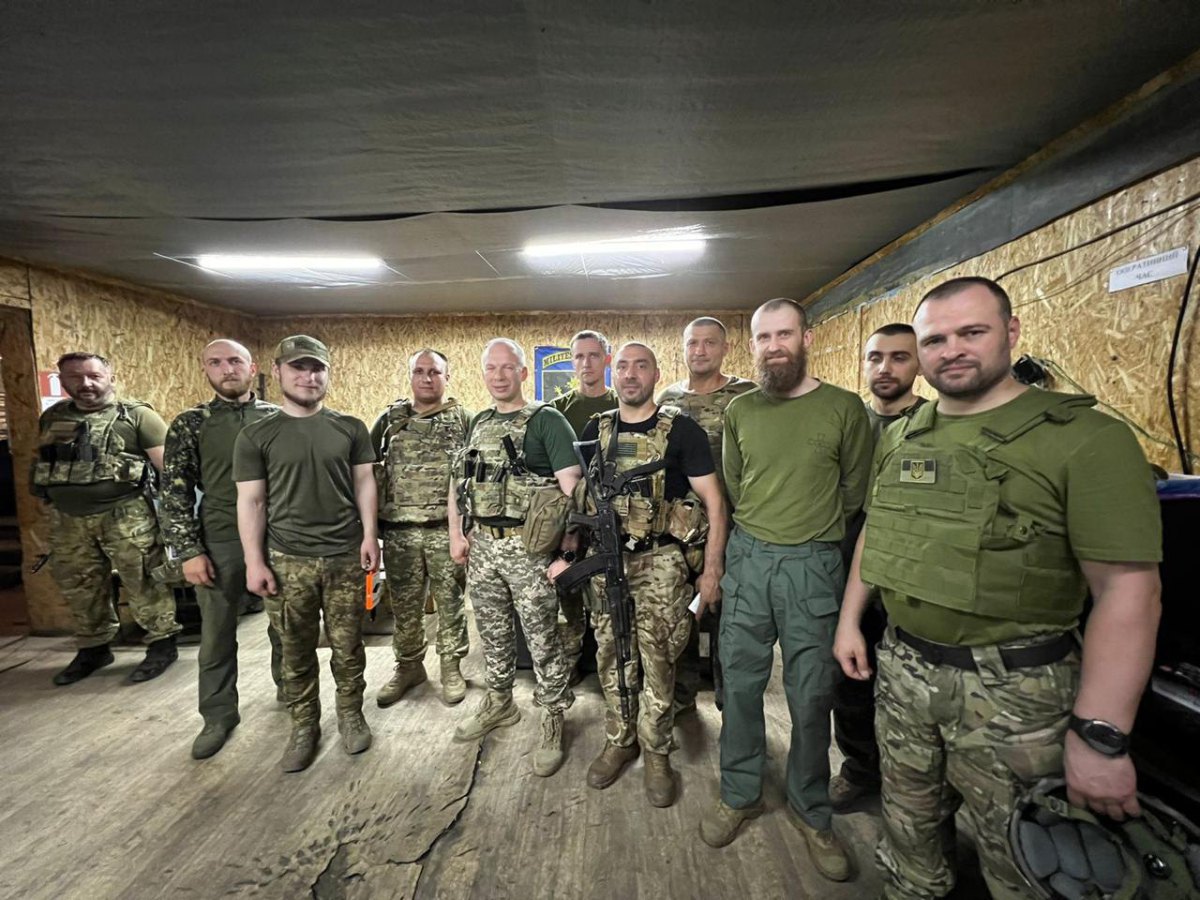
“He heard reports from every battalion commander and brigade commander, including the commanders of my units. He went into detail on every stage: the advance, what was needed and what additional measures each brigade required,” Fatsevych recalls.
The fact that the planning was conducted in complete secrecy also played a role, he says. Information was passed on and personnel were prepared at their temporary deployment locations. Only a limited number of people responsible for operational planning and preparing the troops knew which direction the brigades would operate in.
“The Russians were not prepared for such an operation – they were preparing for the Kherson operation in the south. According to the information I had and received from intelligence, the Russians moved part of their forces south from this direction,” Fatsevych says.
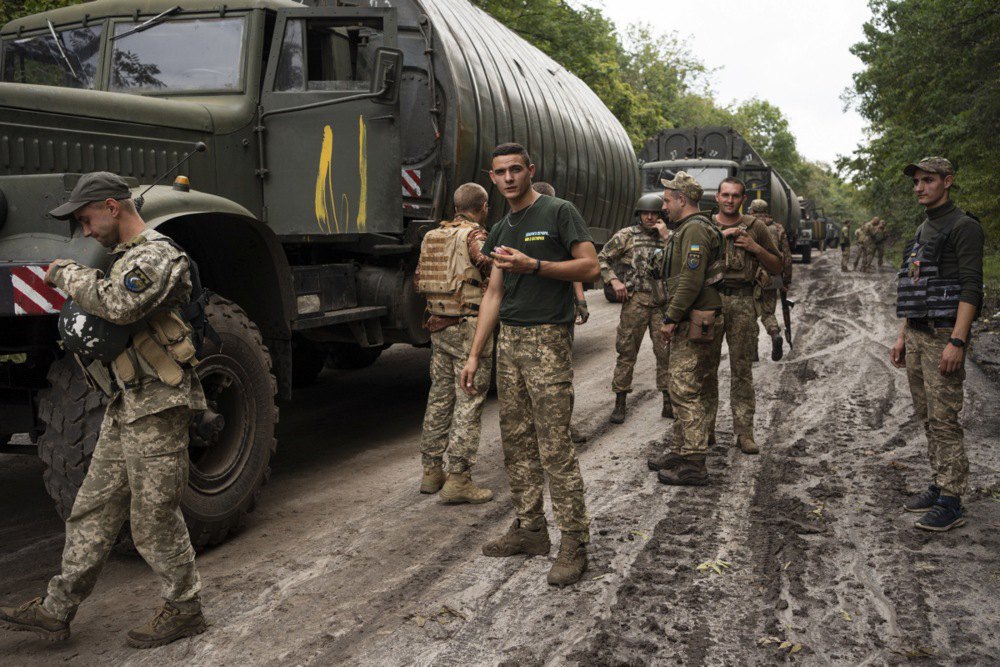
Kostyantyn Nemichev also cites the diversionary manoeuvre in Kherson Region and the operation’s thorough planning among the key factors. Other factors included choosing the right moment to launch the offensive, a high level of communication between units, and the swift and professional actions of Ukrainian troops.
The Russian defence was built around key high ground in settlements, with gaps between these positions that Ukrainian forces exploited to advance.
“The pace of the offensive was such that the Russians could not understand where our forces were, as they were constantly on the move. This became a problem for them because they were accustomed to firing at static targets,” the study The 2022 Kharkiv Offensive Operation quotes Oleksandr Syrskyy as saying.
‘HIMARS played a key role’
By that time, reconnaissance drones were already being used extensively, significantly improving units’ situational awareness, Nemichev notes.
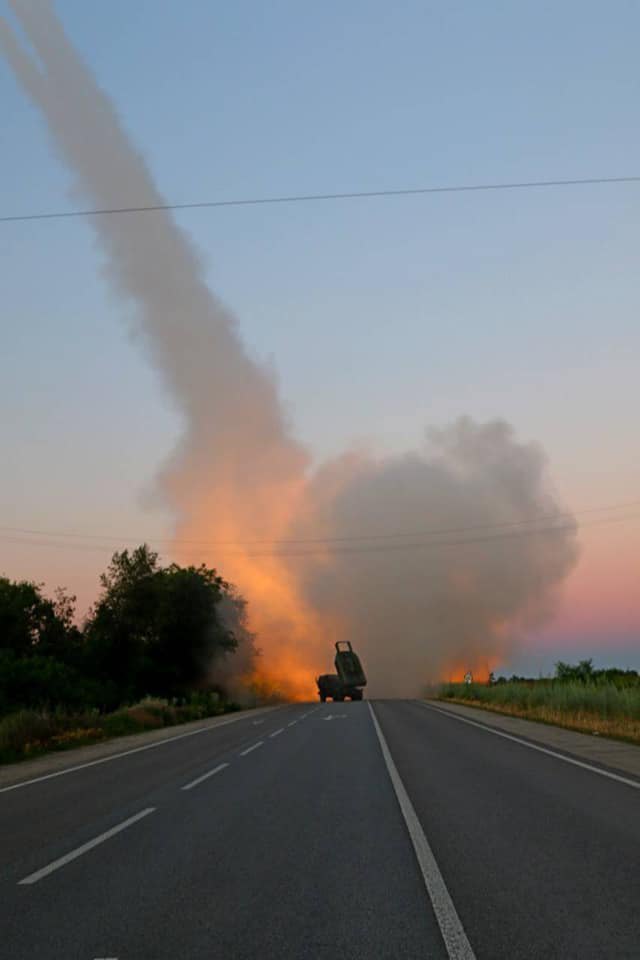
“Overall, it was a combination of established principles of offensive operations with new technologies and the experience Ukrainian troops had gained directly from fighting Russia. HIMARS, which the Defence Forces received from partners, also played a key role,” he says.
Among the new approaches, Oleksandr Fatsevych cites placing police battalions under the command of brigade commanders: “Brigade commanders planned how to deploy them, taking into account their specific capabilities, level of training and available weapons.”
‘The prisoners did not understand where their troops were’
When they were captured, the Russians did not understand how Ukrainian troops had got there or where their own forces were – everything had happened so suddenly, the commander of the 92nd Brigade says.
“They kept saying that they had been abandoned, that they had been betrayed. They surrendered with virtually no fighting,” Fedosenko recalls.
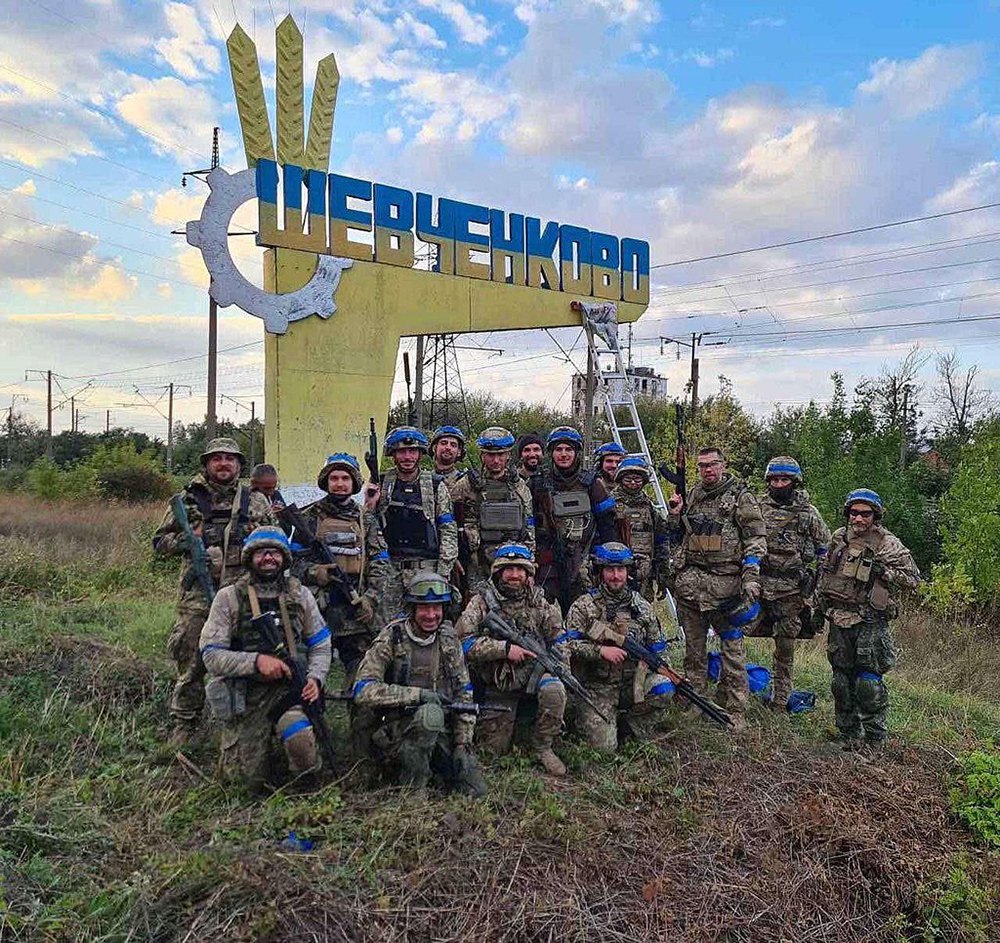
In Shevchenkove, the 92nd Brigade blocked the Russian forces that remained in the settlement and had tried to establish defensive positions on the first day.
“By morning, after we sent up the ‘birds’, we saw that the town was empty, all the trenches were empty, everything had been abandoned, and the Russians had fled towards the border. We entered without a fight, cleared what remained, dealt with those who were still there, and took the town. Not a single Ukrainian serviceman was injured,” the brigade commander says.
The fiercest resistance from the Russians came on the Kupyansk axis, on the opposite bank of the Oskil River.
“We took this side, where the district administration was located, quickly. But then we had to deploy pontoon bridges and ‘Bibers’ (Biber – a German-made armoured bridge-layer. – Ed.), because the bridges had been destroyed, and fight our way across and establish a foothold. The Russians had already had some time to regroup there and tried to put up resistance, but they failed,” Fedosenko says.
As Oleksandr Fatsevych recalls, the prisoners captured by police were ordinary servicemen – privates and non-commissioned officers. It turned out that they had received no orders from their commanders.
“As I understand it, the commanders fled, abandoning their personnel. They were demoralised and did not understand what was happening. Later, when the Russians realised that our forces were operating behind their lines, they decided to retreat quickly, abandoning their equipment. When we entered Balakliya and Izyum, there were dozens of tanks and armoured personnel carriers, which the National Police also captured as trophies. Local residents said: ‘We went to bed, and in the morning the Russians were already gone,’” Fatsevych recalls.
‘People brought out Ukrainian flags they had hidden and gathered in the central squares’
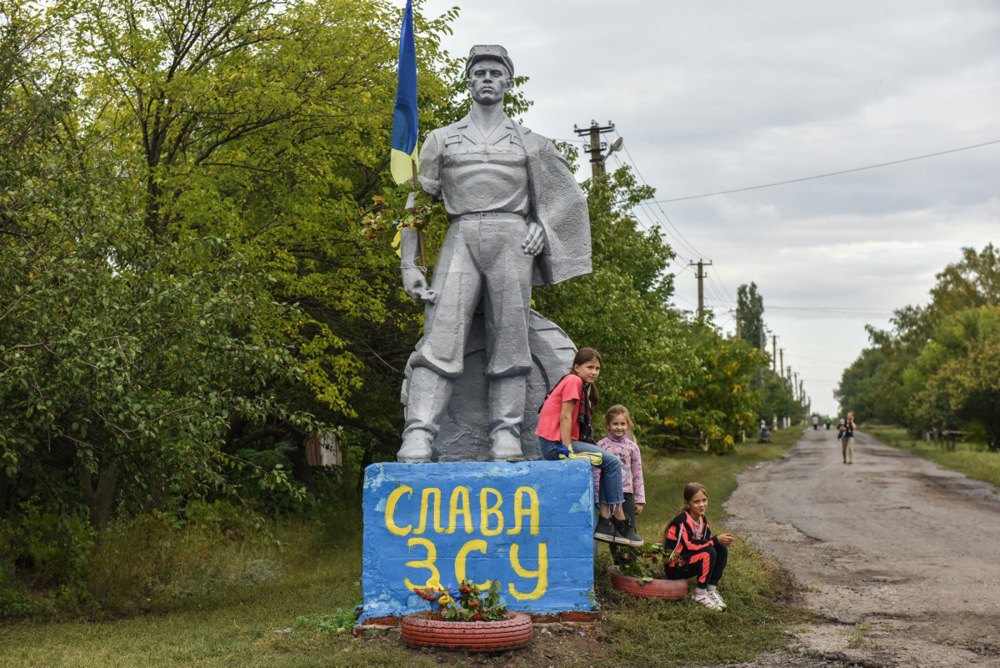
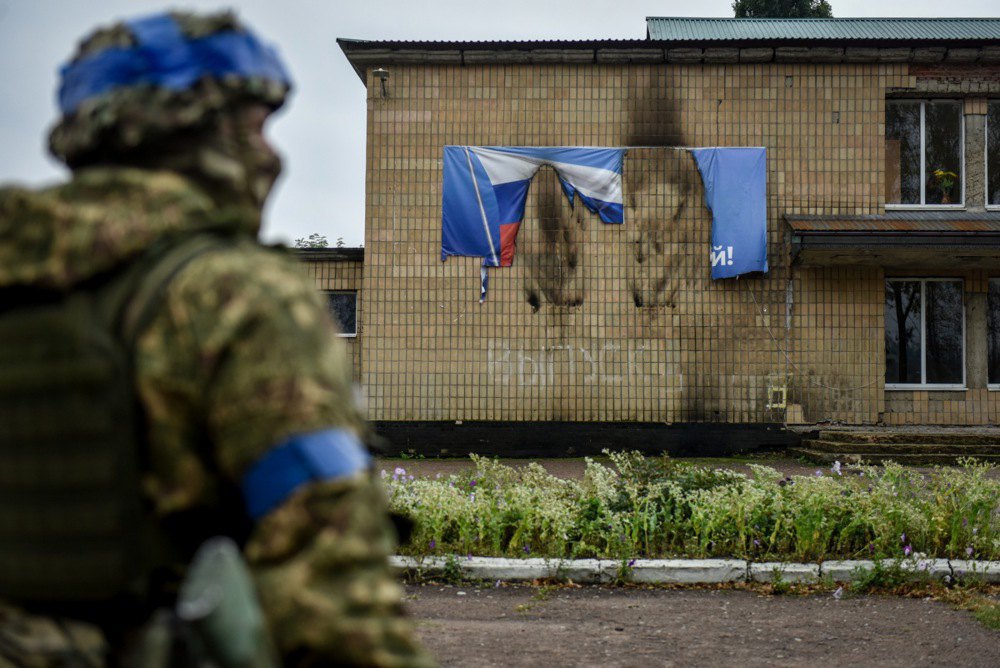
The way the KRAKEN special unit was welcomed in the settlements of Kharkiv Region it liberated was probably unlike anywhere else, Nemichev says: “People brought out Ukrainian flags they had hidden and gathered in the central squares of the towns. Wherever possible, there were literally celebrations. People hugged us, kissed us and fed us. They cried and laughed. These were incredibly warm and moving moments that, I think, none of those who were there will ever forget.”
Fedosenko says that all the way to the state border, whenever the 92nd Brigade entered a settlement, many people came out to meet the troops, carrying flags and bread.
“When we entered Kupyansk, people brought watermelons out from the first houses. They were crying and hugging us. It was the same in Shevchenkove,” the brigade commander recalls.
But there were also cases when locals greeted the liberation with fear, as a result of Russian propaganda.
“When we entered Kupyansk, there was a church of the Moscow Patriarchate there, and people hid in its basement, thinking we would shoot them. We went in and explained that we were liberating our own territory and had no intention of shooting anyone – there are competent authorities who will deal with everyone and establish who was a collaborator, who helped and who did not help the Russians,” the 92nd Brigade commander recalls.
In Kupyansk, Ukrainian troops found guards at the courthouse who had previously worked for the Ukrainian police and did not understand what had happened. They were handed over to our police.
“We also detained some turncoats near the police station – people who had been our police officers but quickly switched sides when the Russians arrived. I asked them, ‘Why?’ They said, ‘Well, we had to feed our families.’ We handed them over to the competent authorities as well,” Fedosenko recalls.
In Kupyansk, where the Russian National Guard and units from the so-called DPR/LPR were stationed, locals were told that they were second-class citizens and should also take up arms and defend their ‘independence’, Fedosenko says.
“But people did not really want to. There were some who were happy to have them there, but most said the occupiers treated them very badly and there was no food. They were mostly happy when we arrived, saying: ‘Thank God our own troops have finally come,’” Fedosenko says.
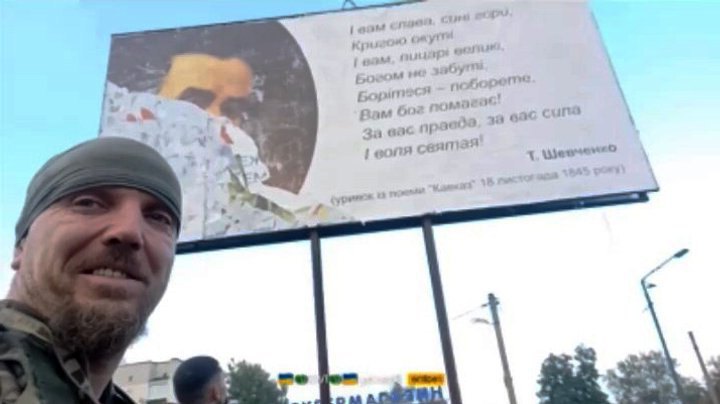
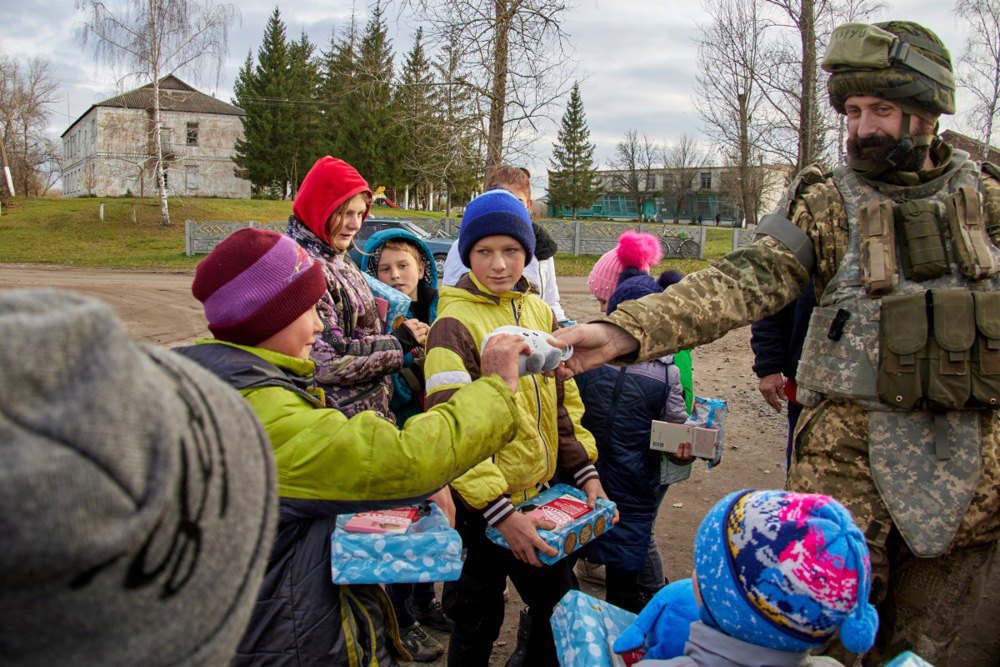
According to Oleksandr Fatsevych, civilians welcomed them warmly in Balakliya and Izyum, approaching them for help with food supplies and getting in touch with relatives: “They ran to the police for help. In fact, we were the first representatives of the authorities in these liberated settlements.”
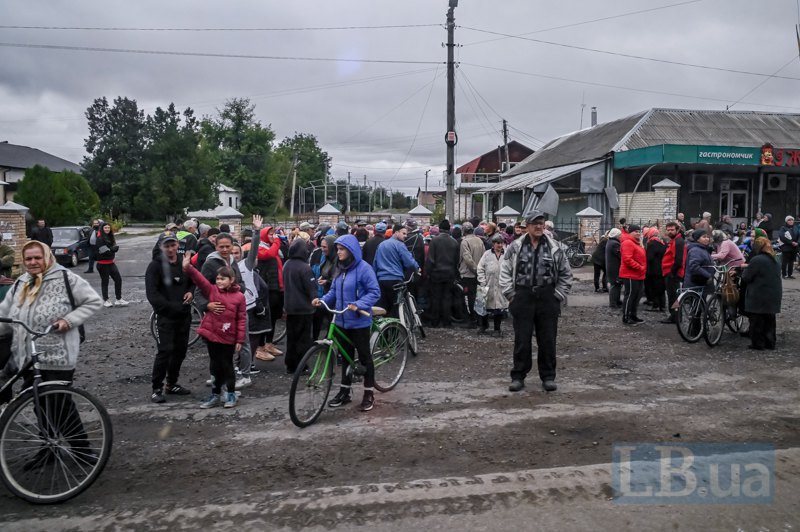
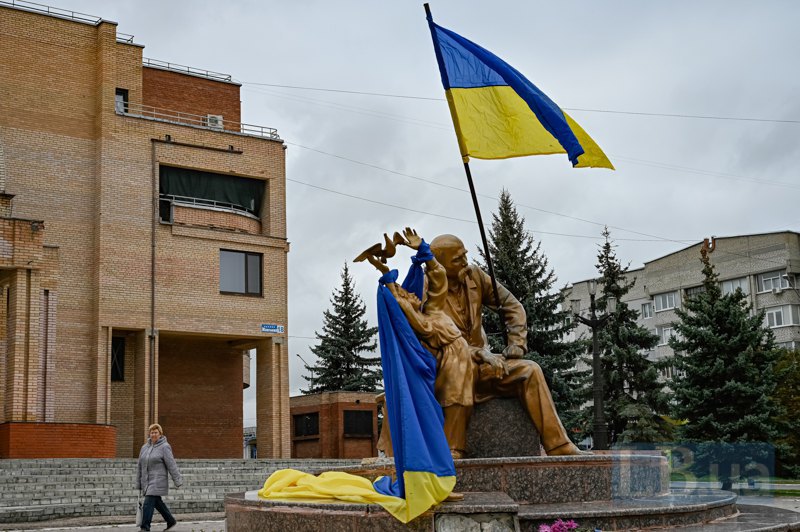
Later, in Donetsk Region, in Lyman, police officers saw locals near the building of a local police department who were looking for food: “We approached them and they looked at us. We said, ‘Slava Ukraini!’ They said, ‘Oh my God, our people have arrived!’ They had not even realised that Lyman had already been liberated. The local occupation administration had already left – and, incidentally, had been preparing for elections. We found election documents in the city administration building.”
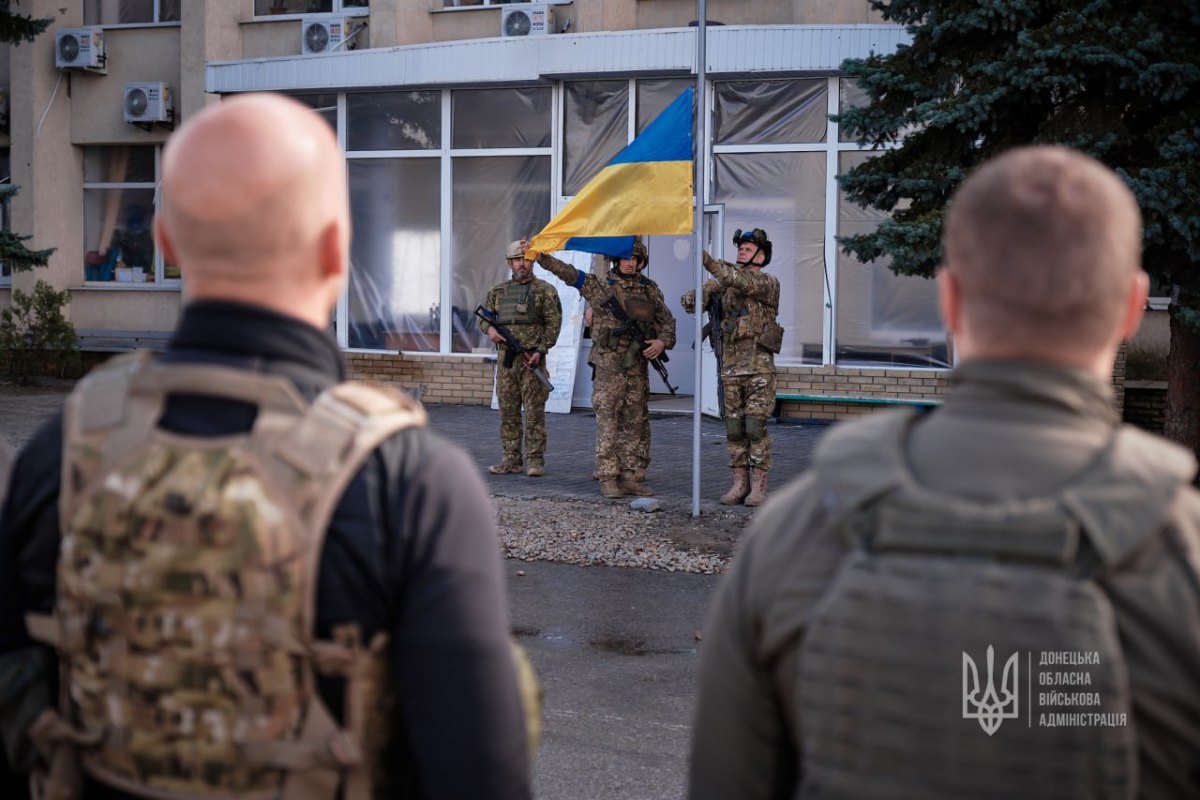
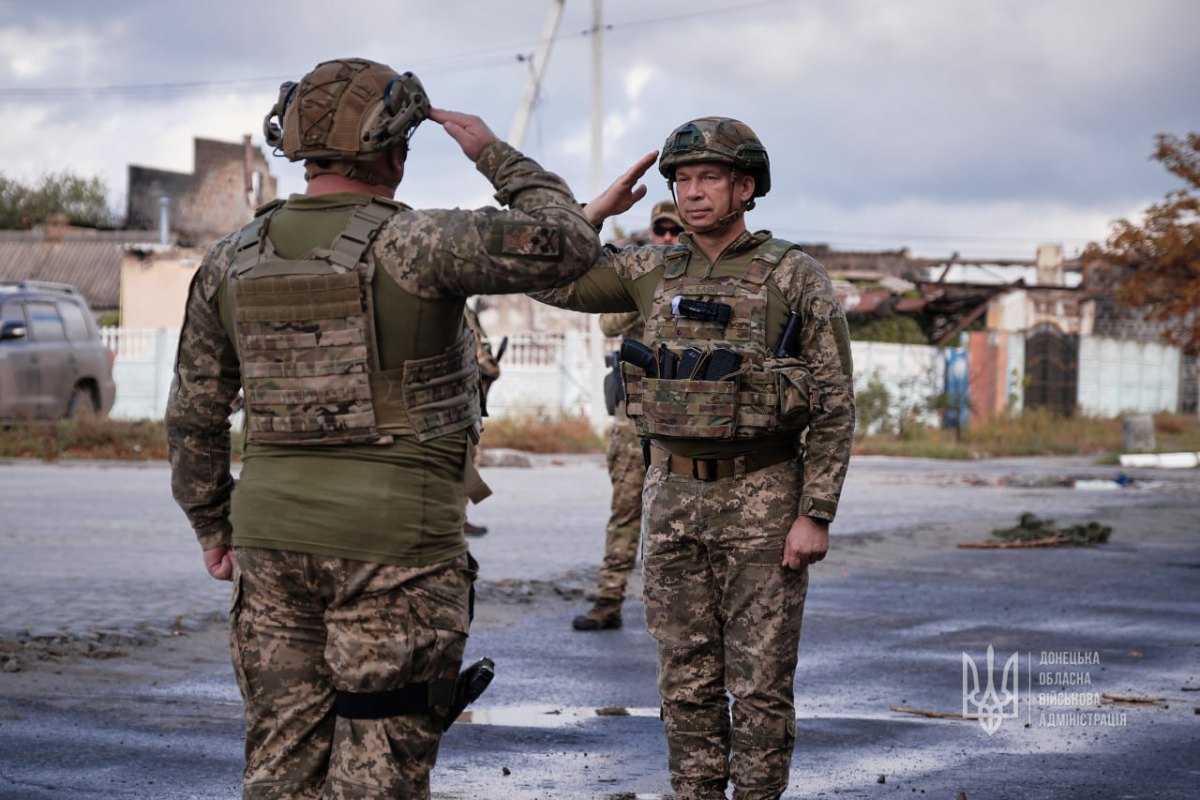
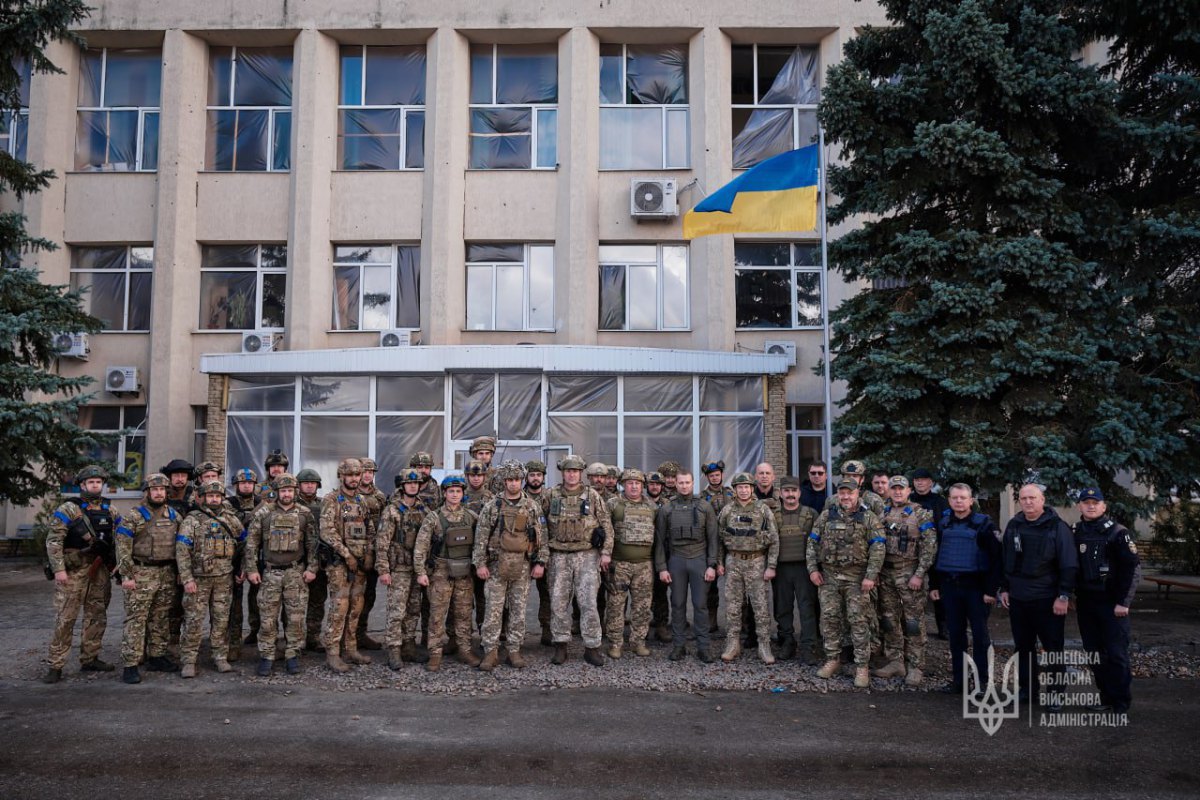
Fatsevych notes that in the occupied settlements, the Russians carried out a systematic campaign: flooding people with propaganda and recruiting them.
“People effectively had no food. The occupiers brought supplies, but humanitarian aid was only given to those who were loyal to them. They offered people jobs working for them. People worked in the administrations and were paid in Russian money. They were told that when Ukrainian troops arrived, they would be punitive battalions. But people welcomed us normally,” Fatsevych says.
At the same time, there were cases when police units received information from local residents about people who had collaborated with the occupation authorities. Such people were detained jointly with the SBU.
‘To repeat it, everything along the axis of advance would have to be cleared’
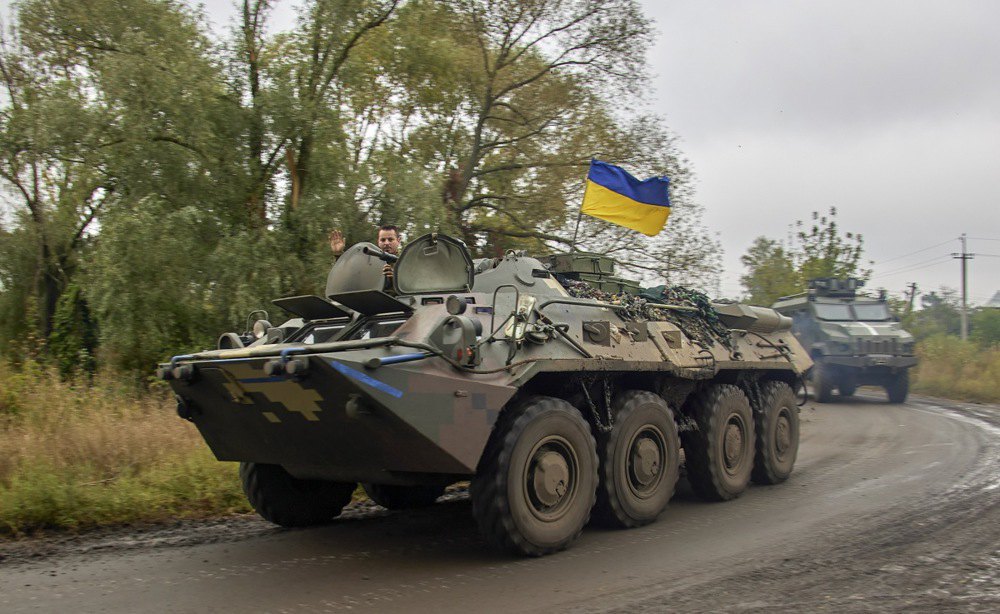
Pavlo Fedosenko says the nature of the war has changed significantly and that it would not be possible to fully replicate that counteroffensive today: “We advanced using armoured vehicles and could transport infantry units on armour. That is almost impossible now. We conducted small-arms engagements and fought with artillery – now it is FPV drones and UGVs. Infantry is now limited to small two- or three-man teams for movement and to mark our presence: the territory where our infantryman is present is our territory.”
Such an offensive could now look different – essentially an advance by drones, with people moving along a second line.
“In principle, it is possible. The key is competent leadership. All of this can be done and combined. The 3rd Army Corps is doing this, as are units on the Kharkiv and Zaporizhzhya axes,” Fedosenko says.
Assault actions and offensive operations are currently being conducted on some axes, and fairly successfully, the brigade commander notes. To turn individual operations into a large-scale offensive, greater coordination between corps is needed.
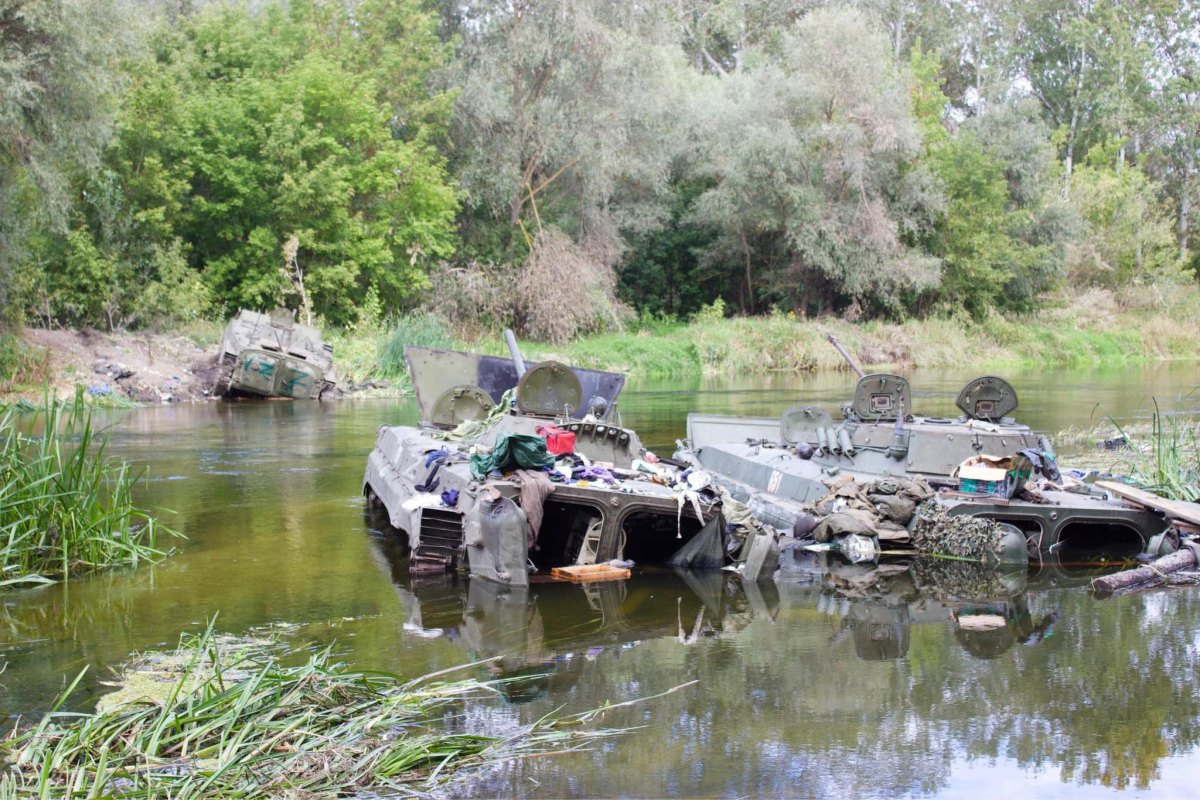
According to Oleksandr Fatsevych, in autumn 2022 there were far fewer unmanned reconnaissance and strike systems. Today, a unit commander has a complete view of the entire frontline, including every movement of individual Russian troops. There is no opportunity to use large offensive columns of armoured vehicles.
“If we deploy a large number of personnel and equipment, we will simply lose them without achieving success in the operation,” Fatsevych says.
To conduct a counteroffensive using columns of armoured vehicles under current conditions, the Russians would first have to be blinded as much as possible and deprived of a large number of strike capabilities, particularly FPV drones – by destroying launch sites and pilots.
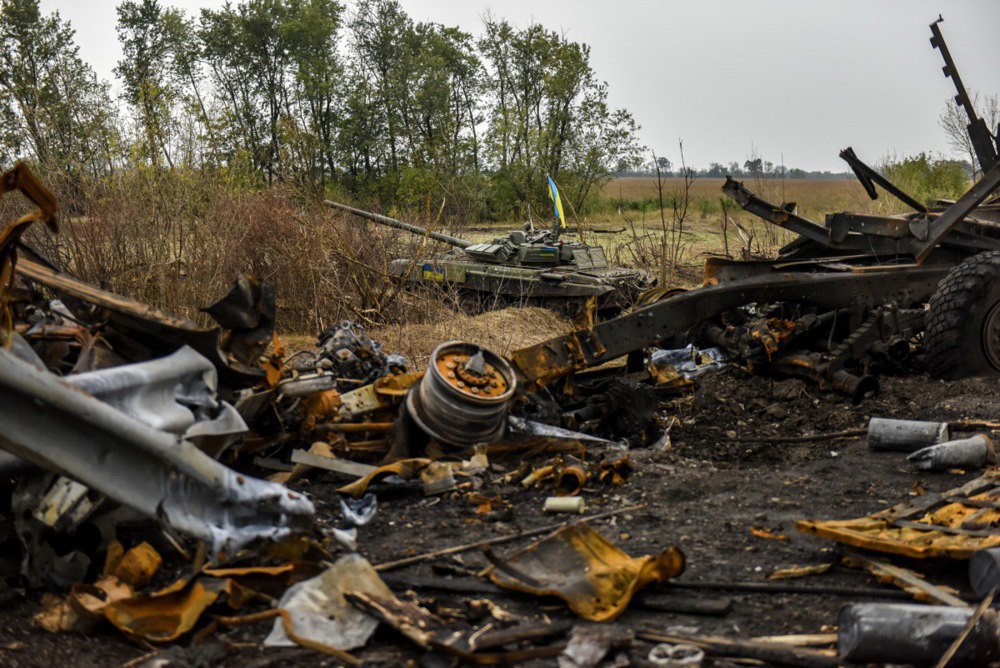
“It has to be a major effort – everything along the axis of advance needs to be cleared,” Fatsevych says.
He says that all offensive operations are now conducted by small groups, with maximum concealment and support from all available capabilities, including artillery and UAVs. The pace of advance is much slower: not 20–30 km a day, as in autumn 2022, but up to 1.5 km.
According to Kostyantyn Nemichev, many of the approaches used in 2022 now need to be adapted.
“At the same time, success today will depend not only on technology, but also on proper reconnaissance, planning, coordination and personnel training,” Nemichev says.