






Russians Are Adjusting Their Tactics for Strikes on Ukraine’s Energy Sector
Russia has never abandoned the idea of triggering a blackout in Ukraine. Over the past year, drones and missiles have periodically targeted the energy system. However, it is clear that a new phase of terror has now begun.
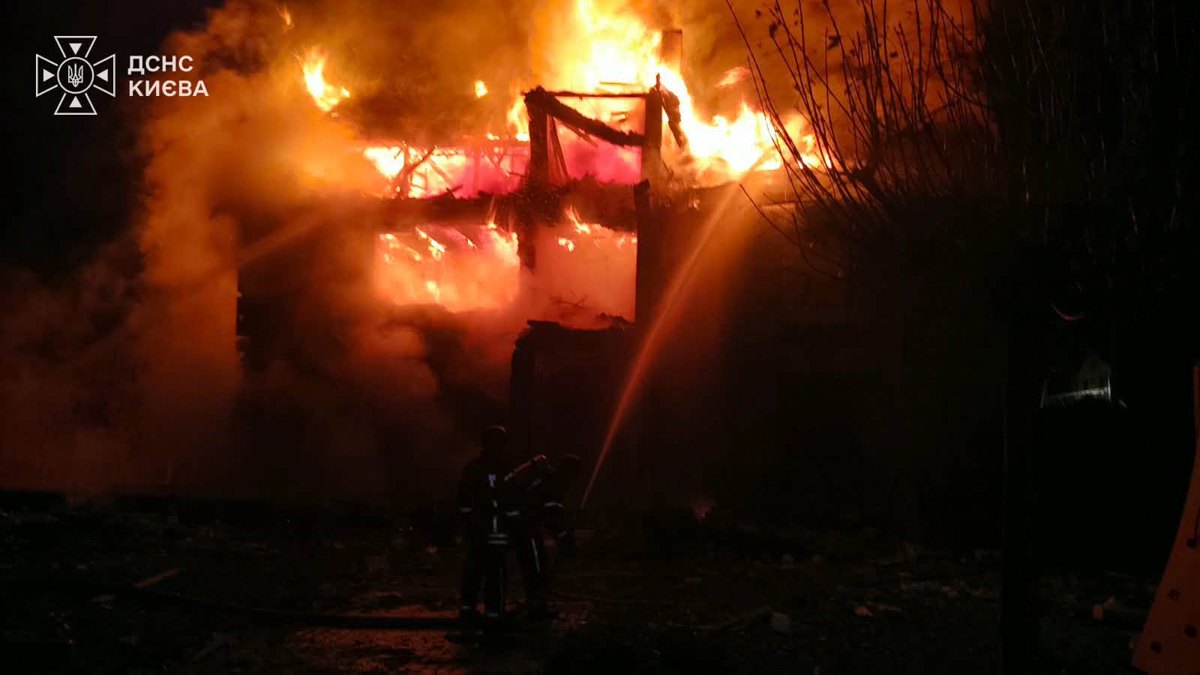
On 30 September, the Russians carried out the first mass strike on the energy sector of the new season. Kyiv and the surrounding region were under attack. The Kremlin tried to bring about a collapse in the capital. The Russians want to cut off the city’s power supply. To do so, they are using upgraded drones capable of severing high-voltage lines.
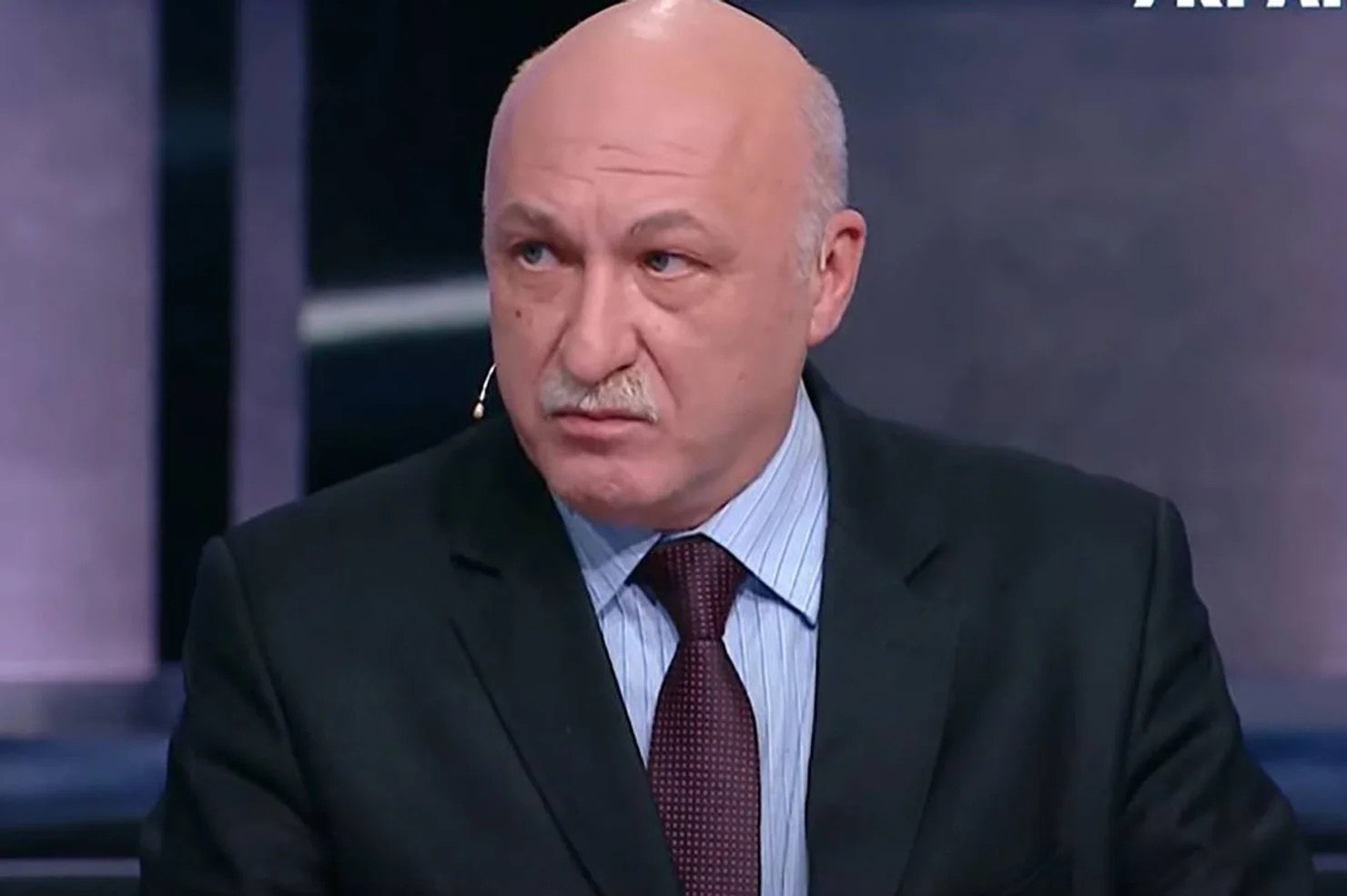
According to presidential adviser Serhiy Beskrestnov, the Russians fitted the UAVs with a 40 kg warhead and four strike modules. There was no such type of weaponry last heating season. So it is logical that attempts to destroy power lines will now increase — especially those lines that connect the two banks of the Dnipro.
“It’s a shaped-charge munition; it can destroy pylons like a tank turret. During this attack on Kyiv, that’s exactly how one power line was destroyed. Is it more frightening than other Russian means of attack? In my view, no. Restoring a pylon is certainly easier than restoring a substation. The enemy has started this energy terror early, not in the middle of winter,” says Pavlo Lakiychuk, head of security programmes at the Strategy XXI Centre for Global Studies.
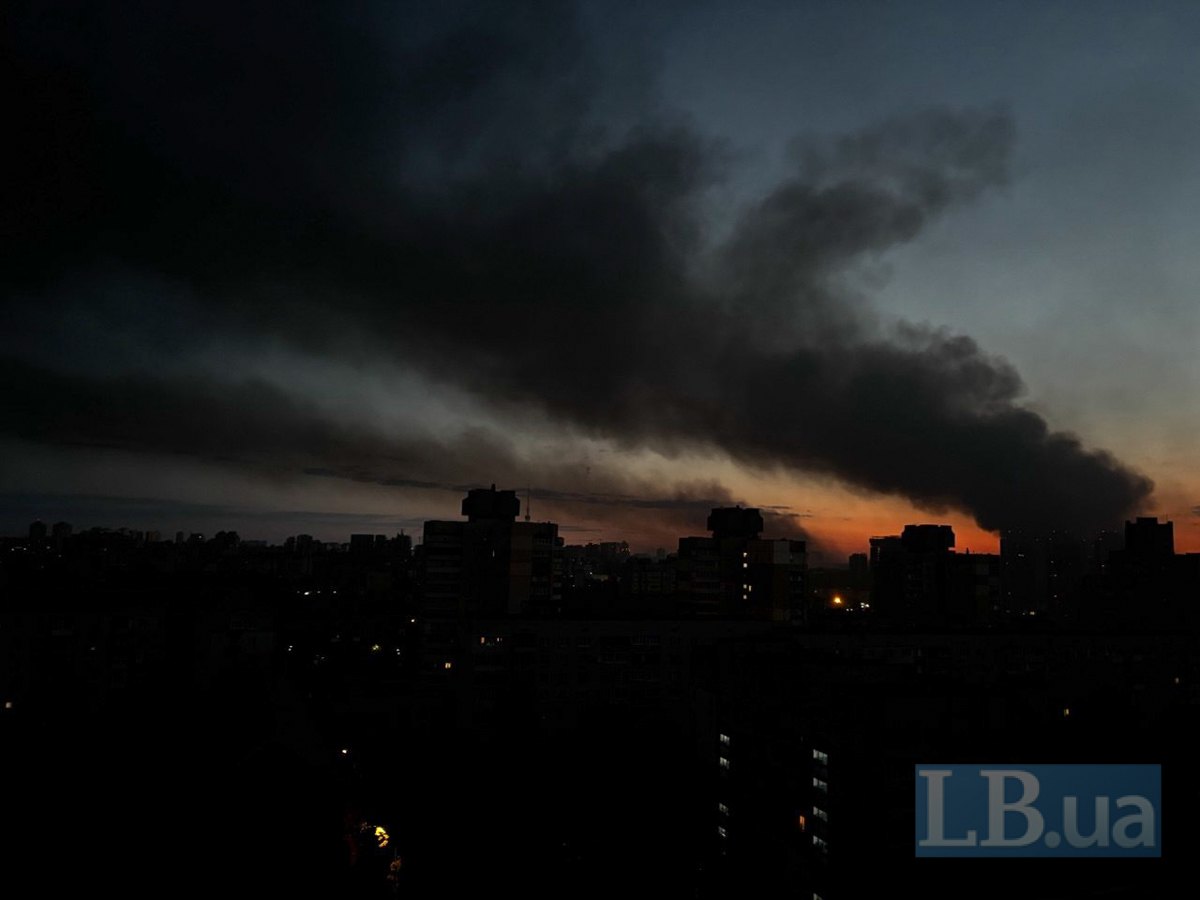
At the same time, the Russians are trying to destroy generation facilities around Kyiv. Drones and missiles were directed at the Trypillia thermal power plant and the Dnipro hydropower complex.
Outage schedules returned to the capital again: first emergency cuts, then planned ones. However, they did not last very long.
“Let’s remember all the rules: don’t get into a lift; if there is electricity, use it sparingly,” the head of the company wrote on social media,” wrote YASNO chief executive Serhiy Kovalenko on social media.
The Russians also want to destroy a high-voltage substation in Kyiv Region that is responsible for transmitting electricity from nuclear power plants in the west of the country to Kyiv. In other words, the enemy is approaching the attacks in a comprehensive way and still has several moves in reserve (even though they are entirely predictable).
Generation facilities inside Kyiv are also under attack. Drones are flying in whole batches towards the combined heat and power plants that heat the city in winter while also producing electricity.
“The enemy’s main task is to cut off power to Kyiv and the agglomeration and then prevent the city from being supplied with heat. Unfortunately, the Russians’ agent network works well. We saw this in the case of the Darnytsya CHP plant. As soon as there was black smoke above the stack — meaning repair work had been carried out — the next night something hit it, and specifically the turbine hall. The same thing happened to another CHP plant in Kyiv,” says energy expert and professor at Poltava Polytechnic Stanislav Ihnatiev.
It is clear that the next stages of Russian terror will involve attempts to destroy key facilities responsible for the operation of the water supply and sewerage system. This is a serious challenge both for Kyiv and for other cities.
Ukrainian intelligence obtained strategic documents describing Russian tactics for the next heating season. They were discussed, among others, by Energy Minister Denys Shmyhal in an interview. The Kremlin has ordered that a collapse be engineered in Ukraine’s major cities over the winter. Russia’s priorities are Kyiv, Odesa and Kharkiv.
The Russians plan to act in several waves. First, the Kremlin wants to sever the links for importing electricity from EU countries. To do this, the Russians plan to attack substations and interconnectors in Ukraine’s western Regions — Lviv, Ivano-Frankivsk and Transcarpathian.
Second, Moscow wants to focus on destroying Ukraine’s domestic power generation. That is, missiles and drones will once again fly towards thermal and hydropower plants.
“Why do they hit turbine halls so precisely, as happened with the Trypillya thermal power plant? Because until 2014 certain work there was carried out by Russian companies: they have fairly accurate schematics,” Stanislav Ihnatiyev adds.

At the same time, the Russians will try to shut down three operating Ukrainian nuclear power plants: Khmelnytskyy, Rivne and South Ukraine. To do this, they will strike substations responsible for feeding electricity from the nuclear plants into the grid.
According to The New York Times, the Kremlin aims to destroy up to 15 GW of Ukraine’s generating capacity. For context, that is slightly less than the country’s peak electricity consumption last winter.
None of these steps by the enemy is anything new for either the Ukrainian military or energy workers. The question is whether Ukraine will have the means to repel these attacks.
Last year, the Russians already struck interconnectors at the border and also tried to shut down nuclear power plants. By the way, in this case, the impotence of the International Atomic Energy Agency was striking in previous years. If Russia again tries to stop Ukraine’s nuclear plants, the IAEA will have an excellent opportunity to demonstrate its effectiveness.
The Russians carry out local strikes on the energy sector almost every day. As a result, in some Regions the situation remains very fragile: if the energy balance is disrupted, outages are possible. Ukrenergo is urging consumers to switch on high-power appliances during daylight hours, when solar power plants are still operating actively and there is no peak load. In the evening, electricity should be saved, especially between 17:00 and 22:00.

“A new stage of the energy confrontation has effectively begun. Its outcome will depend not only on Ukraine’s ability to restore its own energy system after strikes, but also on how effectively it can reduce Russia’s resource capacity to continue this war,” writes Volodymyr Omelchenko, Director of Energy Programmes at the Razumkov Centre.
Has the Country Managed to Prepare for the Next Heating Season?
Since August, electricity consumption in Ukraine has been falling sharply. In August, the lowest figure in history was recorded — 5.6 GW — and the trend continued in September. The reason is Russian strikes on industry and the blocking of exports, which have brought major metallurgical enterprises to a halt.
On the one hand, more generation will be allocated to household consumers and critical infrastructure. But on the other, the shutdown of large industrial enterprises will have a negative impact on the energy system.
The process of balancing the grid may become more complicated once all nuclear power plants return from scheduled maintenance. The total capacity of all units is almost 8 GW, while minimum grid consumption in recent weeks has already been lower.
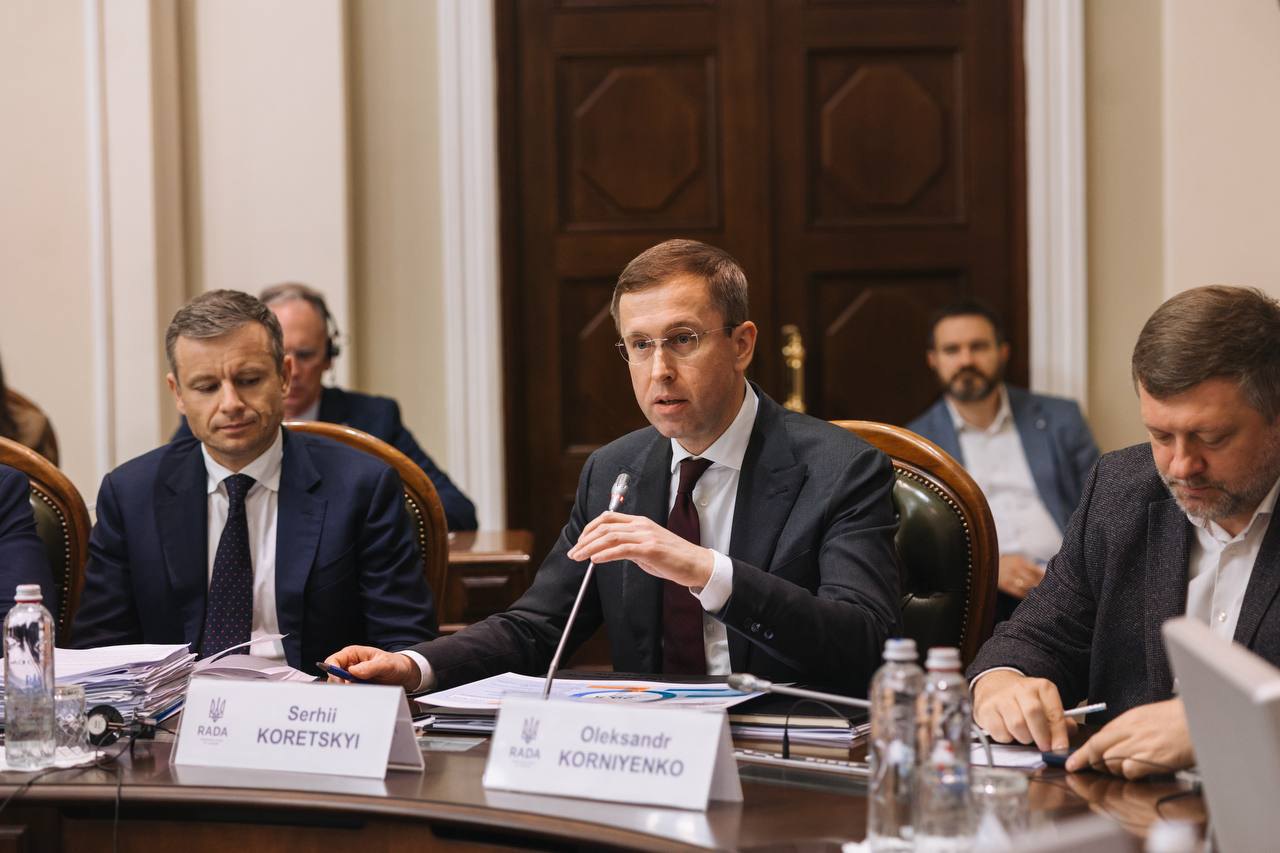
Prime Minister Serhiy Koretskyy says that Ukraine is better prepared for the coming winter than it was last year. However, there are plenty of problems: for example, a budget shortfall has led to a complete paralysis of government funding for resilience plans. Those documents envisaged building around 1.5 GW of distributed generation. The government now calls the resilience plans an overly ambitious undertaking.
“I think that overall this year around 1 GW of solar (solar power plants) will be built, another 700–800 MW of wind. I think about 500 MW of new gas generation,” says Andriy Herus, head of the Verkhovna Rada Committee on Energy.
By the end of the year, Ukraine’s energy sector should have enough generating capacity to meet the country’s needs. But again, everything will depend on the main factor — how effectively Ukraine can repel Russian attacks.
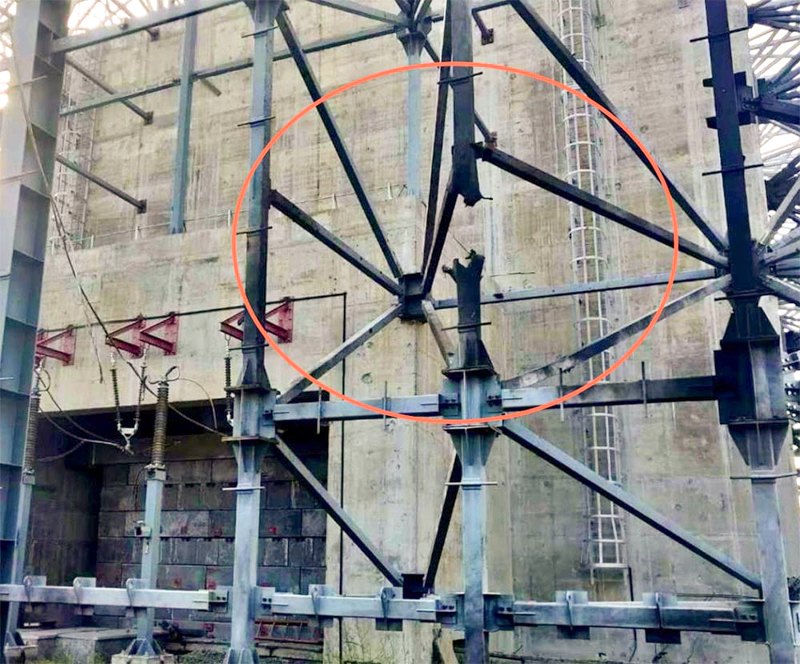
Physical protection of energy infrastructure is also important. In frontline Regions, work has been carried out since last November by the State Agency for Restoration. In total, this concerns 120 facilities: large substations, water supply systems and thermal generation facilities.
“Some 330 kV substations where protection was built withstood more than 60 direct Shahed hits. But that doesn’t mean that if a ballistic missile hits, it will withstand it and be able to transmit electricity. But we understand the situation in Sumy, the situation in Zaporizhzhya, how many guided aerial bombs, missiles, drones and everything else are flying in. And those cities have water, they have heat. It all works,” explains Serhiy Sukhomlyn, former head of the State Agency for Restoration and Infrastructure Development.
More than another 500 facilities were supposed to be equipped with physical protection this year by the communities themselves. This work was to be carried out under the resilience plans. However, due to the budget crisis, the government has halted funding for the work.
Serhiy Sukhomlyn says that many materials for building physical protection (for example, rebar) are no longer produced in Ukraine and must be imported.
“With the implementation of the resilience plans, the risks [from Russian shelling] will be significantly reduced. The other issue is that, for now, there is a problem with the suspension of funding, and this will have a fairly serious impact on the implementation of this programme,” the former agency head believes.
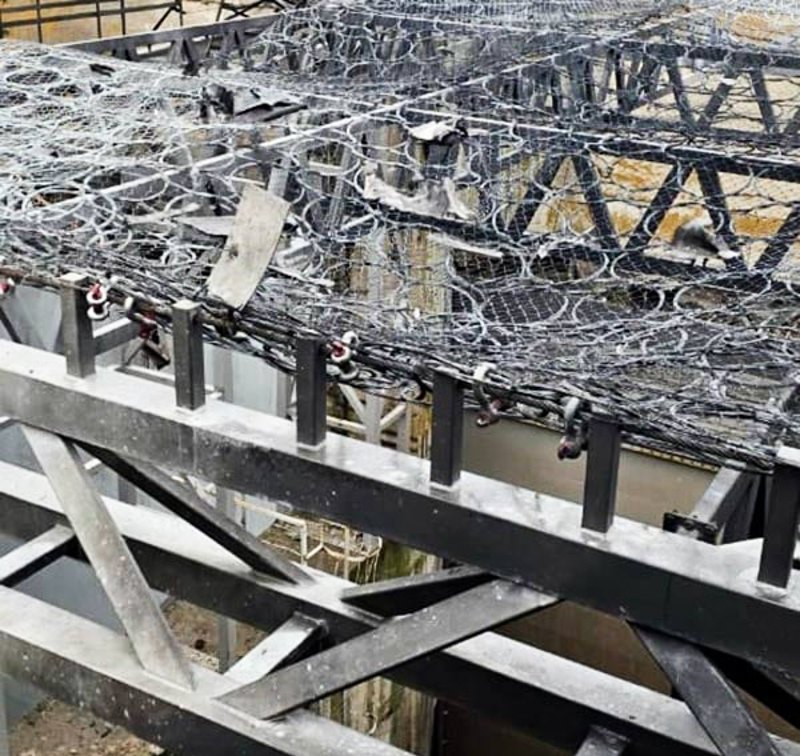
Ukraine has made significant progress in building physical protection, says Roman Nitsovych, co-founder and research director at the DiXi Group analytical centre. For example, a second level of protection has been built at Ukrenergo’s main substations. This includes massive reinforced-concrete structures, blast screens and anti-drone nets over autotransformers, the expert adds. In total, this concerns around 200 such structures.
At the same time, Roman Nitsovych also points to the risks created by funding constraints due to the budget deficit. This is not about a complete collapse of projects, but about shifting their implementation timelines.
And although the Ministry of Finance is not talking about a total cancellation of allocations, but rather postponing payments until December, this may not fix the situation.
“However, in practice, since mid-September, payments for capital expenditures have not been made, including for work already completed. This creates a cascading effect: contractors cannot settle with suppliers and creditors, and the deadlines for commissioning protective structures are pushed back,” Roman Nitsovych explains.
The expert adds that, at the same time, work funded by international partners, businesses and state-owned companies can continue without such delays.
Government: There Is Enough Fuel for the Winter
Ukraine has already accumulated close to 16 billion cubic metres of gas in underground storage. That is almost a quarter more than last year. In other words, the figure has already exceeded the baseline target of 14 billion cubic metres for the winter that the government was using as a benchmark.
Gas consumption is currently at a very low level due to Russian strikes on industry and the shutdown of a number of plants. Production is currently sufficient both for current needs and for continued injection. That means that as of 1 November there will be even more gas in storage.
“The accumulation plan has been fulfilled. With all due respect, it’s a lucky coincidence that our consumption has fallen so much that Naftogaz was able to accumulate the necessary volumes without any imports. Because it has no money for imports, and none is expected,” says Oleksandr Kharchenko, head of the Energy Research Centre.
When calculating gas reserves for the winter, one important indicator must be taken into account, says energy sector specialist Hennadiy Ryabtsev. This is the so-called buffer fuel: the volume of gas that cannot be withdrawn in winter.
“These statements refer to the absolute figure; from that you need to subtract the buffer gas and the long-term storage gas. And that is, excuse me, 4.7 billion cubic metres. Then it turns out we still have a lot more to accumulate. This confusion between the absolute fullness of storage facilities and the volumes of gas that can actually be used looks suspicious. The real figure is more than 11 billion,” the expert insists.
At the same time, the government has still not dared to allow limited gas sales to the European market. This was requested, among others, by private producers.
The Cabinet of Ministers wants to play it safe. On the one hand, limited gas exports could bring an inflow of foreign currency to the sector. Prices on the European market remain high.
The country also has enough coal for the winter. The overall level of stocks at thermal power plant depots has already reached 1.7 million tonnes. That is enough for generation; the other question is whether there will be anywhere to burn such a volume.